August Birthstone: Peridot, Spinel or Sardonyx, Which One?
Which one suits your color, which lasts in a ring, which costs less, and how to avoid an imitation.

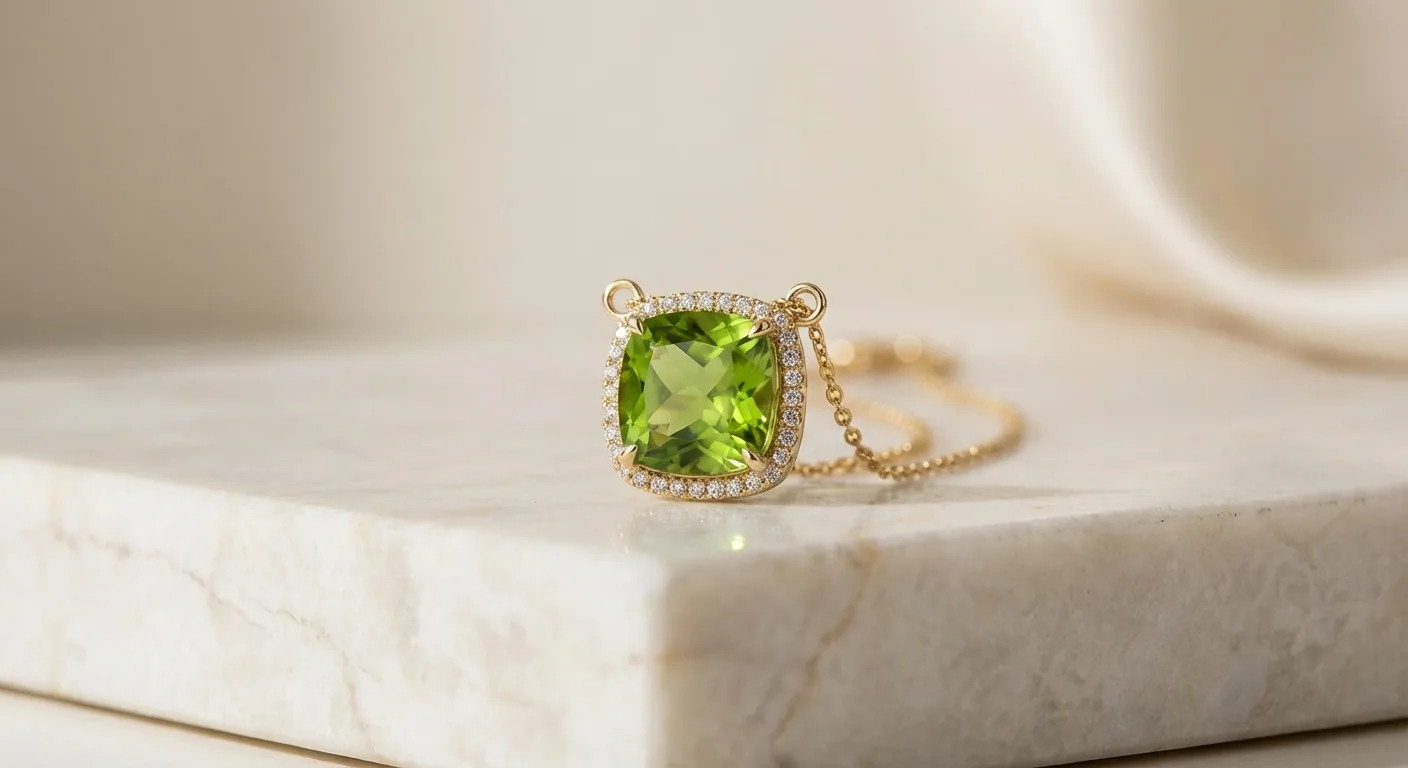
Your August birthstone can be peridot, spinel or sardonyx, and all three count. Peridot is always green and affordable. Spinel comes in red, pink, blue and more, and is the one to wear every day in a ring. Sardonyx, banded brown and white, is the low-cost classic for cameos and seals.
| Stone | Colors | In a ring every day |
|---|---|---|
| Peridot | Green only, lime to olive | 6.5-7: needs a protective setting |
| Spinel | Red, pink, orange, violet, blue | 8, tough: fine for daily wear |
| Sardonyx | Reddish brown bands with white or black | 6.5-7, tough: cameos, seals |
Peridot, spinel or sardonyx: which suits you?
Start from the color you want on your hand.
- Choose peridot for green, from lime to olive. It never comes in another color, because iron is part of the mineral itself. It is the most affordable untreated green stone in standard sizes.
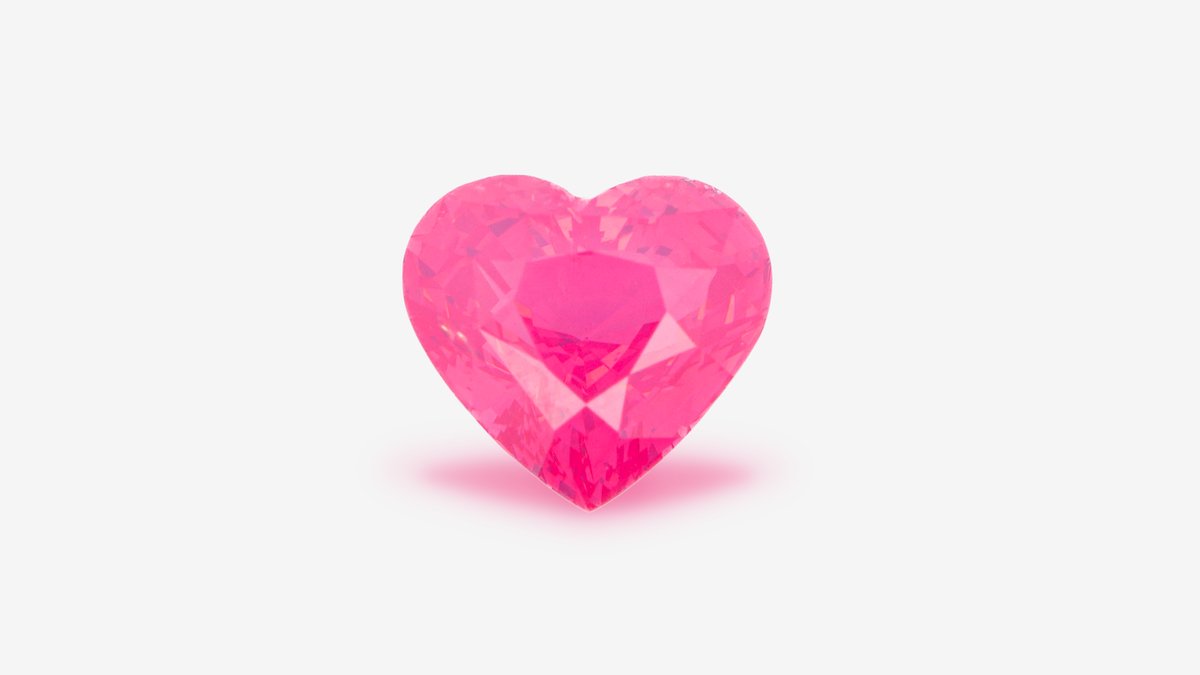
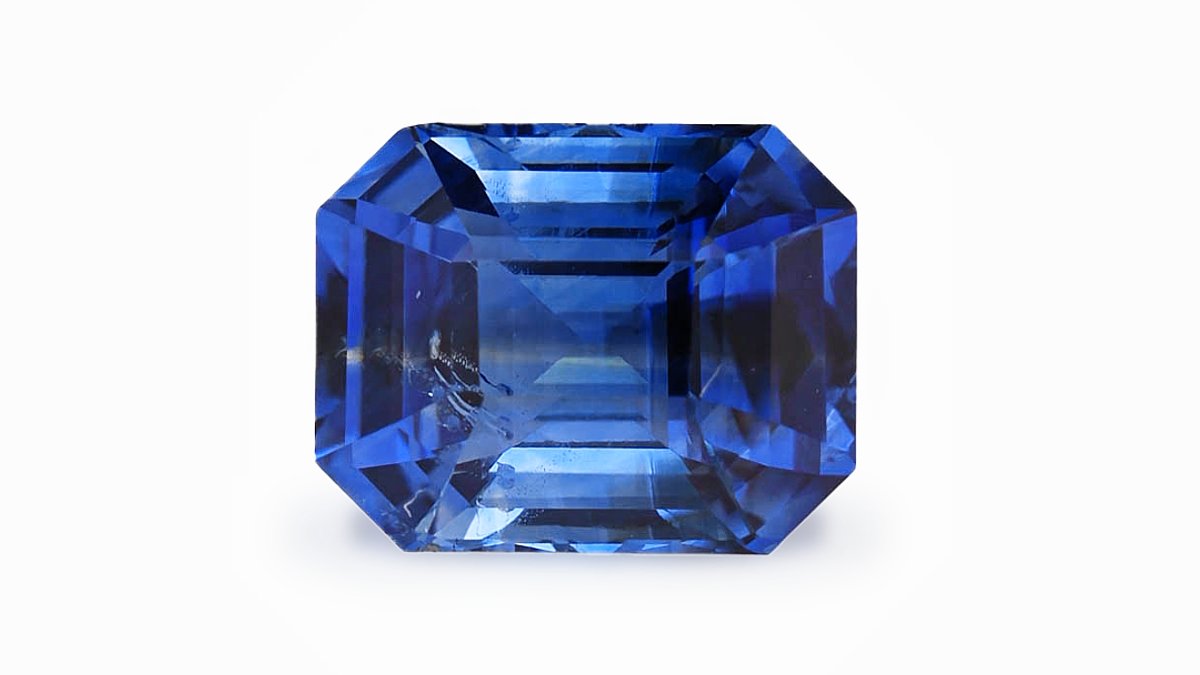
- Choose spinel for red, pink, orange, violet or blue. The finest reds can rival ruby, and the stone is hard and tough enough for daily wear in any jewel.
- Choose sardonyx for straight bands of reddish brown with white or black. It is carved into cameos and seals, and cut into beads and cabochons, often in large sizes.
Choose a swatch to see the real spinel
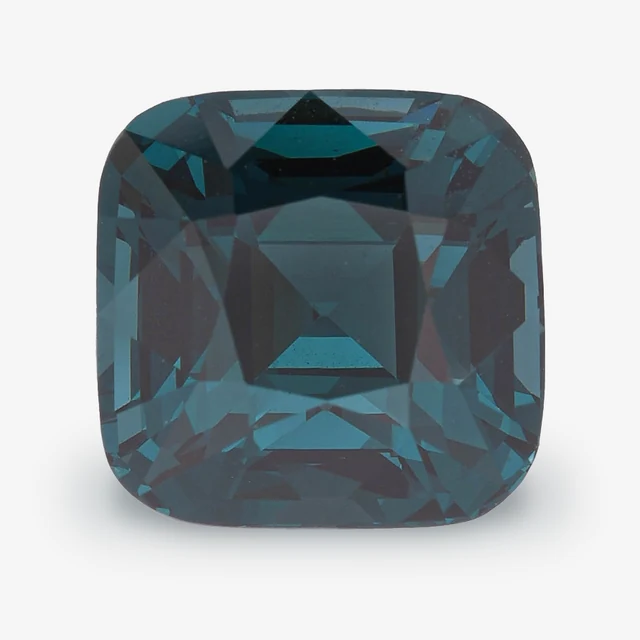
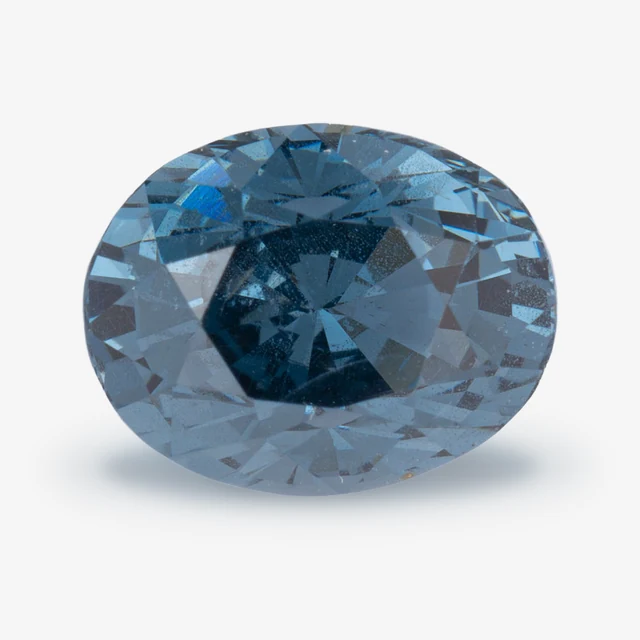
Deep greenish blue
Spinel
Listed as deep greenish blue. 4.15 ct, cushion cut
Joalys catalogue photo
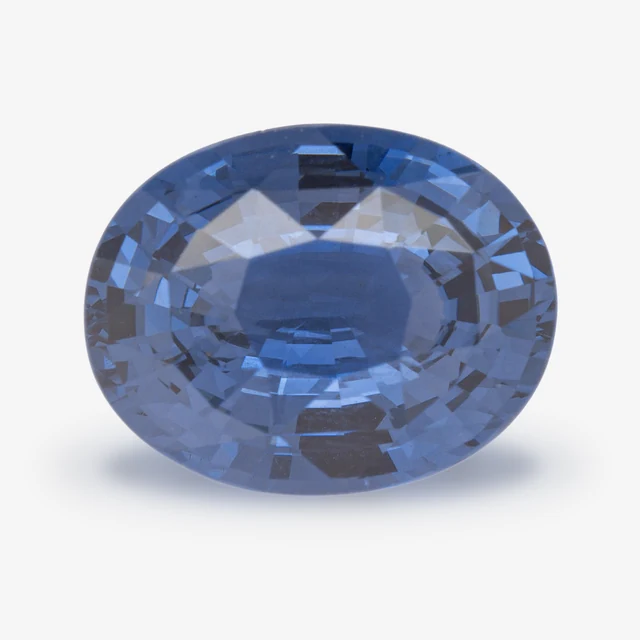
Blue
Spinel
Listed as blue. 4.20 ct, oval cut
Joalys catalogue photo
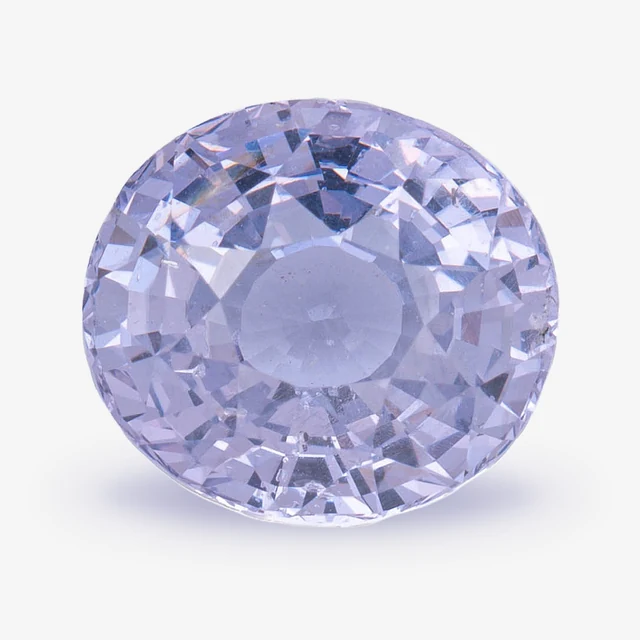
Violetish blue
Spinel
Listed as violetish blue. 5.15 ct, oval cut
Joalys catalogue photo
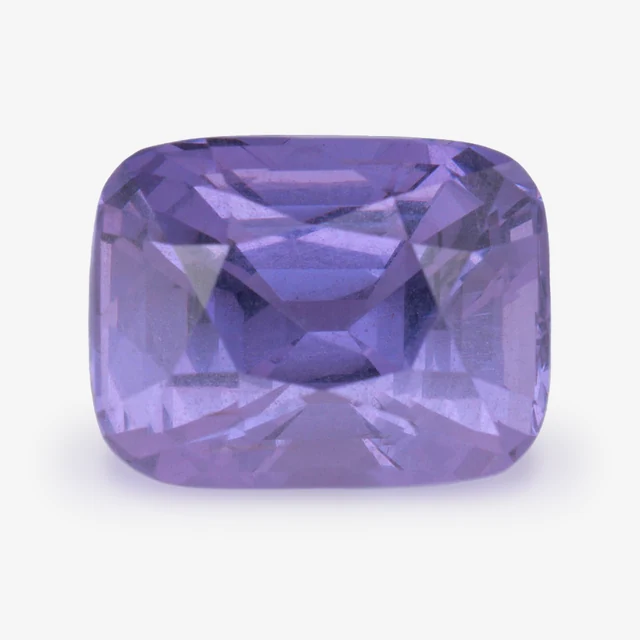
Lavender
Spinel
Listed as lavender. 3.04 ct, oval cut
Joalys catalogue photo
Purple
Spinel
Listed as purple. 4.10 ct, cushion cut
Joalys catalogue photo
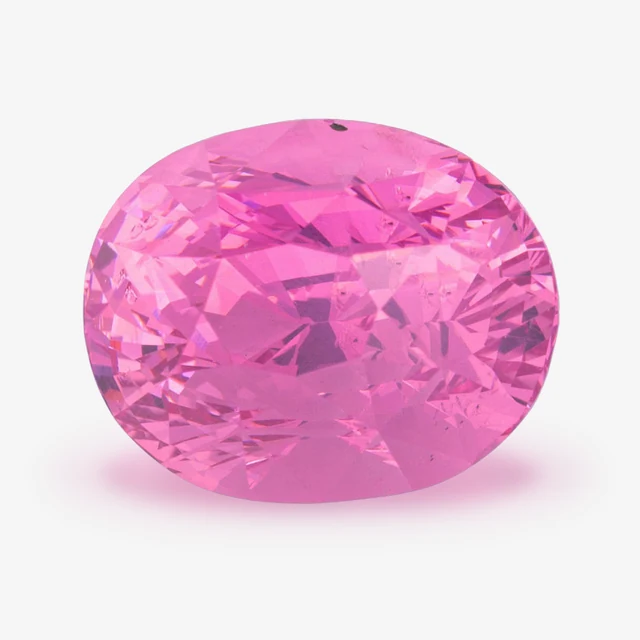
Vivid pink
Spinel
Listed as vivid pink. 4.03 ct, oval cut
Joalys catalogue photo
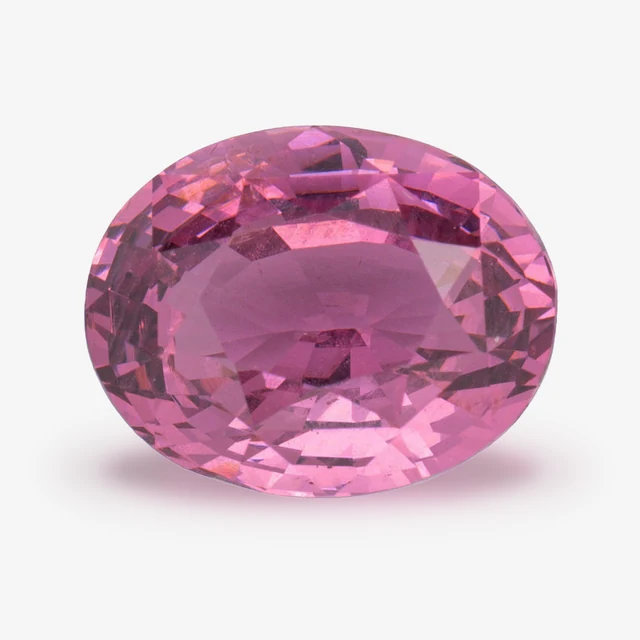
Pink
Spinel
Listed as pink. 3.04 ct, oval cut
Joalys catalogue photo
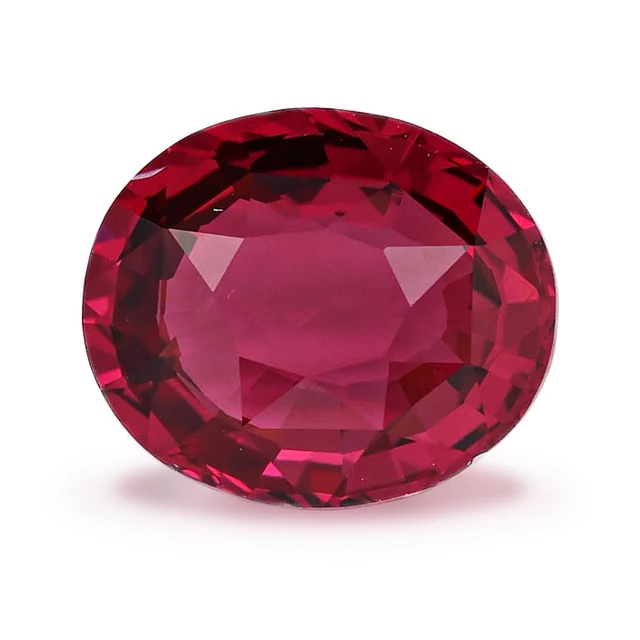
Purplish pink
Spinel
Listed as purplish pink. 2.64 ct, oval cut
Joalys catalogue photo
Eight spinels from our collection on 18 October 2026, catalogue photos on a pale ground, ordered by the hue measured on each photo. Each swatch is that measured color, not one chosen by hand. The names are the ones we list the stones under. We have no red spinel in stock: the most valued color is not shown here. A photo is not daylight, and the stones are not shown to scale.
Which August birthstone lasts in a ring?
Spinel, clearly. It rates 8 for hardness and good for toughness, so it suits any jewel worn every day, rings included. Peridot and sardonyx both rate 6.5 to 7: sardonyx is tough, while peridot scratches more easily and is only fair to good against knocks.
Peridot, spinel and sardonyx in a ring
Hardness is resistance to scratches, toughness is resistance to knocks. A ring needs both. Tap a stone.
Touch a point to read about the stone.
Peridot Mohs 6.5 to 7 · Toughness: Fair to good
6.5 to 7 on the Mohs scale: it scratches more easily, and its toughness is fair to good. In a ring it wants a setting that guards its edges.
Spinel Mohs 8 · Toughness: Good
8 on the Mohs scale with good toughness: hard and tough enough for daily wear in any jewel, rings included.
Sardonyx Mohs 6.5 to 7 · Toughness: Good
6.5 to 7 on the Mohs scale, like peridot, but with good toughness: it takes knocks well. It is carved into cameos and seals.
| Stone | Mohs | Toughness |
|---|---|---|
| 1Peridot6.5 to 7 on the Mohs scale: it scratches more easily, and its toughness is fair to good. In a ring it wants a setting that guards its edges. | 6.5 to 7 | Fair to good |
| 2Spinel8 on the Mohs scale with good toughness: hard and tough enough for daily wear in any jewel, rings included. | 8 | Good |
| 3Sardonyx6.5 to 7 on the Mohs scale, like peridot, but with good toughness: it takes knocks well. It is carved into cameos and seals. | 6.5 to 7 | Good |
Points that would overlap are moved apart a little. The exact values are in the table.
Toughness has no number: it is rated in words, and one stone can sit on two lines. Inclusions, fractures or some treatments lower it for any single stone.
Source: Hardness and toughness as published in standard gemology references, checked on October 18, 2026.
So a peridot ring wants a setting that guards its edges, and it is happier in a pendant or earrings. Two habits for peridot: tell your jeweler before any resizing, because a sudden temperature change can crack it, and clean it in warm soapy water, never with steam, and skip the ultrasonic. Spinel and sardonyx usually tolerate an ultrasonic cleaner. More in our guide to peridot jewelry.
Which August birthstone costs the least?
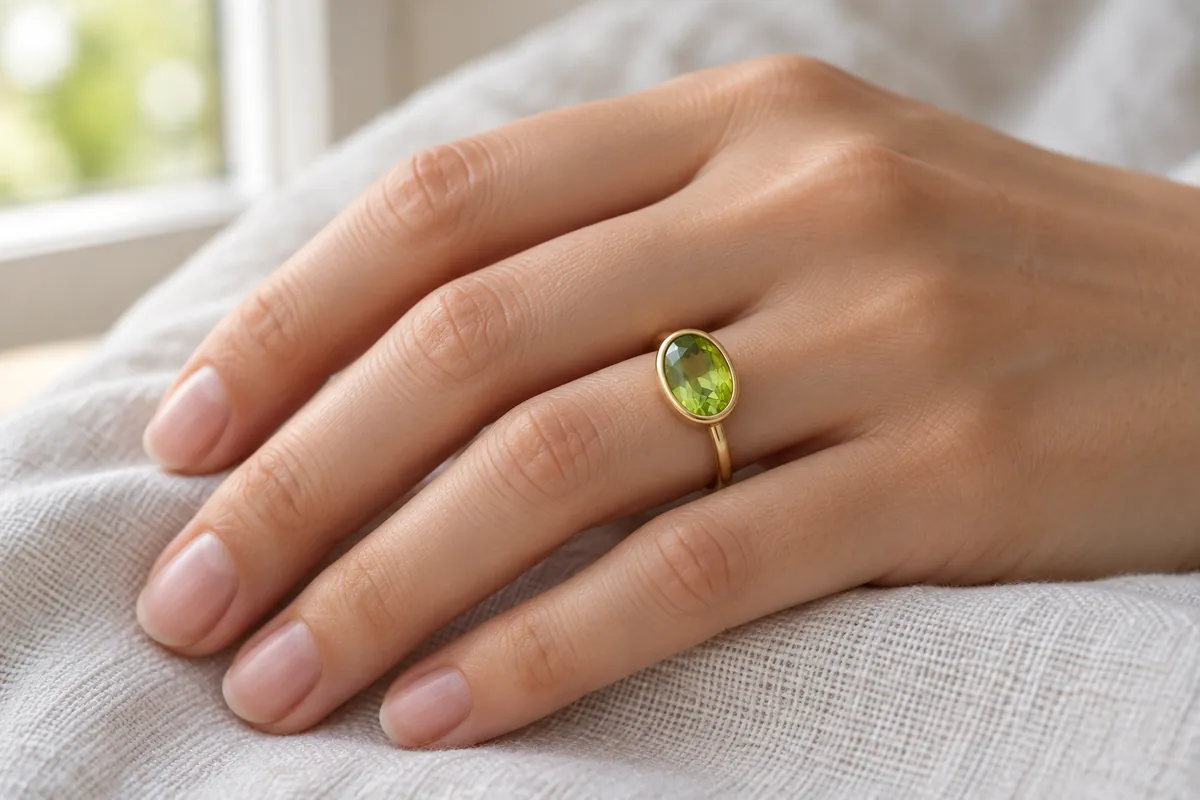
Sardonyx and peridot are the affordable two. Spinel is the one whose price climbs, with its color.
- Sardonyx is plentiful and inexpensive, even in large pieces.
- Peridot is inexpensive in small sizes; prices rise above about 10 by 8 millimeters, and the finest large stones come from Myanmar and Pakistan.
- Spinel is priced by color: lavender and violet sell for less, then vivid orange and hot pink, then cobalt blue, and red is the most valued. Fine red, pink and blue stones over 5 carats get scarce, and dear.
What sellers asked on 18 October 2026, in the listings we read: faceted peridot of 4 to 7 carats, $70 to $360 a carat, the spread between the median prices of three sellers. Next to ruby, spinel stays reasonable: a top red spinel of 5 carats might sell for around a tenth of an equivalent ruby. For spinel by color, see our spinel price guide; for the wider market, our colored gemstone market statistics.
Are August birthstones treated, or even real?
Treatment is rarely the problem here. Imitation is.
- Peridot has no known treatment. But glass and synthetic spinel imitate it, and synthetic spinel is common in birthstone jewelry.
- Spinel is rarely treated. Because the synthetic is so common, many people have never seen a natural one.
- Sardonyx belongs to chalcedony, a family that is commonly dyed.
In the US, an imitation cannot be sold as a birthstone under the gem's name alone: the word imitation or simulant must appear just as clearly. Look for it on the label.
One clue for peridot: it splits light so strongly that the back facet edges can look doubled, sometimes without a loupe. Seeing it rules out glass and synthetic spinel, which never double; not seeing it proves nothing. Ask for a report from an independent laboratory that names the species and says natural or synthetic: what a lab report proves.
Under a loupe
Doubled or single: the back edges of a green stone
Look into the stone through a side facet, at the edges where the back facets meet. Peridot can show each one twice. Glass and synthetic spinel show it once.
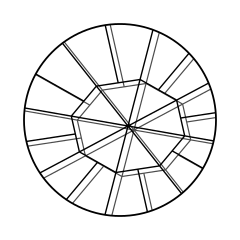
- Doubled back edges Each edge at the back shows twice, side by side. Peridot splits light so strongly that you may see it without a loupe.
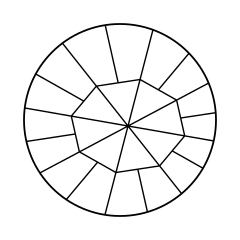
- Single, sharp edges Each edge shows once: glass and synthetic spinel do not split light in two.
Illustration. Simplified drawings of what to look for, not photographs of real stones.
Seeing the doubling rules out glass and synthetic spinel; not seeing it proves nothing. A drawing does not replace a laboratory report that says natural or synthetic.
Quick answers
Is the August birthstone peridot or spinel?
What color is the August birthstone?
Is the August birthstone an emerald?
What does the August birthstone mean?
Choose the color, then the setting
Pick the color first: green leaves you peridot, red, pink or blue means spinel, bands mean sardonyx. Then match the stone to your hands: spinel for a hard life, a protective setting for peridot. And ask for a lab report that says natural.