
Ruby Collection
8 stones in stock · $572 to $1,394 · $550–$1,256 per carat · 0.62–1.11 ct · 1 unheated
Ruby is the king of colored gemstones. Nothing else carries the same weight, the same history, the same emotional impact. The finest specimens, true pigeon blood reds, are among the rarest things on earth. We source our rubies from partner mines in Myanmar, Mozambique, Sri Lanka and other key origins. Direct from mine, no middlemen. What drives the price? Color first, always. A pure red with no brown or purple undertone is what collectors fight over. Then clarity, size, and whether it's been heated. Unheated rubies with good color are extraordinarily rare. See what we have in stock below, or tell us what you're after.
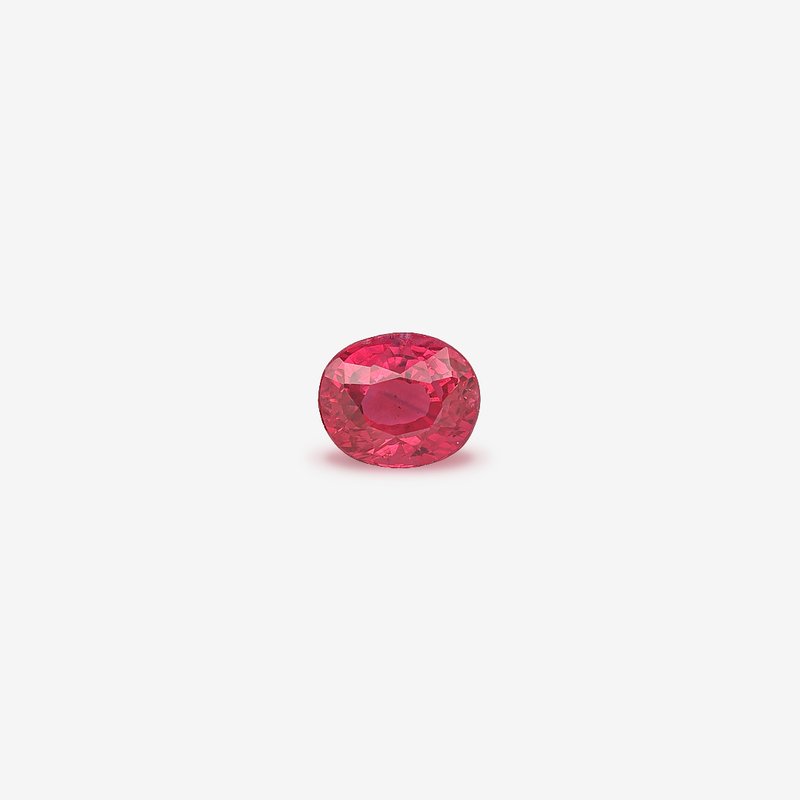
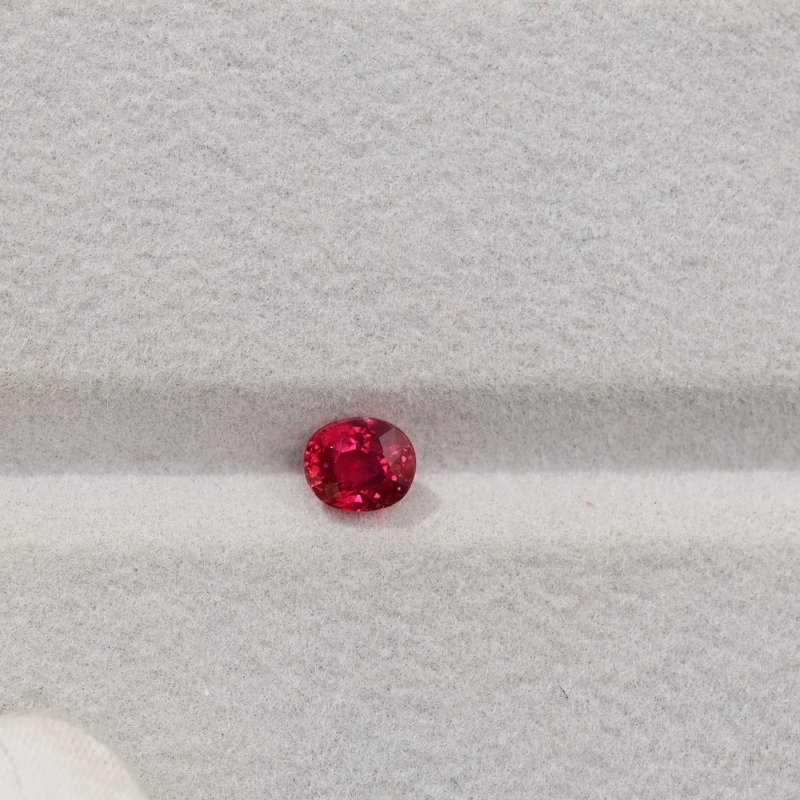
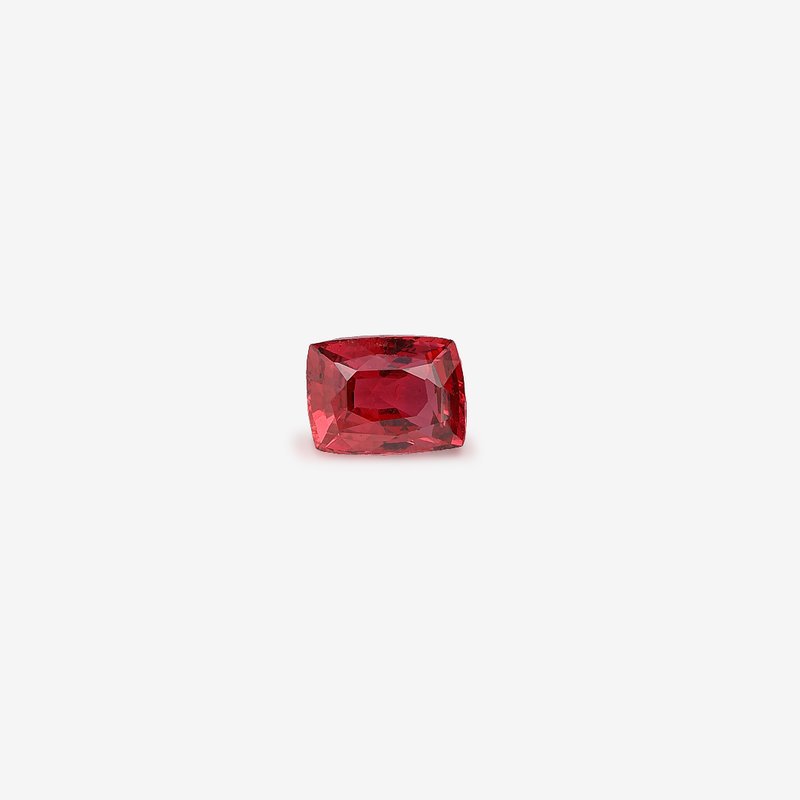
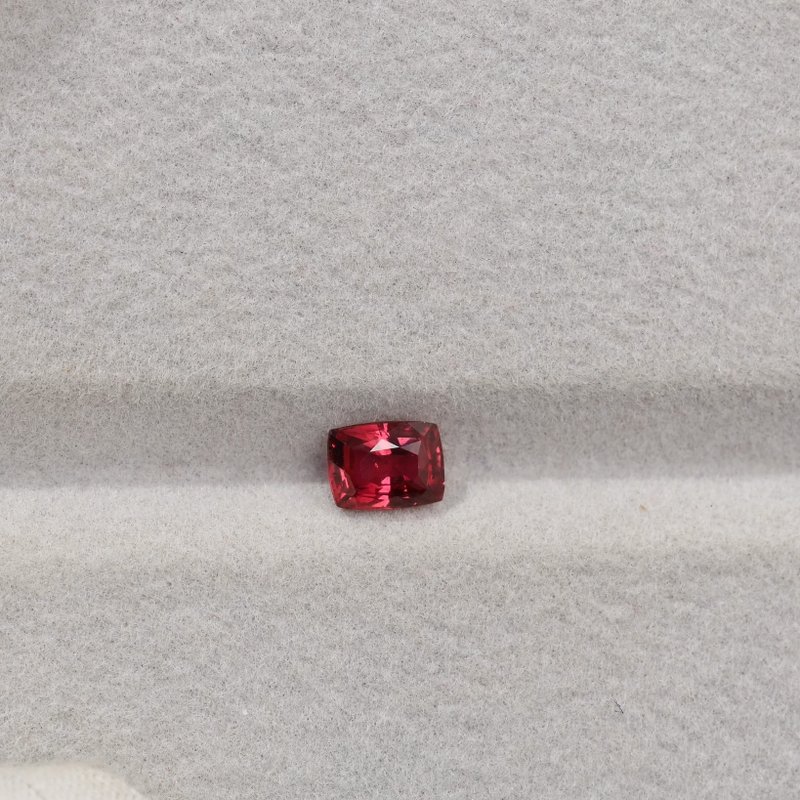
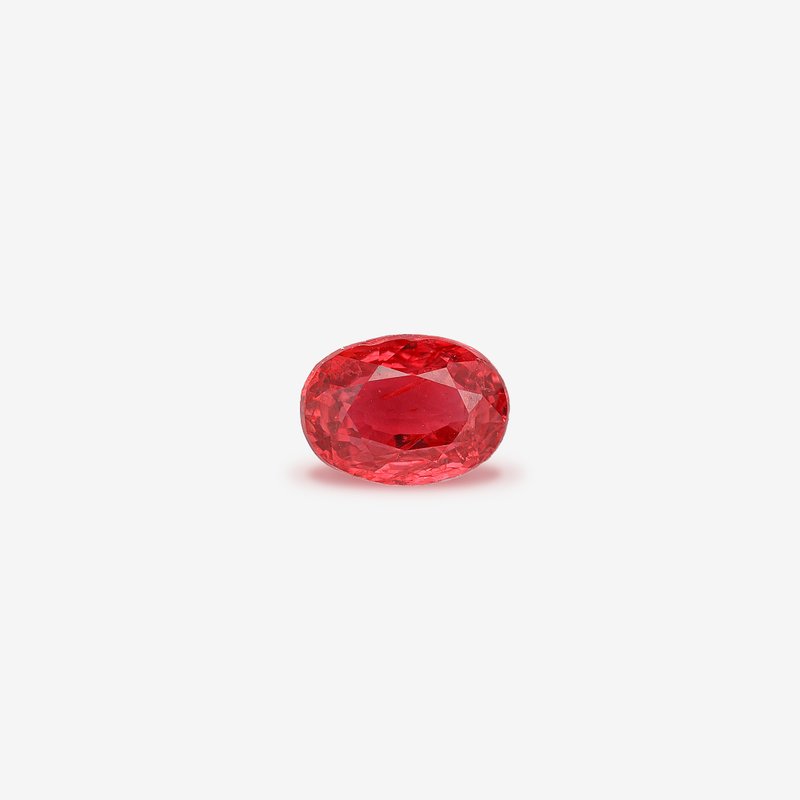
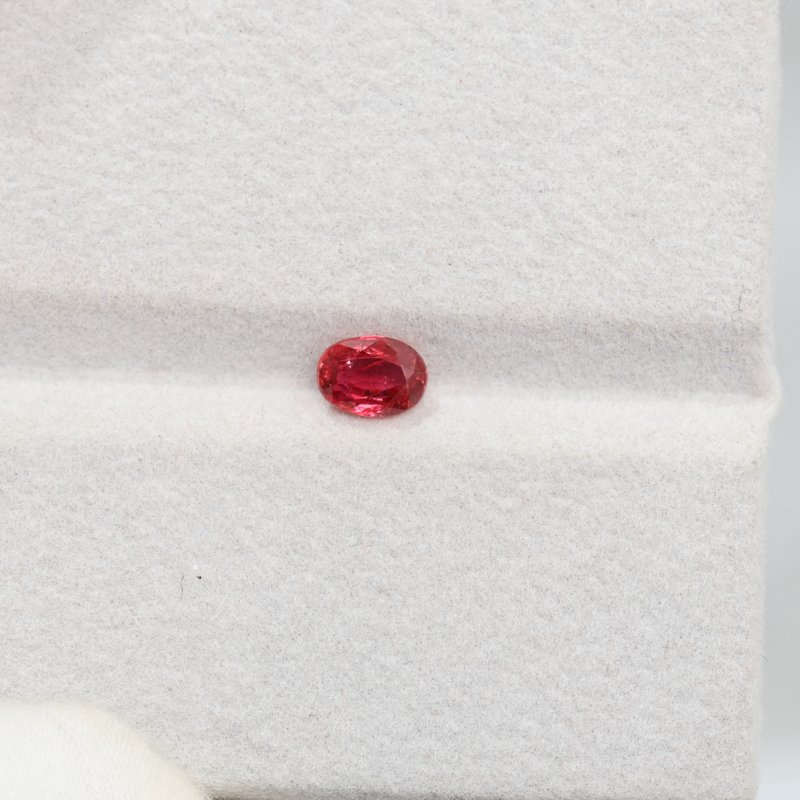
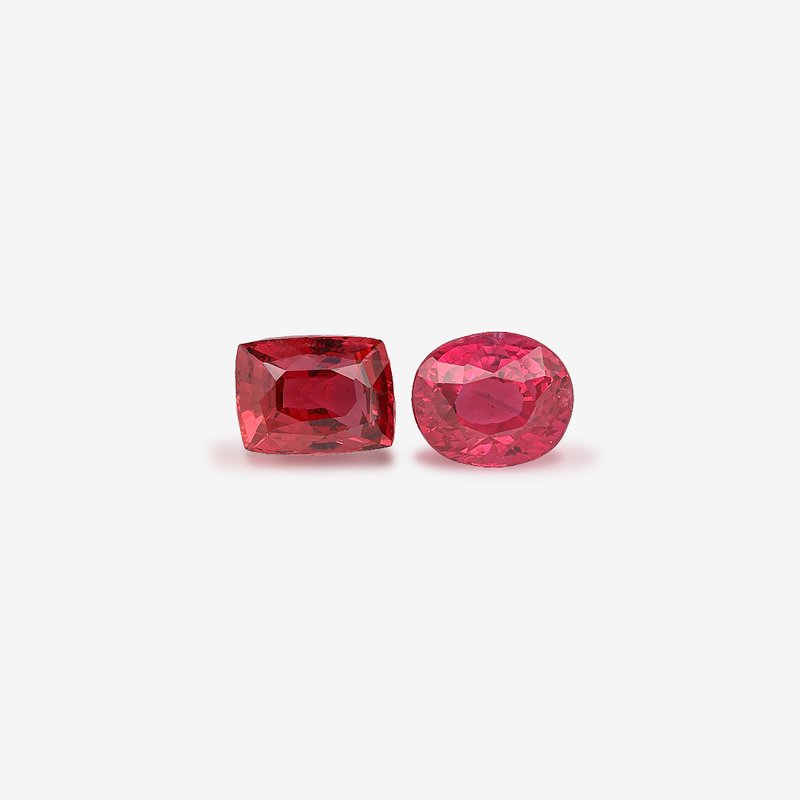
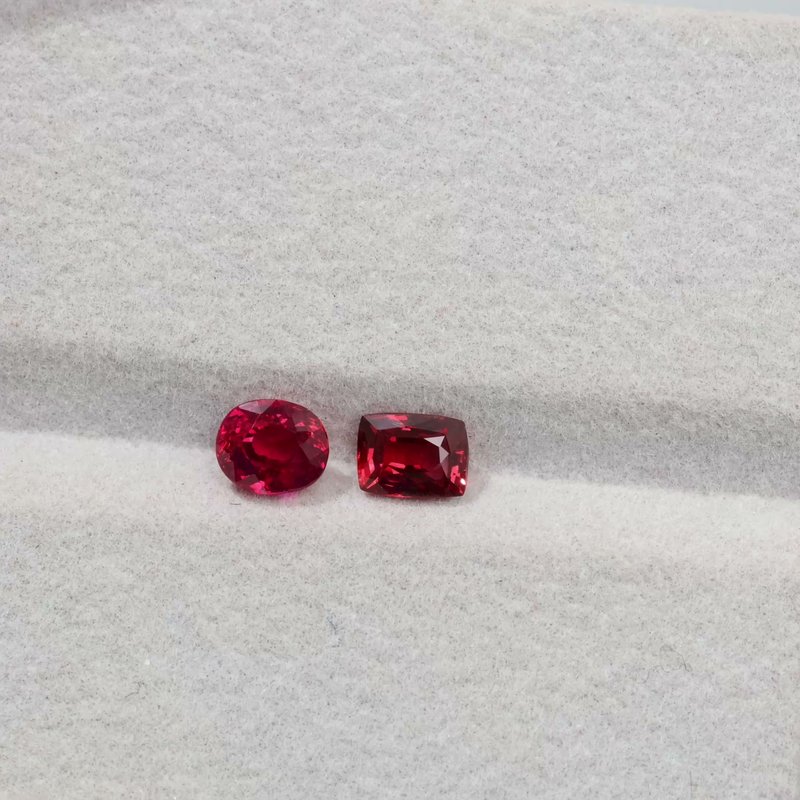
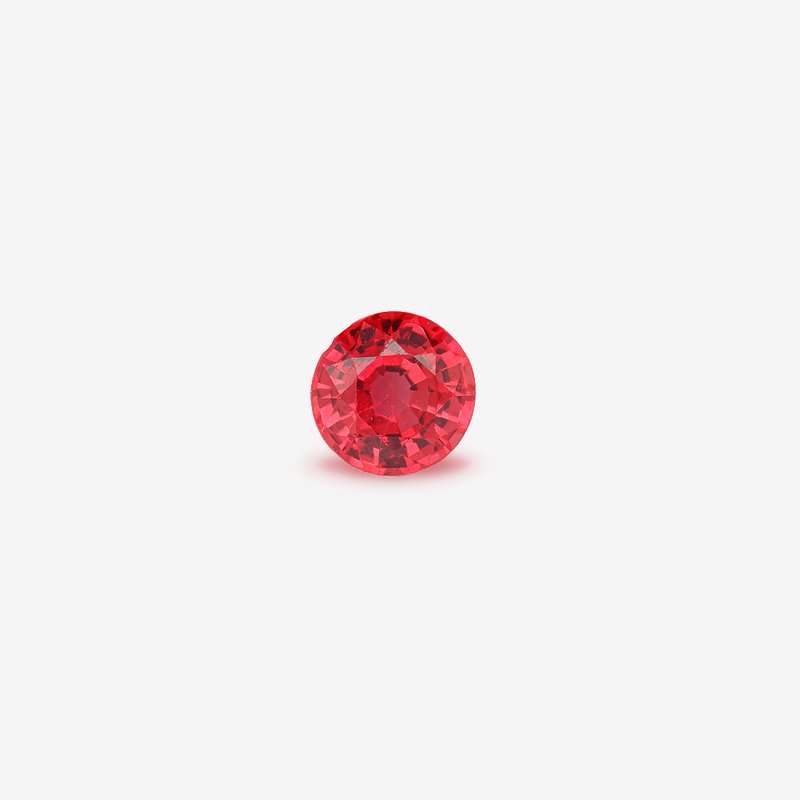
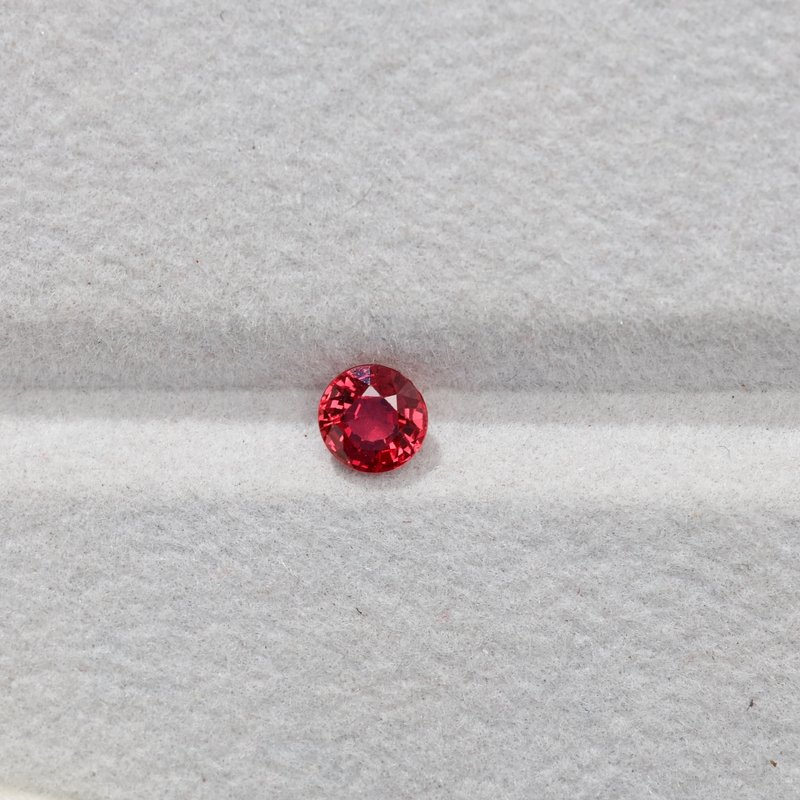
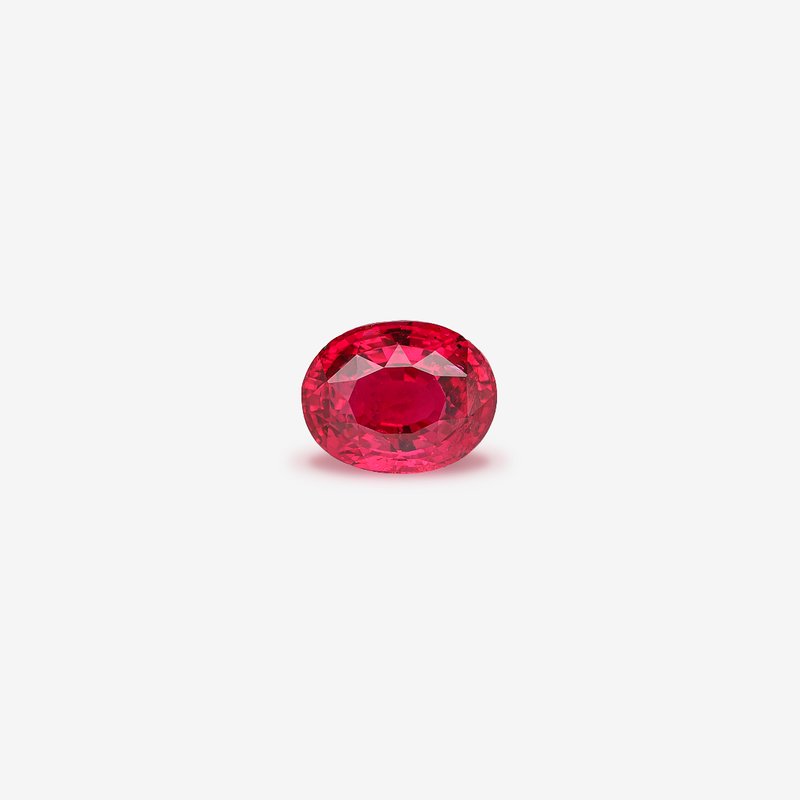
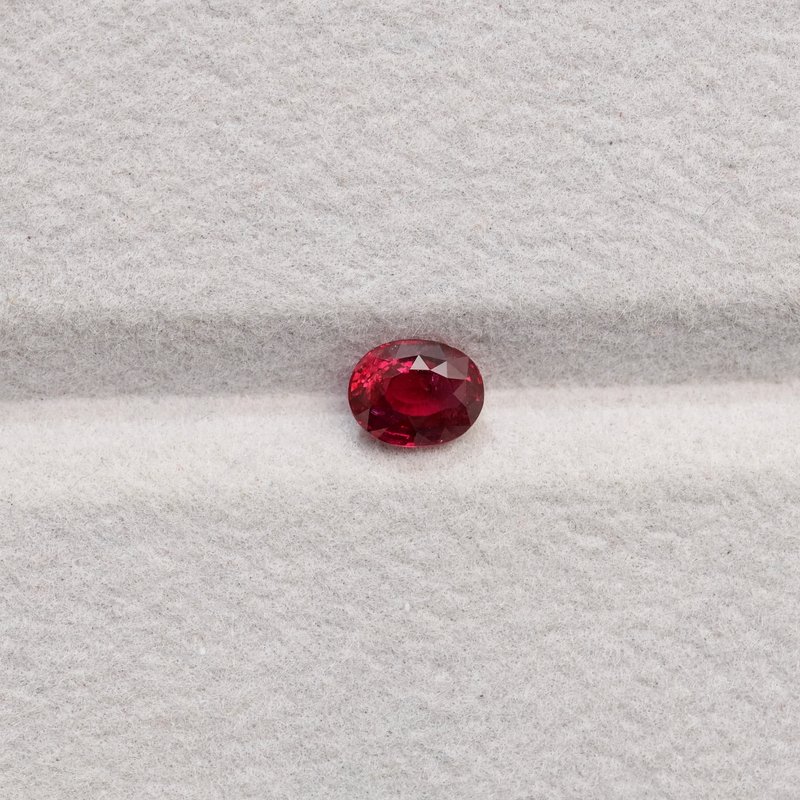
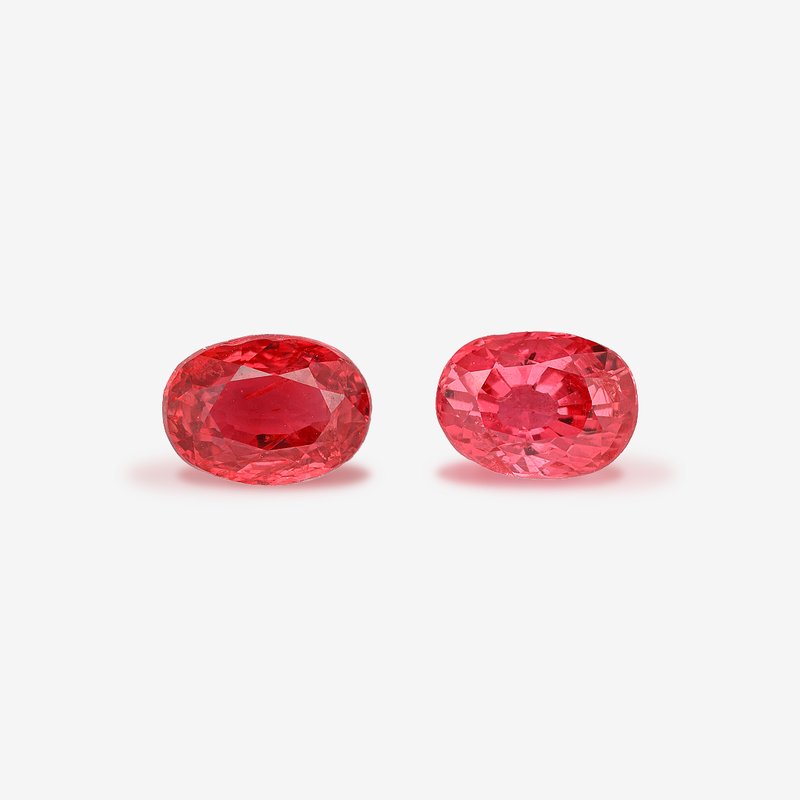
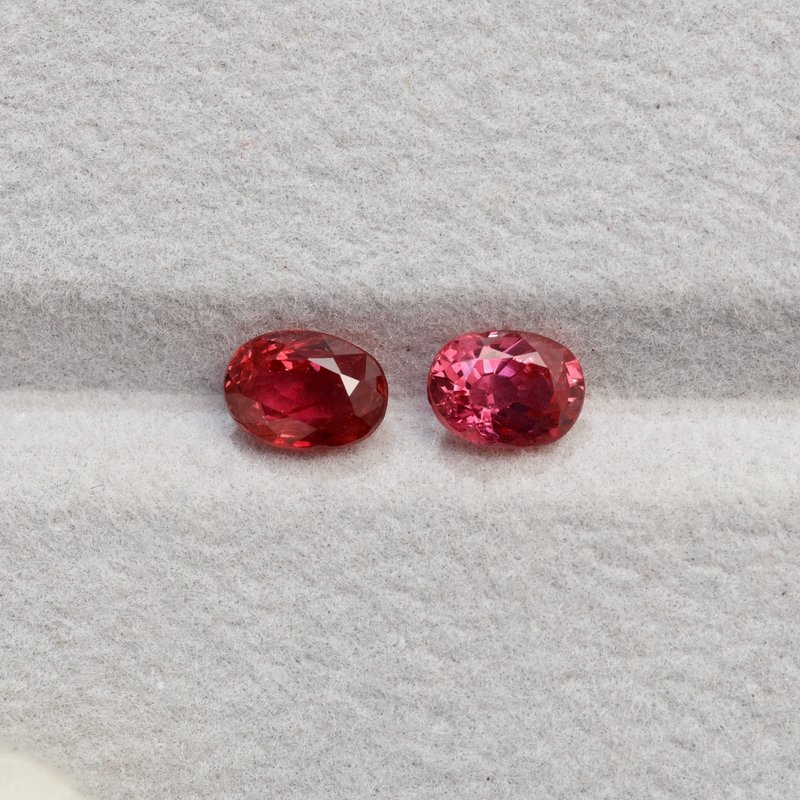
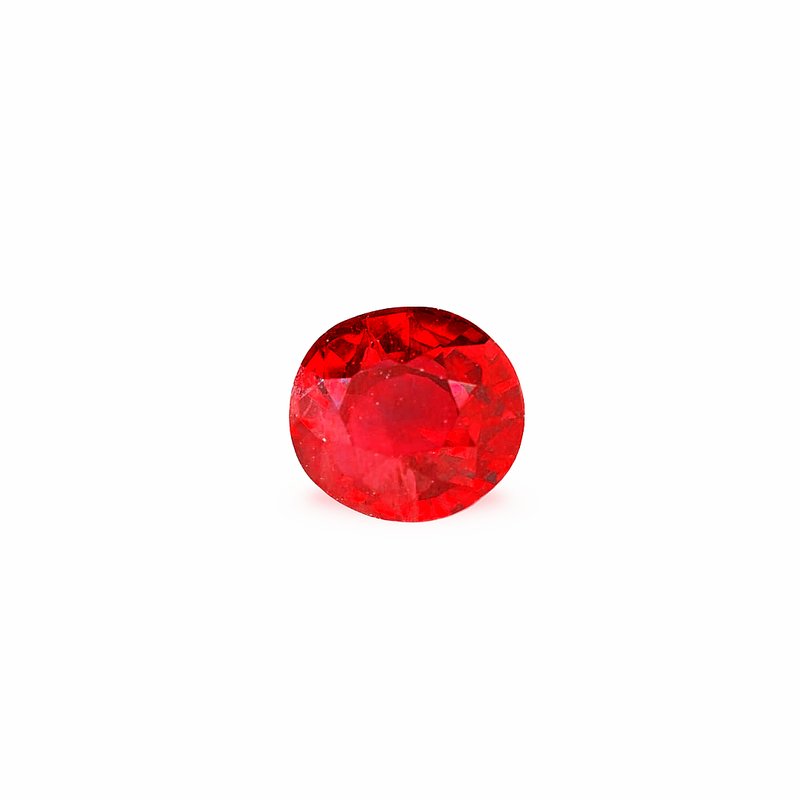
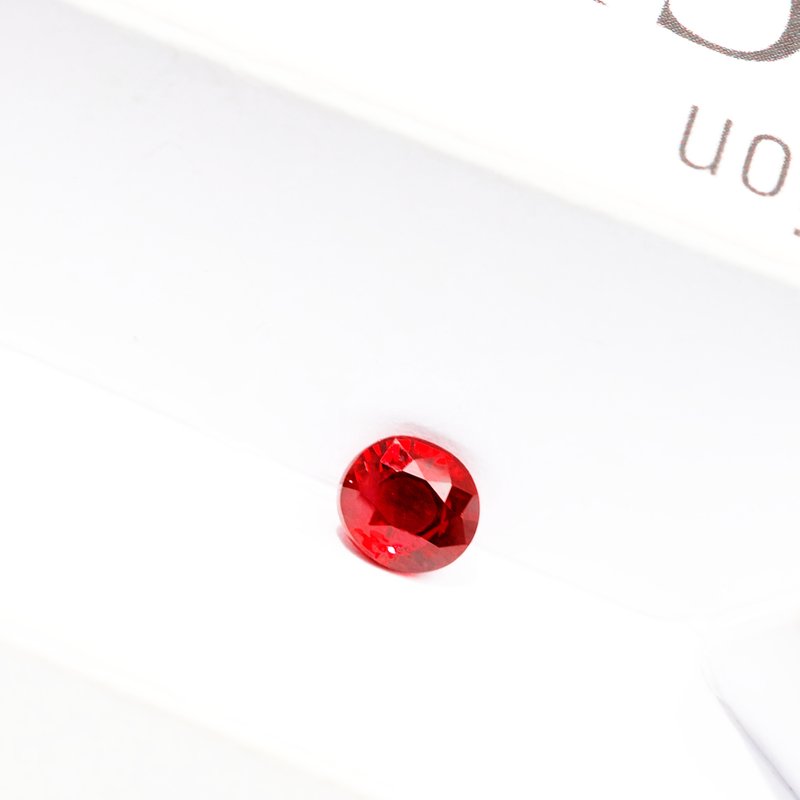
Ruby: The Undisputed King of Gemstones
Ruby is the most valued colored gemstone in the world, carat for carat surpassing even the finest sapphires and emeralds at auction. This magnificent red variety of corundum owes its color to chromium -- the same element that gives emerald its green -- but in ruby, chromium produces a red of unparalleled intensity. The finest rubies exhibit a color known as "pigeon blood": a vivid, slightly bluish red with strong fluorescence that makes the stone appear to glow with an inner fire. No other gemstone commands the emotional response that a fine ruby inspires.
The Burmese Standard
Burma (Myanmar) has been the world's most celebrated ruby source for over 800 years. The Mogok Valley, known as the "Valley of Rubies," produces stones with a unique combination of vivid red color and strong red fluorescence under ultraviolet light. This fluorescence causes Burmese rubies to appear even more intensely red in daylight, creating the legendary "glowing" quality that distinguishes Mogok material from all other sources. Today, Mozambique has emerged as a significant source of fine rubies, producing material that rivals Burmese quality at more accessible price points.
Understanding Ruby Quality
Color is paramount in ruby evaluation. The ideal ruby displays a vivid, saturated red with minimal brown or purple secondary hues. A slight blue modifier is acceptable and even desirable, as it contributes to the pigeon blood designation. Clarity expectations for ruby are more lenient than for sapphire, as fine silk inclusions can actually improve a ruby's appearance by distributing light evenly and enhancing the velvety quality of the color. However, eye-visible inclusions that reduce transparency detract from value.
What a Fine Ruby Actually Costs
Ruby has the widest price spread of any mainstream colored stone. Commercial material trades for a few hundred dollars a carat, fine heated stones run into the low thousands, and unheated Burmese rubies in top color reach 18,000 to 30,000 per carat. Two levers explain almost all of that gap: color, and whether the stone was heated. Verified Burmese origin adds roughly 20 to 40 percent over comparable Mozambican material.
Records exist at the very top of the market. The 25.59-carat Sunrise Ruby sold for over 30 million dollars in 2015. That is a headline, not a benchmark, and it says nothing about what any other stone will be worth later. We do not sell rubies as a store of value and we will not forecast one for you. Buy the stone because of what it does when you look at it. If you want the full breakdown of tiers, treatments and how to read a lab report before you buy, we wrote a complete guide to what ruby gemstones cost.
JOALYS Ruby Collection
At JOALYS, every ruby is sourced directly from the mine and personally inspected by an independent GIA Graduate Gemologist for color accuracy, clarity, and fluorescence. Our direct sourcing model eliminates middlemen, ensuring fair pricing on some of the world's most valuable gemstones. Insured express worldwide delivery, sealed packaging, and a 7-day money-back guarantee protect every purchase.