November Birthstone: Topaz and Citrine Guide (2026)
November offers two birthstones: topaz (Mohs 8, rare imperial variety) and citrine (affordable yellow quartz). Compare durability, pricing, color options, and find the perfect November birthstone jewelry.
Quick Facts: November Birthstones at a Glance
| Attribute | Topaz (Traditional) | Citrine (Modern Alternative) |
|---|---|---|
| Primary Color | Golden, orange-pink (imperial), blue | Yellow to golden brown |
| Mohs Hardness | 8 | 7 |
| Mineral Composition | Aluminum silicate fluoride | Yellow quartz variety |
| Transparency | Transparent | Transparent |
| Price Range | $25-$3,500+/carat | $20-$100/carat |
| Key Origins | Brazil (imperial), Sri Lanka | Brazil, Madagascar |
Introduction
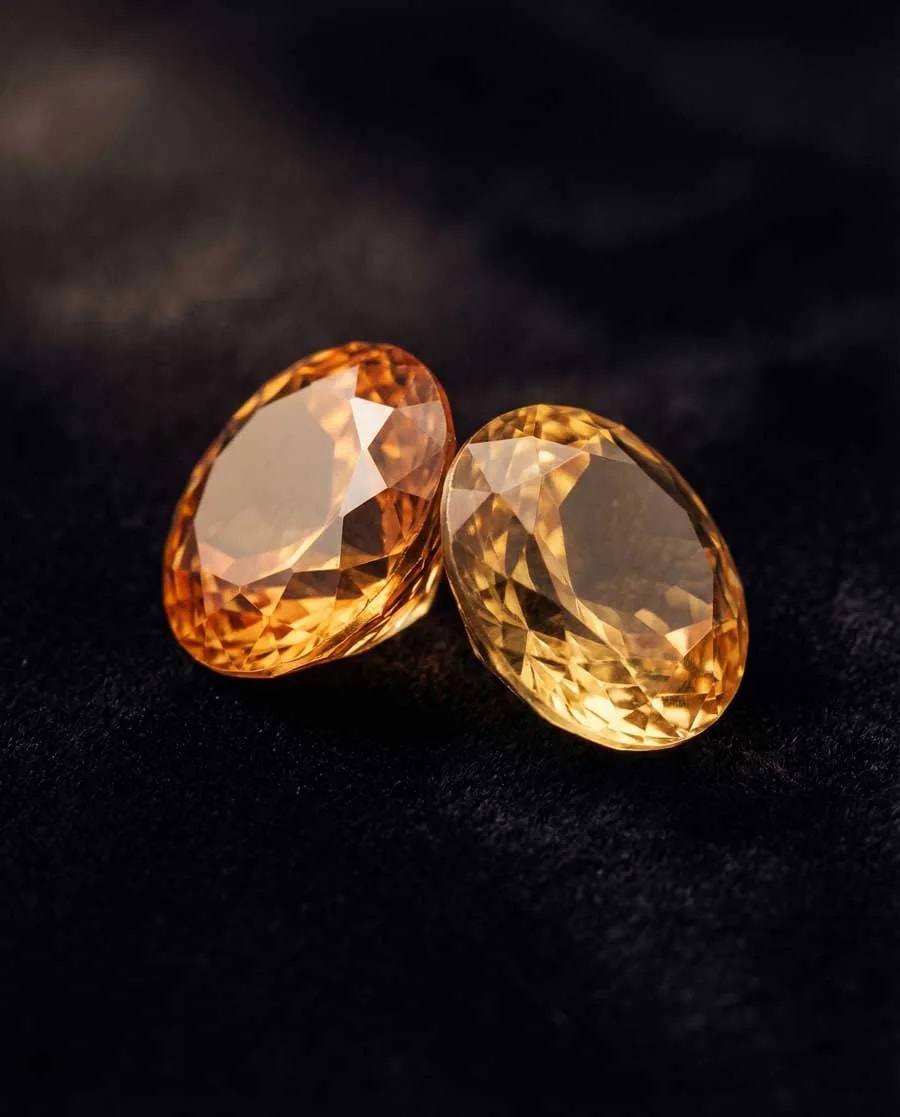
November has two birthstones: topaz and citrine. They share warm autumn tones but are different minerals with different price points and quality considerations.
Topaz is aluminum silicate fluoride: hard (Mohs 8), high brilliance, comes in colorless, blue, pink, orange, and the rare pink-orange 'Imperial' variety that commands serious collector prices. Citrine is yellow quartz: affordable, widely available, Mohs 7. Most 'citrine' on the commercial market is heat-treated amethyst or smoky quartz, not natural citrine. Updated March 2026.

November Birthstones: Citrine and Topaz
Topaz: The Golden November Gem
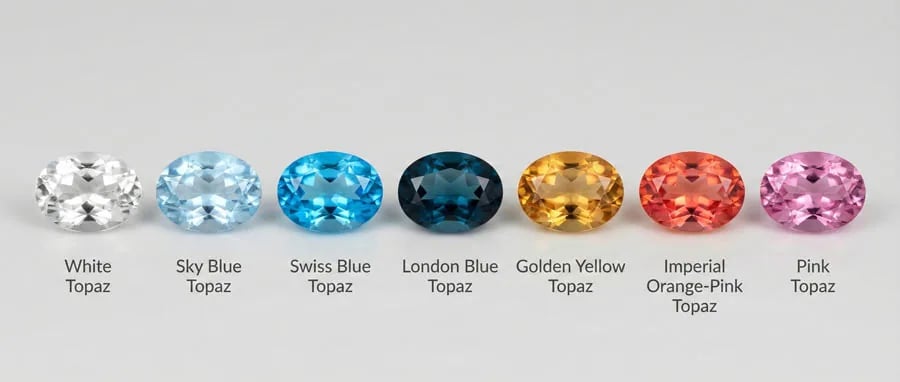
Topaz is one of the most versatile gemstones in terms of color. It occurs naturally in golden yellow, soft pink and the highly prized imperial tones that blend orange and pink. Although blue topaz is extremely popular today, almost all blue stones on the market are created through irradiation, not natural formation. For an authentic November birthstone, golden yellow and imperial topaz are the traditional choices, with imperial varieties valued far higher because of their rarity in Brazil.
Topaz is also impressively durable. With a Mohs hardness of 8, it resists scratches far better than citrine, which rates 7 on the scale. This makes topaz especially suitable for rings and daily-wear jewelry.
Brazil remains the world’s most important source of imperial topaz. The mines of Ouro Preto produce the finest stones, known for their saturated golden orange and pinkish orange hues that are found almost nowhere else.
Understanding hardness helps you choose the right stone for everyday wear, and topaz stands out as one of the strongest options among colored gemstones.
Imperial Topaz: The Premium Variety
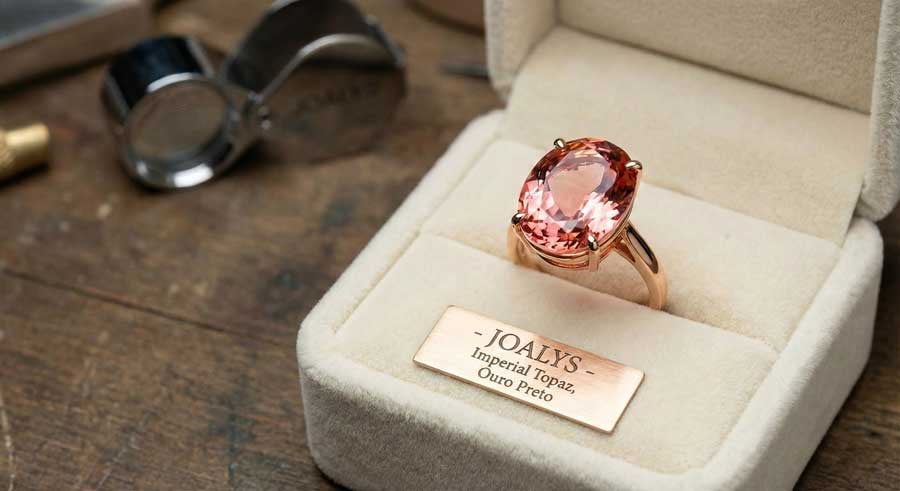
Imperial topaz, with its rare pinkish-orange hues, is the most valuable form of topaz and the true prestige option for November. These colors occur naturally and come almost exclusively from the Ouro Preto region in Brazil, the only place consistently producing this distinctive shade.
The name “imperial” originates from nineteenth-century Russia, where tsars reserved the finest pink topaz for the royal family. Unlike most blue topaz, imperial topaz is never treated for color; its appearance is naturally occurring, which enhances its rarity.
Prices typically range from 400 to 800 dollars per carat, and exceptional stones can exceed 3,500 dollars per carat. Larger stones above 10 carats are especially scarce and command significant premiums.
Imperial topaz remains one of the rarest and most sought-after colored gemstones, admired for its warmth, brilliance and historical prestige.
Citrine: The Affordable Alternative
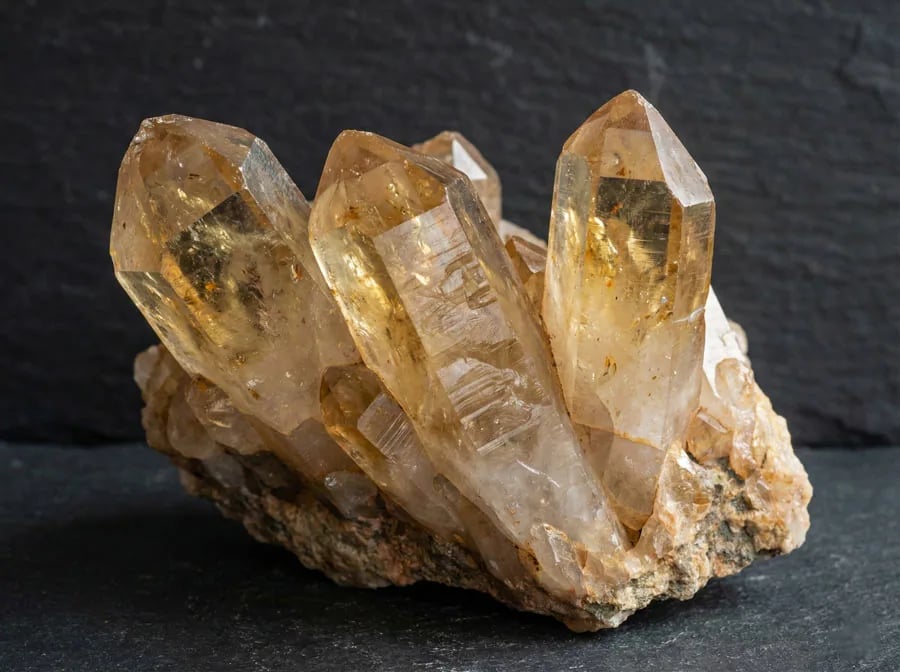
Citrine is the golden variety of quartz and one of the most approachable birthstones in terms of price and availability. Most citrine on the market (around 95 percent) is created by heating pale amethyst until it develops warm yellow to orange tones. This treatment is permanent, widely accepted in the industry and almost impossible to distinguish from natural citrine without gemological testing.
With a Mohs hardness of 7, citrine is durable enough for everyday jewelry. Its crystal structure allows cutters to shape large stones, often 20 to 50 carats or more, without dramatic price increases. This makes citrine ideal for bold designs and statement pieces that remain budget-friendly.
Heat treatment is considered standard practice in quartz, as long as it is properly disclosed. Understanding treatment types helps you make informed decisions when choosing and comparing gemstones.
November Birthstone Meanings and Symbolism
Topaz symbolizes love, affection, and strength. Ancient Egyptians believed topaz captured Ra's golden sunlight, while Romans associated the gemstone with Jupiter.
Citrine meaning centers on success, abundance, and optimism. Ancient merchants kept citrine believing it attracted prosperity. Both November birthstones share warm golden tonalities evoking autumn harvest abundance.
Topaz vs Citrine: Complete Comparison
Durability Comparison
Topaz has a Mohs hardness of 8, which means it resists scratches better than citrine. However, topaz also has perfect cleavage. A sharp impact can cause it to split along a natural internal plane.
Citrine, despite being slightly softer at Mohs 7, has no cleavage, which makes it more resistant to accidental knocks. For everyday rings, citrine can actually be the more practical choice, especially for active wearers.
Price Comparison
Imperial topaz sits at the premium end of November birthstone pricing, starting around 400 dollars per carat and climbing well above 3,500 dollars for exceptional pieces.
Blue topaz is far more accessible, typically 25 to 100 dollars per carat.
Citrine remains one of the most affordable gemstones overall, usually between 20 and 100 dollars per carat.
Because citrine stays consistent in price across large sizes, it allows for impressive 20-carat and larger designs without luxury-level cost. November birthstones offer one of the broadest price ranges of any month.
Rarity and Availability
Imperial topaz is genuinely rare, especially in stones over 10 carats. The finest material comes from the Ouro Preto region in Brazil, where production is extremely limited.
Citrine, while naturally scarce, is widely available thanks to heat-treated amethyst. This reliability makes it ideal for bold, high-impact jewelry without rarity-driven price increases.
November Birthstone Price Guide
Understanding November birthstone pricing helps buyers navigate the range from accessible to investment-grade:
Imperial topaz (natural orange-pink): $400-$800+ per carat for fine quality, with exceptional specimens exceeding $3,500/carat. Rarity premium increases significantly for stones above 10 carats.
Blue topaz (treated): $25-$100 per carat depending on intensity. Sky blue represents the lightest and most affordable, Swiss blue offers medium intensity, London blue commands premium pricing for deep, saturated coloration.
Citrine: $20-$60 per carat for standard quality, with certified natural citrine reaching $100/carat. Heat-treated citrine (95% of market) and natural citrine are compositionally identical. Pricing difference reflects rarity, not quality.
Choosing November Birthstone Jewelry
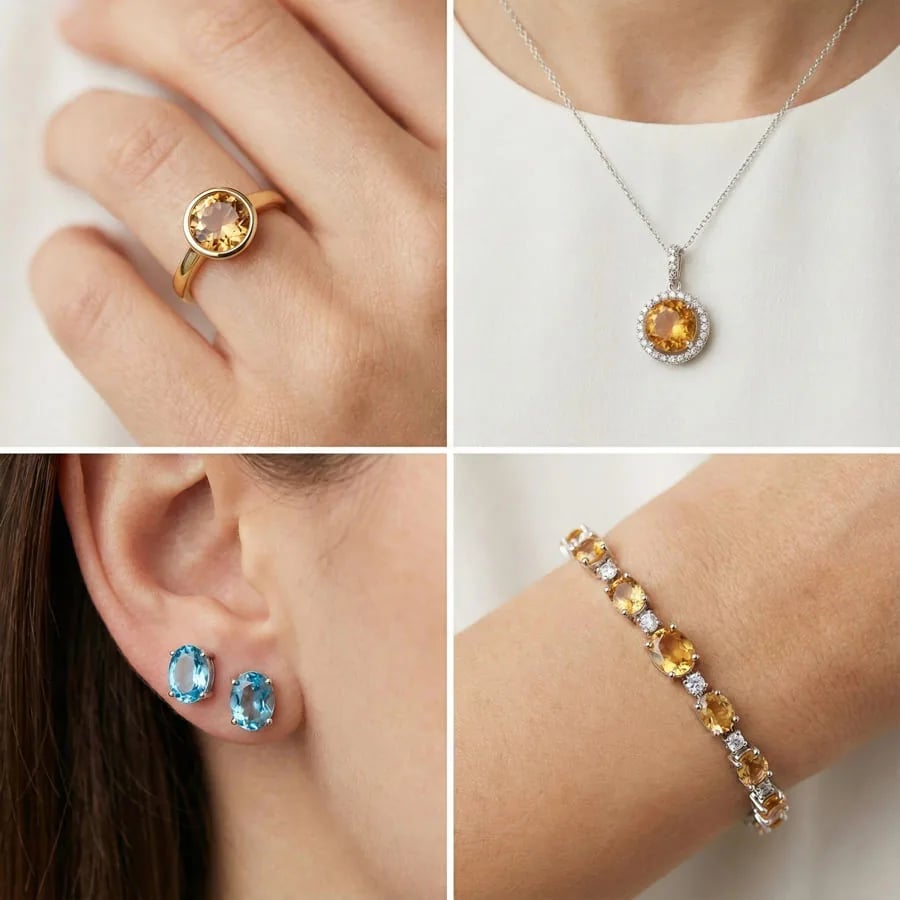
Topaz's Mohs 8 hardness suits all jewelry applications, though ring settings benefit from protective designs (bezel settings, halo designs) due to cleavage concerns. Imperial topaz's rarity and warmth pair beautifully with yellow and rose gold settings that emphasize the stone's golden-orange tonality.
Citrine's affordability enables creative designs, bold cocktail rings, layered necklaces, tennis bracelets, without cost prohibitions. The yellow gemstone complements yellow and rose gold beautifully, creating cohesive warm-toned designs. Citrine's lack of cleavage makes it suitable for all setting types, including exposed prong settings.
Consult our birthstone jewelry selection guide for setting recommendations based on durability ratings and lifestyle considerations.
How to Verify November Birthstone Authenticity
Certification and What to Look For
High-quality imperial topaz should be accompanied by a certificate from a reputable gemological laboratory, such as GIA, confirming its Brazilian origin, natural color and lack of treatment.
For citrine, certificates from labs like AGTA explain whether the stone has been heat-treated, which is the case for most commercial citrine and is fully accepted in the industry.
Red Flags When Buying November Birthstones
Keep an eye out for signs that a gemstone may not be accurately represented:
Blue topaz described as completely natural without acknowledging irradiation.
“Imperial topaz” sold at unusually low prices.
Citrine marketed as natural at a premium price but without certification.
Sellers unwilling to provide documentation of origin or treatment.
Reliable sellers are transparent about where a gemstone comes from and how it was treated.
Care and Cleaning Guide
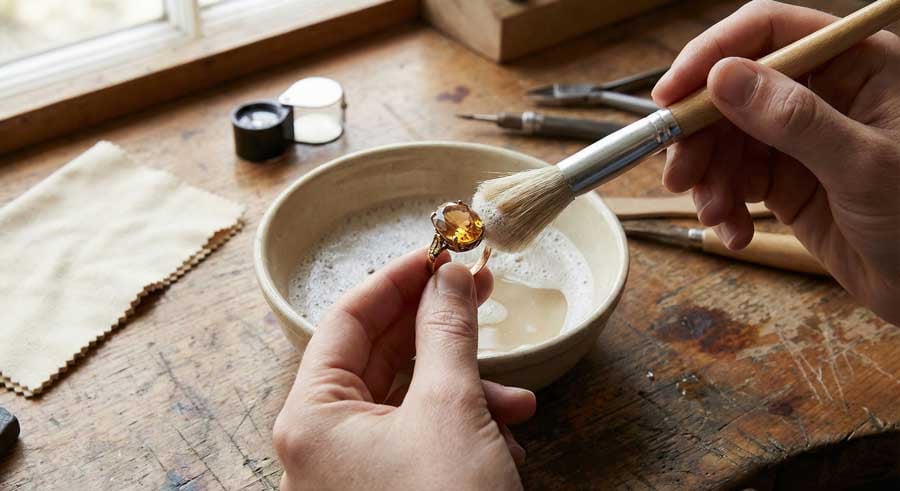
Safe Cleaning: Warm soapy water with mild dish soap and soft brush. Gently scrub, rinse thoroughly, pat dry. Suitable for both topaz and citrine for weekly cleaning.
Avoid for topaz: Ultrasonic cleaners create vibrations that can trigger fractures along topaz's cleavage planes. Steam cleaners are safe for both gemstones when used by professionals.
Daily Care: Remove November birthstone jewelry before exercising, swimming in chlorinated pools, or applying cosmetics/hairspray.
Storage: Store topaz and citrine separately in fabric-lined compartments. Both can scratch softer materials but suffer scratches from harder gems (sapphire, diamond).
Professional Maintenance: Annual inspection recommended.
For the full material-by-material cleaning and storage routine beyond topaz and citrine, see our jewelry care and maintenance guide.
Frequently Asked Questions
Discover Your Perfect November Birthstone
November birthstones offer one of the most diverse ranges in the entire calendar. Imperial topaz brings rare pink-orange warmth and impressive durability, while citrine offers bright, accessible color and the possibility of bold, large-scale designs without a high price tag. Both gemstones capture the golden glow of late autumn in their own way.
Whether you’re drawn to the richness of topaz or the cheerful clarity of citrine, November’s birthstones adapt to many styles and budgets. They work beautifully for everyday jewelry, milestone gifts or meaningful pieces that reflect the warmth and resilience associated with this month.
For those who simply love golden tones, other yellow gems, such as fancy yellow sapphire, golden beryl or yellow diamond, offer additional options, each with its own character and charm.
November’s birthstones remind us that beauty comes in many forms, from rare treasures to accessible gems meant to be enjoyed every day.