Jewelry peridot
Ancient Egyptians revered it as the "gem of the sun," a stone born of volcanic fire and believed to glow with an inner light after dusk. This mystical gem,
jewelry peridot: Quick Facts
| Property | Details |
|---|---|
| Primary Colors | Green, Yellow, White |
| Primary Sources | Myanmar |
| Price Range | Varies (budget to premium) |
Introduction
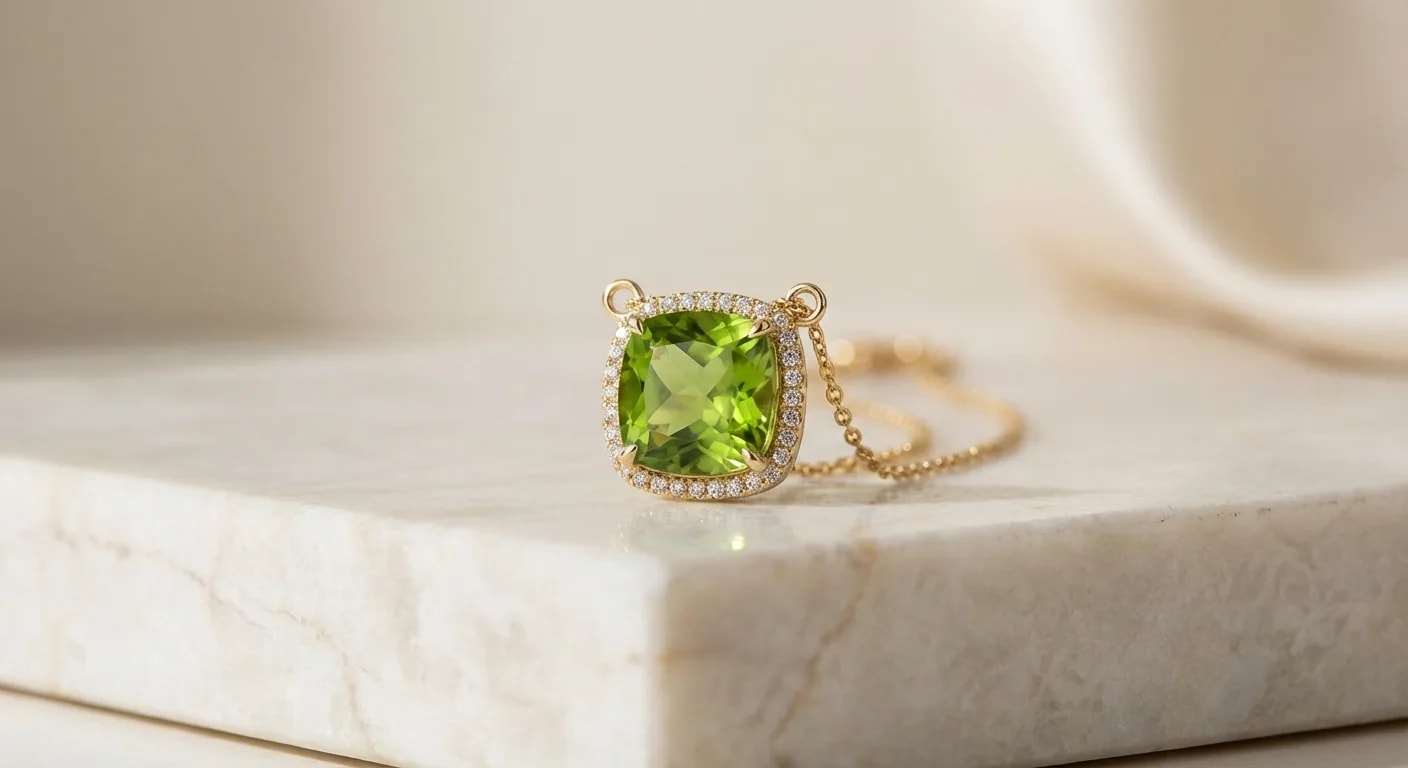
Ancient Egyptians revered peridot as the “gem of the sun,” a stone born of volcanic fire and believed to glow with an inner light. From pharaohs’ treasures to modern fine jewelry, it continues to captivate with its vivid lime-green brilliance and unique blend of myth and elegance.
Peridot is the gemstone variety of olivine, prized for its signature green hues and celebrated as the August birthstone. Yet choosing a high-quality stone can be challenging, as color, clarity, and origin vary widely, and imitations complicate the market.
This guide gives you the essential criteria to evaluate peridot with confidence: how to identify genuine stones, what determines true value, and how to choose the most flattering styles and metal pairings.
The Soul of Peridot: Meaning, History & Origin
Peridot's vibrant lime-green glow is a direct reflection of its dramatic origins, a history forged in volcanic fire and treasured by ancient royalty. More than just a beautiful gemstone, peridot carries a rich legacy of symbolism and lore that elevates it from a simple accessory to wearable history.
Peridot Gemstone Properties & Buying Guide. Video: GIA — Gemological Institute of America.
The August Birthstone & Its Spiritual Meaning
As the designated birthstone for August, peridot embodies the warmth and brilliance of late summer. For millennia, cultures have attributed powerful properties to it, believing it to be a conduit for positive energy.
The spiritual meaning of peridot centers on purification and well-being:
Protection: Ancient Romans wore peridot set in gold to guard against enchantment and negative energy. Crusaders brought it back from their travels believing it warded off evil.
Emotional Healing: Associated with the heart chakra, peridot is thought to cleanse the heart of jealousy, resentment, and anger. It promotes emotional clarity and helps release patterns that no longer serve you.
Prosperity: In ancient Egypt, peridot was called the "gem of the sun" and believed to bring abundance and growth to those who wore it. Pharaohs kept it in their tombs for this reason.
The 4 Cs of Peridot: A Guide to Unmatched Quality
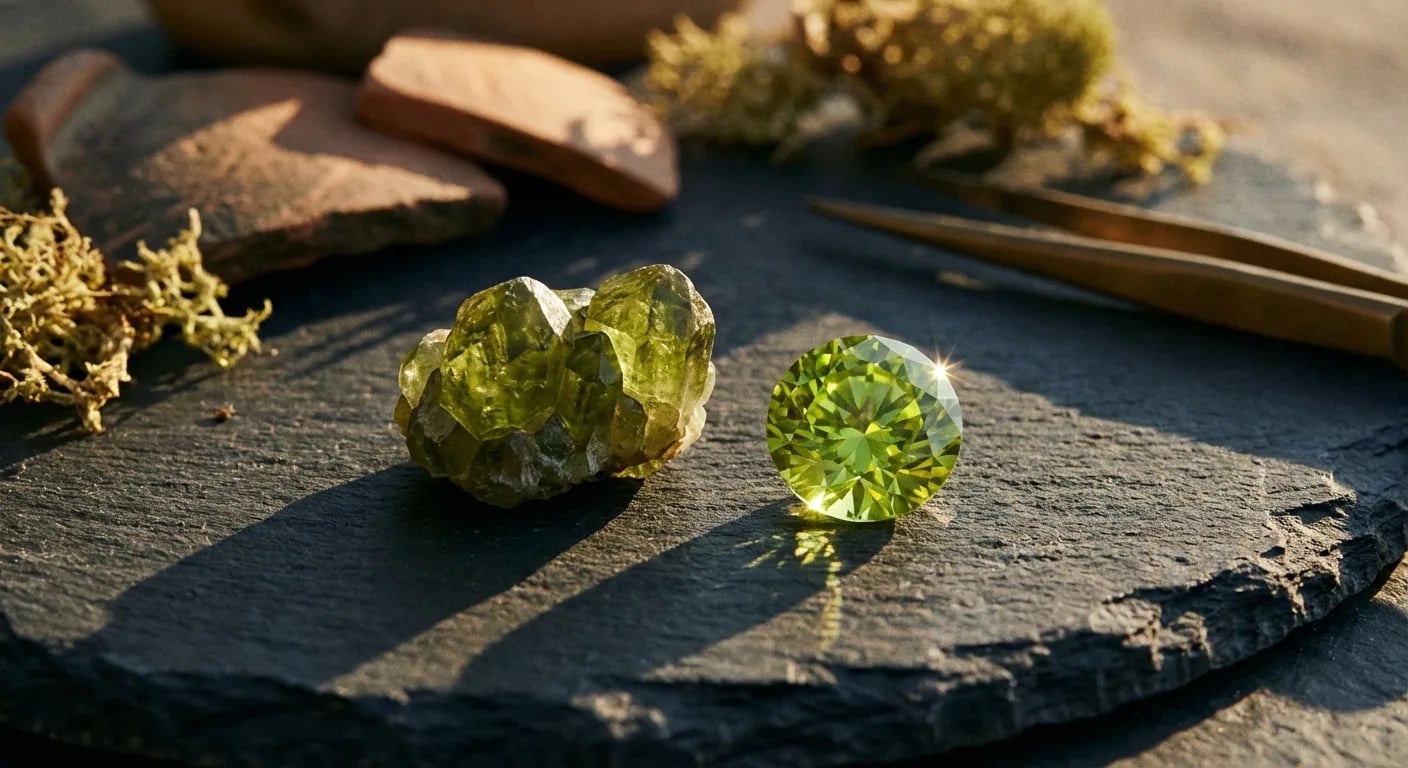
Evaluating the quality of a peridot, like many precious birthstones, is a systematic process guided by the globally recognized 4 Cs: Color, Clarity, Cut, and Carat weight. This framework allows gemologists and discerning buyers to move beyond subjective appeal and assess a stone based on standardized, objective criteria. For peridot, these four factors work in concert to determine not only its beauty but also its rarity and ultimate value. A solid understanding of each "C" is essential for selecting a truly exceptional specimen.
Color: The Essence of the "Gem of the Sun"
Color is the most significant value factor for peridot. The ideal and most sought-after hue is a rich, saturated grass green, sometimes with a subtle hint of gold. This top-tier color is a result of a higher concentration of iron within the gem's crystal structure. Lower-quality stones often display prominent yellowish or brownish undertones, which are considered less desirable.
The geographic origin of a peridot often influences its color profile. Specimens from Pakistan and Myanmar are famous for their pure, intense green, making them the benchmark for quality. In contrast, peridots from sources like Arizona are typically a lighter, more common yellowish-green.
Peridot Color Grading Chart
Grade | Color Description | Common Origin | Market Value |
|---|---|---|---|
AAAA (Heirloom) | Pure, vibrant grass green with minimal to no yellow or brown undertones. | Pakistan, Myanmar | Highest |
AAA (Best) | Bright olive-green with slight to moderate yellow undertones. | China, Arizona | Excellent |
AA (Better) | Lighter yellowish-green, potentially with noticeable brown tints. | Various | Commercial |
Clarity: A Window into its Natural Origin
The standard for high-quality peridot is "eye-clean," meaning it has no inclusions visible to the naked eye. Unlike gemstones such as emerald, which are often heavily included, fine peridot is expected to be transparent and clear.
However, one of the most fascinating aspects of peridot clarity is its characteristic "lily pad" inclusions. These are small, disc-shaped internal fractures that are a hallmark of the gemstone. Often, a tiny black chromite crystal sits at the center of the disc. Rather than being seen as flaws, these unique formations are prized by gemologists as they confirm a peridot's natural origin and can help identify
Genuine Peridot Jewelry vs. Imitations
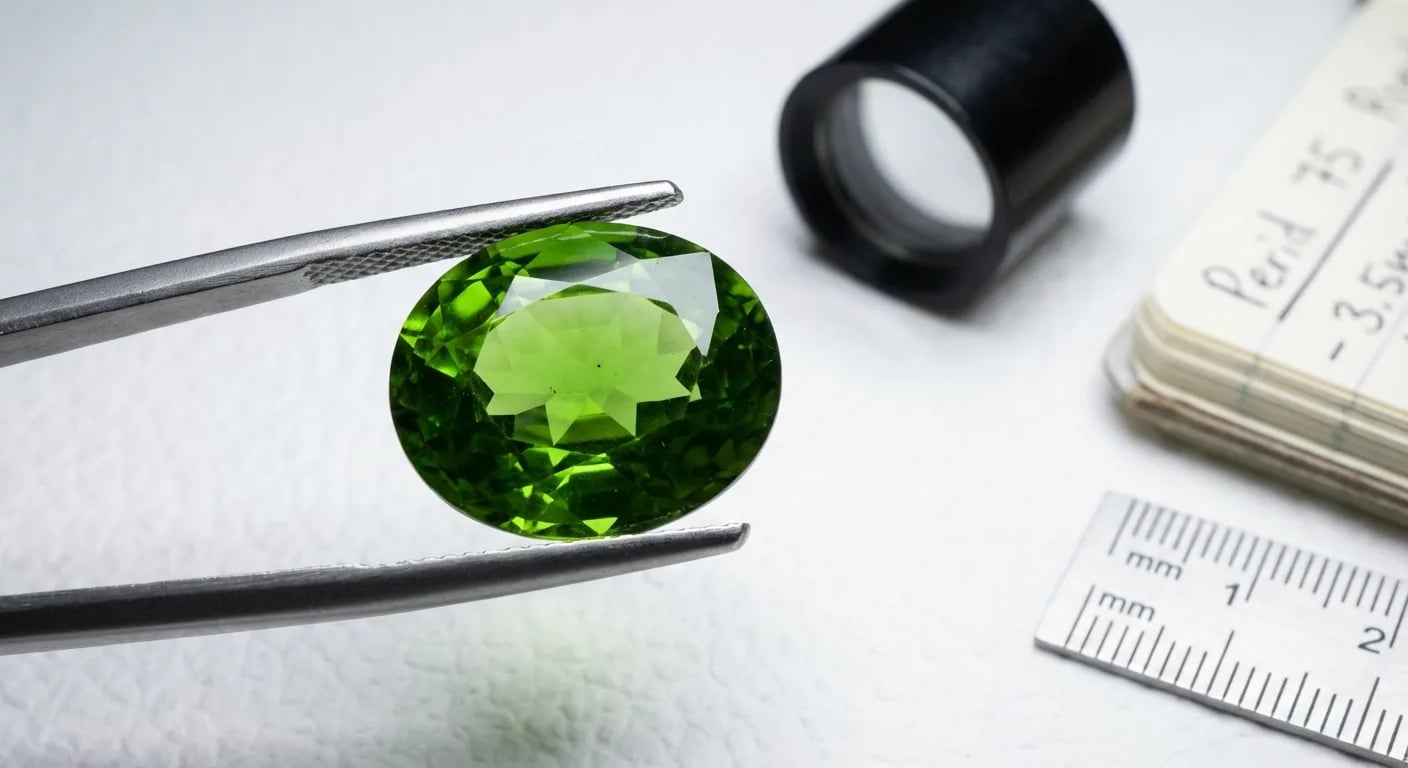
In the luxury gemstone market, authenticity matters. The vibrant, sunny green of peridot has made it a target for imitation, making it essential for buyers to distinguish natural stones from simulants. Genuine peridot possesses unique optical and physical properties that cannot be perfectly replicated. Understanding these key identifiers provides the confidence needed to invest in authentic peridot jewelry and appreciate the natural wonder of this volcanic gem.
How to Identify Genuine Peridot
While a professional gemologist provides the only definitive assessment, several characteristics can help identify genuine peridot. These markers are rooted in the stone's unique formation and chemical structure.
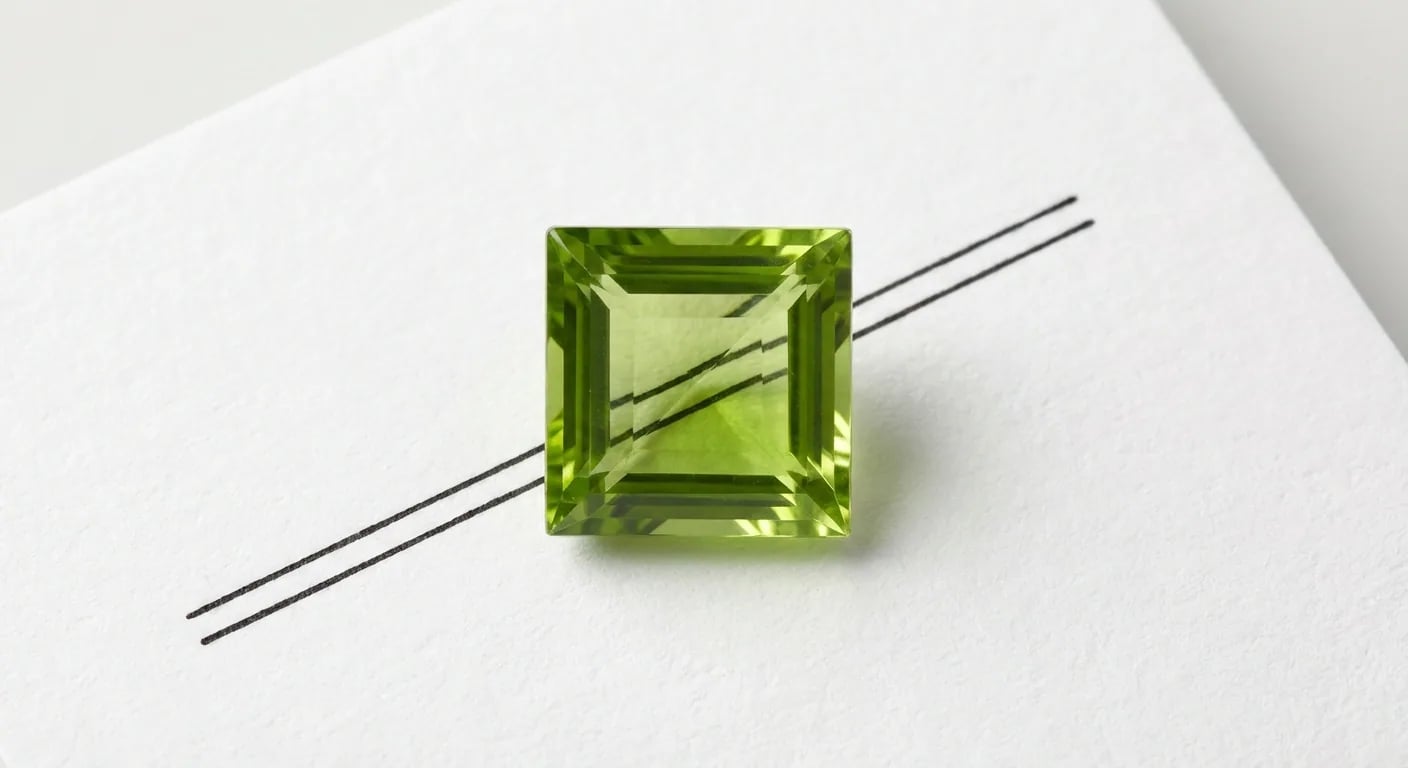
Strong Double Refraction: Peridot is strongly birefringent, meaning light splits into two rays as it passes through the stone. This creates a distinct doubling effect. When viewed through the top facet (the table) of a cut peridot, the facets on the opposite side will appear doubled. This is a primary test that quickly separates peridot from common single-refractive imitations like glass or cubic zirconia.
Color Consistency: Natural peridot displays a remarkably even color distribution. Its signature lime or olive green is consistent throughout the stone, without the swirls, streaks, or tiny bubbles often found in green glass imitations.
Characteristic Inclusions: While the finest peridots are eye-clean, microscopic "lily pad" inclusions are a hallmark of authenticity. These small, disc-like fractures, often with a tiny dark crystal at the center, are definitive proof of natural origin.
Lack of Treatments: A significant advantage of peridot is that it is almost never treated with heat or irradiation to enhance its color. The vibrant green is natural, unlike many other popular birthstone stones which are routinely treated. This makes it a pure and honest gemstone.
Common Imitations and Key Differences
Several materials are used to simulate peridot. The most common are green glass, synthetic spinel, and cubic zirconia (CZ). Each has tell-tale signs that distinguish it from a natural stone. A direct comparison highlights the unique properties of genuine peridot.
Characteristic | Genuine Peridot | Common Imitations (Glass, CZ, Synthetic Spinel) |
|---|---|---|
Double Refraction | Strong and visible. Facet edges appear doubled when viewed through the stone. | Absent (Singly Refractive). Facets appear sharp and singular. |
Inclusions | May contain "lily pad" inclusions under magnification. Generally eye-clean. | Glass may have round gas bubbles or swirl marks. Synthetics are often flawless. |
Color | Even, consistent olive to lime green. Subtle golden undertones. | Can appear too uniform, bottle-green, or have an artificial, glassy luster. |
Hardness (Mohs) | 6.5 to 7. Softer than quartz, can show minor abrasions over time. | Varies: Glass (5.5), CZ (8.5), Synthetic Spinel (8). |
Luster | Vitreous (glass-like) but with a distinct oily sheen that adds depth. | Often appears either too dull (some glass) or too brilliant and flashy (CZ). |
The Importance of Gemological Certification
For significant peridot jewelry, particularly pieces with large, high-quality stones, the most reliable method of verification is a gemological report. Independent laboratories like the Gemological Institute of America (GIA) provide an unbiased analysis of a gemstone's identity, origin, and characteristics. This certification confirms that a stone is a natural peridot and not a synthetic or imitation. It serves as the ultimate assurance of authenticity, much like the certifications sought for high-value gems such as emerald or a sapphire. This documentation is not just a piece of paper; it is a guarantee of value and the most reliable guarantee you can get before spending serious money.
Styling Peridot: From Everyday Elegance to Statement Pieces
Peridot's vibrant, lime-green hue makes it an exceptionally versatile gemstone, capable of adapting to a wide range of styles and occasions. Its unique color, often described as the midpoint between yellow and green, allows it to be styled as a bright, casual accent or a sophisticated centerpiece. The key to unlocking its full potential lies in understanding how metal choices, gemstone pairings, and setting designs can either complement its warmth or highlight its brilliance.
Selecting the Ideal Metal for Peridot Jewelry
The metal setting is not merely a structural component; it is a critical design element that frames the peridot and influences its overall character. Each precious metal interacts with peridot’s color differently, allowing for distinct aesthetic outcomes suitable for various personal styles.
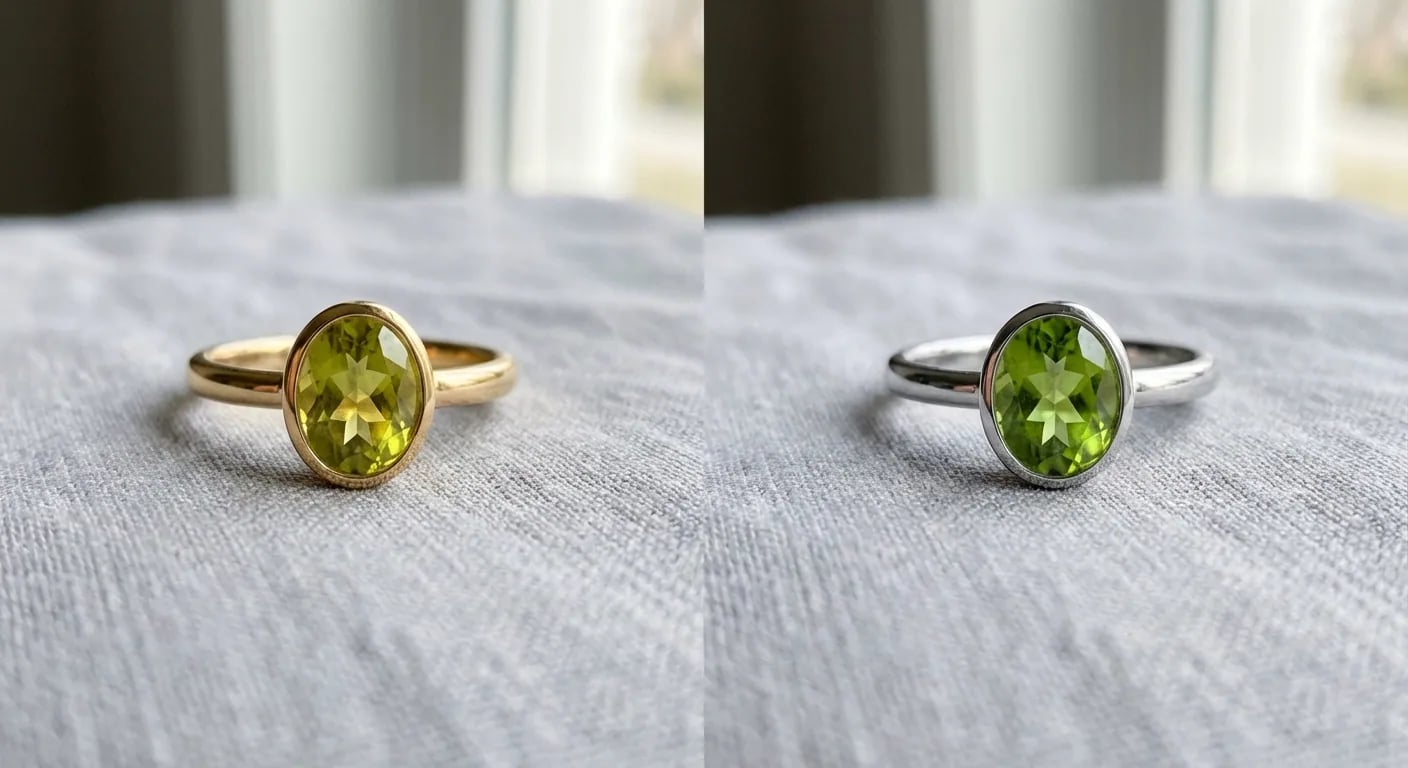
Yellow Gold: This classic pairing enhances the natural golden undertones present in many peridots. It creates a warm, rich, and harmonious look with a vintage or traditional appeal. A peridot set in yellow gold often evokes a sense of sun-drenched luxury.
White Gold & Platinum: For a contemporary and crisp aesthetic, white metals are an excellent choice. The cool, neutral backdrop of white gold or platinum creates a striking contrast that makes the peridot's green color appear more vivid and intense. Platinum also offers superior durability for pieces intended for frequent wear, such as engagement rings.
Sterling Silver: As a bright white metal, silver provides a modern contrast similar to white gold but at a more accessible price point. A peridot necklace silver is a popular choice for everyday wear, offering a fresh and clean look that highlights the gem's cheerful color.
Rose Gold: This trendy metal offers a unique and romantic alternative. The warm, pinkish hue of rose gold complements the green of peridot in an unexpected way, creating a soft yet distinctive style that has gained popularity in modern jewelry design.
Metal Pairing Comparison for Peridot
Metal Type | Aesthetic Style | Color Interaction | Best For |
|---|---|---|---|
Yellow Gold | Classic, Warm, Vintage | Enhances golden undertones | Traditional rings, pendants |
White Gold/Platinum | Modern, Crisp, Bright | Creates high contrast, makes green pop | Contemporary settings, engagement rings |
Sterling Silver | Casual, Fresh, Accessible | Provides a bright, cool backdrop | Everyday necklaces and earrings |
Rose Gold | Romantic, Trendy, Unique | Offers a warm, complementary contrast | Fashion-forward and bespoke pieces |
Peridot in Context: A Comparison with Other Green Gemstones
While peridot stands out for its signature olive-green sparkle, understanding its place among other green gems helps in making an informed choice. Its primary counterpart in the world of fine jewelry is the venerable emerald.
A direct comparison reveals their distinct personalities. An emerald is prized for its deep, bluish-green color and sophisticated "jardin" of inclusions, giving it a soft, velvety glow. Peridot, in contrast, offers a brighter
Where to Start With Peridot
You can browse our loose peridot to find a stone first.
JOALYS
Everything Begins with the Stone
Peridot holds one green and does not shift. What you see is what it is.
Keep the peridot loose, or commission a piece made around it — made to order, never off the shelf.
Frequently Asked Questions
Conclusion
Selecting high-quality peridot jewelry requires looking beyond its vibrant green hue. A gem's true value is revealed through its specific color purity, clarity, and a precise cut that maximizes its unique brilliance. Armed with this knowledge, a discerning buyer can confidently distinguish an exceptional, genuine stone from a common one.
Putting this expertise into practice is the final step toward acquiring a piece that will be treasured for a lifetime. Explore the curated peridot jewelry collection at Joalys to see these principles of quality embodied in masterfully crafted designs. For personalized guidance or to create a bespoke piece, consult with a jewelry expert who can help bring your vision to life.