Birthstone Chart by Month and Zodiac Sign: The Real 2026 Guide
Every month and every zodiac sign, with the modern and traditional lists, real per-carat prices from $5 to $80,000, Mohs hardness, and how to spot a fake. Updated September 2026.
What are birthstone stones?
Birthstones are gemstones assigned to each of the 12 calendar months. The modern list was standardized in 1912 by the National Association of Jewelers, with updates in 1952 adding alternatives like aquamarine for March.
Most valuable birthstones: Diamond (April), Ruby (July), Emerald (May), Sapphire (September), Alexandrite (June).
Most affordable: Amethyst (February), Citrine (November), Turquoise (December).
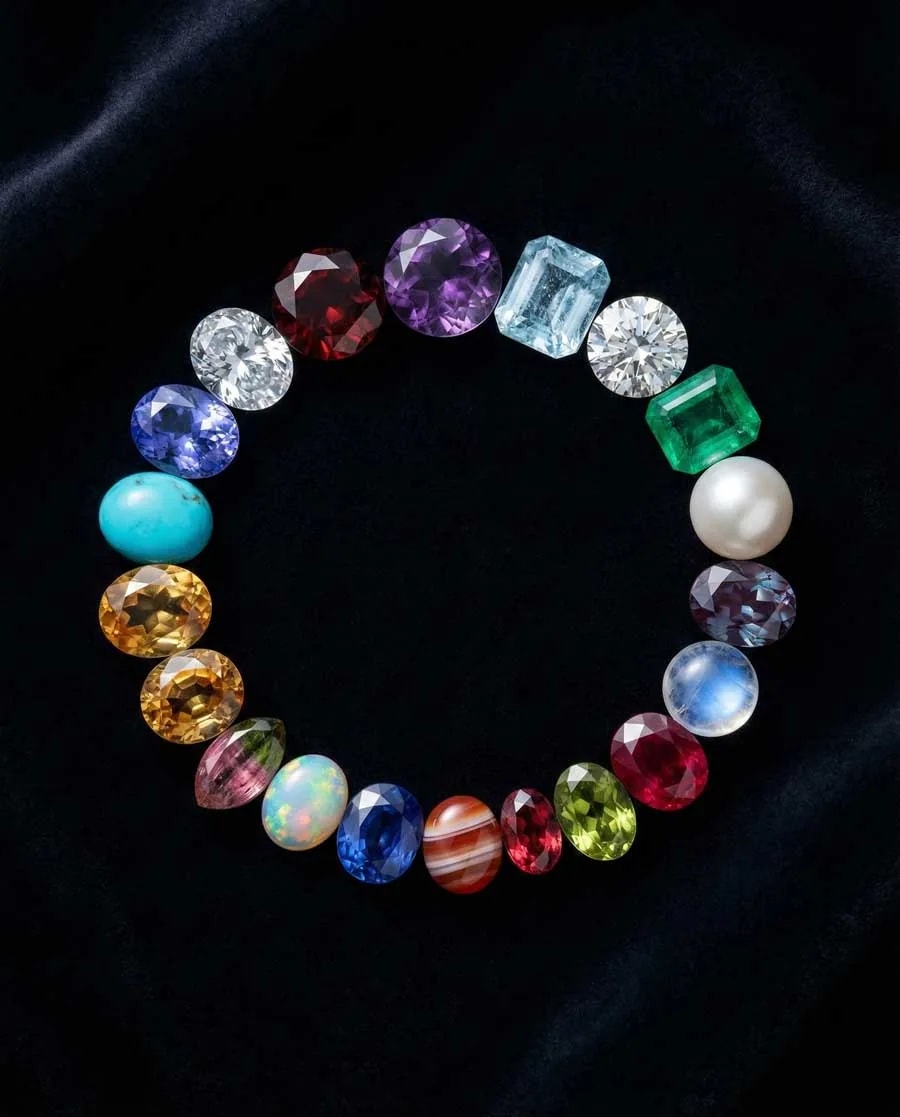
Quick Birthstone Reference
Find your birthstone at a glance. Select your birth month below to explore detailed information about your gemstone.
Shopping for a birthstone, not just reading about one? Browse our loose Ceylon sapphires, the September stone and the colored gem we get asked about most.
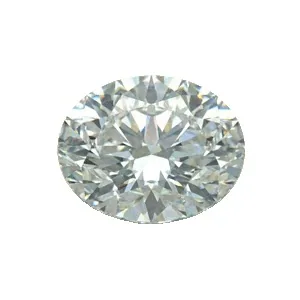
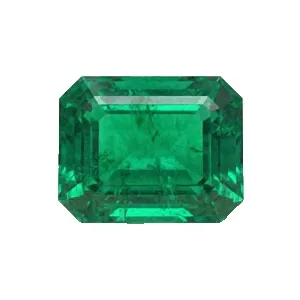
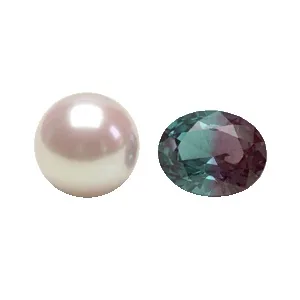
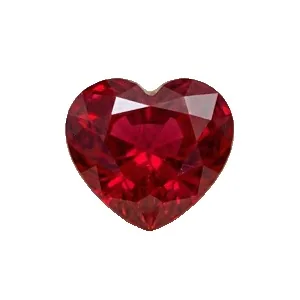
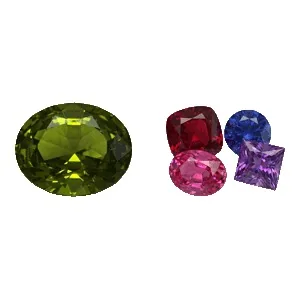
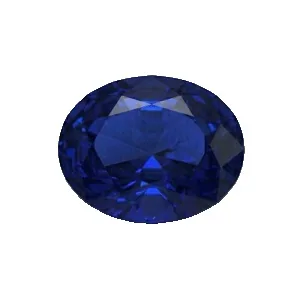
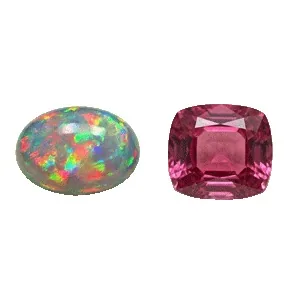
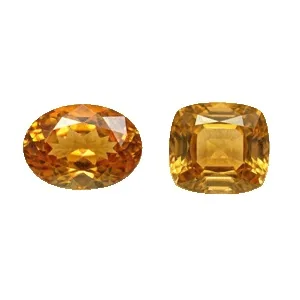
Introduction
Why Is It So Confusing?
Over 8 million people search for birthstone information every month. And honestly, the information out there is a mess. One source tells you January is garnet, full stop. Another lists three stones for December. Prices? Anywhere from $5 per carat for amethyst to $80,000 for a Kashmir sapphire, both labeled "birthstones."
Birthstones: history, meaning and buying guide. Video: GIA (Gemological Institute of America).
We've seen this play out hundreds of times sourcing gems directly in the field. People arrive with a clear idea, leave confused because no one explained the basics properly. This guide fixes that: verified gemological facts, real market prices (updated September 2026), and our perspective after years of buying stones at the source.
What we cover:
- Traditional vs. modern lists - Full history from 1912 to 2026, including Japan's 2021 additions
- All 12 months in detail - Meanings, properties, origins, and color variations
- Real price data - A per-carat price list for all 12 months, cheapest to rarest
- Zodiac signs too - Why your sign stone and your month stone often disagree
- Buying guide - How to choose, what to avoid, and how to spot a fake
What Are Birthstones?
What Exactly Is a Birthstone?
A birthstone is a gemstone associated with a calendar month, worn for personal significance or simply for aesthetics. The tradition blends ancient cultural beliefs with modern standardization introduced by the jewelry industry in the early 1900s.
Today, most people pick their stone based on color preference or budget, not strict birth month. That is perfectly fine.
Why It Still Matters in 2026
Birthstone jewelry represents roughly 15% of all gemstone jewelry sales in the United States. Not because people are superstitious, but because it is the ultimate personalized gift. You need to buy jewelry for someone, you are not sure what to pick, you go with their birthstone. Simple, meaningful, hard to get wrong.
Here is what we notice from Sri Lanka: the most requested birthstones are sapphire (September), ruby (July), and emerald (May). Precisely because these are stones we source directly here. The quality gap between a stone bought through three middlemen and one sourced directly? We cover that below.
Birthstone Chart: Traditional vs Modern
The complete birthstone chart below compares the traditional (1912) and modern (1952+) assignments, with Mohs hardness for each modern stone. Stone names link through to the loose stones we actually keep in stock.
| Month | Traditional | Modern | Mohs (modern stone) |
|---|---|---|---|
| January | Garnet | Garnet | 6.5-7.5 |
| February | Amethyst | Amethyst | 7 |
| March | Bloodstone | Aquamarine | 7.5-8 |
| April | Diamond | Diamond | 10 |
| May | Emerald | Emerald | 7.5-8 |
| June | Pearl | Pearl, Alexandrite, Moonstone | 2.5-4.5 / 8.5 / 6-6.5 |
| July | Ruby | Ruby | 9 |
| August | Sardonyx | Peridot, Spinel | 6.5-7 / 8 |
| September | Sapphire | Sapphire | 9 |
| October | Opal | Opal, Tourmaline | 5-6.5 / 7-7.5 |
| November | Topaz | Topaz, Citrine | 8 / 7 |
| December | Turquoise | Turquoise, Tanzanite, Zircon | 5-6 / 6-7 / 6-7.5 |
Traditional list as standardised in 1912; modern additions adopted from 1952 onward. Hardness on the Mohs scale, per GIA.
Birthstone Chart by Zodiac Sign
This is where most birthstone confusion actually starts. A zodiac birthstone and a month birthstone are two different traditions, and plenty of charts online quietly blend them into one. Your sign runs across two calendar months, so the stone attached to your sign often will not match the stone attached to your birth month.
Neither list is more official than the other. The month list was fixed by the jewelry trade in 1912. The zodiac list comes from much older astrological writing, and it genuinely varies from one source to the next. Anyone telling you there is one true zodiac birthstone chart is selling something.
| Sign | Dates | Zodiac stones | Month stone it overlaps |
|---|---|---|---|
| Aries | Mar 21 - Apr 19 | Diamond, bloodstone | Diamond (April) |
| Taurus | Apr 20 - May 20 | Emerald, sapphire | Emerald (May) |
| Gemini | May 21 - Jun 20 | Pearl, agate | Pearl (June) |
| Cancer | Jun 21 - Jul 22 | Ruby, moonstone | Ruby (July) |
| Leo | Jul 23 - Aug 22 | Peridot, onyx | Peridot (August) |
| Virgo | Aug 23 - Sep 22 | Sapphire, carnelian | Sapphire (September) |
| Libra | Sep 23 - Oct 22 | Opal, tourmaline | Opal (October) |
| Scorpio | Oct 23 - Nov 21 | Topaz, beryl | Topaz (November) |
| Sagittarius | Nov 22 - Dec 21 | Turquoise, zircon | Turquoise (December) |
| Capricorn | Dec 22 - Jan 19 | Garnet, onyx | Garnet (January) |
| Aquarius | Jan 20 - Feb 18 | Amethyst, jasper | Amethyst (February) |
| Pisces | Feb 19 - Mar 20 | Aquamarine, jade | Aquamarine (March) |
Zodiac attributions follow the commonly cited astrological lists; they are cultural tradition, not gemology, and sources disagree on the secondary stones.
Our honest take, after selling to people on both sides of this: pick the stone you like looking at. We have had clients born under Virgo who wanted the ruby and not the sapphire, and they were right to. A stone you reach for is worth more to you than a stone that matches a chart.
The History of Birthstones
Ancient Origins: Aaron's Breastplate
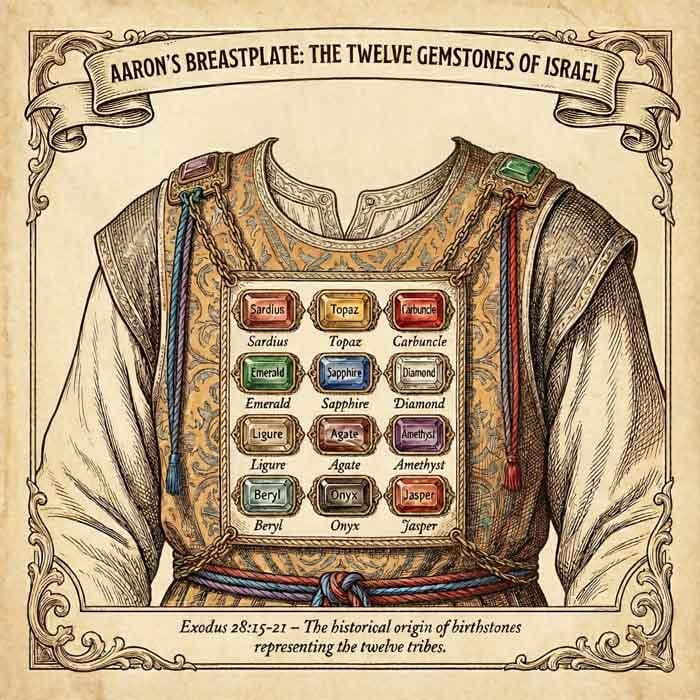
The earliest recorded connection between gemstones and calendar periods appears in Exodus (28:15-30), describing High Priest Aaron's ceremonial breastplate adorned with 12 distinct stones representing the 12 tribes of Israel.
The Josephus interpretation: In the 1st century CE, historian Flavius Josephus documented in "Antiquities of the Jews" that scholars believed Aaron's 12 stones corresponded to the 12 zodiac signs and months.
Modern Standardization (1912-2025)
1912 - National Association of Jewelers (NAJ): Definitive standardization during Kansas City convention established "traditional" assignments.
1952 - Jewelry Industry Council of America (JICA): Updated list included alexandrite, citrine, pink tourmaline, and emphasized aquamarine over bloodstone.
2002 - American Gem Trade Association (AGTA): Added tanzanite to December.
2016 - Jewelers of America: Spinel joined peridot for August.
2021 - Japan Jewellery Association: Added 10 new stones including coral, iolite, and morganite.
Birthstone Price List: What Each Stone Costs Per Carat
Prices vary enormously by stone, and the sites selling "birthstone jewelry" for $29.99 will not tell you that. Below is the birthstone price list we work from, per carat, for a clean and well cut one carat stone as of September 2026.
| Month | Stone | Price per carat | Where it goes higher |
|---|---|---|---|
| January | Garnet | $20 to $500 | Tsavorite garnet runs $1,000 to $8,000 |
| February | Amethyst | $5 to $50 | Deep Siberian colour sits at the top |
| March | Aquamarine | $50 to $600 | Santa Maria blue goes well past this |
| April | Diamond | $2,000 to $20,000 | Colour and clarity drive everything |
| May | Emerald | $200 to $18,000 | Untreated Colombian at the ceiling |
| June | Pearl / Alexandrite / Moonstone | $50 to $50,000 | Alexandrite is the expensive one, $2,000 to $50,000 |
| July | Ruby | $300 to $15,000 | Unheated Burmese pigeon blood tops it |
| August | Peridot / Spinel | $50 to $3,000 | Mahenge spinel outruns peridot |
| September | Sapphire | $300 to $3,000 | Unheated Ceylon; Kashmir clears $80,000 |
| October | Opal / Tourmaline | $10 to $2,000 | Black opal and Paraiba are separate leagues |
| November | Topaz / Citrine | $5 to $400 | The cheapest month to buy well |
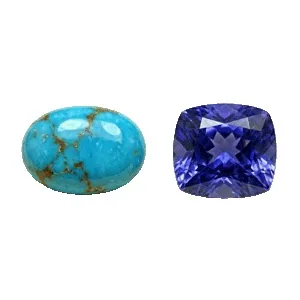
| December | Turquoise / Tanzanite / Zircon | $5 to $900 | Tanzanite $100 to $900 |
Ranges reflect what we pay and what we see quoted at retail for certified natural stones. They are not auction records, and a stone under one carat rarely reaches the top of its range.
Two things this table hides. First, size changes the maths completely: a 3 carat sapphire is not three times a 1 carat sapphire, it is closer to eight times, because clean rough that size is scarce. Second, the word natural is doing heavy lifting. A heated blue sapphire and an unheated one can look identical in a photo and sit a full order of magnitude apart in price, which is exactly why we wrote up what unheated really means.
The rule we apply when sourcing: if the price looks too good for the stone being advertised, it is either treated, synthetic, or glass. There are no miracles in gemstones. If you want the long version for one species, our sapphire price per carat breakdown shows how the same stone doubles in value on colour alone.
Birthstone Price Comparison Per Carat
| Birthstone | Price Range ($/carat) | Value Category |
|---|---|---|
| Diamond (Apr) | $2,000-$20,000+ | Ultra-Premium |
| Alexandrite (Jun) | $2,000-$12,000+ | Ultra-Premium |
| Ruby (Jul) | $500-$10,000+ | Premium |
| Emerald (May) | $500-$5,000+ | Premium |
| Sapphire (Sep) | $400-$5,000+ | Premium |
| Aquamarine (Mar) | $50-$500 | Mid-Range |
| Garnet (Jan) | $20-$2,000 | Affordable-Premium |
| Topaz (Nov) | $5-$800 | Affordable-Premium |
| Peridot (Aug) | $50-$450 | Affordable |
| Amethyst (Feb) | $5-$50 | Budget |
| Citrine (Nov) | $10-$100 | Budget |
| Turquoise (Dec) | $5-$300 | Budget-Mid |
How to Choose Birthstone Jewelry
Choosing a birthstone means balancing personal taste, durability for how you plan to wear it, quality, and budget. Here is how we approach it, and how we guide clients who visit us directly in Sri Lanka.
First thing: ignore the birth month if the stone does not speak to you. A woman born in November who dislikes yellow topaz has zero obligation to wear topaz. Birthstone lists are a jewelry industry convention from the 1900s, not a cosmic rule.
Choosing in four steps
- Start with the person, not the month. If the birth-month stone does not speak to them, pick a stone they will actually love.
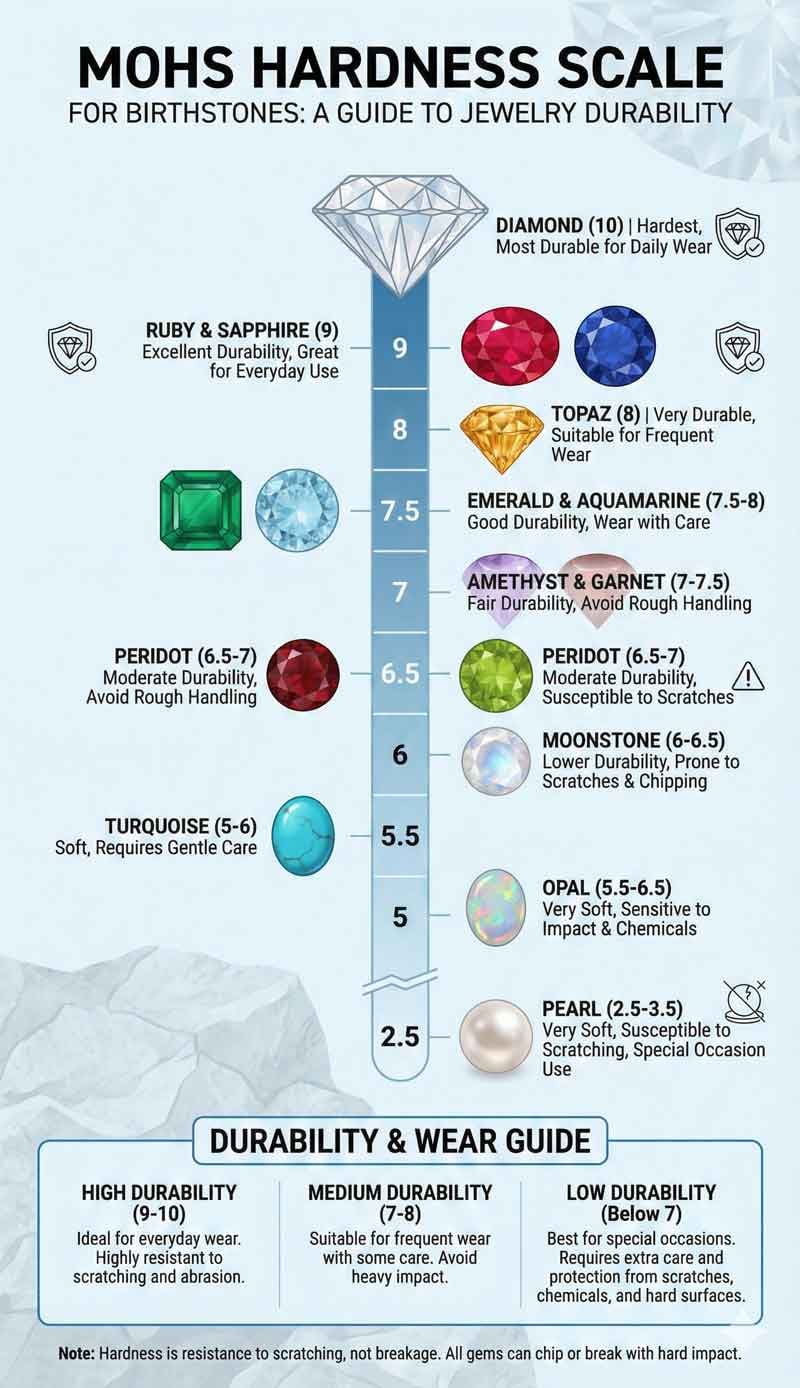
- Match hardness to wear. Daily-wear rings need Mohs 8+ (sapphire, ruby, spinel, topaz). Pendants and earrings can carry softer stones (opal, pearl, moonstone).
- Judge colour first. Vivid, saturated colour without grey or brown masking beats a bigger, paler stone at the same price.
- Ask for treatment disclosure and certification. Above a few hundred dollars, an independent lab report is non-negotiable.
Durability: Understanding Mohs Hardness
Durability requirements vary dramatically based on how and when jewelry will be worn. Mohs hardness serves as the primary indicator for suitability. We list it species by species across the types of semi-precious stones, from lapis lazuli at 5 to chrysoberyl at 8.5.
Everyday Wear (Daily Rings, Bracelets)
Minimum requirement: Mohs 7+
Recommended birthstones:
- Excellent (Mohs 8-10): Diamond (10), Sapphire (9), Ruby (9), Spinel (8), Topaz (8), Alexandrite (8.5)
- Good (Mohs 7-7.5): Amethyst (7), Citrine (7), Aquamarine (7.5-8), Garnet (6.5-7.5), Tourmaline (7-7.5), Peridot (6.5-7)
Avoid for daily rings: Pearl (2.5-4.5), Opal (5-6), Turquoise (5-6), Moonstone (6-6.5)
Setting Styles by Stone Durability
Jewelry setting selection should complement gemstone characteristics and protect vulnerable stones.
Soft Stones (Mohs <7): Bezel Settings Recommended
Stones requiring protection: Pearl, Opal, Turquoise, Moonstone
Bezel setting advantages:
- Complete protection: Metal rim surrounds stone completely
- Impact resistance: Distributes force away from stone
- Edge protection: Prevents chipping at girdle
- Daily wear: Enables softer stones in rings with reduced risk
How to Verify Birthstone Authenticity
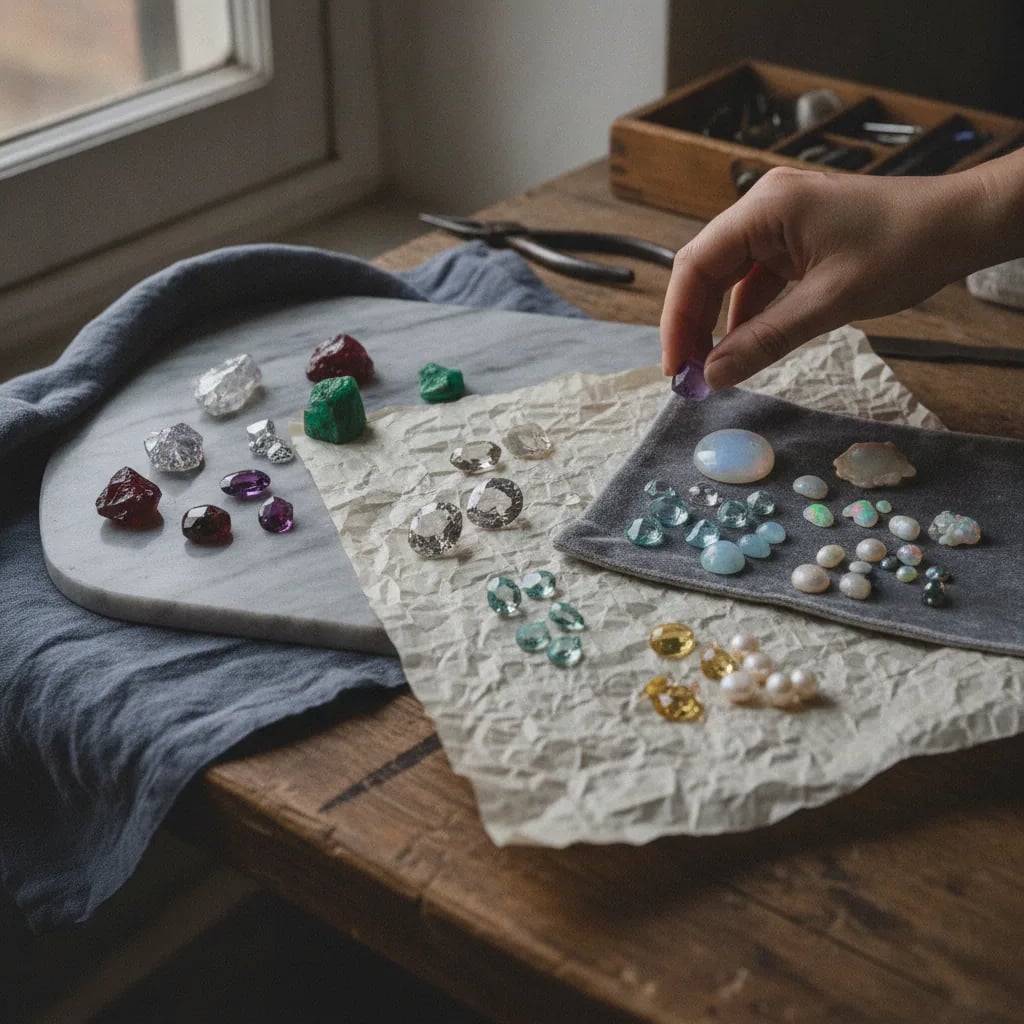
Authenticating a gemstone protects you from three classic scams: synthetics sold as natural, treated stones misrepresented as untreated, and outright simulants (glass, plastic) marketed as genuine gems.
We see these practices everywhere, not just in local markets but also from online resellers with solid reputations. The only real protection: certification and buying from a traceable source.
Gemological Certification: Non-Negotiable for Serious Purchases
For any stone above $500, ask for a certificate from a recognized independent lab. Not a house certificate from the seller, an actual independent lab report.
GIA (Gemological Institute of America)
- Global authority, industry standard for diamond grading
- Services: Diamond Grading Reports, Colored Stone Reports, Origin Reports
- Verify at: gia.edu/report-check
AGL (American Gemological Laboratories)
- Specialist in colored stones, excellent for sapphires, rubies, emeralds
- Detailed geographic origin reports
At JOALYS, every significant stone comes with direct traceability from mine to cutter in Sri Lanka. We can tell you where the stone came from. Most resellers cannot.
Basic Tests You Can Perform
Important disclaimer: These tests provide preliminary indications only. Professional gemological testing remains essential for definitive authentication. Do NOT rely on basic tests for high-value purchases ($1,000+).
Visual Inspection with Loupe (10× Magnification)
Equipment needed: 10× jeweler's loupe ($15-$50)
Natural gemstone indicators:
- Inclusions with irregular patterns (natural stones contain mineral crystals, liquid-filled cavities, color zoning)
- Growth lines (visible in some natural stones)
- Surface irregularities (minor abrasions, pits)
Synthetic gemstone indicators:
- Curved growth lines (synthetics grown via flame-fusion show curved striae)
- Gas bubbles (round, spherical bubbles indicate glass or low-quality synthetic)
- Too perfect (complete absence of inclusions in large, affordable stones suspicious)
Frequently Asked Questions
Finding Your Perfect Birthstone
From Aaron's breastplate to the 1912 trade list and the zodiac charts that predate both, birthstones are a tradition, not a rule. Wear the month stone, wear the sign stone, or ignore both and wear the colour you love.
What we can help with is the part that is not a matter of taste: whether the stone is natural, whether it was treated, what it should cost, and where it came out of the ground. Every stone we sell is cut from parcels we buy ourselves in Sri Lanka and checked by an independent GIA gemmologist before it goes online.