Types of ear piercings
Choosing a new ear piercing is a modern ritual of self-expression. It’s the thrill of selecting a new piece of art for a canvas that is uniquely yours. Yet
types of ear piercings: Quick Facts
| Property | Details |
|---|---|
| Key Topics Covered | The Definitive Ear Piercing Chart: A Visual Guide (400 words), Key Decision Factors: Pain, Healing & Cost (300 words), Curating Your Style: Piercings & Personal Anatomy (200 words) |
| Read Time | 1 minutes |
Introduction
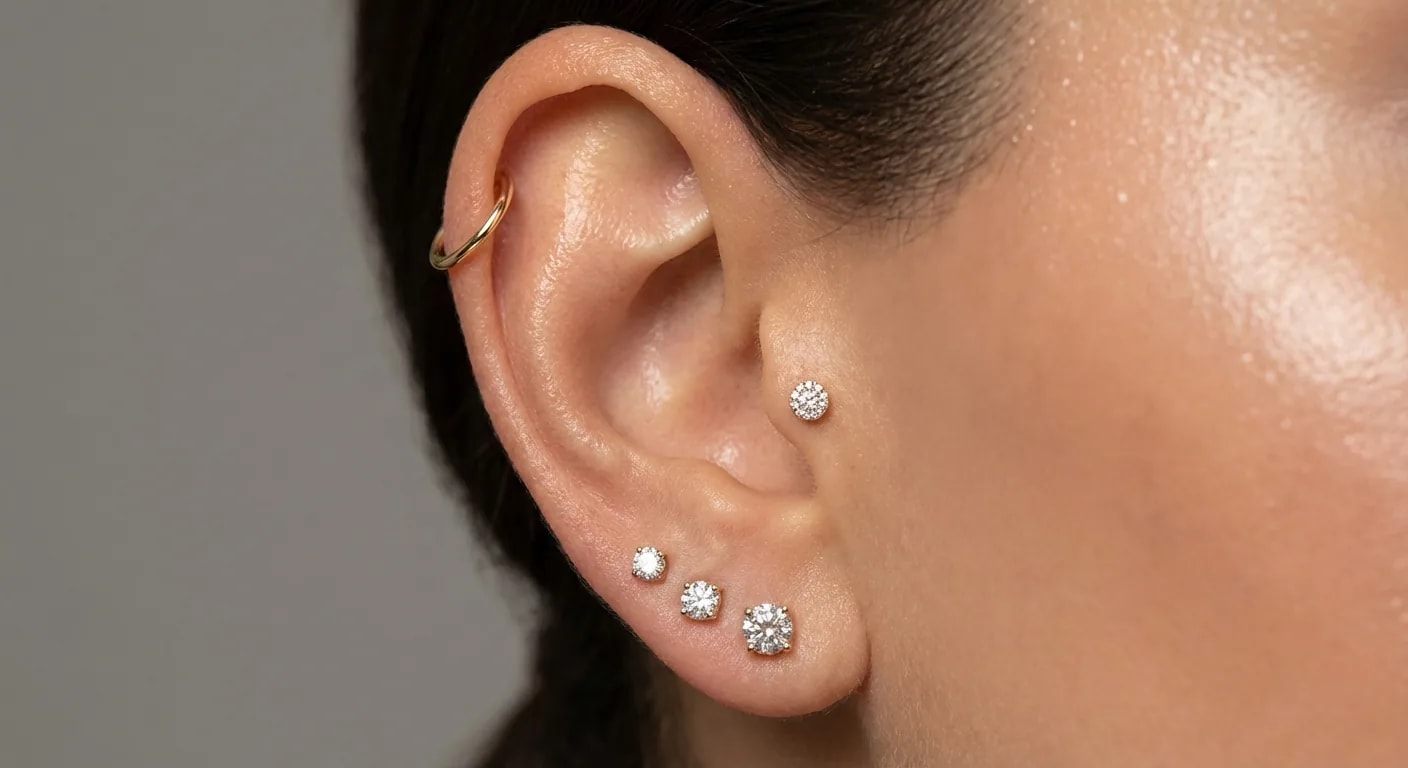
Choosing a new ear piercing is a modern ritual of self-expression. It’s the thrill of selecting a new piece of art for a canvas that is uniquely yours. Yet, this decision carries weight. Each placement, from a classic lobe to an intricate daith, tells a story and requires a commitment. The perfect choice is a delicate balance of personal aesthetic, anatomy, and a clear understanding of the journey ahead, transforming a simple stud into a meaningful personal statement.
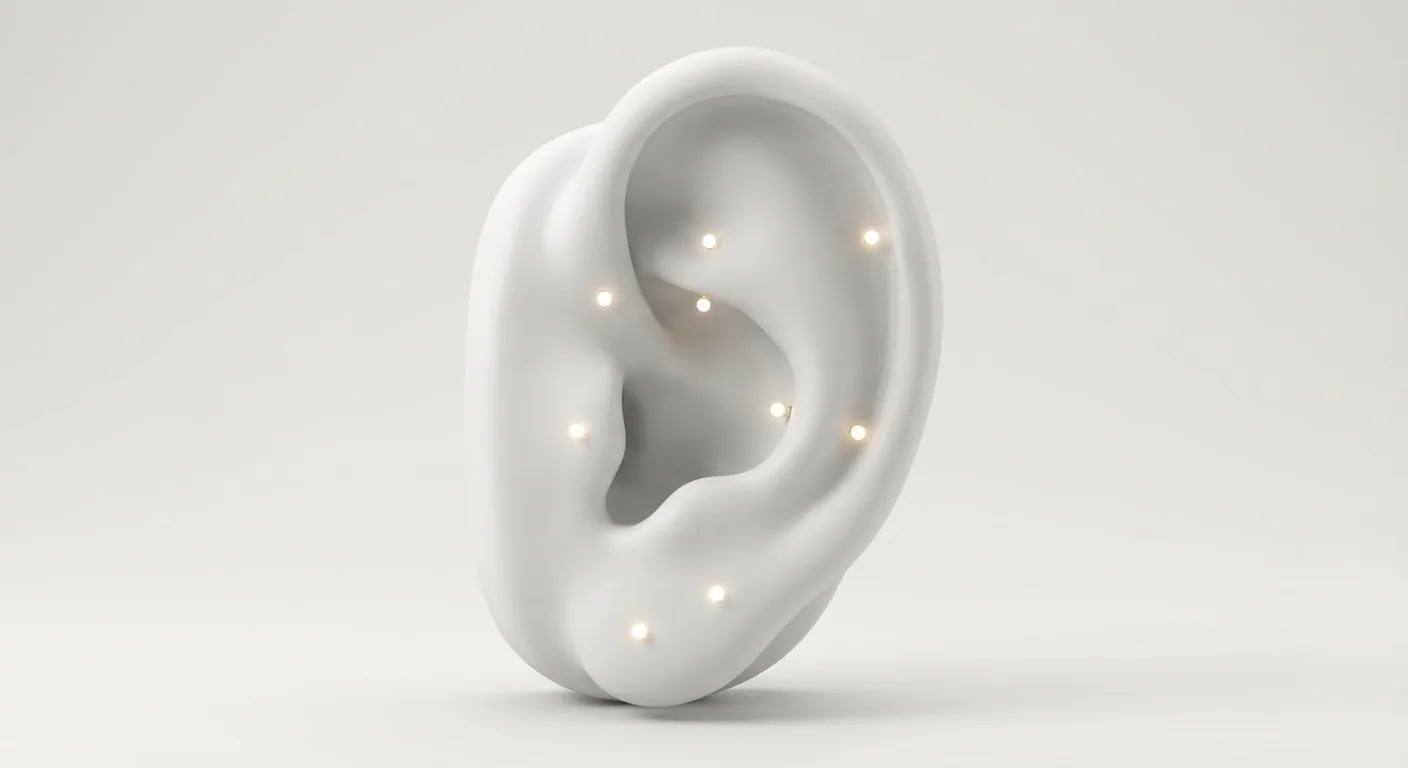
The primary types of ear piercings are categorized by their location: lobe piercings in the fleshy lower part of the ear, and cartilage piercings along the upper and inner structures. Cartilage piercings are further divided into outer (helix, auricle) and inner (tragus, rook, daith) placements.
A piercing is more than a momentary decision; it is a commitment to a healing process that can last over a year. Understanding the nuances between different placements is critical for a successful outcome. The choice impacts everything from pain level and healing time to daily habits, like using earbuds or sleeping positions. Making an informed decision ensures the piercing not only matches a desired style but also complements an individual's lifestyle and anatomy for years to come.
This guide provides a comprehensive visual chart of all major ear piercings. It then details the critical factors of pain, healing, and cost. Finally, it offers expert insights on curating a personal ear style based on aesthetics and individual anatomy, followed by answers to frequently asked questions.
The Definitive Ear Piercing Chart: A Visual Guide
Understanding the anatomy of the ear is the first step in selecting a new piercing. Each placement offers a unique aesthetic and comes with different considerations for healing and jewelry styling. Piercings are generally categorized into two main groups: those on the soft, fleshy earlobe and those on the firmer cartilage that frames the ear. This guide provides a comprehensive overview of the most recognized placements, from timeless classics to more contemporary styles.
Lobe Piercings: The Classic Canvas
The earlobe is the most traditional and forgiving area to pierce due to its soft tissue and excellent blood flow, which promotes faster healing.
- Standard Lobe: The most common piercing, placed in the center of the earlobe. It has the lowest pain level and a quick healing time of 6-10 weeks, making it an ideal first piercing. A simple stud featuring the July birthstone, ruby, is a timeless choice for this placement.
- Upper Lobe: Positioned directly above the standard lobe piercing. This placement is perfect for creating a "stack" of multiple earrings and is often the second or third piercing an individual gets.
- Transverse Lobe: A more modern and unique style where a barbell passes horizontally through the earlobe tissue instead of from front to back. This piercing is highly dependent on having sufficient lobe anatomy.
Outer Cartilage Piercings: Framing the Ear
Piercings on the outer rim of the ear define its shape and serve as an elegant frame for the face. These cartilage piercings require more healing time than lobe piercings, typically 6-12 months.
- Helix: A highly popular piercing located anywhere on the upper, outer cartilage rim. Its versatility allows for single studs, multiple studs in a row, or hoops. Small, brilliant studs, such as those featuring the April birthstone, diamond, are often used to create a subtle constellation effect.
- Forward Helix: Placed on the forward-facing cartilage rim, just above the tragus. It is common to see this piercing done in a double or triple configuration for a decorative cluster.
- Industrial: A distinctive two-point piercing that connects two separate holes in the upper cartilage with a single, long barbell. A successful industrial piercing requires a very specific ear shape with a well-defined outer cartilage ridge.
- Auricle: Positioned on the outer cartilage rim, midway between the upper helix and the earlobe. It is a versatile spot suitable for both studs and small hoops.
Inner Cartilage Piercings: The Intricate Centerpiece
Inner ear piercings create focal points within the ear's intricate folds. Due to the thickness of the cartilage, these placements often require 9-12 months or more to heal fully.
- Tragus: A very popular piercing through the small, oval-shaped piece of cartilage that partially covers the ear canal. During the healing period, it can interfere with the use of in-ear headphones.
- Daith: Located on the innermost cartilage fold, just above the ear canal. This piercing has gained anecdotal attention for its supposed ability to alleviate migraines, though this claim is not medically proven. A well-fitted hoop is the most common jewelry for a daith.
- Rook: A vertical piercing that passes through the antihelix, which is the cartilage ridge located directly above the daith. It is known for its striking appearance, typically styled with a curved barbell.
- Conch: A piercing in the inner "cup" of the ear. It can be an inner conch (a stud placed in the center) or an outer conch (a hoop that wraps around the cartilage). A stud in this placement is an ideal way to showcase a meaningful gem from a complete guide to birthstones.
Key Decision Factors: Pain, Healing & Cost
Choosing a piercing involves more than just aesthetics. A clear understanding of the commitment required for pain management, healing, and cost is essential for a positive experience. These three factors vary significantly between lobe and cartilage placements and are critical for making an informed decision.
The Piercing Pain Scale
While pain is subjective and varies by individual tolerance, a general scale can provide a useful reference. The sensation is typically a quick, sharp pressure that subsides rapidly. Thicker cartilage areas are generally considered more intense than soft tissue.
| Piercing Type | Pain Level (1-10) | Sensation Description |
|---|---|---|
| Lobe (Standard, Upper) | 1-2 | A brief, sharp pinch, very mild. |
| Cartilage (Helix, Tragus, Conch) | 4-6 | A noticeable, sharp pressure. |
| Advanced Cartilage (Rook, Daith, Industrial) | 6-8 | An intense, sharp pressure due to dense tissue. |
The Piercing Healing Chart
Healing is a multi-stage process, and the timelines below represent the minimum period before jewelry can be safely changed by a professional. The piercing channel, or fistula, can take much longer to fully mature and strengthen.
| Piercing Group | Average Healing Time | Key Considerations |
|---|---|---|
| Lobe Piercings | 6-10 weeks | Excellent blood flow promotes rapid healing. |
| Outer Cartilage (Helix, Auricle) | 6-12 months | Prone to irritation from hair, masks, and sleeping. |
| Inner Cartilage (Tragus, Rook, Daith, Conch) | 9-12+ months | Protected location but thicker tissue requires patience. |
Budgeting for Your Piercing
The total cost of a new piercing consists of two separate components: the piercer's service fee and the price of the initial jewelry. Reputable studios charge a fee for their expertise, sterilization, and time.
For initial jewelry, material quality is non-negotiable. Professional piercers exclusively use implant-grade, biocompatible metals like titanium or solid 14k-18k gold to prevent allergic reactions and ensure smooth healing. While a stunning sapphire stud is an excellent choice for a fully healed piercing, the first piece must prioritize safety. Once the healing period is complete, exploring a complete guide to birthstones can offer meaningful options for personal expression.
Curating Your Style: Piercings & Personal Anatomy
Beyond selecting a single piercing, many individuals now aspire to create a "curated ear," a thoughtful and cohesive collection of jewelry that reflects personal style. This approach transforms the ear into a canvas for self-expression, where balance, theme, and anatomy are key components of the final aesthetic.
The Art of the "Curated Ear"
A curated ear is a personalized arrangement of multiple piercings that work in harmony. The goal is to achieve a balanced and intentional look rather than a random assortment of jewelry. Planning this composition involves several aesthetic principles.
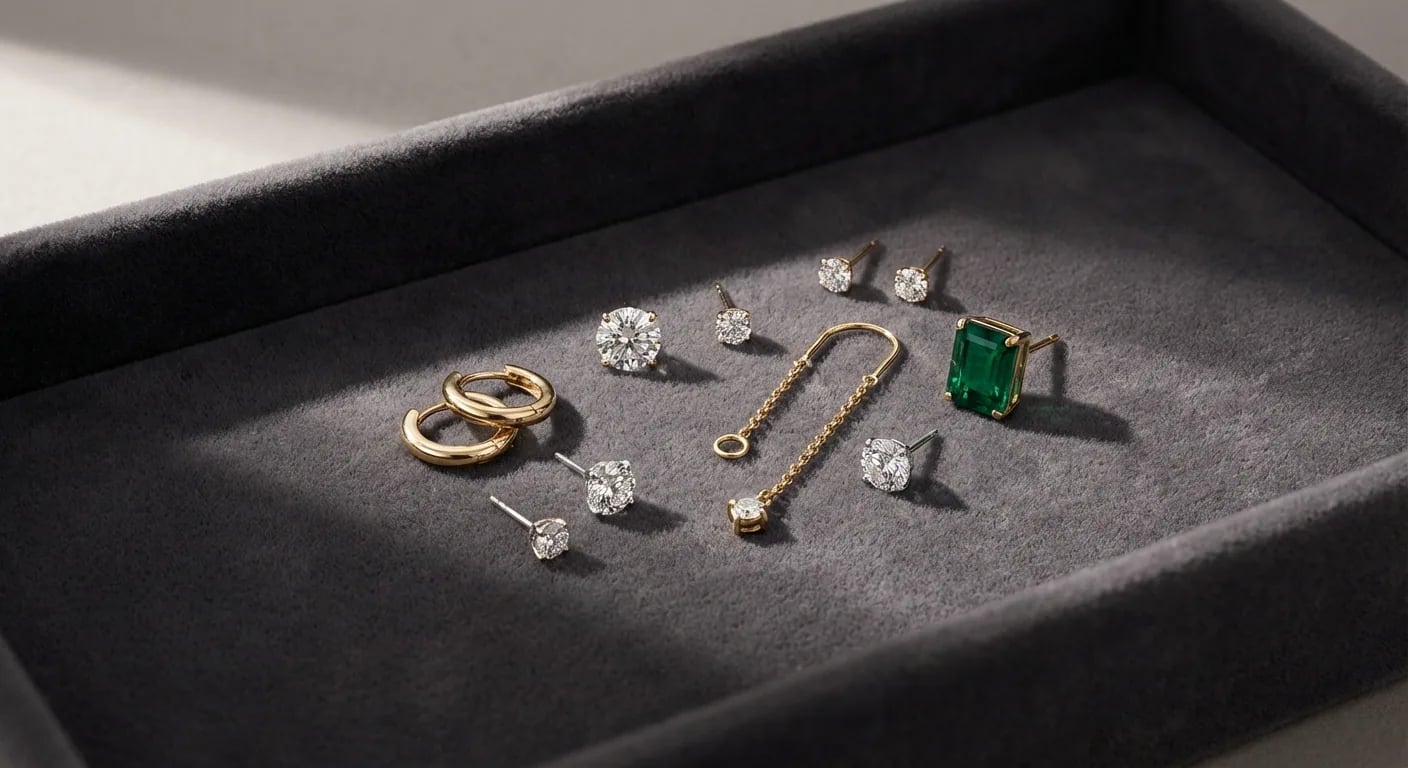
- Establish a Focal Point: A successful design often begins with a statement piece. A brilliant diamond stud in a conch piercing or an ornate hoop in the daith can serve as the centerpiece from which other, more delicate pieces radiate.
- Mix Textures and Shapes: Combining different jewelry styles adds visual interest. Pairing simple studs with delicate chains, or smooth hoops with textured pieces, creates depth and sophistication.
- Maintain Metal Harmony: A cohesive look can be achieved by sticking to a single metal, such as all yellow gold or platinum. Alternatively, intentionally mixing metals is a popular trend, but it requires a careful balance to look deliberate.
- Incorporate Personal Meaning: The most compelling curated ears tell a story. Integrating significant gems, such as those from a complete guide to birthstones, adds a unique and personal layer to the overall design.
Choosing Piercings for Your Ear Shape
While personal taste is paramount, individual anatomy ultimately dictates which piercings are viable and will look best. Consulting with a highly experienced piercer is essential for assessing the unique landscape of an ear. They can provide guidance on placements that are not only possible but will also enhance natural features.
| Ear Feature | Recommended Piercings | Rationale |
|---|---|---|
| Prominent Antihelix Fold | Rook, Daith | These piercings beautifully accentuate the ear's natural curves and structure. |
| Large, Flat Cartilage Area | Flat Helix | This placement offers a perfect canvas for showcasing decorative studs, like a vibrant emerald. |
| Well-Defined Outer Ridge | Industrial, Helix | A pronounced cartilage rim is necessary to support an industrial bar or a row of helix studs. |
| Small or Thin Tragus | Forward Helix, Conch | If the tragus is too small for a piercing, a forward helix or conch offers a striking alternative in the same facial region. |
Frequently Asked Questions
Conclusion
Selecting the right ear piercing is a personal journey that balances aesthetic desire with the practical realities of anatomy, pain, and healing. Understanding the key differences between the various types of ear piercings empowers an individual to make an informed choice, ensuring the final result is a beautifully healed and cohesive personal style. This knowledge transforms the process from a simple decision into a deliberate act of self-expression.
Once the piercing has healed, the focus shifts to adornment. The true art of the "curated ear" comes alive with intentionally chosen, high-quality jewelry that reflects a unique story. For those ready to find the perfect centerpiece, the next step is to explore collections of fine jewelry designed for longevity and brilliance.
Ready to bring your vision to life? Discover timeless pieces in the Joalys gemstone stud collections. For personalized guidance on pairing metals or selecting the ideal stone for your style, consult with a jewelry expert for a private consultation.