Zircon Buying Guide: Natural Zircon vs CZ, Quality and Prices (2026)
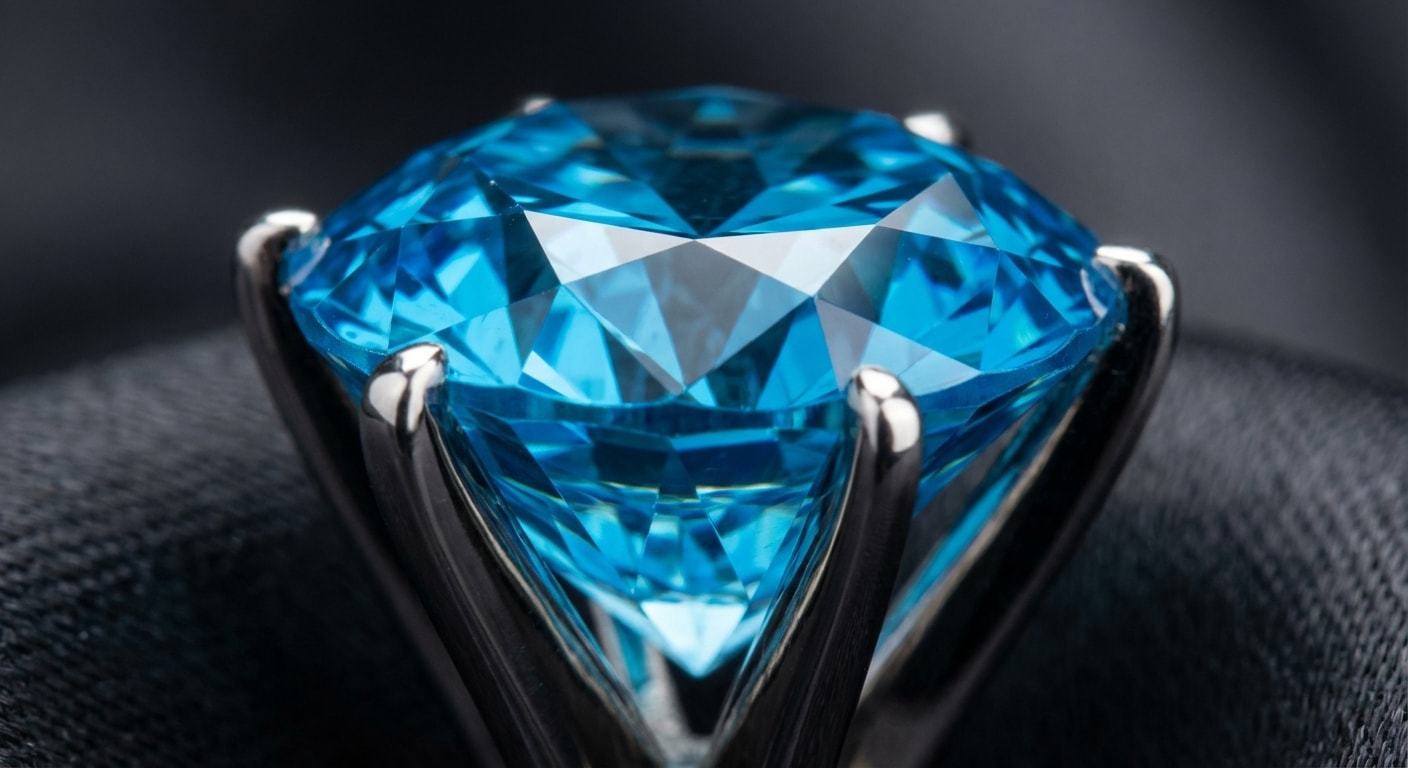
Before its name was confused with a synthetic imitation, natural zircon was a coveted gem, prized for a fiery brilliance that often rivals even diamond.
Zircon Quick Facts
| Property | Details |
|---|---|
| Gemstone Type | Natural Mineral (Zirconium Silicate), NOT lab-created Cubic Zirconia (CZ) |
| Hardness (Mohs) | 6.5 - 7.5 (Good for jewelry, but requires care in rings to avoid chipping) |
| Brilliance & Fire | Exceptional; rivals diamond due to high refractive index and strong double refraction |
| Most Valuable Color | Blue (typically from heat-treated brown zircon, a stable and accepted enhancement) |
| Price Range (Est.) | $50 - $400+ per carat, depending on color, clarity, and origin |
| Key Identifier | Denser than diamond; a 1-carat zircon appears smaller than a 1-carat diamond |
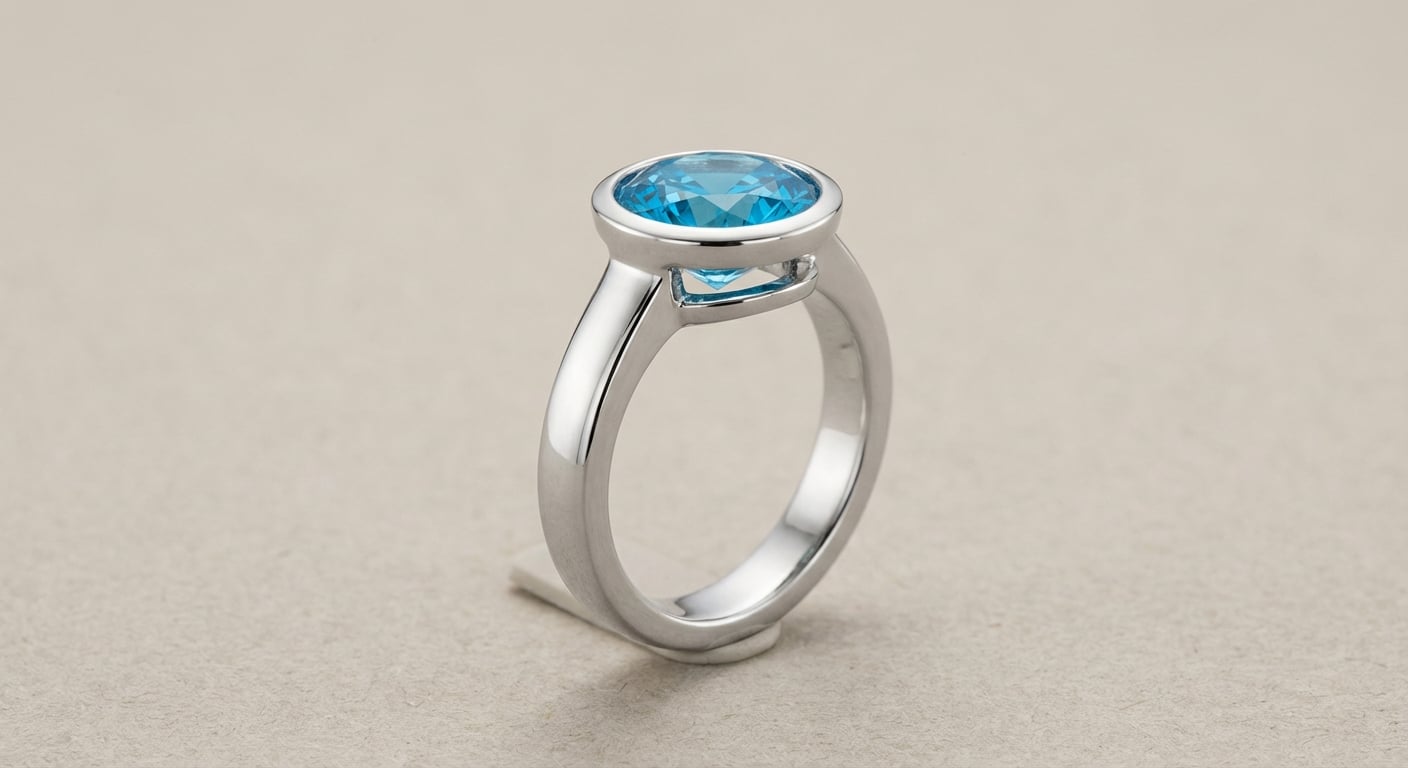
| Best For | Pendants, earrings, and rings with protective settings (e.g., bezel, halo) |
Introduction
Natural zircon is one of the most misunderstood gemstones on the market. The name sounds like "cubic zirconia," so people assume it's fake. It isn't. Zircon is a natural mineral that's been in the earth for up to 4.4 billion years, making it one of the oldest materials on the planet. Cubic zirconia is a synthetic created in a lab in the 1970s. They share three letters in their name and nothing else.
That confusion has kept prices artificially low for years, which is good news for buyers who know what they're looking at. Blue zircon with brilliance that genuinely competes with diamond, at a fraction of the price. Here is how to buy it properly.
Updated March 2026.

Before You Buy Zircon Gemstones (The Gem Expert)
Natural Zircon vs. Cubic Zirconia: The Critical Difference
Let's settle this once and for all, because the confusion costs buyers money in both directions: they overpay for CZ thinking it's zircon, or they dismiss actual zircon thinking it must be fake.
Natural Zircon
A zirconium silicate mineral formed in the Earth's crust. Has been mined for centuries across Sri Lanka, Cambodia, Myanmar, and Australia. Mohs 6.5 to 7.5. Exceptional brilliance and fire, actually higher dispersion than diamond in some cuts. Can be colorless, blue, green, red, orange, yellow. Price: $50 to $400+ per carat depending on color and quality.
Cubic Zirconia (CZ)
A synthetic material (zirconium oxide) first produced commercially in 1976. Does not exist in nature. Very hard (Mohs 8.5) but brittle, scratches and hazes over time. Price: cents per carat at wholesale, essentially valueless as a gemstone investment.
How to Tell Them Apart Immediately
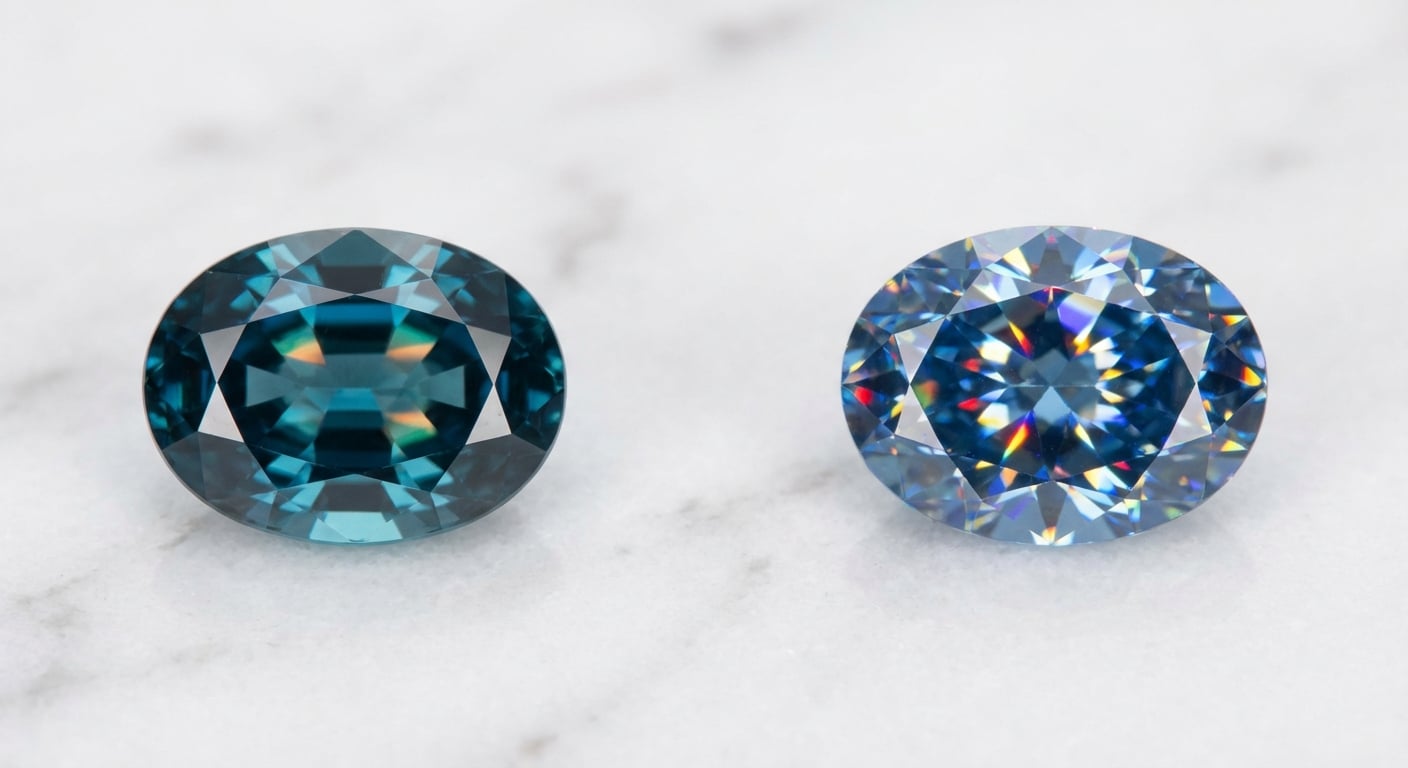
Ask for a lab certificate. A GIA or AGL report will state "natural zircon" clearly. Without a cert, a jeweler's loupe reveals zircon's distinctive doubling effect: the back facets appear doubled when viewed through the table. CZ shows no doubling. That one test takes 30 seconds and eliminates all confusion.
The 4Cs of Zircon: Evaluating Quality Like an Expert
For zircon, the four quality factors are not equal. Color dominates everything else.
Color: The Primary Value Driver
Blue zircon is the most commercially popular and commands the highest prices. The best blue zircon is a vivid, medium-toned blue with no grey overtone, sometimes described as "electric blue" or "London blue" in tone. This color is achieved through standard heat treatment of brownish material, a fully accepted and widely practiced process that must be disclosed.
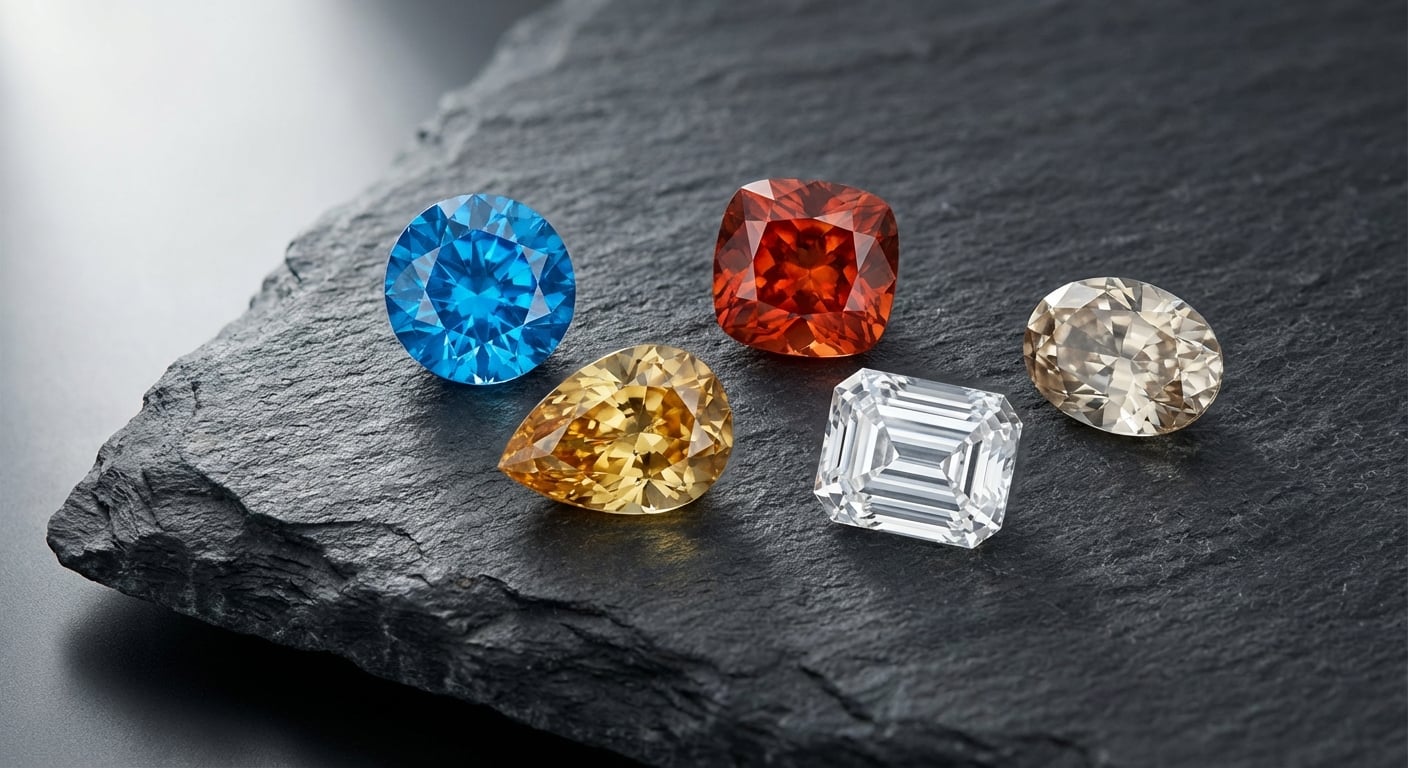
Beyond blue, natural red and orange zircon from Cambodia (called "Matara" or "Cambodian" zircon) are prized by collectors. Green zircon is exceptionally rare and untreated, worth significantly more than treated material. We personally find the green and orange specimens more interesting than blue from a collector standpoint, even though the market still under-prices them.
Clarity
Zircon is typically eye-clean. Inclusions are acceptable if they don't affect the face-up appearance, but significant cloudiness or visible fractures reduce value substantially. High-quality blue zircon should look brilliant and clean under normal viewing.
Cut
Cut matters more for zircon than most colored stones because its high refractive index (1.92 to 1.96, close to diamond's 2.42) means a precise cut produces spectacular light return. A poorly cut zircon looks dull. Look for well-defined facets, good symmetry, no windowing (a transparent dead zone when you look through the table).
Carat Weight
Fine blue zircon above 5 carats is genuinely uncommon. Above 10 carats, prices rise steeply per carat. For budget buyers, 2 to 4 carat stones offer the best value: large enough to show the brilliance, small enough to remain affordable.
Zircon Price Guide & Heirloom Potential
Zircon is one of the better-value propositions in natural gemstones right now, specifically because of the name confusion keeping prices lower than the stone deserves.
Price Ranges by Color (March 2026)
Colorless zircon: $30 to $80 per carat. Standard blue (heat-treated): $50 to $200 per carat. Fine blue (vivid, clean, well-cut): $150 to $400 per carat. Red and orange Cambodian: $80 to $300 per carat. Natural green (untreated, rare): $200 to $600+ per carat.
These are retail prices for certified natural material. If you're seeing "blue zircon" at $10 per carat with no documentation, it's almost certainly CZ or heavily included material dressed up with a misleading label.
Investment Angle
Fine natural zircon, particularly untreated stones with certification, has shown steady appreciation. It remains undervalued relative to stones with similar optical properties (topaz, aquamarine) purely because of the name problem. As collector awareness grows, that gap tends to close. According to the Gemological Institute of America (2025), demand for certified natural colored stones has increased 23% since 2022, with zircon among the fastest-growing categories.
Zircon in Jewelry: A Guide to Settings & Durability
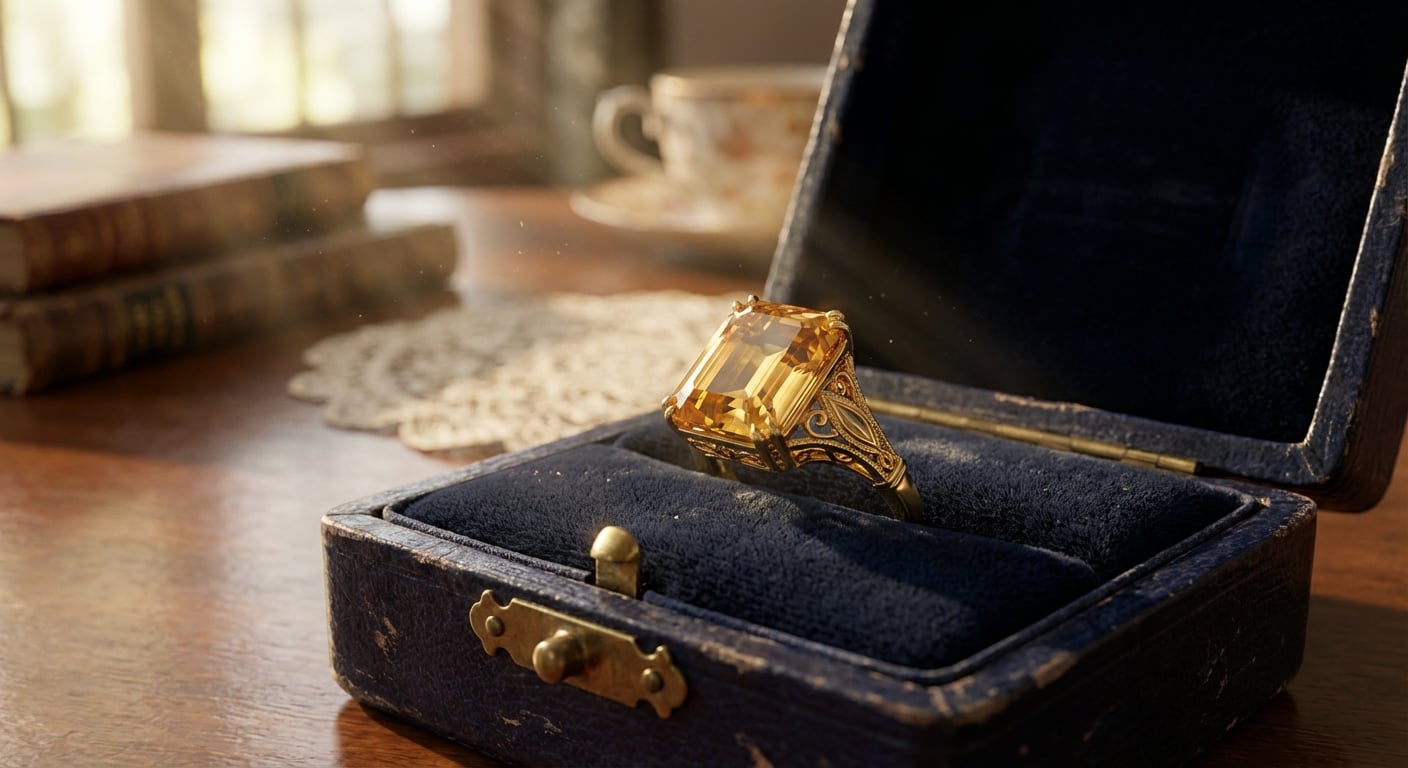
Zircon at Mohs 6.5 to 7.5 is in the same durability range as tanzanite and peridot. Fine for earrings, pendants, and occasional rings. For a daily engagement ring, you need a protective setting and realistic expectations.
Best Settings for Zircon
Bezel settings offer the best protection, wrapping the girdle in metal and shielding the edges from impact. Halo settings work well too: the surrounding diamonds or sapphires take most of the wear. Prong settings expose the stone more but are fine for earrings and pendants where impact risk is minimal.
Avoid placing zircon adjacent to diamonds or corundum (sapphire, ruby) in a loose stone bag or compartment. At Mohs 9, corundum will scratch zircon's surface over time.
Cleaning
Warm water and mild soap with a soft brush. No ultrasonic cleaners, no steam. Zircon can have internal fractures that are invisible to the eye but vulnerable to vibration and heat. Basic rule: if you wouldn't put a delicate watch in a vibrating machine, don't put your zircon there either.
How to Buy Zircon Online with Confidence
Buying zircon online is fine if you follow a short checklist. Skip any of these steps and you are gambling.
What to Require Before Buying
Independent lab certificate (GIA, AGL, or equivalent) clearly stating "natural zircon." Photos in multiple lighting conditions, not just studio white light. Weight listed in carats with dimensions. Treatment disclosure: heat-treated or untreated. Return policy of at least 14 days.
If a listing shows a single perfect studio photo, no cert, no dimensions, and a price that seems too good: that is CZ or synthetic. Move on.
Red Flags to Spot Immediately
"Zircon" listed at under $15 per carat. "Natural zircon" with no certification. Identical stock photos across multiple sellers. Vague origin listed as "Asia." No mention of treatment status. Any of these individually is a yellow flag. Two or more together is a clear no.
Where to Buy Safely
Established gem dealers with physical addresses and traceable sourcing. Direct-from-origin suppliers like JOALYS who can document the stone's journey from mine to sale. Auction houses (Heritage, Bonhams) for exceptional stones. Avoid anonymous marketplaces for anything above $100.
Zircon vs. Other Diamond Alternatives: A Value Breakdown
If you're shopping for a colorless or near-colorless stone as a diamond alternative, here is an honest comparison.
Natural Zircon vs. Moissanite vs. White Sapphire
Moissanite (lab-created): Harder than zircon (Mohs 9.25), extremely durable, very high fire and brilliance. Some people find it "too sparkly" with a rainbow flash that reads as obviously not diamond. Price: $300 to $600 per carat. Not a natural gemstone.
White sapphire (natural): Mohs 9, very durable, excellent for daily wear rings. Less brilliance than diamond or zircon, slightly milky face-up. Price: $100 to $500 per carat for clean natural material. Strong natural gem credentials.
Natural zircon (colorless): Mohs 6.5 to 7.5, highest dispersion of the three, breathtaking brilliance when well-cut. Softer, needs protective setting for daily rings. Price: $30 to $150 per carat. Genuinely rare in fine quality.
Our take: for a daily ring, white sapphire wins on durability. For a pendant or earrings where you want maximum optical impact from a natural stone, well-cut zircon is hard to beat at the price point.
Frequently Asked Questions
Conclusion
Mastering the zircon buying guide means recognizing natural zircon as a distinct and valuable gemstone, entirely separate from its synthetic counterpart. Its true worth is revealed through its vibrant color, eye-clean clarity, and a precision cut designed to unleash its signature fiery brilliance. This knowledge empowers buyers to select a gem with confidence, appreciating its unique history and optical beauty.
Armed with this expertise, the path to acquiring an exceptional zircon is clear. Joalys streamlines this journey with a unique three-step approach that prioritizes certainty and personal vision. The process begins when you select your certified gemstone from a curated collection of the finest natural zircons. The chosen gem is then delivered in a luxury authentication case, allowing for independent verification before you commit to a final piece. When you are ready, you can then proceed to design your custom setting, ensuring the final creation is perfect. For those seeking tailored advice or a completely bespoke experience, the next step is to speak with our expert gemologists to transform your knowledge into a tangible, heirloom-quality treasure.