Amethyst Jewelry: From Royal Crowns to Spiritual Calm
Dive into the regal history and spiritual power of amethyst jewelry. Discover why this captivating violet quartz was treasured by royalty. Your ultimate guide.
Amethyst Jewelry: Quick Facts
| Property | Details |
|---|---|
| Birthstone Month | February |
| Mohs Hardness | 7 (Good durability for daily wear) |
| Meaning & Symbolism | Calm, Clarity, Royalty, Sobriety |
| Color Spectrum | Light lilac to deep purple with red flashes (most valued) |
| Primary Sources | Brazil, Uruguay, Siberia, Zambia |
| Chakra Association | Crown Chakra (Sahasrara) |
| Chemical Formula | SiO₂ (Silicon Dioxide / Quartz) |
Introduction
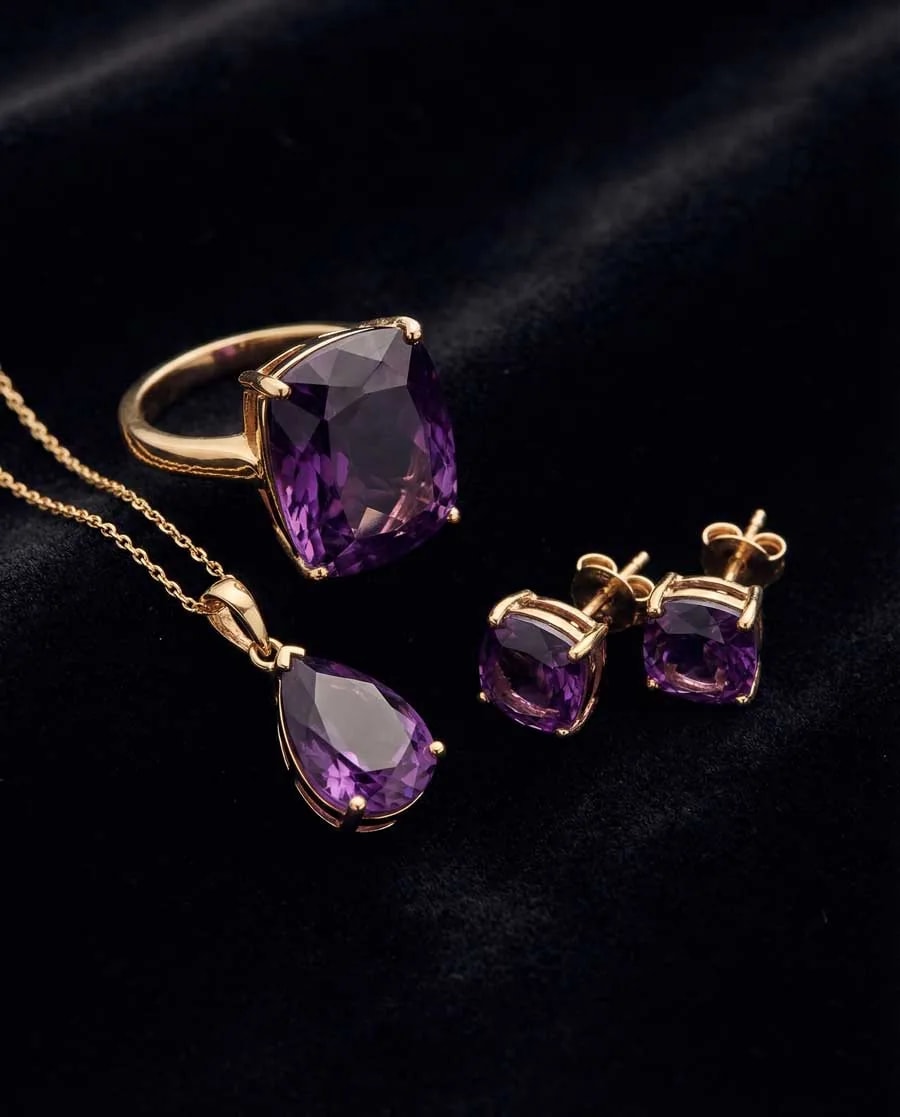
More than just February’s birthstone, amethyst was once treasured as highly as diamonds, adorning royal crowns and bishop’s rings. Its deep violet allure carries a legacy of power, prestige, and spiritual clarity.
This violet variety of quartz has been cherished for centuries, from its regal history to its calming symbolism. Ranging from pale lilac to rich purple, amethyst remains prized for its royal heritage, its meaning of clarity, and its status as a timeless gemstone.
Today, its appeal goes beyond beauty. Collectors and spiritual seekers alike value amethyst for its ability to quiet the mind, enhance intuition, and inspire inner calm, making each piece both a style statement and a personal sanctuary.
This guide will help you find the perfect amethyst piece, exploring its symbolism, explaining what defines quality, showcasing key styles, and offering expert care tips.
The Soul of the Stone: Amethyst Meaning & Symbolism
Amethyst holds a unique dual legacy, revered for centuries as both a symbol of immense power and a conduit for spiritual tranquility. Its captivating violet hue, ranging from delicate lilac to a deep, royal purple, has long been associated with nobility and piety. Before the discovery of vast deposits in Brazil, its rarity placed it in the same esteemed category as gems like ruby and emerald, making it a fixture in crown jewels and ecclesiastical rings.
Amethyst Gemstone Properties & Buying Guide. Video: GIA — Gemological Institute of America.
From Royal Purple to Spiritual Serenity
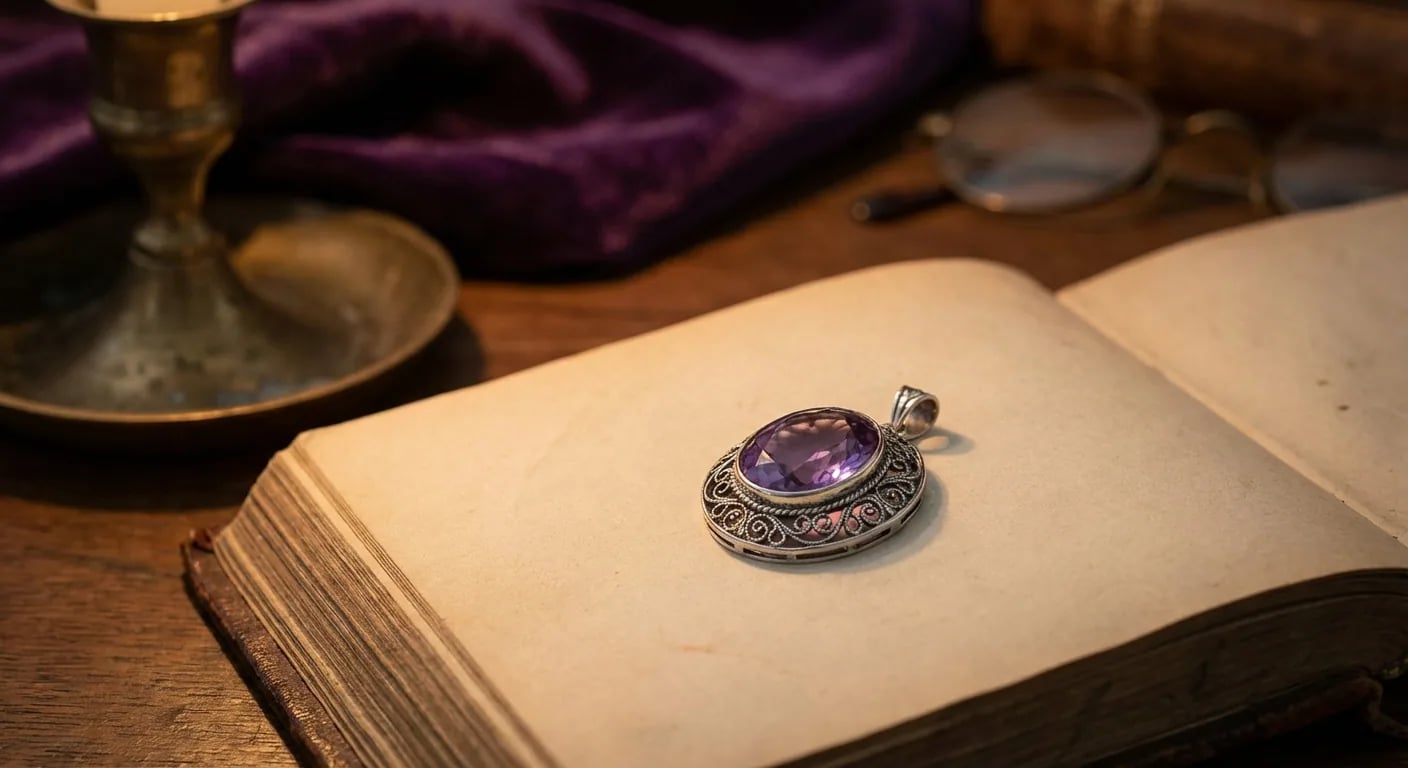
Historically, amethyst was the stone of monarchs and leaders. Catherine the Great of Russia, for instance, had a profound admiration for the gem, adorning herself and her palaces with it. This association with royalty imbued the stone with symbolism of power, wealth, and sober judgment. The name "amethyst" itself derives from the Greek word amethystos, meaning "not intoxicated," reflecting an ancient belief that the stone could prevent drunkenness and maintain a clear mind.
In modern metaphysical practices, this symbolism has evolved. Amethyst is deeply connected to the higher levels of consciousness, specifically the Crown Chakra. It is widely regarded as a natural tranquilizer, believed to soothe irritability, balance mood swings, and dispel negativity. Wearers often seek out amethyst jewelry for its perceived ability to enhance spiritual awareness, intuition, and meditative states, offering a sense of calm clarity in a turbulent world.
| Symbolic Aspect | Historical Context | Modern Interpretation |
|---|---|---|
| Clarity | Protection from intoxication; clear-headedness in leadership. | Mental focus, emotional balance, and dispelling anxiety. |
| Spirituality | Worn by bishops to symbolize piety and celibacy. | Connection to the Crown Chakra, intuition, and higher self. |
| Nobility | A treasured gem of royalty, signifying power and wealth. | Inner strength, self-worth, and luxurious self-expression. |
The February Birthstone: A Gift of Sincerity
As the official birthstone for February, amethyst is a globally recognized symbol of the month. Gifting amethyst jewelry is a traditional gesture that conveys sincerity, peace, and protection to the recipient. Its rich yet versatile color palette complements a wide range of metals and styles, making it one of the most popular and accessible choices among birthstone gems. Unlike the often-prohibitive cost of a high-carat diamond, a significant and beautiful amethyst remains an attainable luxury, making it a cherished and meaningful gift.
The Joalys Standard: Evaluating Amethyst Jewelry Quality
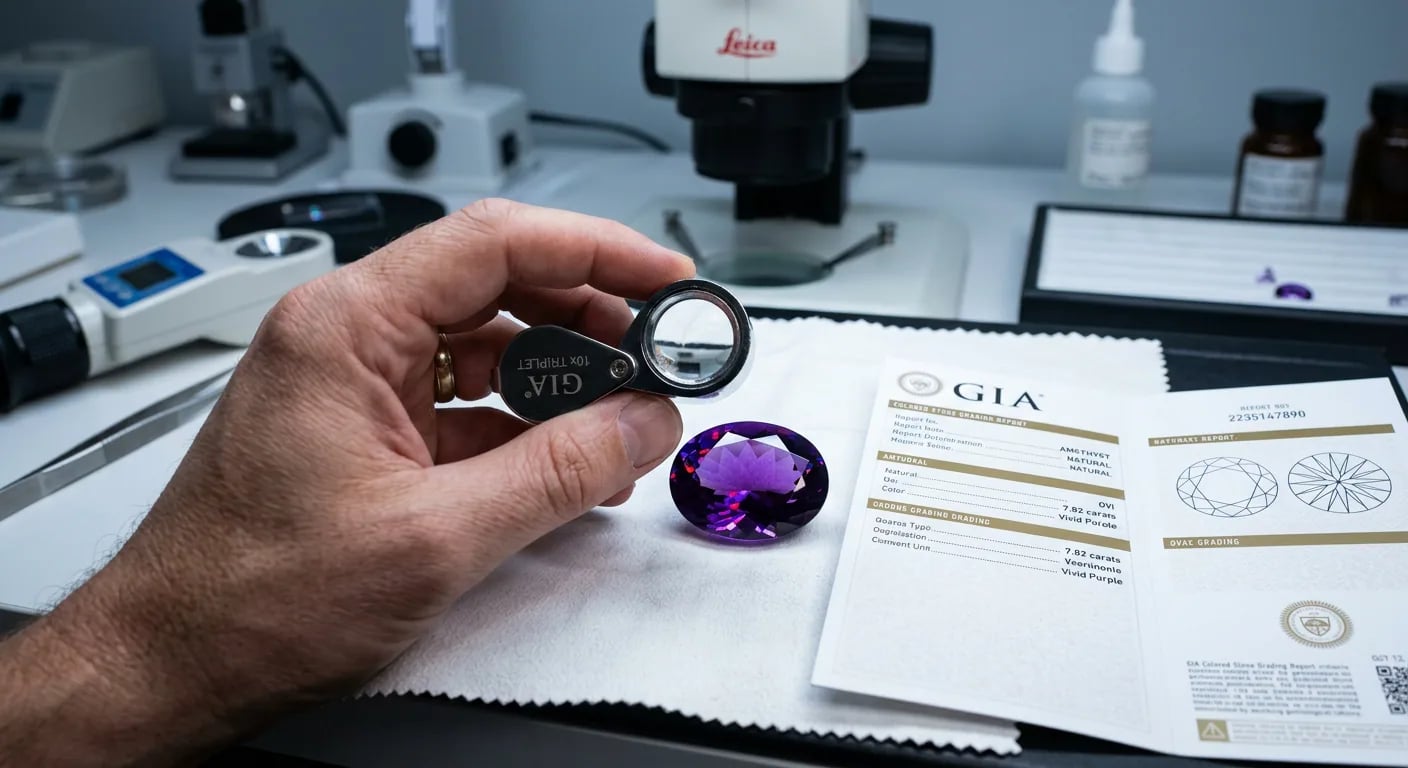
Distinguishing a fine piece of amethyst jewelry from a standard commercial offering requires a discerning eye. While the stone's beauty is subjective, its quality is graded against objective, gemological criteria. For collectors and connoisseurs, understanding these factors—color, clarity, cut, and authenticity—is essential to appreciating the true value and rarity of a high-caliber amethyst. These benchmarks define the standard for luxury jewelry, ensuring a gemstone's brilliance and enduring appeal.
Color: The Pursuit of Deep Siberian Hues
Color is the most significant determinant of an amethyst's value. The finest specimens display a deep, richly saturated purple with secondary flashes of red and blue, a combination historically associated with the now-depleted mines of Siberia. This top-tier grade, often referred to as "Deep Siberian," is exceptionally rare and commands the highest prices.
A high-quality stone must exhibit even color distribution without "zoning," which refers to visible patches or bands of lighter or darker purple. While lighter lilac and lavender shades can be beautiful, the pinnacle of quality is a vibrant, velvety purple that is neither too dark to appear black nor too light to seem washed out. The intensity of this hue is what separates an ordinary stone from a true investment piece.
Clarity, Cut, and Carat: The Trinity of Brilliance
Beyond color, three additional factors work in concert to determine an amethyst's overall quality and beauty.
- Clarity: Unlike other birthstone gems such as emerald, which is often prized for its unique inclusions, high-grade amethyst is expected to be "eye-clean." This means no inclusions, fractures, or blemishes are visible to the naked eye. Superior clarity allows light to pass through the stone unimpeded, maximizing its brilliance.
- Cut: A precision cut by a skilled lapidary is crucial. A well-executed cut enhances the amethyst’s inherent color, minimizes zoning, and maximizes light return. Poorly cut stones may have a "window" in the center where
Discover Your Style: A Curated Look at Amethyst Jewelry
Once the quality of an amethyst is understood, the focus shifts to personal expression. The gemstone's remarkable versatility allows it to be shaped into an extensive range of jewelry styles, catering to aesthetics from earthy and organic to classic and refined. The choice between a raw, untouched crystal and a precisely faceted gem is often the first step in defining the character of an amethyst piece. This decision influences not only the jewelry's appearance but also its symbolic resonance and intended use.
Raw & Organic vs. Polished & Faceted
The form of the amethyst dramatically alters its aesthetic appeal. Raw amethyst jewelry celebrates the stone in its natural, unrefined state, often showcasing its hexagonal crystal structure or the druzy texture of a geode slice. This style resonates with a bohemian or spiritual sensibility, emphasizing a direct connection to the earth and the gem's intrinsic energy.
In contrast, polished and faceted amethyst is the foundation of traditional fine jewelry. Master lapidaries cut the stone into specific shapes—such as round, oval, or emerald cuts—to maximize its brilliance, color, and fire. This process transforms the raw crystal into a gem of exceptional sparkle and clarity, suitable for elegant settings like engagement rings and formal wear. The precision of the cut places it in the same league of design as other classic gems like sapphire or topaz.
A direct comparison highlights their distinct characteristics:
| Feature | Raw Amethyst Jewelry | Polished & Faceted Amethyst |
|---|---|---|
| Aesthetic | Earthy, organic, unique, spiritual | Classic, brilliant, elegant, refined |
| Ideal For | Bohemian styles, casual wear, meditation pieces | Formal wear, engagement rings, heirloom jewelry |
| Light Play | Subtle surface shimmer, showcases natural crystal structure | Intense sparkle and brilliance (scintillation) |
| Setting Style | Often bezel-set or prong-set to protect natural points | Typically prong, pavé, or channel settings to maximize light |
Timeless Designs: Rings, Necklaces, and Earrings
Amethyst's rich color and availability in larger sizes make it an exceptionally versatile choice for all forms of jewelry. Its pairing with different precious metals can further define its style.
Rings: Amethyst rings range from bold statement pieces to delicate, everyday bands. A large, emerald-cut amethyst set in yellow gold creates a striking cocktail ring with a regal presence. Because amethyst's price per carat does not escalate as steeply as a diamond, significant carat weights are more accessible. For a more understated look, a simple solitaire or a band with small, pavé-set amethysts offers a touch of color.
Necklaces: An amethyst pendant is a timeless classic. A single, faceted stone on a delicate chain
Frequently Asked Questions
Conclusion
Selecting authentic amethyst jewelry is an exercise in appreciating both its regal history and modern spiritual significance. The key to a worthy investment lies in identifying superior quality, prioritizing deep, even color, eye-clean clarity, and a precision cut that unlocks the stone's brilliance. This knowledge transforms a purchase into a confident acquisition of a timeless and meaningful gem.
With this expertise, you are now prepared to choose a piece that truly resonates. Begin your journey by exploring the Joalys certified gemstone collection to see these quality standards firsthand. For personalized guidance or to commission a bespoke design, consult with a Joalys expert to translate your vision into an heirloom.