Oblong Engagement Rings: A Guide to Flattering Styles
Fall in love with the timeless elegance of oblong engagement rings. Our guide explores flattering styles from oval to emerald cuts. Find your perfect symbol of love.
Quick Facts: Oblong Engagement Rings
| Property | Details |
|---|---|
| Common Shapes | Oval, Emerald, Elongated Cushion, Marquise, Pear |
| Key Benefit | Appear significantly larger than round diamonds of the same carat weight ('face-up' size). |
| Aesthetic Effect | Visually elongates and slims the finger for a flattering, elegant look. |
| Crucial Metric | Length-to-Width (L/W) ratio, which defines the diamond's silhouette from slender to broad. |
| Optical Consideration | The 'bow-tie effect' (a dark shadow) can appear in brilliant cuts like Oval, Pear, and Marquise. |
| Popular Setting Styles | Solitaire (classic), Halo (adds size), and East-West (modern). |
| Best For | Those seeking a unique, finger-flattering ring that maximizes visual size for its carat weight. |
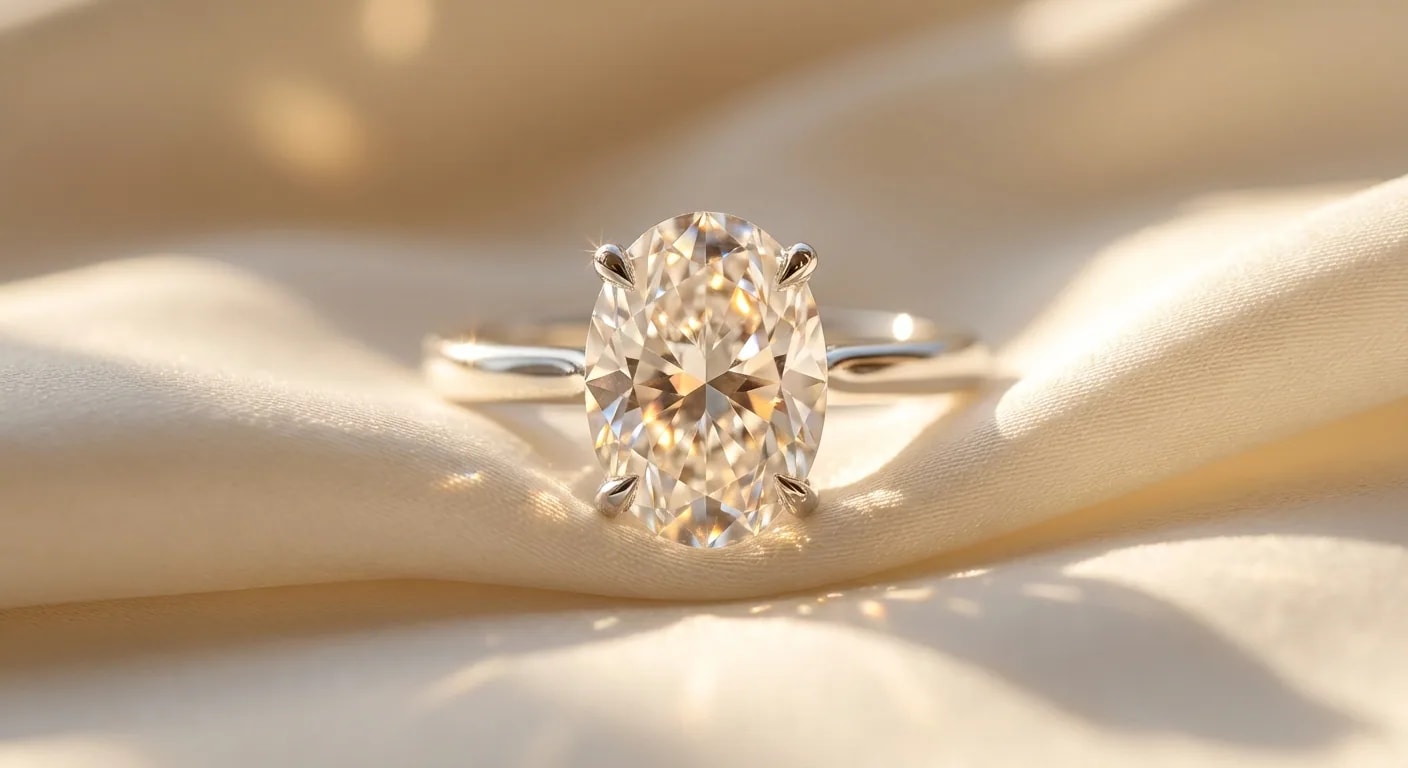
The Allure of Elongation: Why Choose an Oblong Ring?
Selecting an engagement ring with an elongated or "oblong" silhouette is a choice rooted in both intelligent design and aesthetic grace. These shapes, which include the popular Oval, Emerald, and Marquise cuts, offer distinct advantages over their round or square counterparts. They are favored not just for their unique character but for two primary, compelling benefits: superior visual size and a universally flattering effect on the hand.
The 'Face-Up' Advantage: Look Larger, Carat for Carat
One of the most significant benefits of an elongated diamond is its impressive "face-up" size. Carat is a measure of weight, not dimension. Oblong cuts are typically shallower than round brilliant cuts, meaning more of their total carat weight is distributed across the top surface area. This creates the illusion of a much larger stone.
For instance, a well-cut 1-carat oval diamond can have a surface area up to 10% larger than a 1-carat round diamond. This difference provides a distinct value proposition, allowing for a grander visual impact at a comparable weight and price point.
Visual Size Comparison: 1.00 Carat Diamond
Diamond Shape | Typical Surface Dimensions (mm) | Perceived Size |
|---|---|---|
Round Brilliant | Approx. 6.5 x 6.5 | Standard |
Oval Cut | Approx. 8.0 x 5.5 | Appears larger |
Emerald Cut | Approx. 7.0 x 5.0 | Appears larger |
Marquise Cut | Approx. 10.0 x 5.0 | Appears largest |
Note: Dimensions are approximate and vary based on the stone's specific length-to-width ratio.
The Flattering Effect: A Silhouette for Every Hand
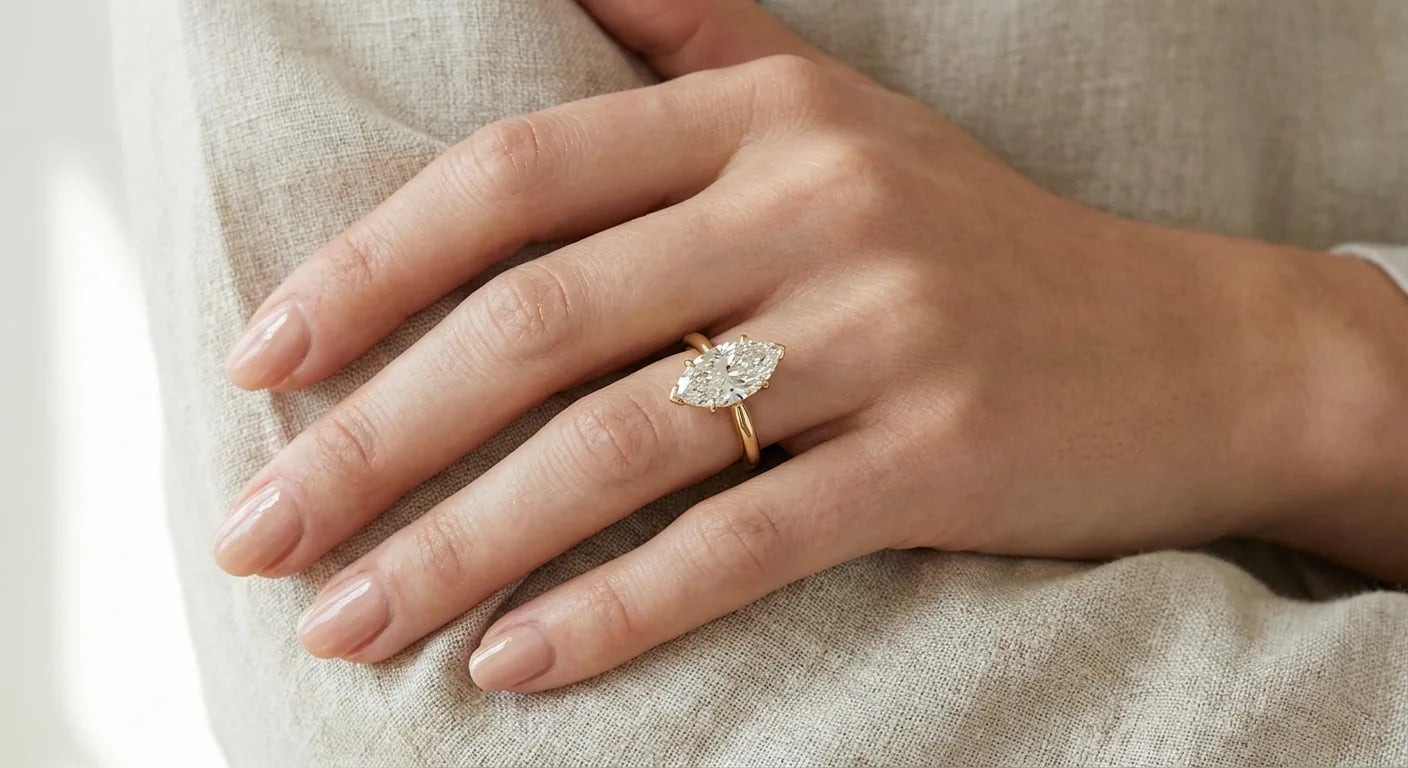
Beyond the practical advantage of size, oblong shapes provide a powerful aesthetic benefit: they elongate the finger. The north-south orientation of the gemstone draws the eye along the length of the finger, creating a slimming, elegant line.
A Connoisseur's Comparison: The Most Coveted Oblong Shapes
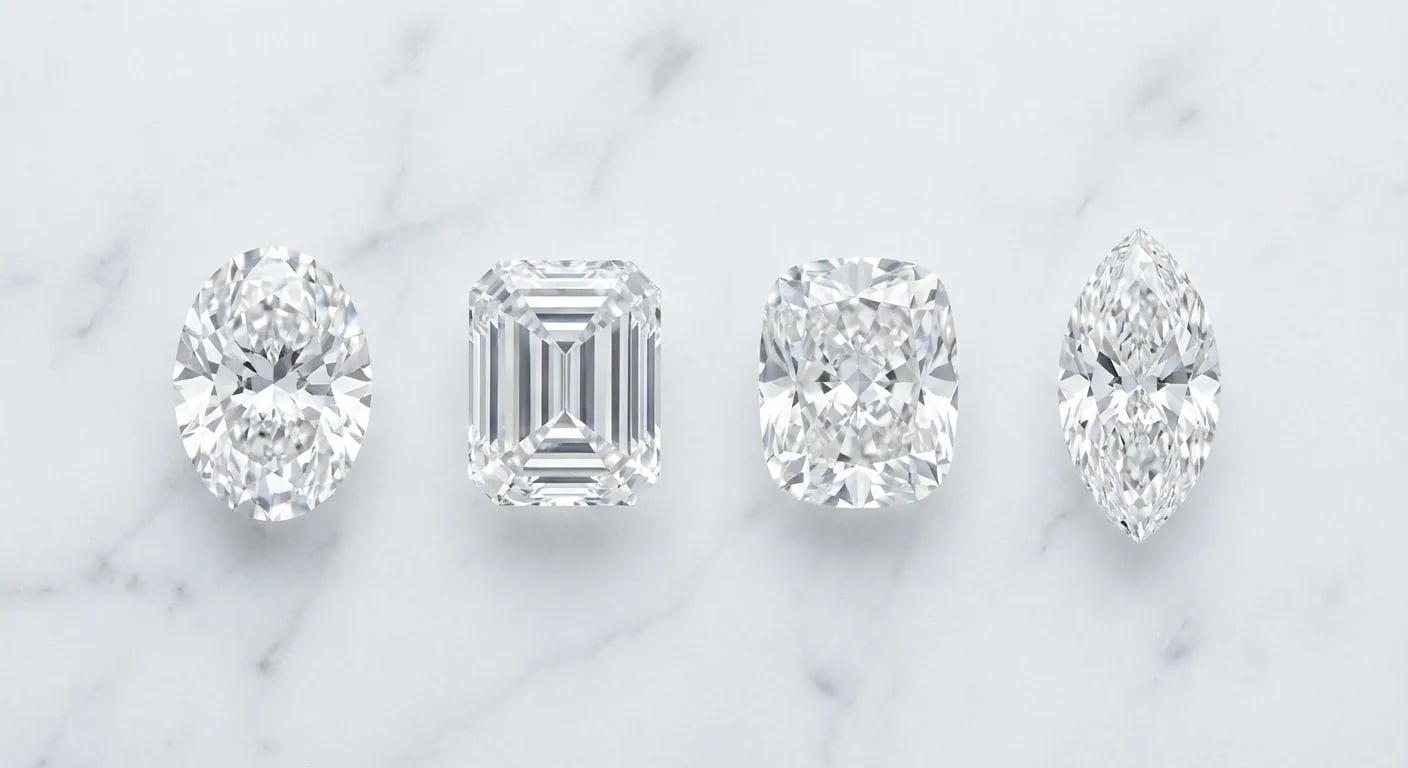
While "oblong" is an excellent descriptor for the desired aesthetic, the world of gemology uses precise terminology to define each unique elongated shape. Understanding these distinctions is the first step in refining a selection. Each cut possesses a distinct personality, defined by its faceting style, light performance, and historical context. The most sought-after oblong shapes range from the fiery Oval to the architectural Emerald cut, each offering a different expression of elegance.
Oval & Oblong Engagement Rings — Style Guide. Video: GIA — Gemological Institute of America.
The Classic Oval Cut: Timeless Brilliance
The oval cut is a brilliant-cut diamond, meaning its facets are arranged to maximize fire and sparkle, much like the classic round brilliant. Its rounded, symmetrical shape offers a soft yet sophisticated silhouette that is exceptionally versatile. A key advantage of the oval is its durability; with no sharp corners, it is less prone to chipping than other fancy shapes. This combination of impressive brilliance and practicality makes the long oval engagement ring a perennially popular choice. Its sparkle can also help mask minor inclusions, offering excellent value.
The Art Deco Emerald Cut: Understated Glamour
In stark contrast to the oval's sparkle, the emerald cut offers a more subtle, geometric beauty. As a step-cut, it features long, linear facets that create a "hall of mirrors" effect, producing flashes of light rather than scintillation. This cut emphasizes the gemstone's clarity and color above all else. Any inclusions will be more apparent, demanding a higher clarity grade for a visually flawless appearance. The clean lines and architectural grace of the emerald cut are synonymous with Art Deco glamour and are often chosen for stones like the May birthstone, emerald, from which it gets its name.
The Modern Elongated Cushion Cut: Soft Romance
The elongated cushion cut is a contemporary evolution of the traditional square or "pillow" cut. It combines the soft, romantic appeal of rounded corners with a rectangular outline, creating a shape that is both classic and modern. Elongated cushion cuts can feature different faceting patterns, from the "crushed ice" look of many small facets to a more traditional brilliant style. This versatility, paired with its soft silhouette, makes it a flattering and highly sought-after alternative to more common oblong shapes.
The Regal Marquise & Pear Cuts: Bold Statements
For those seeking a more dramatic and distinctive silhouette, the marquise and pear shapes are exceptional choices.
- Marquise Cut: With its elongated body and pointed ends, the marquise cut maximizes carat weight better than any other shape, creating the largest possible face-up appearance. Its regal history, reputedly named for the smile of the Marquise de Pompadour, lends it an air of aristocratic drama.
- Pear Shape: Also known as the teardrop, the pear shape is a unique hybrid, combining the rounded end of an oval with the pointed tip of a marquise. This asymmetrical design creates a graceful, tapering effect on the finger and is a stunning choice for both a classic diamond and vibrant colored gemstones like sapphire.
Oblong Shape Comparison
| Shape | Cut Style | Primary Appeal | Best For Showcasing |
|---|---|---|---|
| Oval | Brilliant | Intense sparkle and fire | Brilliance, finger elongation |
| Emerald | Step Cut | Clarity and luster | High clarity, color |
| Elongated Cushion | Brilliant (Modified) | Soft, romantic sparkle | A modern, unique look |
| Marquise | Brilliant (Modified) | Maximum visual size | A bold, vintage statement |
| Pear | Brilliant (Modified) | Unique, asymmetrical grace | Finger-slimming effect |
The Expert's Checklist: Selecting Your Perfect Oblong Diamond
While the 4Cs (Cut, Color, Clarity, Carat) provide the fundamental framework for assessing any diamond, elongated shapes introduce critical nuances that are not found on a grading report. An expert evaluation of an oblong diamond goes beyond standard metrics, focusing on two key visual characteristics that define its beauty and character: the length-to-width ratio and the bow-tie effect. Mastering these concepts is essential for selecting a truly exceptional stone.
Beyond the 4Cs: Mastering the Length-to-Width Ratio
The length-to-width (L/W) ratio is the single most important factor determining the silhouette of an oblong diamond. It is calculated by dividing the stone's length by its width. This simple number dictates whether an oval appears gracefully slender or pleasantly plump, and whether an emerald cut looks classically rectangular or nearly square.
There is no single "correct" ratio; preference is subjective. However, established ranges are considered classic and are most sought-after for their balanced and aesthetically pleasing proportions. A ratio that is too low can make a stone look stout, while a ratio that is too high may result in a "skinny" or overly narrow appearance that can compromise durability.
Ideal Length-to-Width Ratios for Oblong Diamonds
Diamond Shape | Classic L/W Ratio | Notes |
|---|---|---|
Oval Cut | 1.35 - 1.50 | The most popular range for a traditional, elegant oval silhouette. |
Emerald Cut | 1.30 - 1.45 | This range creates the iconic rectangular "hall of mirrors" effect. |
Elongated Cushion | 1.15 - 1.25 | Balances the soft corners with a distinctly rectangular shape. |
Marquise Cut | 1.85 - 2.10 | Emphasizes the dramatic length and sharp points of the cut. |
Pear Shape | 1.50 - 1.75 | Creates a graceful teardrop taper without looking overly pointed. |
A Guide to Transparency: Identifying and Mitigating the 'Bow-Tie' Effect
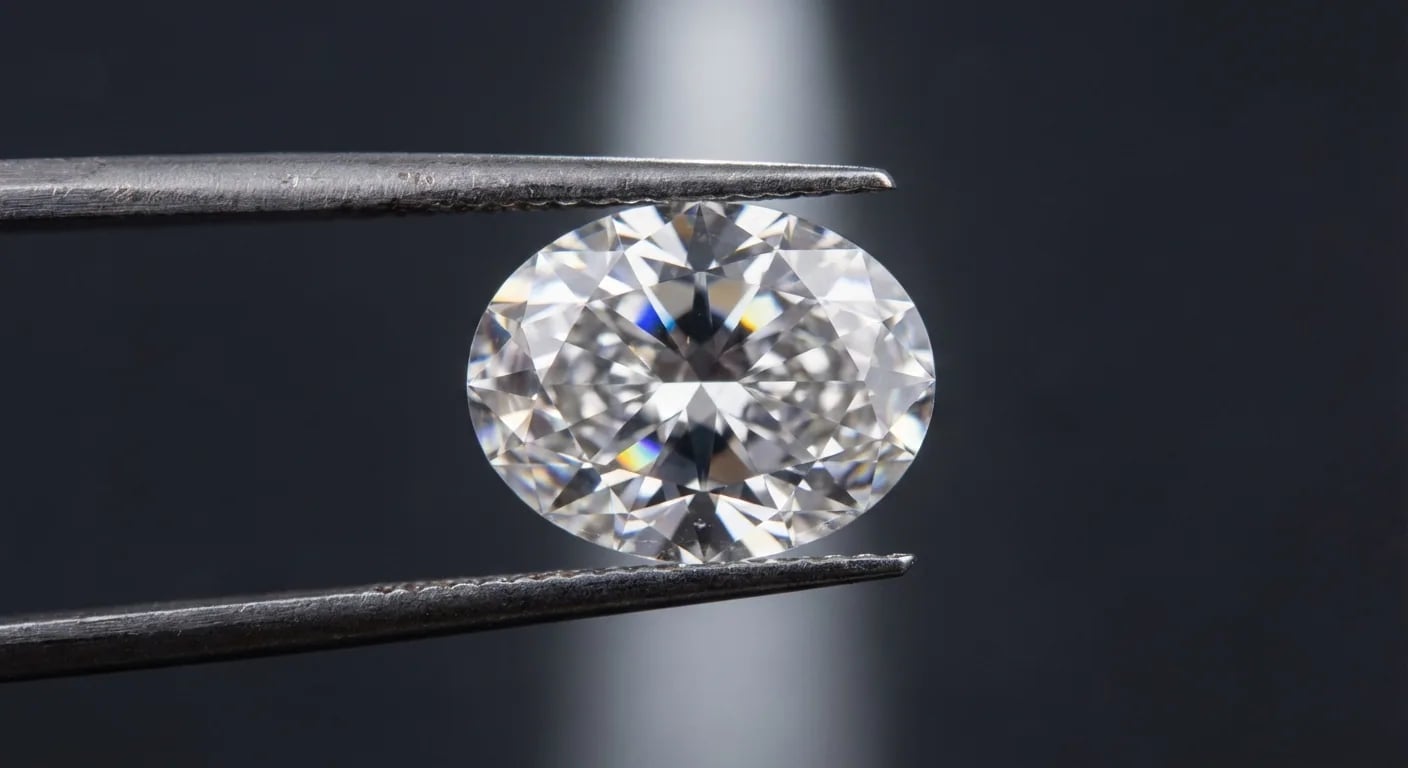
The "bow-tie" is a dark, bow-tie-shaped shadow that can appear across the center of brilliant-cut elongated diamonds, most notably Ovals, Marquise, and Pears. It is not an inclusion or a flaw in the stone itself, but rather an optical consequence of faceting. Light enters the diamond but is blocked from reflecting back to the viewer's eye by the head and shoulders, creating a shadow.
Key points to understand about the bow-tie effect include:
It is not on the certificate: A GIA report will not mention the presence or severity of a bow-tie. It can only be assessed through visual inspection.
Severity varies: Nearly all elongated brilliant cuts have some degree of a bow-tie. The goal is to find a stone where it is minimal and does not detract from the diamond's overall brilliance. A severe bow-tie can create a dark, distracting "dead spot" in the center of the stone.
Expert selection is crucial: The skill of the diamond cutter plays a significant role in minimizing this effect. An experienced gemologist can identify a stone with a faint, acceptable bow-tie versus one that is overly prominent.
The Art of the Setting: Designs to Amplify Your Diamond
The selection of an oblong diamond is only the first chapter in the story of an engagement ring. The setting—the metalwork that secures and showcases the gemstone—is what completes the narrative. A well-chosen setting does more than simply hold the stone; it enhances its shape, amplifies its brilliance, and defines the ring's overall aesthetic character. From the minimalist elegance of a solitaire to the modern appeal of an East-West orientation, the right design can transform the presentation of the central gem.
Setting Styles: From Classic Solitaire to Symbolic Three-Stone
The style of the setting directly influences how an oblong diamond is perceived. Each design offers a unique balance of focus, sparkle, and symbolism, catering to different aesthetic preferences.
- The Solitaire: This timeless design places the singular focus on the oblong diamond. Typically using four or six prongs, a solitaire setting lifts the stone, allowing maximum light to enter and exit, thereby enhancing its fire and brilliance. It is the ultimate choice for showcasing the pure, uninterrupted beauty of a high-quality diamond.
- The Halo: A halo setting encircles the center stone with a frame of smaller pavé diamonds. This technique creates a "bloom" effect, dramatically increasing the ring's overall sparkle and making the center stone appear significantly larger. For oblong shapes, a halo can be custom-contoured to trace the diamond's unique silhouette, adding a layer of intricate detail and glamour.
- The Three-Stone: Known as a trilogy or trinity ring, this setting features two smaller side stones flanking the central oblong diamond. It carries deep symbolic meaning, often representing a couple's past, present, and future. The side stones can be diamonds or colored gemstones, such as a vibrant blue sapphire or a deep red ruby, to create a personalized and striking contrast.
Comparison of Popular Setting Styles
| Setting Style | Primary Aesthetic | Effect on Center Stone | Ideal For |
|---|---|---|---|
| Solitaire | Timeless, minimalist, elegant | Maximizes light exposure and focus on the stone | Showcasing a high-quality diamond's cut and shape |
| Halo | Glamorous, brilliant, intricate | Increases perceived size and overall sparkle | Maximizing visual impact and adding brilliance |
| Three-Stone | Symbolic, classic, versatile | Creates a balanced, substantial look | A personalized design with symbolic meaning |
A Modern Twist: North-South vs. East-West Orientation
Traditionally, oblong diamonds are set in a "North-South" orientation, running parallel to the finger. This classic arrangement is prized for its finger-elongating effect. However, a contemporary alternative has gained significant popularity: the "East-West" setting.
By turning the diamond 90 degrees to sit horizontally across the finger, the East-West orientation offers a fresh, modern, and unexpected look. This style is particularly effective for shapes with strong geometry, such as an emerald cut or marquise cut. It provides a chic, architectural feel and can make a familiar shape feel entirely new and distinctive, appealing to those with a modern and individualistic sense of style.
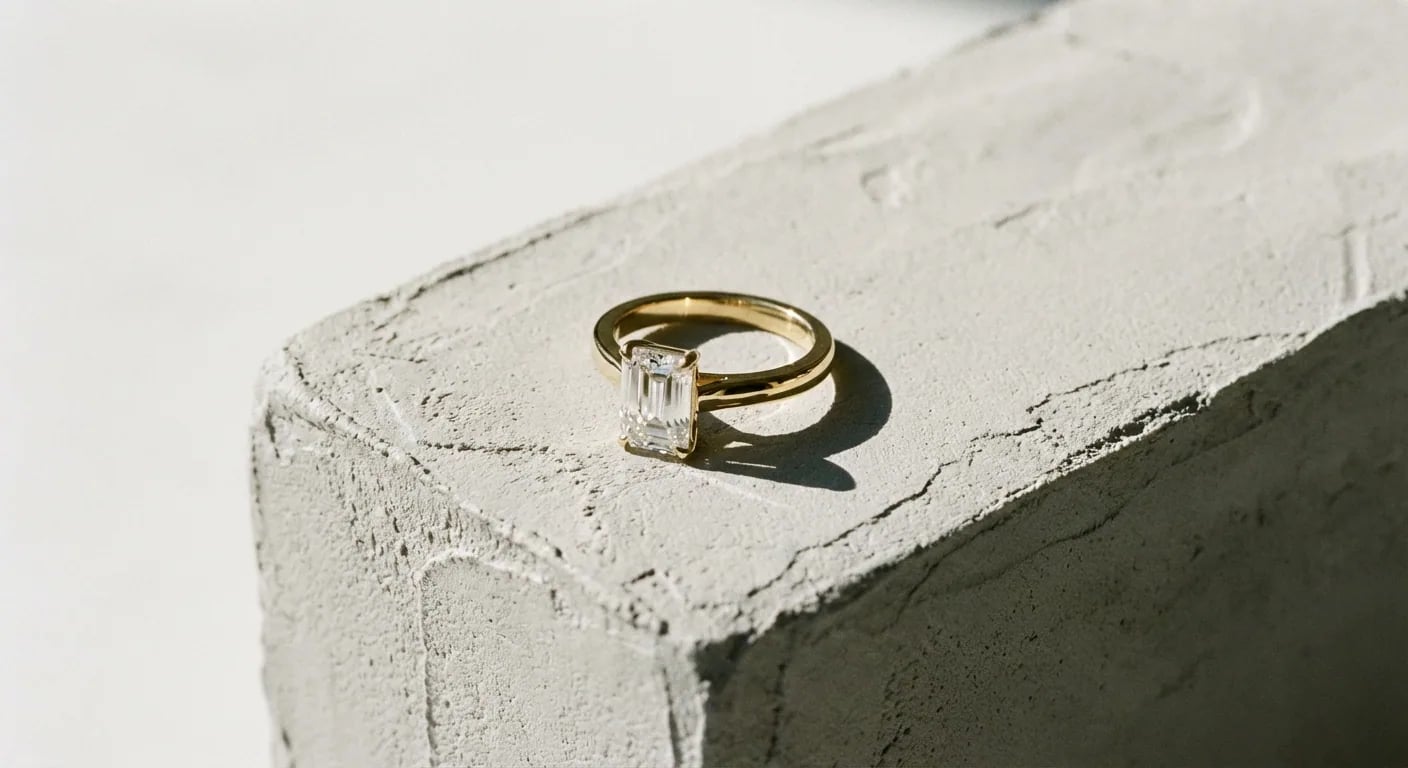
The Joalys Curation: Shop Our Oblong Engagement Rings
After exploring the nuances of shape, proportion, and setting, the final step is to discover a gemstone that embodies these principles of excellence. A curated collection moves beyond inventory; it represents a selection of oblong diamonds and gemstones, each individually vetted by gemologists for superior beauty and character. This process ensures that every stone not only meets the stringent criteria of its certification but also possesses the intangible qualities of fire, life, and elegance that define a truly exceptional jewel.
The Philosophy of Curation: Beyond the Certificate
While a GIA certificate provides an essential, objective analysis of a gemstone's qualities, it does not tell the whole story. The true art of curation lies in assessing the visual performance and aesthetic appeal that cannot be quantified on a report. Expert selection involves a meticulous, hands-on evaluation of factors critical to oblong shapes.
This includes:
Visual Inspection: Each diamond is examined to ensure the bow-tie effect is minimal and does not detract from the stone's brilliance.
Proportional Harmony: Stones are selected for their pleasing length-to-width ratios, ensuring a graceful and balanced silhouette on the hand.
Light Performance: Gemologists assess the stone's fire, brilliance, and scintillation to guarantee a lively and captivating sparkle that a certificate alone cannot convey.
This rigorous vetting process filters out stones that are technically sound but lack visual appeal, presenting only those with outstanding presence.
Featured Designs: Highlighting Oblong Excellence
The versatility of oblong gemstones allows for a wide spectrum of design expressions, from understated classics to bold, contemporary statements. The setting choice is paramount in defining the final character of the ring, complementing the unique personality of the center stone. The table below showcases several archetypal designs that beautifully highlight the distinct qualities of popular oblong cuts.
Exemplary Oblong Engagement Ring Styles
Style Example | Center Stone & Cut | Setting Detail | Primary Aesthetic |
|---|---|---|---|
The 'Aria' Solitaire | Oval Cut Diamond | A delicate four-prong setting in 18k yellow gold with a hidden halo. | Timeless romance with a modern touch of sparkle. |
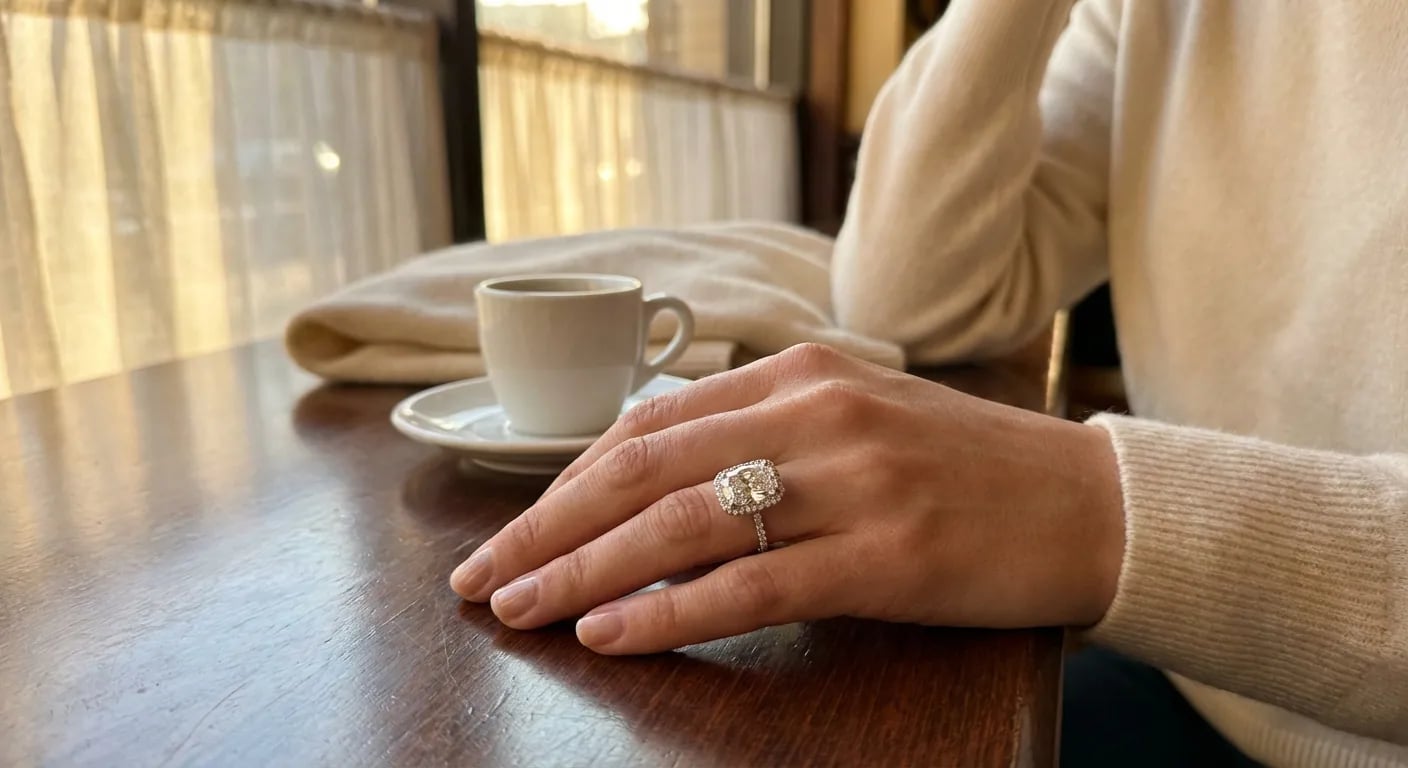
Create Your Perfect Ring
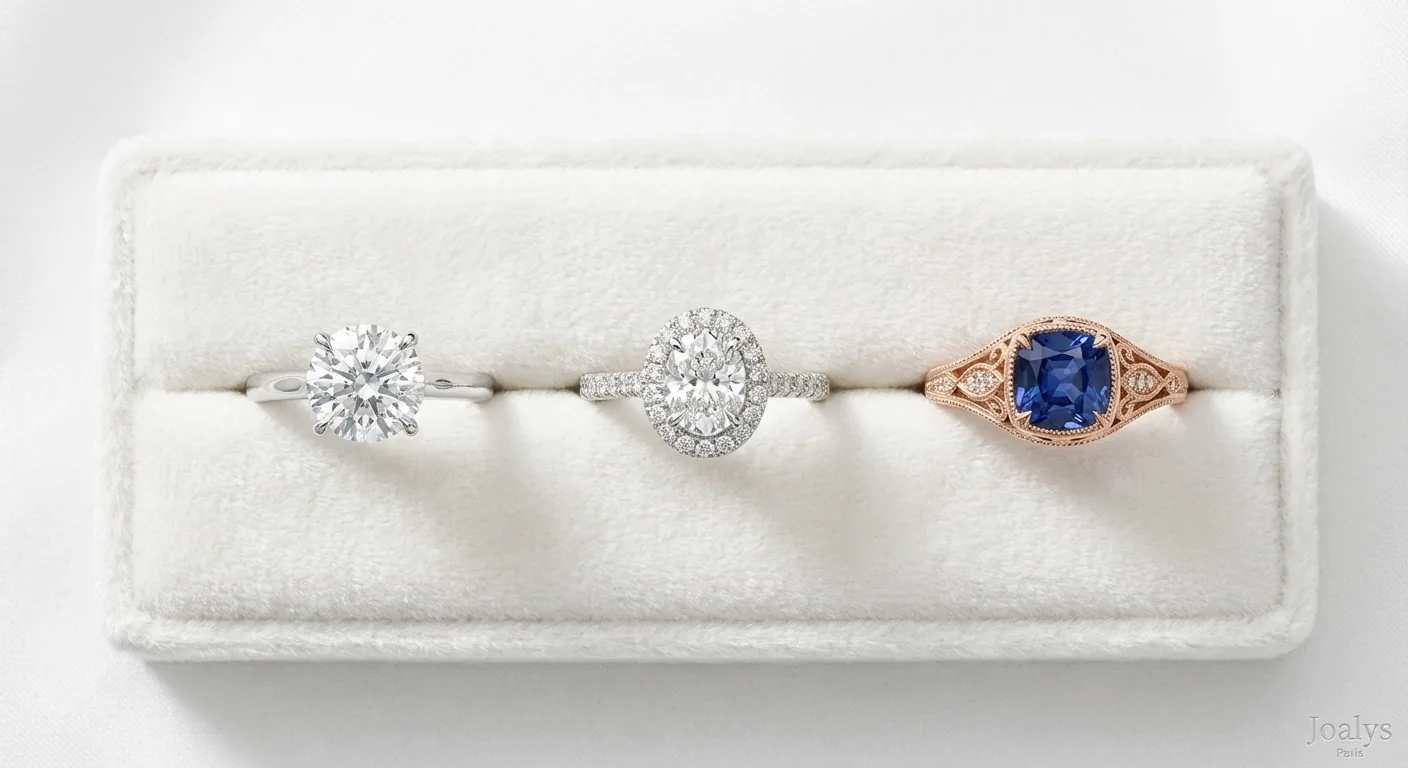
Your unique ring starts here. Joalys' 3-step process:
Select Your Stone - Browse certified gemstones
Receive & Inspect - Luxury authentication case
Design Your Setting - Work with expert jewelers