Sapphire Jewellery
From ancient talismans believed to protect kings to the iconic engagement ring of Princess Diana, sapphires have long symbolized royalty, wisdom, and divin
From ancient talismans believed to protect kings to the iconic engagement ring of Princess Diana, sapphires have long symbolized royalty, wisdom, and divine favor.
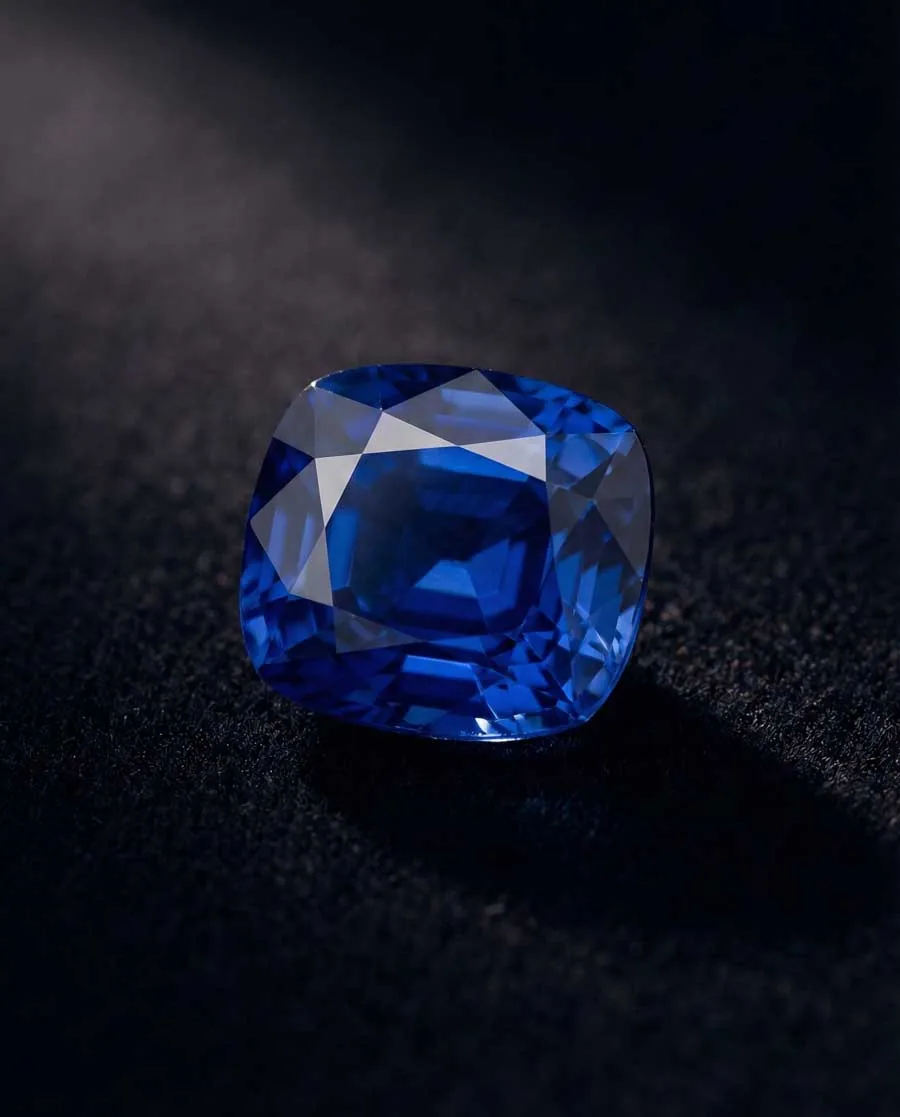
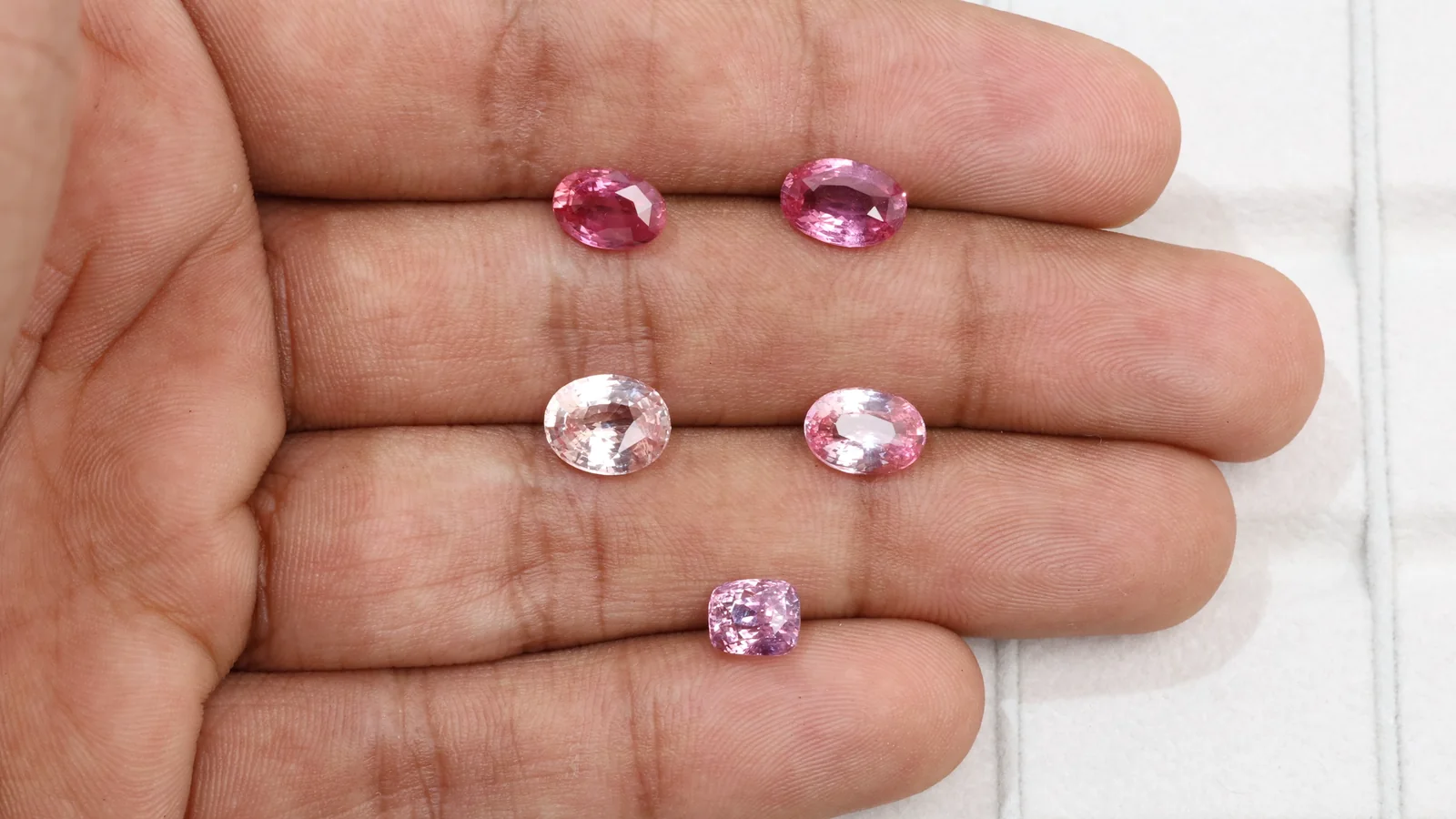
Sapphire jewellery features the corundum mineral, prized for its vivid color, exceptional hardness (9 on the Mohs scale), and symbolic meaning. Ranging from deep blues to rare pinks, these certified gems are crafted into timeless engagement rings, necklaces, and earrings.
Choosing such a significant piece today involves navigating a market filled with synthetic stones and misleading claims. The challenge is not just finding a beautiful gem, but ensuring its authenticity, ethical origin, and lasting quality. Understanding what separates a standard stone from an exceptional heirloom is what makes the difference between a confident purchase and a regrettable one.
- Hardness (Mohs)
- 9 (excellent durability, suitable for everyday wear)
- Primary Sources
- Sri Lanka (Ceylon), Madagascar, Kashmir, Myanmar
- Valuable Colors
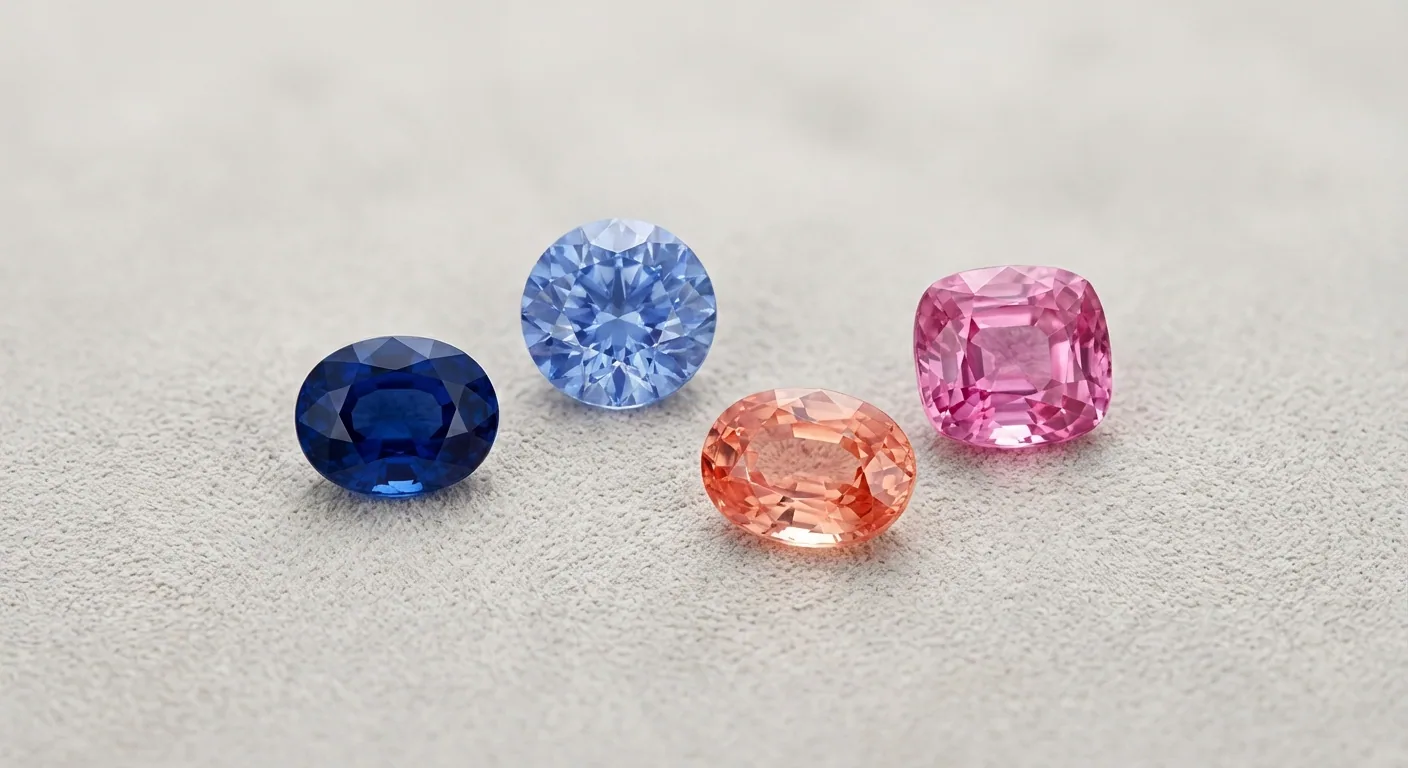
- Royal Blue, Cornflower Blue, Pink, Padparadscha (pink-orange)
- Symbolism
- Wisdom, Royalty, Loyalty, September Birthstone
- Common Treatment
- Heat treatment is a standard, accepted method to enhance color and clarity
- Key Certification
- GIA or LFG reports verify authenticity, origin, and treatments
- Price Per Carat
- $500 - $15,000+ (varies by color, clarity, origin, and treatment)
The Joalys Promise: Certified Authenticity & Ethical Sourcing
In the world of fine gems, the value of a sapphire extends beyond its beauty. Two pillars define a truly exceptional stone: verifiable authenticity and transparent provenance. For discerning collectors and buyers, understanding a gemstone's journey is as critical as appreciating its color and brilliance. This commitment to clarity and ethics forms the foundation of a piece you can genuinely trust.
Sapphire Buying Guide — Quality Factors Explained. Video: GIA — Gemological Institute of America.
Mine-to-Market Transparency
The market for ethical sapphire jewellery demands a clear chain of custody. Premier sapphires are sourced directly from responsible mining communities in renowned locales such as Sri Lanka (formerly Ceylon) and Madagascar. This practice ensures that each gemstone is conflict-free and supports the local economies from which it originates.
A traceable gemstone provides buyers with confidence in its origin and ethical standing. This level of transparency is essential for any significant jewellery acquisition, particularly for a stone as historically important as the September birthstone.
Understanding Gemological Certification
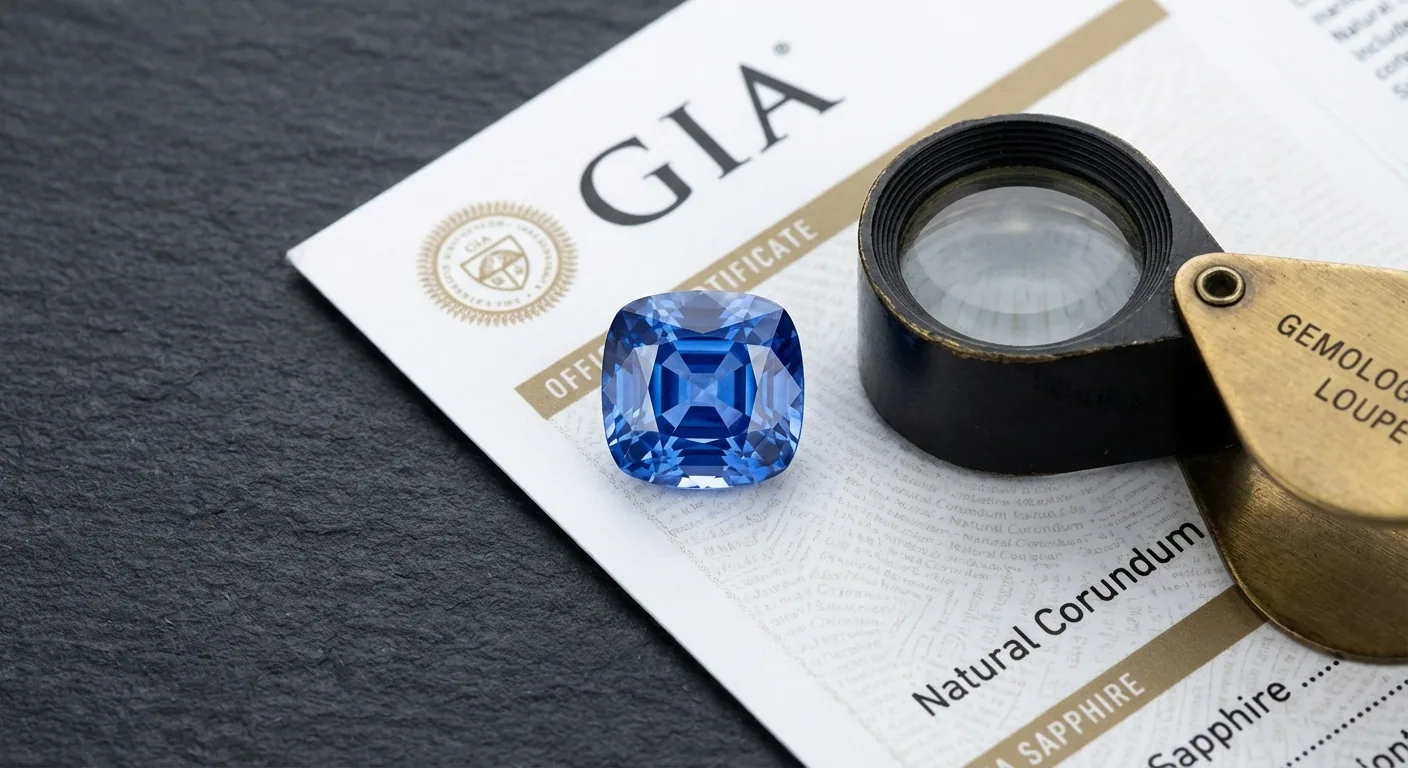
Independent verification is the ultimate guarantee of a sapphire's quality and identity. Leading gemological laboratories like the GIA (Gemological Institute of America) and LFG (Laboratoire Français de Gemmologie) provide unbiased analysis of a gemstone's characteristics. A GIA certified sapphire report is an authoritative document that confirms key details.
Verified Attribute | GIA or LFG Certificate | Uncertified Stone |
|---|---|---|
Species | Confirmed as natural Corundum | Assumed by seller |
Treatments | Discloses heat treatment or other enhancements | Often undisclosed |
Origin | May identify geographic origin (e.g., Ceylon) | Typically unknown or unverified |
Authenticity | Guaranteed natural gemstone | Risk of synthetic or imitation |
This level of scrutiny is the industry standard for all high-value gems, including fine rubies and the finest-quality diamonds. It empowers the buyer with objective facts, transforming a simple purchase into a confident acquisition.
For buyers prioritizing verified quality, the logical next step is exploring a selection of gemstones backed by official documentation. View a collection of certified sapphires.
Decoding Sapphire Value: The 4 Cs and The Crucial 5th
While the diamond grading system of the 4 Cs (Color, Clarity, Cut, and Carat) provides a useful framework, evaluating a colored gemstone like a sapphire requires a more nuanced approach. For these gems, certain factors carry significantly more weight, and one additional factor that carries serious weight: origin. Understanding these five elements empowers a buyer to appreciate the true quality of a fine sapphire.
Color: Beyond 'Blue'
Color is the single most important value factor for a sapphire. Gemologists assess sapphire color based on three components:
Hue: The pure color of the stone. While sapphires are famed for blue, they exist in every color except red; red corundum is classified as a ruby. The most prized blue hues are often described as "cornflower blue" or a deep, saturated "royal blue."
Tone: The relative lightness or darkness of the color. The ideal tone is medium to medium-dark, allowing the color to be rich without appearing inky or blackish.
Saturation: The intensity and purity of the color. A sapphire with strong to vivid saturation appears brilliant and commands the highest prices, while a stone with weak saturation can look grayish.
Beyond blue, "fancy" sapphires like the rare pinkish-orange Padparadscha, vibrant pink sapphires, and blue-green teal sapphires are also highly sought after by collectors.
Clarity, Cut, and Carat Weight
While secondary to color, these three Cs are essential to a sapphire's overall beauty and value.
Clarity: Unlike diamonds, sapphires are expected to have some inclusions, which are natural characteristics formed within the crystal. Fine, needle-like inclusions known as "silk" can sometimes scatter light to create a desirable velvety appearance. The industry standard for top-quality sapphires is "eye-clean," meaning no inclusions are visible to the naked eye.
Cut: A gem's cut is not about its shape but its proportions and facets, which dictate how it interacts with light. A master cutter will orient the rough stone to maximize its color, minimize inclusions, and enhance its brilliance. A poorly cut sapphire, even with exceptional color, will appear dull and lifeless.
Carat Weight: Fine-quality sapphires over two carats are considerably rarer than smaller stones. Consequently, the price per carat increases exponentially with size for gems of equivalent quality.
The 5th 'C': Origin & Provenance
For discerning collectors, a sapphire's geographic origin is a critical factor influencing its value. Certain locations are famed for producing sapphires with unique and exceptional characteristics. While Madagascar and Australia are significant modern sources, three historic origins stand above the rest:
Kashmir: Considered the pinnacle of sapphire quality, these gems possess a legendary velvety blue hue. Mined for a short period in the late 19th century, their extreme rarity makes them almost mythical.
Burma (Myanmar): Known for producing rich, deep royal blue sapphires with high saturation and clarity.
Ceylon (Sri Lanka): The oldest source, producing sapphires known for their bright, brilliant, and vibrant blue. The history of the September birthstone is deeply intertwined with this iconic origin.
Heated vs. Unheated Sapphires: A Critical Distinction
The vast majority of sapphires undergo heat treatment, a stable and universally accepted enhancement that improves their color and clarity. However, a small fraction of sapphires possess exceptional color naturally, without any treatment. These unheated gems are extraordinarily rare and command a significant premium. A gemological certificate is the only way to definitively confirm whether a sapphire has been heated.
Characteristic | Heated Sapphire | Unheated Sapphire |
|---|---|---|
Rarity | Common | Extremely Rare (<5% of gem-quality) |
Market Availability | The industry standard | Collector and connoisseur grade |
Enhancement | Color and clarity permanently improved | Entirely natural and untouched |
Value | Forms the baseline market price | Commands a significant premium (30-100%+) |
Certification | Disclosed as "Heated" on a GIA report | Certified as "No Indications of Heating" |
Discover Our Sapphire Jewellery Collections
A fine sapphire's journey from a raw crystal to a polished gem culminates in its final setting. The design of the jewellery piece is chosen to enhance the stone's natural beauty, whether it serves as the focal point of a significant ring or a subtle accent in a daily-wear bracelet. Different styles serve distinct purposes, transitioning the gemstone from a geological marvel to a personal heirloom.
Sapphire Engagement Rings: A Symbol of Loyalty
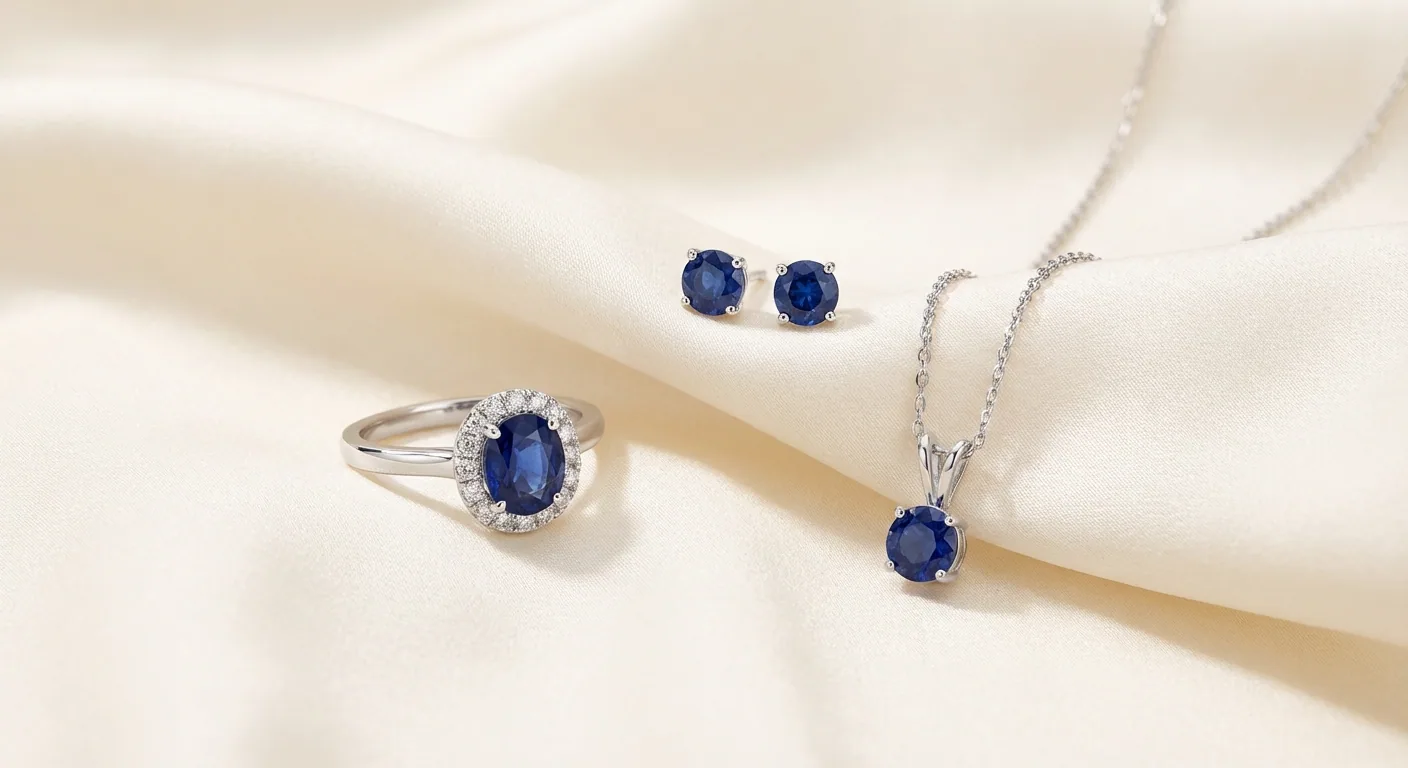
Sapphires have long been a favored choice for engagement rings, symbolizing fidelity, nobility, and wisdom. With a hardness of 9 on the Mohs scale, their durability is second only to that of diamonds, making them exceptionally well-suited for a ring intended for a lifetime of wear. The deep blue hue offers a distinctive and royal alternative to the traditional colorless stone. Classic settings often feature a central sapphire flanked by smaller diamonds to create a striking contrast, while a simple solitaire allows the sapphire's pure color to remain the primary focus.
Sapphire Necklaces and Pendants: Timeless Elegance
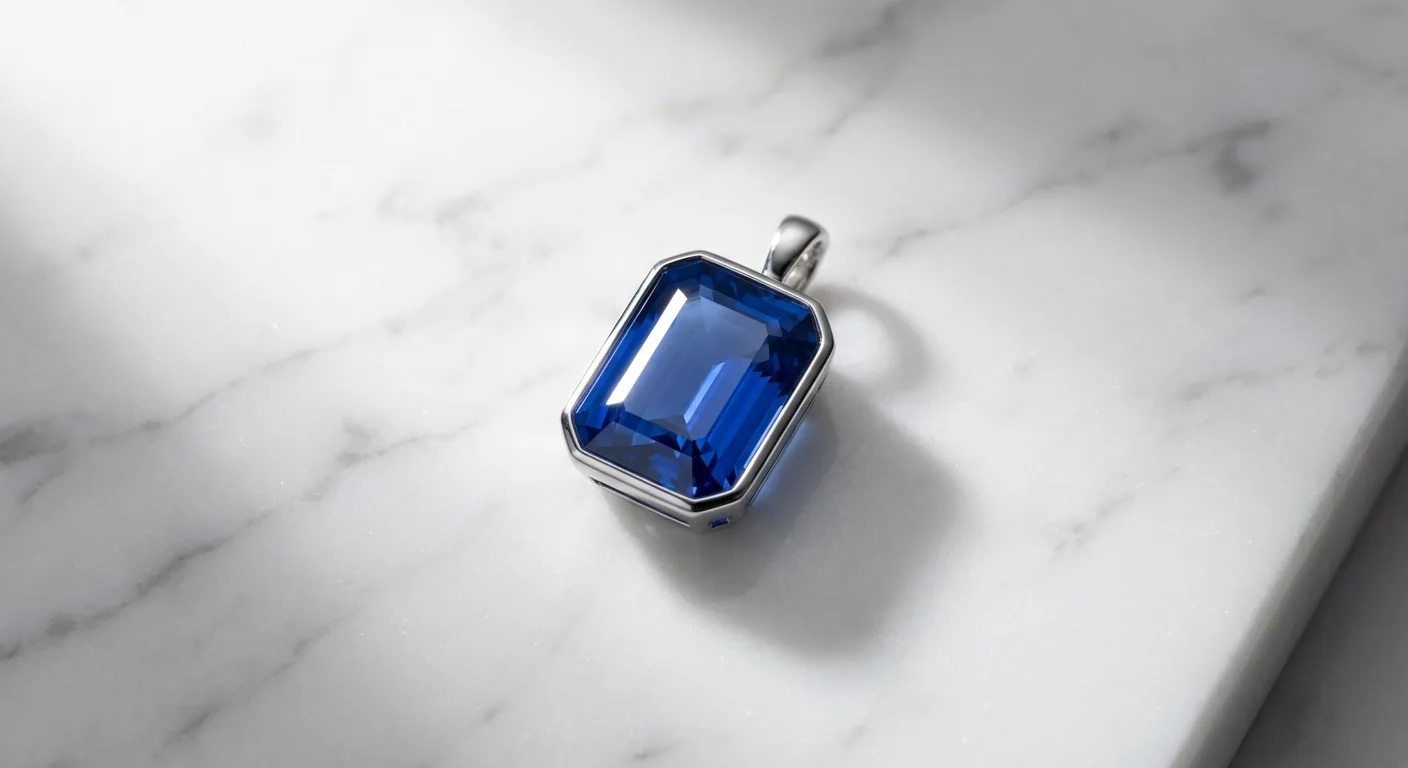
A sapphire necklace serves as a versatile centerpiece, appropriate for both formal events and sophisticated daily attire. A solitaire pendant is a classic choice, drawing the eye to a single, high-quality stone where cut quality determines everything about its brilliance. The choice of metal significantly influences the overall aesthetic.
Metal Type | Aesthetic Effect on Blue Sapphire |
|---|---|
Yellow Gold | Creates a warm, traditional contrast that highlights the gem's depth. |
White Gold | Offers a cool, contemporary frame that accentuates the blue tones. |
Platinum | Provides a bright, durable setting that enhances brilliance and security. |
Rose Gold | Lends a modern, romantic feel that pairs well with lighter blue or pink sapphires. |
Sapphire Earrings and Bracelets: Everyday Luxury
Sapphire earrings and bracelets offer a way to incorporate the gemstone's rich color into a versatile wardrobe. Stud earrings provide a subtle touch of elegance, while drop or chandelier designs make a more dramatic statement for special occasions. As the official September birthstone, these pieces are meaningful gifts for birthdays and anniversaries. The resilience of sapphire also makes it an excellent choice for tennis bracelets, where it can be set alongside other hard gemstones like rubies for a vibrant, multi-colored design.
Complete Your Look: The Sapphire Jewellery Set
A matching set of sapphire jewellery, known as a parure, creates a cohesive and impactful statement of elegance. A classic set typically includes a necklace, earrings, and a bracelet, all featuring sapphires of a similar color, cut, and quality. Assembling a perfectly matched set requires a keen gemological eye to ensure the stones are harmonious in hue and saturation. This approach moves beyond acquiring individual pieces to curating a personal collection.
For those seeking a perfectly harmonized suite, a bespoke design process offers ultimate control. A stone-first approach allows for the creation of a custom set by first selecting certified gemstones. Start your bespoke journey by exploring the collection of available sapphires.
Your Bespoke Creation: Custom Sapphire Jewellery
For those seeking a piece of jewellery that is entirely unique, the bespoke design process offers the ultimate form of personal expression. This path allows for the creation of a one-of-a-kind heirloom, tailored precisely to an individual's vision. The journey moves beyond pre-designed collections to craft a piece with a distinct narrative, from the selection of the central gemstone to the finest details of the setting.
The Bespoke Design Process
The journey from concept to creation is a collaborative effort between the client and master artisans. It typically follows a structured, transparent process to ensure the final piece perfectly matches the initial vision.
Step | Phase | Description |
|---|---|---|
1 | Consultation | An initial discussion to define the aesthetic, inspiration, and budget. Concepts are sketched and refined with expert guidance. |
2 | Gemstone Selection | A curated selection of certified sapphires is presented, allowing the client to choose the specific stone that will be the heart of the piece. |
3 | Digital Rendering | A detailed 3D CAD (Computer-Aided Design) model is created for approval, showing every angle of the design before production begins. |
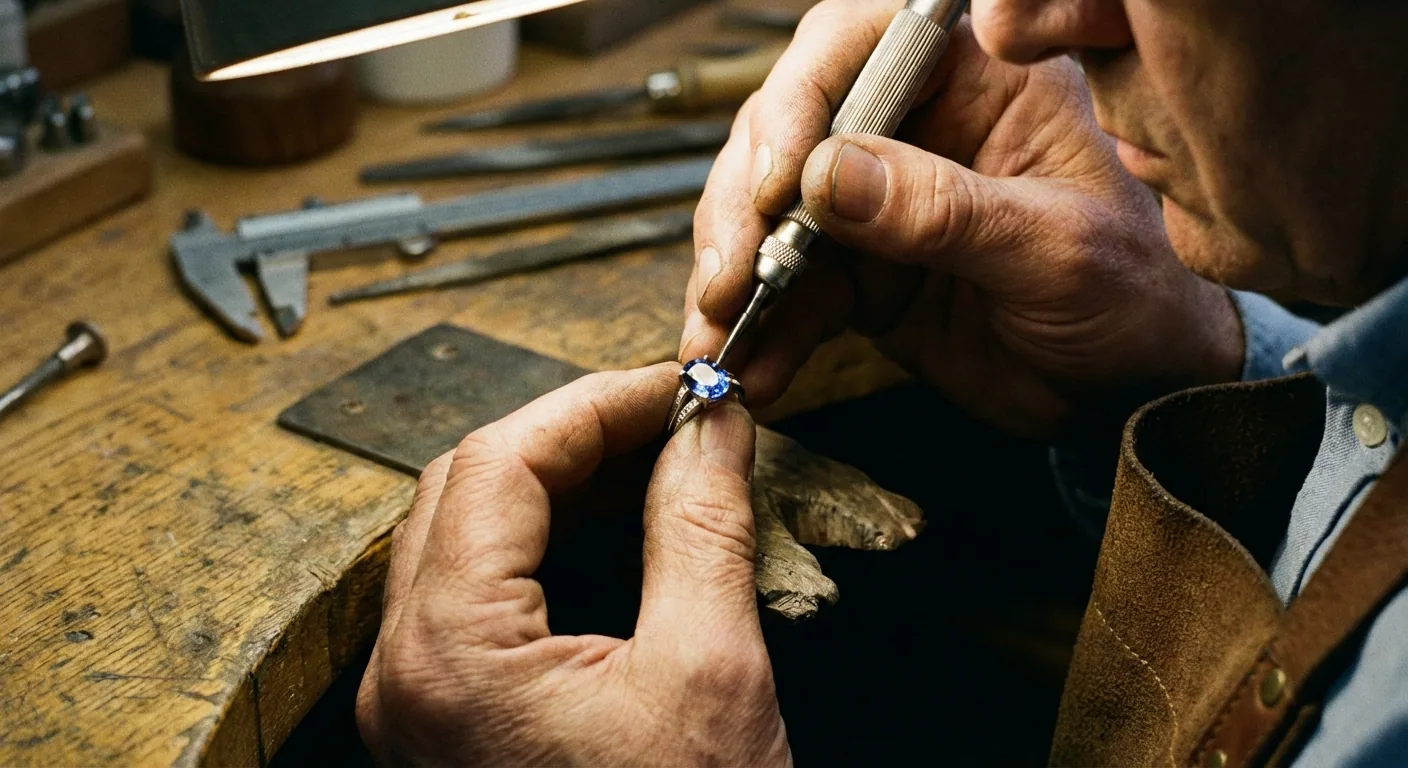
4 | Master Craftsmanship | Expert goldsmiths and stone-setters meticulously craft the piece by hand, bringing the digital design to life in precious metal. |
Inspiration for a Custom Piece
Inspiration for a custom design can come from anywhere: a piece of family history, a symbolic motif, or the desire to combine specific gemstones. A central blue sapphire, for instance, can be accented with the fire of diamonds for a classic look. For a more vibrant and personal creation, one might pair it with the deep green of an emerald or the passionate red of a ruby.
Creating a custom piece around the September birthstone allows for a deeply meaningful gift that transcends trends, embodying a personal story in a tangible, wearable form.
The Sapphire Legacy: Care & Lasting Value
A fine sapphire is more than an accessory; it is a legacy asset that can be passed down through generations. Preserving its beauty and value requires proper care and an understanding of what gives it lasting value.
How to Clean and Care for Your Sapphire Jewellery
With a hardness of 9 on the Mohs scale, sapphires are exceptionally durable and well-suited for everyday wear, second only to the resilience of a diamond. Maintaining their brilliance is straightforward with a simple jewelry care routine.
Gentle Cleaning: Use a solution of warm water and mild dish soap. Submerge the jewellery and gently scrub with a soft-bristled toothbrush.
Rinsing and Drying: Rinse thoroughly under warm running water and pat dry with a soft, lint-free cloth.
Professional Check-ups: An annual professional cleaning is recommended to inspect the integrity of the setting and restore the gem’s maximum sparkle.
Avoid exposing sapphire jewellery to harsh chemicals and extreme temperature changes, as this can damage the setting or the stone itself.
What Makes a Sapphire Hold Its Value?
Jewellery is bought for its beauty and its meaning first. That said, a fine natural sapphire keeps its appeal for decades because rarity and quality do not fade. A truly fine sapphire is defined by a combination of key factors:
Factor | Description | Importance |
|---|---|---|
Treatment | "No heat" or unheated status is the single biggest driver of rarity and price premium. | High |
Origin | Historic sources like Kashmir or Burma command top prices. | High |
Color | Intense, uniform saturation with a desirable hue. | Very High |
Clarity | Eye-clean, with minimal inclusions that affect brilliance. | Medium |
These criteria, similar to those for the finest rubies, ensure the gemstone's rarity. A GIA certificate is essential to verify these qualities, solidifying the value of the iconic September birthstone for the future.
A fine gemstone you can trust begins with transparent documentation and verified quality. Explore the collection of certified sapphires to find your legacy stone.
Quick answers
What is the best color for a sapphire ?
How can you tell if a sapphire is real at home ?
Are darker or lighter blue sapphires more valuable ?
What is the September birthstone ?
Which is more expensive, a sapphire or a ruby ?
How does a sapphire compare to a diamond for an engagement ring ?
What does a GIA certificate for a sapphire tell you ?
Can I wear my sapphire jewellery every day ?
What is the difference between a Ceylon sapphire and a Kashmir sapphire ?
What does "heated" mean for sapphire value ?
Conclusion
Choosing the right sapphire jewellery requires a clear understanding of gemological certification and ethical sourcing. A truly exceptional stone is defined not just by its color and clarity, but by its verified authenticity and transparent provenance, ensuring it is a worthy investment for generations. This knowledge empowers you to select a piece with absolute confidence.