Male Gold Wedding Ring: The Ultimate Buyer's Guide (2026)
Choosing the perfect male gold wedding ring? Learn about gold types, karats, durability & find the ideal ring for a lifetime of comfort and style. Read our expert guide now!
Quick Facts: Male Gold Wedding Rings
| Property | Details |
|---|---|
| Common Gold Karats | 10k, 14k, 18k |
| Most Popular Karat | 14k (ideal balance of durability and purity) |
| Popular Gold Colors | Yellow, White, Rose |
| White Gold Maintenance | Requires rhodium re-plating (every 1-3 years) |
| Recommended Fit | Comfort Fit (rounded interior profile) |
| Common Finishes | Polished, Brushed/Satin, Hammered |
| Resizing Potential | Generally high for plain bands; difficult for complex designs |
Introduction
A wedding ring is the singular piece of jewelry most men wear daily, signifying a lifetime commitment. Choosing the right one, particularly a male gold wedding ring, requires understanding more than just aesthetics.
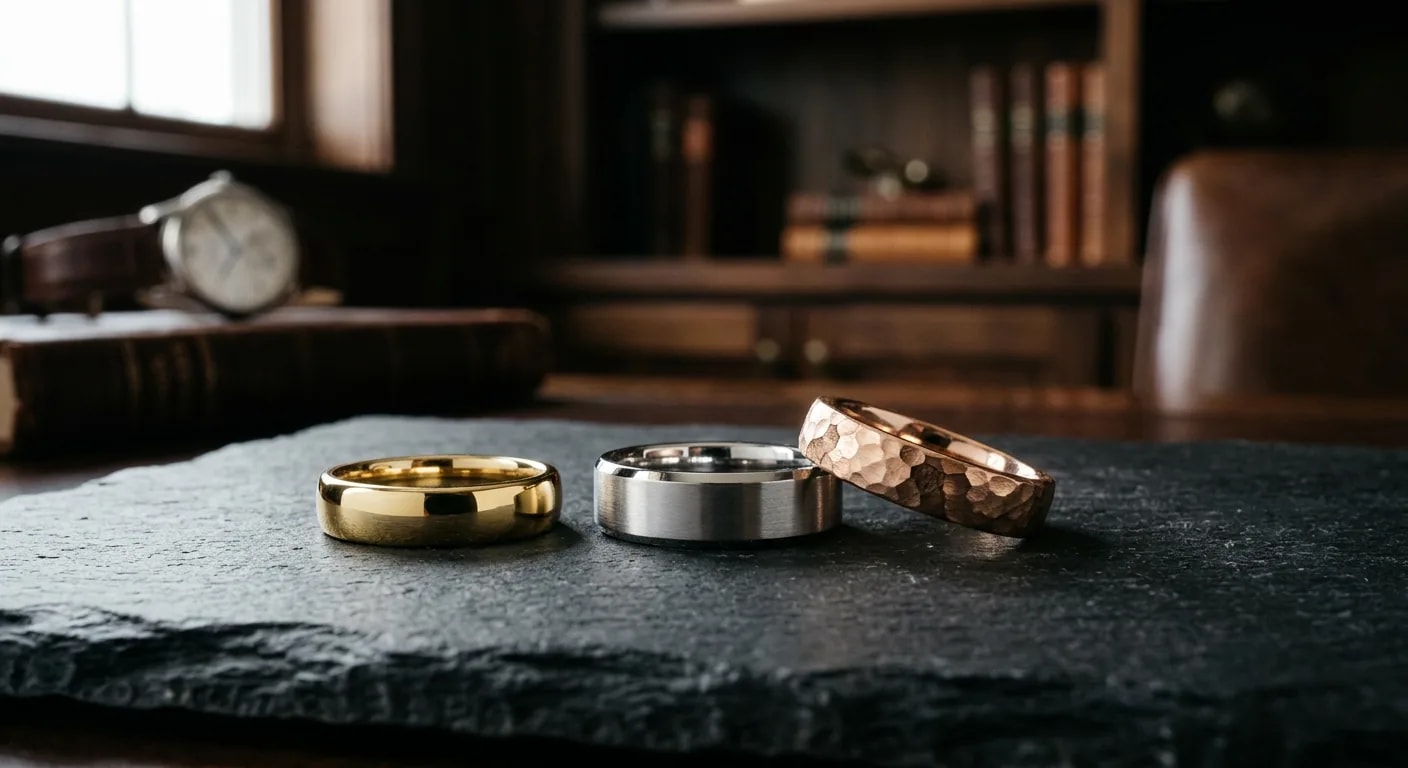
A male gold wedding ring is a continuous metal band crafted primarily from gold alloyed with other metals like copper, silver, or palladium to enhance durability. Available in various purities measured in karats (typically 10k, 14k, or 18k) and colors including yellow, white, and rose, these rings are the premier choice for their enduring value and classic appeal.
Beyond color and purity, factors like the specific alloy mix and interior profile fundamentally change how the ring looks, feels, and lasts. Understanding these nuances is essential. For example, some gold types resist scratches significantly better than others, while specific designs offer vastly superior daily comfort. Selecting the ideal ring means balancing personal style with practical longevity.
Understanding Gold Karats: Purity vs. Durability
Selecting a male gold wedding ring requires understanding the karat system, which measures the metal's purity. Pure gold, designated as 24 karat (24k), possesses a rich, unmistakable yellow luster. However, in its unalloyed state, 24k gold is remarkably soft and malleable, making it unsuitable for the rigors of daily wear in a wedding band. To enhance durability and alter color, pure gold is expertly alloyed with other metals such as copper, silver, zinc, nickel, or palladium. This process creates the practical gold alloys used in fine jewelry.
For men's wedding rings, the most prevalent options are 10k, 14k, and 18k gold. The 'k' value indicates the parts of pure gold out of 24. For instance, 18k gold consists of 18 parts pure gold and 6 parts other metals, resulting in a composition that is 75% pure gold. Understanding these distinctions is the key to balancing gold purity with lasting durability.
10k, 14k, or 18k Gold: Which is Right for You?
Each gold karat offers distinct advantages regarding hardness, color, and value, catering to different lifestyles and preferences.
- 10k Gold: Comprising 41.7% pure gold, 10k is the minimum standard for an item to be legally called "gold" in many countries, including the US. Due to the high percentage of alloy metals, 10k gold is exceptionally durable and highly resistant to scratching and bending. It is an excellent choice for men with highly active lifestyles or hands-on professions where the ring faces constant abrasion. The color is slightly less saturated than higher karats, appearing a subtler yellow.
- 14k Gold: Containing 58.3% pure gold, 14k is the most popular choice for men's wedding bands. It strikes an optimal balance, offering significant durability for everyday wear while retaining the rich, classic appearance of gold. It is harder than 18k gold and suitable for most lifestyles, providing lasting beauty and resilience.
- 18k Gold: With 75% pure gold, 18k gold is highly valued for its prestige and deep, rich yellow color, which is closer to the hue of pure gold. It feels heavier on the hand, signifying its higher gold content. However, being softer than 10k or 14k, 18k gold is more susceptible to scuffs, scratches, and everyday wear. It is best suited for men with less active lifestyles or those who prioritize maximum gold purity and color richness over absolute hardness.
The following table provides a clear comparison to assist in selecting the ideal gold karat based on individual requirements:
| Feature | 10k Gold | 14k Gold | 18k Gold |
|---|---|---|---|
| Gold Purity (%) | 41.7% | 58.3% | 75.0% |
| Durability/Hardness | Highest | High | Moderate |
| Scratch Resistance | Excellent | Very Good | Good |
| Color Richness | Subtle Yellow | Classic Yellow | Rich/Deep Yellow |
| Price Point | Most Affordable | Moderate | Premium |
| Best For (Lifestyle) | Very Active, Hands-on | Most Lifestyles | Less Active, Prioritizing Purity |
Ready to find your perfect band? Explore our curated collection of men's gold wedding rings, available in 10k, 14k, and 18k options.
Beyond standard gold alloys, some may seek unique symbolic connections. For example, individuals celebrating a significant anniversary might consider how certain gems complement a gold band, such as the vibrant sapphire often associated with loyalty, or perhaps a ring featuring a subtle diamond accent for enduring strength. Ultimately, the choice of karat should reflect both personal aesthetic and practical daily consideration.
Choosing Your Gold Color: Classic Yellow, Modern White, or Trendy Rose
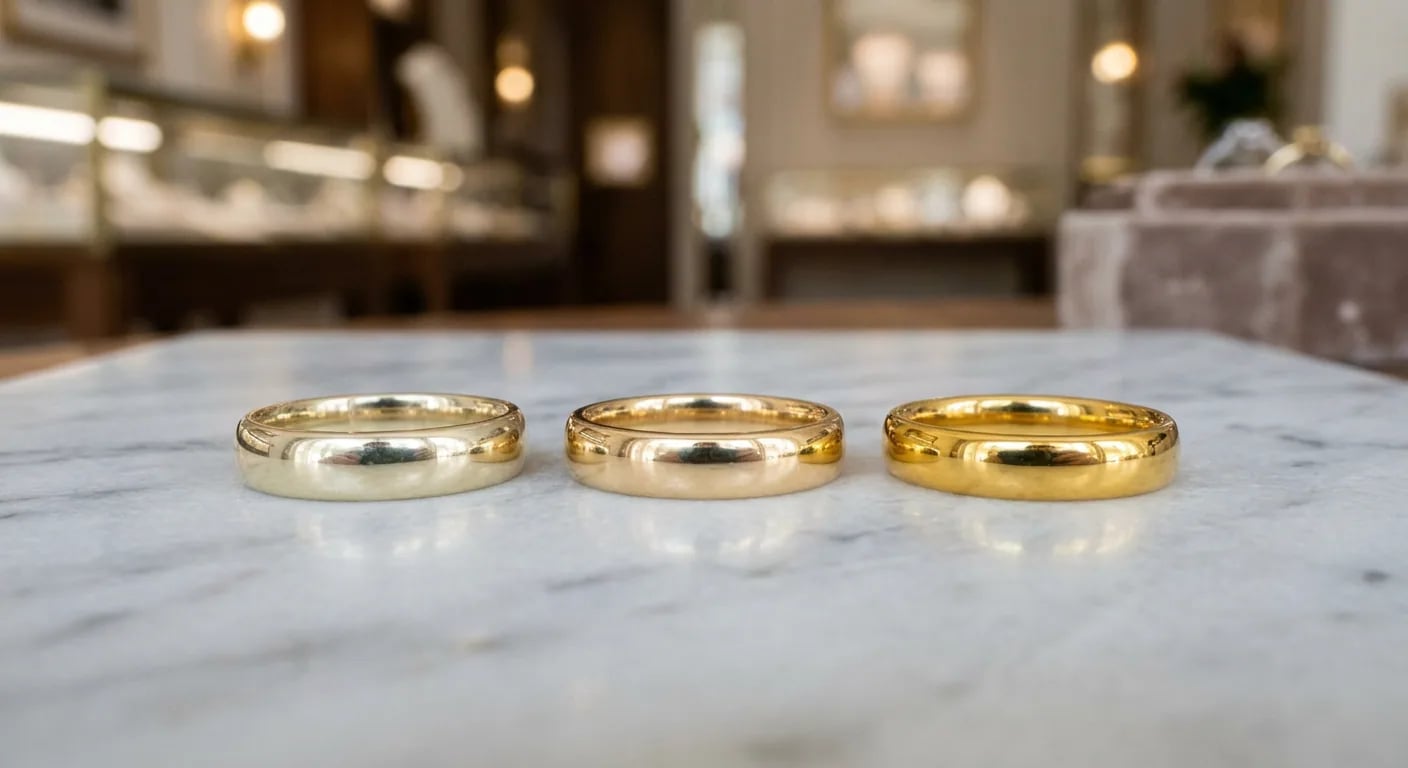
Beyond selecting the appropriate karat for durability, the choice of gold color is a significant decision that defines the aesthetic character of a male wedding ring. While pure gold is naturally yellow, the specific metals selected for the alloying process dictate the final hue of the metal. For example, a higher copper content results in a reddish tone, while white metals like palladium or nickel bleach the yellow color.
The three primary gold colors, yellow, white, and rose, each offer distinct visual appeals, historical contexts, and maintenance considerations, allowing for personalization that aligns with individual style and skin tone.
Classic Yellow Gold
Yellow gold remains the traditional and quintessential choice for wedding bands, symbolizing warmth, tradition, and enduring love. It is composed of pure gold alloyed with metals such as silver and copper, which preserve its natural, rich hue while enhancing its strength.
- Aesthetic Appeal: Yellow gold offers a timeless look that has been revered for centuries. It complements warm skin tones particularly well and provides a striking contrast when paired with colorless diamonds.
- Karat and Color: The intensity of the yellow color is directly influenced by the gold's purity. 18k yellow gold possesses a richer, deeper, and more saturated yellow hue due to its 75% pure gold content. In contrast, 14k or 10k yellow gold appears slightly more subdued as the percentage of alloy metals increases. This natural color does not require plating and is relatively easy to maintain through regular polishing.
Modern White Gold
White gold is a highly popular and contemporary alternative, offering a sleek, sophisticated, and versatile look. It is created by alloying pure gold with white metals such as palladium, silver, or nickel.
- Aesthetic Appeal: White gold provides a crisp, neutral backdrop that enhances the brilliance of white gemstones. Its modern aesthetic appeals to those seeking a more understated or industrial look compared to traditional yellow gold.
- The Importance of Rhodium Plating: It is important to understand that white gold naturally possesses a slightly yellowish or warm undertone. To achieve the brilliant, reflective white finish commonly associated with this metal, white gold jewelry is almost universally rhodium-plated. Rhodium is a rare, precious metal from the platinum family that is exceptionally hard and white.
- Maintenance Considerations: This rhodium plating is a surface treatment and will naturally wear off over time, particularly on the bottom of the ring, revealing the warmer tone of the underlying white gold alloy. To maintain the bright white finish, the ring will require periodic re-plating by a professional jeweler, typically every one to three years depending on wear and individual body chemistry. Proper jewelry care can help extend the life of the plating.
Trendy Rose Gold
Rose gold, also known as pink or red gold, is a unique and stylish option that has gained significant popularity for its vintage charm and warm, romantic hue. It gets its distinctive color from a higher proportion of copper in the alloy.
- Aesthetic Appeal: Rose gold offers a soft, warm aesthetic that complements all skin tones, including cool and warm complexions. It provides a unique alternative to traditional colors and can evoke a sense of vintage elegance or modern individuality.
- Durability and Maintenance: Copper is a very hard metal, which makes rose gold generally more durable and resistant to scratching than yellow or white gold of the same karat. Like yellow gold, rose gold does not require plating; its color is consistent throughout the metal, simplifying long-term maintenance.
The following table summarizes the key characteristics of each gold color to assist in the selection process:
| Gold Color | Composition (Alloys) | Aesthetic | Maintenance | Durability (Relative) |
|---|---|---|---|---|
| Yellow | Pure Gold + Copper + Silver | Traditional, Warm, Timeless | Low (Polishing) | High |
| White | Pure Gold + Palladium/Nickel + Silver | Modern, Sleek, Sophisticated | Moderate (Periodic Rhodium Plating) | High (Enhanced by Rhodium) |
| Rose | Pure Gold + Copper (+ Small amount of Silver) | Romantic, Vintage, Unique | Low (Polishing) | Very High (Due to Copper) |
When selecting a gold color, consider personal style, skin tone, and willingness to perform periodic maintenance, particularly for white gold. Each color provides a beautiful and lasting foundation for a symbol of commitment. For those interested in alternative connections, the warm tones of rose gold can beautifully complement the deep red of a ruby, while the cool look of white gold pairs excellently with a vibrant sapphire.
Men's Ring Styles and the Importance of Fit
Beyond choosing the gold karat and color, selecting the right style and ensuring a proper fit matter more than most buyers realize for a ring worn every day. The design should reflect personal style, while the fit must provide lasting comfort.
Classic Bands vs. Modern Designs
Men’s gold wedding rings generally fall into classic or modern design categories, offering options ranging from traditional simplicity to contemporary sophistication.
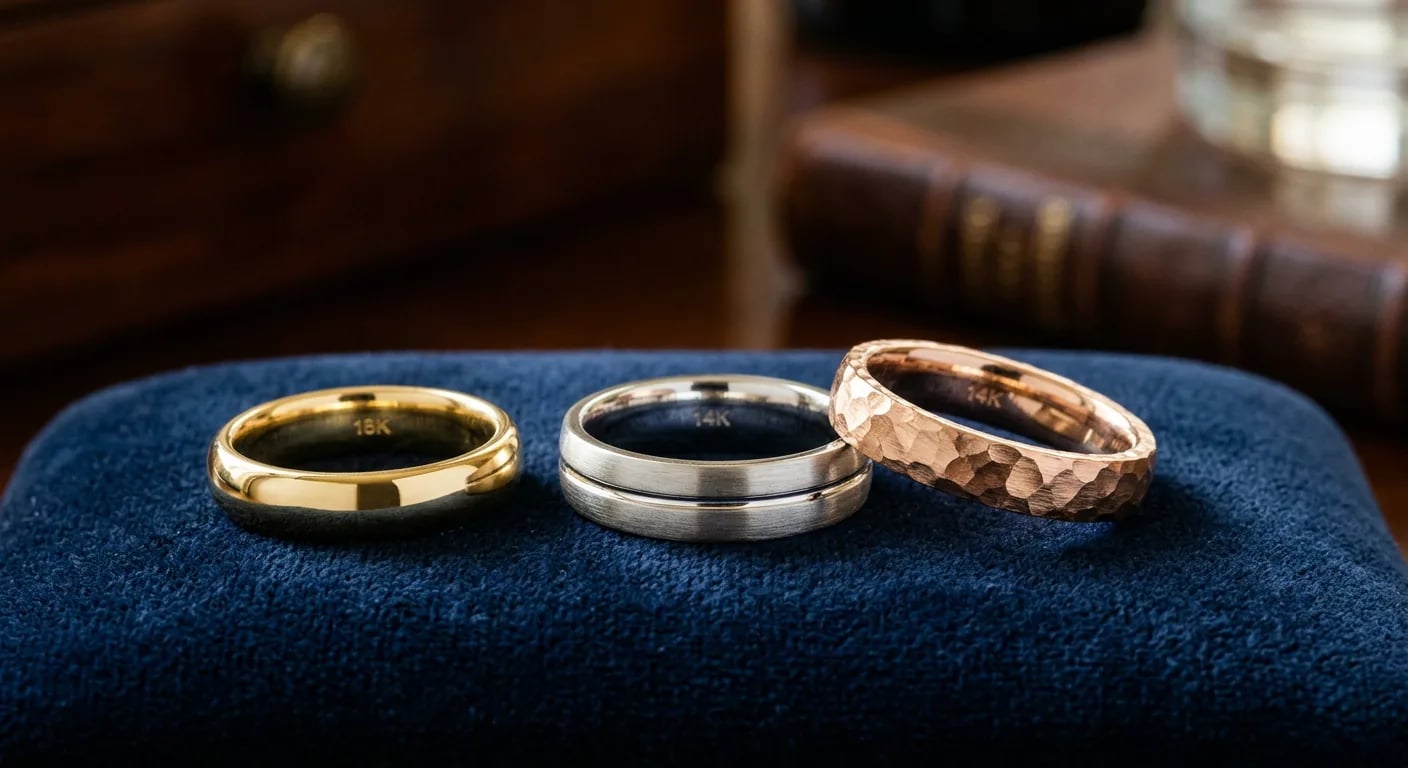
- Classic Bands: These rings are defined by their timeless and understated elegance. They are typically unadorned, focusing on the beauty of the metal itself. Popular variations include the domed band, which has a rounded exterior profile, and the flat band, which offers a sleek, modern look with straight edges. These styles are versatile and rarely go out of fashion.
- Modern Designs: Modern rings incorporate unique elements to create a distinctive aesthetic. These can include beveled edges, milgrain detailing (a fine decorative bead pattern), precise grooves, or contrasting metal finishes. For those seeking additional sophistication or symbolic meaning, modern designs often incorporate subtle gemstone accents. A small, flush-set diamond or even a sapphire can add a touch of individuality without compromising the ring's masculine appeal.
Choosing Your Finish: Polished, Brushed, or Hammered
The finish applied to the surface of a gold ring dramatically alters its appearance and texture. Understanding how different finishes wear over time helps in selecting the right option for one's lifestyle.
| Finish Type | Appearance | Wear and Tear | Best For |
|---|---|---|---|
| High Polish | Highly reflective, mirror-like, classic, luxurious. | Shows scratches and scuffs easily; requires periodic repolishing to maintain shine. | Traditionalists; office-based professions. |
| Satin / Brushed | Matte, non-reflective, modern, understated. | Excellent at hiding micro-scratches; maintains its look well with daily wear. | Active lifestyles; those preferring a contemporary look. |
| Hammered | Textured, dimpled, artisanal, rugged. | Disguises scratches and dents exceptionally well; the texture adds character over time. | Hands-on professions; those seeking a unique, durable look. |
Comfort Fit: The Detail That Actually Matters
Perhaps the most critical factor for long-term satisfaction is the ring’s internal profile. Standard fit rings are flat on the inside, which can sometimes pinch the skin or feel restrictive, especially when hands swell.
Professional jewelers strongly recommend a "comfort fit" for all men's wedding bands. A comfort fit ring features a slightly domed or rounded interior profile. This ergonomic design allows the ring to slide over the knuckle more easily and reduces pressure points against the finger, resulting in a significantly more comfortable feel for continuous, daily wear. This is particularly beneficial for men who are not accustomed to wearing jewelry.
Ready to find the perfect band that combines style and comfort? Explore Joalys' curated collection of men's gold wedding rings, all crafted with a focus on exceptional quality and ergonomic fit.
Practical Considerations Before You Buy
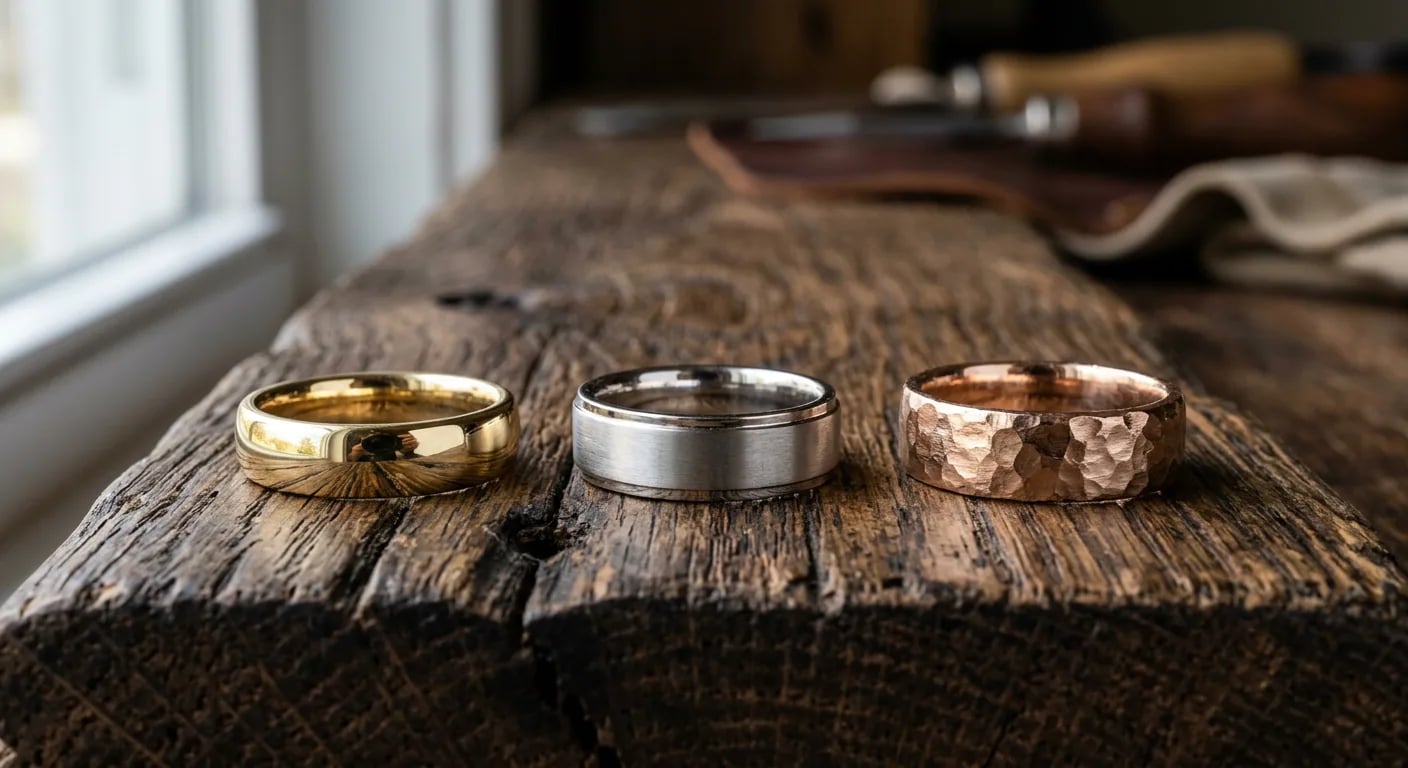
Acquiring a male gold wedding ring involves more than selecting a preferred karat or color. Several practical factors significantly influence the long-term satisfaction, comfort, and security of the ring itself. Addressing these considerations before purchase ensures the chosen ring remains a cherished symbol for decades.
Getting the Perfect Fit: Sizing Guide
Getting the ring size right is non-negotiable. A ring that is too loose risks being lost, while one that is too tight causes discomfort and may be difficult to remove. Professional gemologists and jewelers recommend several best practices for determining the correct size.
- Timing and Temperature: Finger size fluctuates throughout the day based on temperature, hydration, and physical activity. It is advisable to measure the finger at the end of the day when it is typically at its largest. Avoid measuring when hands are very cold, as fingers shrink slightly, or immediately after strenuous exercise when they may be swollen.
- Professional Measurement: While various at-home sizing tools exist, the most accurate method remains a professional fitting. Jewelers use standardized metal sizing rings, often available in different widths, to account for how a wider band feels tighter than a narrow one.
- The Surprise Factor: If the ring is a surprise, obtaining an accurate size is challenging. Options include subtly borrowing an existing ring worn on the correct finger (ensuring it is the left ring finger) for professional measurement, or consulting close friends or family who might know the size.
Ring Maintenance and Resizing
Gold is a durable precious metal, but all jewelry requires maintenance to retain its original luster. Physical changes over a lifetime may also mean resizing.
- Routine Maintenance: All gold rings benefit from periodic professional cleaning and inspection. A jeweler can check for signs of wear, ensure any gemstone settings, such as those holding a subtle diamond accent, remain secure, and perform professional polishing to remove surface scratches.
- White Gold Care: As detailed previously, white gold requires specific maintenance. The rhodium plating that provides its brilliant white finish naturally wears over time. Owners should anticipate the need for periodic re-plating every few years to restore the desired aesthetic. Understanding this requirement is essential when choosing white gold. Good jewelry care significantly extends the intervals between re-plating.
- Resizing Viability: Most plain gold wedding bands can be readily resized by a skilled jeweler, either by stretching the metal slightly or removing a small section. However, complexity impacts resizability. Rings featuring intricate patterns, full eternity diamond settings (where stones encircle the entire band), milgrain detailing, or alternative metal inlays may be difficult or impossible to resize significantly without compromising the design or structural integrity. Always ask about resizing potential before buying a complex style.
The following table outlines the maintenance and resizing characteristics of common gold ring types:
| Ring Type | Primary Maintenance | Resizing Feasibility |
|---|---|---|
| Plain Yellow/Rose Gold | Periodic cleaning and polishing. | Excellent; easily resized by most jewelers. |
| Plain White Gold | Cleaning, polishing, and periodic rhodium re-plating. | Excellent; easily resized before re-plating. |
| Patterned/Engraved Gold | Cleaning; polishing may soften details. | Moderate; resizing may disrupt the continuous pattern. |
| Gold with Flush-Set Gems | Cleaning; inspection of settings is essential. | Moderate to Good; depends on the number and placement of stones. |
| Full Eternity Bands | Cleaning; critical inspection of all settings. | Poor; usually impossible to resize without complete remaking. |
Ethical Sourcing and Sustainability
Increasingly, consumers prioritize ethical considerations when purchasing fine jewelry. Ensuring gold is sourced responsibly addresses environmental and humanitarian concerns associated with mining.
Many luxury jewelers, including Joalys, demonstrate a commitment to ethical sourcing by utilizing recycled gold. This process involves refining existing gold jewelry or industrial byproducts, significantly reducing the demand for newly mined gold and minimizing environmental impact. When recycled gold is unavailable, reputable jewelers adhere to strict sourcing protocols, ensuring gold originates from mines that comply with rigorous environmental and labor standards, often certified by organizations like the Responsible Jewellery Council (RJC). Choosing ethically sourced gold ensures the wedding ring symbolizes not only commitment but also responsible stewardship.
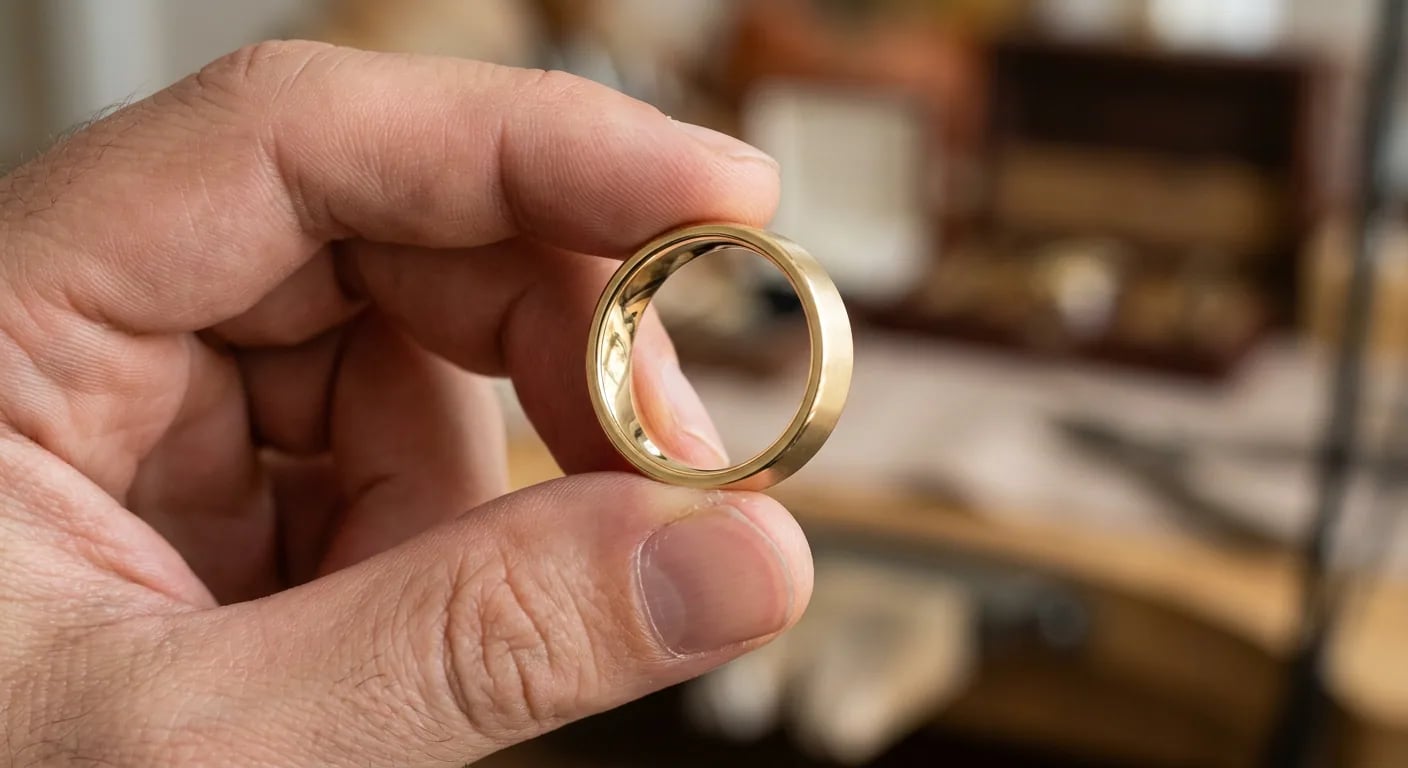
JOALYS
Everything Begins with the Stone
Two sapphires can share the same grade and nothing else. Yours is chosen in hand.
Keep the sapphire loose, or commission a ring made around it — made to order, never off the shelf.
Create Your Perfect Ring
Create Your Perfect Ring
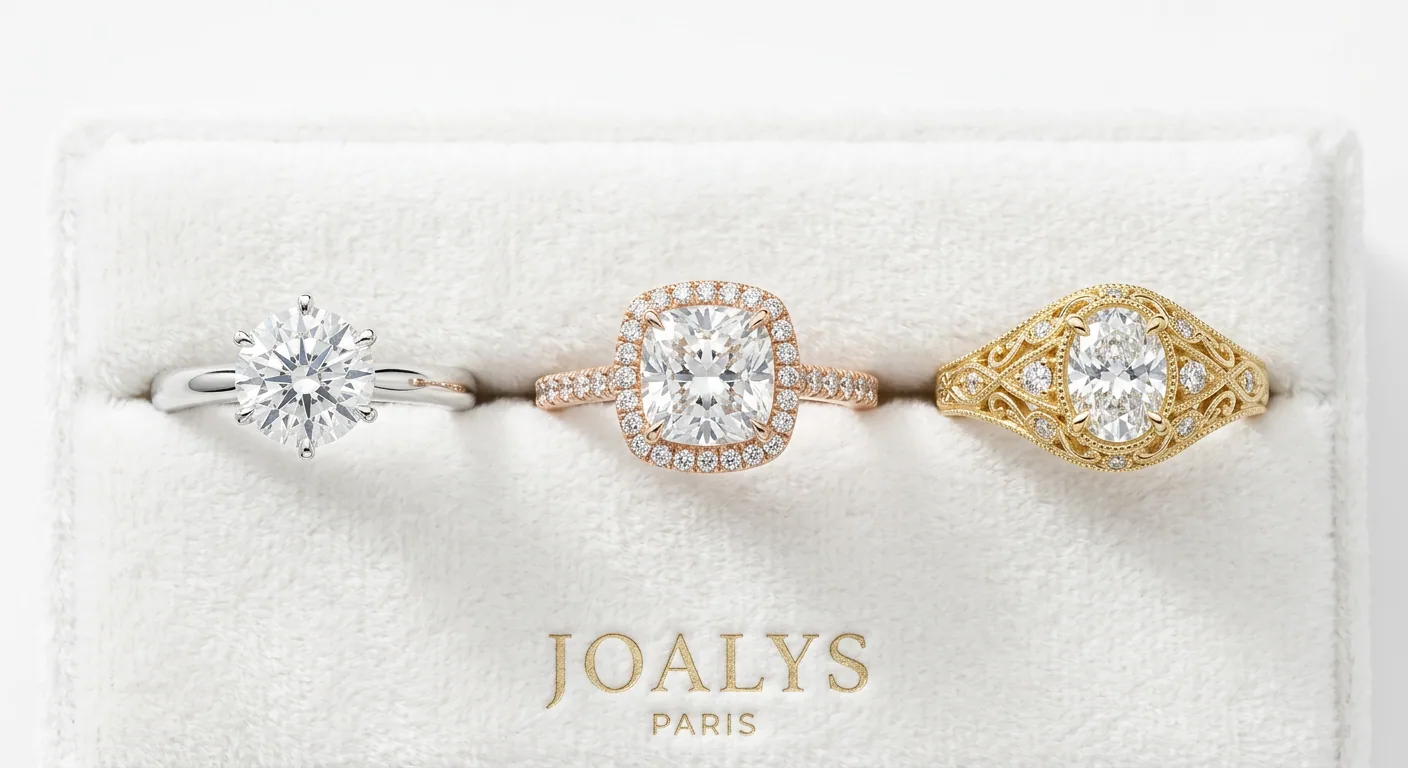
Your unique ring starts here. Joalys' 3-step process:
- Select Your Stone - Browse certified gemstones
- Receive & Inspect - Luxury authentication case
- Design Your Setting - Work with expert jewelers
Frequently Asked Questions
Conclusion
Choosing the ideal wedding ring male gold option requires balancing personal aesthetic with essential practicalities. An expert perspective reveals that selecting the right gold karat (10k, 14k, or 18k) determines the ring’s durability and color richness, while the choice between yellow, white, and rose gold dictates its long-term maintenance and style. Prioritizing a comfort fit is arguably the most critical decision for daily wearability, ensuring this significant symbol remains a comfortable part of life.
Your journey to finding the perfect wedding ring male gold option starts here. Joalys' unique process allows you to select your certified gemstone, receive it in a luxury authentication case, then design your custom setting when you're ready. Need personalized guidance? Speak with our expert gemologists to create something truly extraordinary.