Jewelry Care: How to Clean Every Gem Without Ruining Its Treatment
Topaz is harder than amethyst, and GIA says never put it in an ultrasonic. Hardness is not the rule. The treatment line on your lab report is.
Jewelry Care: Quick Facts
| Fact | Best practice |
|---|---|
| Universal method | Warm water, a few drops of mild dish soap, a soft brush. GIA rates warm soapy water safe on every stone in this guide. |
| The one line to check | The treatment line on your lab report. Filled, oiled, dyed and impregnated stones must never see an ultrasonic or a steam cleaner. |
| Hardness is not durability | Topaz, Mohs 8: never ultrasonic. Amethyst, Mohs 7: usually safe. Toughness and stability decide, not the Mohs number. |
| Never ultrasonic or steam | Emerald, opal, turquoise, tanzanite, topaz, pearl, and any fracture or cavity filled stone. |
| Usually safe in an ultrasonic | Unfilled sapphire, unfilled ruby, spinel, amethyst. Garnet too, unless it holds liquid inclusions. |
| Heated is not fragile | Per GIA, heat treatment in blue sapphire is stable and permanent. A heated, unfilled stone cleans like an untreated one. |
| Daily wear rule | Last on, first off. On after lotion and perfume, off before the gym, the pool and the shower. |
| Professional check | Have prongs and clasps inspected once a year on anything worn every day. |
Introduction
Your grandmother’s ring survived 60 years of daily wear. Almost certainly, it was never cleaned the way the internet now tells you to clean jewelry. Updated September 2026.
Good jewelry care turns on one question nobody asks: what is actually inside the stone? Not how hard it is. What is in it. A sapphire with a filled cavity and a sapphire with nothing in it both score 9 on the Mohs scale, and only one of them comes out of an ultrasonic tank intact. Same species, same hardness, opposite rules.
Here is the thing. The line that tells you which one you own is printed on your lab report, under Treatment, and most people read it once and file it. We source loose stones in Sri Lanka and read that line on every parcel before anything ships. So this guide is built around it instead of around the usual soap and soft cloth checklist you can find on twenty other pages.
Warm water, mild dish soap and a soft brush are safe on every stone in this guide. Before any ultrasonic or steam cleaner, read the treatment line on your report: filled, oiled, dyed and impregnated stones fail in both. Hardness will not warn you. Topaz is Mohs 8 and rated never, amethyst is 7 and usually safe.
Why Is Hardness the Wrong Way to Judge Jewelry Care?
Every jewelry care page you have read sorts stones by the Mohs scale. For cleaning, it is the wrong instrument. Per GIA, durability is three properties rather than one: hardness, which is resistance to scratching, toughness, which is resistance to breaking and chipping, and stability, which is resistance to heat, light and chemicals. An ultrasonic tank and a steam gun test toughness and stability. They barely touch hardness.
GIA’s own cleaning guidance proves the point, and it is counterintuitive enough to deserve a table. Topaz sits at 8 on the Mohs scale, a full step above quartz, and its rating for ultrasonic cleaning is never. Amethyst is softer at 7 and comes back usually safe. Hardness told you nothing useful. A cleavage direction and poor thermal shock resistance told you everything.
| Stone (Mohs) | Ultrasonic | Steam | Warm, soapy water |
|---|---|---|---|
| Sapphire (corundum, 9) | Usually safe, never if fracture or cavity filled | Usually safe, same exception | Safe. No strong detergent or hard scrubbing on oiled stones |
| Ruby (corundum, 9) | Usually safe, never if fracture or cavity filled | Usually safe, same exception | Safe, same caution on oiled stones |
| Spinel (8) | Usually safe | Usually safe | Safe |
| Amethyst (quartz, 7) | Usually safe | Not recommended | Safe |
| Garnet (7 to 7.5) | Usually safe, unless liquid inclusions are present | Never | Safe |
| Zircon (6 to 7.5) | Risky | Risky | Safe |
| Peridot (6.5 to 7) | Risky | Never | Safe |
| Topaz (8) | Never | Never | Safe |
| Tanzanite (6 to 7) | Never | Never | Safe |
| Emerald (7.5 to 8) | Never | Never | Usually safe, avoid vigorous scrubbing |
| Opal (5 to 6.5) | Never | Never | Safe |
| Turquoise (5 to 6) | Never | Never | Safe |
| Pearl (2.5 to 4) | Never | Never | Safe for occasional cleaning. Let the string dry fully before wearing |
Advisability ratings per GIA, Colored Stone Essentials reference guidance. Mohs values are the usual ranges for gem quality material.
Two lines in that table do the real work. Warm soapy water is safe on every single one, which is why it is the only method we use on a stone we have not documented. And watch corundum flip: a sapphire or a ruby moves from usually safe to never the moment it is fracture or cavity filled. The species did not change. The filler did.
One habit falls out of this. Per GIA, most airborne dust is quartz, which sits at 7, and a polishing cloth left in a drawer for a year is carrying it. On sapphire or spinel, harmless. On opal, turquoise or pearl, wiping with a dusty cloth is light sandpapering. Shake the cloth out first.
What Does Your Lab Report Tell You About Cleaning?
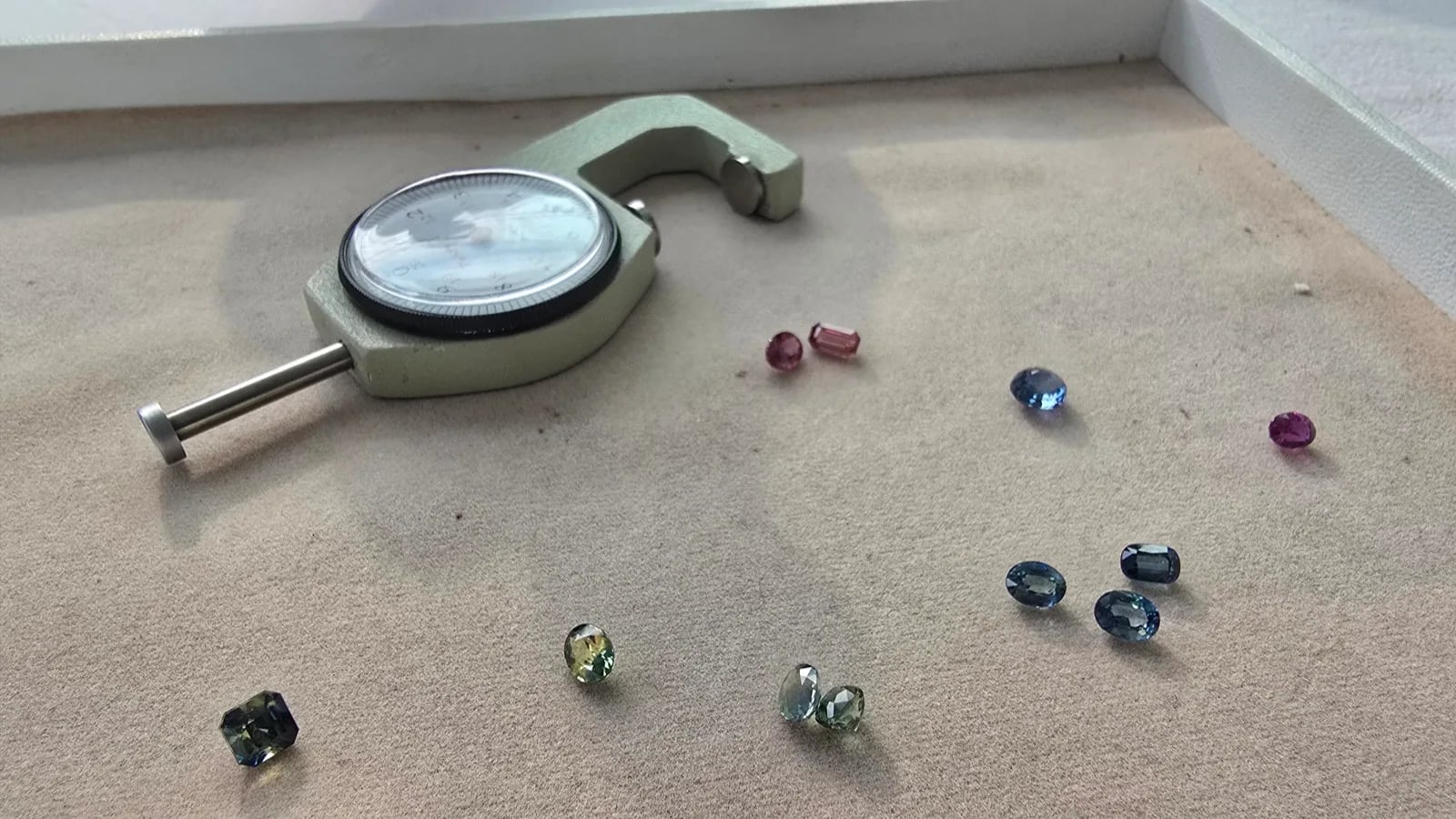
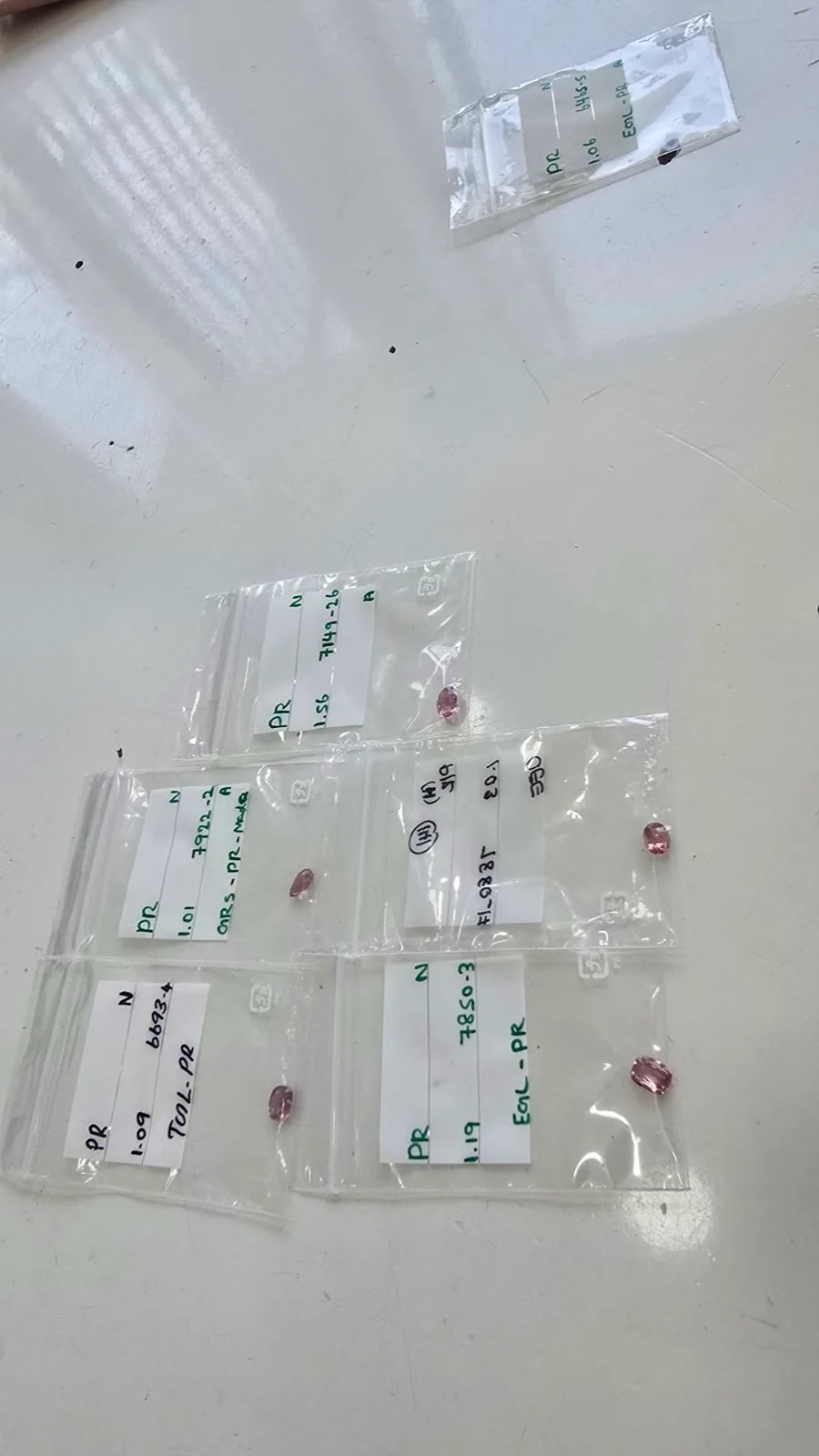
A grading report gets read once, for the carat weight and the colour grade, then it goes in a drawer. The line that matters for the next forty years is Treatment. It is the closest thing to a care manual your stone will ever have, and almost nobody uses it that way. Here is how we translate it at the bench.
| What the report says | What it means | What it changes about cleaning |
|---|---|---|
| “No indication of heating”, “untreated” | Nothing was added and nothing was removed beyond cutting and polishing. | Follow the plain species rules above. Nothing to strip, nothing to soften. |
| “Indications of heating”, “heated” | Colour was improved in a furnace. Per GIA, the result in blue sapphire is stable, durable and permanent. | No special cleaning at all. This one surprises people. A heated sapphire is not a fragile sapphire. |
| “Lattice diffusion” | Colour was driven in near melting point. With titanium it sits in a layer up to 0.50 mm thick. | Cleaning is fine. Repolishing is the risk, because a recut can go straight through the coloured layer. |
| “Clarity enhancement”, “oil”, “resin”, “fracture filling” | Surface reaching fractures were filled. GIA trade estimates put more than 90 percent of emeralds here. | Ultrasonic and steam are both a flat never. Steam has been documented partially removing filler from set stones. Gentle soapy water only. |
| “Cavity filling”, glass filling (common in ruby) | A cavity or fracture network was filled with lead glass. | Never ultrasonic, never steam, and keep it away from acids and from a jeweller’s torch. |
| “Dyed” | Colourant sits in pores or fractures and is not permanent. | Water and mild soap only. Alcohol, acetone and ammonia pull the colour out. |
| “Impregnated”, “stabilized” (usual on turquoise) | Pores filled with wax or polymer. Stabilized is the trade word for polymer impregnated. | Heat softens the filler, solvents dissolve it. Cool water, soft cloth, no soaking. |
The pattern is obvious once you see it. Untreated and heated stones are the easy ones. Everything with a foreign material inside it, oil, resin, glass, dye, wax or polymer, becomes a cleaning problem, because cleaning is very good at removing foreign material.
And the honest part, which cuts against us as much as anyone selling stones. A report states what the lab saw on the day it tested, not a warranty for later. GIA notes that some resin fillers dry out, crack, or turn brown or white over time, making the fractures visible again, and that a filler mixed with hardener can become impossible to remove even with a strong solvent. That is the practical reason we buy unfilled material when the budget allows. Less to maintain, fewer ways to go wrong in ten years. The longer version of what a report does and does not promise is in its own guide.
How Do You Build a Daily Jewelry Care Routine?
Jewelry care is not about deep cleaning sessions. It is about the ten seconds after you take a piece off. The single best habit is four words long: last on, first off. Jewelry goes on after lotion, perfume and hairspray, and it comes off before anything physical.
How to Clean and Care for Your Jewelry. Video: GIA (Gemological Institute of America).
When to Take Your Jewelry Off
- The gym. Sweat speeds up tarnish on silver, and one knock against a dumbbell loosens a stone.
- The pool. Chlorine attacks the copper and zinc in karat gold alloys. That is how a worn band eventually splits at a stress point.
- Household cleaning. Bleach and ammonia sprays are bad for the alloy, worse for anything dyed or filled.
- The shower. Soap film flattens a stone’s light return, which is why a clean diamond looks grey after a week.
Then wipe the piece with a soft, clean, dust free cloth. That is the whole routine.
What Does a Jewelry Maintenance Schedule Look Like?
| Frequency | Task | Why it matters |
|---|---|---|
| Daily | Wipe with a soft cloth | Removes skin oils and lotion before they harden into film. |
| Monthly | Warm soapy water, soft brush | Clears the grime that collects behind the stone, where light enters. |
| Every 6 months | Check prongs and clasps with a loupe or a jeweller | A prong that has worn thin is the cheapest repair in jewelry and the most expensive failure. |
| Yearly | Professional inspection on anything worn daily | Catches a shifting stone before it leaves the setting. |
How Do You Clean Gold, Silver and Set Stones Safely?
The stone rules are in the two tables above. The metal around it has rules of its own, and they are simpler.
Gold, silver and platinum
- Gold, in every colour. Warm water, a few drops of mild phosphate free dish soap, ten to fifteen minutes, then a baby soft toothbrush around the prongs where grime hides. White gold carries a rhodium plating that aggressive scrubbing wears through, and replating is a bench job.
- Sterling silver. That dark film is not dirt, it is silver sulfide, a reaction with sulfur in the air. A dedicated polishing cloth handles light tarnish. Skip toothpaste: the silica in it is harder than silver and leaves a haze of micro scratches that never comes out.
- Platinum. The forgiving one. Same soap and water, and it develops a soft satin patina over years that plenty of collectors prefer to a fresh polish.
For the stones themselves, warm soapy water and a soft brush is not a compromise. It is what we use on Ceylon sapphires before they go out for certification. Five minutes, no equipment, zero risk.
Three materials need a note the table cannot carry. On a knotted pearl strand, let the silk dry completely before wearing it again, or the thread stretches and stains. Never soak an opal doublet or triplet, because water works into the glue layer and clouds it for good. And with emerald, assume it is filled and skip hot water entirely, since thermal shock is what reopens a healed fracture.
What Are the Biggest Jewelry Care Myths?
Let us be honest, the internet is full of terrible cleaning advice, and the most damaging myths are the ones that sound technical.
Four things to keep away from your jewelry
- Toothpaste. It polishes enamel, so it must polish gold? No. Its silica abrasives are harder than gold and far harder than pearl nacre.
- Dry baking soda. A thin paste is acceptable on plain silver. Rubbed dry onto gold or plated pieces, it strips the finish.
- Chlorine bleach. It causes stress corrosion cracking in karat gold alloys, which is a slow failure you only notice when the shank splits.
- Acetone and alcohol. They dissolve nacre, dry out porous stones, and lift dye straight out of a dyed stone.
The myth that costs the most money
Heat treated does not mean delicate. This is the one we correct most often. Heating in blue sapphire produces a stable, durable, permanent result, which is why the trade accepts it openly. A heated, unfilled sapphire cleans exactly like an untreated one. The stones that need careful handling are the filled, oiled, dyed and impregnated ones, and whether a furnace was involved has nothing to do with it.
| The myth | What actually happens | Do this instead |
|---|---|---|
| Toothpaste cleans everything | Silica abrasives scratch gold, silver and nacre | Mild dish soap in warm water |
| Ultrasonic is the professional method | It is rated never for emerald, opal, turquoise, tanzanite, topaz, pearl and anything filled | Warm soapy water, plus a soft brush |
| Boiling water sterilises a ring | Thermal shock opens fractures and can crack an included stone | Warm, never hot |
| A certificate means the stone is untreated | A report discloses treatment, it does not prevent it. Read the treatment line | Read the line, then pick the method |
How We Clean a Parcel Before It Ships
A quick look at what this means on the buying side, because the habits come from there.
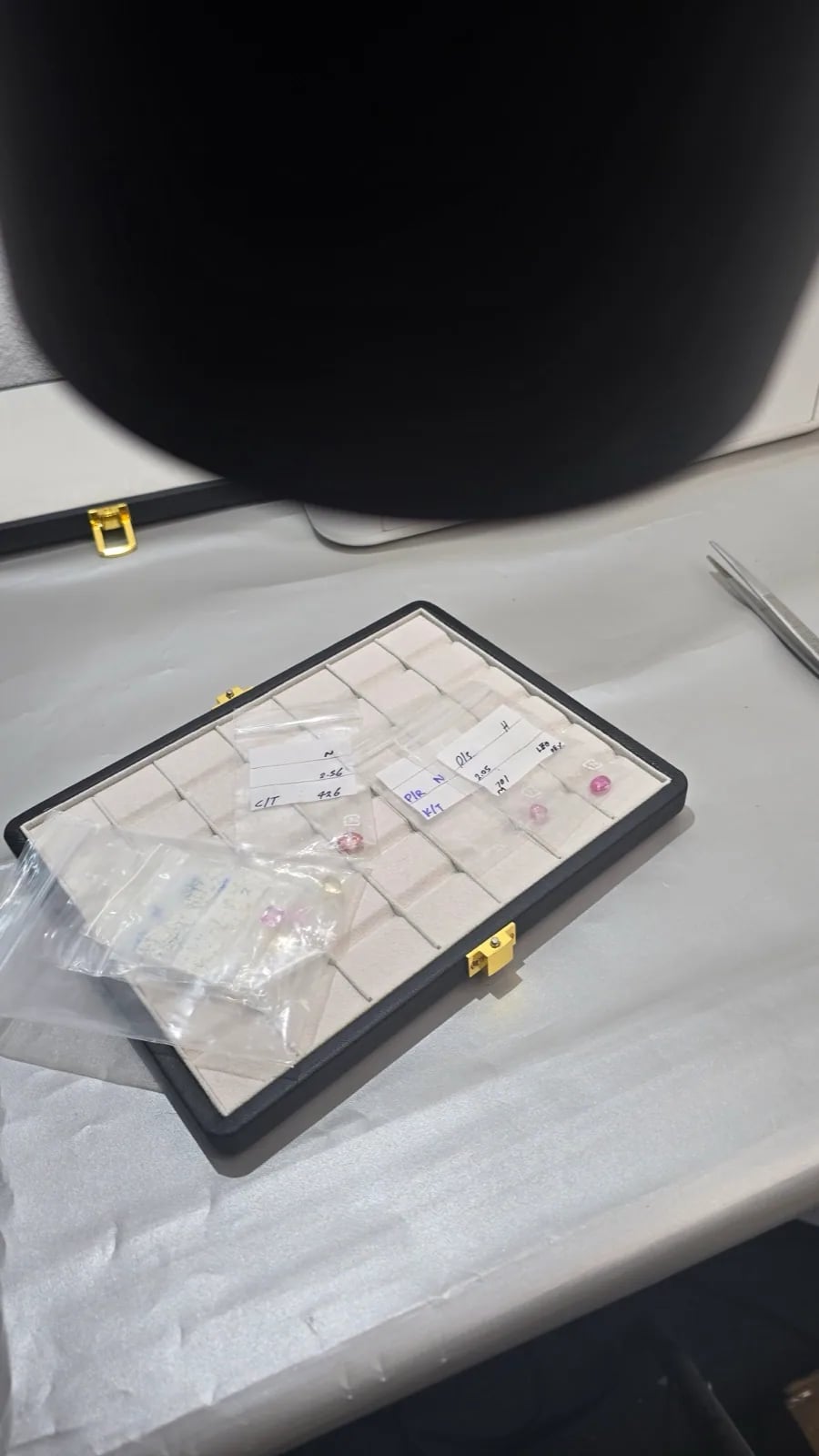
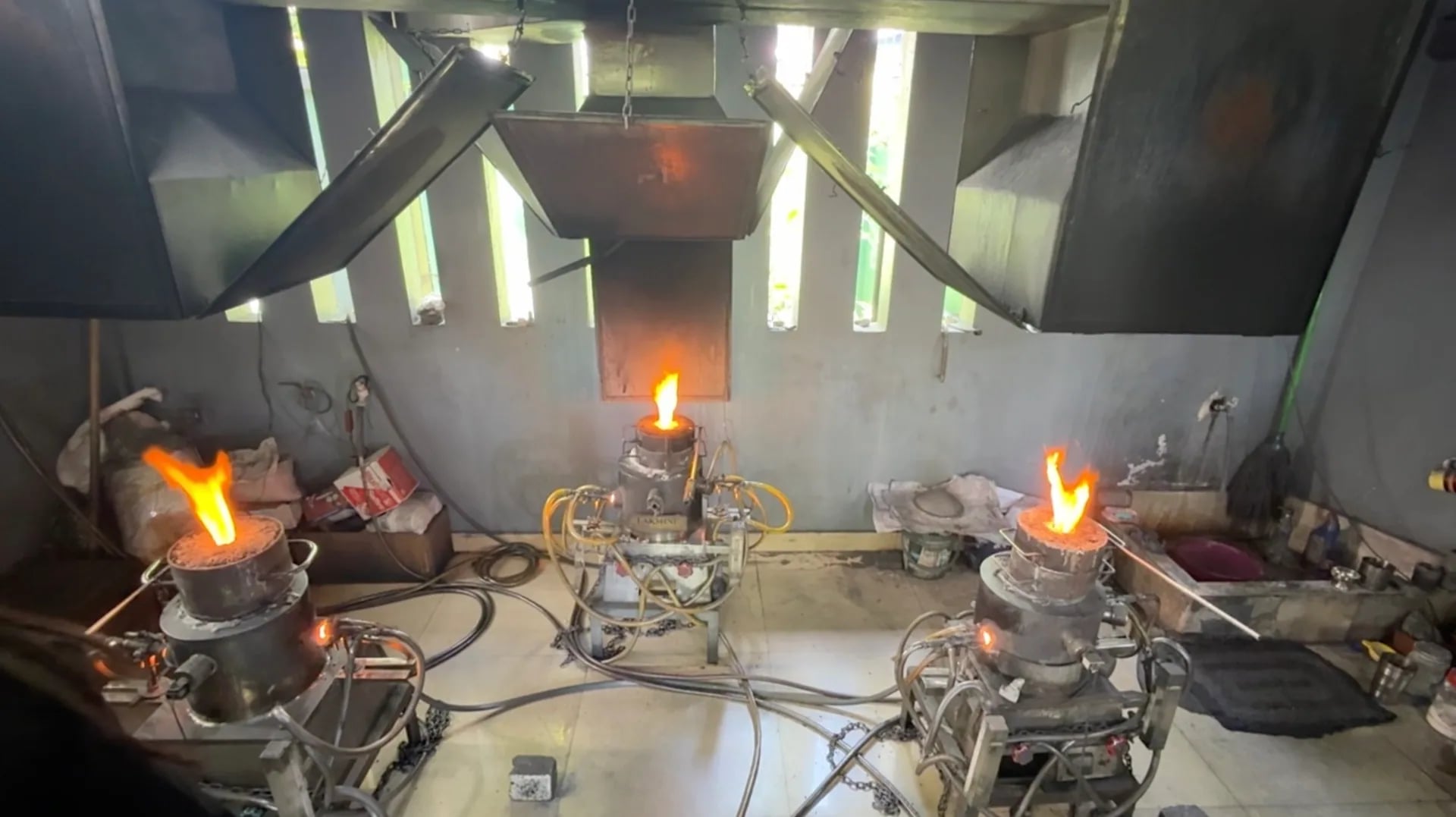
When a parcel comes off a dealer’s table in Ratnapura it is dusty, and the dust is exactly the quartz rich grit described above. Nobody in that market reaches for an ultrasonic. Stones get rinsed in water with a drop of soap, dried on a clean cloth, then checked dry under a loupe, because water sitting in a surface reaching fracture hides the fracture. That is the whole reason the dry check exists.
We sort the same way. Anything with a visible fissure, a cavity, or a suspicion of filling is flagged before it goes to the lab, and it never goes near a tank. It is also the point where a stone gets rejected rather than discounted. If you want the long version of how a parcel becomes an inventory, it is written up here.
When Should You Take Jewelry to a Professional?
Home care covers cleaning and habits. Some problems need a bench, and a loose stone is not a project for a Sunday afternoon.
Signs to stop wearing the piece
- The stone moves. If it shifts, wiggles or rattles against the setting, one more knock can send it into a drain. Retipping a prong is a short job.
- A prong is bent, thin or gone. Prongs are the only thing holding the stone. A missing one is not a later problem.
- Scratches you can feel. A cloth handles surface marks. Anything you can catch a fingernail on needs a buffing wheel.
- Dullness that cleaning does not fix. Usually worn rhodium on white gold, sometimes a reaction with a chemical the piece met.
What to tell the jeweller before they start
| Service | What it does | Say this first |
|---|---|---|
| Ultrasonic cleaning | Cavitation lifts grime out of a setting | Name the stone and its treatment. Filled, oiled, dyed and impregnated stones go by hand |
| Steam cleaning | Pressurised steam flushes the same grime | Same warning, harder. Steam is documented removing filler from set stones |
| Polishing, rhodium plating | Removes scratches, rewhitens white gold | Ask whether the stone comes out first, especially below 7 on Mohs |
| Sizing, retipping, torch work | Reshapes or rebuilds metal with heat | Lattice diffused and glass filled stones have to come out. Heat destroys the treatment |
Our flat opinion: an annual prong check on a ring worn every day is the cheapest insurance in jewelry. The stone is the expensive part, and prongs are what fail.
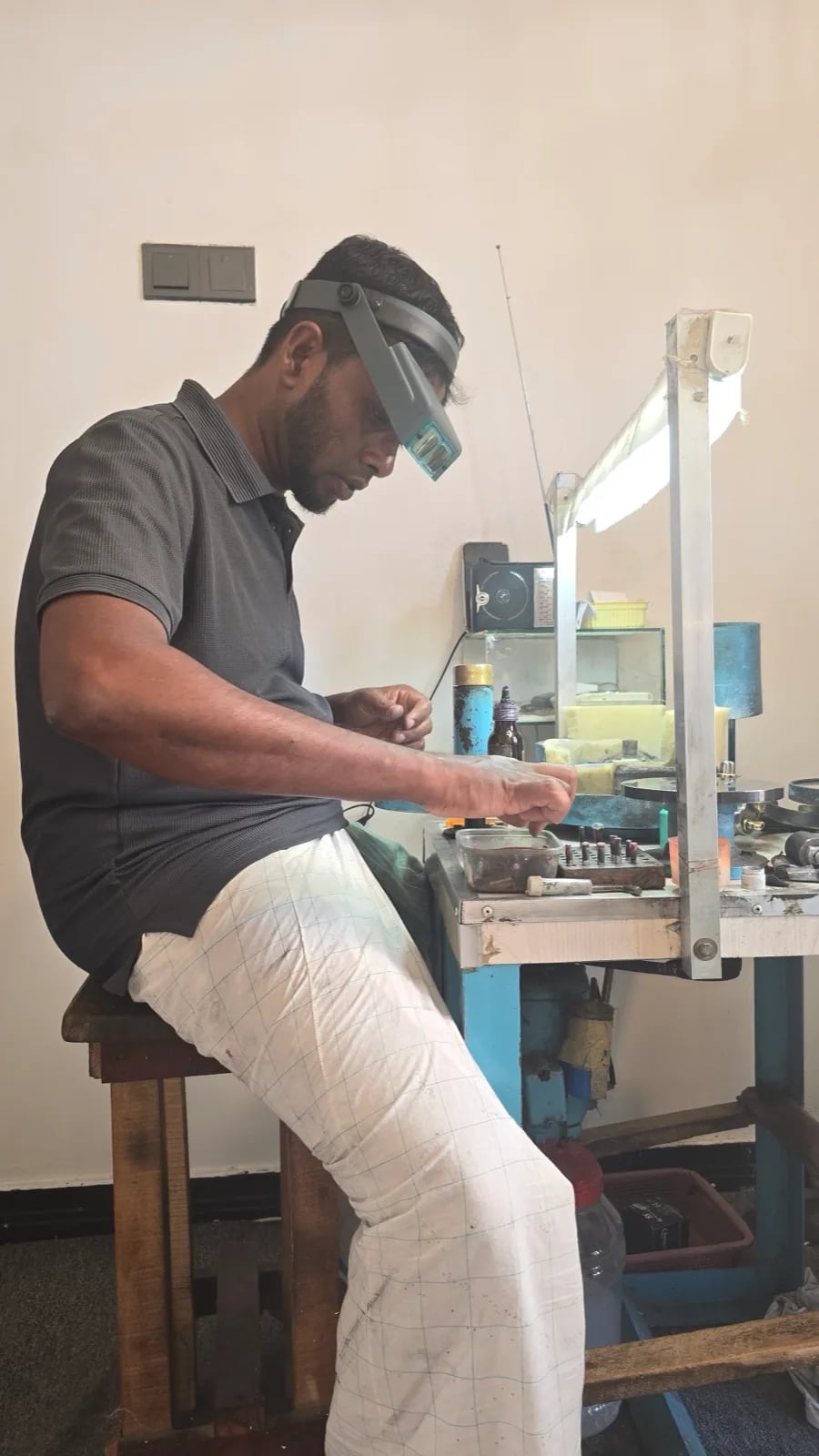
Start With a Stone You Can Actually Inspect
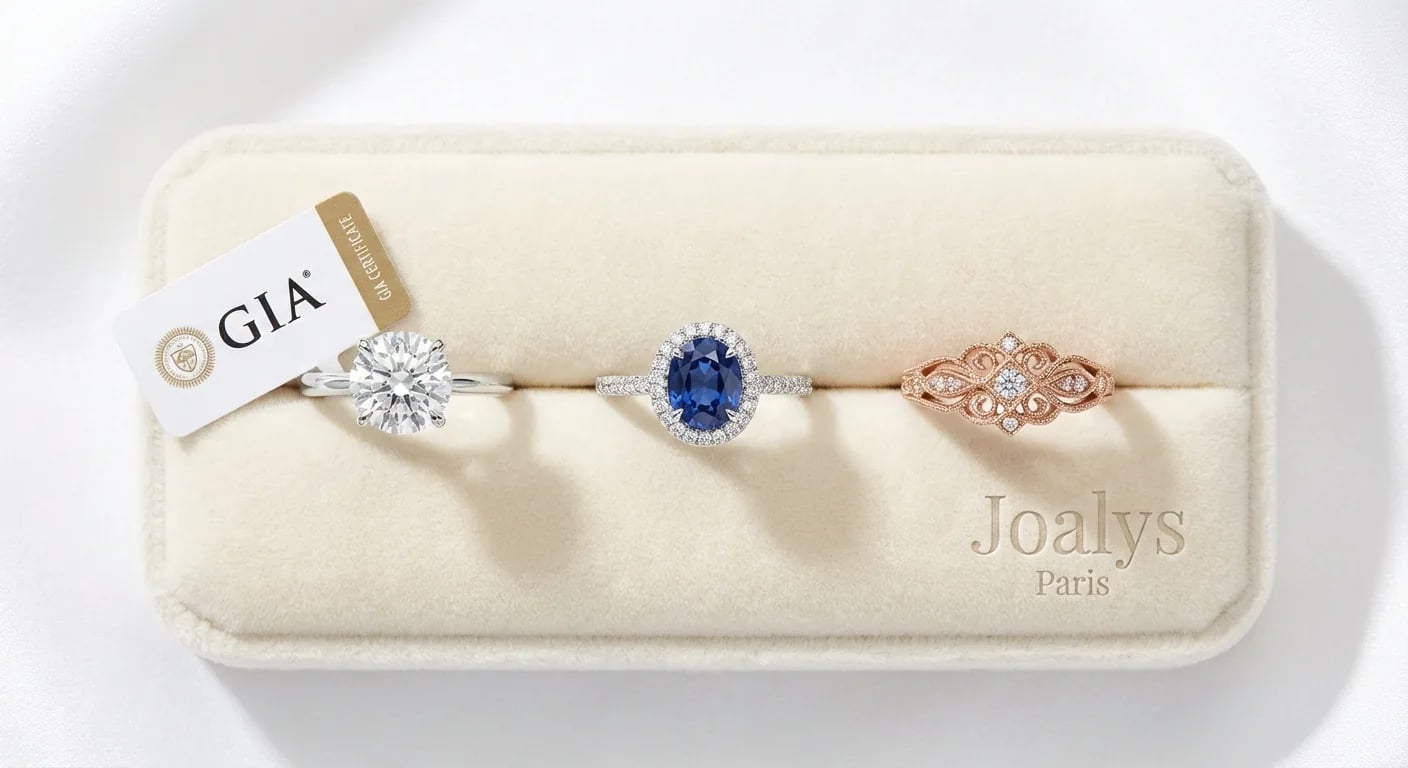
All of the above is easier when you know what you own. At Joalys we work stones first, in three honest steps.
- Choose a certified gemstone. Browse our loose, lab certified stones, sourced direct in Sri Lanka, with the treatment stated.
- Inspect it yourself. Each stone ships in an authentication case, so you check it in hand before anything is set.
- Have it set to order. Once you are sure of the stone, the piece is built around it, set to order.
Frequently Asked Questions
Conclusion
Good jewelry care is less about products than about one piece of information. Find the treatment line on your report, match it to the method, and you will never have to trust a cleaning hack again. Warm soapy water handles almost everything. The ultrasonic is the tool that needs permission.
The same logic applies before you own the piece. Start with a stone you can verify. Browse our certified gemstones, inspect the one you choose in hand, then have it set to order. Treatment stated, nothing hidden in the wording.