JOALYS PARIS

Language & Currency

EUROPE

🇫🇷France
🇧🇪Belgium
🇨🇭Switzerland
🇬🇧United Kingdom
🇩🇪Germany
🇮🇹Italy
🇪🇸Spain
🇵🇹Portugal
🇱🇺Luxembourg
🇷🇺Russia

AMERICA

🇺🇸United States
🇨🇦Canada

ASIA-PACIFIC

🇨🇳China
🇯🇵Japan
🇦🇺Australia

MIDDLE EAST

🇦🇪United Arab Emirates
🇶🇦Qatar
🇸🇦Saudi Arabia
🇴🇲Oman
🇧🇭Bahrain

OTHER LOCATIONS

🌍Other
Guide

Zircon buying guide

Before its name was confused with a synthetic imitation, natural zircon was a coveted gem, prized for a fiery brilliance that often rivals even diamond.

Zircon Quick Facts

PropertyDetails
Gemstone TypeNatural Mineral (Zirconium Silicate), NOT lab-created Cubic Zirconia (CZ)
Hardness (Mohs)6.5 - 7.5 (Good for jewelry, but requires care in rings to avoid chipping)
Brilliance & FireExceptional; rivals diamond due to high refractive index and strong double refraction
Most Valuable ColorBlue (typically from heat-treated brown zircon, a stable and accepted enhancement)
Price Range (Est.)$50 - $400+ per carat, depending on color, clarity, and origin
Key IdentifierDenser than diamond; a 1-carat zircon appears smaller than a 1-carat diamond
Best ForPendants, earrings, and rings with protective settings (e.g., bezel, halo)
zircon buying guide
Before its name was confused with a synthetic imitation, natural zircon was a coveted gem, prized for a fiery brilliance that often rivals even diamond.

Introduction

Before its name was confused with a synthetic imitation, natural zircon was a coveted gem, prized for a fiery brilliance that often rivals even diamond.

A zircon buying guide must first distinguish natural zircon, a zirconium silicate mineral, from its synthetic imitator. Prized for exceptional brilliance and fire, its value depends on the 4Cs, especially its vibrant color and precision cut.

The persistent confusion between this genuine gemstone and its lab-created look-alike creates significant risk for uninformed buyers. Discerning the difference is critical, but the true challenge lies in evaluating a real zircon’s quality. The subtle details that define its fire and value are precisely what this guide reveals.

Natural Zircon vs. Cubic Zirconia: The Critical Difference

The most significant hurdle for prospective zircon buyers is the persistent and unfortunate confusion with its synthetic counterpart, cubic zirconia (CZ). This confusion, rooted in a similarity of name alone, obscures the true identity of a historically important and beautiful natural gemstone. Understanding the fundamental differences between these two materials is the first and most critical step in making an informed purchase. One is a creation of nature with inherent rarity; the other is a mass-produced imitation.

What is Natural Zircon?

Natural zircon is a genuine mineral, a zirconium silicate, that has been mined from the earth for over 4.4 billion years, making it the oldest known mineral on the planet. Historically, it has been prized across civilizations and is one of the traditional birthstones for December.

Its most celebrated quality is a brilliance and fire that can rival that of a fine diamond. This is due to its high refractive index and strong dispersion. Zircon also exhibits strong double refraction, a unique optical property where light splits into two rays as it passes through the gem, creating a fascinating visual depth and sparkle.

What is Cubic Zirconia (CZ)?

Cubic Zirconia (CZ) is a synthetic, lab-created substance made of zirconium dioxide. It has no natural counterpart and was first commercially produced in the 1970s as an inexpensive diamond simulant. While it can appear bright initially, it lacks the nuanced fire and depth of a natural gemstone. As a man-made material, it is mass-produced in factories, possessing no rarity and therefore, very little intrinsic or long-term value.

At-a-Glance Comparison Table

A direct comparison reveals the stark contrasts between these two materials. Professional gemologists use these key identifiers to instantly distinguish a natural treasure from a synthetic imitation.

Characteristic Natural Zircon Cubic Zirconia (CZ)
Origin Mined natural mineral (Zirconium Silicate) Lab-created synthetic (Zirconium Dioxide)
Brilliance & Fire High brilliance with authentic, fiery sparkle Intense, often artificial "rainbow" effect
Hardness (Mohs) 6.5 – 7.5 (similar to tanzanite) 8.5 (harder than zircon, softer than sapphire)
Value & Rarity Value based on natural rarity, color, and quality Minimal value, mass-produced with no rarity
Weight (Density) About 50% denser than diamond About 75% denser than diamond; feels heavy

With these distinctions clear, the focus can shift from avoiding fakes to appreciating the qualities of a genuine zircon. The "stone-first" approach to custom jewelry, such as the Joalys 3-step process, begins with selecting a certified gemstone that meets precise quality standards. This ensures the foundation of the final piece is a gem of verified authenticity and beauty.

Begin your journey by exploring a curated selection of natural, certified zircons, each hand-picked for its exceptional brilliance and color. View the Collection

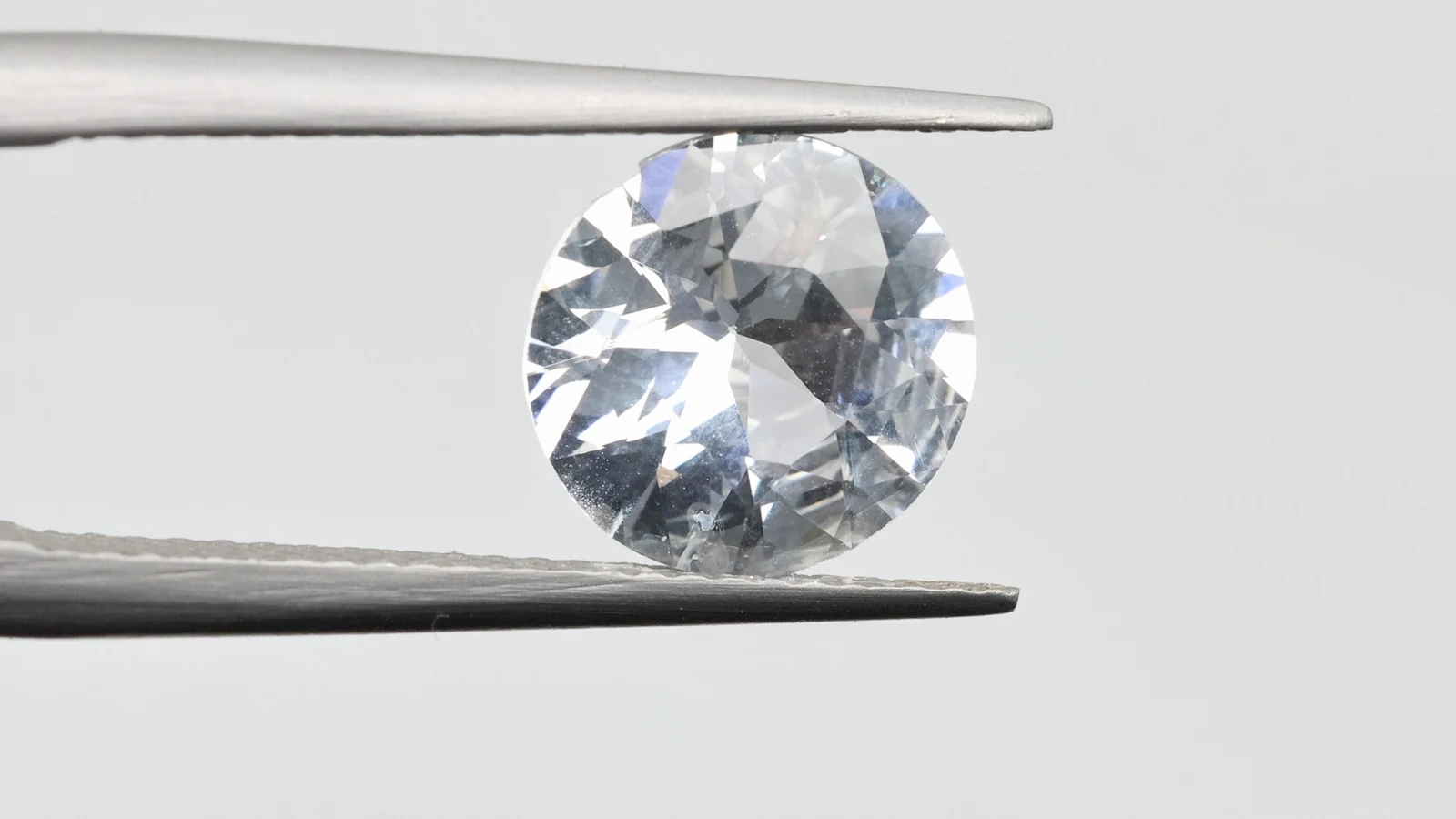
A gemologist's comparison of a natural zircon gemstone next to a synthetic cubic zirconia, highlighting the critical differences in brilliance and fire.

The 4Cs of Zircon: Evaluating Quality Like an Expert

While the "4Cs" framework of Color, Clarity, Cut, and Carat Weight is famously associated with diamonds, its application to colored gemstones like zircon requires expert nuance. For zircon, these factors are not weighted equally. Understanding their specific importance is key to identifying a truly exceptional gem that showcases the stone's signature brilliance and fire.

Color: The Most Important Value Factor

For natural zircon, color is the undisputed king of value. The intensity, purity, and saturation of its hue are the primary drivers of its desirability and price. While zircon is found in a beautiful spectrum of earthy reds, yellows, and browns, certain colors command the market.

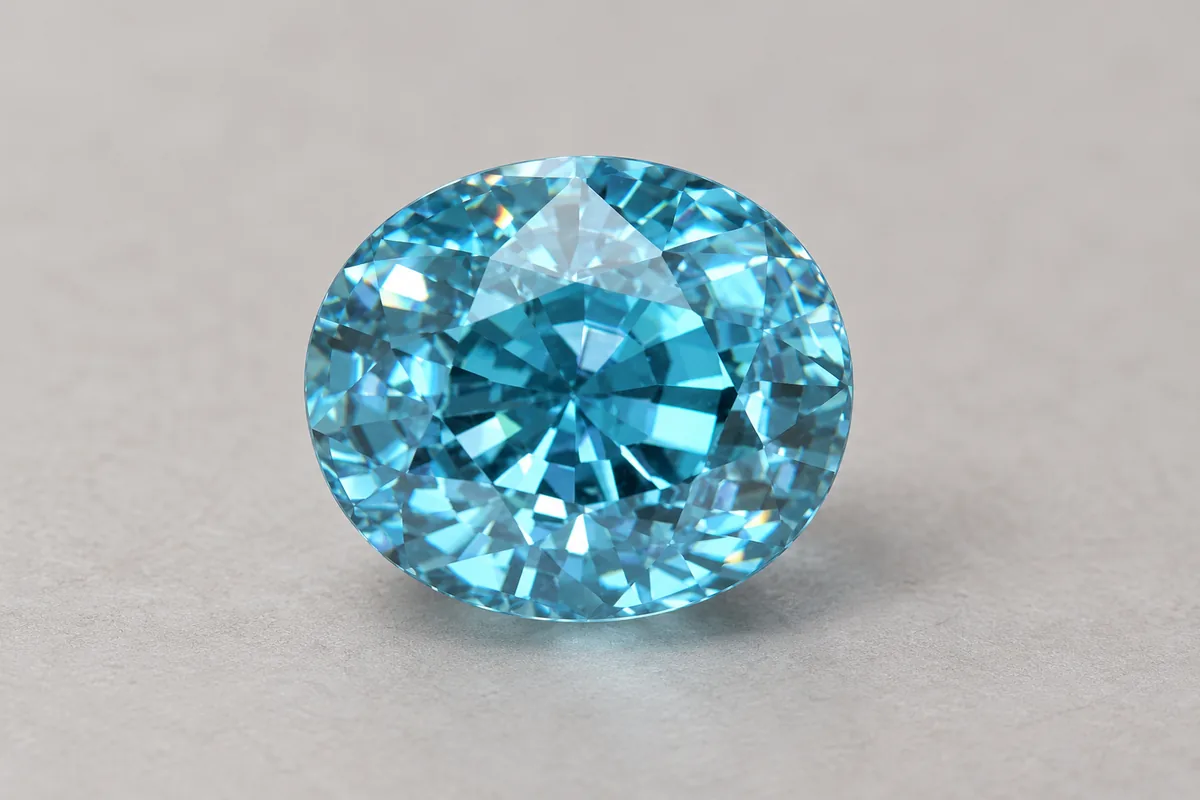
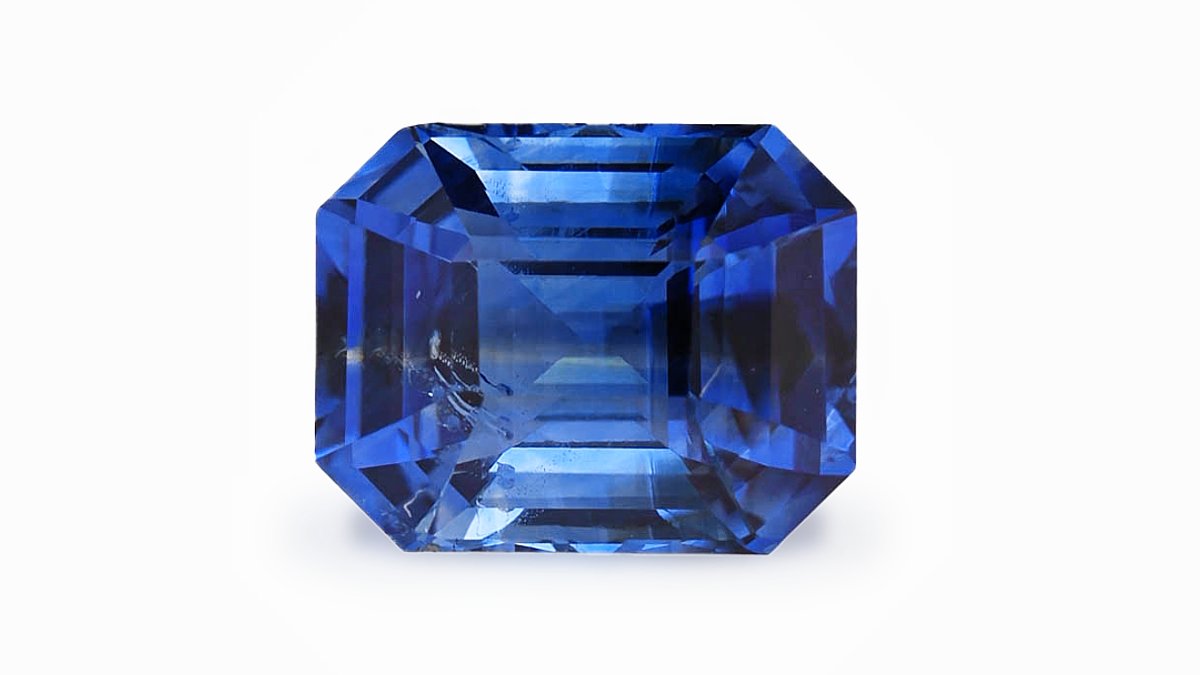
  • Blue Zircon: The most popular and valuable variety, prized for its vibrant, electric blue hues that range from pastel sky blue to deep London blue. It is important for buyers to know that this coveted color is typically achieved through the gentle and stable heat treatment of brown zircon. This is a standard and fully accepted practice in the gem trade.
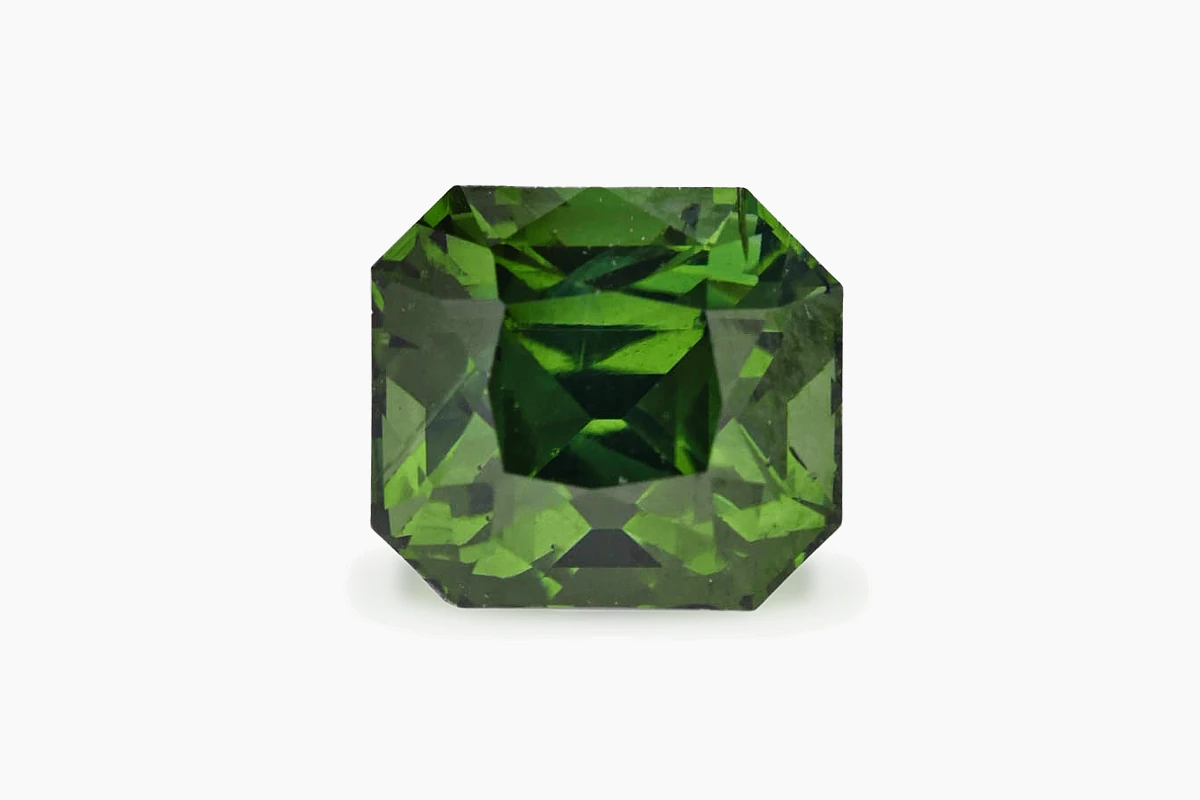
  • Other Notable Colors: Fiery, reddish-brown zircons, historically known as "hyacinth," are highly sought after. Colorless or "white" zircon is also valued for its exceptional brilliance, which made it a popular natural alternative to diamond for centuries. Rich honey, yellow, and green specimens also have a strong following among collectors.

Ultimately, the best color is a matter of personal preference, but gemologists agree that a vivid, evenly distributed color saturation is the mark of a top-quality stone.

Clarity: The Eye-Clean Standard

Zircon is classified by the Gemological Institute of America (GIA) as a Type I gemstone, meaning it is typically "eye-clean." This classification indicates that high-quality specimens are expected to be free of inclusions visible to the naked eye. Unlike gems such as emerald, where inclusions are often part of the stone's character, visible flaws in a zircon will significantly decrease its value.

When evaluating a zircon, look for a transparent, crystalline appearance. The presence of any noticeable clouds, fractures, or mineral crystals will not only detract from its beauty but also inhibit its ability to reflect light, dulling its potential fire.

Cut: Unleashing Zircon's Inner Fire

A precision cut is absolutely critical for zircon. The gem's high refractive index gives it world-class brilliance, but its strong double refraction can cause a "fuzzy" or out-of-focus appearance if not managed by a skilled lapidary. A master cutter will orient the stone to minimize this effect when viewed from the top.

The preferred style is a modified brilliant cut, often called a "zircon cut," which features an extra row of facets along the bottom edge (pavilion). This specific cut is designed to enhance the stone's natural fire and scintillation. A well-cut zircon will display a dazzling mosaic of light, while a poorly cut one will appear lifeless, regardless of its color or clarity. The quality of the cut is just as important as the color, making it a crucial factor in any birthstone jewelry selection.

Carat Weight: Understanding Density

A common point of confusion for buyers is the relationship between zircon's carat weight and its physical size. Zircon is a dense mineral, meaning it is heavier than many other gemstones of the same dimensions.

For example, a 1-carat zircon will appear visibly smaller than a 1-carat diamond. This is why expert jewelers and gemologists often refer to a stone's measurements in millimeters (mm) rather than its carat weight alone. When choosing a zircon for a specific setting, it is essential to consider its dimensions to ensure it fits the design properly.

Gemstone Approx. Diameter for 1 Carat Round Stone
Zircon ~5.5 mm
Diamond ~6.5 mm
Sapphire ~6.0 mm

This density means that for the same visual size, a zircon will have a higher carat weight than a sapphire or diamond. Buyers should prioritize the stone's face-up appearance and millimeter dimensions over a target carat weight.

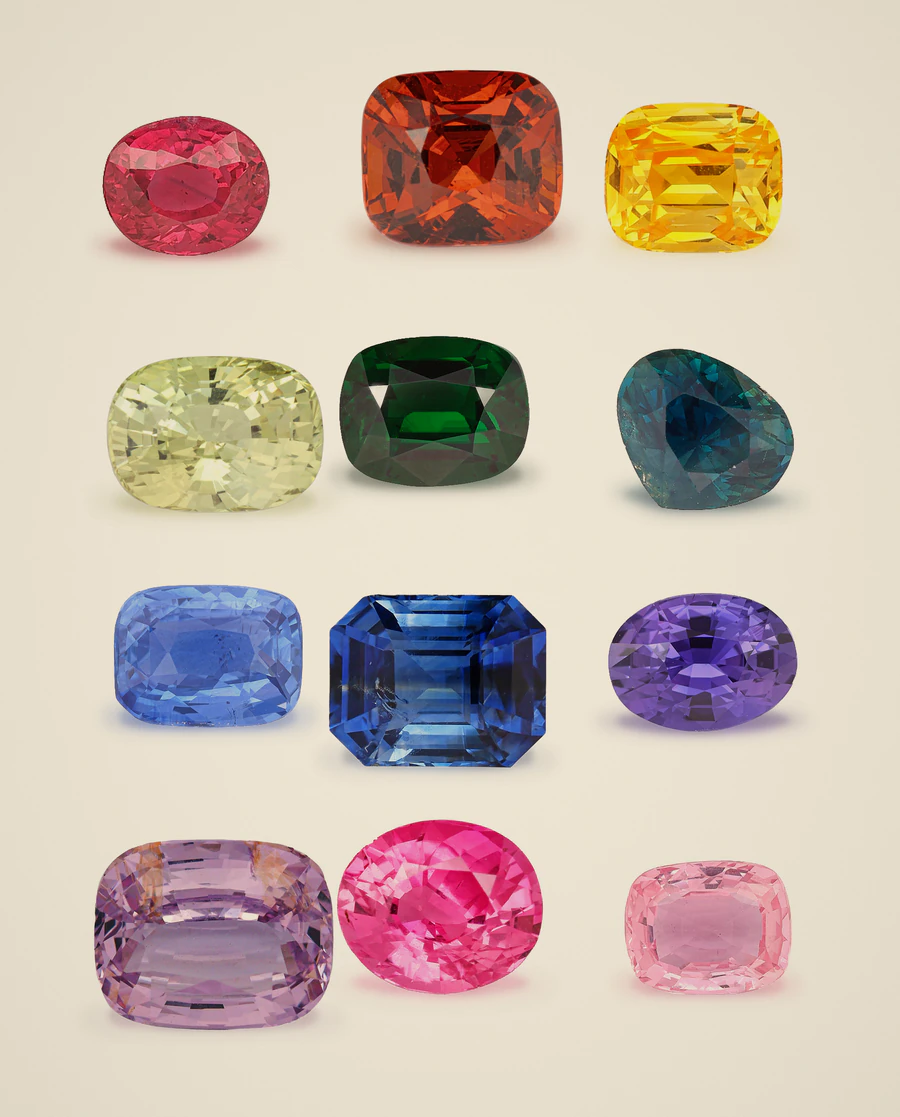
A collection of loose, high-quality natural zircons in various colors including blue, red, and white, illustrating the importance of color in the zircon buying guide.

Zircon Price Guide & Heirloom Potential

Understanding the market value of zircon is essential for making a confident purchase. Unlike heavily standardized gems, zircon's price is influenced by a dynamic interplay of color, rarity, and origin. This section provides a clear framework for evaluating zircon's cost and its potential as a lasting asset. While it offers exceptional beauty for its price, the finest specimens are rare and command respect from collectors and connoisseurs alike.

Zircon Price-Per-Carat

The price of zircon is most significantly determined by its color. The vibrant blue hues, achieved through standard heat treatment, are the most commercially popular and typically fetch the highest prices. However, rare, untreated zircons in fiery reds or rich greens can be equally or even more valuable. Clarity and cut quality also play crucial roles; a brilliantly faceted, eye-clean stone will always be worth more than a poorly cut or included one.

Below is a general guide to market prices for well-cut, eye-clean zircon gemstones. Prices can fluctuate based on market demand and the specific provenance of the stone.

Zircon Variety Quality & Size Estimated Price Per Carat (USD)
Blue Zircon Fine Quality, 1-5 carats $150 - $400
White/Colorless Zircon Fine Quality, 1-5 carats $75 - $200
Red & Orange Zircon Fine Quality, 1-5 carats $100 - $350
Green & Yellow Zircon Fine Quality, 1-5 carats $100 - $300

These price points demonstrate that zircon offers a remarkable value proposition, providing a level of brilliance and fire comparable to a diamond at a fraction of the cost.

Is Zircon a Good Investment?

While gemstones should primarily be purchased for their beauty and personal significance, the question of long-term value is valid. It is important to distinguish between a commodity investment, like gold, and an asset with collectible value. Natural zircon falls into the latter category.

Most commercially available zircons are not considered a financial investment that will appreciate rapidly. However, certain types hold their value exceptionally well and are highly sought after by collectors:

  • Untreated Specimens: Zircons with exceptional natural color that have not undergone any heat treatment are extremely rare and valuable.
  • Specific Origins: Stones from historical sources, such as Cambodia or Sri Lanka, known for producing top-quality material, often carry a premium.
  • Large, Clean Stones: High-quality zircons over 10 carats are exceptionally scarce and prized on the collector's market.

For most buyers, zircon's true value lies in its status as an "heirloom asset." It is a rare, beautiful, and durable natural gemstone that can be set in fine jewelry and passed down through generations. Choosing a high-quality zircon means acquiring a piece of Earth's ancient history, making it a meaningful choice among the world's many birthstone stones. This intrinsic rarity and beauty ensure it will always be treasured, unlike mass-produced synthetics.

Transform a fine zircon into a future heirloom. The Joalys 3-step custom design process begins with selecting your perfect certified gemstone. Start Your Design

The durability of zircon, while good, requires mindful setting choices to protect this heirloom potential. Unlike extremely hard gems such as sapphire, zircon's faceted edges can be susceptible to chipping with rough wear, a factor that is easily managed with the right jewelry design.

A stunning natural zircon ring presented as an heirloom asset, symbolizing its lasting value and investment potential as discussed in the price guide.

Zircon in Jewelry: A Guide to Settings & Durability

Choosing a zircon is only the first step; translating its fiery brilliance into a lasting piece of jewelry requires an understanding of its physical properties. While its beauty is undeniable, zircon's durability profile necessitates thoughtful design and setting choices to ensure it remains pristine for generations. Proper selection protects the gemstone, maximizes its visual appeal, and secures its place as a potential heirloom.

Hardness and Everyday Wear

Natural zircon has a hardness ranging from 6.5 to 7.5 on the Mohs scale. This places it in a similar category to gemstones like tanzanite and peridot. While this level of hardness is sufficient for most types of jewelry, it is not as resistant to scratches and abrasion as exceptionally hard stones like sapphire (9) or diamond (10).

Key considerations for wearability include:

  • Toughness: Zircon can be somewhat brittle, meaning its facet edges may be prone to chipping if subjected to a sharp impact.
  • Rings: For rings, which are exposed to frequent knocks, zircon is best suited for occasional wear or for individuals with a low-impact lifestyle. It is generally not recommended for a primary engagement ring that will be worn daily during rigorous activities.
  • Pendants and Earrings: Zircon is an excellent and highly durable choice for earrings and pendants. These jewelry types are naturally protected from the kind of impacts that rings endure, making them ideal for showcasing the gem's beauty without significant risk.

Best Settings for Protection and Brilliance

The jewelry setting is the most critical factor in protecting a zircon. The right design choice creates a balance between security and light performance, safeguarding the gem while allowing its signature fire to shine. Professional gemologists recommend specific settings based on the jewelry type and the wearer's lifestyle.

A comparison of common settings highlights this balance:

Setting Type Level of Protection Brilliance & Light Exposure Recommended Use Case
Bezel Setting Excellent Good The metal rim fully encircles the gem, offering maximum protection against chips. Ideal for rings intended for frequent wear.
Halo Setting Very Good Excellent A frame of smaller stones provides a protective buffer for the center zircon while adding significant sparkle. A popular choice for rings.
Prong Setting Good Maximum Lifts the stone to allow light to enter from all angles. Best for earrings, pendants, and rings worn with care. Six prongs offer more security than four.
V-Prong Setting Excellent (for corners) Very Good Essential for protecting the vulnerable points of fancy shapes like princess or marquise cuts.

For those creating custom birthstone jewelry, a bezel or halo setting for a ring offers the best combination of security and style. For pendants and earrings, a classic prong setting is often preferred to maximize the gem's dazzling light return.

Care and Maintenance Guidelines

Proper care is essential to maintaining zircon's luster. Due to its properties, certain standard cleaning methods should be avoided.

  • Cleaning: The safest method is to use warm water, mild dish soap, and a very soft toothbrush. Gently scrub behind the stone where dirt can accumulate and rinse thoroughly.
  • Avoid Harsh Cleaners: Ultrasonic and steam cleaners are not recommended for zircon. The intense vibrations and heat can potentially damage the stone, especially if it has internal fractures or has undergone heat treatment.
  • Storage: Store zircon jewelry separately to prevent scratching from harder gems. It should never be stored in direct contact with a diamond or corundum gems like ruby and sapphire. A soft pouch or a fabric-lined jewelry box with individual compartments is ideal. Just like an emerald, careful storage is key to its longevity.
A close-up of a blue zircon ring in a protective bezel setting, demonstrating the best jewelry settings for zircon's durability and brilliance.

How to Buy Zircon Online with Confidence

Purchasing a fine gemstone online offers unparalleled selection, but it requires a discerning eye and a clear methodology. Without the ability to inspect a stone in person, buyers must rely on verifiable data, high-quality visuals, and the trustworthiness of the vendor. A systematic approach, focused on certification, visual evidence, and identifying common red flags, is the key to acquiring a brilliant, authentic zircon with complete assurance.

Verifying Authenticity and Quality

The digital marketplace demands a higher standard of proof. When evaluating a zircon online, professional gemologists prioritize two key areas: independent certification and comprehensive visual documentation.

  • Gemological Certification: For significant purchases, a report from a reputable gemological laboratory like the GIA (Gemological Institute of America) provides an unbiased assessment of the gemstone's identity, origin, dimensions, and any treatments. While not common for all zircons, certification is a powerful guarantee of authenticity for high-value specimens, similar to the standard practice for a fine diamond.
  • High-Quality Media: Reputable vendors provide high-resolution, color-accurate photos and, ideally, 360-degree videos. This is non-negotiable. Videos are particularly crucial for assessing zircon's brilliance, fire, and double refraction. The visuals should be taken in neutral, diffused lighting to show the stone's true color without enhancement.

5 Critical Red Flags to Avoid

Navigating the online market involves recognizing warning signs that may indicate low quality or misrepresentation. An informed buyer should be vigilant for these five common red flags:

  1. Vague or Ambiguous Descriptions: Listings that use generic terms like "blue stone" or fail to specify "natural zircon" are a major concern. A precise description will always differentiate the stone from cubic zirconia and detail its key characteristics.
  2. Unrealistically Low Prices: While zircon offers excellent value, prices that seem too good to be true often are. These can indicate a synthetic stone, a heavily included gem, or a poor cut that severely compromises its beauty.
  3. Lack of Unedited Visuals: Sellers who only provide digitally rendered images or a single, retouched photo should be approached with caution. True quality is evident in unedited videos that showcase the gem's performance in motion.
  4. No Mention of Treatments: The heat treatment used to achieve the popular blue color in zircon is a standard and stable enhancement. Reputable sellers are transparent about this process. A lack of disclosure regarding any treatments is a significant red flag, just as it would be for a heat-treated sapphire.
  5. Absence of a Clear Return Policy: A trustworthy vendor will stand behind their product with a clear, fair return policy. This provides the buyer with the ultimate security, allowing them to have the gemstone independently appraised upon receipt.

The Value of a Curated Collection

Sourcing exceptional zircon requires deep gemological expertise to navigate mines, cutters, and international markets. This is why many discerning buyers choose to purchase from a curated collection. In this model, gemologists pre-select only the finest stones, vetting each one for superior color, eye-clean clarity, and a precision cut that maximizes its fire.

This "stone-first" approach ensures that the foundation of any piece of jewelry is a gemstone of verified quality. It removes the burden of sourcing from the buyer, allowing them to focus on the creative aspect of the design. When selecting from a range of birthstone stones for a custom piece, starting with a pre-vetted, top-tier gem is the most reliable path to a successful outcome.

Eliminate the guesswork and begin your journey by exploring a curated collection of natural, certified zircons, each hand-selected for its exceptional brilliance and color. View the Collection

A sophisticated woman confidently wearing a brilliant natural zircon pendant, representing a smart and beautiful purchase made after consulting the buying guide.

Zircon vs. Other Diamond Alternatives: A Value Breakdown

For buyers seeking a brilliant, colorless gemstone, natural zircon competes in a market with several other popular alternatives to diamond. Each option presents a unique combination of optical properties, durability, origin, and value. An objective, data-driven comparison is essential for a buyer to align their priorities, whether they value natural rarity, exceptional fire, or maximum durability, with the right gemstone.

The primary contenders alongside zircon are lab-created moissanite and natural white sapphire. Evaluating them against the benchmark of a natural diamond reveals distinct advantages and trade-offs for each choice.

A Gemological Comparison of Diamond Alternatives

This table breaks down the key performance metrics and characteristics that gemologists use to differentiate between these popular colorless gemstones. The data highlights why certain stones are chosen for specific properties, such as fire or hardness.

Characteristic Natural Zircon Moissanite Natural White Sapphire Natural Diamond
Origin Natural Mined Gemstone Lab-Created (Synthetic) Natural Mined Gemstone Natural Mined Gemstone
Brilliance (RI) 1.93 – 1.98 (Very High) 2.65 – 2.69 (Extreme) 1.76 – 1.77 (High) 2.42 (Exceptional)
Fire (Dispersion) 0.039 (Strong) 0.104 (Extreme) 0.018 (Low) 0.044 (Very Strong)
Durability (Mohs) 6.5 – 7.5 (Good) 9.25 (Excellent) 9 (Excellent) 10 (Exceptional)
Price (Approx.) $$ $$$ $$$$ $$$$$

Interpreting the Data: Zircon's Unique Position

The analysis reveals that each gemstone occupies a specific niche. Moissanite, a lab-created stone, offers the most extreme brilliance and fire, even surpassing diamond, coupled with excellent durability. Natural white sapphire provides outstanding hardness and a natural origin but exhibits very little fire, resulting in a bright, steely white sparkle rather than colorful flashes.

Natural zircon stands out by offering a compelling balance of key attributes. It is one of the few natural birthstone stones that delivers a level of fire, or dispersion, that is remarkably close to that of a diamond. For the buyer who prioritizes a natural origin and brilliant, fiery sparkle over absolute hardness, zircon presents an unparalleled value proposition in the world of diamond alternatives.

Frequently Asked Questions

No, natural zircon is a distinct, earth-mined mineral (zirconium silicate). Cubic zirconia (CZ) is a synthetic, lab-created diamond simulant (zirconium dioxide) with no natural counterpart. They are chemically and structurally different.
Natural zircon exhibits strong double refraction and unique optical properties, often showing wear on facet edges. Cubic zirconia is singly refractive, has no double refraction, and typically appears flawless without such wear.
Blue zircon is natural, but its vibrant blue color is typically achieved through gentle, stable heat treatment of brownish-red zircon. This is a widely accepted and permanent enhancement in the gemstone industry.
Natural zircon exhibits a wide color spectrum, including popular blues, fiery reds, warm yellows, greens, and colorless varieties. Its intense brilliance enhances each hue, making it highly versatile.
Color is paramount, especially for blue zircon, followed by an expert cut that maximizes its unique brilliance. Clarity should be eye-clean, meaning no visible inclusions to the naked eye.
Zircon possesses a high refractive index and strong dispersion, giving it exceptional brilliance and "fire" that can rival or even exceed diamond. Its unique double refraction adds distinctive sparkle.
Zircon has a Mohs hardness of 6.5-7.5, making it suitable for rings worn with care. While durable for most jewelry, it can be prone to chipping if subjected to hard knocks or daily heavy wear.
While not a commodity, rare, high-quality natural zircons, especially untreated or specific colors, hold their value and are sought by collectors. They are considered beautiful heirloom assets rather than speculative investments.
Seek reputable sellers who provide detailed gemological reports or certification from recognized laboratories like GIA or IGI for high-value stones. Examine high-resolution photos and detailed descriptions for transparency.
Natural zircon's sparkle is inherent and permanent. However, dirt, oils, and scratches on the surface can diminish its brilliance. Regular, gentle cleaning and proper care maintain its fiery appearance. Still have questions about zircon buying guide? Our gemstone experts provide personalized guidance. Schedule a Free Consultation | Explore Our Collection

Conclusion

Mastering the zircon buying guide means recognizing natural zircon as a distinct and valuable gemstone, entirely separate from its synthetic counterpart. Its true worth is revealed through its vibrant color, eye-clean clarity, and a precision cut designed to unleash its signature fiery brilliance. This knowledge empowers buyers to select a gem with confidence, appreciating its unique history and optical beauty.

Armed with this expertise, the path to acquiring an exceptional zircon is clear. Joalys streamlines this journey with a unique three-step approach that prioritizes certainty and personal vision. The process begins when you select your certified gemstone from a curated collection of the finest natural zircons. The chosen gem is then delivered in a luxury authentication case, allowing for independent verification before you commit to a final piece. When you are ready, you can then proceed to design your custom setting, ensuring the final creation is perfect. For those seeking tailored advice or a completely bespoke experience, the next step is to speak with our expert gemologists to transform your knowledge into a tangible, heirloom-quality treasure.

Expert Certification

Bilal Ahmed Mahir - Certified Gemmologist
GIA

Bilal Ahmed Mahir

Certified Gemmologist GIA

GIA-certified gemmologist with extensive experience in fine gemstone evaluation. As JOALYS's lead expert, Bilal ensures every stone meets the highest standards of quality, authenticity, and ethical sourcing.

GIA Certified Professional
Expert in Colored Gemstones
JOALYS Lead Gemmologist
Expert-Verified ContentThis article has been reviewed and certified by a qualified gemological professional