Cream Colored Gemstones: Your Complete Guide to Neutral Luxury
Discover the sophisticated allure of cream colored gemstones. From pearls to durable sapphires, our guide reveals the perfect neutral alternative to diamonds. Learn more.
Quick Facts: Cream Colored Gemstones
| Property | Details |
|---|---|
| Color Spectrum | Ivory, Vanilla, Champagne, Ecru |
| Most Durable Option | Cream Sapphire (Mohs 9) |
| Most Classic Option | Pearls (Akoya, South Sea, Freshwater) |
| Optical Phenomena | Adularescence (Moonstone), Play-of-Color (Opal) |
| Common Meanings | Purity, peace, understated elegance |
| Metal Pairings | Yellow Gold (warmth), Rose Gold (softness), Platinum (contrast) |
| Care Level | Varies; Pearls/Opals require high care, Sapphires low care |

Introduction
Imagine a gemstone that captures the warm glow of candlelight or the soft neutrality of antique lace. It’s not a diamond, and that is precisely its power.
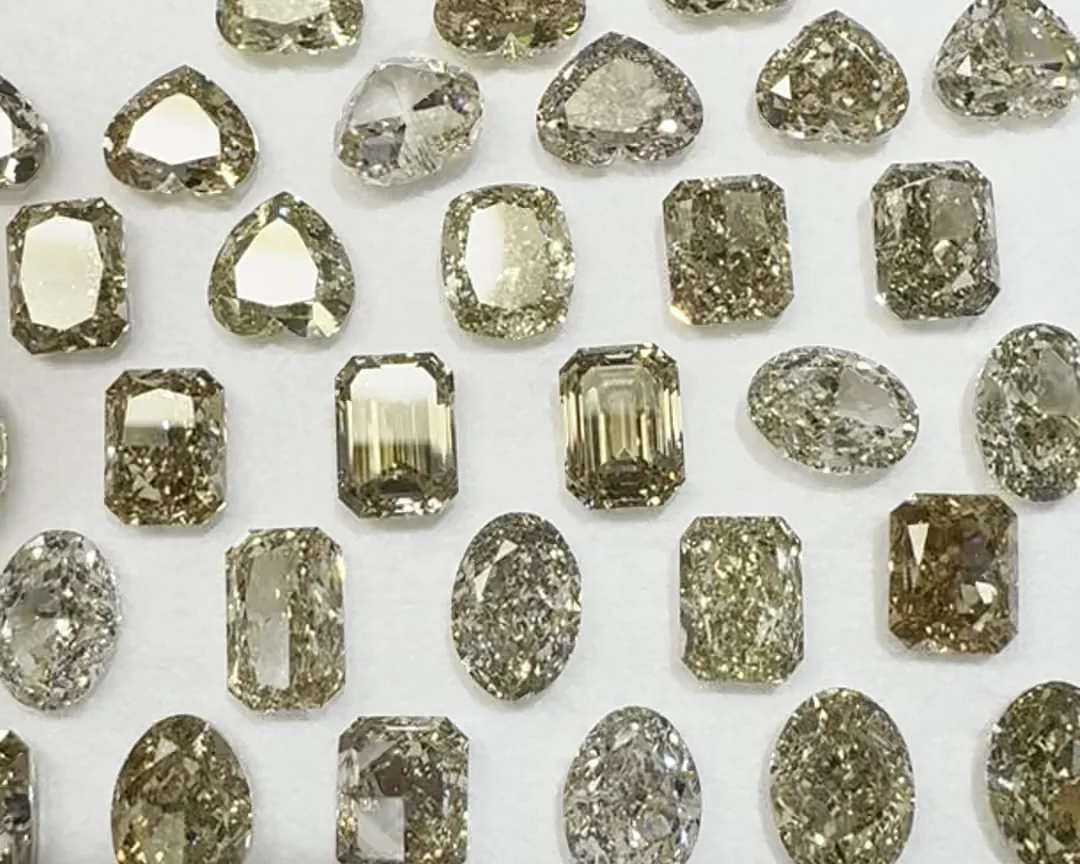
Cream colored gemstones offer a sophisticated, neutral alternative to traditional white diamonds, ranging from classic pearls to durable sapphires. This category includes organic gems like South Sea pearls and mineral varieties such as moonstone, opal, and champagne zircon, valued for their unique optical effects and versatility.
In an era defined by quiet luxury, these understated stones are experiencing a significant surge in popularity. They provide a unique way to express personal style without shouting. Beyond aesthetic appeal, understanding key differences in durability and origin is vital for making an informed choice. Ready to discover the durable alternative that outlasts a pearl for daily wear?
The Essential Takeaway
Cream colored gemstones include pearls, moonstone, cream sapphire, opal, morganite, jade, and citrine. Cream sapphire (Mohs 9) is the most durable option for everyday rings. South Sea pearls remain the most valuable cream gem. Moonstone offers the best value under $100 per carat. All cream gems pair beautifully with yellow gold, rose gold, or platinum settings.
Defining the Hue: The Spectrum of "Cream" in Gemstones
To fully appreciate cream colored gemstones, one must first understand that "cream" is not a singular, monolithic color. It is a sophisticated spectrum of neutral hues, ranging from cool, crisp tones to deep, warm shades. The specific appearance of these neutral toned gemstones is influenced by a complex interplay of the mineral's inherent body color, its transparency, and any optical phenomena it might possess.
More Than Just "Off-White"
In the world of fine jewelry, "cream" describes a rich palette that moves far beyond simple off-white. This color group includes several distinct nuances, each offering a different aesthetic and level of warmth. Professional gemologists often categorize these subtle variations to better describe a stone's true character.
| Hue Variation | Description | Common Examples |
|---|---|---|
| Ivory | A cool, smooth white with the faintest hint of yellow, offering a stark yet soft elegance. | Cream Jade, certain pearls |
| Vanilla | A distinctively warmer, richer yellowish-white, reminiscent of fresh dairy cream. | South Sea Pearls, some Moonstones |
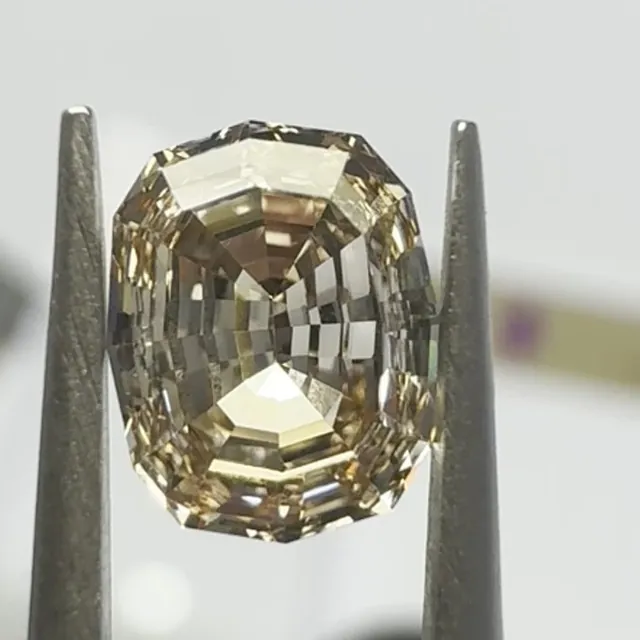
| Champagne | A deeper hue blending yellow and brown with white, often appearing highly saturated. | Champagne Sapphire, Zircon |
| Ecru | A neutral, slightly desaturated yellowish-gray, akin to the color of unbleached linen. | Specific Opals, Scapolite |
Understanding these distinctions is vital, as a cool ivory stone will pair differently with metals and skin tones than a warm vanilla or deep champagne gem.
The Role of Light and Transparency
A gemstone's degree of transparency-whether it is transparent, translucent, or opaque-profoundly impacts how its cream color is perceived.
Transparent gemstones, like a faceted cream sapphire or danburite, handle light efficiently. Light enters the stone, reflects off internal facets, and returns to the eye, often mixing the cream body color with flashes of white light (brilliance) or spectral colors (fire). This interaction can make the color appear lighter or more dynamic.
Conversely, opaque stones, such as cream jade or certain pearls, absorb or scatter light at the surface. Their color appears more solid, uniform, and saturated. Translucent stones, like moonstone, occupy the middle ground, allowing light to pass through softly, often creating a glowing effect that diffuses the cream hue.
Furthermore, the lighting environment is critical. Incandescent light, which is warmer, will emphasize the yellow and brown notes in vanilla or champagne gems. Daylight, being cooler, may make these same stones appear slightly paler or bring out any hidden gray tones, a crucial consideration for buyers selecting a piece for specific occasions.

A Curated Gallery of Cream Colored Gemstones
The world of cream colored gemstones is vast, offering options ranging from classic organic treasures to durable mineral alternatives. Each variety possesses unique characteristics, optical effects, and historical significance that appeal to different aesthetic preferences and functional needs. This curated gallery explores the most prominent examples, providing essential insights for the discerning observer.
The Organic Classic: Pearls
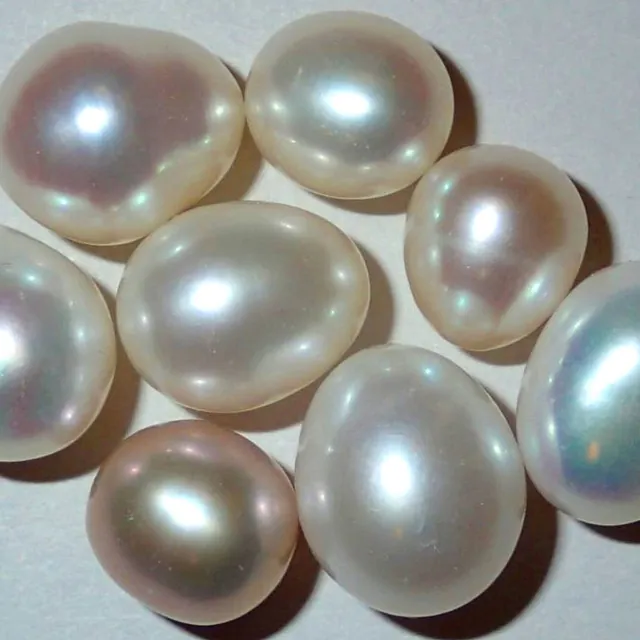
Pearls remain the quintessential cream colored gem, valued for centuries for their soft, warm glow and natural origin. Unlike minerals formed deep within the earth, pearls are organic, created inside the shells of certain mollusks. While they come in various colors, the cream hues are among the most classic and sought after.
Several types of cultured pearls are renowned for their beautiful cream shades:
- Akoya Pearls: Primarily produced in Japan, Akoya pearls are known for their perfectly round shape and mirror-like luster. While often white, they frequently exhibit desirable cream overtones that add depth and warmth.
- South Sea Pearls: Hailed as the "queen of pearls," these are among the largest and most valuable. Cultured in Australia, Indonesia, and the Philippines, they can display stunning deep cream and golden-cream colors, accompanied by a thick nacre and satiny luster.
- Freshwater Pearls: Offers the widest range of shapes and colors, including numerous cream shades. They are generally more accessible, making them a popular choice for versatile jewelry designs.
The value of cream pearls is heavily influenced by their luster-the intensity of light reflection from the surface-and the cleanliness of their surface.
The Ethereal Glow: Moonstone
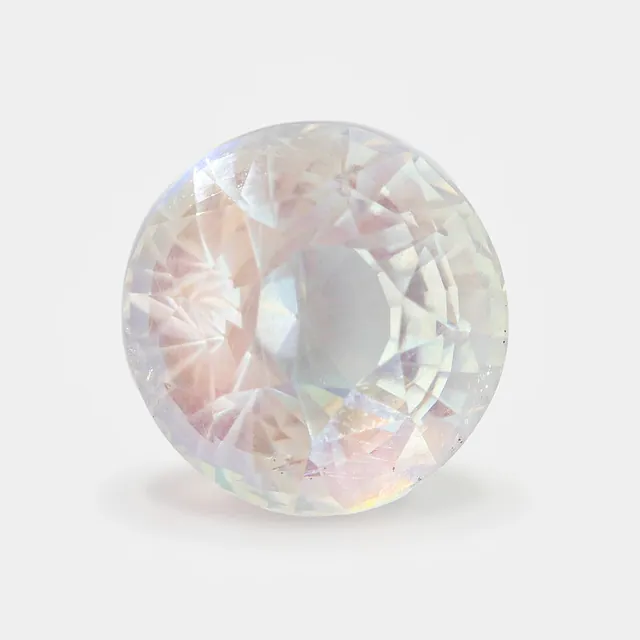
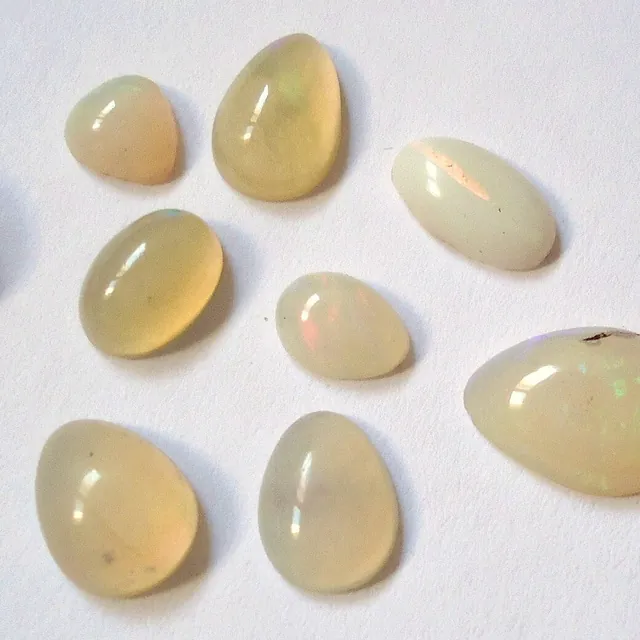
Moonstone, a variety of feldspar, is celebrated for its captivating optical phenomenon known as adularescence. This effect appears as a billowy, shimmering light-often white or blue-that seems to glide across the stone's surface as it moves.
While the blue sheen is highly coveted, the underlying body color of moonstone can range from colorless to beautiful, creamy whites, peaches, and even gray. Cream moonstone provides a soft, warm background that beautifully complements the adularescence, creating an ethereal and mysterious appearance. To maximize this phenomenon, moonstones are almost exclusively cut into smooth, polished domes called cabochons.
Intrigued by the unique glow of moonstone? Learn how Joalys enables you to select the perfect stone first for your custom design.
The Durable Alternative: Cream Sapphire
For those seeking the sophisticated look of a cream gemstone with superior durability, sapphire is an exceptional choice. While famous for its blue variety, the mineral corundum occurs in a spectrum of colors, known as fancy sapphires.
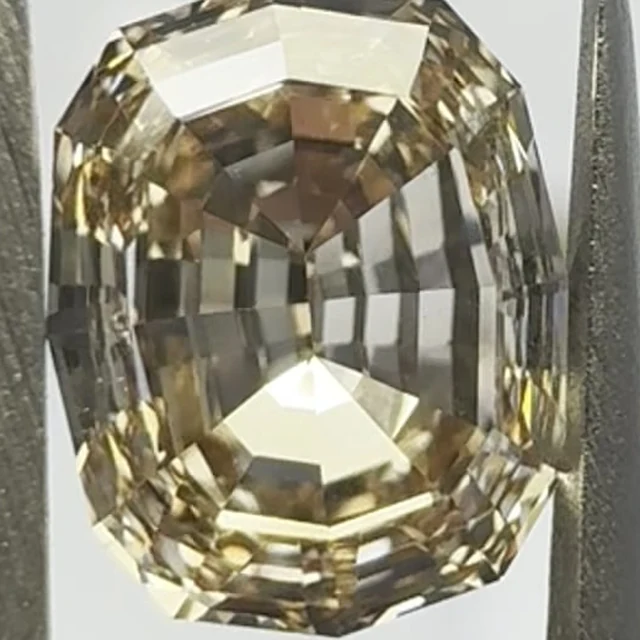
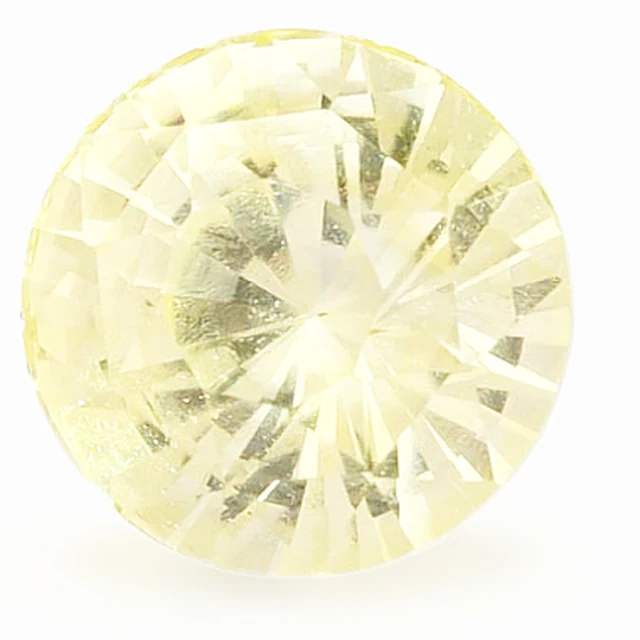
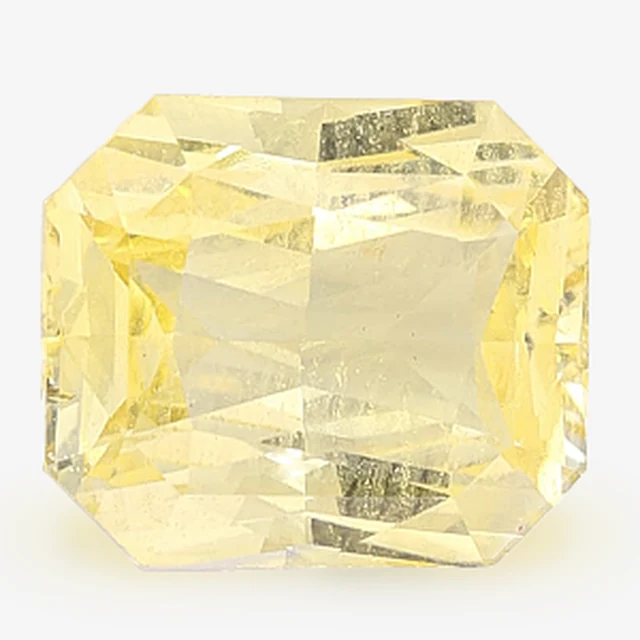
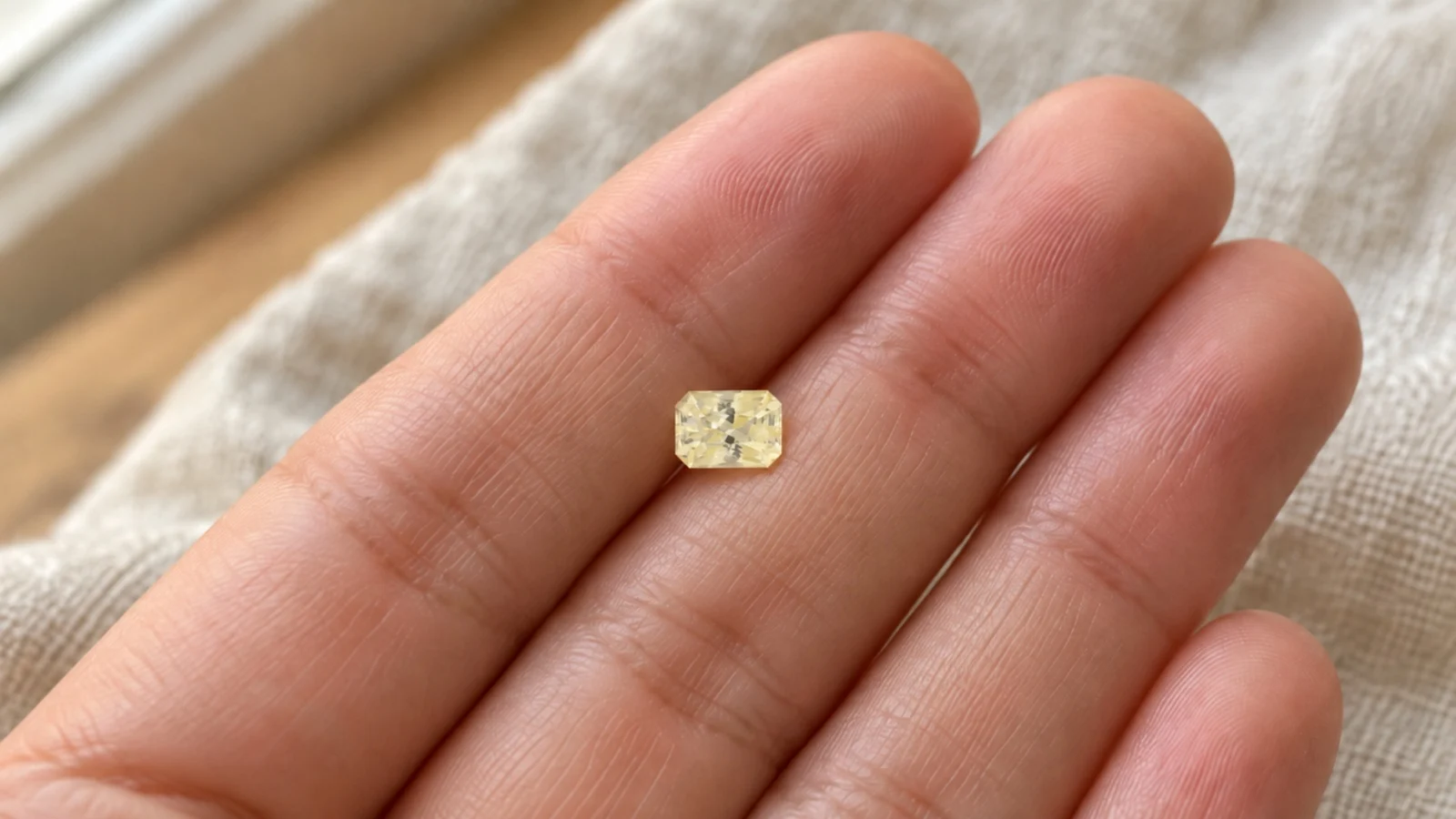
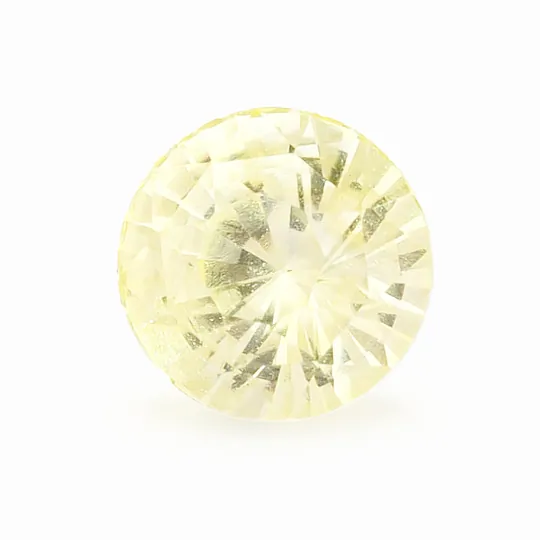
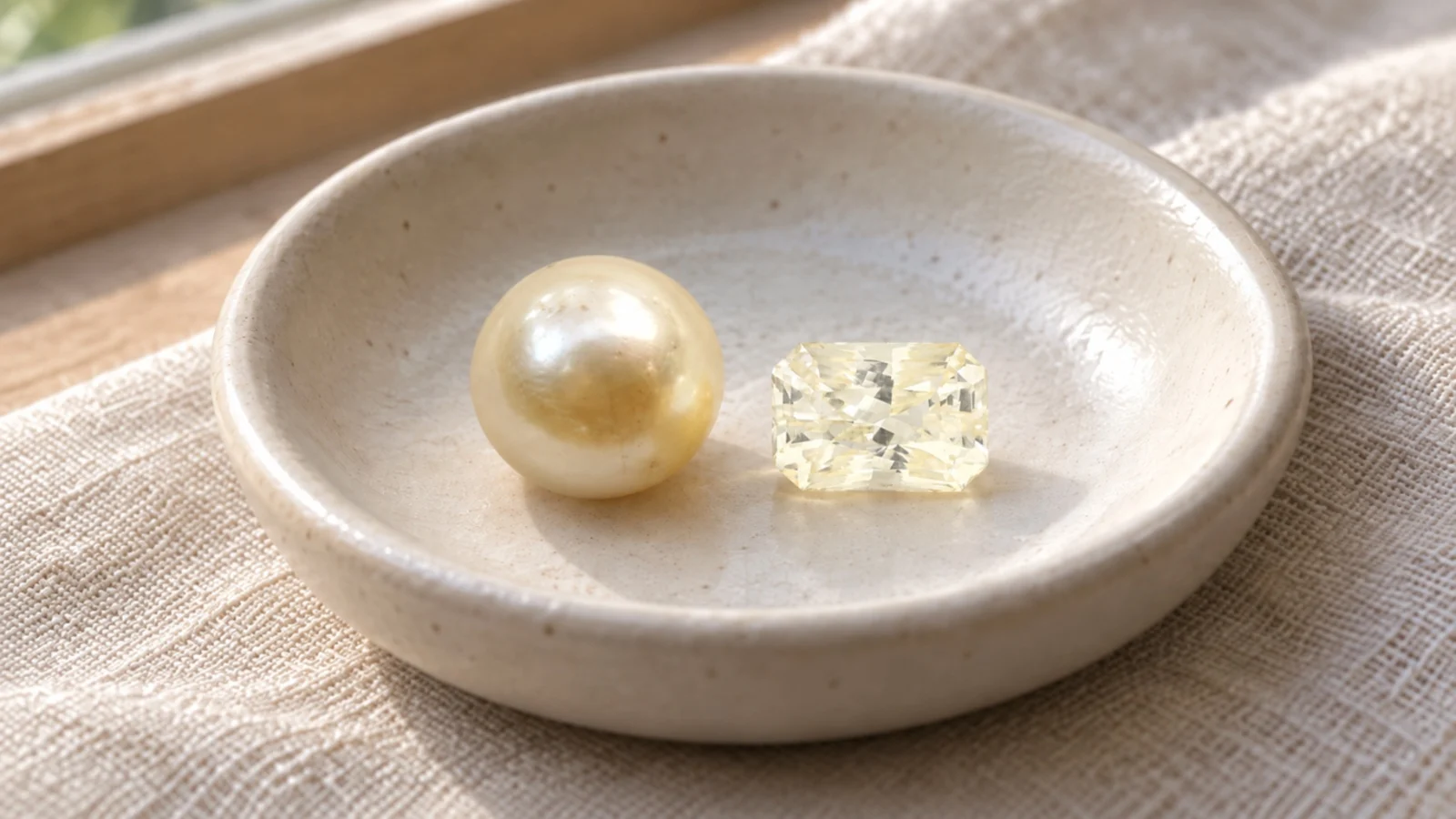
Cream and champagne sapphires have gained significant popularity, particularly for engagement rings. They offer a hard (Mohs 9), scratch-resistant alternative to softer stones, making them suitable for daily wear. These sapphires can display hues from pale, cool ivory to deep, warm vanilla, often with excellent brilliance and fire when faceted. A well-cut cream sapphire offers understated luxury that endures.
| Property | Cream Sapphire | Akoya Pearl | Moonstone |
|---|---|---|---|
| Hardness (Mohs) | 9 | 2.5 – 4.5 | 6 – 6.5 |
| Durability | Excellent | Poor (Requires extreme care) | Fair to Good |
| Primary Cut | Faceted | Round (Undrilled or drilled) | Cabochon |
| Optical Effect | Brilliance & Fire | Luster & Orient | Adularescence |
Collector’s Corners and Other Notable Gems
Beyond the well-known varieties, several other gemstones offer beautiful cream colors that appeal to collectors and those seeking unique pieces.
- Cream Jade: Both Jadeite and Nephrite can occur in creamy white shades, often referred to as "mutton fat" jade in historical contexts. Jade is prized for its exceptional toughness and smooth, tactile texture, often carved into intricate designs or cut into cabochons.
- Zircon: Natural zircon (not to be confused with synthetic cubic zirconia) is a brilliant gemstone with high refractive index and fire. It can be found in warm, creamy-brown and champagne colors that offer considerable sparkle.
- Danburite: While often colorless, danburite can occur in pale cream and wine-yellow shades. It possesses good hardness (Mohs 7–7.5) and brilliance, making it an attractive faceted gem for various jewelry applications.

The Master Durability Matrix: Choosing the Right Stone for Your Lifestyle
Selecting a gemstone based solely on its captivating hue is a common pitfall. For a piece of jewelry to endure, particularly one intended for frequent wear, its physical properties must align with the wearer's lifestyle. Professional gemologists evaluate a stone's suitability based on three key factors: hardness, toughness, and stability. Understanding these distinctions is crucial for making an informed investment that preserves both beauty and value over time.
Understanding the Mohs Scale and Beyond
Durability in gemology is multifaceted. It is often oversimplified as just hardness, yet a comprehensive assessment requires looking at three distinct characteristics:
- Hardness: This refers specifically to a gemstone's ability to resist scratching. It is measured using the Mohs scale, which ranks minerals from 1 (talc) to 10 (diamond). A higher number indicates greater scratch resistance.
- Toughness (or Tenacity): This measures a stone’s resistance to breaking, chipping, or cracking when struck. A gemstone can be very hard but brittle. For example, while diamond is the hardest natural substance, it has only fair to good toughness and can chip if hit at the correct angle. Conversely, jade is less hard but exceptionally tough due to its interlocking crystalline structure.
- Stability: This defines how well a gemstone resists chemical exposure, light, and temperature changes. Some stones are sensitive to household chemicals, perfumes, or even prolonged exposure to strong sunlight, which can cause fading or dehydration.
The following matrix provides a comparative overview of the durability factors for prominent cream colored gemstones:
| Gemstone | Mohs Hardness | Toughness | Stability | Best Suitability |
|---|---|---|---|---|
| Cream Sapphire | 9 | Excellent | Excellent | Everyday rings, including engagement rings |
| Zircon (Natural) | 6.5 – 7.5 | Fair to Good | Good (Sensitive to extreme heat) | Occasional rings, pendants, earrings |
| Danburite | 7 – 7.5 | Good | Good | Pendants, earrings, occasional rings |
| Moonstone | 6 – 6.5 | Poor | Good (Sensitive to sudden temp changes) | Pendants, earrings, careful ring wear |
| Opal (Cream) | 5.5 – 6.5 | Very Poor | Poor (Sensitive to heat, chemicals, dehydration) | Pendants, earrings, low-contact jewelry |
| Cream Jade | 6 – 6.5 | Exceptional | Excellent | Carvings, bangles, cabochon rings |
| Pearls (Cultured) | 2.5 – 4.5 | Good (But easily scratched) | Poor (Sensitive to acids, chemicals, heat) | Strand necklaces, earrings, very careful wear |
Translating Data into Design
This scientific data directly informs practical jewelry choices. A stone’s ranking within the matrix dictates the types of settings and wear frequency it can withstand.
For jewelry subject to daily impact and abrasion, such as engagement rings, highly durable stones are paramount. Cream sapphire, with its exceptional hardness and toughness, is the premier choice in this category, offering longevity rivaled only by diamond.
Softer or more brittle gemstones require protective settings or less demanding applications. Moonstone and opal, while beautiful, are susceptible to scratching and chipping. If used in a ring, they are best suited for occasional wear and should be set in protective bezel settings that surround the entire perimeter of the stone with metal. They are naturally safer in pendants or earrings, where contact with hard surfaces is minimized.
Organic gems like pearls require the utmost care. Their extreme softness makes them unsuitable for rings intended for active wear. Their stability is also low; exposure to hairspray, perfume, or even perspiration can dull their luster over time. They are best reserved for classic strand necklaces or earrings that sit away from potential sources of damage. Choosing the right stone ensures that the understated luxury of a cream gemstone remains vibrant for generations.

Aesthetics, Meaning, and Design: Styling with Cream
Cream colored gemstones offer a unique aesthetic that perfectly aligns with modern sensibilities of luxury and style. Their understated elegance and versatile nature make them increasingly popular choices for those seeking sophisticated alternatives to traditional white diamonds. Beyond their visual appeal, these gemstones carry rich symbolic meanings, further enhancing their desirability in fine jewelry.
The "Quiet Luxury" and Neutral Trend
The rise of the "quiet luxury" aesthetic has significantly boosted the popularity of neutral toned gemstones. This trend emphasizes minimalism, quality craftsmanship, and subtle elegance over ostentatious displays of wealth. Cream colored gemstones, with their soft hues and gentle glow, embody this philosophy perfectly. They offer a sophisticated, refined look that whispers luxury rather than shouting it.
Their neutrality is a key asset, allowing them to complement a vast array of colors and styles. They can serve as a calming anchor in vibrant ensembles or seamlessly integrate into monochromatic palettes, adding depth and texture without overwhelming the overall look. This versatility ensures that jewelry featuring cream gemstones can be worn effortlessly across various occasions and fashion choices.
Metal Pairings for Maximum Impact
The choice of metal setting plays a crucial role in maximizing the visual impact of cream colored gemstones. Different metals can either enhance the stone's warmth or create striking contrasts, dramatically altering the jewelry's overall aesthetic.
| Metal Setting | Effect on Cream Gemstones | Best Suited For |
|---|---|---|
| Yellow Gold | Enhances the innate warmth of cream and champagne tones, creating a classic, rich, and traditional look. | South Sea Pearls, Champagne Sapphires, warm Moonstones |
| Rose Gold | Adds a modern, romantic, and soft touch. It beautifully complements peachier cream shades and flatters many skin tones. | Peach Moonstone, Cream Opal, certain pearls |
| Platinum / White Gold | Provides a sleek, modern, and cool contrast. It makes cooler ivory tones appear brighter and crisper. | Cream Jade, Akoya Pearls, cool-toned Sapphires |
Meaning and Symbolism
Beyond their aesthetic appeal, cream colored gemstones possess symbolic meanings that resonate with many wearers. Generally, the color cream is associated with purity, innocence, peace, and understated elegance. It evokes feelings of calmness, balance, and reliability.
Specific gemstones within the cream spectrum carry their own unique symbolism. Moonstone, for instance, is deeply connected to intuition, feminine energy, and new beginnings. It is often regarded as a stone of protection, particularly for travelers. Pearls, on the other hand, have long symbolized wisdom, integrity, purity, and calm. They are believed to offer protection and attract good fortune. For those seeking durable options, sapphire, even in its cream hue, retains associations with truth, sincerity, and faithfulness. These symbolic layers add depth and personal significance to jewelry featuring these captivating gems.

The Buyer’s Guide: Authenticity, Value, and Sourcing
Acquiring a cream colored gemstone, whether for its understated elegance or investment potential, requires careful navigation. The market presents a mix of natural treasures, treated stones, and convincing synthetics. Ensuring authenticity and understanding value are paramount for any discerning buyer. Professional gemologists emphasize that education is the first line of defense against making an uninformed purchase. This guide provides essential insights into identifying genuine stones and evaluating the factors that contribute to their worth.
Spotting the Real Deal: Treatments and Synthetics
The desire for perfect color and clarity often leads to gemstones undergoing various treatments. While some enhancements are standard and accepted within the industry, full disclosure is vital as they significantly impact value. For cream gemstones, several specific treatments and imitations are common:
- Pearls: Cultured pearls are often "bleached" to achieve a uniform white or cream color, a stable and widely accepted practice. However, some may be dyed to create richer cream or golden hues. This should always be disclosed. Imitation pearls, made from glass or plastic coated with "essence d'orient," can often be detected by the "tooth test"-rubbing the pearl gently against the edge of a tooth; natural and cultured pearls feel slightly gritty, while imitations are perfectly smooth.
- Sapphires: Cream sapphires are frequently heat-treated to improve clarity and subtle color nuances. This treatment is stable and generally accepted, but untreated stones command a significant premium. Synthetic sapphires, created in laboratories, possess the same chemical and physical properties as natural ones but lack the unique inclusions that help gemologists identify natural origin.
- Moonstones and Opals: These stones are less commonly treated for color, but imitations exist. Glass or plastic can simulate moonstone's adularescence, though often appearing too perfect or lacking the stone's natural structure. Synthetic opals are also produced, sometimes identifiable by a specific "chicken wire" structure under magnification.
The 5-Point Buyer’s Checklist
To ensure a confident purchase, especially when considering significant pieces like a South Sea pearl strand or a champagne sapphire engagement ring, adhere to this essential checklist:
- Verify the Stone: Confirm the exact mineral species and variety. Ensure "cream sapphire" is indeed corundum and not a less valuable mineral.
- Ask About Treatments: Request explicit disclosure of any treatments the gemstone has undergone (heating, dyeing, irradiation, etc.).
- Evaluate Clarity and Cut: For faceted stones, prioritize eye-clean clarity and a cut that maximizes brilliance and fire. For cabochons (like moonstone or opal), the cut should display the optical phenomena centrally and intensely.
- Consider the Setting: Ensure the setting protects the stone appropriately, especially for softer gems like pearls or opals.
- Request a Certificate: For valuable gemstones, insist on a grading report from a reputable, independent gemological laboratory, such as the GIA (Gemological Institute of America). This certificate provides unbiased verification of the stone's authenticity, characteristics, and any detected treatments.
Curious about ensuring the highest quality for your bespoke creation? Discover how Joalys enables you to select the perfect certified stone first, ensuring transparency and confidence before designing your piece.
Care and Maintenance: Preserving the Glow
The enduring beauty of cream colored gemstones depends directly on proper care and maintenance. These stones, ranging from highly durable sapphires to delicate pearls, require specific handling to preserve their luster and integrity. Professional gemologists emphasize that a single cleaning method is not suitable for all gem varieties. Understanding the individual requirements of each stone ensures that its sophisticated glow remains unimpaired for generations.
Gentle Cleaning Practices
Cleaning methods must be tailored to the specific gemstone's physical properties. A critical distinction exists between hard, crystalline gems and softer or porous varieties.
For durable cream gemstones, such as cream sapphire or zircon, standard cleaning is generally safe. These stones can typically withstand ultrasonic cleaners, provided they have no significant inclusions or fractures. However, the safest and most recommended method for all crystalline gems is using warm water, a mild, detergents-free soap, and a soft-bristled brush. This gently removes accumulated oils and dirt that can dull brilliance.
Conversely, organic and porous gemstones require extreme caution. Pearls, opals, and cream jade should never be placed in ultrasonic or steam cleaners. The intense vibrations can crack opals or damage the delicate nacre of pearls, while heat can cause discoloration or dehydration.
For these sensitive stones, the following practices are recommended:
- Pearls: Wipe gently after each wear with a soft, dry cloth to remove body oils or perspiration. If needed, use a slightly damp cloth with highly diluted, mild soap, ensuring they dry completely before storage.
- Opals: Clean only with warm water and a soft cloth. Avoid any chemicals or detergents, which can penetrate the stone and alter its body color or play-of-color.
- Chemical Avoidance: All cream gemstones should be protected from exposure to household cleaners, perfumes, hairsprays, and cosmetics. A prudent rule for jewelry is "last on, first off" to minimize chemical contact.
Safe Storage
Proper storage is essential to prevent physical damage and environmental degradation. Gemstones possess varying hardness, meaning harder stones can easily scratch softer ones if stored together.
| Gemstone | Mohs Hardness | Storage Recommendation | Environmental Sensitivity |
|---|---|---|---|
| Cream Sapphire | 9 | Store individually in a soft pouch or separate compartment. | Highly stable. |
| Cream Jade | 6 – 6.5 | Store separately to avoid scratches from harder gems. | Very stable. |
| Moonstone | 6 – 6.5 | Store individually; protect from sharp blows. | Sensitive to sudden temperature changes. |
| Opal (Cream) | 5.5 – 6.5 | Store separately in a soft cloth; avoid extremely dry environments. | Highly sensitive to heat and dehydration (can "craze" or crack). |
| Pearls (Cultured) | 2.5 – 4.5 | Store flat in a chamois or soft cloth pouch, away from other jewelry. | Sensitive to chemicals, acids, and excessive dryness or humidity. |
A common mistake is storing delicate items like pearls or opals in airtight safe deposit boxes for extended periods. These environments can become excessively dry, causing pearls to become brittle and opals to dehydrate and develop fine cracks, a phenomenon known as crazing. Storing these organic gems in a location with moderate humidity and allowing them to "breathe" is vital for their long-term health.
JOALYS
Everything Begins with the Stone
The sapphire you choose says everything before a single word is spoken.
Choose your sapphire loose, or let us set it into a piece crafted entirely for you.

Frequently Asked Questions
Conclusion
Cream colored gemstones offer a sophisticated palette ranging from cool ivory to warm champagne, perfectly embodying the quiet luxury aesthetic. This exploration has shown that beyond the classic pearl, durable alternatives like cream sapphire provide practical options for daily wear, while moonstone and opal offer unique optical magic. Understanding the critical balance of beauty, durability, and authenticity empowers individuals to make informed decisions when selecting these understated treasures.
Ready to explore these unique gemstones with complete transparency? Discover how Joalys' unique 3-step approach puts you in control, allowing you to select a certified stone, receive it in a luxury case, and finalize your custom design when ready. Alternatively, browse our curated collection to find inspiration and begin your journey toward owning a distinctive piece of cream colored gemstone jewelry.