Sapphires Gemstones: Colors, Prices, and How to Buy Loose Stones
What color, origin, and treatment really mean for the stone in front of you, from someone who buys sapphires at the source in Sri Lanka.
You want a sapphire. Good call. But with so many colors, origins, and price points, picking the right sapphires gemstones can feel overwhelming. We get it. We source these stones directly from Sri Lanka, and we still learn something new every trip to Ratnapura.
Sapphires gemstones are varieties of the mineral corundum (aluminum oxide, Al2O3) in every color except red, which is ruby. Scoring 9 on the Mohs hardness scale, sapphires rank as the second-hardest natural gemstone, making them perfect for engagement rings and daily wear jewelry.
This guide is built for buying loose sapphires: color grading, the 4 Cs, origins, treatments, and real pricing. Whether you want a classic blue Ceylon stone or a rare padparadscha, you'll walk away knowing what to look for before you buy. For the durability side, where sapphire sits on the Mohs scale and why toughness is a separate property, see our sapphire hardness guide. The pricing and market notes throughout reflect mid-2026 trade levels.
TL;DR: Sapphires gemstones are corundum minerals rated 9/10 hardness, available in blue plus every fancy color. The best stones come from Sri Lanka, Kashmir, and Burma. Color drives 60-70% of value. Always buy with GIA or SSEF certification. Heat treatment is standard and accepted. In 2026, budget $500-$3,000/carat for quality blue sapphires, or explore fancy colors for better value per carat.
- Mineral Variety
- Corundum
- Chemical Composition
- Aluminum Oxide (Al₂O₃)
- Hardness (Mohs)
- 9 (extremely durable, suitable for daily wear)
- Primary Color
- Blue (ranging from pale to deep indigo)
- Fancy Colors
- Pink, yellow, green, purple, orange, colorless
- Rare Varieties
- Padparadscha (pink-orange), Color-Change, Star Sapphire
- Common Treatments
- Heat treatment (widely accepted to enhance color/clarity)
- Key Valuation Factors
- Color (hue, tone, saturation), Clarity, Cut, Carat Weight
What Colors Do Sapphires Come In?
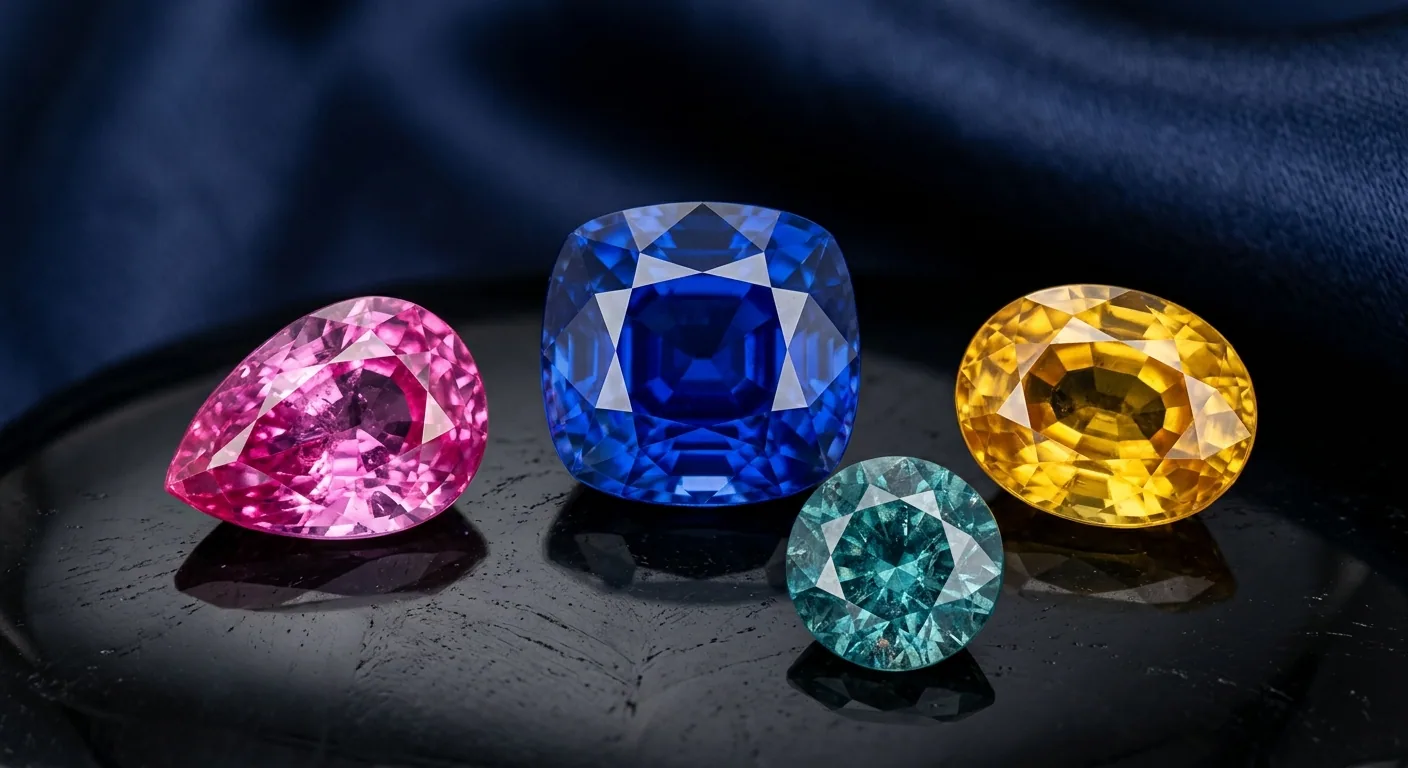
Most people think sapphires are blue. That's only part of the story. Sapphires gemstones come in nearly every color you can imagine, from cotton candy pink to deep forest green. The only color a sapphire can't be is red, because red corundum gets its own name: ruby. If you are weighing red corundum specifically, our natural ruby guide covers identification, grading, and value.
These non-blue varieties are called "fancy sapphires." In our experience sourcing from Ratnapura, they offer some of the best value in the gemstone market right now.
The Classic Blue Sapphire
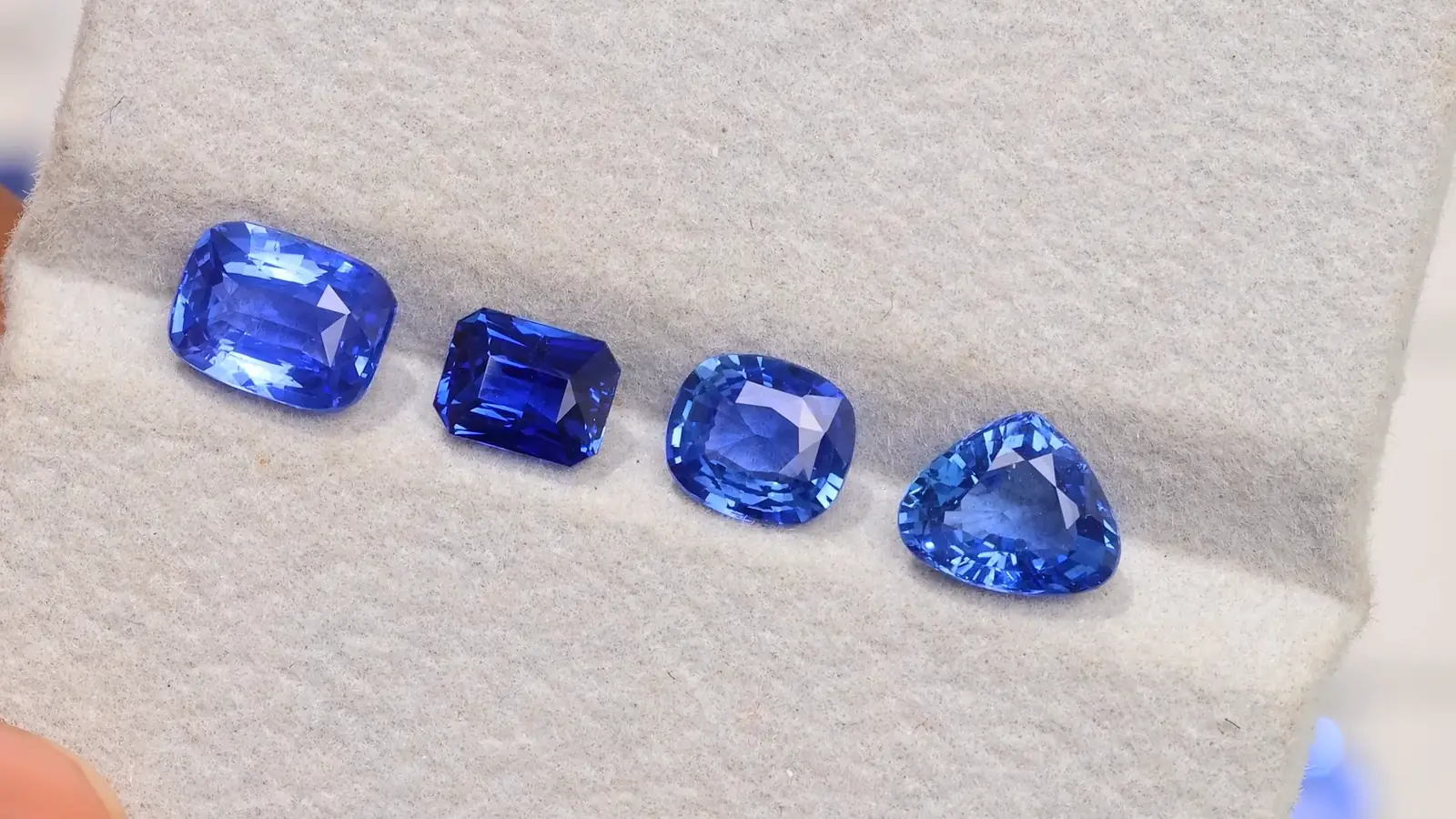
Blue remains the most popular and valuable sapphire color. According to GIA (2025), the most desirable blue sapphires show a highly saturated, medium to medium-dark tone without gray or green masks.
Two terms define top-tier blue, and we break the difference down in our cornflower vs royal blue guide:
- Cornflower Blue: A medium-toned, vivid blue with a velvety appearance. This hue comes from Kashmir's now-depleted Himalayan mines, discovered in the 1880s. At Christie's Geneva in November 2024, a 35.09-carat Kashmir sapphire sold for $7.1 million.
- Royal Blue: A deeper, more intense blue with excellent clarity. High-quality Burmese and Sri Lankan stones frequently show this color.
Looking for a classic blue? Explore our certified collection of Ceylon blue sapphires of hand-selected blue sapphires from Sri Lanka.
Fancy Sapphires: Every Color of the Rainbow
Fancy sapphires have gained serious market traction since 2020. Here's the thing: they often cost 30-50% less per carat than equivalent blue sapphires while delivering equally stunning visual impact.
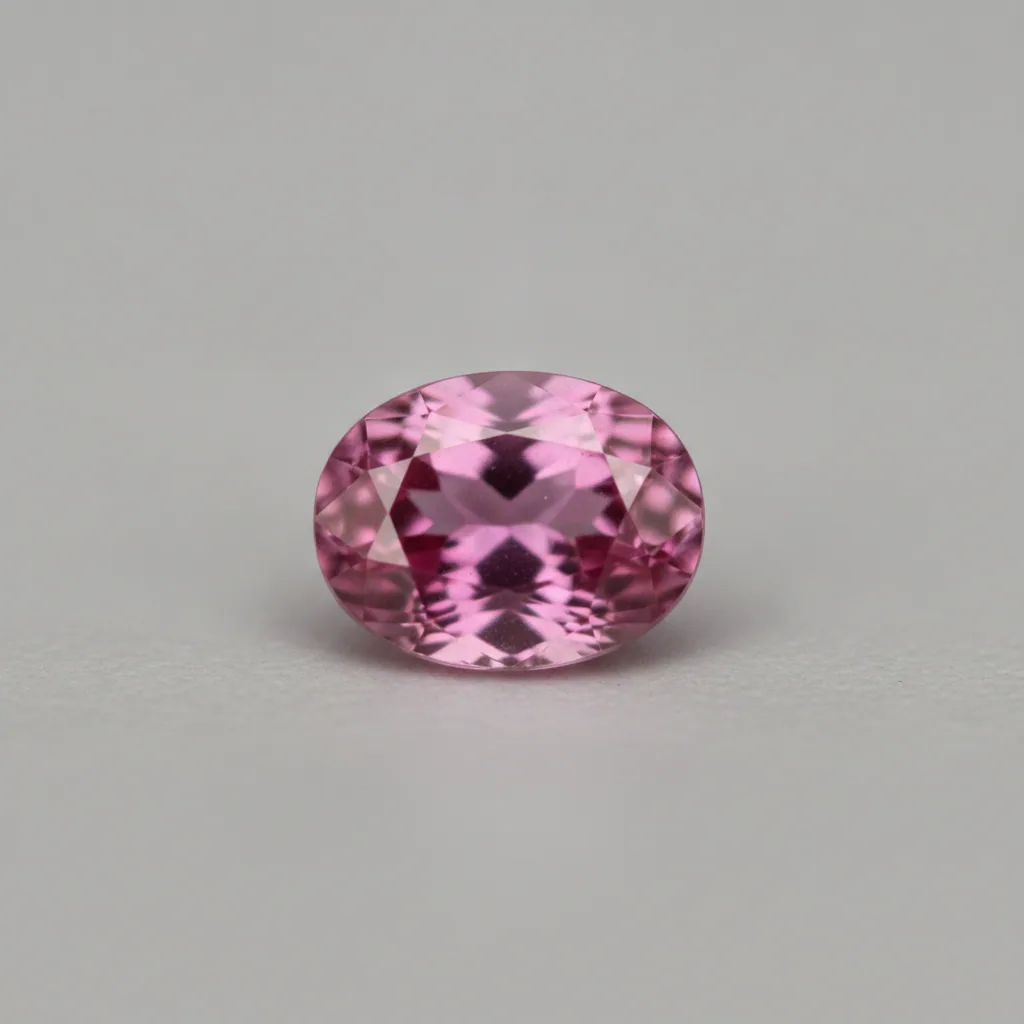
- Pink Sapphires: Range from delicate pastel to vibrant magenta. Chromium traces create the color. Our pink sapphire buying guide covers color and value.
- Yellow Sapphires: Span pale lemon to rich golden-orange. Iron traces produce the color. They typically show excellent clarity.
- Green Sapphires: Offer a durable alternative to emeralds, ranging from lime to forest green. Their 9 Mohs hardness beats emerald's 7.5 by a wide margin.
- Purple and Violet Sapphires: Display regal tones that resemble amethyst but with far superior hardness (9 vs. 7 on Mohs).
- Teal and Parti-Color Sapphires: Teal blends blue and green in one stone, while parti sapphires show two or more distinct color zones, often blue and yellow. Both are trending hard with younger buyers. See our teal sapphire color guide for how to read the green-to-blue mix.
- White (Colorless) Sapphires: Pure corundum with no trace elements. A durable, budget diamond alternative at 9 Mohs, though it lacks a diamond's fire.
Rare Varieties Worth Knowing
Two fancy sapphires stand out for collectors:
- Padparadscha Sapphire: The rarest fancy sapphire. This stone blends pink and orange like a Sri Lankan sunset, and our padparadscha color chart and price per carat guide maps the accepted color range and how to spot a real one. We've seen unheated padparadschas from Ratnapura sell for $8,000-$30,000 per carat at 2025 Colombo gem auctions.
- Color-Change Sapphire: Shifts from blue or violet in daylight to purple or reddish-purple under incandescent light. Think of it as nature's mood ring, except it's worth thousands.
Sapphire Color Comparison Chart
| Sapphire Variety | Primary Color | Trace Elements | Key Characteristics |
|---|---|---|---|
| Blue Sapphire | Blue | Iron, Titanium | Pale to deep indigo. "Royal Blue" and "Cornflower Blue" command top prices. |
| Pink Sapphire | Pink | Chromium | Pastel to vivid magenta. Value rises sharply with saturation. |
| Yellow Sapphire | Yellow | Iron | Pale lemon to rich golden. Often shows excellent clarity. |
| Green Sapphire | Green | Iron (dominant) | Lime to forest green. Secondary blue or yellow hues common. |
| Teal / Parti | Blue-Green / Multi | Iron, Titanium | Color-zoned or blended hues. Strong demand from younger buyers. |
| White (Colorless) | None | None | Pure corundum. Durable diamond alternative, low fire. |
| Padparadscha | Pinkish-Orange | Chromium, Iron | Rarest fancy sapphire. Balanced pink-orange mix drives value. |
| Ruby (Corundum) | Red | Chromium | Not a sapphire, but the red variety of corundum. |
For buyers considering durable alternatives to diamonds, sapphires gemstones offer a wider color palette with equal or better toughness for everyday wear.
Want to compare these colors side by side? Browse our complete sapphire collection, every stone certified and sourced directly in Sri Lanka.
How Are Sapphires Valued? The 4 Cs Explained
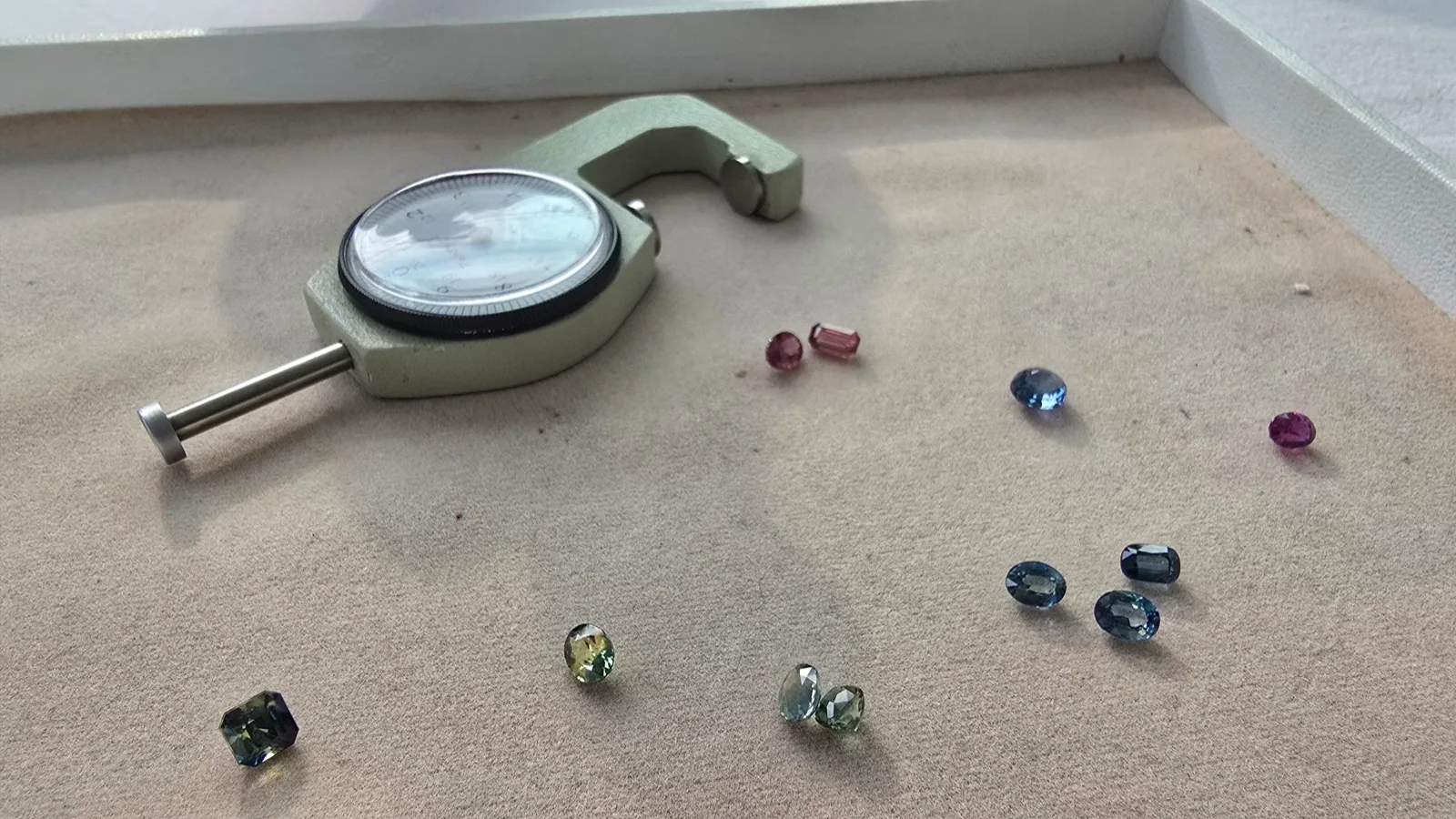
Valuing a sapphire follows a structured system similar to diamond grading. Four factors matter: Color, Clarity, Cut, and Carat Weight. But let's be honest, color accounts for roughly 60-70% of a sapphire's final price tag. The other three Cs fill in the rest.
Color: Where 60-70% of Value Lives
Gemologists break color into three measurable components:
- Hue: The base color. Pure blue without green or gray secondary tones scores highest.
- Tone: Lightness or darkness. Medium to medium-dark tones hit the sweet spot. Too light looks washed out. Too dark looks inky.
- Saturation: Color intensity. Vivid, strong saturation with no gray or brown mask commands premium pricing.
| Color Component | High Value | Low Value |
|---|---|---|
| Hue | Pure blue (Cornflower, Royal); rare fancies like Padparadscha | Visible secondary green in blue sapphire; dull fancy colors |
| Tone | Medium to medium-dark, rich without losing brilliance | Very light (washed out) or very dark (appears black) |
| Saturation | Vivid, intense, pure color | Weak, grayish, or muddy appearance |
Clarity, Cut, and Carat Weight
The remaining three Cs shape the final price.
Clarity works differently than with diamonds. Most sapphires contain inclusions. The industry standard is "eye-clean," meaning no inclusions visible to the naked eye. Here's what's interesting: fine rutile needles called "silk" can actually boost value by creating a velvety texture. Star sapphires owe their six-rayed star (asterism) entirely to these silk inclusions.
Cut determines how light moves through the stone. A well-proportioned cut maximizes brilliance and showcases the hue. Many sapphires get a "native cut" in their country of origin to preserve carat weight, which sometimes sacrifices symmetry. Expert re-cutting can dramatically improve a stone's visual impact, though it reduces weight by 10-20%.
Carat Weight affects price exponentially. According to GemVal (2026), a 3-carat blue sapphire of good quality costs roughly 3-4x more per carat than a 1-carat stone of identical quality. Above 5 carats with top color and clarity, prices jump sharply because supply drops off.
Natural vs. Lab-Created vs. Treated Sapphires: What's the Difference?
This is where buyers get tripped up most often. Knowing the difference between natural, treated, and synthetic sapphires gemstones saves you from overpaying or buying something you didn't intend to. We see this confusion weekly in our sourcing work.
Natural Sapphires: Millions of Years in the Making
Natural sapphires form deep in the Earth's crust under extreme heat and pressure over millions of years. Each stone carries unique inclusion patterns that gemologists call a "fingerprint." Truly natural, untreated sapphires of high quality represent less than 5% of the market, according to the International Colored Gemstone Association (ICA, 2024). That scarcity drives their premium pricing.
Common Sapphire Treatments
The vast majority of sapphires on the market, roughly 90-95%, have undergone some treatment. This is standard practice. Full disclosure is mandatory.
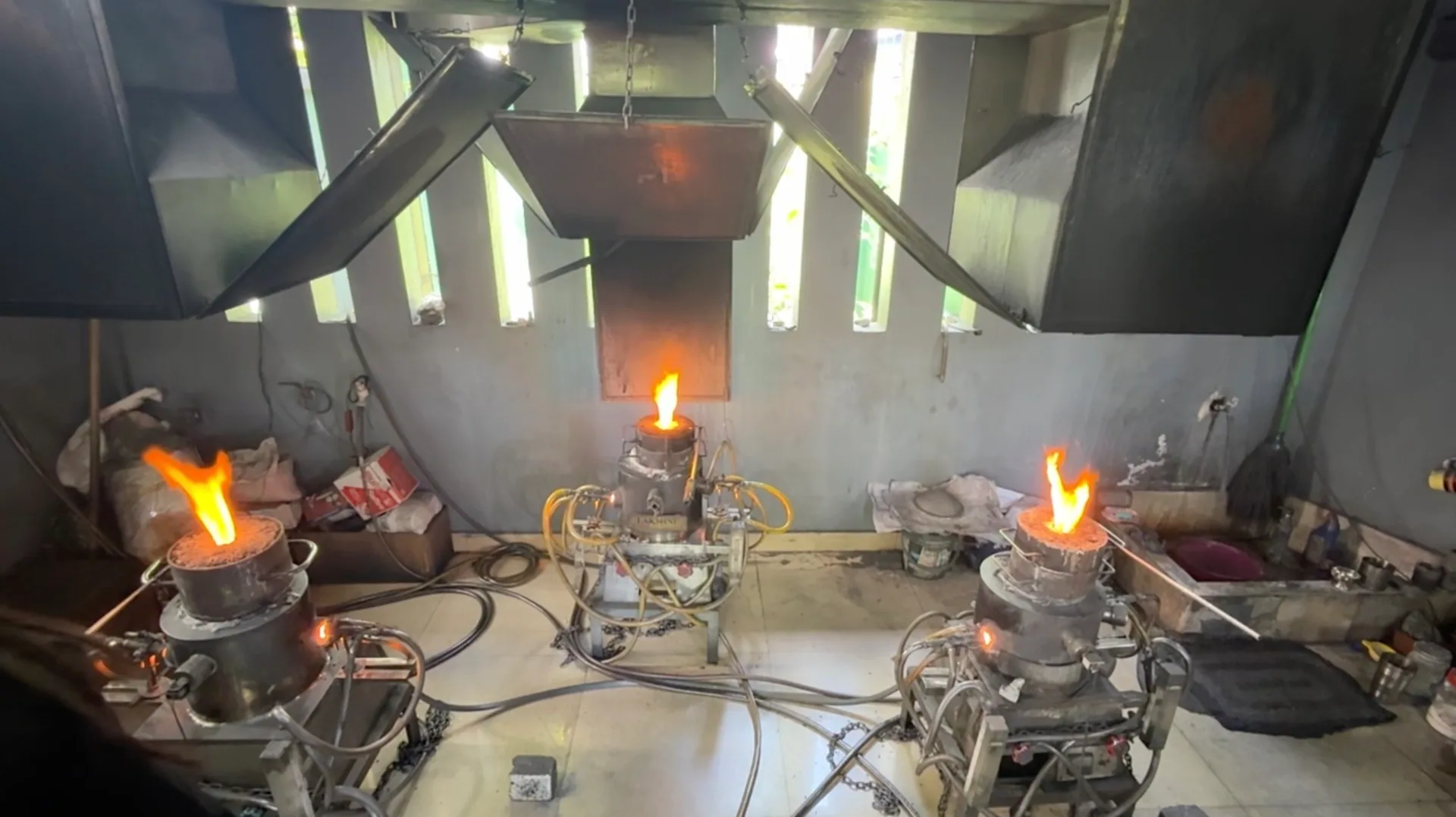
- Heat Treatment: The most common and widely accepted method. Sapphires are heated to 1,200-1,800 degrees Celsius to improve color saturation and dissolve certain inclusions. The GIA considers heated sapphires "natural" because the process simply optimizes what nature started. Like heat-treated rubies, these stones are stable and durable. For the full picture, read unheated vs heated sapphire.
- Diffusion Treatment: Heating with coloring agents like titanium or beryllium that penetrate the surface. The color layer is shallow, not deep. These sapphires cost significantly less because the color doesn't go all the way through. A jeweler can sometimes spot diffusion by immersing the stone and observing color concentration at facet junctions.
- Fracture Filling: Less common in sapphires than in emeralds. Surface fractures get filled with glass or oil to improve clarity. This treatment reduces durability and drops value substantially. We personally avoid stocking fracture-filled stones at Joalys.
| Treatment Type | Disclosure | Effect on Value | Durability |
|---|---|---|---|
| Untreated | Must be stated | Highest premium (2-5x heated) | Excellent |
| Heat Treatment | Widely accepted, must disclose | Standard market value | Excellent (stable) |
| Diffusion | Must disclose | 60-80% lower than heated | Good (surface color only) |
| Fracture Filling | Must disclose | Very low | Reduced (filler can degrade) |
Want transparent grading? Explore our certified collection of Ceylon blue sapphires where every stone's treatment status is documented.
Synthetic (Lab-Created) Sapphires
Lab sapphires share identical chemical, physical, and optical properties with natural stones. They are real corundum. They are not natural.
Scientists have produced synthetic sapphires since Auguste Verneuil perfected flame fusion in 1902. Modern methods include flux growth and hydrothermal processes. Lab sapphires typically look flawless and come in large sizes at a fraction of the cost, often $20-50 per carat versus hundreds or thousands for natural stones.
The trade-off is simple: no rarity, no geological history, none of the story that makes a natural stone worth keeping. Lab sapphires work fine for fashion jewelry. For a piece you actually want to hold onto, we recommend natural stones every time.
Where Do the Best Sapphires Come From?
Origin matters with sapphires. Two stones can look identical under a loupe, but if one comes from Kashmir and the other from Australia, the price gap can be 10x or more. Geological conditions in each region create specific trace elements and inclusions that act as a fingerprint. Labs like GIA and SSEF use advanced spectrometry to determine origin, and that provenance appears on the certification report.
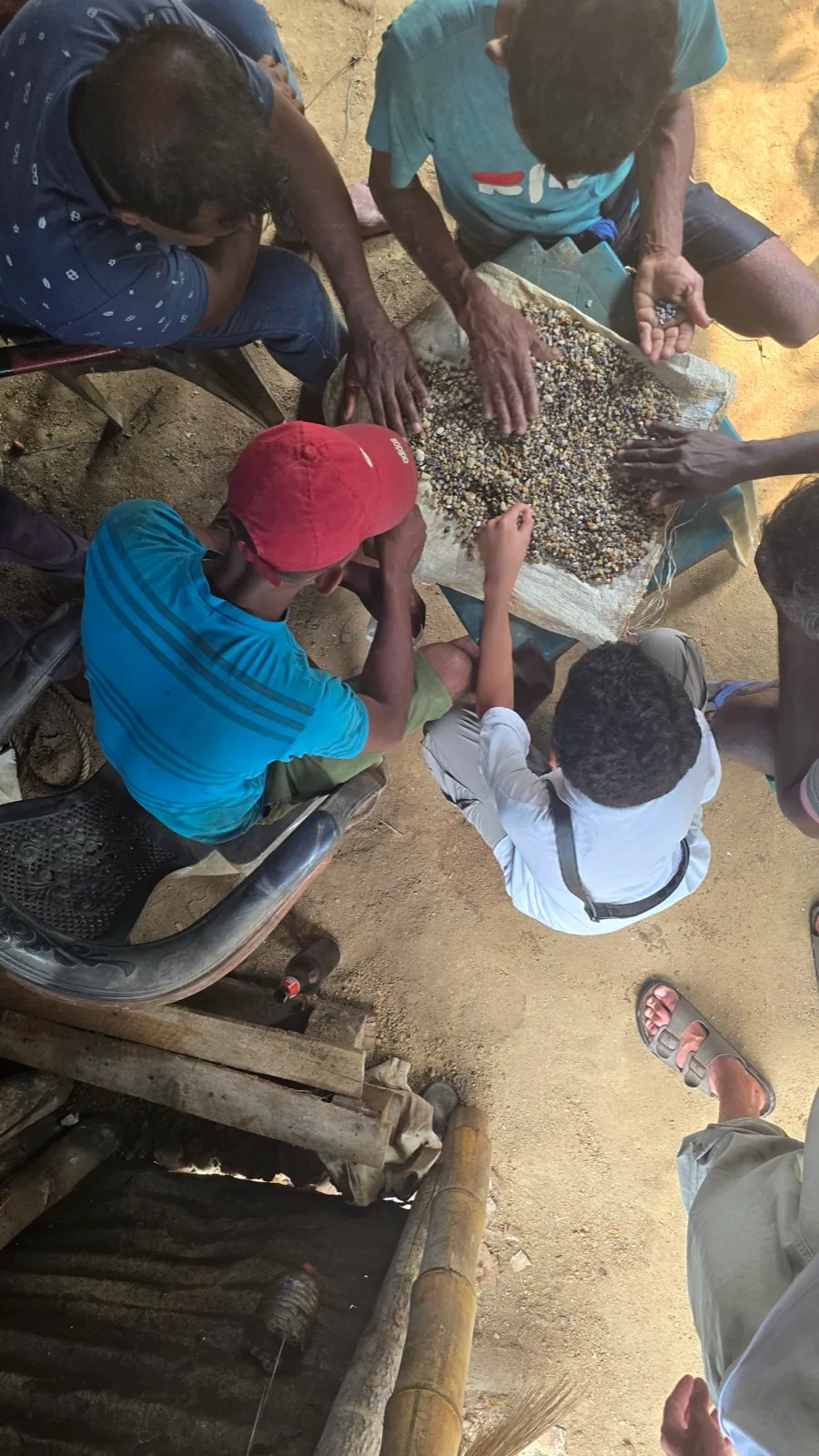
JOALYS Expert Insight: We spent years sourcing directly from artisanal miners in Ratnapura, Sri Lanka, building those relationships stone by stone. Our mine-to-customer model eliminates 3-4 middlemen, which typically means 25-40% savings compared to traditional retail markup chains. Every stone ships with GIA or SSEF certification.
Legendary Origins
Three regions sit at the top of the sapphire hierarchy:
- Kashmir (India): The benchmark. Discovered in the 1880s high in the Himalayas, Kashmir sapphires display a velvety "cornflower blue" caused by microscopic silk inclusions that scatter light. The mines were largely exhausted by the 1920s. A Kashmir sapphire at auction today can fetch $50,000-$200,000+ per carat, driven by how little material is left rather than any promise of return.
- Burma (Myanmar): Famous for rubies, Burma also produces exceptional sapphires. Burmese stones show a rich "Royal Blue" with high clarity and intense saturation. Political instability has complicated supply chains, adding to scarcity.
- Ceylon (Sri Lanka): One of the world's oldest gem sources. Ceylon sapphires are celebrated for bright, lively blue hues with excellent brilliance. Sri Lanka is also the primary source of padparadscha sapphires. We've seen first-hand how Ceylon stones often come in larger sizes than Kashmir or Burmese specimens, making them excellent value per carat. More on why origin moves the price in our Ceylon sapphire guide.
Major Modern Sources
While legendary origins command premium pricing, these regions supply most of today's quality sapphires:
- Madagascar: A major player since the late 1990s. Madagascar produces sapphires in a wide color range, including blues that rival Ceylon and Burma. Fine pinks and yellows from the Ilakaka deposit have gained strong market recognition since 2015.
- Montana (USA): Known for unique pastel blues, teals, and bi-colors. Yogo Gulch sapphires stand out for their uniform bright blue color and exceptional clarity, and they rarely need heat treatment. The ethical sourcing story appeals to eco-conscious buyers.
- Australia: Historically produces very dark, inky blues due to high iron content. Heat treatment improves these stones significantly. Australia also yields interesting yellows and greens at accessible price points.
Sapphire Origin Comparison
| Origin | Status | Notable Color(s) | Key Characteristics | Value Level |
|---|---|---|---|---|
| Kashmir | Legendary (Exhausted) | Cornflower Blue | Velvety texture, silk inclusions, vivid saturation | Highest ($50,000+/ct) |
| Burma | Legendary (Active) | Royal Blue | Deep blue, high clarity, intense saturation | Very High |
| Ceylon | Legendary (Active) | Vibrant Blue, Padparadscha | Bright, lively, excellent brilliance, larger sizes | High ($1,000-$15,000/ct) |
| Madagascar | Major Modern | All colors | Wide range, quality rivals Ceylon, strong pinks | Standard to High |
| Montana | Specialty | Pastel Blue, Teal | Unique hues, ethical sourcing, rarely heated | Moderate to High |
How to Buy a Sapphire: Practical Tips That Save Money
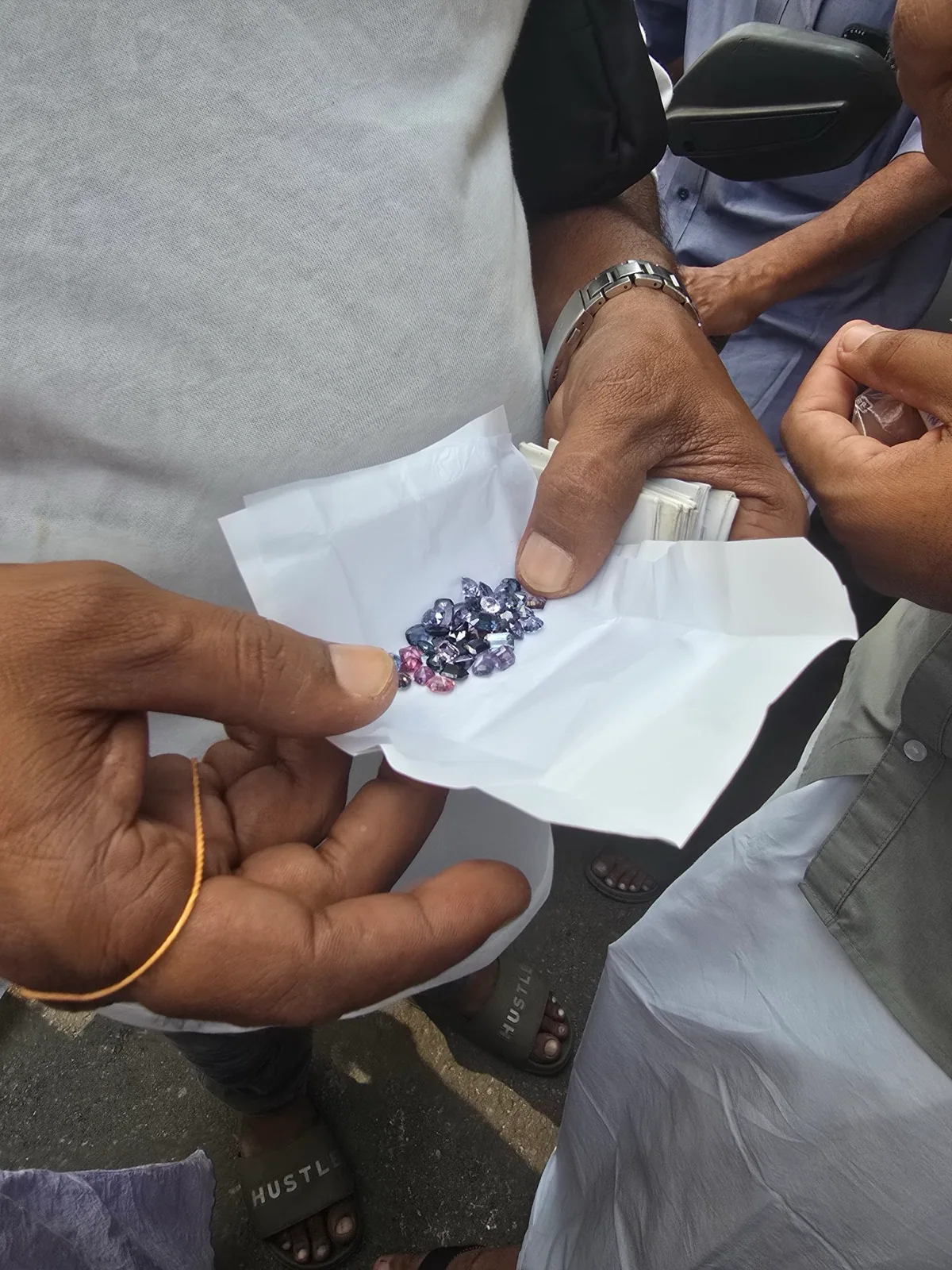
Buying a sapphire doesn't have to be stressful. We've helped hundreds of customers find the right stone, and it comes down to a few smart decisions. For an online-specific checklist, see how to buy a sapphire online.
Set Your Budget and Prioritize
Sapphire prices vary wildly. A 1-carat heated blue sapphire of good quality starts around $500. An unheated Ceylon stone of the same size and quality? That's $2,000-$5,000. A Kashmir origin? Don't ask.
The smartest budget strategy: prioritize color first. That's what you'll see every day on the ring. A slightly smaller stone with better color always looks more impressive than a bigger stone with washed-out hue. You can also stretch your budget by choosing a well-regarded modern origin like Madagascar over Ceylon, saving 20-35% for comparable visual quality.
Which Metal Setting Works Best?
The right metal makes a real difference in how your sapphire looks:
- White Gold and Platinum: Best for blue sapphires. The cool metal tone amplifies the blue's brilliance. Also works well with purple and green sapphires.
- Yellow Gold: Adds warmth to yellow, orange, or teal sapphires. Creates a rich vintage contrast with deep blue stones too.
- Rose Gold: The perfect companion for pink, purple, or padparadscha sapphires. The warm pinkish metal enhances those soft undertones.
For more on ring settings, check our gold ring guide.
Why Independent Certification is Non-Negotiable
This is the single most important advice we give: never buy an uncertified sapphire over $500. A grading report from GIA, SSEF, or GRS provides objective, third-party verification of everything that matters. We wrote a full breakdown of what a gemstone certificate actually proves.
A legitimate certificate confirms:
- Authenticity: Natural corundum, not synthetic.
- Characteristics: Precise carat weight, dimensions, color grade, and clarity.
- Treatment Status: Unheated, heated, diffusion, or other treatments. This single line on the cert can represent a 2-5x price difference.
- Origin: When determinable, the geographical source. A "Ceylon" origin notation adds 15-30% to the value versus an unknown origin.
| Feature | Lab Certification (GIA/SSEF) | Seller's Verbal Claim |
|---|---|---|
| Objectivity | Independent third-party analysis | Potentially biased |
| Treatment Testing | Advanced spectroscopy and microscopy | May rely on incomplete info |
| Origin Determination | Scientific trace element analysis | Often speculative |
| Market Acceptance | Globally recognized standard | Limited to local trust |
Ready to find your stone? Every sapphire in our certified collection of Ceylon blue sapphires comes with GIA or SSEF documentation.
Choose Reputable Dealers
Buy from established dealers who offer full treatment disclosure, independent certification, and clear return policies. A trustworthy dealer will walk you through the stone's characteristics without pressure. They'll show you the cert. They'll answer your questions about origin and treatment. If a dealer hesitates on any of these points, walk away.
Quick answers
What do sapphires symbolize?
What are the different types of sapphires gemstones?
How can I tell the difference between natural and synthetic sapphires?
Where can I buy loose sapphires gemstones online from a reputable dealer?
What are the factors that affect the price of sapphires gemstones?
Are heated sapphires considered "real" sapphires?
Which sapphire color is the most valuable?
Are sapphires durable enough for everyday wear?
Are sapphires a good investment?
How much does a 1-carat sapphire cost in 2026?
Are sapphires good for engagement rings?
The bottom line
A sapphire's price comes down to a few honest things: color first, then clarity, cut, and weight, with origin and treatment status pulling the number up or down. Learn to read those, insist on an independent report, and you stop overpaying. That is the whole game.