The Ultimate Guide to Choosing the Perfect Engagement Ring
Don't let engagement ring shopping overwhelm you. Learn how to balance beauty, budget, and symbolism. Read our expert guide to make a wise and beautiful investment.
Engagement Ring Quick Facts
| Property | Details |
|---|---|
| Primary Stone | Diamond (most common), Sapphire, Moissanite |
| Diamond Quality (4Cs) | Cut, Color, Clarity, Carat Weight |
| Most Important 'C' | Cut (determines sparkle and brilliance) |
| Common Metals | Platinum, 18k Gold (White, Yellow, Rose) |
| Popular Settings | Solitaire, Halo, Three-Stone, Pavé |
| Certification | GIA (industry standard), IGI (common for lab-grown) |
| Budget Rule | Personal decision, ignore 'three months' salary' myth |
| Maintenance | Regular cleaning, professional inspection every 6-12 months |
Introduction
Finding the perfect engagement ring is often described as one of life’s most significant, yet stressful, decisions. This singular piece of jewelry balances substantial emotional weight with considerable financial investment, making clarity essential.
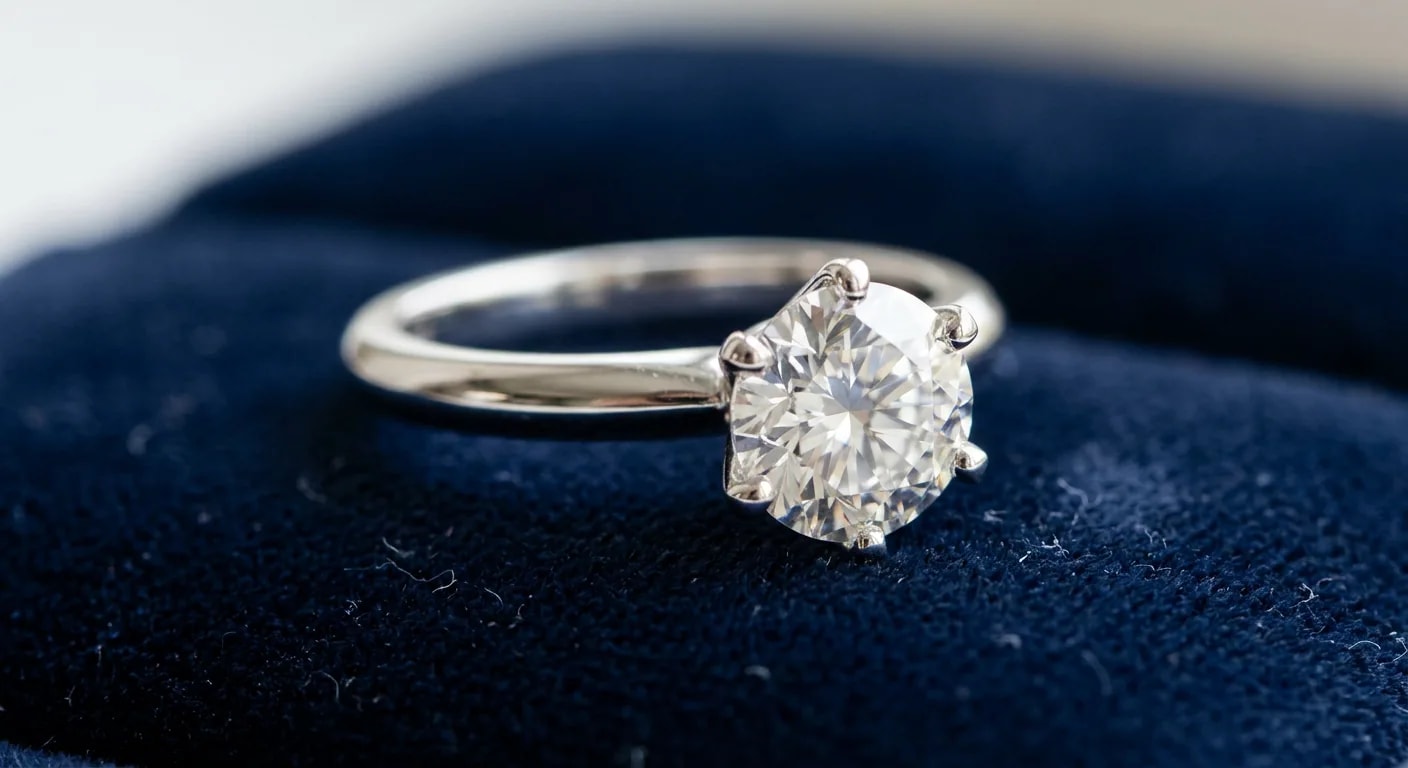
An engagement ring is a ring, typically featuring a prominent center diamond or gemstone, presented during a marriage proposal. It serves as a visual symbol of formal commitment and intent to marry, a tradition popularized globally in the 20th century.
Beyond the initial symbolism lies a complex world of technical specifications, value assessments, and personal style choices. Navigating these factors effectively determines whether the final selection is truly a wise investment. Understanding how to maximize beauty while managing budget transforms this high-stakes purchase from overwhelming to empowering.
Understanding Diamond Quality: The 4Cs
Selecting an engagement ring often begins with understanding the diamond itself. The 4Cs, Cut, Color, Clarity, and Carat Weight, are the globally accepted standards for assessing diamond quality, established by the GIA. These factors directly influence a diamond's beauty, scarcity, and value, making this knowledge essential for any prospective buyer.
Understanding the 4Cs (Color, Clarity, Cut, Carat) is the foundation of choosing the right diamond engagement ring. Video: GIA — Gemological Institute of America.
Diamond Cut: The Foundation of Sparkle
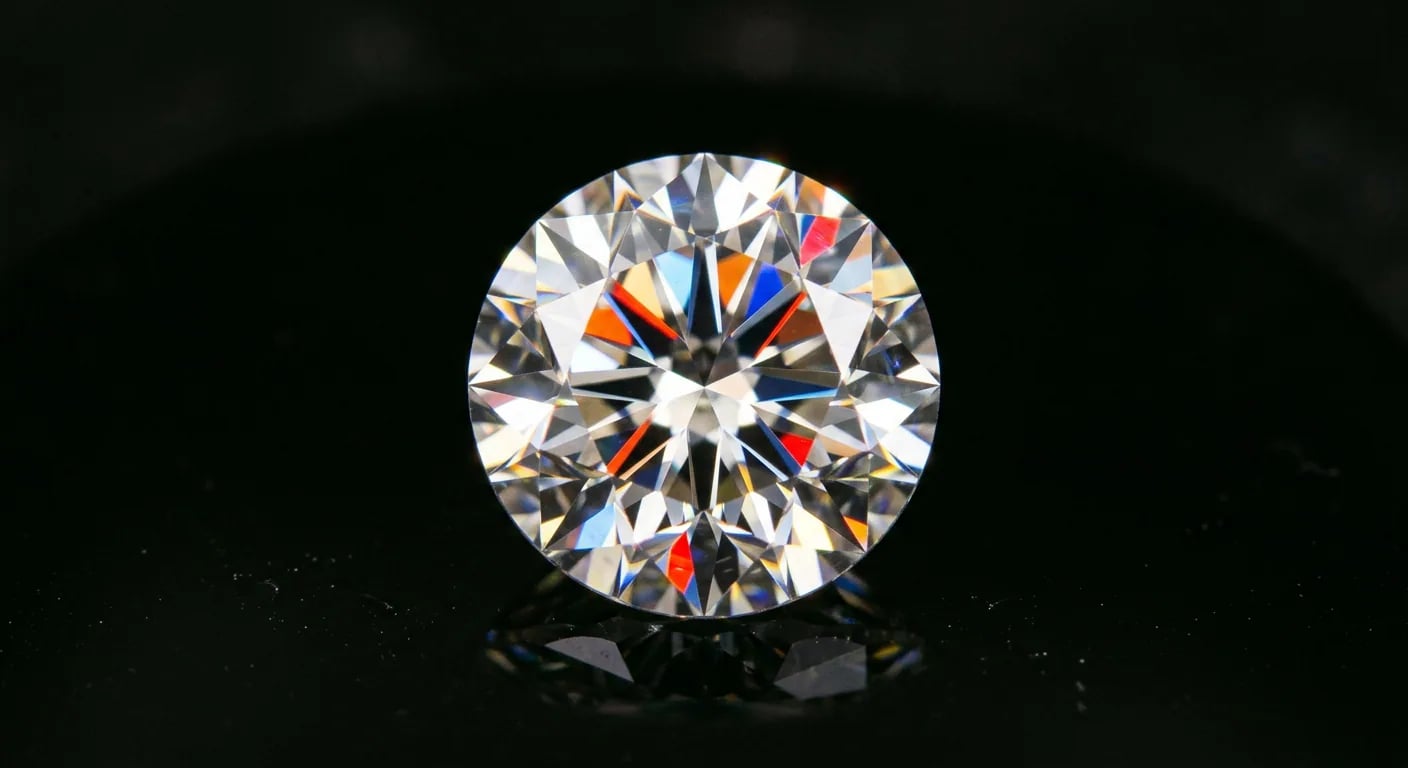
While often confused with shape (like round, oval, or pear), diamond cut specifically refers to how well a diamond's facets interact with light. It is widely considered the most critical of the 4Cs because it determines the stone's fundamental visual appeal: its sparkle. A masterfully cut diamond exhibits high levels of brightness (white light reflection), fire (dispersion of color), and scintillation (flashes of light when moved).
Professional gemologists evaluate cut based on factors such as proportion, symmetry, and polish. A poorly cut diamond, even one with perfect color and clarity, will appear dull and lifeless because light leaks out the sides or bottom instead of reflecting back to the eye. For maximum brilliance, prioritizing an 'Excellent' or 'Ideal' cut grade is often recommended.
Diamond Color, Clarity, and Carat Weight
The remaining three Cs provide further differentiation in diamond quality and rarity.
- Diamond Color: This grade actually measures the absence of color. The GIA scale ranges from D (completely colorless) to Z (light yellow or brown). Truly colorless diamonds are exceptionally rare and valuable. Most diamonds used in fine jewelry fall into the colorless (D-F) or near-colorless (G-J) ranges. When set in yellow or rose gold, near-colorless diamonds often appear stark white, offering excellent value.
- Diamond Clarity: This factor assesses the presence of internal characteristics called inclusions and external characteristics called blemishes. The scale ranges from Flawless (no inclusions visible under 10x magnification) to Included (inclusions visible to the naked eye). Many buyers target "eye-clean" diamonds, typically in the VS1 to SI1 range, where imperfections are not apparent without magnification, prioritizing visual beauty over microscopic perfection.
- Carat Weight: This is the measure of a diamond's apparent size, specifically its weight (one carat equals 0.2 grams). While larger diamonds are rarer and thus command higher prices, carat weight alone does not determine value. A well-cut smaller diamond can appear larger and more brilliant than a larger, poorly cut one.
Understanding these characteristics allows for informed comparisons. For instance, some may prioritize a higher carat weight, while others prefer the unmatched brilliance of a top-tier cut or the purity of a colorless stone.
| 4C Factor | Primary Impact | Recommended Focus for Value |
|---|---|---|
| Cut | Sparkle, brilliance, fire | Prioritize Excellent/Ideal grades. |
| Color | Whiteness, lack of tint | G-J (Near Colorless) offers great value. |
| Clarity | Purity, absence of flaws | VS2-SI1 (Eye-Clean) is often sufficient. |
| Carat | Size, weight | Consider buying just below whole numbers (e.g., 0.9ct). |
Budgeting and Value Assessment
Establishing a budget for an engagement ring is a critical first step that often causes unnecessary stress. Historically, arbitrary rules suggested allocating two or three months' salary, but modern financial wisdom disregards these benchmarks. An appropriate budget is entirely personal, determined by individual financial circumstances, savings, and shared priorities rather than external pressure.
Setting a definitive spending limit before exploring options prevents emotional overspending. This approach allows for a focused search, ensuring resources are allocated effectively to maximize the ring's impact and quality.
Maximizing Value: Strategic Trade-offs
Finding value in an engagement ring does not require a massive budget; it requires understanding where to invest and where to compromise. The goal is to maximize visual impact and beauty within the stated budget. Expert advice consistently highlights prioritizing the diamond's Cut. An Excellent or Ideal cut maximizes sparkle and can make a diamond appear brighter and even larger than a poorly cut stone of higher carat weight.
Conversely, significant savings can be achieved by making strategic compromises on Color and Clarity, often without compromising the ring's beauty to the naked eye.
- Color Strategy: For rings set in yellow or rose gold, selecting a diamond in the near-colorless range (G-J) offers exceptional value. The metal's warm tones complement any slight tint in the diamond, making it appear colorless.
- Clarity Strategy: Aim for "eye-clean" diamonds. Inclusions in VS2 or SI1 clarity grades are typically invisible without magnification. Choosing these over technically perfect, internally flawless stones redirects the budget toward a better cut or larger carat weight.
Value Alternatives and Smart Buying
Beyond the traditional diamond, several strategies can significantly impact the final cost and value of an engagement ring.
One effective tactic is buying "shy" of popular carat weights. Diamond prices jump exponentially at whole numbers like 1.00 or 1.50 carats. Selecting a 0.90 or 1.40-carat diamond can result in substantial savings, while the visual size difference is negligible.
Many couples are also exploring colored gemstones as distinctive and meaningful center stones. A sapphire, for instance, offers incredible durability (9 on the Mohs scale) and a rich history, often at a lower price point per carat than a comparable diamond. Similarly, the vibrant green of an emerald provides a unique aesthetic, though its care requirements differ from harder stones. Understanding the properties of various birthstones can open up beautiful, personalized alternatives that offer exceptional value and a unique story.
| Strategy | Impact on Budget | Impact on Appearance | Expert Recommendation |
|---|---|---|---|
| Prioritize Cut | High Investment | Maximizes sparkle and brilliance | Always prioritize. An Excellent cut hides other imperfections. |
| Lower Color (G-J) | Significant Savings | Minimal if set in yellow/rose gold | Excellent value for warm metal settings. |
| Lower Clarity (VS2-SI1) | Significant Savings | Eye-clean; no visible inclusions | Best value for balancing purity and price. |
| Buy "Shy" (0.90ct vs 1.0ct) | High Savings | Negligible size difference | Smart way to save without sacrificing visual impact. |
| Choose Alternative Gemstone | Varies (often lower) | Unique, personalized aesthetic | Consider sapphire or emerald for durability and distinctiveness. |
Certified Sapphires Ready for a Ring
The Importance of Certification and Trust
Purchasing an engagement ring involves significant emotional and financial investment. Verifying the authenticity and quality of the central gemstone is what separates a smart purchase from a regret. While visually assessing a stone provides initial appeal, professional verification offers objective confirmation of its precise characteristics. Trust in both the stone’s documentation and the sourcing jeweler is fundamental to a confident acquisition.
Independent Grading Reports
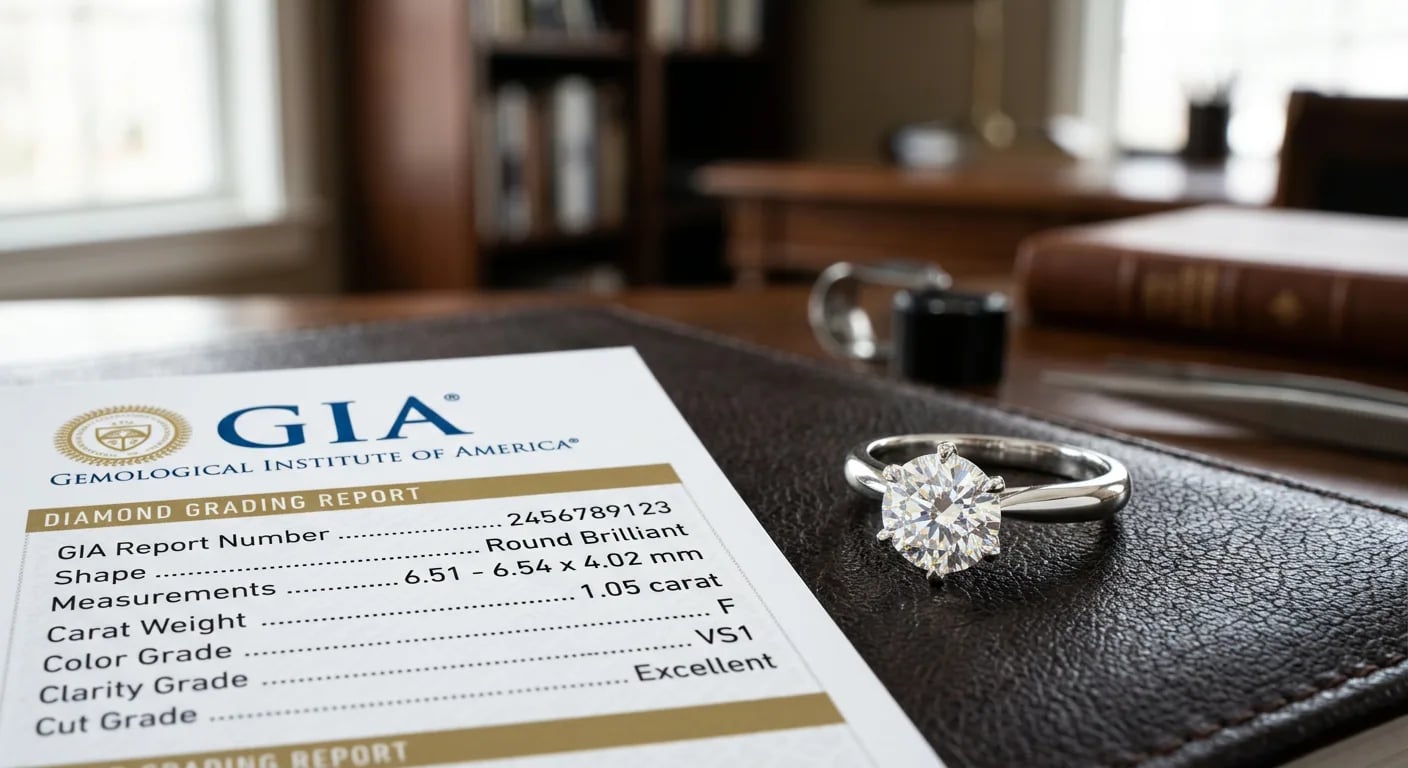
A diamond grading report, frequently referred to as a certificate, is an objective evaluation conducted by an independent gemological laboratory. This document provides a detailed analysis of the stone's 4Cs: Cut, Color, Clarity, and Carat Weight, along with its precise measurements and cutting proportions. It serves as an unbiased blueprint of the gemstone's quality, ensuring the buyer receives exactly what is represented.
The Gemological Institute of America (GIA) is globally recognized as an authority in diamond grading, known for its stringent standards and consistency. Reports from the GIA are considered a benchmark for accuracy. Other reputable laboratories, such as the International Gemological Institute (IGI), also provide reliable certifications, often seen accompanying lab-grown diamonds. A valid certificate is essential for verifying value, insurance, and potential resale.
Choosing a Reputable Jeweler
Selecting the right jeweler is as critical as choosing the stone itself. A reputable jeweler operates with transparency, professionalism, and a commitment to ethical sourcing. They should readily provide independent grading reports for their gemstones and possess the expertise to explain the nuances of the 4Cs and how they impact value.
Key indicators of a trustworthy jeweler include:
- Established Reputation: Positive client testimonials and a history of ethical business practices.
- Expertise: Staff with recognized gemological credentials (e.g., GIA Graduate Gemologists).
- Transparency: Clear pricing structures and solid warranties or guarantees.
- Policies: Straightforward return and exchange policies that offer peace of mind.
A professional jeweler should facilitate a pressure-free environment, focusing on education and guidance rather than immediate sales. They will often utilize specialized tools, such as a jeweler's loupe, to allow clients to examine the gemstone's characteristics firsthand.
Trust also extends to the sourcing of the gemstones. Ethical jewelers adhere to strict protocols, ensuring their diamonds and colored stones, like rubies or alexandrite, are conflict-free and responsibly sourced. This commitment to integrity provides assurance that the ring symbolizes love in every aspect of its creation.
| Aspect | Independent Certification (GIA/IGI) | Jeweler Appraisal |
|---|---|---|
| Purpose | Objective quality grading (4Cs) | Estimated replacement value |
| Conducted By | Independent gemological lab | Qualified gemologist/appraiser |
| Timing | Before the stone is set | After the ring is completed |
| Use | Verifying quality and authenticity | Securing insurance coverage |
| Critical For | Major diamond purchases | All high-value jewelry |
Finding Her Style and Discreetly Sizing the Ring
A successful engagement ring purchase requires balancing technical knowledge of gemstones and metals with a deep understanding of the recipient's personal aesthetic. For those planning a surprise proposal, this introduces the dual challenge of identifying her preferred style and determining her accurate ring size without revealing the intent. This process transforms the acquisition from a purely financial transaction into a thoughtful, personalized endeavor.
Decoding Her Jewelry Preferences
Selecting a ring she will cherish involves keen observation and strategic information gathering. The primary source of inspiration is her existing jewelry collection. Analyzing the pieces she wears daily provides critical insights into her style profile.
Consider these key observational factors:
- Metal Color: Does she predominantly wear warm tones (yellow gold), cool tones (white gold, platinum), or romantic hues (rose gold)?
- Aesthetic Style: Is her jewelry modern and minimalist, featuring sleek lines and contemporary settings? Or does she gravitate toward vintage-inspired designs with intricate details, milgrain, or filigree?
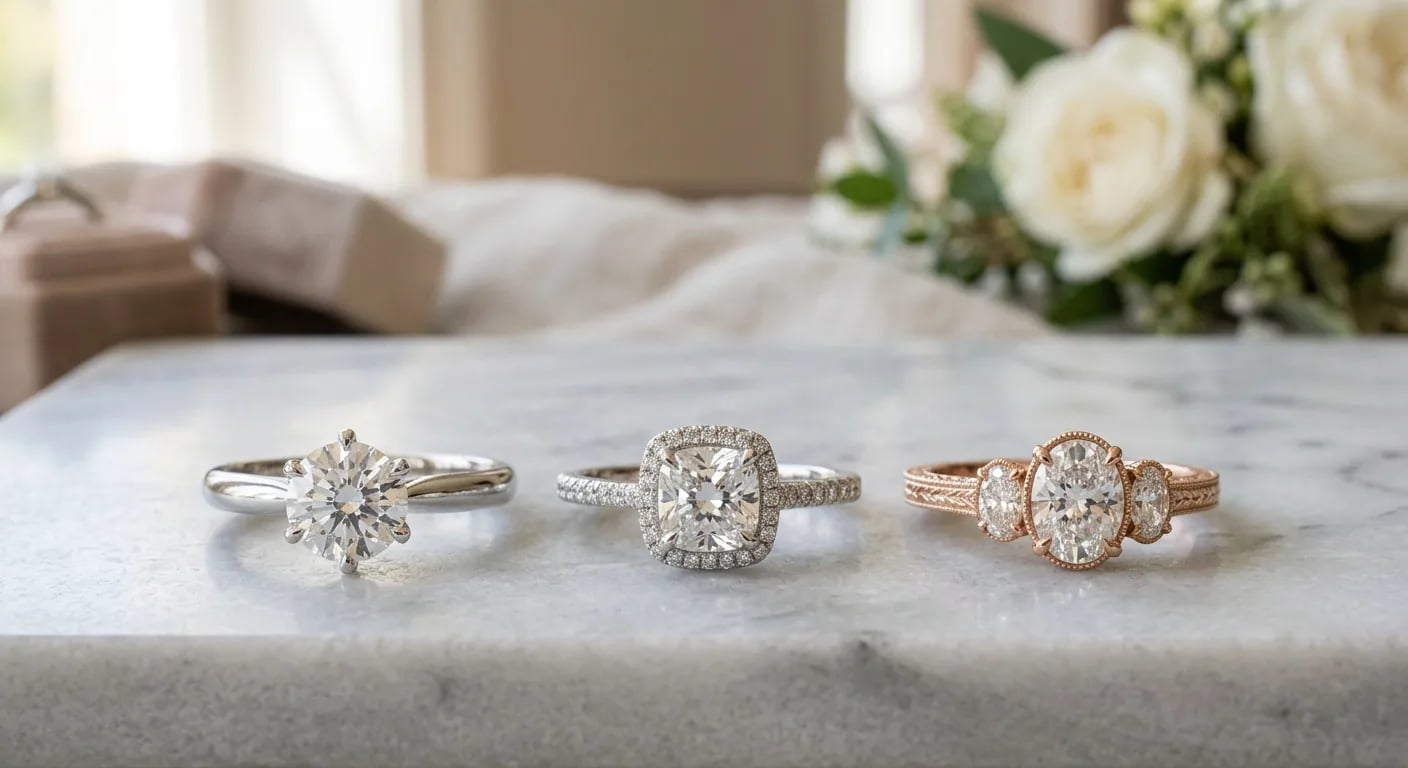
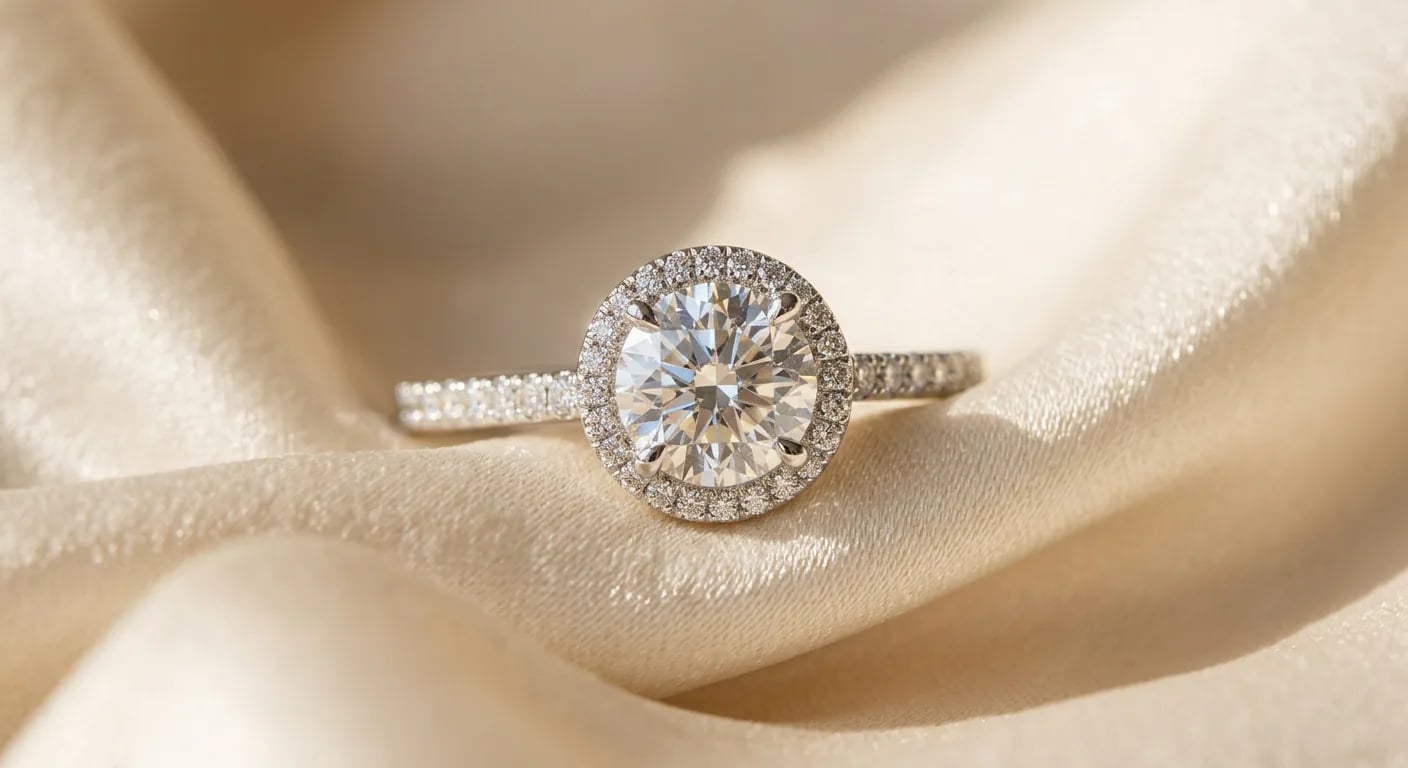
- Complexity: Does she prefer simple, understated pieces, like a classic solitaire, or ornate designs with maximum sparkle, such as a halo or pavé setting?
Beyond direct observation, subtle cues can be found in her social media activity, particularly curated boards on Pinterest, or by noting her reactions to jewelry worn by friends or celebrities. Discreetly consulting close friends or family members who understand her taste can also yield valuable guidance, provided they can maintain the secret. For deeper inspiration, exploring an expert guide to engagement ring styles can help map these observations to specific design movements.
Secretly Determining Her Ring Size
Obtaining an accurate ring size discreetly is one of the most challenging aspects of planning a surprise proposal. While resizing is often possible after the event, aiming for a correct fit initially enhances the moment and avoids immediate logistical hurdles. Several methods can be employed to estimate the size with reasonable accuracy.
| Method | Execution | Accuracy Level | Considerations |
|---|---|---|---|
| Borrow an Existing Ring | Temporarily secure a ring she wears on her left ring finger. A jeweler can measure its exact inner diameter. | High | Must ensure the ring is worn on the correct finger (dominant hands are often larger). |
| The Trace Method | Place one of her rings on a piece of paper and carefully trace the inside circumference with a sharp pencil. | Medium | Accuracy depends heavily on the precision of the tracing. |
| The Finger Mimic | Try one of her rings on your own finger and mark exactly where it fits comfortably. A jeweler can measure that spot on your finger. | Medium-Low | Best used as a backup method or if the ring cannot be removed for long. |
| Consult Confidants | Ask a close friend or family member if they happen to know her size or can discreetly find out. | Varies | Relies on the accuracy of their knowledge and their ability to be discreet. |
When in doubt, professional jewelers frequently recommend selecting a slightly larger size. It is generally easier and less complex to size a ring down than it is to increase its size, which may require adding metal. For individuals prioritizing the selection of the central gemstone, such as a diamond or a vibrant emerald, before finalizing the setting, some jewelers offer temporary proposal rings. This allows the proposal to happen with the chosen stone, followed by a collaborative design process for the permanent setting and perfect fit.
Caring for Your Engagement Ring: Ensuring a Lifetime of Sparkle
An engagement ring is designed for daily wear, symbolizing enduring love. However, its constant exposure to the elements, such as lotions, household cleaners, dust, and accidental impacts, can diminish its brilliance over time and even compromise its structural integrity. Proper, consistent care is essential to maintain the breathtaking sparkle of a diamond or the vibrant hue of a colored gemstone, ensuring the ring remains as beautiful as the day it was received. Maintaining a luxury piece requires a combination of gentle home cleaning, mindful wearing habits, and periodic professional maintenance.
Regular Cleaning and Maintenance
Daily life inevitably takes a toll on a ring’s appearance. Oils from skin, soap residue, and environmental dirt create a film on the gemstone’s facets, particularly underneath the setting, blocking light from entering and exiting the stone. This accumulation is the primary cause of a dull-looking ring. Fortunately, restoring that original brilliance is straightforward.
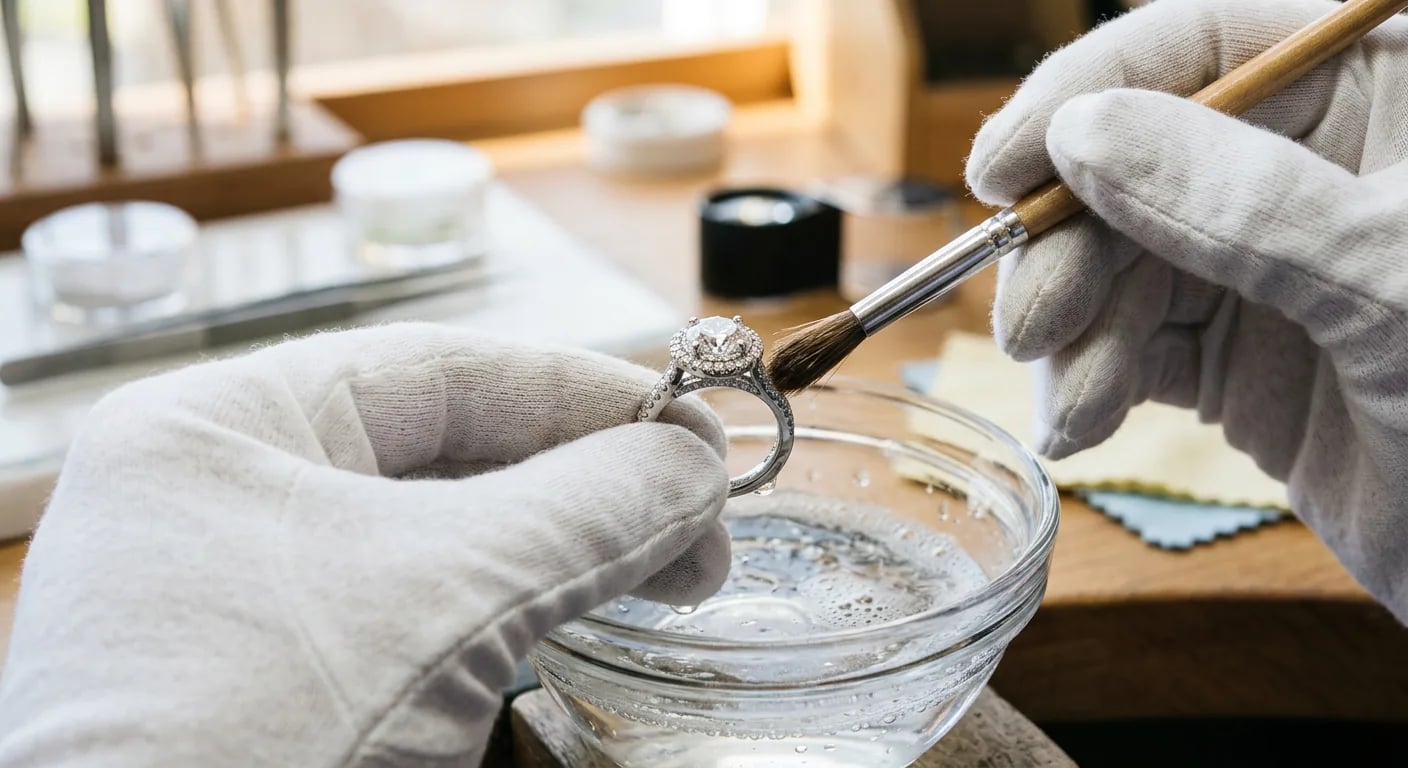
Professional gemologists recommend a gentle cleaning at home every week or two. The most effective method involves soaking the ring in a bowl of warm water mixed with a few drops of mild, degreasing dish soap (avoid harsh detergents or chemicals). After soaking for 20-30 minutes, gently brush the gemstone, especially underneath where dirt collects, using a new, baby-soft toothbrush. Rinse thoroughly under warm running water, ensuring the drain is closed, and pat dry with a soft, lint-free cloth.
For deeper cleaning and to ensure the ring’s longevity, professional maintenance is well worth it. A reputable jeweler should inspect the ring every six months. They will not only utilize ultrasonic cleaners for a superior clean but, more importantly, examine the setting under magnification. This check ensures that prongs are secure, stones are not loose, and the metal has not suffered any damage. For white gold rings, this periodic visit is also when the rhodium plating can be reapplied to restore its bright, white finish.
Safe Wearing Habits and Preservation
While jewelry is crafted with durable materials like platinum and gold, and gemstones like sapphires and diamonds are incredibly hard, they are not indestructible. Establishing safe wearing habits is perhaps the most critical aspect of long-term care.
Certain activities pose significant risks to an engagement ring. Impact during strenuous exercise, gardening, or sporting activities can chip a gemstone or bend a prong, potentially leading to stone loss. Exposure to harsh chemicals found in household cleaners, swimming pools (chlorine), and even some cosmetics can discolor the metal or damage more delicate gemstones like emeralds. A good rule of thumb is that the engagement ring should be the last thing put on in the morning and the first thing taken off at night.
When not being worn, the ring should be stored safely. Placing it in a fabric-lined jewelry box, ideally in a separate compartment, prevents it from scratching other pieces of jewelry or being scratched itself.
Finally, protecting the ring against loss or damage is simply common sense. Immediately after acquisition, the ring should be appraised by a qualified professional and insured. Jewelry insurance provides peace of mind, covering potential loss, theft, or significant damage, ensuring that this symbolic piece can be repaired or replaced if necessary.
| Care Aspect | Frequency | Recommended Action | Purpose |
|---|---|---|---|
| Home Cleaning | Weekly/Bi-weekly | Soak in warm, soapy water; gentle brushing. | Removes daily buildup of oils and dirt; restores sparkle. |
| Professional Inspection | Every 6 Months | Jeweler check of prongs, setting, and stone security. | Prevents stone loss; identifies structural issues early. |
| Professional Cleaning | Every 6-12 Months | Ultrasonic and steam cleaning by a specialist. | Deep cleans areas inaccessible at home; restores maximum brilliance. |
| Safe Storage | Daily (when not worn) | Place in a soft pouch or separate jewelry box compartment. | Prevents scratching and damage from other jewelry. |
| Insurance Appraisal | Upon Purchase & Every 3-5 Years | Detailed valuation by a certified appraiser. | Ensures adequate insurance coverage for replacement. |
Have a Ring Made Around Your Stone
JOALYS
Everything Begins with the Stone
Two sapphires can share the same grade and nothing else. Yours is chosen in hand.
Keep the sapphire loose, or commission a ring made around it — made to order, never off the shelf.
Custom Ring Creation Process
Custom Ring Creation Process
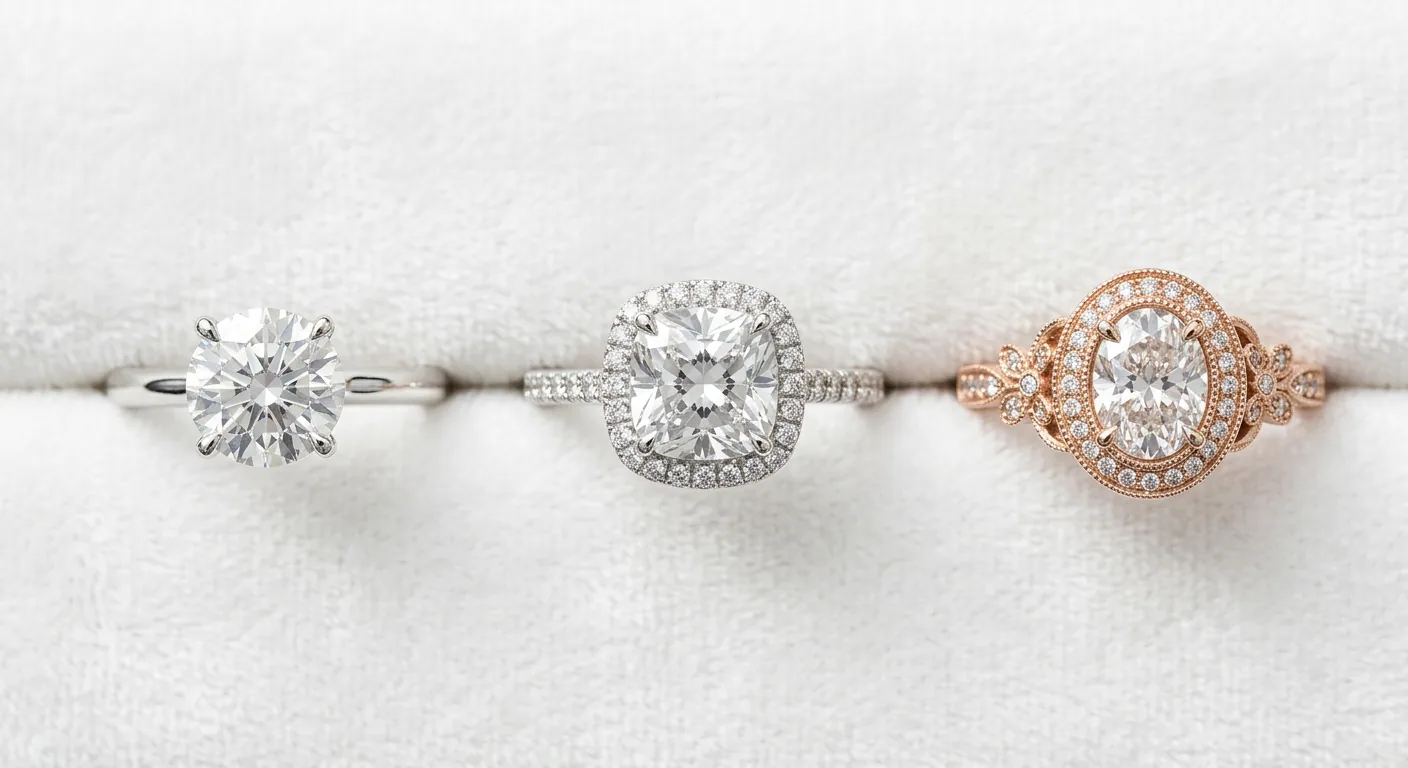
The process for creating a custom ring involves three primary steps:
- Stone Selection - Browse certified gemstones
- Inspection - Gemstones are provided in an authentication case for review.
- Setting Design - Collaborate with jewelers to design the setting.
Frequently Asked Questions
Conclusion
Selecting an engagement ring involves balancing emotional significance with technical knowledge, but the process becomes more manageable with the right understanding. Prioritizing diamond cut ensures maximum brilliance, while selecting eye-clean clarity and near-colorless grades optimizes value. Demystifying the 4Cs, identifying a personal style, and insisting on independent certification provides the confidence needed to make an informed decision on this significant investment.
The process of finding an engagement ring begins with knowledge and expert guidance. A secure method involves first selecting a certified gemstone from a curated collection, which is then delivered in an authentication case for inspection. When ready to proceed, a custom setting can be designed to complement the chosen stone. For personalized assistance or to discuss a specific vision, expert gemologists are available to begin creating a unique piece.