
Orange Sapphire: Padparadscha's Warmth, Without the Pink
2 stones in stock · $386 to $759 · $360–$376 per carat · 1.07–2.02 ct
Orange sapphire is what you reach for when you love the warmth of padparadscha but want the orange to stand on its own, without the pink. It runs from soft peach to vivid tangerine, it is corundum so it wears like sapphire should, and every stone here was picked in Sri Lanka and sent to an independent gem laboratory after your purchase, report included.
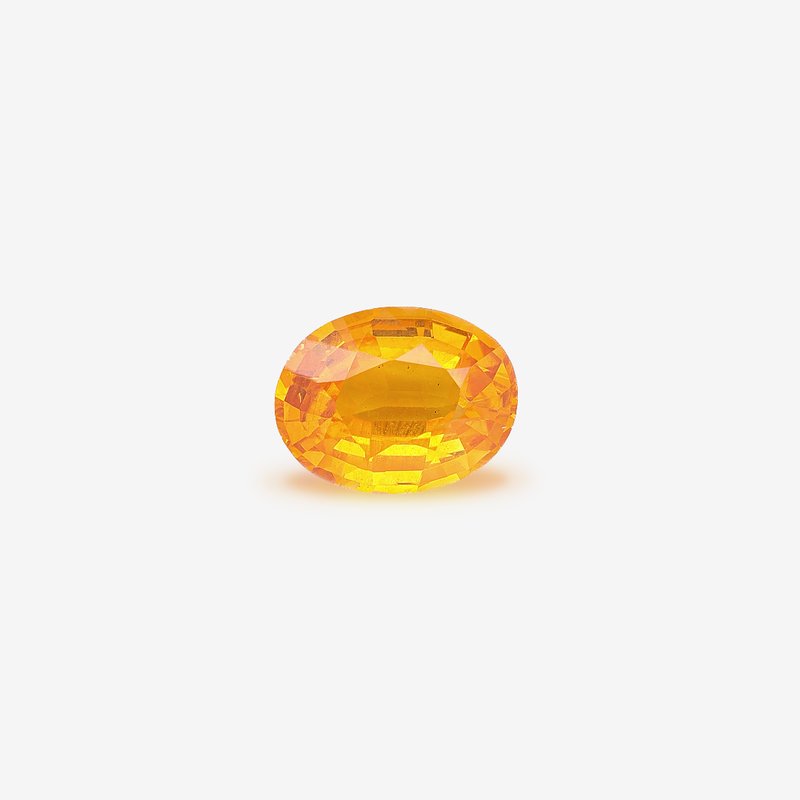
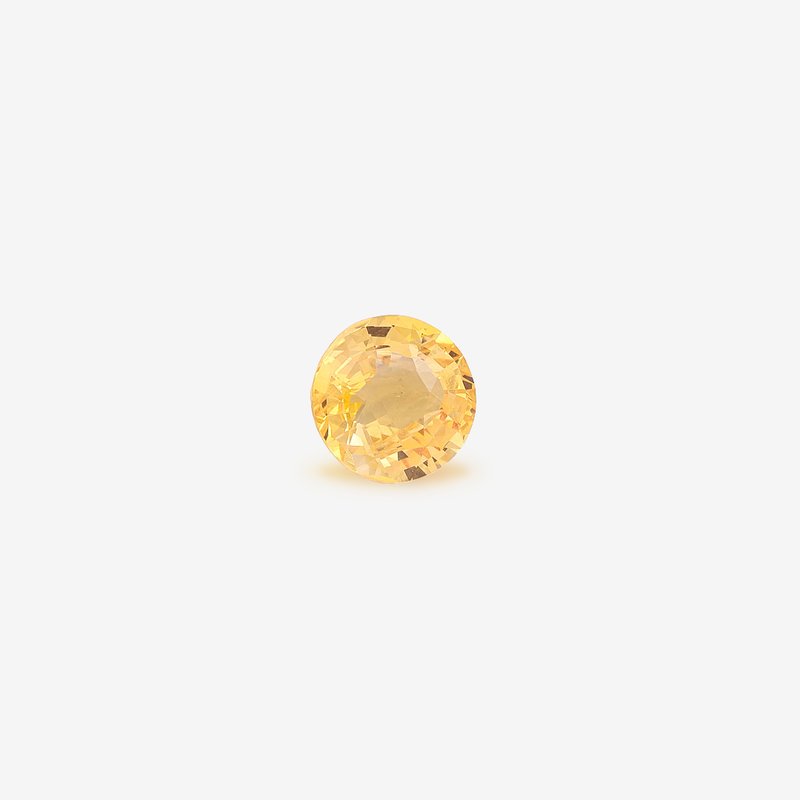
Orange sapphire and the padparadscha line
Padparadscha is the famous one, a delicate blend of pink and orange named after the lotus flower, and it commands some of the highest per-carat prices of any fancy sapphire. Orange sapphire is its less expensive, more straightforward cousin. Push padparadscha's color toward pure orange, drop the pink, and you have an orange sapphire: yellowish orange through reddish orange, in tones from light to deep. For a buyer who wants warmth and glow without paying the padparadscha premium, it is a quietly brilliant choice.
What gives orange sapphire its color
Worth getting right, because the trade often muddles it. Per GIA, natural yellow and orange sapphires get their color from iron, sometimes with chromium, or from color centers in the crystal. It is not a simple "chromium plus iron" stone the way some listings claim. Chromium on its own drives red and pink in corundum. Orange is mostly an iron story, with chromium playing a supporting role at most.
Durability and treatment
Orange sapphire is corundum, rating 9 on the Mohs scale with excellent toughness. That puts it among the most durable colored stones you can wear daily. Some orange sapphire is heated, the standard stable corundum treatment, and some is untreated. A few orange stones get their color from less stable color centers, which is exactly why an independent laboratory report matters, and why every stone we sell ships with one.
Reading the color
The finest orange sapphire is a strong red-orange with medium tone and vivid saturation. We look for that lively, saturated glow and avoid stones that read brownish or washed out. East Africa has added supply in recent years, but our parcels are sourced directly in Sri Lanka, the historic home of the padparadscha-adjacent oranges. Browse the loose orange sapphires below.