
Cornflower Blue Sapphire Collection
9 stones in stock · $831 to $1,998 · $425–$1,708 per carat · 1.01–2.03 ct · 5 unheated
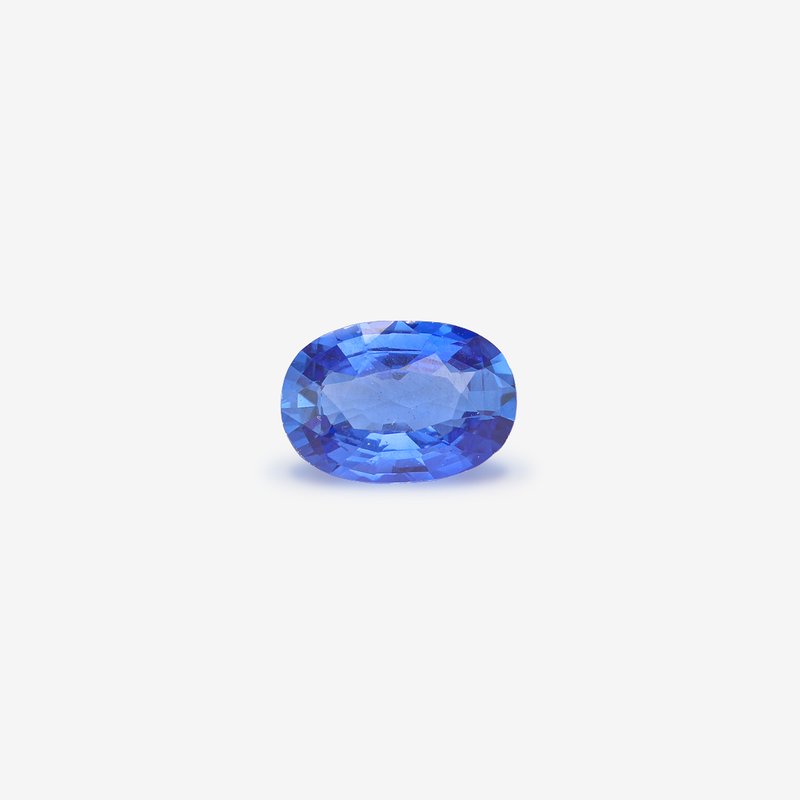
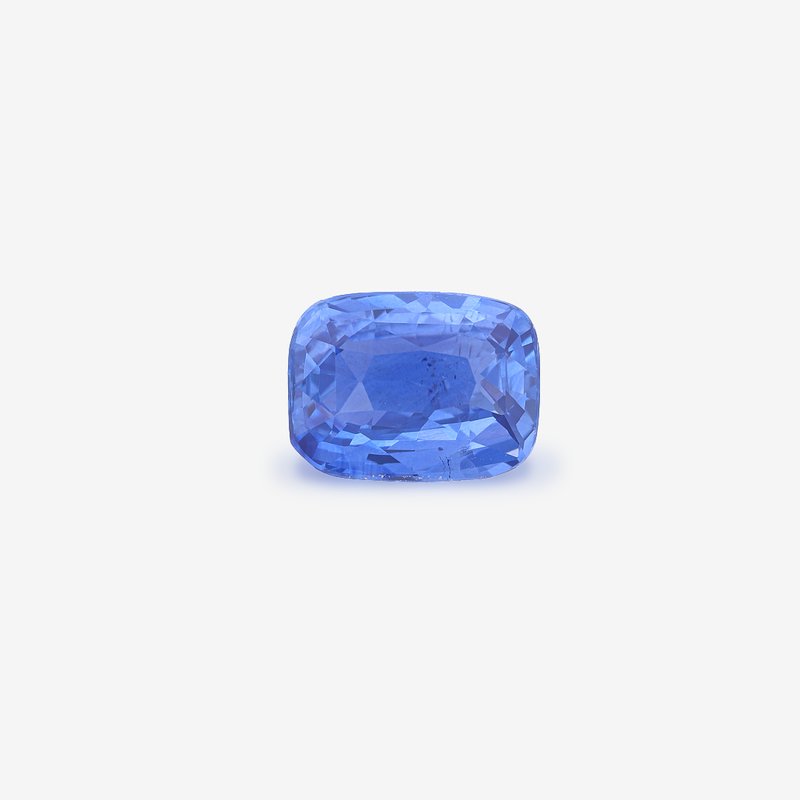
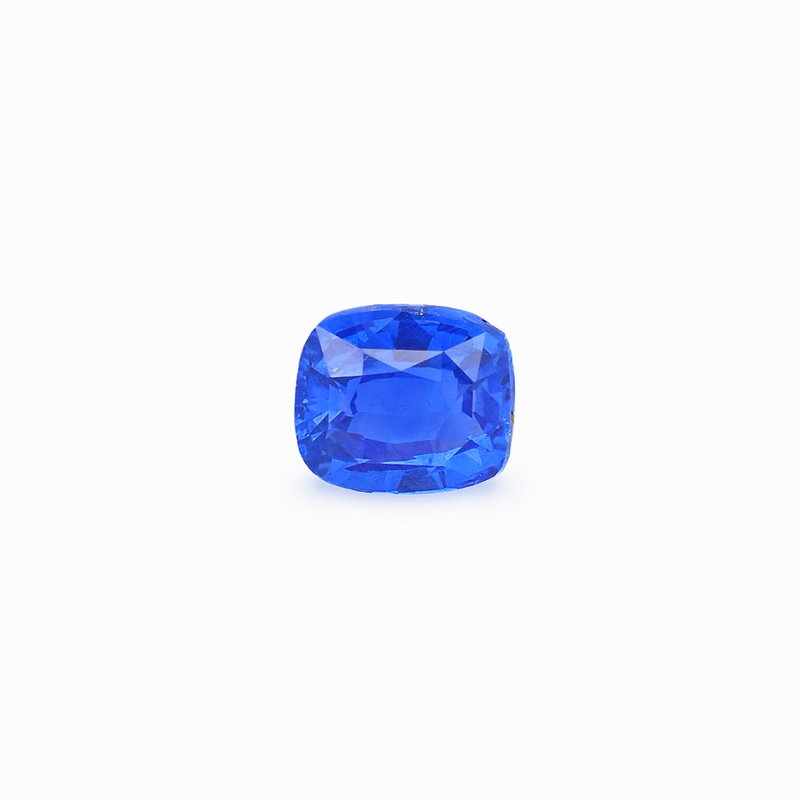
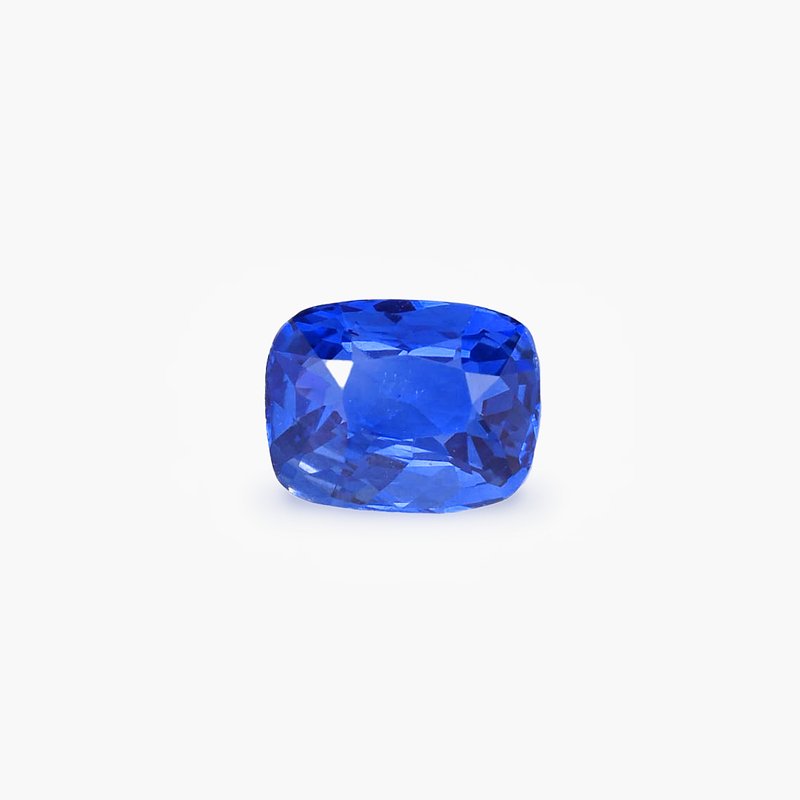
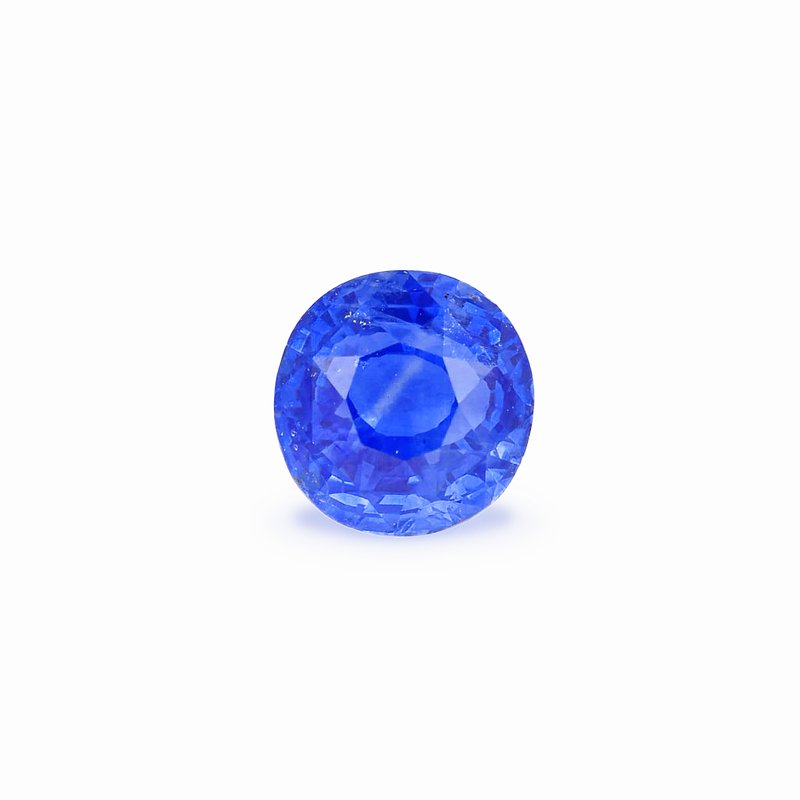
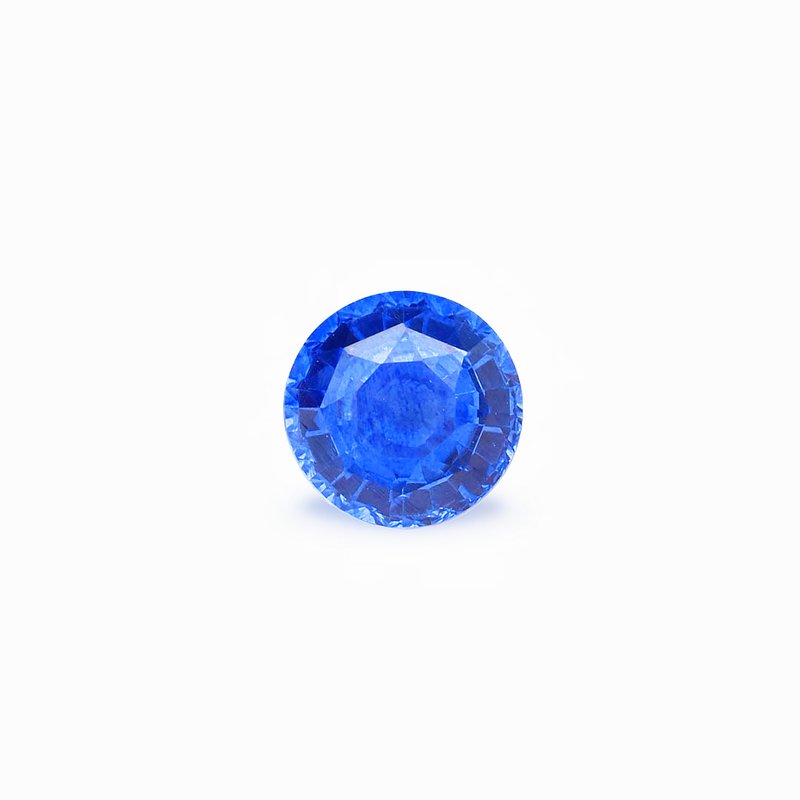
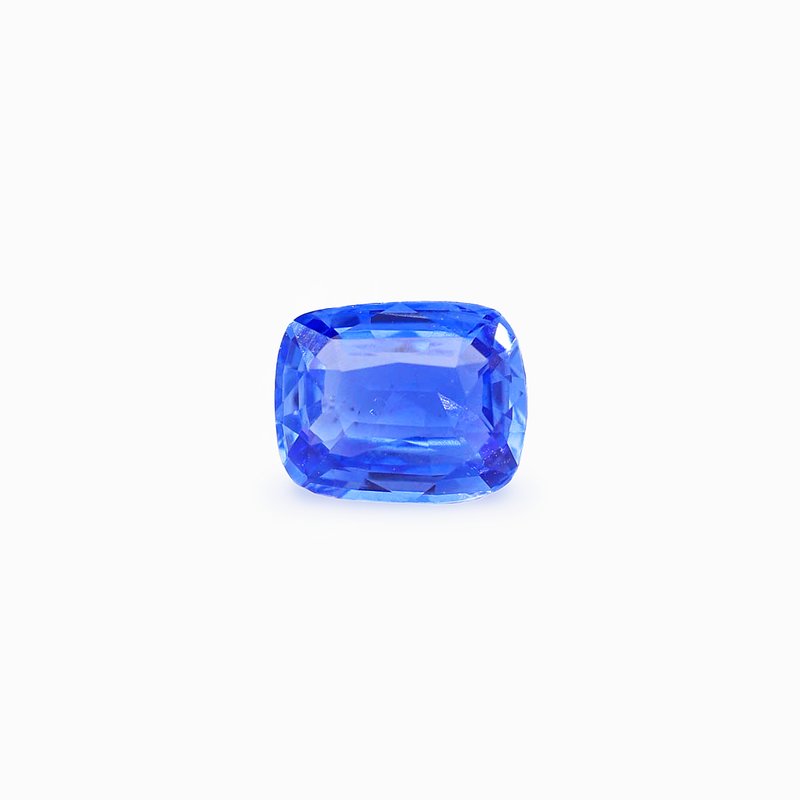
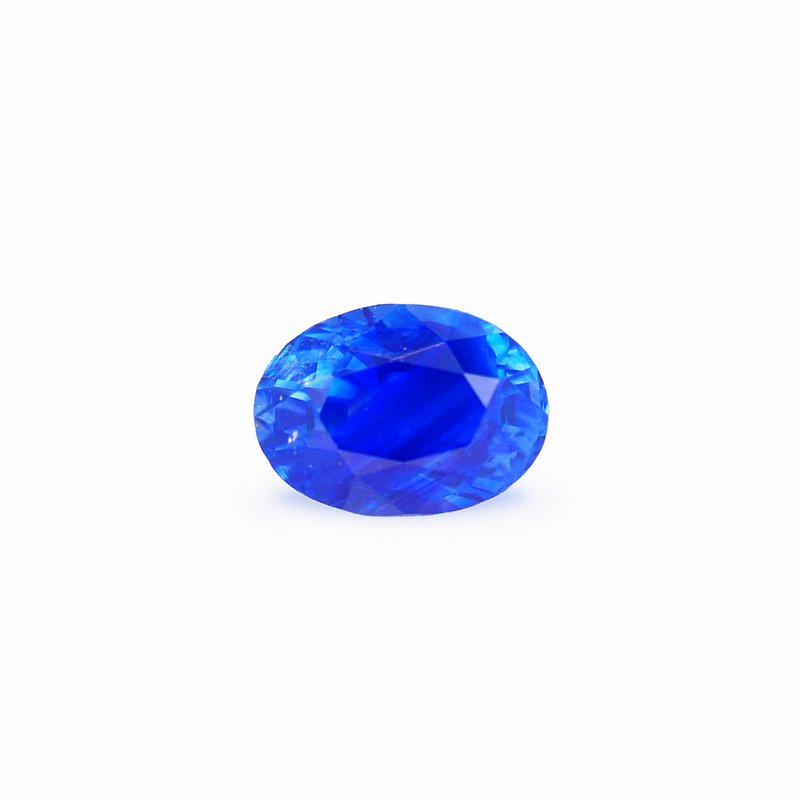
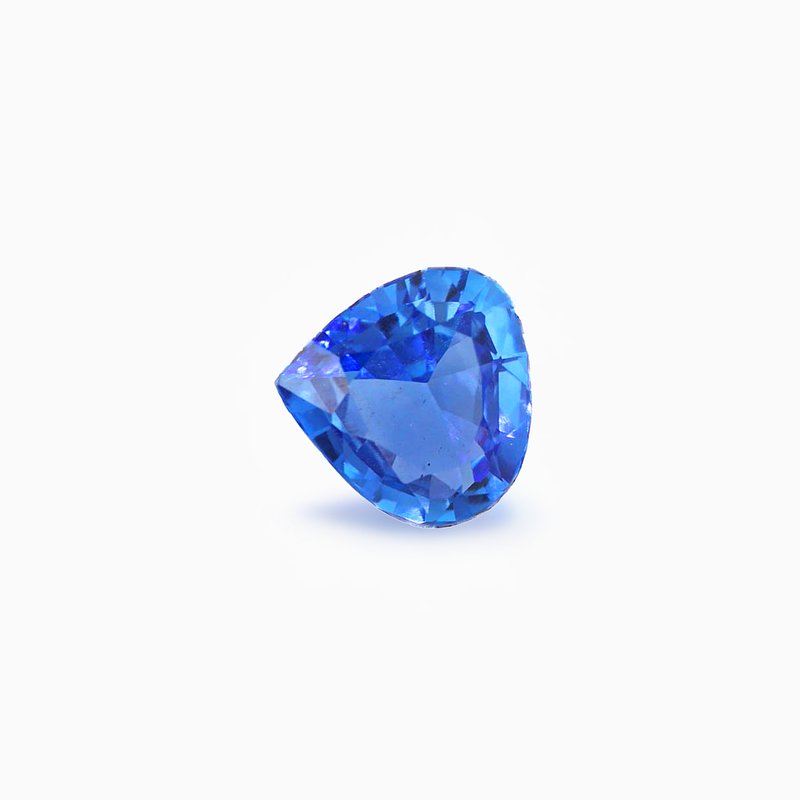
Cornflower blue is the color that made Kashmir sapphires legendary. It's a medium-dark blue with a slight violet hue and a soft, almost sleepy quality that the trade calls "velvety." You don't need a Kashmir stone to get this color though. Sri Lanka and Madagascar produce cornflower blues that rival the best Kashmirs at a fraction of the cost. We source directly from partner mines, no middlemen. What makes cornflower blue special? In our stock, the stones listed as cornflower are lighter on average than those listed as royal blue, and the two names overlap. The classic reference is a medium-dark, velvety blue, with a romantic softness that photographs beautifully. Unheated cornflower blues are highly prized by collectors. See what's available below.
Cornflower Blue Sapphire: The Romantic Blue of Kashmir Legend
Cornflower blue sapphire is one of the most poetic and sought-after trade names in the gemstone world. Named after the delicate blue petals of the Centaurea cyanus flower, this variety exhibits a pure, medium-dark blue with exceptional luminosity and an almost ethereal openness. It is the color that made Kashmir sapphires legendary -- a blue so soft and radiant that it appears to glow from within, as though lit by its own internal light.
The Hallmark of Kashmir
The original cornflower blue sapphires emerged from the Zanskar Range of the Himalayas in the 1880s. These stones possessed a unique combination of fine rutile silk and an ideal iron-titanium concentration that produced a medium-dark blue with a distinctive milky softness. While Kashmir mines are now effectively exhausted, the cornflower blue trade name lives on in sapphires from Sri Lanka, Madagascar, and occasionally Burma. Today "cornflower blue" is a trade name, not an official grade or a laboratory classification.
Color Characteristics and Appeal
What distinguishes cornflower blue from other blue sapphire trade names is its brightness and purity. The hue is a clean, medium-dark blue without heavy violet or green modifiers. The tone stays in the medium-dark range -- never too dark, never too pale -- creating a blue that is universally flattering and remarkably versatile in jewelry settings. This approachable brilliance gives cornflower sapphires a romantic quality that has made them a favorite for engagement rings and heirloom pieces.
Buying Guidance
When evaluating a cornflower blue sapphire, look for even saturation across the entire face of the stone. Avoid specimens with obvious color zoning or a grayish modifier that dulls the blue. The best examples appear vivid yet gentle -- intense enough to captivate, but light enough to maintain transparency and life. Stones above 2 carats in true cornflower blue with no heat treatment are exceptionally rare and highly collectible.
The JOALYS Promise
JOALYS sources cornflower blue sapphires directly from mining operations, passing the savings from our zero-middleman model on to you. Each stone is sent to an independent laboratory after your purchase, and the report ships with it. We deliver worldwide with insured express shipping in sealed packaging, backed by a 7-day money-back guarantee for your peace of mind.