
Golden Yellow Sapphire: Warm Honey Gold, Sapphire-Tough
1 stones in stock · $373 to $373 · $366–$366 per carat · 1.02–1.02 ct
Golden yellow sapphire is the warm one. Not the pale lemon-citron yellow, but a deep honey-gold that looks lit from inside. It owes that richness to how the color forms in the crystal, and the best golden stones often reach it with little or no heat. We source ours directly in Sri Lanka, and every stone ships with a report from an independent gem laboratory.
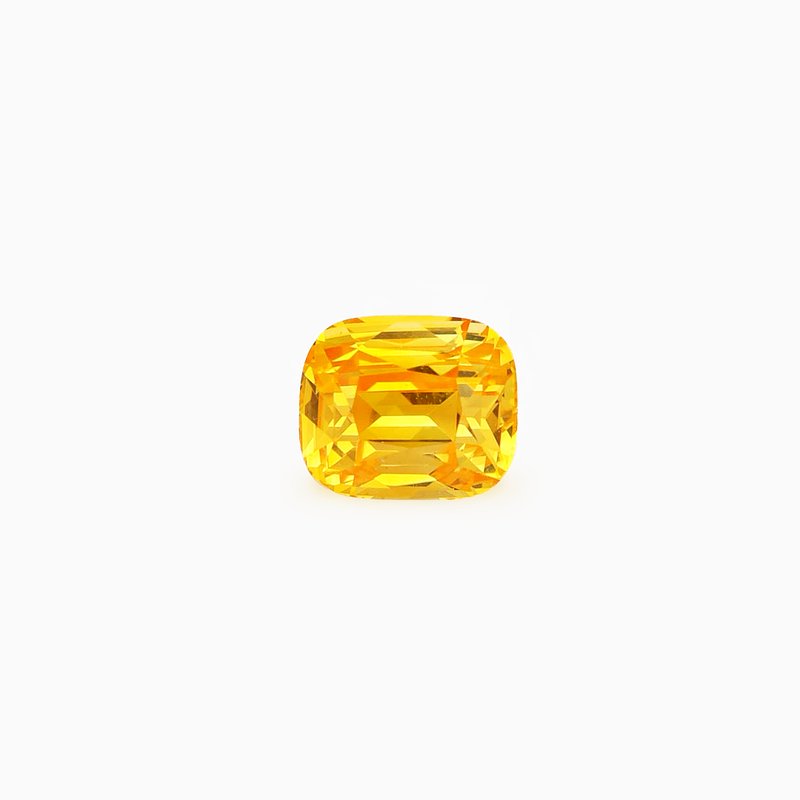
Golden gold vs lemon yellow
Yellow sapphire is not one color, it is a range. At the cool end you get pale lemon and citron, bright and light. At the warm end sits the golden, honey, almost amber gold that gives this stone its name. The difference is tone and saturation: a golden yellow carries a deeper, richer, slightly orange-leaning warmth, while a lemon yellow stays cooler and lighter. We hunt the warm, saturated golden end because that is the color that holds its presence in daylight and lamplight alike, and it is the harder one to find clean.
Where the yellow actually comes from
Most listings flatten this to "iron." The real answer is more interesting. Per GIA, yellow and orange in sapphire come from color centers, sometimes combined with the trace element iron, not iron alone. Those two mechanisms behave differently, which is why this matters to a buyer. Color-center yellows can be unstable: GIA notes that heat, or even long exposure to sunlight, can remove them. Iron-driven golden yellows are stable. A reputable golden yellow with strong, steady color, backed by a lab report, is telling you something about which mechanism is at work. We would rather explain that than pretend the cause is one simple thing.
Often unheated, and why that is a real edge
Plenty of yellow sapphire on the market is heated to brighten and stabilize the hue, which is a standard, stable corundum treatment. But fine golden yellows with strong natural color do turn up unheated, and untreated golden sapphire with steady, saturated color is genuinely prized. We will not blur that line. Every stone tells you its status on its own paper, not ours.
Sapphire-tough, and how we sell it
Golden yellow sapphire is corundum, so it rates 9 on the Mohs scale with excellent toughness, one step below diamond and harder than almost anything else you could wear. That is a real advantage over softer warm-toned stones like citrine or yellow topaz. Each stone below is a single, photographed piece that goes to an independent laboratory after your purchase, with the report stating exactly what, if anything, was done to it. No house grading you take on faith. Browse the loose golden yellow sapphires and pick the one that speaks to you.