Loose Gemstones for Jewelry: Your Expert Buying Guide (2026)
How to choose, evaluate, and buy natural certified loose stones, from ring-ready sapphires to pendant-perfect emeralds.

When you buy jewelry with a stone already set, you're placing a bet. You trust the seller picked a quality gem. You trust the prongs aren't hiding a chip. You trust the price reflects the stone, not just the brand name. That bet costs most buyers more than it should.
Buying loose gemstones for jewelry flips everything. You inspect the stone first, in your hand, under a loupe, in natural light. You pick the setting after, once you know exactly what you're working with. In our experience sourcing from Ratnapura since 2021, we've seen buyers save 20-40% this way while getting a better stone.
Updated April 2026
- Best for rings
- Sapphire, Ruby, Spinel (Mohs 8-9)
- Best for pendants
- Emerald, Tanzanite, Aquamarine, Tourmaline
- Best for earrings
- Opal, Moonstone, Garnet, Peridot
- Always required
- Certification (GIA, GRS, Gübelin, AGL)
- Always ask about
- Treatments (heat, fracture filling, diffusion)
- Origin advantage
- Sri Lanka (Ceylon) = world-class provenance
- Price advantage
- Loose stones 20-40% less than pre-set jewelry
- 4Cs priority
- Color first, then clarity, cut, carat
The Bottom Line on Loose Gemstones for Jewelry
TL;DR: Buying loose gemstones for jewelry gives you full inspection access, 20-40% savings over pre-set pieces, and total creative freedom on settings. Prioritize sapphires or rubies (Mohs 9) for rings, softer stones like emerald or tanzanite for pendants. Always demand a GIA or GRS certificate. Color matters most for value, not clarity. Sri Lanka-origin stones carry a provenance premium recognized worldwide.
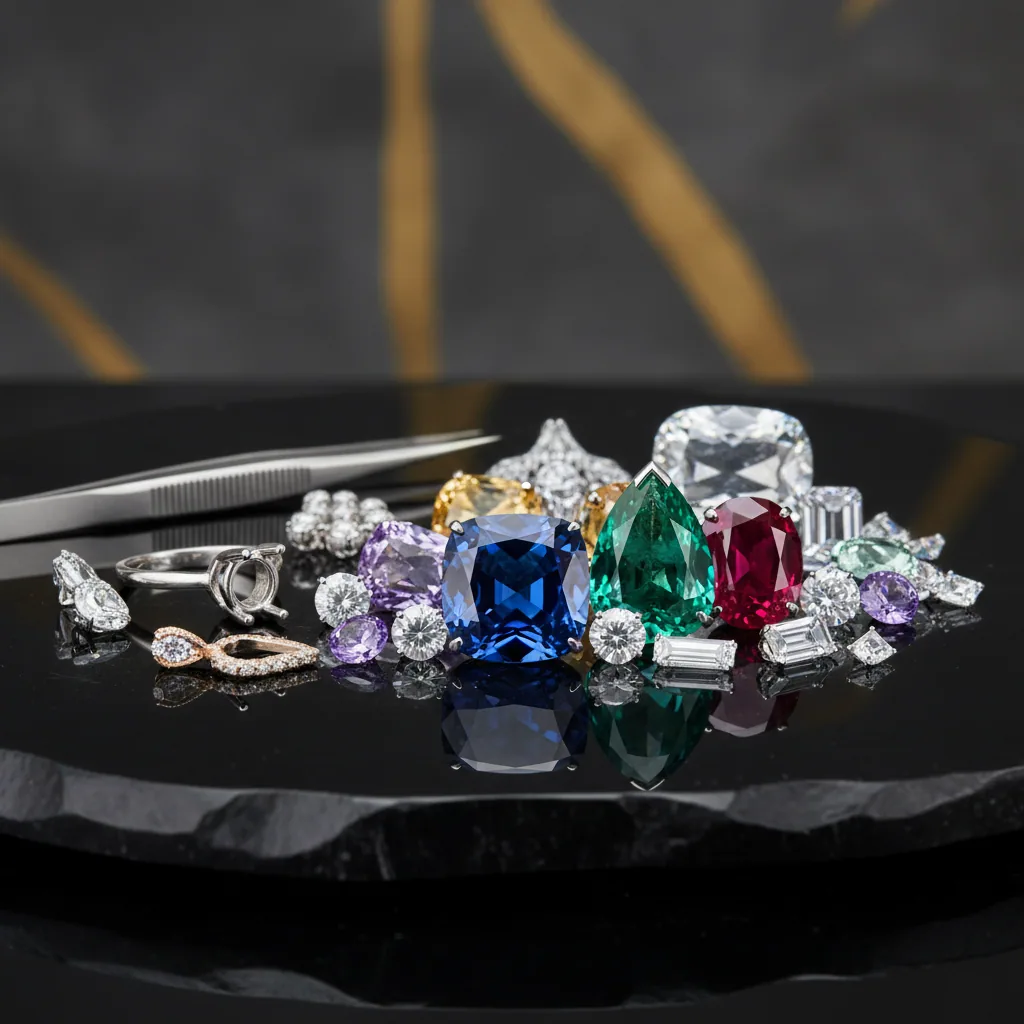
What Are Loose Gemstones and Why Buy Them?
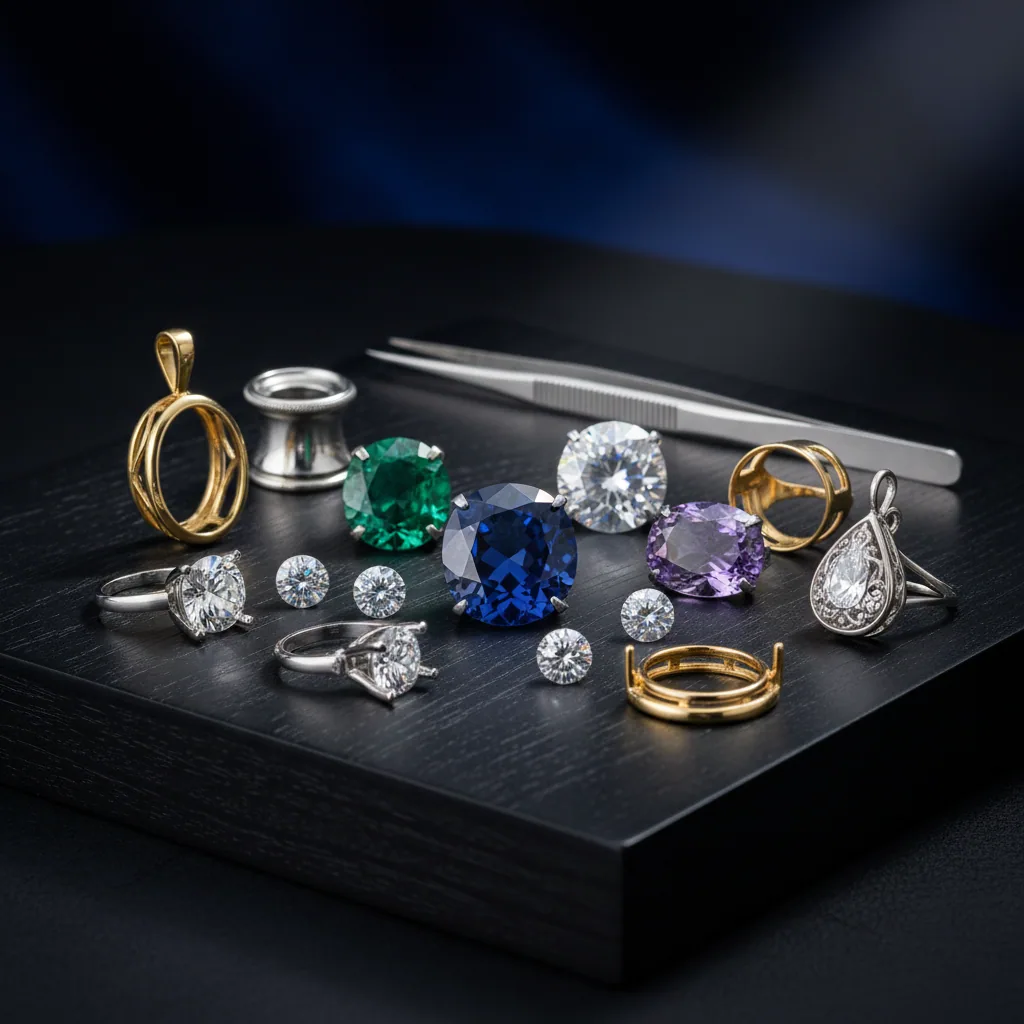
A loose gemstone is a cut and polished stone that hasn't been mounted in any metal setting. Think of it as the gem in its most honest form. Nothing hidden.
Here's the thing: when a stone sits in a ring or pendant, metal can hide inclusions, chips near the girdle, or a lopsided cut. Buying loose removes that blind spot. You evaluate the stone on its own terms, not through the filter of a pretty setting.
The main advantages of buying loose gemstones for jewelry:
- Full quality inspection, no metal concealing flaws
- Custom setting freedom, pick exactly the metal, style, and proportions you want
- Better pricing, you pay for the stone, not a retailer's markup on a finished piece
- Easier certification, loose stones get graded individually by labs like GIA or GRS
According to Gemological Institute of America data (2024), individually certified loose stones retain 15-25% more resale value than equivalent stones purchased already set. Loose stones are the standard for serious collectors, custom jewelers, and anyone who wants to know exactly what they're getting. Explore our gemstones guide for an overview of every major variety.
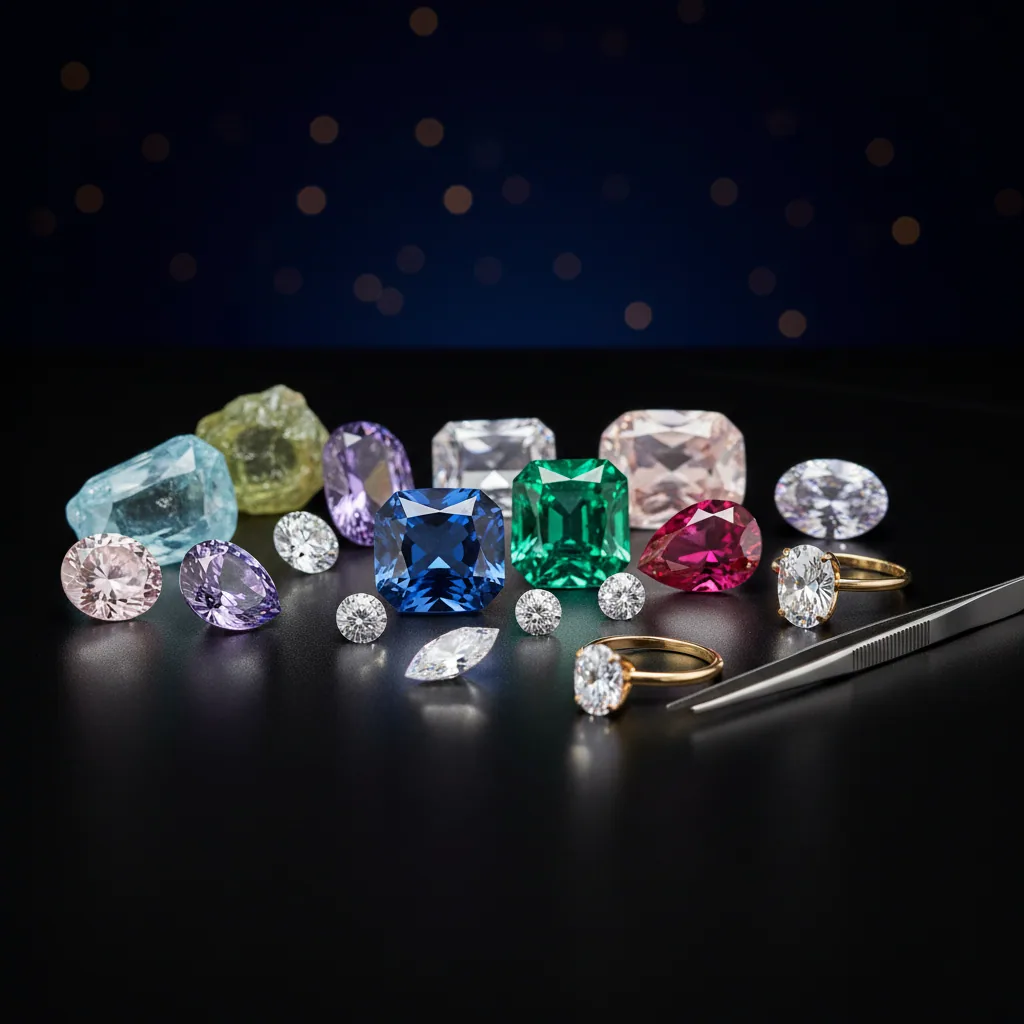
Which Loose Gemstones Work Best for Each Jewelry Type?
Not every gemstone belongs in every piece of jewelry. Durability is the deciding factor, specifically hardness on the Mohs scale and toughness (resistance to chipping).
For Rings
Rings take more daily abuse than any other jewelry type. Your stone needs to handle contact with surfaces, cleaning products, and the occasional knock against a doorframe. For rings, stick to Mohs 8 or higher:
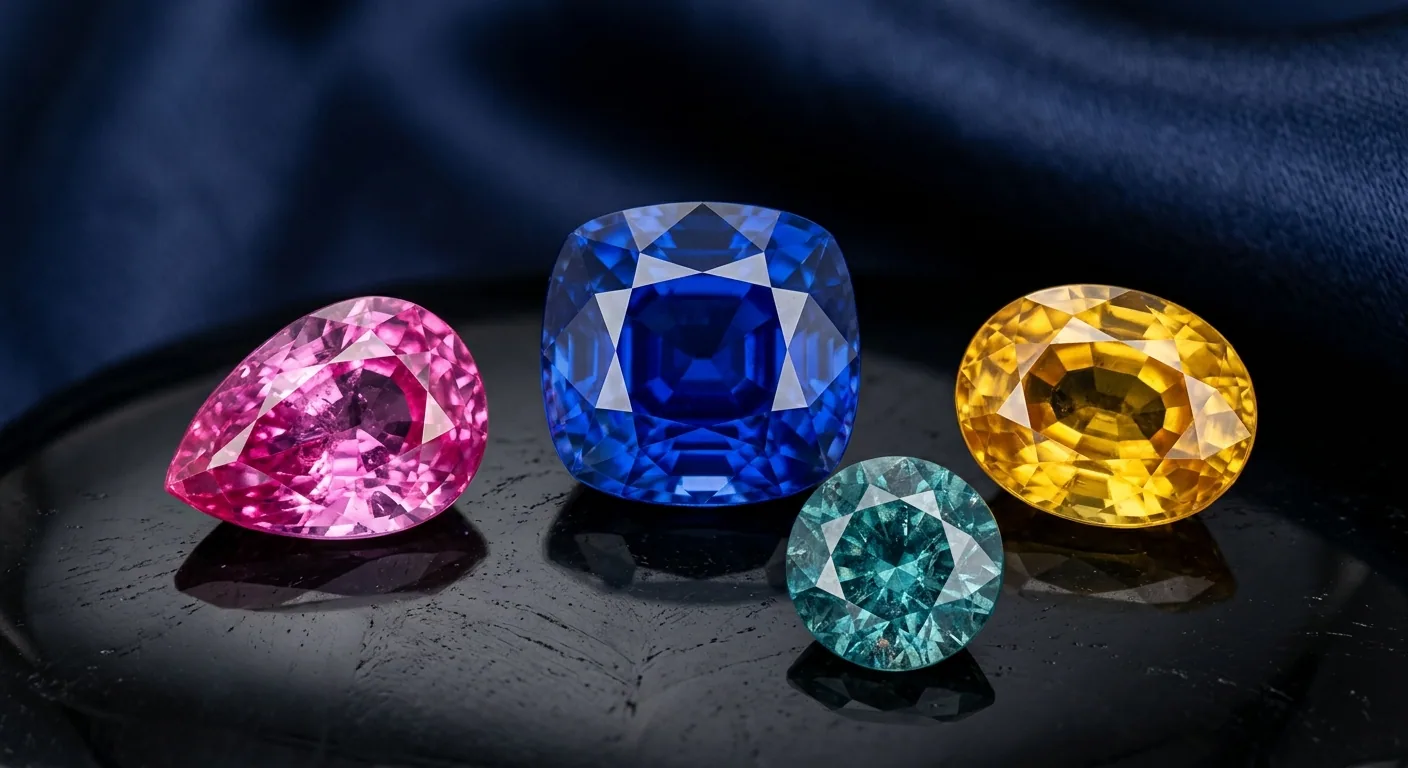
- Sapphire (Mohs 9), the gold standard for colored gemstone rings. Sapphires come in every color except red. We personally source Ceylon (Sri Lanka) sapphires because their cornflower blue is unmatched anywhere on earth. See our sapphire engagement rings guide for setting advice.
- Ruby (Mohs 9), same hardness as sapphire (both are corundum). Rubies handle everyday wear without issue. Pigeon-blood red from Sri Lanka and Myanmar command the highest prices per carat.
- Spinel (Mohs 8), an underrated gem that's finally getting recognized. Natural spinel looks similar to ruby or sapphire, rarely needs treatment. We've seen excellent 2-carat spinels sell for 60% less than equivalent rubies.
- Alexandrite (Mohs 8.5), rare, color-changing, expensive, but incredibly durable for daily wear.
Skip opals, emeralds, and pearls for everyday ring wear. They're too soft or brittle for the abuse a ring takes daily.
For Pendants and Necklaces
Pendants hang freely and rarely hit hard surfaces. This opens up the full range of colored loose gemstones, including some of the most visually stunning options:
- Emerald, the inclusion-heavy character of emeralds is part of their identity (called the "jardin"). A pendant setting protects them perfectly.
- Aquamarine, pale blue-green, almost always untreated, clean, and affordable per carat. A top pick for gemstone pendants. See our gemstone pendants guide.
- Tanzanite, trichroic (shows three colors) and found only in Tanzania. In pendant form, light hits it at different angles, creating a color show.
- Tourmaline, one of the widest color ranges of any gemstone. Paraiba tourmaline (neon blue-green) trades at $10,000-$50,000 per carat for fine specimens. Our tourmaline buying guide covers what to look for.
For Earrings
Earrings are the most forgiving jewelry type. Lower hardness is fine because earrings don't take direct impact:
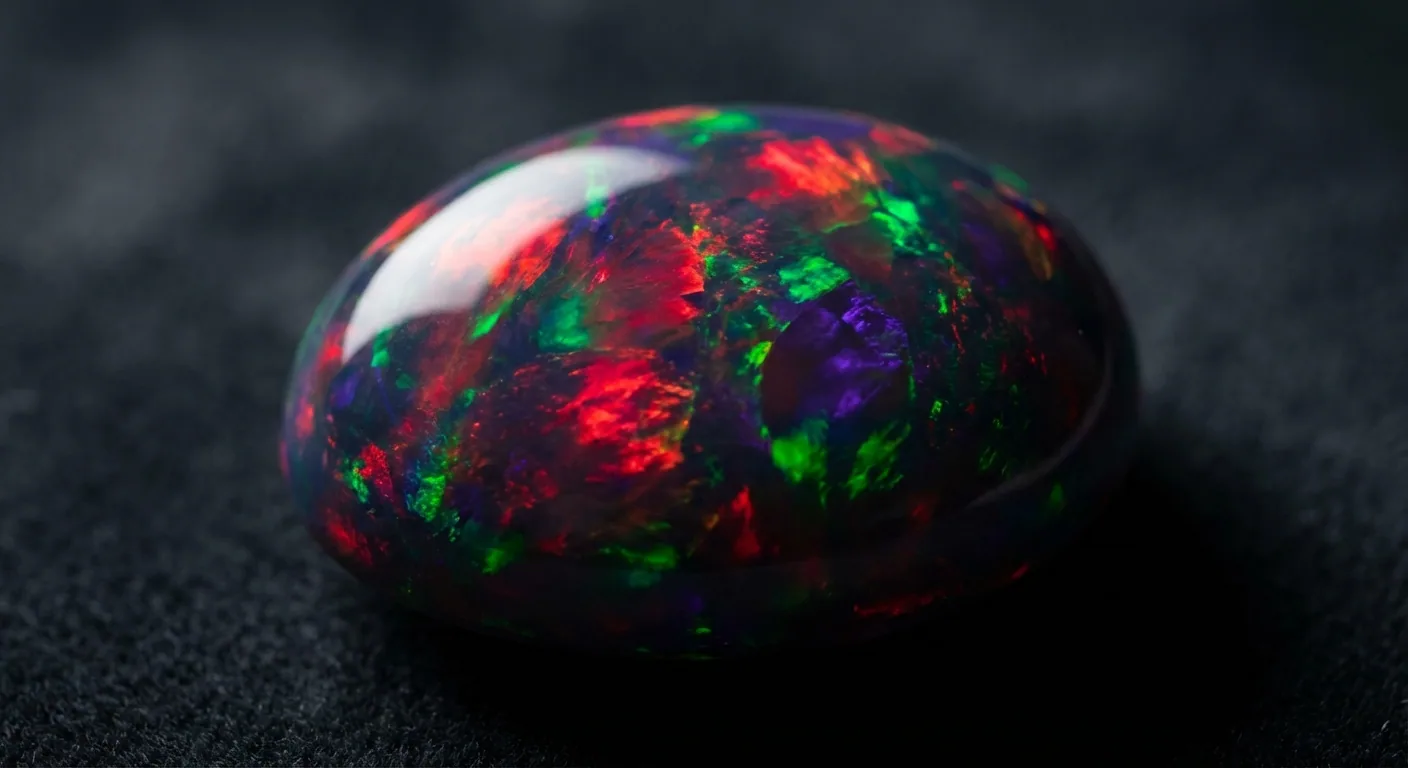
- Opal, incredible play-of-color, protected from scratching when worn as earrings. See our opal buying guide for identifying quality.
- Moonstone, the adularescence (that internal glow) shows best in earrings where light moves freely across the stone.
- Peridot, Topaz, Garnet, all solid earring choices in the 6.5-8 Mohs range and budget-friendly per carat.
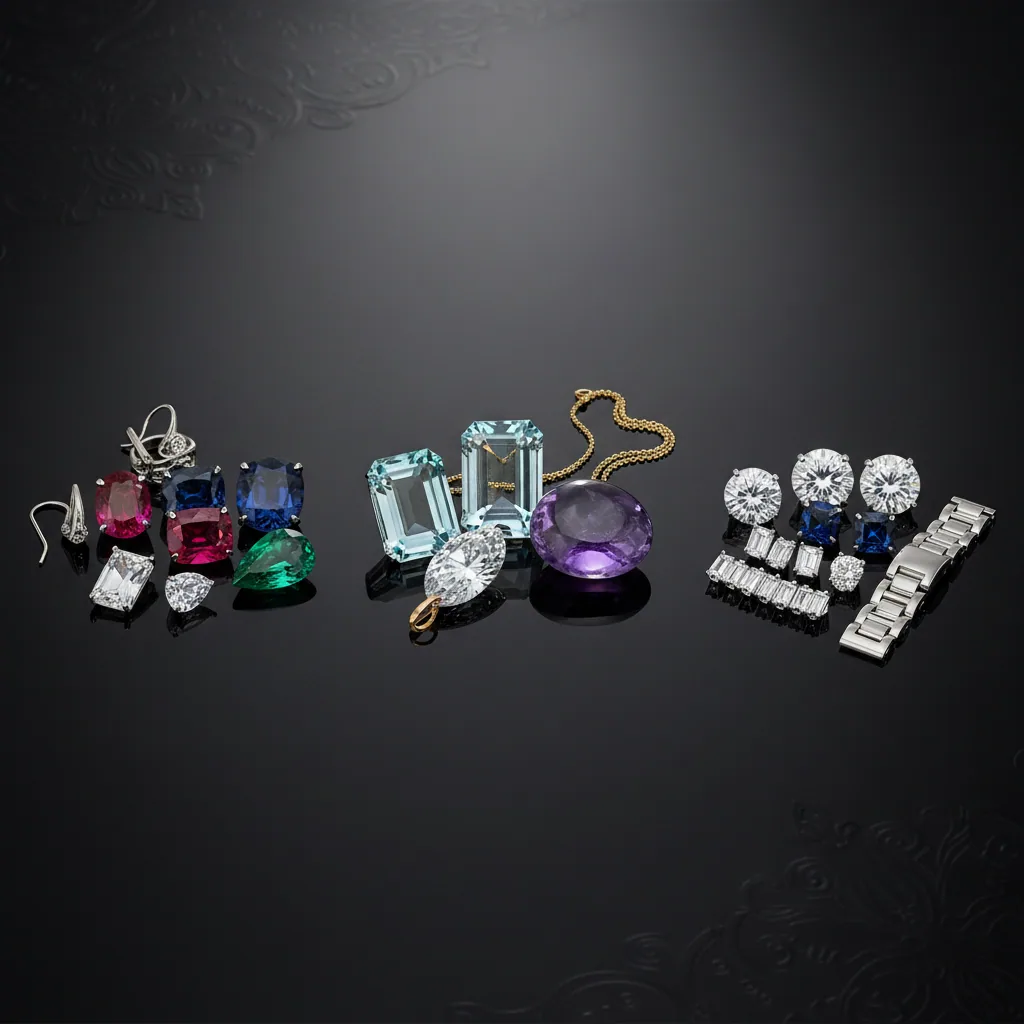
How Do the 4Cs Apply to Loose Colored Gemstones?
The 4Cs started with diamonds, but they work differently for colored gems. Here's what actually matters when you're evaluating loose gemstones for jewelry.
Color (The #1 Value Driver)
For colored gemstones, color dominates the price. A well-saturated blue sapphire with minor inclusions is worth more than a pale, flawless one. We've seen this at the Colombo gem market dozens of times: a vivid 2-carat stone outsells a clean 3-carat pale one every single day.
Evaluate three dimensions:
- Hue, the primary color (blue, red, green) plus any secondary tones
- Tone, lightness to darkness on a 1-10 scale. Sweet spot is usually 5-7: not washed out, not so dark the color turns muddy
- Saturation, color intensity. Vivid and strong saturation commands the premium prices
Clarity
Natural gemstones almost always have inclusions. That's normal and expected. The real question: do the inclusions hurt the stone's beauty or structural integrity?
- Sapphires and rubies can be eye-clean (no visible inclusions to the naked eye) while still being 100% natural. This is common and highly desirable.
- Emeralds almost always have visible inclusions. A jardin-free emerald at a low price? That's a red flag for synthetic or heavy treatment.
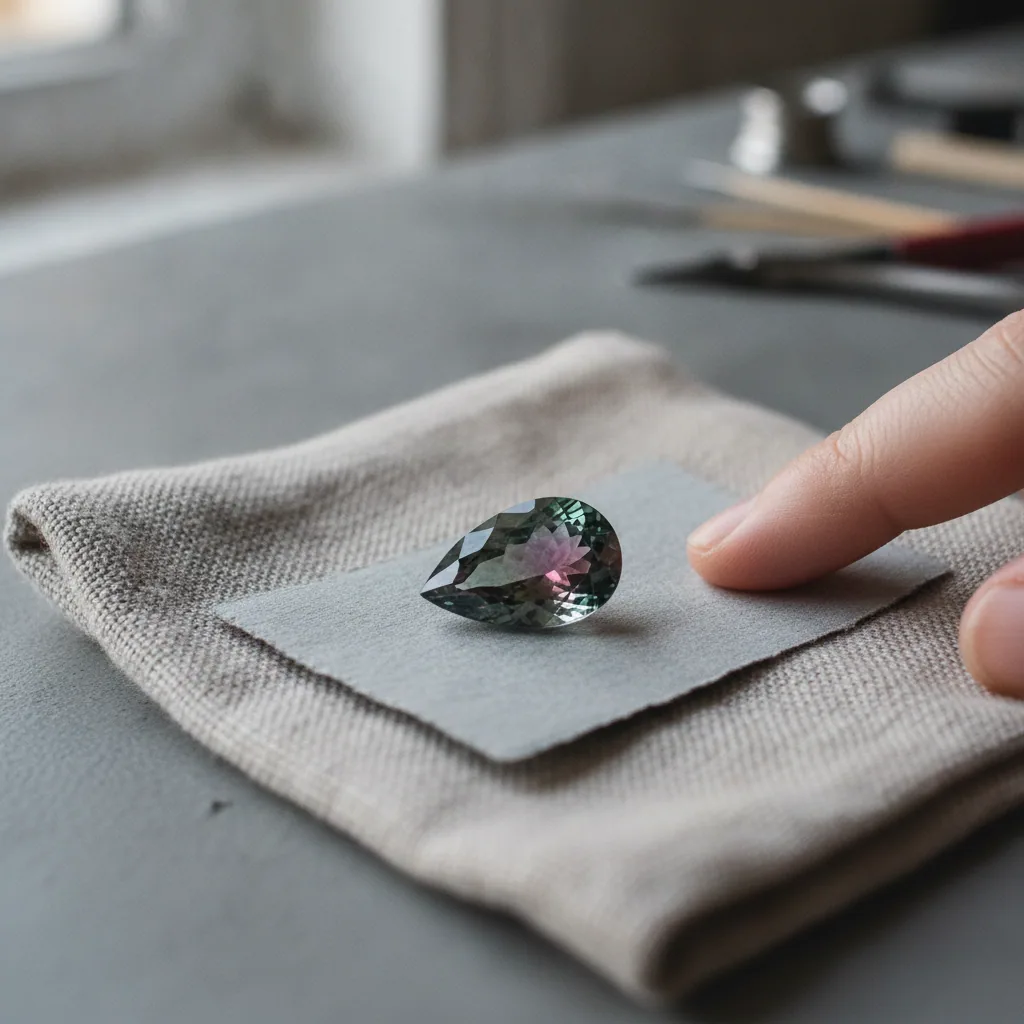
Use a 10x loupe to inspect any loose stone before purchase. This matters especially when buying precious stones at higher price points.
Cut
For colored gems, cutters maximize color retention, not brilliance. You'll see more non-standard cuts (ovals, cushions, pears) shaped to bring out the best color from each specific rough piece.
Three things to check: symmetry, windowing (if you can see straight through the table, the cut is too shallow), and extinction (dark patches when you tilt the stone).
Carat Weight
Carat measures weight, not size. A 1-carat sapphire looks larger than a 1-carat ruby because sapphire is less dense. Always ask for dimensions in millimeters alongside carat weight. Price per carat jumps sharply at benchmark sizes (1ct, 2ct, 3ct, 5ct), so a 1.95ct stone can be significantly cheaper than a 2.05ct of the same quality.
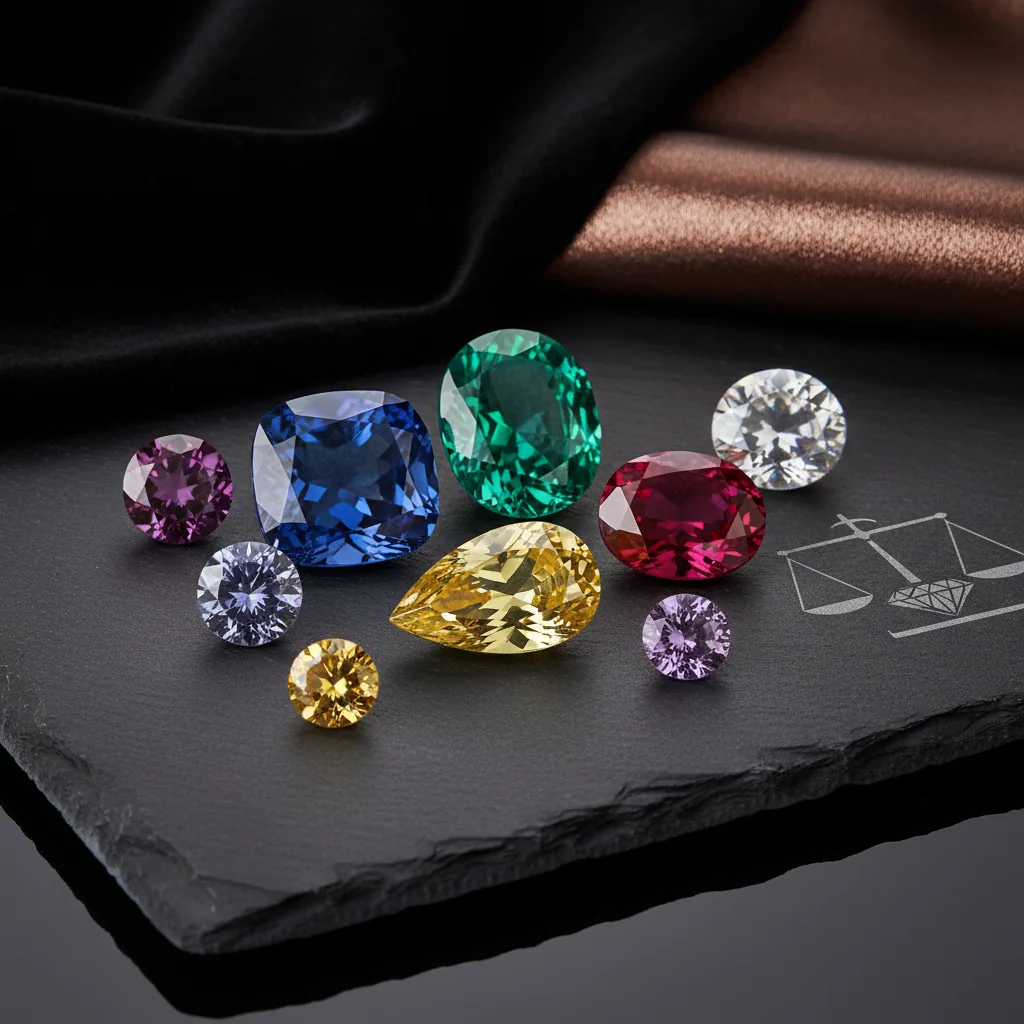
What Treatments Should You Know About Before Buying?
Let's be honest: the vast majority of natural gemstones on the market have been treated. This isn't bad by itself, but you absolutely need to know what you're buying. According to GIA (2025), over 95% of rubies and 85% of sapphires in commercial circulation have received heat treatment.
- Heat treatment, the most common and most accepted. Improves color and clarity in sapphires, rubies, tanzanite, and aquamarine. Permanent and stable. A well-disclosed heated sapphire is perfectly fine for jewelry, and priced accordingly.
- Fracture filling, emeralds are routinely filled with oils or resins to improve clarity. Not permanent. Avoid ultrasonic cleaners and harsh chemicals. Always ask for the filling degree (minor, moderate, or significant).
- Irradiation, creates or intensifies colors in topaz, some sapphires, and certain garnets. Permanent and stable, but must be disclosed on the certificate.
- Diffusion treatment, artificially adds color to only the surface layer of a stone. The color is shallow, so recutting or resetting removes it. This is the one to watch for most carefully.
Untreated natural gemstones are rarer and command premiums of 30-300% depending on the stone type. At Joalys Paris, we specify treatment status on every single stone we carry. No exceptions.
JOALYS Expert Insight: In our years sourcing directly from Ratnapura mines, we've learned that roughly 1 in 15 sapphires from Sri Lanka's alluvial deposits comes out of the ground with color good enough to skip heat treatment entirely. These unheated Ceylon sapphires are the most sought-after colored gemstones in the world, and their value has risen 18% year-over-year since 2022 according to GemPrice Index data (2025). When we find one, it gets a GIA report and individual origin documentation before leaving Sri Lanka.
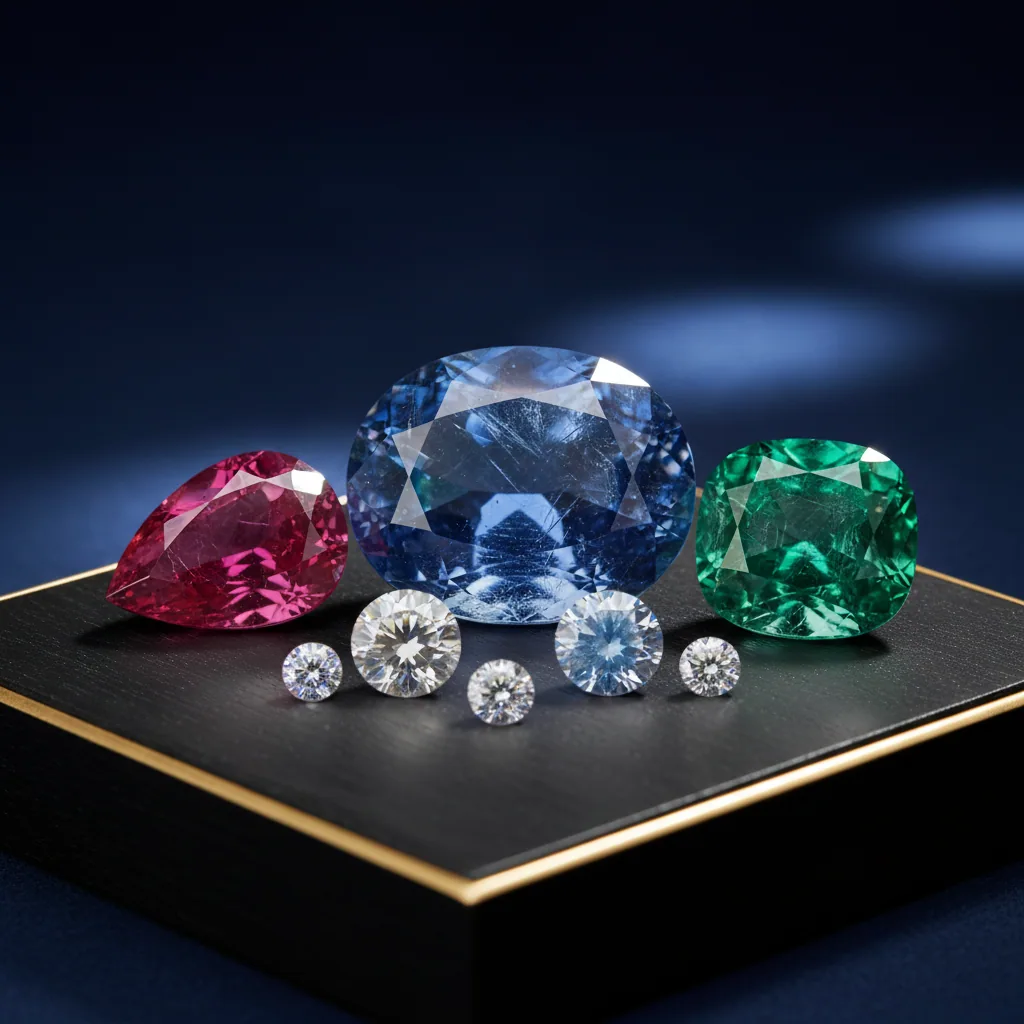
Why Does Sri Lanka Origin Matter for Loose Gemstones?
Sri Lanka has been mining gemstones for over 2,500 years. The island, historically called Ceylon, lends its name to some of the most prized gems on earth: Ceylon sapphire, Ceylon alexandrite, Ceylon chrysoberyl cat's eye. Alexandrite sits at 8.5 on Mohs with no cleavage, which is why it wears better than most coloured stones.
The geology matters. Sri Lanka's central highlands around Ratnapura (literally "city of gems" in Sinhalese) contain extraordinary gem-bearing gravels called illam. These deposits yield sapphires in every color, rubies, spinel, alexandrite, zircon, moonstone, and tourmaline. Sometimes from the same pit.
For buyers, the bottom line is simple: Sri Lanka-origin stones carry provenance value recognized by every major auction house and collector. According to Christie's auction data (2024), a certified "Ceylon" sapphire trades at a 25-40% premium over the same quality stone from an unspecified origin. Pair a Sri Lanka origin certificate with a GIA grading report and you have the strongest documentation a natural colored gemstone can carry.
Joalys Paris has sourced directly from Sri Lanka since 2021. No intermediaries, no wholesalers. Every stone comes with documented origin and full treatment disclosure. Explore our uncut gemstone collection to see rough material from our sources. We also carry stones perfect for birthstone jewelry and personalized pieces.
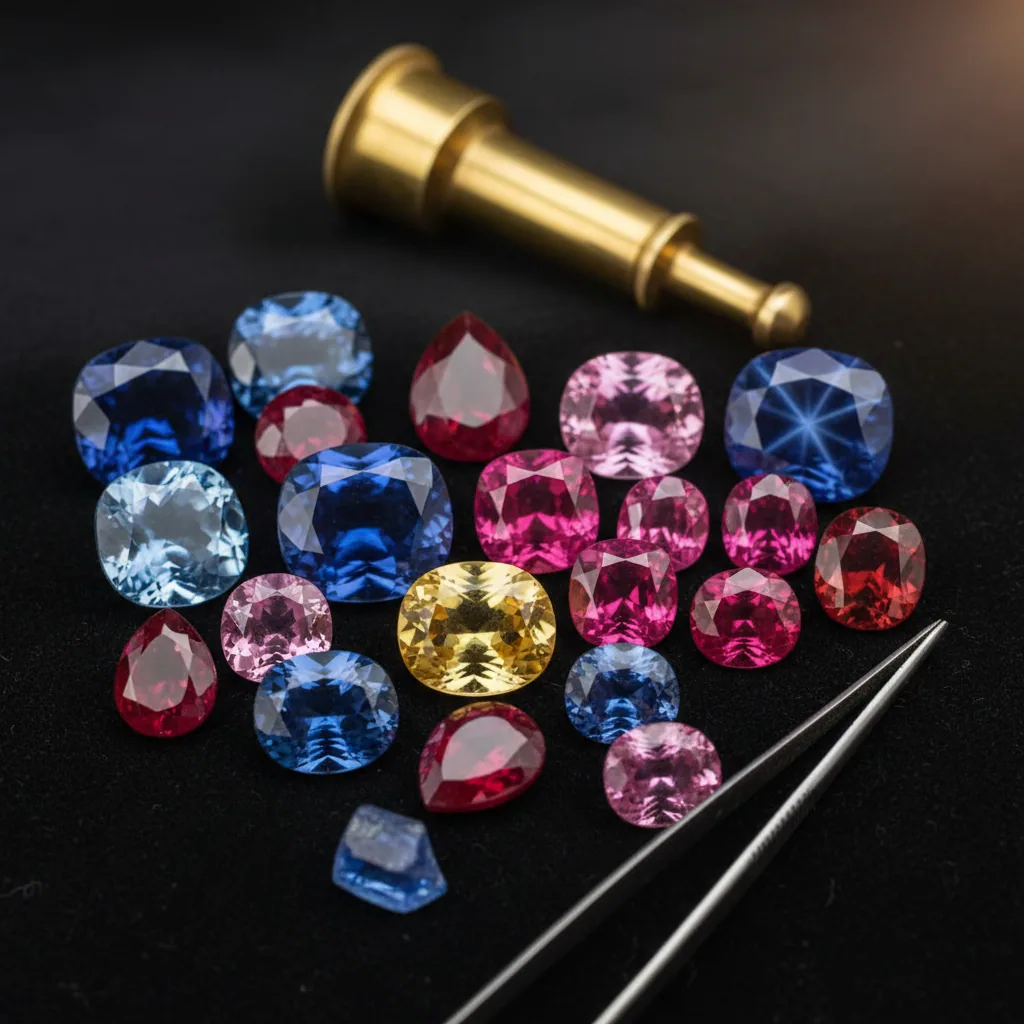
Certification: Why You Should Never Skip It
A gemstone certificate is an independent lab report documenting weight, dimensions, color, clarity, cut quality, origin (in premium reports), and any treatments. Think of it as the stone's passport.
The most respected labs for colored loose gemstones:
- GIA (Gemological Institute of America), the global standard, recognized everywhere
- GRS (GemResearch Swisslab), particularly strong for colored stones and origin determination
- Gubelin, Swiss precision, highly respected for rare and high-value gems
- AGL (American Gemological Laboratories), excellent for origin reports on sapphires and rubies
When buying loose gemstones for jewelry, always verify the report number against the lab's online database before you pay. The number is typically laser-inscribed on the girdle of certified stones.
Here's a point we feel strongly about: a certificate doesn't add value. It confirms value. A beautiful stone without documentation from a reputable lab should sell for significantly less. If a seller can't produce a verifiable cert, walk away.
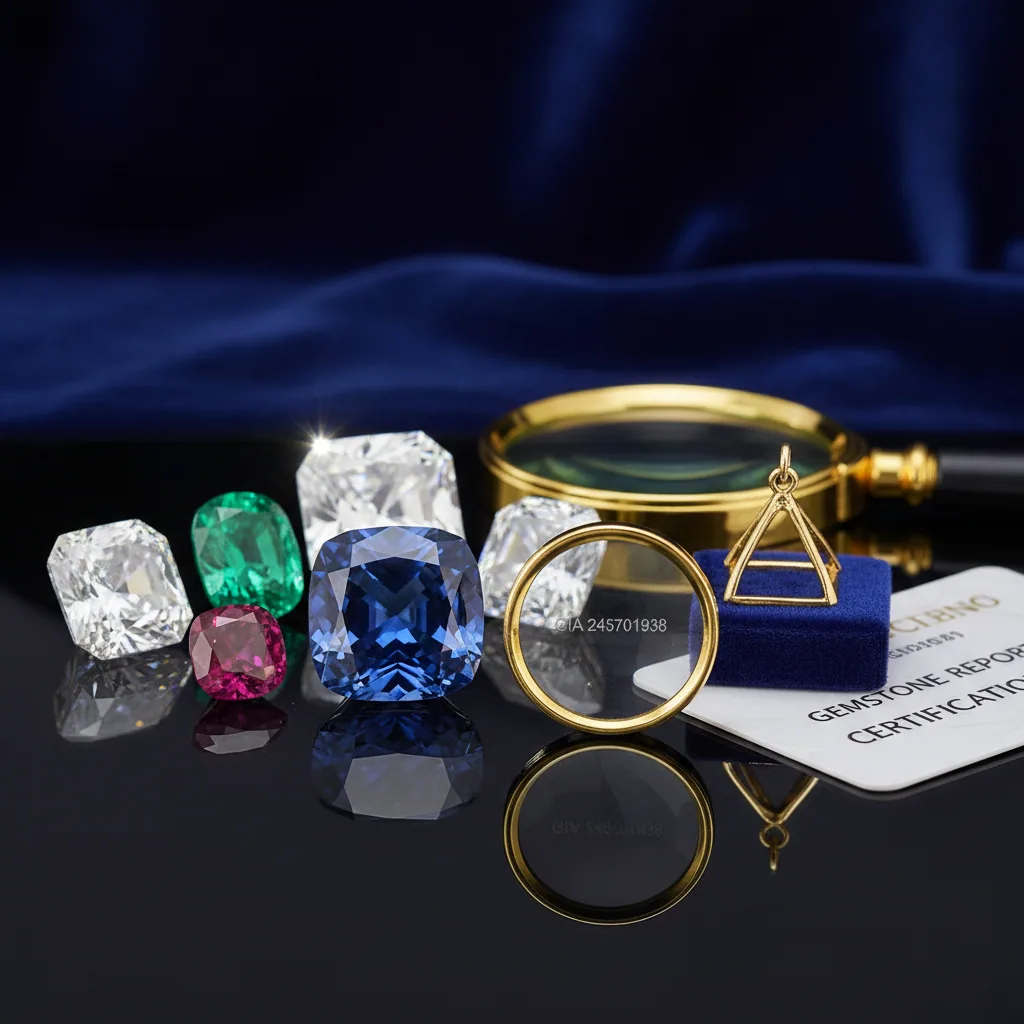
How to Match Your Loose Gemstone to a Setting
Once you have your loose stone in hand, the setting choice affects both how it looks and how well it's protected:
- Bezel setting (metal wraps entirely around the stone), best for softer gemstones like opals and moonstone, and for active lifestyles. Maximum protection.
- Prong setting, maximum light exposure, best for brilliant cuts. Use 6 prongs for stones over 1 carat.
- Halo setting, smaller stones surround the center gem, amplifying its visual size by 15-20% without increasing carat weight.
- Flush/channel setting, stone sits level with the metal surface. Ideal for smaller accent stones in bands.
One practical tip we always give clients: work with a bench jeweler who specializes in colored gemstones, not just diamonds. Setting a sapphire requires different tools and different pressure calibration than setting a diamond. The wrong jeweler can crack an emerald or scratch a softer stone during mounting.