Topaz Jewelry: Colors, Value & What to Know Before Buying
Discover the versatile world of topaz jewelry, from rare Imperial orange to vibrant blue. Learn the critical factors for value, care, and durability. Read the ultimate guide now!
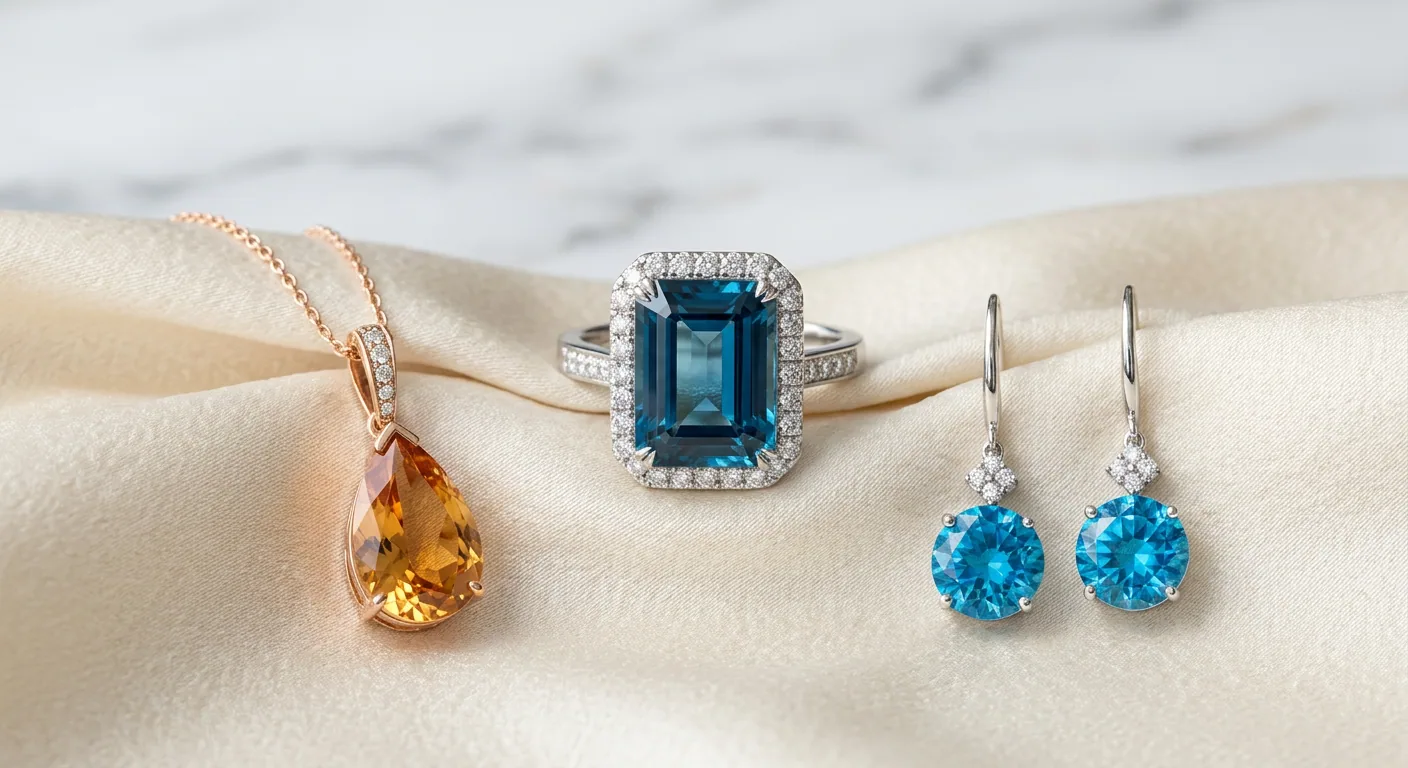
Topaz gets overlooked. Most buyers walk into a jewelry store thinking "blue gemstone" and walk out with an aquamarine or blue sapphire, without realizing that the London Blue topaz they passed in the window was sharper, more saturated, and half the price. We've seen it dozens of times sourcing stones in Sri Lanka and Madagascar.
Topaz jewelry features an aluminum silicate mineral available in a remarkable range of colors, from treated blues to rare natural Imperial orange-pink. It rates 8 on the Mohs hardness scale — durable enough for daily wear, though it requires mindful settings due to one specific vulnerability.
Here's the thing most guides skip: topaz has perfect basal cleavage. That single fact changes everything about how you buy it, set it, and wear it. Understanding it upfront makes you a smarter buyer and means your piece lasts a lifetime instead of cracking under a kitchen counter edge.
- Hardness (Mohs)
- 8 (Excellent hardness)
- Durability Note
- Perfect basal cleavage; can split if struck sharply
- Primary Varieties
- Imperial (precious), Blue (Sky, Swiss, London), White, Pink
- Common Treatments
- Irradiation and heating (for blue shades); coating (for Mystic)
- Value Drivers
- Rarity of natural color (esp. Imperial), saturation, clarity
- Metal Pairings
- White metals for blue; yellow/rose gold for warm tones
- Care & Cleaning
- Warm soapy water; avoid ultrasonic and steam cleaners
What Makes Topaz Special (And What to Watch Out For)
Pure topaz is actually colorless. Every color you see in a jewelry case — from pale sky blue to vivid Imperial orange — comes either from trace elements in the crystal structure or from gemological treatment applied after mining. That distinction matters enormously for value and care.
Hardness vs. Cleavage: The Real Story
At Mohs 8, topaz is harder than most popular gemstones — harder than quartz, harder than tanzanite, harder than tourmaline. Scratch resistance is not the issue. The issue is cleavage. Topaz has perfect basal cleavage, meaning the crystal structure will split cleanly along a specific plane if struck with enough force in the wrong direction. It won't scratch easily, but a sharp knock against a countertop edge can split a poorly set stone clean through.
| Durability Factor | Rating | What It Means in Practice |
|---|---|---|
| Hardness | 8 (Mohs) | Highly scratch-resistant — good for frequent wear |
| Cleavage | Perfect Basal | Can fracture from sharp impacts — setting choice matters a lot |
| Toughness | Fair to Good | Less impact-resistant than sapphire or ruby |
The fix is simple: bezel or halo settings for rings, and avoiding ultrasonic cleaners entirely. More on that below.
Looking for a well-set topaz piece? Explore our certified collection.
Topaz Colors: From Common Blue to Rare Imperial
This is where topaz gets genuinely interesting. The color range is wider than most people realize, and the value gaps between varieties are enormous.
Blue Topaz: The Popular One (And Why It's Treated)
Let's be honest: virtually all blue topaz on the market has been irradiated and heated. Natural blue topaz exists but is incredibly rare and typically very pale — nothing like the vivid blues in jewelry stores. The treatment is stable, permanent, and universally accepted in the trade. Three distinct trade shades:
| Blue Topaz Shade | Color Description | Best Pairing |
|---|---|---|
| Sky Blue | Light, delicate, almost aquamarine-like | Silver or white gold for a clean, airy look |
| Swiss Blue | Vivid, electric, high saturation | White gold or platinum for maximum contrast |
| London Blue | Deep, inky, with grey-green undertones | White gold — the most sophisticated of the three |
We personally prefer London Blue for statement pieces. The depth of color in a well-cut London Blue topaz rivals sapphire at a fraction of the price — and that's not an exaggeration.
Imperial Topaz: The One That Actually Gets Collectors Excited
Imperial topaz (also called Precious topaz) is where rarity kicks in. These warm golden-orange to sherry and deep pink stones are entirely natural — no treatment, no enhancement. The color comes from hydroxyl and chromium in the crystal structure. The most valuable specimens show a vivid reddish-orange or pure pink. Historically associated with Russian royalty, fine Imperial topaz commands real collector premiums.
At Ratnapura auctions in early 2026, we've seen fine reddish-orange Imperial topaz fetch $1,200-$2,500 per carat for clean, well-cut stones — a price point that surprises buyers who associate topaz with budget gemstones.
White, Pink, and Mystic Topaz
Colorless topaz is abundant and often used as an affordable alternative to diamond. Natural pink topaz is exceptionally rare and valuable. Most commercial pink topaz is coated colorless topaz — pretty but not permanent, as the coating wears with time. Mystic Topaz uses a thin metallic coating for an iridescent rainbow effect — striking, but requires extra-gentle cleaning to preserve the coating.
Natural vs. Treated Topaz: What to Know Before Buying
The treatment question is the one that trips up buyers more than any other. Here's a clean breakdown.
Blue Topaz: Assume It's Treated
For any vivid blue topaz, treatment is essentially guaranteed. Colorless topaz is irradiated then heated to produce stable, uniform blues. This process is fully accepted by the trade and doesn't compromise the stone — the color is permanent. Reputable dealers disclose treatment as standard practice. If a seller claims their blue topaz is "naturally occurring" in a vivid shade, that's a red flag.
Every JOALYS stone comes with full transparency on origin and any treatment applied. Learn about our stone-first process.
Natural Color: Imperial and Rare Pink
For Imperial topaz and naturally colored pink or yellow varieties, treatment is rare and should be disclosed if present. These stones derive their color entirely from the earth — no intervention. For significant purchases, get a GIA or equivalent lab report confirming "natural color, no indications of heating." That document is the difference between paying collector prices for a genuine natural stone and overpaying for an enhanced one.
| Variety | Color Origin | Rarity | What Drives Value |
|---|---|---|---|
| Blue (all shades) | Irradiation + heat (treated) | Abundant | Color depth, clarity, cut precision |
| Imperial / Precious | Natural | Rare | Pink-red modifiers, size, natural origin certificate |
| Pink | Often coated; rarely natural | Very rare (natural) | Lab certification of natural origin |
| White (colorless) | Natural | Abundant | Clarity, cut quality, size |
How to Choose Quality Topaz Jewelry
Buying topaz well comes down to four things: color, clarity, cut, and setting choice. The last one matters more than most guides admit.
Color, Clarity, and Cut
Color is the primary value driver. For blue topaz, deeper saturation (London Blue) generally commands higher prices than lighter shades. For Imperial topaz, any hint of red or pink in the orange hue pushes the price up significantly. Topaz is a "Type I" gemstone — meaning it's typically eye-clean by nature. Visible inclusions are uncommon and should significantly reduce the price. Demand clarity. The cut should maximize brilliance and display the color depth evenly — poorly cut deep-colored stones (especially London Blue) can look dark or "dead" in the center.
Metal Pairings That Work
| Topaz Color | Best Metal | Why |
|---|---|---|
| Blue (all shades) | White gold, platinum, silver | Cool tones complement the blue; high contrast and clean look |
| Imperial / yellow / sherry | Yellow gold | Warm metal amplifies the warm stone tones — classic, rich result |
| Pink / peach | Rose gold | Soft, romantic, monochromatic — the pink reads more intensely |
| White (colorless) | Any | Versatile; white metal emphasizes brilliance, yellow adds warmth |
Setting: This One Really Matters for Topaz
Because of the cleavage issue, topaz rings need protective settings. Our recommendation: bezel settings for daily-wear rings (the metal surrounds the entire girdle, protecting the edges), or halo settings which provide a buffer around the center stone. Standard 4-prong solitaire settings leave the girdle exposed — fine for earrings and pendants, more vulnerable for a ring worn every day. Topaz is perfect for earrings and pendants precisely because these pieces rarely take direct impact hits.
Caring for Topaz Jewelry
Good news: topaz care is straightforward once you know the two things to absolutely avoid.
Cleaning: Simple Rules
| Method | Safe? | Why |
|---|---|---|
| Warm water + mild soap + soft brush | Yes | Safe for all topaz varieties — the go-to method |
| Ultrasonic cleaner | No | High-frequency vibrations can trigger cleavage fractures |
| Steam cleaner | No | Thermal shock risk; can also damage coatings on Mystic Topaz |
| Harsh chemicals (bleach, chlorine) | No | Damages settings and can affect surface treatments |
For Mystic Topaz specifically, even abrasive cloths can scratch the metallic coating. Stick strictly to the mild soap and water method.
Wear and Storage
Remove topaz rings before gym sessions, gardening, or any activity with impact risk. Store pieces individually — topaz at Mohs 8 will scratch softer stones like opal, pearl, or moonstone, and can itself be scratched by sapphire, ruby, or diamond. Soft cloth pouches or separate compartments in a jewelry box are the right move.
One more thing: some natural yellow, brown, and Imperial topaz can fade with prolonged intense sunlight exposure. Store these varieties in a dark, cool spot when not in wear. Treated blue topaz is stable and won't fade — the irradiation treatment is permanent.
Create Your Perfect Jewelry
Create Your Perfect Jewelry
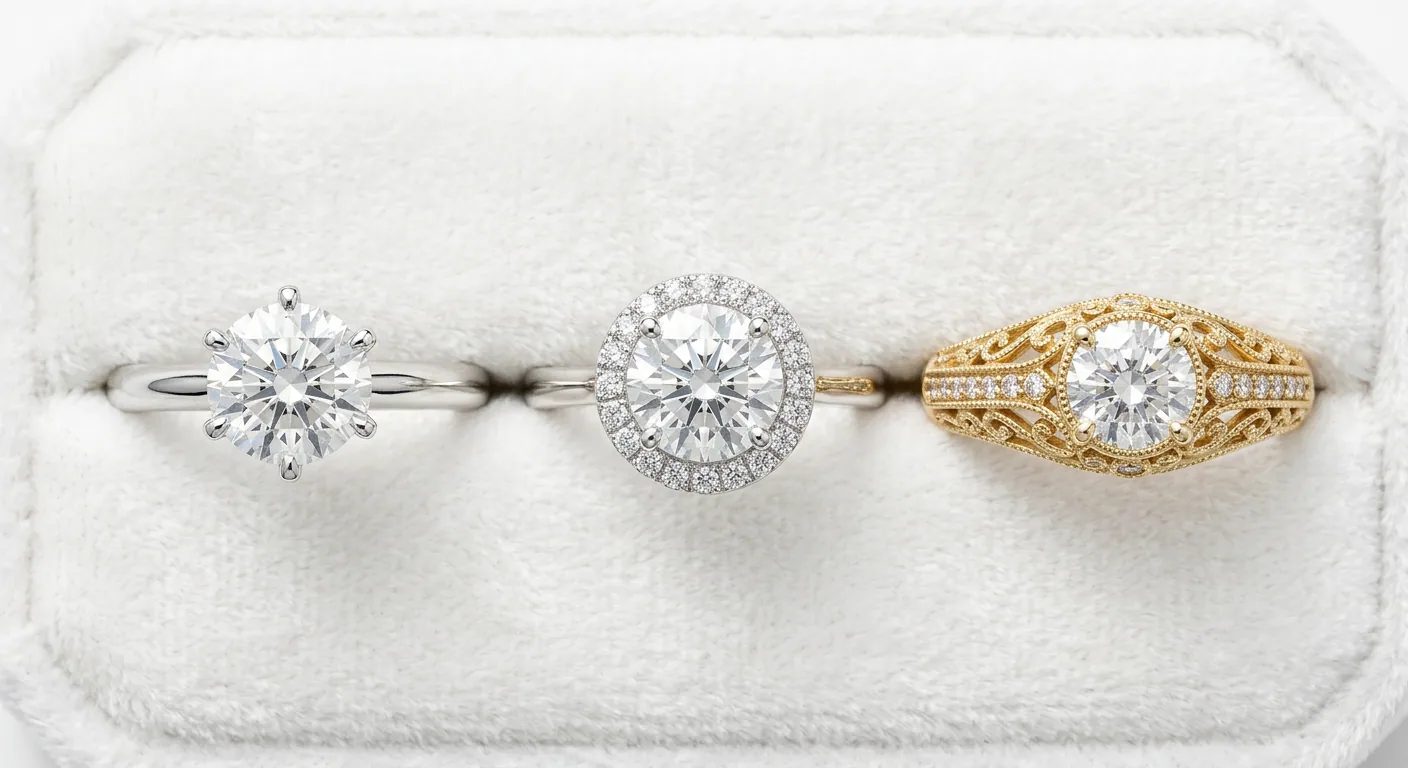
Your unique piece starts here. Joalys' 3-step process:
- Select Your Stone - Browse certified gemstones
- Receive & Inspect - Luxury authentication case
- Design Your Setting - Work with expert jewelers
Quick answers
Is topaz suitable for an engagement ring?
Does topaz scratch easily?
What is the rarest color of topaz?
Is blue topaz a real gemstone?
Will blue topaz fade in the sun?
Can I wear topaz jewelry every day?
How can I tell natural blue topaz from treated blue topaz?
What is the difference between topaz and aquamarine?
How should I clean topaz jewelry?
Does topaz require special storage?
Conclusion
Topaz jewelry offers a remarkable spectrum of choice, from the accessible sophistication of treated blue shades to the rare luxury of natural Imperial topaz. While its impressive hardness makes it suitable for frequent wear, understanding its perfect cleavage is vital for ensuring its lifelong preservation through mindful care and appropriate settings. Balancing this durability nuance with an appreciation for its vibrant color variations empowers collectors to make informed and confident acquisitions.