
Tourmaline Collection
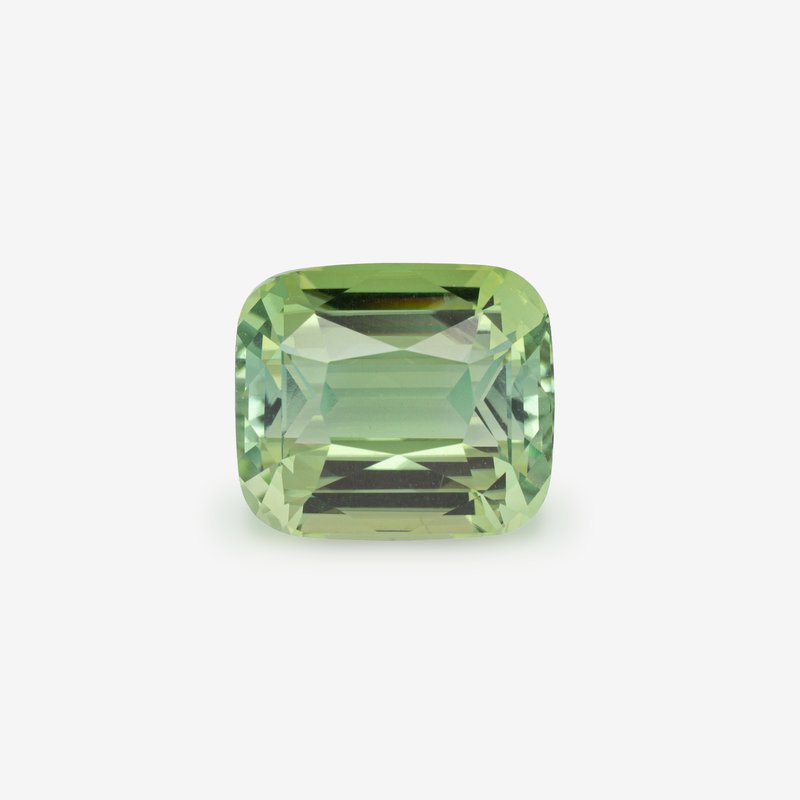
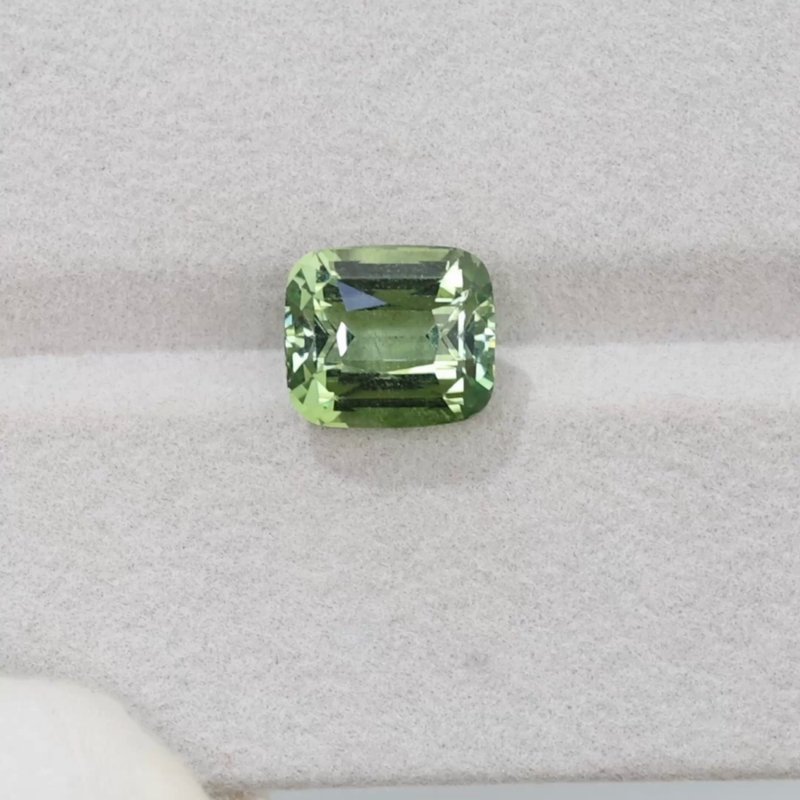
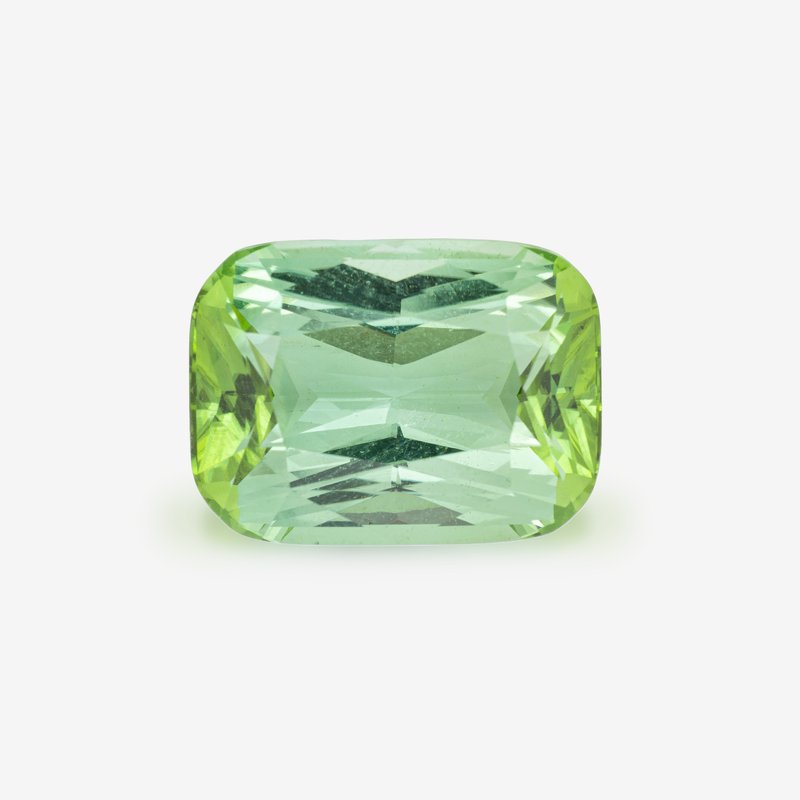
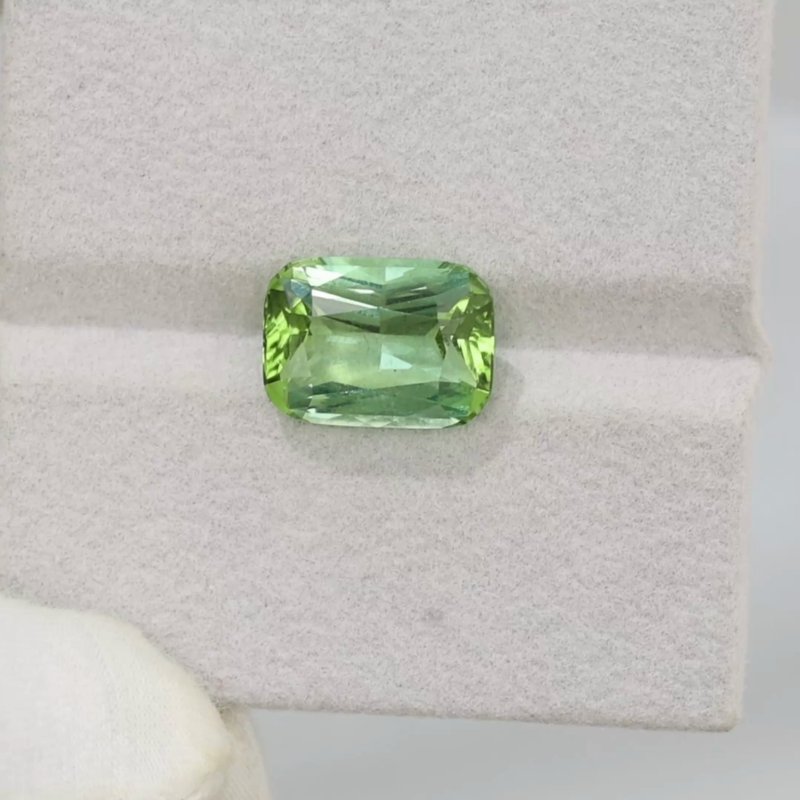
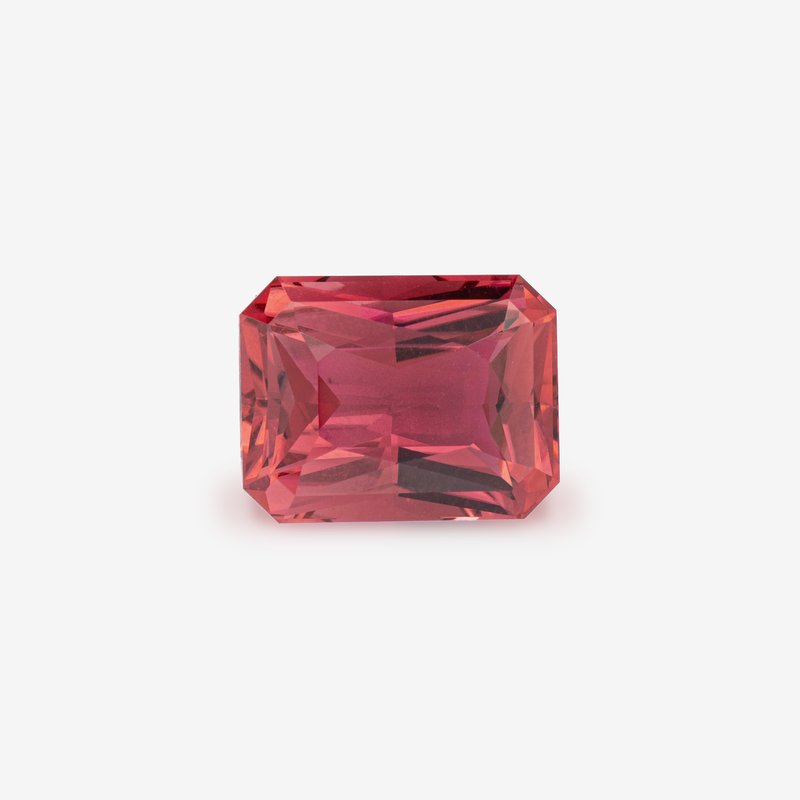
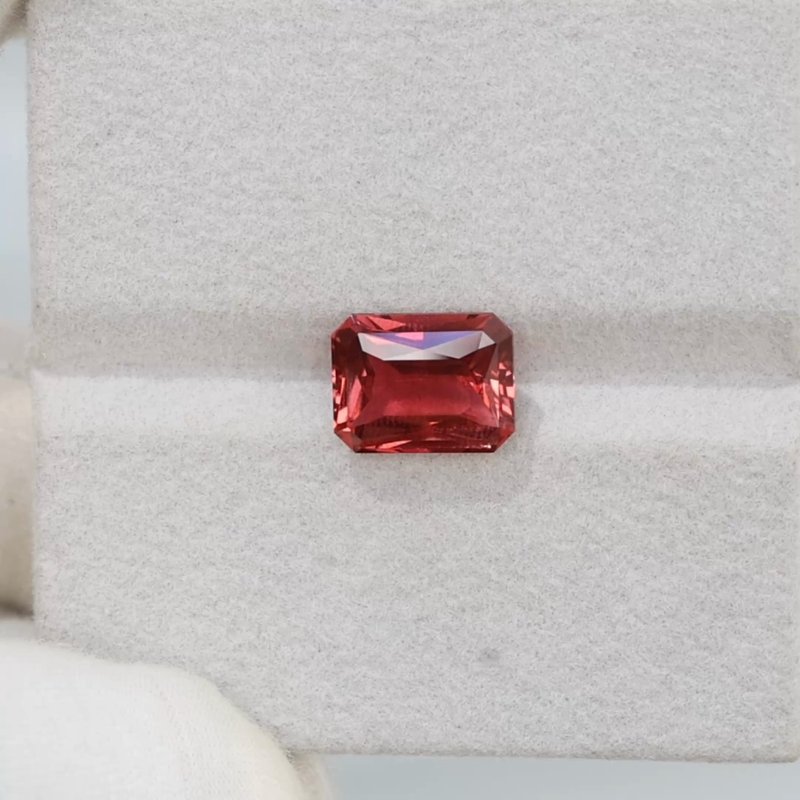
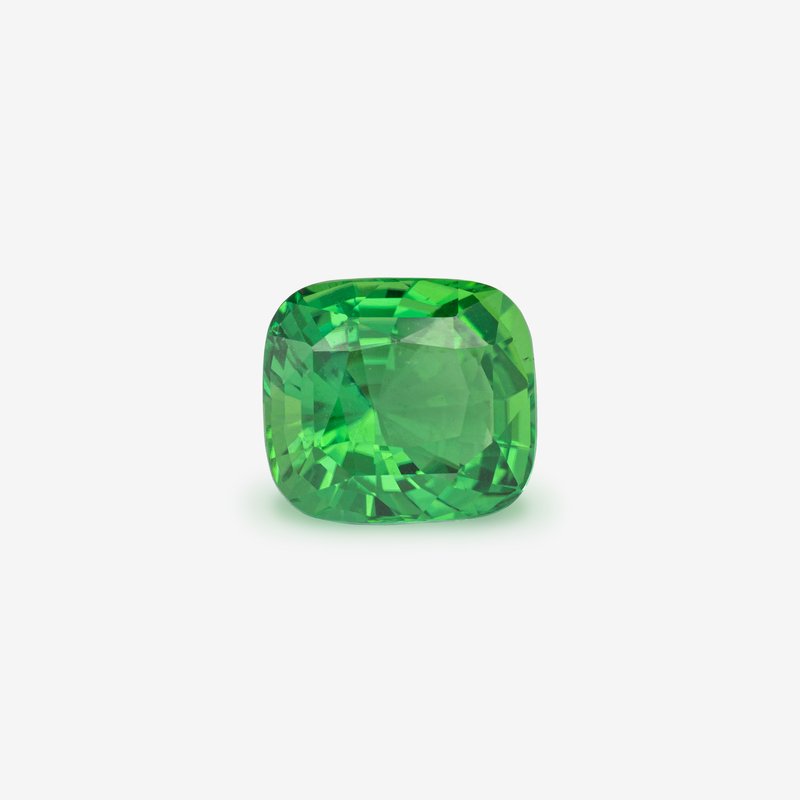
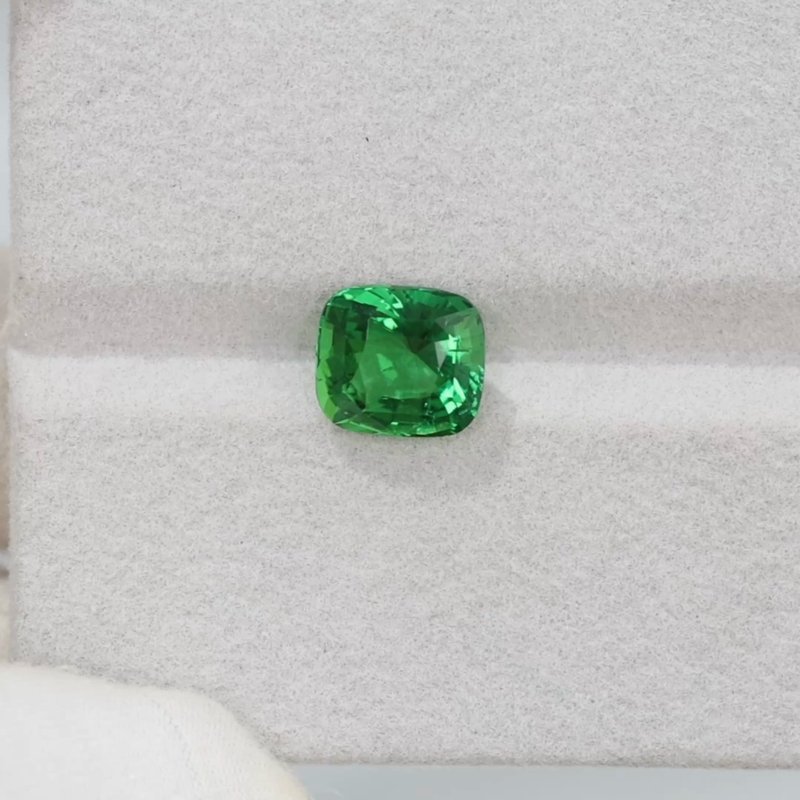
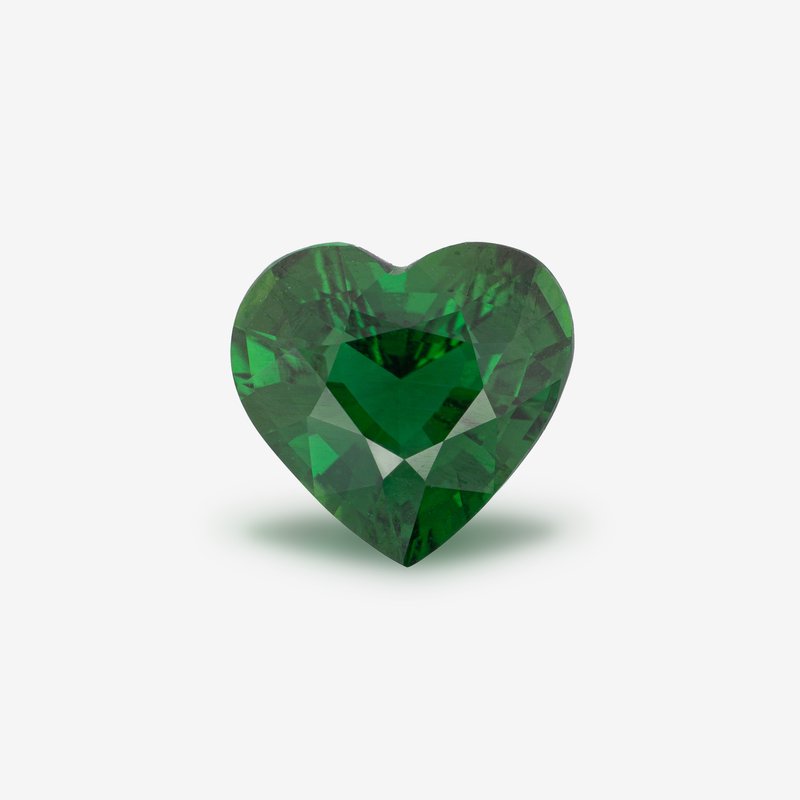
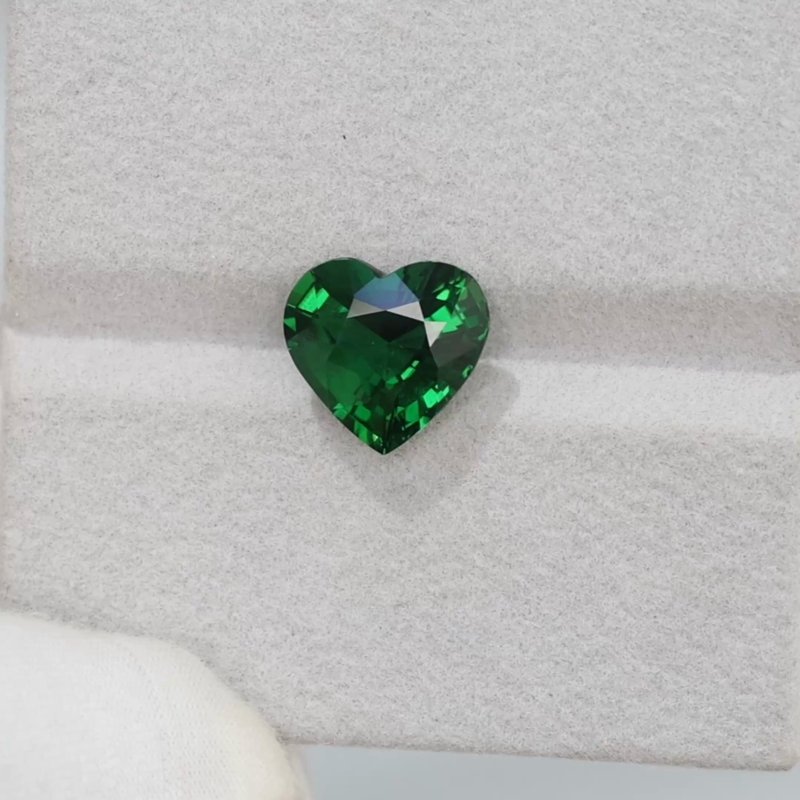
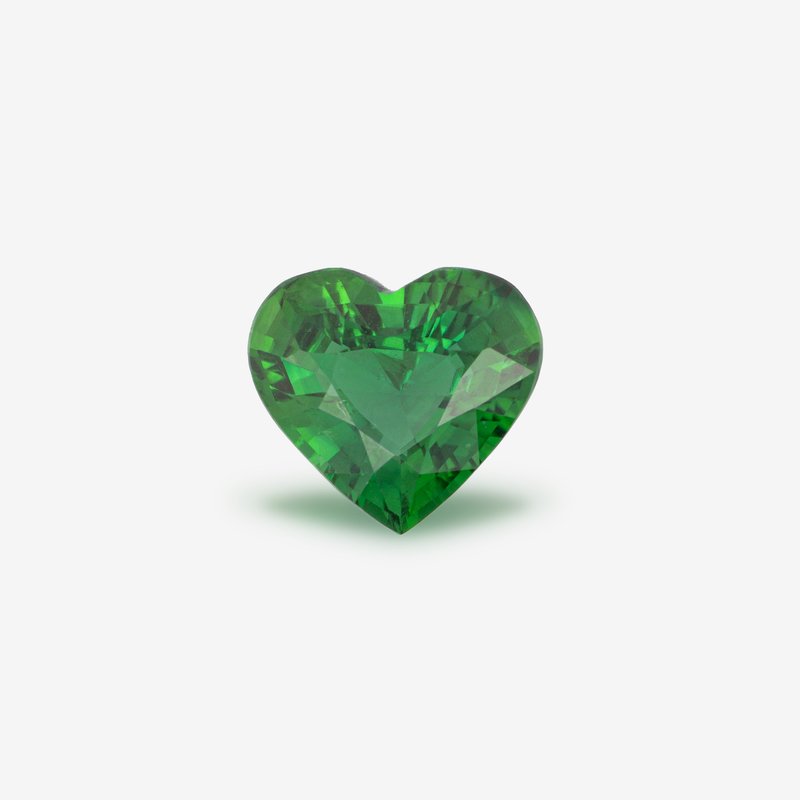
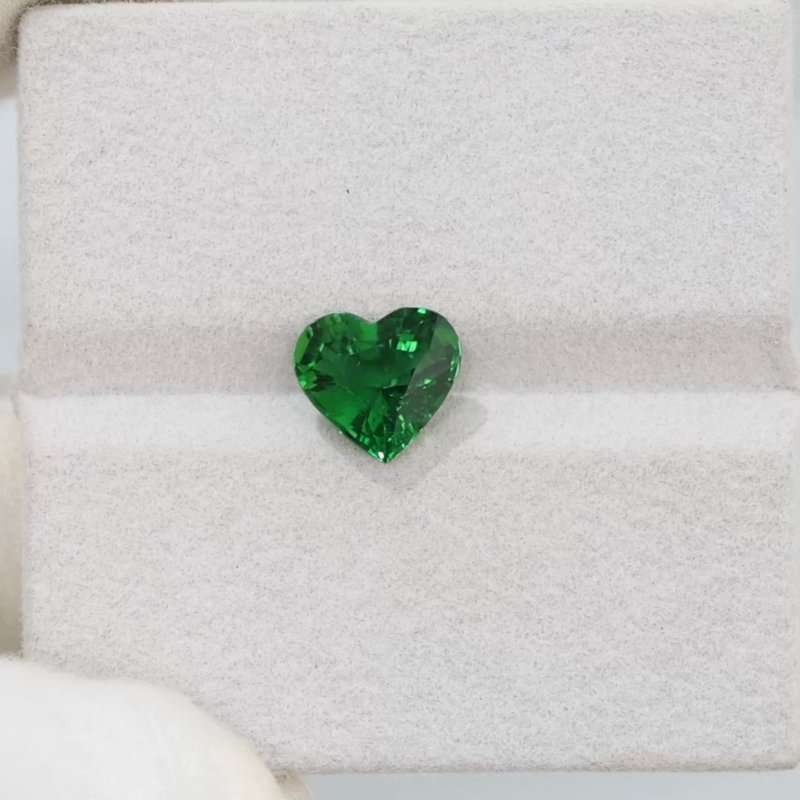
Tourmaline is the most color-diverse gemstone that exists. Greens, pinks, blues, bi-colors, watermelon, you name it. No two stones look the same. We source our tourmalines from partner mines in Brazil, Nigeria, Mozambique, Afghanistan and Sri Lanka. Direct, no middlemen. What makes tourmaline interesting for buyers? The range of colors at accessible price points. A vivid chrome green or Paraiba-type blue can rival any sapphire in beauty, often at a fraction of the price. Look for color saturation and eye-clean clarity. Browse our current selection below or contact us if you're hunting for a specific shade.
Tourmaline: Nature's Rainbow Gemstone
Tourmaline is one of the most versatile and colorful gemstone families on Earth. This complex borosilicate mineral occurs in more colors than any other gem species -- from vivid greens and electric blues to hot pinks, rich reds, and mesmerizing bi-color combinations that display two or more hues in a single crystal. The name itself derives from the Sinhalese word "turamali," meaning "stone with mixed colors," a fitting description for a gemstone that has captivated collectors and jewelers for centuries.
The Paraiba Phenomenon
No discussion of tourmaline is complete without Paraiba. Discovered in 1989 in the Brazilian state of Paraiba, this copper-bearing tourmaline exhibits a neon blue-to-green color unlike anything previously seen in the gem world. The electrifying glow of Paraiba tourmaline -- caused by copper and manganese trace elements -- sent shockwaves through the industry and remains one of the most valuable colored gemstones per carat. Today, copper-bearing tourmalines from Mozambique and Nigeria also carry the Paraiba designation when they display the characteristic neon coloring.
Green Tourmaline and Chrome Tourmaline
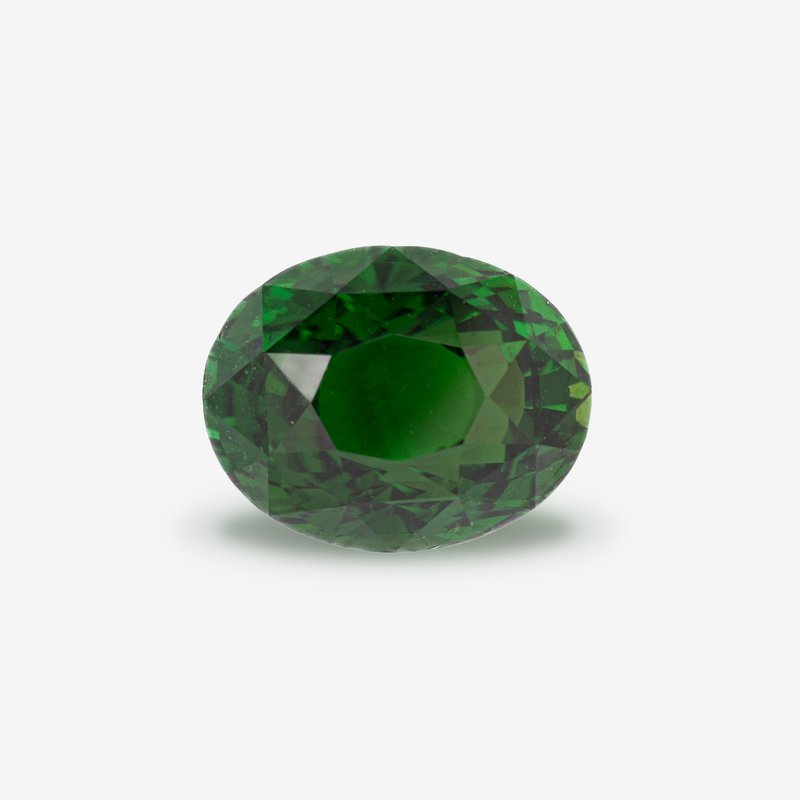
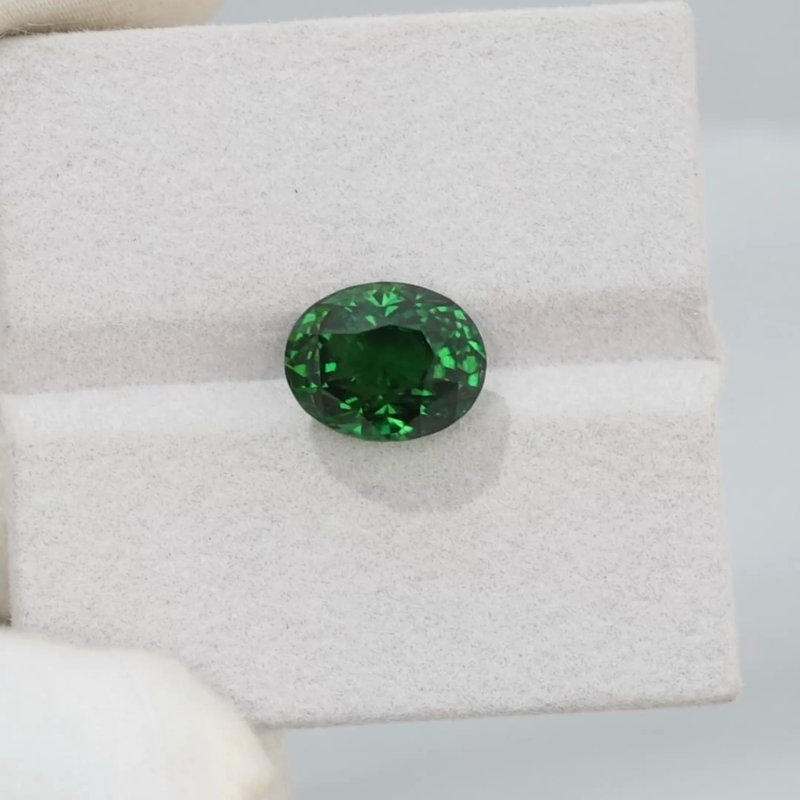
Green tourmaline is the most abundant color variety, ranging from yellowish-green to deep forest green. Chrome tourmaline, colored by chromium and vanadium, produces an intense, vivid green that rivals fine tsavorite and emerald at a more accessible price point. The finest chrome tourmalines from East Africa display a rich green with exceptional saturation and transparency.
Rubellite and Other Varieties
Rubellite is the trade name for red to purplish-red tourmaline with sufficient saturation to maintain its color under both daylight and incandescent light. Pink tourmaline, watermelon tourmaline (pink center with green rind), and indicolite (blue tourmaline) round out the most commercially important varieties. Each offers unique beauty and collecting potential.
Practical Considerations
Tourmaline rates 7 to 7.5 on the Mohs hardness scale, making it suitable for most jewelry applications with reasonable care. Its strong pleochroism means that skilled cutting is essential to present the best color face-up. Eye-clean clarity is the standard for fine tourmaline, though Paraiba specimens are held to more lenient standards given their extreme rarity.
JOALYS Tourmaline Selection
JOALYS sources tourmalines directly from the mine across multiple origins, ensuring a diverse and competitively priced selection. Our GIA-trained gemologist evaluates every stone for color quality, clarity, and cut precision. Insured express worldwide shipping in sealed packaging and our 14-day money-back guarantee complete the experience.