
Violet Sapphire: True Violet, Not "Purple"
3 stones in stock · $634 to $1,394 · $335–$843 per carat · 1.14–2.01 ct · 2 unheated
Violet and purple get used as if they mean the same thing. They do not. A true violet sapphire leans bluer and cooler, closer to wisteria than to plum, and that blue-leaning violet is rarer and harder to find than ordinary purple. Ours come straight from the gem fields of Sri Lanka, each one sent to an independent gem laboratory after your purchase, report included.
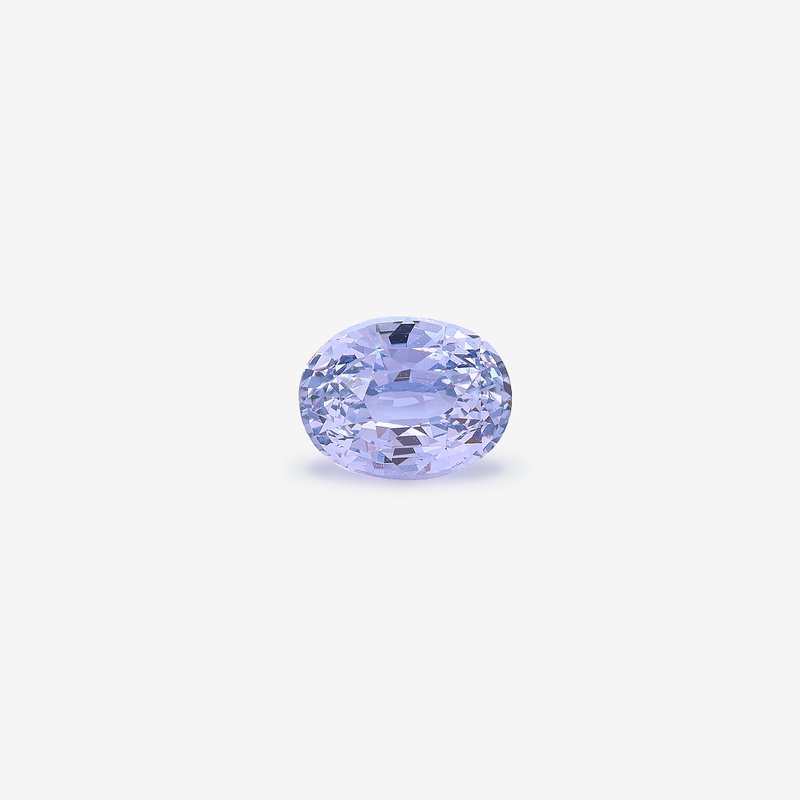
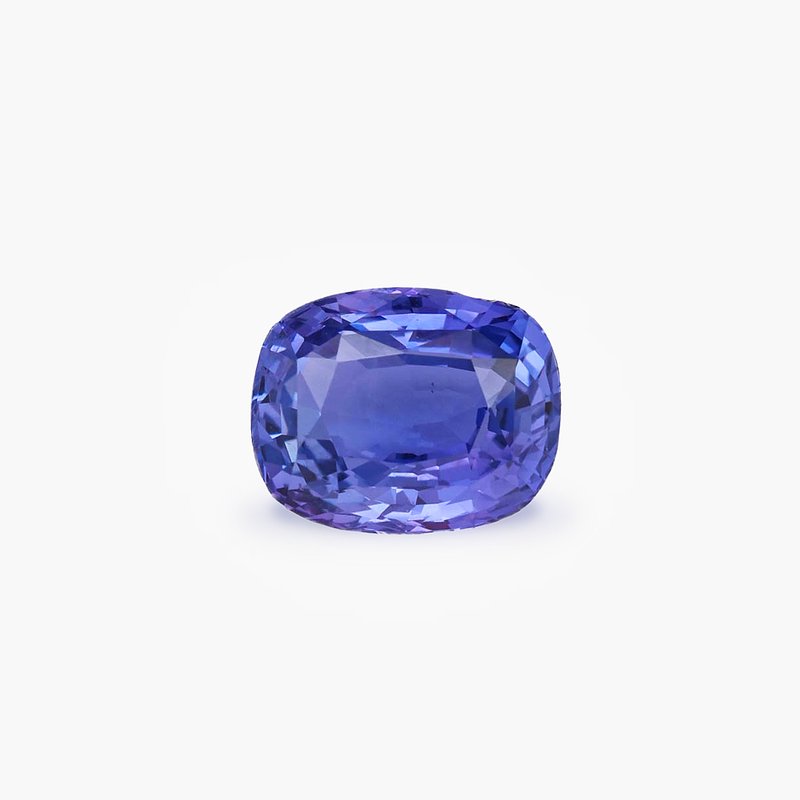
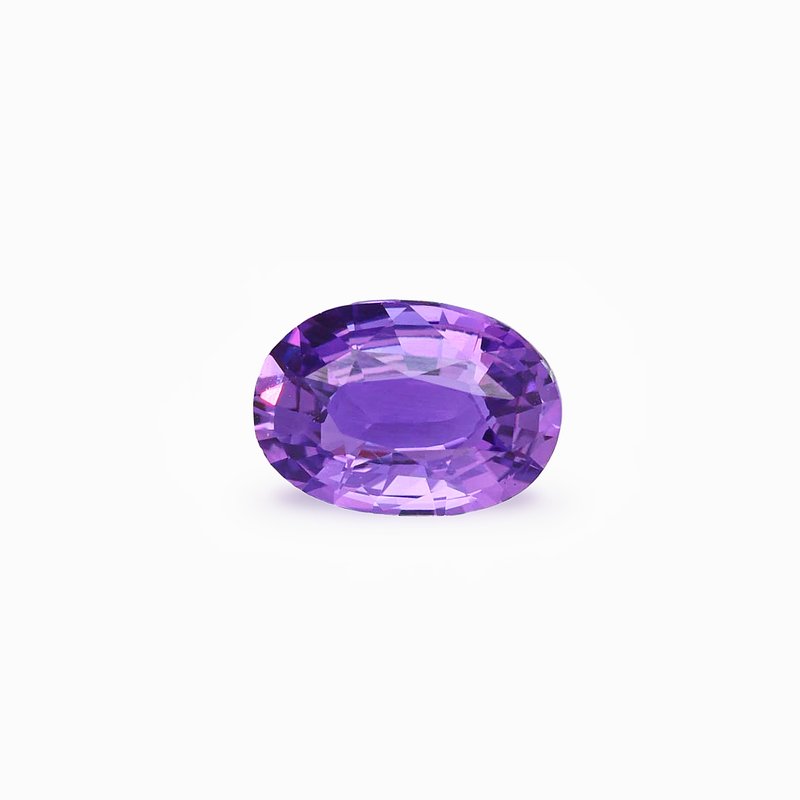
Violet versus purple, and why it matters
In strict color terms, purple sits between red and violet, while violet sits between purple and blue. So a violet sapphire holds more blue and reads cooler, while a purple sapphire leans warmer and redder toward plum. The distinction is not pedantry. A clean, blue-toned violet with good saturation is genuinely scarce, and it is one of the most underrated colors corundum produces. Sri Lanka, the island that yields nearly every sapphire hue, is the classic source for these soft, glowing violets.
What gives violet sapphire its color
Here is where a lot of listings get it wrong. Violet and purple in sapphire come from varying traces and combinations of iron, titanium and chromium, per GIA. Vanadium is the element behind color-change sapphire, the stones that shift from blue or violet in daylight to reddish purple under a lamp. A steady, non-shifting violet is not a vanadium stone. We mention this because we have seen the vanadium claim copied across the trade, and we would rather be accurate than echo it.
Durability and treatment
Violet sapphire is corundum, so it rates 9 on the Mohs scale with excellent toughness. It is one of the few ways to own a violet gem that outlasts amethyst, which is softer and far more common. Some purple and violet corundum is heated, and some is left alone. Every stone here goes to an independent laboratory after your purchase, with the report enclosed, so you know exactly what you have.
How to read our stones
We list by dominant hue and photograph in full light, because violet is the color most likely to shift on a screen. Look for even saturation and a violet that stays violet rather than drifting gray. The selection is small and honest. Browse the loose violet sapphires.