Spinel Gemstone: The Complete Guide to the Connoisseur's Underrated Stone
Vivid color, almost always untreated, and once mistaken for ruby in the Crown Jewels. A founder's honest guide to spinel.
The Essentials: Spinel at a Glance
A spinel gemstone is a natural stone made of magnesium aluminium oxide, prized for vivid red, hot pink, and cobalt blue color and a brilliance close to ruby. It scores 8 on the Mohs scale, is almost always untreated, and was historically mistaken for ruby. The two largest red stones in the British Crown Jewels are actually spinels. Fine red and cobalt blue are the top colors, and spinel offers ruby-like beauty at a far friendlier price.
What Is a Spinel Gemstone?
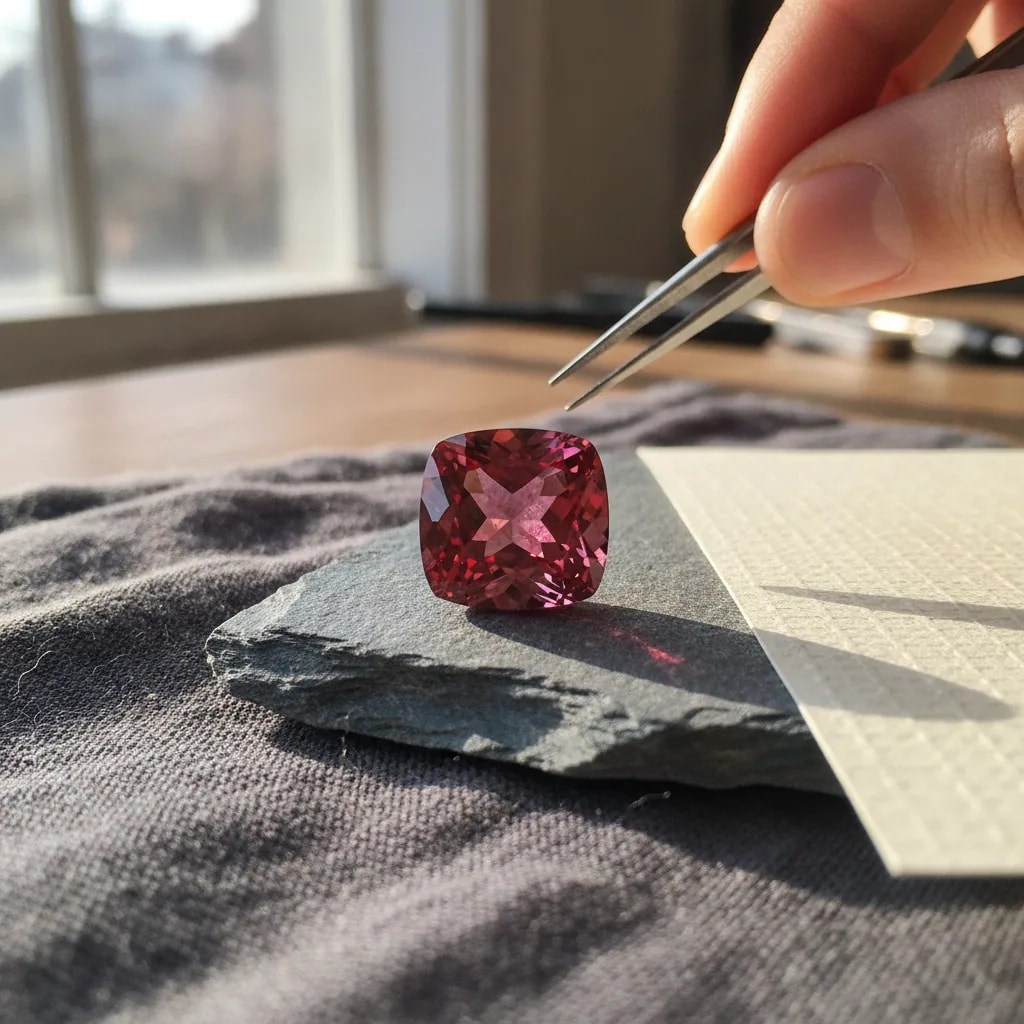
A spinel gemstone is a single-crystal stone made of magnesium aluminium oxide, prized for vivid red, hot pink, and cobalt blue color and a brilliance close to ruby. It scores 8 on the Mohs scale and is almost never heat treated, so the color you see is the color the earth made.
One thing to get straight early: the spinel used in jewelry belongs to a wider group of spinel minerals sharing one crystal structure, and gem quality sits in a narrow band inside that group (GIA). When a dealer says spinel, they mean that band.
We started carrying spinel almost by accident. We were sourcing sapphire parcels in Sri Lanka and kept seeing these small, electric pink and grey-blue stones sitting in the same gravel. The dealers shrugged at them. We did not. After two years of looking at stones on market tables most days, spinel became one of the gems we reach for first when someone wants color that actually does something. It has none of the brand baggage of ruby, and that is exactly why it is interesting. Browse the full spinel collection to see the range.
Spinel Colors and Varieties
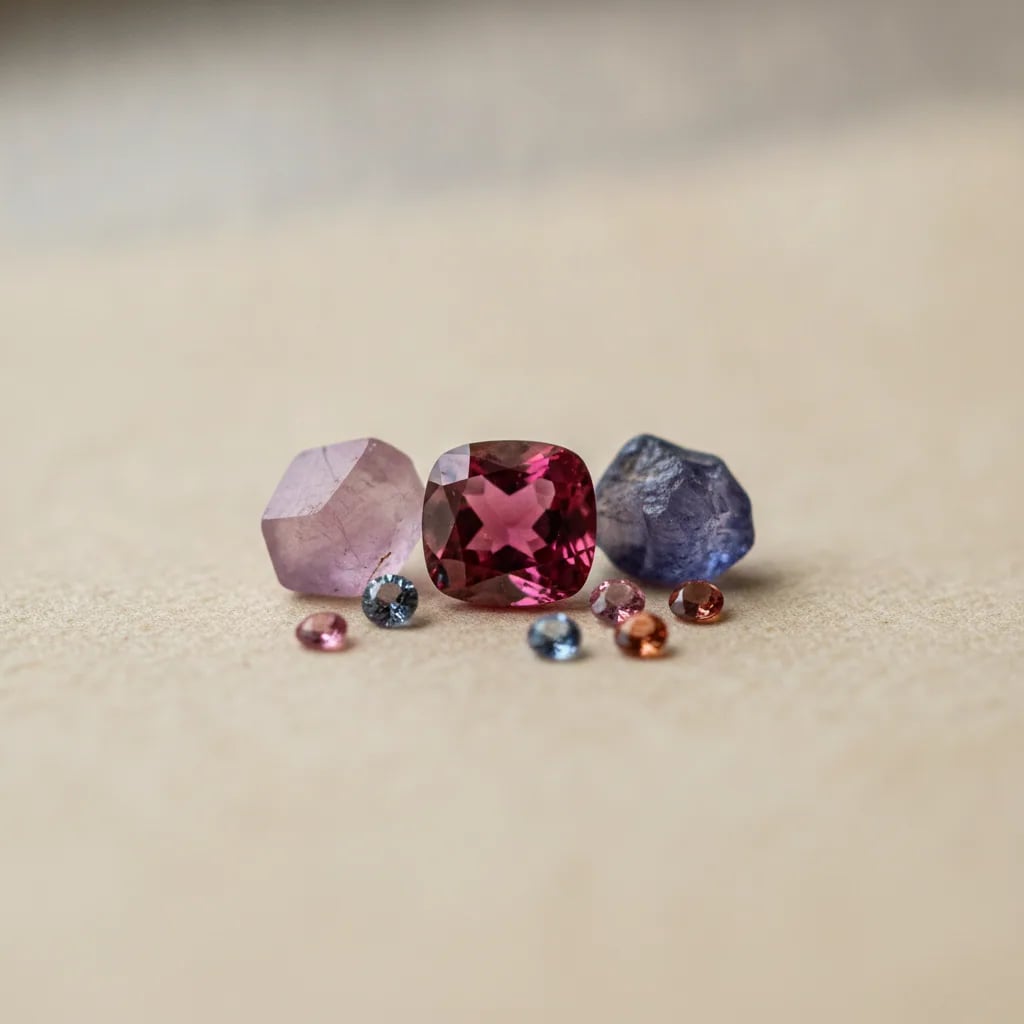
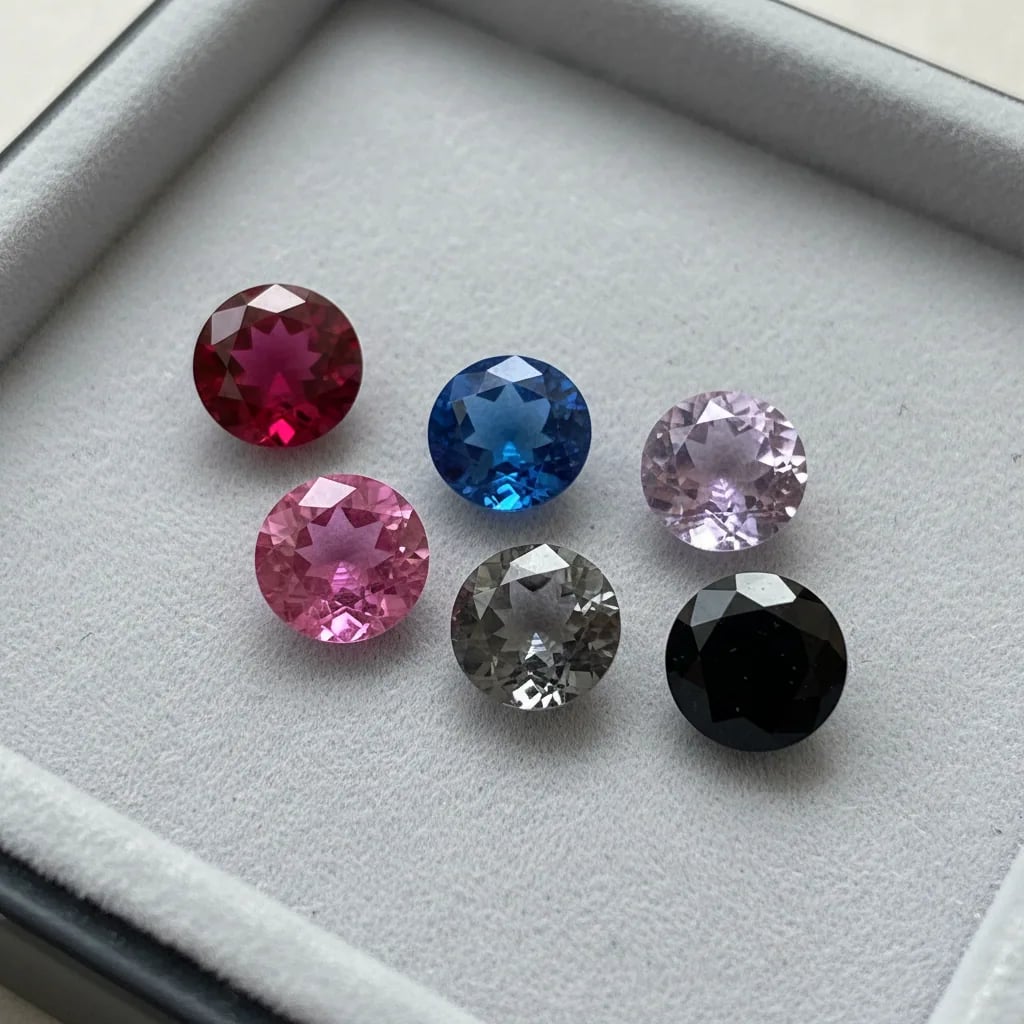
Spinel comes in red, hot pink, cobalt blue, lavender-purple, grey and black, and the color is driven almost entirely by which trace elements snuck into the crystal. Chromium makes the reds and pinks, iron alone pushes toward violet and grey, iron with chromium gives orange and purple, and cobalt, the rarest guest, makes the electric blues collectors fight over.
Labs describe color with three words: hue (red, blue, purple), tone (pale to inky) and saturation (grayish and weak up to vivid). Saturation is where the money lives. Vivid saturation at medium tone reads as alive across a room; a grayish stone of the same hue reads as flat.
Red Spinel
Red spinel is the classic, the color that fooled kings. Top reds glow with a slightly warmer, softer fire than ruby and rarely show the same purplish secondary. Pure chromium-driven reds in vivid saturation are genuinely rare, which is why fine red spinel quietly outperforms a lot of "investment" rubies in pure beauty per dollar.
Hot Pink Spinel
Hot pink spinel is, to our eye, the showstopper of the species. The 2007 Mahenge find in Tanzania produced a neon pink-red glow nobody in the trade had seen before. Pink runs from soft pastel rose to that searing Mahenge hot pink, and the more saturated stones take the strongest premiums after red and cobalt blue. Browse our pink spinel and Mahenge pink spinel stones to see this color range in the hand.
Cobalt Blue Spinel
Cobalt blue spinel is the rarest and most coveted blue in the species. Gemologists long thought blue spinel was colored by iron alone; they now know a mix of cobalt and iron produces those almost electric blues from Sri Lanka, Madagascar and Pakistan. True cobalt blues are scarce and trade at the top of the market alongside fine reds. We keep ours in the blue spinel collection.
Lavender and Purple Spinel
Lavender and purple spinels owe their color to iron and chromium together. Softer, wearable, and priced well below red or cobalt blue, which makes them the easiest spinels to actually buy and wear. Those tones sit in our purple spinel selection.
Grey and Black Spinel
Grey spinel has become a quiet favorite for understated pieces, a steely silver-grey that pairs with anything. Black spinel is fully opaque, takes a high polish and works as beads or accents. Both come from iron, both give you spinel durability at the accessible end.
Spinel Color Chart
Use this spinel color chart to place a stone you are looking at: hue, tone and saturation against the origin and the trace element behind each color, plus where that color sits in the market.
| Color | Hue / Tone / Saturation | Typical Origins | Example |
|---|---|---|---|
| Vivid Red | Red hue, medium-dark tone, vivid saturation (chromium) | Burma (Mogok), Tanzania, Tajikistan | The "Balas ruby" color, top tier |
| Hot Pink | Pinkish-red hue, medium tone, vivid to neon saturation (chromium) | Mahenge (Tanzania), Burma | Mahenge neon pink, highly prized |
| Cobalt Blue | Blue hue, medium tone, vivid saturation (cobalt + iron) | Sri Lanka, Madagascar, Pakistan | Rarest blue, top tier |
| Greyish Blue | Blue hue, medium-dark tone, low to moderate saturation (iron) | Sri Lanka, Vietnam | Accessible "denim" blue |
| Lavender / Purple | Purple hue, light to medium tone, moderate saturation (iron + chromium) | Sri Lanka, Tanzania, Vietnam | Soft, wearable, mid price |
| Pastel Pink | Pink hue, light tone, soft saturation (chromium) | Sri Lanka, Vietnam (Luc Yen) | Everyday pink, friendly price |
| Grey | Neutral grey, medium tone, very low saturation (iron) | Sri Lanka, Tanzania | Modern, understated |
| Black | Opaque black (iron) | Multiple sources | Beads and accents |
One honest caveat: a chart gets you 80 percent of the way. Spinel color shifts under different light, so check any stone in daylight and in warm indoor light before you decide what you are really buying.
The Great Impostor: Spinel vs Ruby, Garnet and Synthetic Spinel
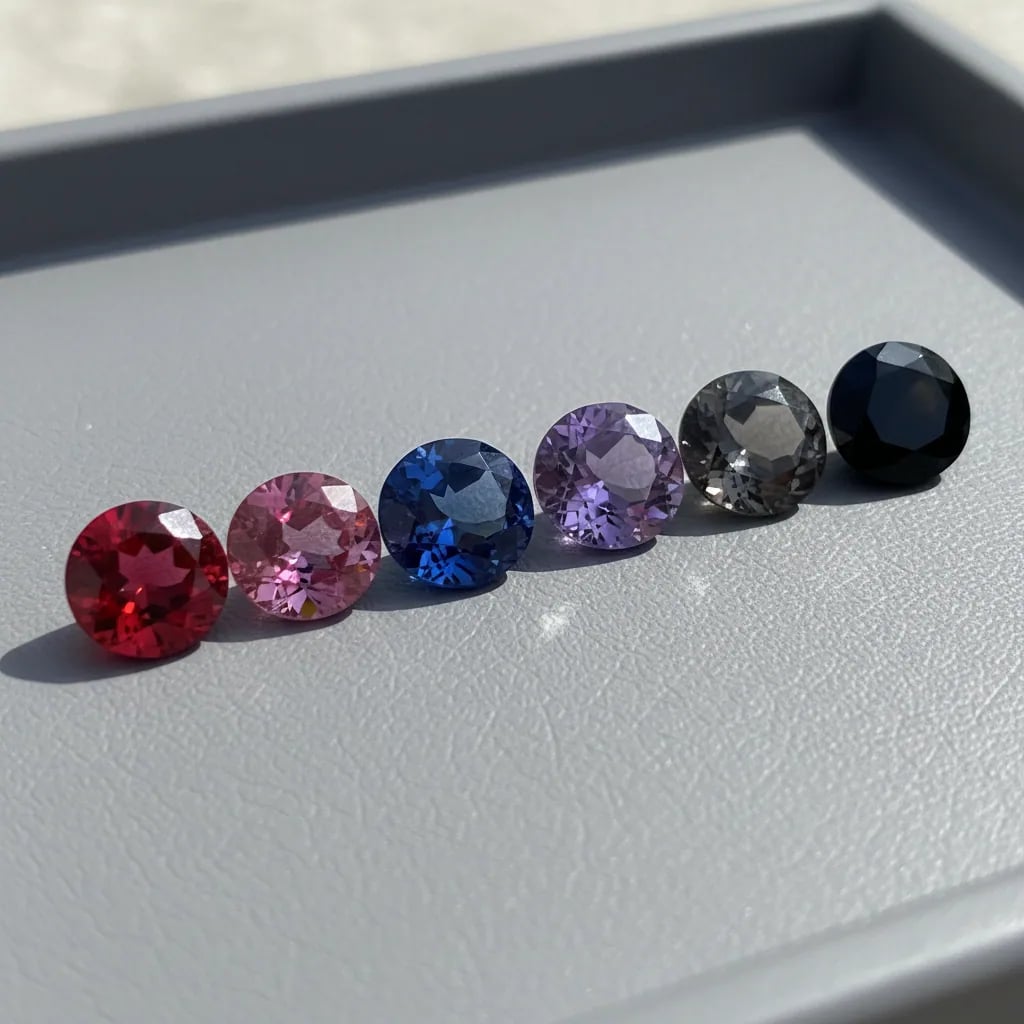
Here is the fact that hooks everyone: the two largest red stones in the British Crown Jewels are not rubies at all. The Black Prince's Ruby, a 170-carat red spinel set in the front cross of the Imperial State Crown, and the Timur Ruby, a 361-carat red spinel, both spent centuries treasured as ruby. For hundreds of years fine red stones were called Balas rubies, because spinel was not recognised as a separate gem species until the 1800s (GIA). Spinel did ruby's job in the most powerful courts on earth and let ruby take the credit, which is why the trade calls it the great impostor.
The confusion was never a failure of taste. To the naked eye a fine red spinel and a ruby look astonishingly similar, and the real differences are chemistry, treatment, and price, not beauty. The clean technical tell: ruby is corundum and doubly refractive, so it shows pleochroism, two slightly different colors depending on the angle. Spinel is singly refractive and shows one even color from every direction. A lab confirms it in seconds.
| Spinel | Ruby | |
|---|---|---|
| Mineral | Magnesium aluminium oxide | Corundum (aluminium oxide) |
| Mohs hardness | 8 | 9 |
| Optical character | Singly refractive (no pleochroism) | Doubly refractive (pleochroic) |
| Typical treatment | Almost always none | Very commonly heated or filled |
| Relative price | Far lower for similar color | High, brand-driven |
Red Garnet and Synthetic Spinel: the Other Two Look-Alikes
Ruby is the famous mix-up. Two others catch buyers out more often, and neither is solved by the pleochroism trick above.
Red garnet is the first. Spinel, like garnet, is singly refractive and shows no pleochroism (GIA), so the angle test that separates ruby tells you nothing. Refractive index does: spinel reads about 1.718, almandite garnet reads 1.762 to 1.770 and often runs past the limit of a standard refractometer (GIA). Thirty seconds on a lab bench, impossible across a table.
Synthetic spinel is the bigger trap. Per GIA, natural spinel is rare and synthetic spinel is common, so many people have never actually seen the natural stone. Flame-fusion material has been made since the early 1900s, when researchers chasing synthetic blue sapphire produced blue spinel by accident, and most of it never went out as spinel at all: it imitated sapphire, zircon, aquamarine and peridot (GIA). It also gets glued into triplets for birthstone jewelry and class rings. Flame-fusion gives itself away by a lower refractive index, its fluorescence and its inclusions. The flux-grown reds from 1990s Russia are the genuinely hard ones, and those need a lab, not an opinion.
That is why we pay for paper on every spinel stone we sell. A synthetic reads as a bargain natural red right up to the second somebody tests it.
Our honest take: if you are buying for what the stone makes you feel rather than for what the name proves, spinel wins on value almost every time. The same red, untreated, for a fraction of the cheque. See what untreated, mine-direct stones look like across our spinel collection.
Spinel Stone Properties: Hardness, Density and Durability
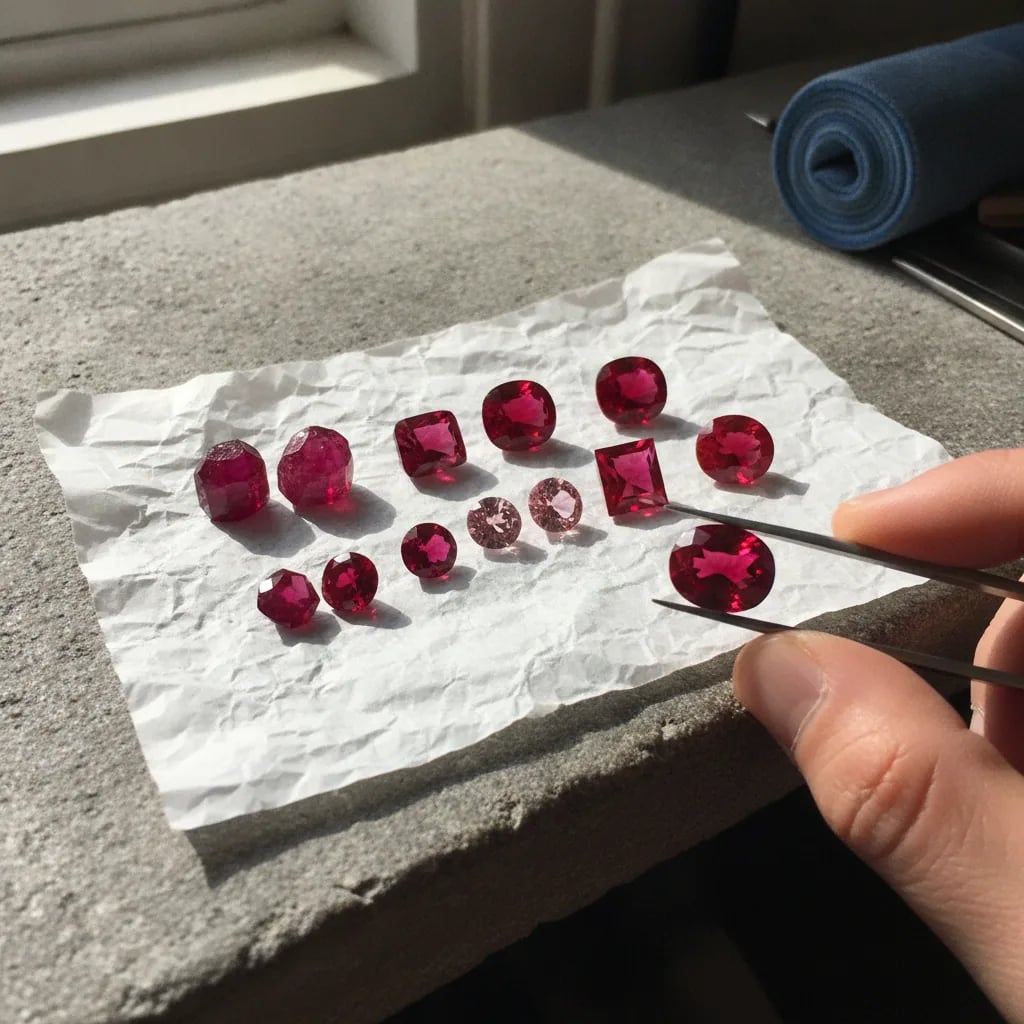
Spinel scores 8 on the Mohs scale, has good toughness, and is singly refractive, which together make it bright, durable, and well suited to rings and daily wear. That hardness sits just below ruby and sapphire at 9, and comfortably above quartz at 7, so a well-cut spinel shrugs off everyday knocks far better than softer colored stones.
Because spinel is singly refractive, light behaves simply inside it. There is no double refraction, no pleochroism, and no need for the cutter to fight two different colors. That single property is also how a new mineral got discovered: in 1945 a mauve stone sold as spinel turned out to be doubly refractive, and the trade gained taaffeite. The result is an even, lively brilliance from any angle, and it is one reason fine spinel sparkles with such a clean, unhesitating fire. A good cutter can really make this stone sing.
| Property | Spinel |
|---|---|
| Mineral | Magnesium aluminium oxide (MgAl2O4), spinel group |
| Mohs hardness | 8 |
| Toughness | Good |
| Crystal system | Cubic (isometric) |
| Optical character | Singly refractive |
| Refractive index | About 1.718, higher in chromium-rich reds |
| Specific gravity | About 3.60 |
| Crystal habit | Octahedron, flattened twins common |
| Cleavage | None |
Those two numbers do real work. A refractive index near 1.718 and a specific gravity near 3.60 (GIA) are how a lab separates spinel from the red garnets and synthetics it gets mixed up with. Rough spinel crystals are distinctive too: the natural habit is an octahedron, with flattened twins common (GIA).
One field note: that good toughness means spinel handles a setting and a lifetime of wear without the chipping risk you get with cleavage-prone stones. It is, genuinely, a practical gem, not just a pretty one.
How to Choose a Spinel
Choose a spinel by leading with color, then cut, then clarity, and let durability and the absence of treatment do the rest. Color is king: find the hue you love in a medium tone with vivid, even saturation.
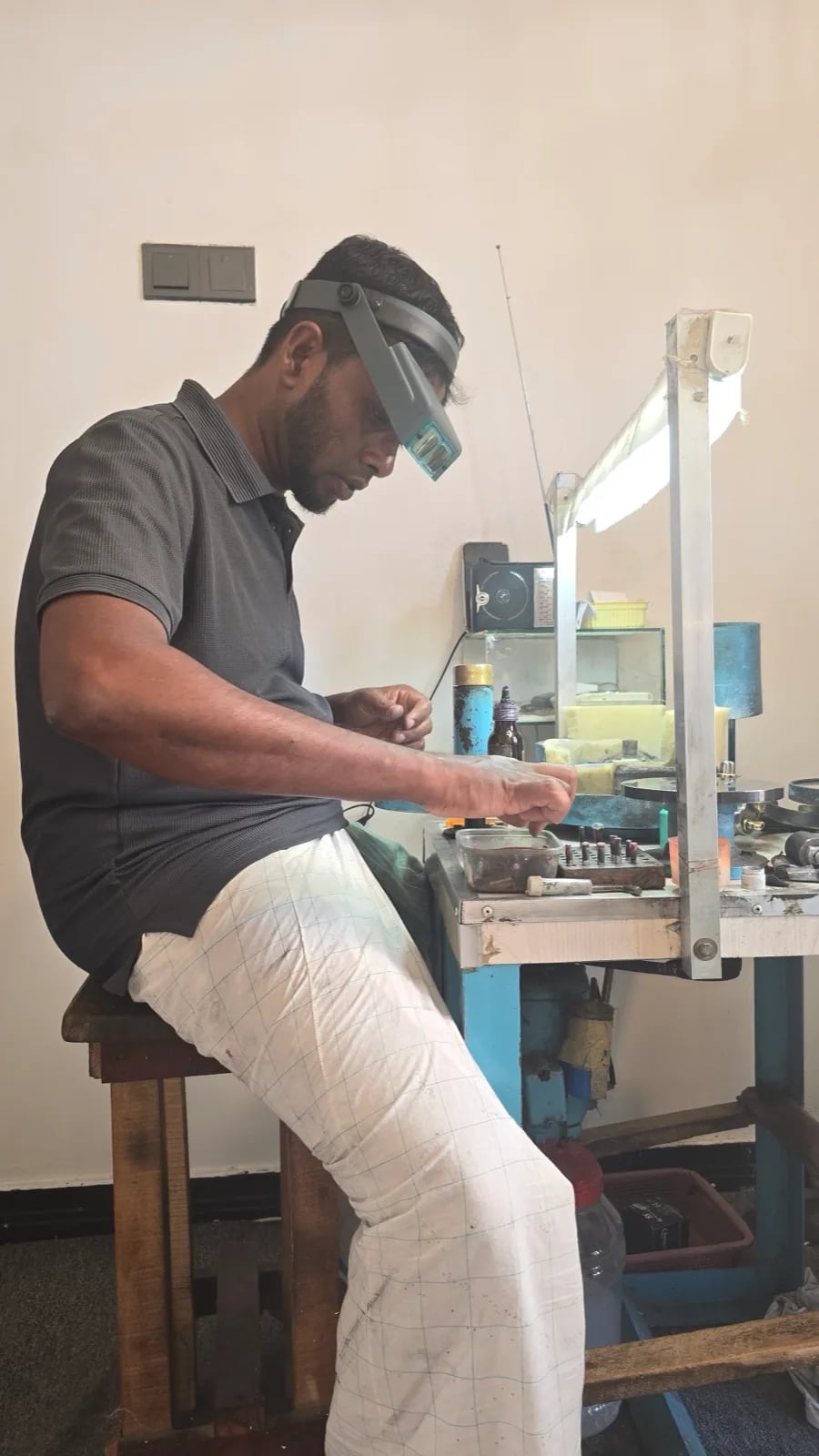
Cut matters more than people expect. A precision cut returns light evenly across the whole stone, while a poor one leaves windows and dead zones no matter how good the rough was. Never compromise on cut. It is the one factor you can judge with your own eyes.
Clarity comes third. Clean spinel is more available than clean ruby, so you can be choosy: aim for eye-clean, then ask the two boring questions that decide everything. Is it natural rather than synthetic, and does it come with a report from an independent lab? On any significant spinel stone, both answers should be in writing before money moves.
Spinel Prices by Color
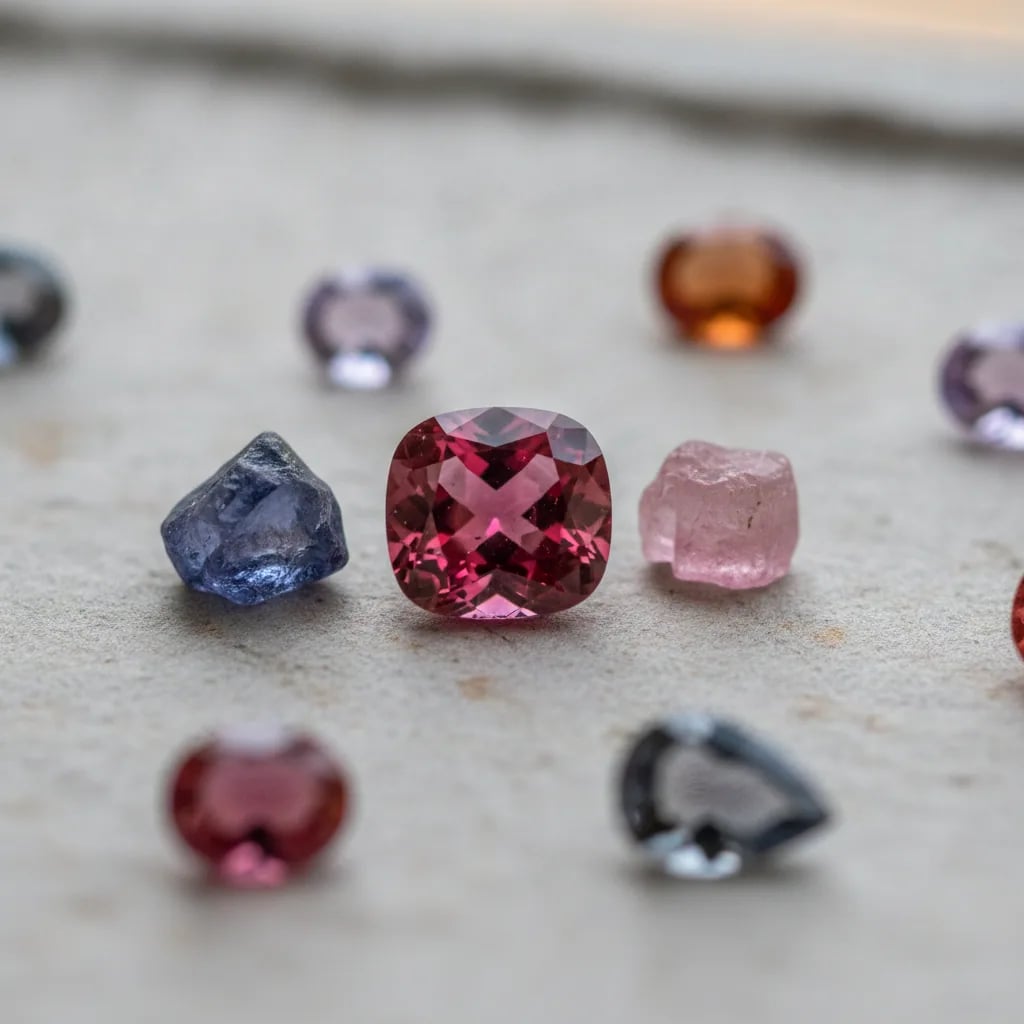
Spinel prices are driven first by color and saturation, with vivid red and cobalt blue at the top, hot pink Mahenge close behind, and grey, black, and pale pastels at the accessible end. The value tiers below reflect fine, untreated, well-cut stones. Pale or grayish material of any hue sits well below these numbers, and exceptional Mahenge pinks or true cobalt blues can run far above them.
| Color | Value Tier | What Drives It |
|---|---|---|
| Vivid Red | Top | Chromium-driven, ruby-like, genuinely rare in fine grades |
| Cobalt Blue | Top | Rarest blue, cobalt-colored, scarce in any size |
| Hot Pink (Mahenge) | High | Neon saturation, single 2007 deposit, collector demand |
| Bright Pink | Mid-high | Strong saturation, more available than red |
| Lavender / Purple | Mid | Soft, wearable, good availability |
| Greyish Blue | Accessible | Iron-colored, the everyday blue |
| Grey / Pastel / Black | Entry | Low saturation or opaque, great value |
Context worth knowing: before Mahenge in 2007, fine spinel rarely traded above a few thousand dollars per carat, and the neon Tanzanian pinks rewrote that ceiling overnight. Not a "buy now" pitch, that is the status-stone logic we reject. It is why a hot pink can cost more than a ruby-red one: demand outran a tiny supply. The most saturated stones we carry sit in our vivid pink spinel collection.
Where Does Spinel Come From? Origins and Sourcing
Spinel's most important sources are Tanzania (Mahenge), Burma or Myanmar (Mogok), Sri Lanka, and Vietnam (Luc Yen), with historical deposits in Afghanistan, Tajikistan, and Pakistan still producing fine crystals. Spinel turns up alongside corundum in Myanmar, Sri Lanka and Vietnam, and many of the famous large spinels came out of Tajikistan (GIA). Spinel and corundum often grow together in marble and end up side by side in the same alluvial gravel, which is exactly why the two were confused for so long.
Mahenge, Tanzania is the modern legend: the 2007 find at Ipanko produced enormous crystals. Mogok, Burma is the historical home of fine red spinel, the source of many "Balas rubies." Sri Lanka yields a wide spread of colors including rare cobalt blue, recovered from river gravel alongside sapphire. Luc Yen, Vietnam produces lovely pinks, lavenders, and the occasional cobalt blue.
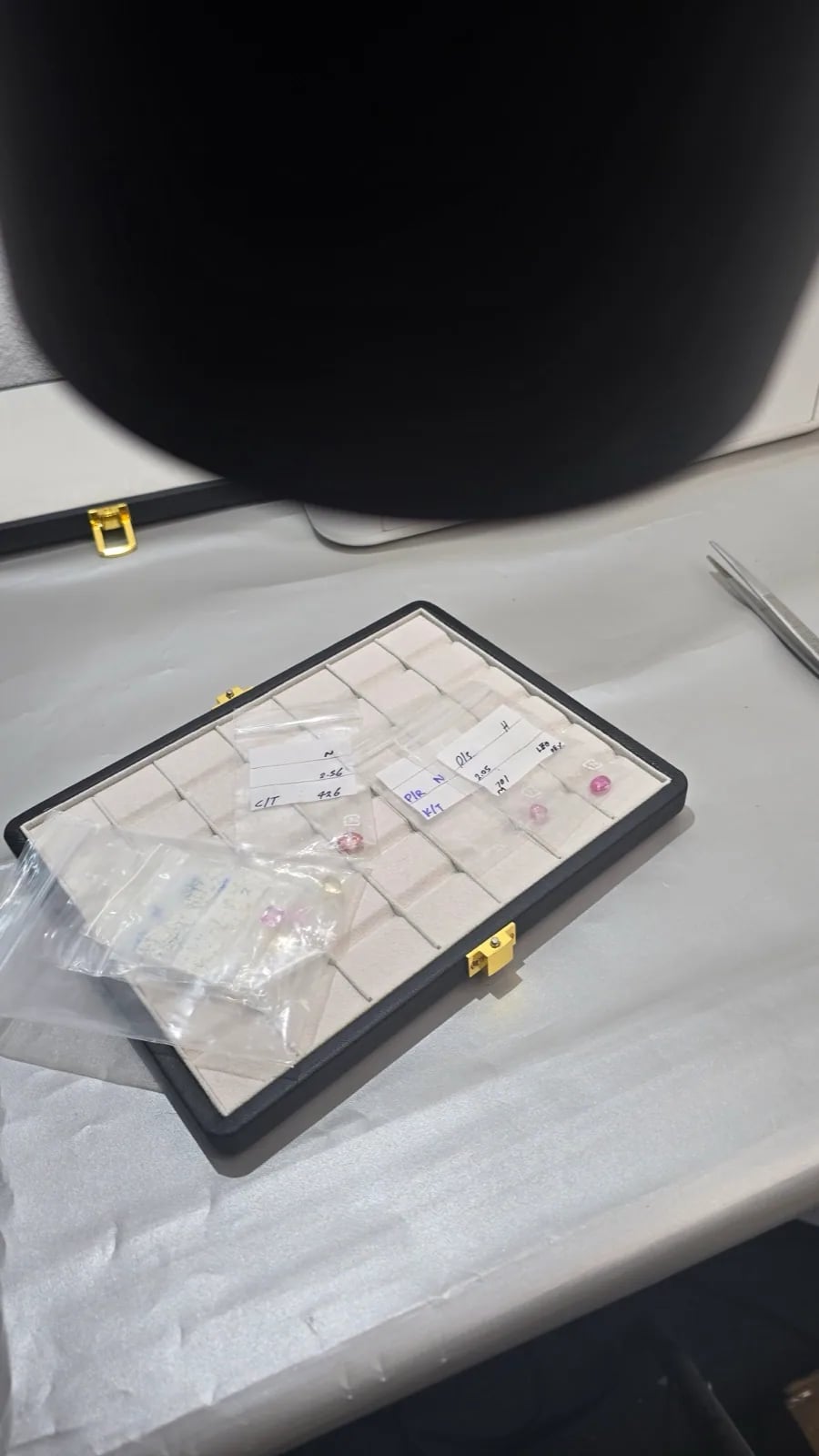
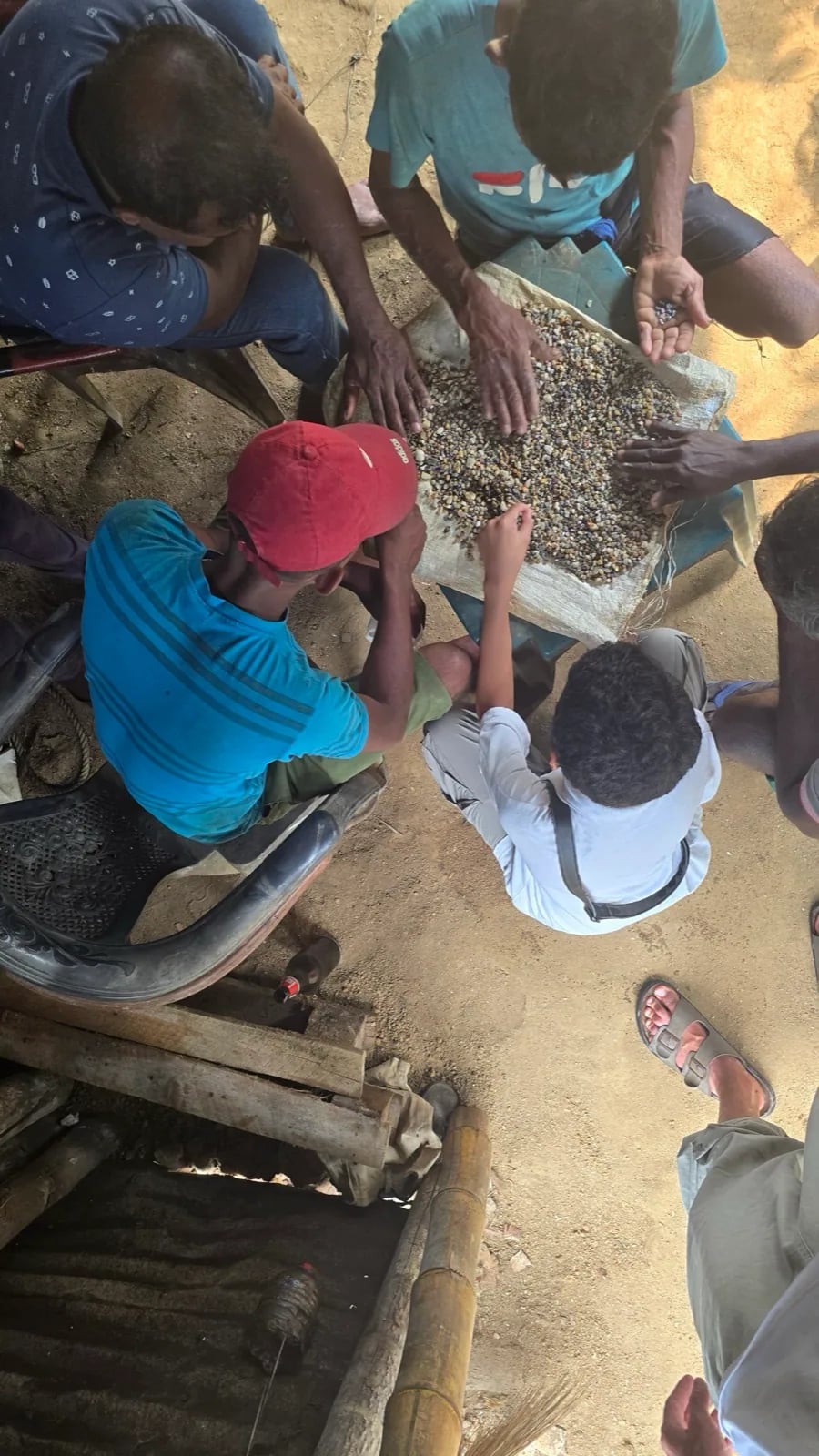
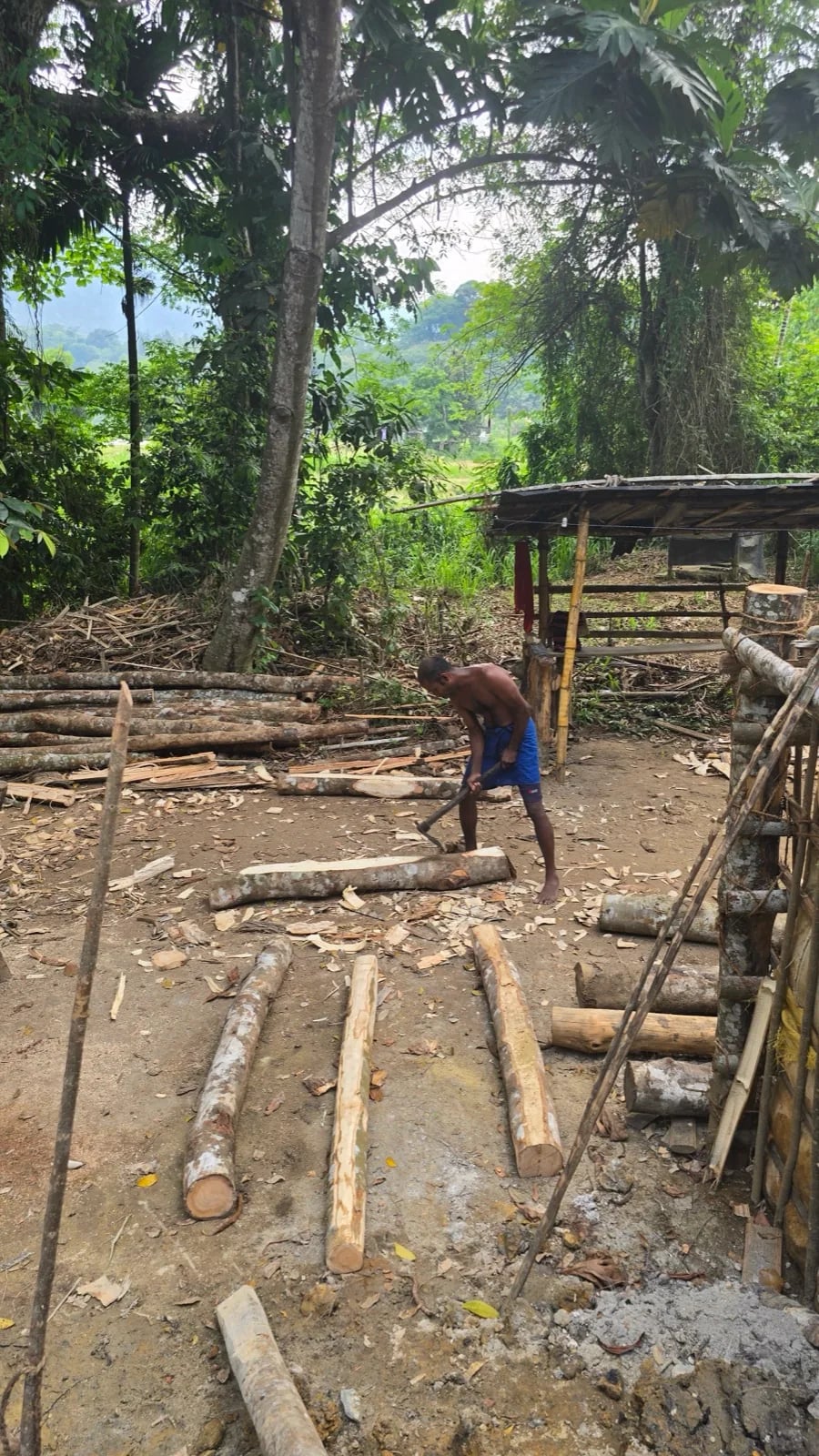
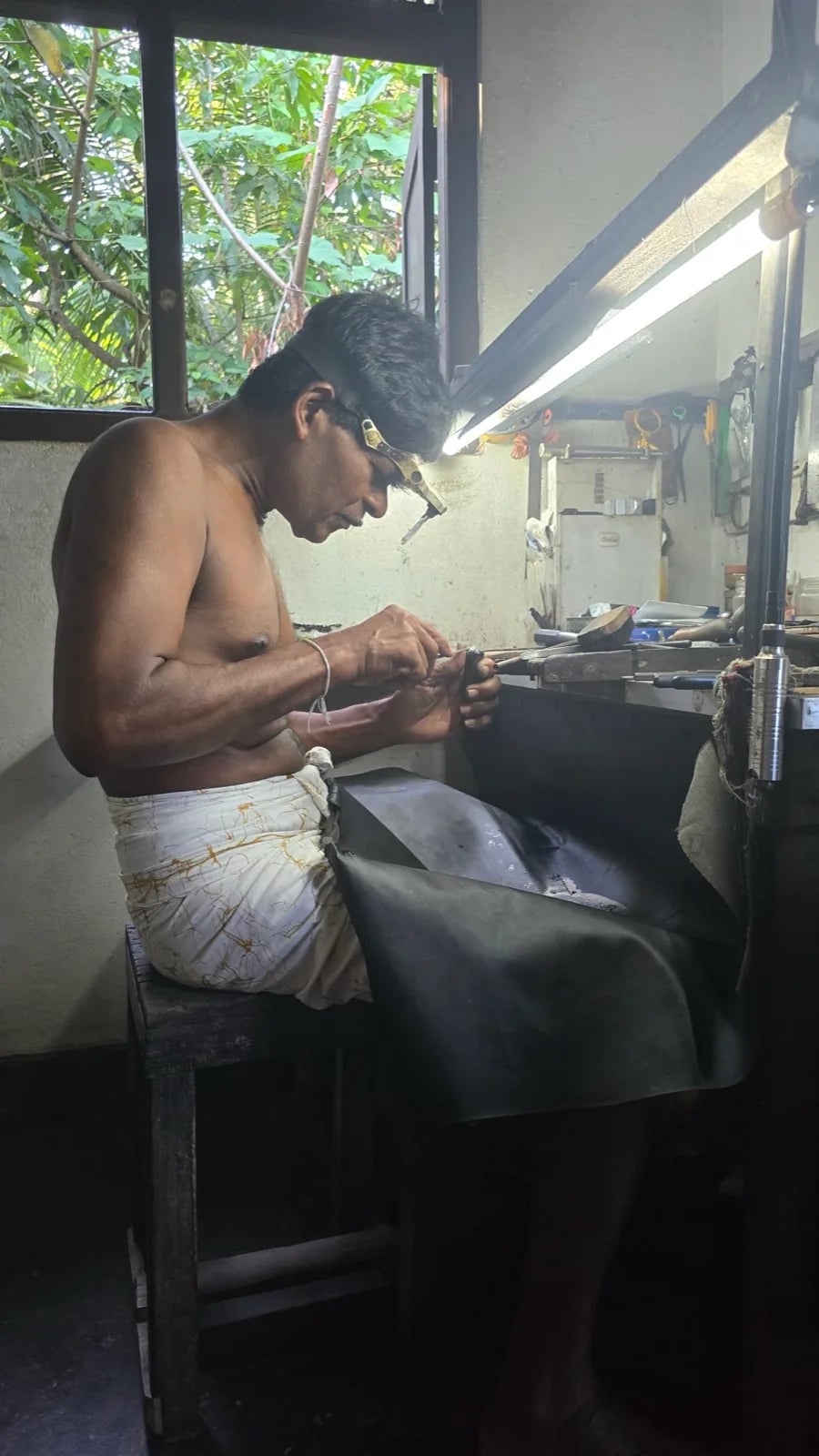
Here is what two years on the ground taught us, and it is not what we expected. Being at the source does not automatically mean more choice or a lower price. Some weeks in Ratnapura we saw fewer fine stones than a single afternoon at a trading hub would show. The real edge of buying direct is not cheapness, it is transparency. We know which gravel, which miner, which cutter. Six pairs of hands touch a rough stone before it reaches you, and we can name them. That chain is the value, not the postcode. We named every one of them for sapphire in mine to customer: how I source parcels in Sri Lanka.
Why Spinel Is Almost Always Untreated
Spinel is almost always untreated, which means the color you see is the color the earth made, with no heating, filling, or diffusion. The trade simply does not need to treat it: spinel comes out of the ground in such good color and clarity that there is little to gain from the furnace. Ruby and sapphire are very commonly heated, and a serious unheated sapphire only earns its premium with a certificate that proves it. With spinel, untreated is the default, not the exception.
We still send every spinel to be certified by Bilal, our gemologist, who confirms species and the absence of treatment in writing. Not because we doubt the stone, but because you deserve the paper.
JOALYS
Everything Begins with the Stone
For centuries spinel was mistaken for ruby. It was never the lesser stone.
Keep the spinel loose, or commission a piece made around it — made to order, never off the shelf.
How to Care for Spinel
Care for spinel by cleaning it with warm water, mild soap, and a soft brush, and store it separately so harder stones do not scratch it. At Mohs 8 with good toughness, spinel is one of the lower-maintenance colored gems, which is one of the quiet reasons we recommend it for rings.
Warm soapy water and a soft brush handle ordinary cleaning. Ultrasonic and steam cleaners are generally safe for natural, untreated spinel, but skip both if a stone has any fracture. Rinse, pat dry with a soft cloth, done.
For storage, give spinel its own pouch or a lined compartment, because diamond, sapphire and ruby are all harder and will scratch it if they share a drawer. Avoid hard knocks against a desk or a sink edge. Do that much and the stone looks as alive in thirty years as it does today.
Spinel is easy, but a mixed jewelry box is not. Our jewelry care and maintenance guide breaks down cleaning and storage for every metal and gem.
Frequently Asked Questions
The Connoisseur's Quiet Choice
Spinel is the gem the smart buyers reach for after they stop buying names. It gives you ruby-red or electric blue color, untreated, durable enough for a lifetime of wear, with six hundred years of royal history sitting quietly behind it. No furnace, no brand premium, no story you have to take on faith. Just a stone that does something to you when you hold it.
That is exactly why we carry it. A spinel is not chosen for what it proves. It is chosen for what it makes you feel, and to us that is the whole point of owning a colored stone. If you want to see what untreated, mine-direct spinel actually looks like in the hand, our spinel collection is the place to start.