Mine to Customer: How I Source Sapphire Parcels in Sri Lanka
The nine hands a Ceylon sapphire passes through, where in that supply chain I actually buy, and why a shorter chain changes the price you pay.
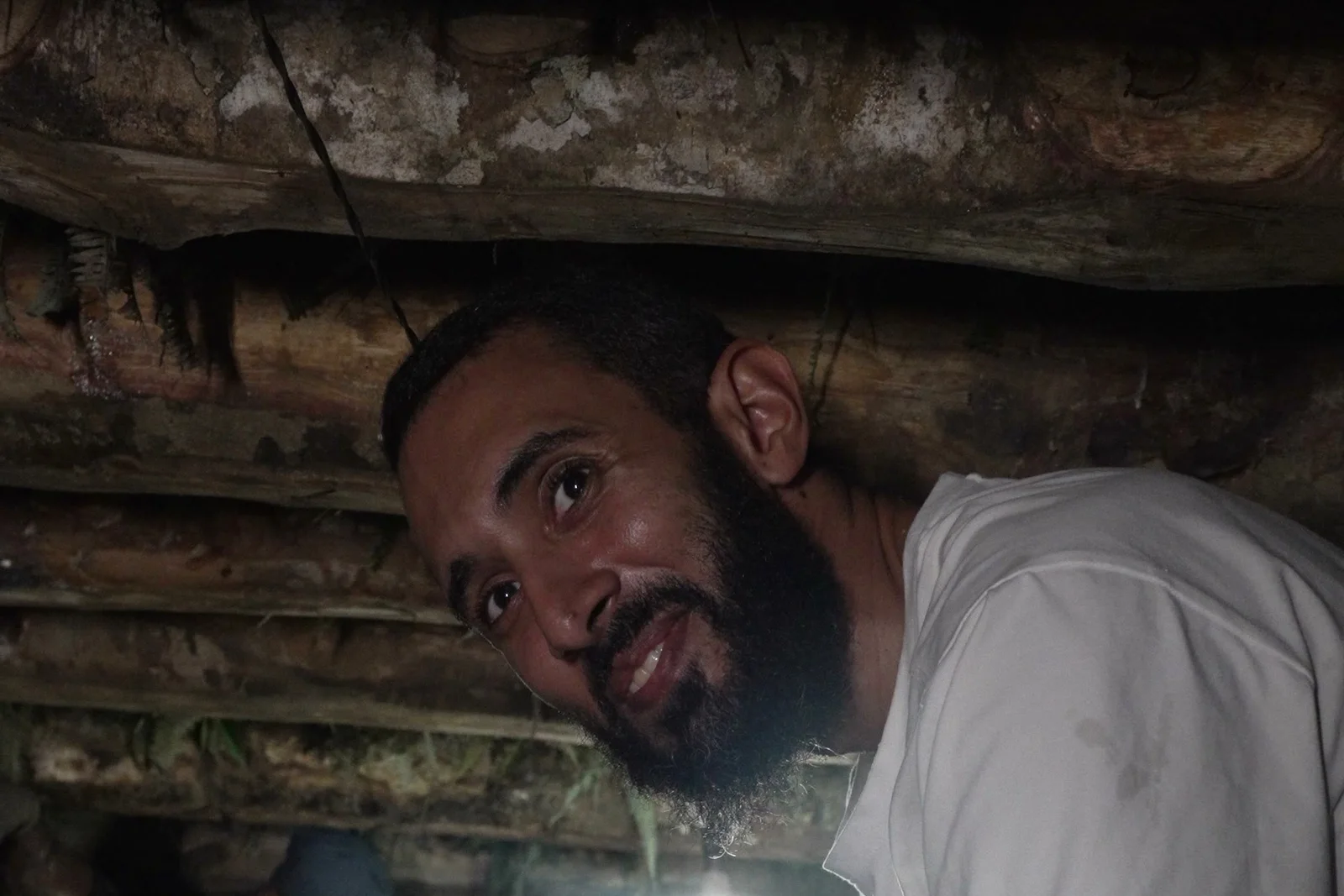
"Mine-direct" almost never means buying at the mouth of a mine. A Ceylon sapphire traditionally passes through nine hands before retail. I buy at the Ratnapura dealer market, three stops in, which cuts the chain to about four. The shorter chain is the real edge. No foreigner can own a mine here, and I won't pretend otherwise.
What "Mine-Direct" Actually Means
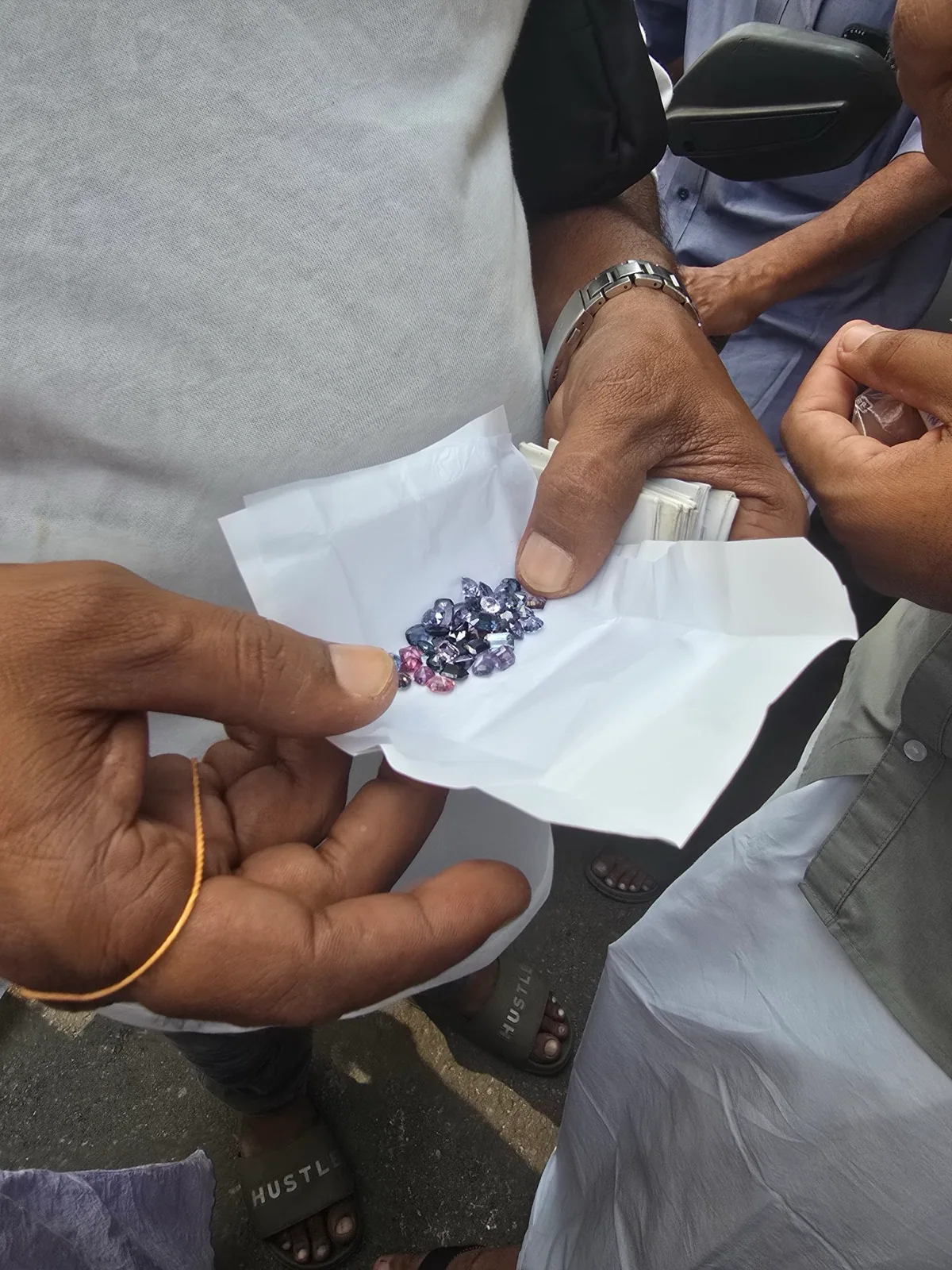
The first time I was handed a folded paper of loose sapphires in a back room in Sri Lanka, I did the thing every beginner does. I nodded like I understood what I was looking at. I didn't. I'd spent two years on the island by the time that stopped being true, and most of that learning didn't happen at a mine. It happened at a dealer's table, in a jeweler's shop, over folded papers and bad overhead light, learning to see what was actually in front of me.
People love the phrase "mine to customer." I use it too, but I want to use it honestly, because the honest version is more interesting than the marketing one. So here is how I actually source sapphire parcels in Sri Lanka, what the supply chain really looks like from the inside, what "direct" honestly means, and why any of it should matter to the price you pay.
Here's the thing nobody selling you a sapphire wants to spell out. A stone comes out of the ground, gets bought by one person, maybe resold once more, and that's roughly where I step in. One or two intermediaries from the source. Sometimes direct. That's the real chain at the start.
Now follow the same stone the long way. By the time it reaches a trading floor in Bangkok or a counter in France, it has typically passed through seven to ten sets of hands. Every pair of hands adds a margin and removes a little context. Where it was found, whether it was heated, who cut it and why, all of that gets sanded off along the way.
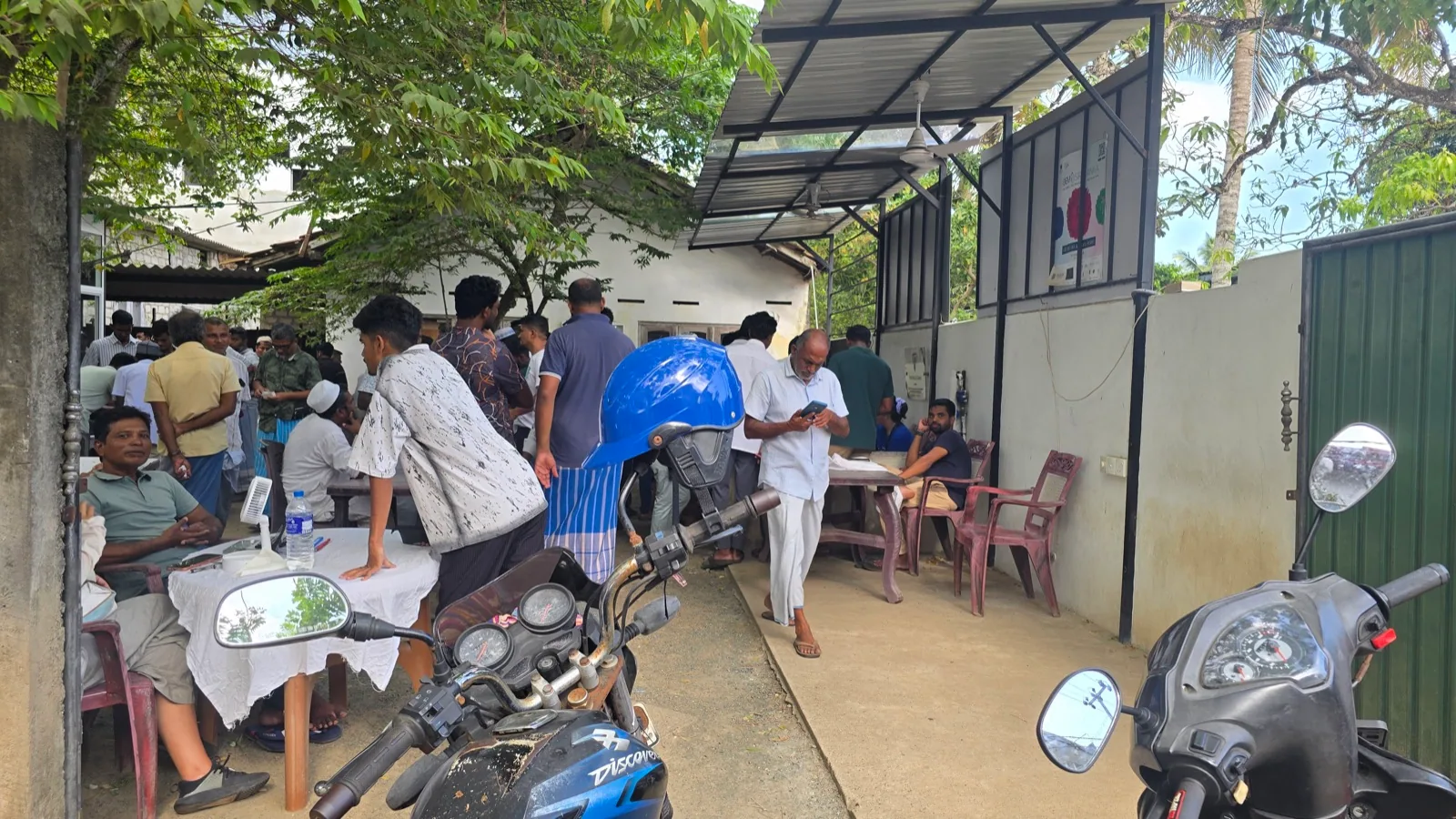
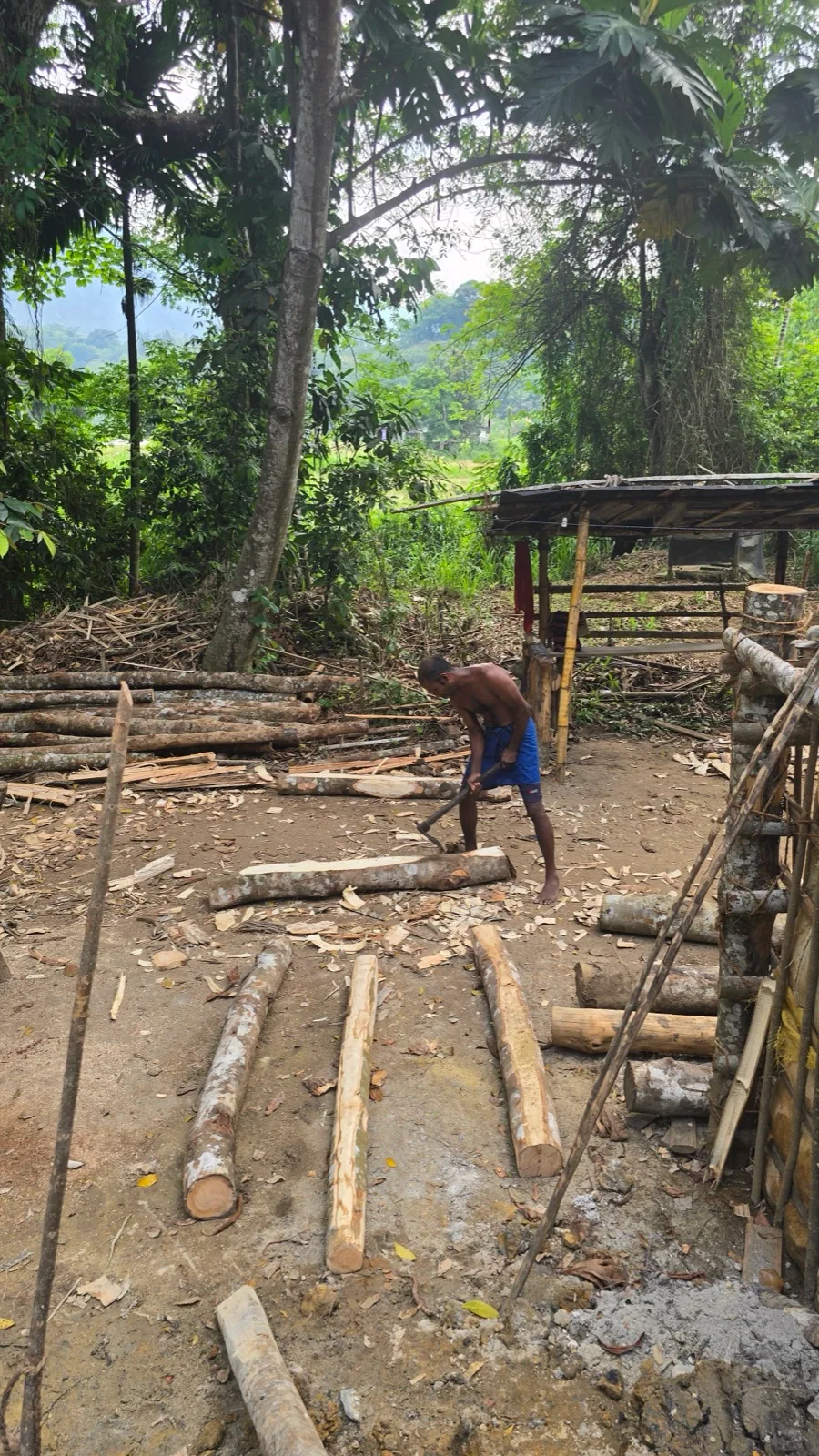
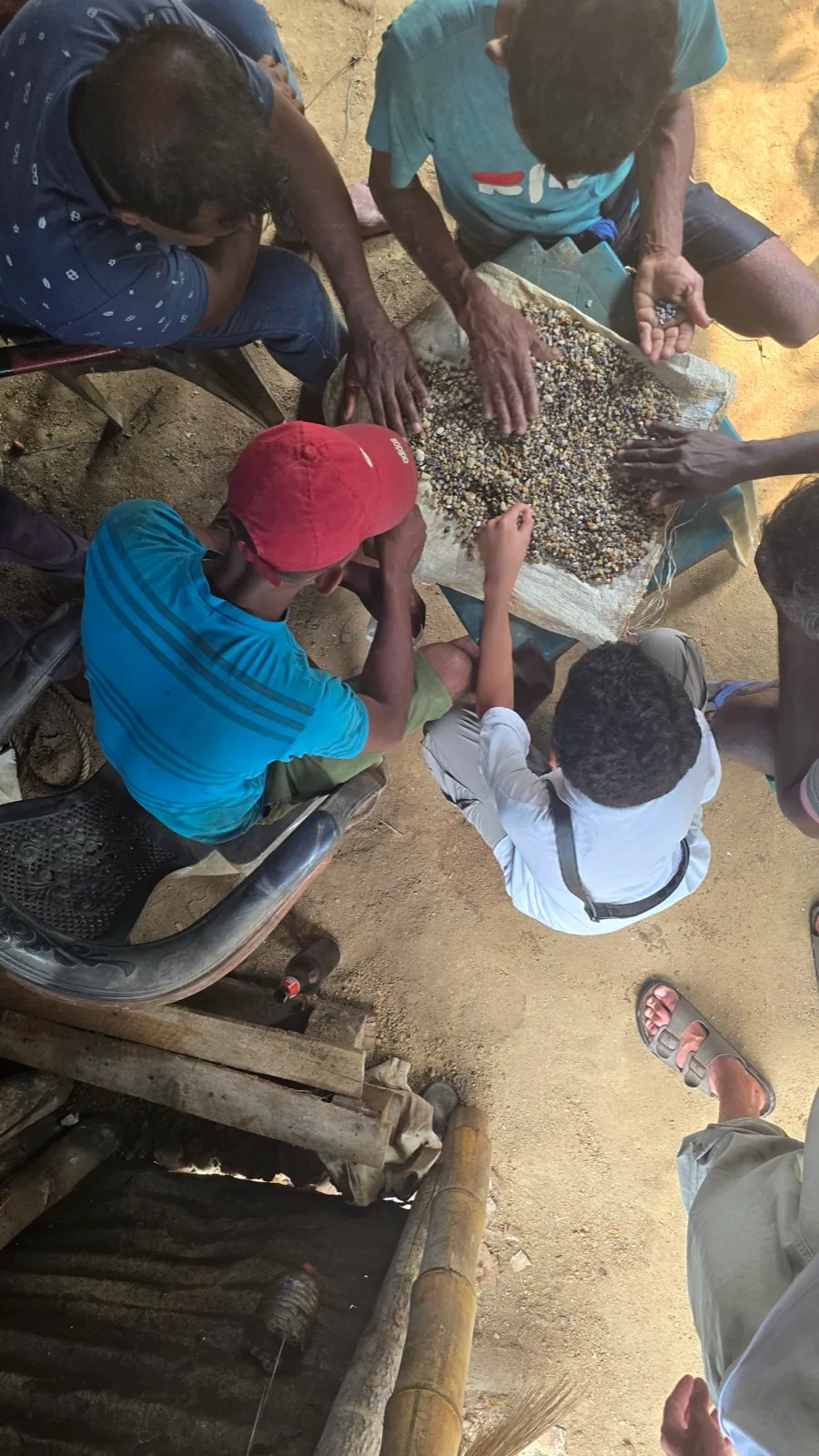
So when I say mine-direct, I mean buying at the dealer market one or two hops in, not standing at the edge of a pit. I think the distinction matters. Sri Lanka's sapphires are recovered from river gravel by miners working alluvial deposits with simple, non-mechanized tools, that part is real and it's old, the island has supplied sapphire for over 2,000 years (GIA). The layer they dig for has a name: illam, the gem-bearing gravel that sits on top of the bedrock. It runs roughly 30 centimetres to a metre thick, and a pit chases it down 5 to 15 metres before the sluicing baskets come out (GIA). But the parcels actually trade in town. They show up in back rooms and, more than anywhere, in local jewelry shops, which double as meeting points where dealers lay stones out for each other. Ratnapura is where I saw the most lots.
The honest definition of "mine-direct" is buying one or two hands from the source, not at the mine itself. A stone reaches Bangkok or Paris through seven to ten hands. Cutting out five of them is the whole point.
I learned this the unglamorous way. My early thinking was naive: I assumed going to the source meant more choice. It doesn't, automatically. A global hub like Bangkok pools far more stones than any single town in Sri Lanka. What the source gives you isn't selection, it's a shorter, more transparent chain if you do the work to build it. That correction cost me some pride to accept.
The Nine Hands a Ceylon Sapphire Passes Through
I keep saying seven to ten hands. Let me actually name them, because vagueness is exactly where the marketing hides.
Here is the route a Ceylon sapphire traditionally takes from wet gravel to a display case in Europe. Not every stone hits every stop. This is the shape of it.
The traditional Ceylon chain
- Pit miner, Ratnapura district. Washes the gravel, sells the same day.
- Mine-side aggregator. Buys the day's washings, holds the relationships.
- Ratnapura dealer. Sorts the rough into parcels, sells at the market. (this is where I buy)
- Colombo specialist. Consolidates, grades, pushes material upward.
- Cutter, usually Beruwala or Ratnapura.
- Polishing house. Finish and final calibration.
- Laboratory. Treatment report, sometimes an origin call.
- Export agent. Paperwork, duty, freight.
- Retailer, Bangkok, Jaipur, Paris, New York.
Nine stops. Every one of them is a person who has to eat, so every one adds a margin. That part everybody already understands, and it's the part the marketing loves to talk about. The part that gets almost no attention is what else falls off at each handoff. Who found it. Which pit. Whether it saw a furnace. What it looked like as rough. Information is heavier than a stone, and it gets left behind first.
I step in at stage three. Not at the pit, not at the aggregator's house, but at the dealer's table where the parcels actually surface. From there a stone goes to a cutter, then onto the site, then, once you buy, to an independent outside laboratory. Four stops instead of nine.
That's the whole claim. I'm not going to dress it up as anything more heroic than arithmetic.
Who Regulates the Mines (and Why I Can't Own One)
Here's a fact that quietly deflates most "from our own mine" marketing, and I have never once seen a European brand put it on their website: I cannot own a gem mine in Sri Lanka. Neither can any other foreign brand.
Gem mining on the island is regulated by the National Gem and Jewellery Authority (NGJA), the body created by Act No. 50 of 1993 and the only institution empowered to license the trade. Mining licences are issued under section 15 of that act. Standing government policy withholds them from foreign companies, from companies with foreign partners or foreign investment, and from foreign individuals. That last category is me.
So when a brand in Paris or Munich tells you it buys "straight from our own mine," the useful question isn't whether someone flew out and stood next to a pit. It's whose name is on the licence. In practice the honest version of that sentence is always a working relationship with a licensed local operation, never ownership. I'd rather just say that plainly.
Two other things the licence controls, both of which genuinely surprised me:
- The pit has to be filled back in. A licence holder is obliged to restore the site to its original condition, and the next licence isn't granted until that restoration has been inspected. The reason so much worked-out ground in the paddy land around Ratnapura looks like nothing ever happened there is regulatory, not sentimental.
- Machines are kept on a short leash. The authority has held tight controls on large-scale mechanized mining since the early 2000s, which is why the pan, the sieve and the woven basket are still doing most of the work. It protects the alluvial deposits, and more to the point it protects the people whose living comes out of them.
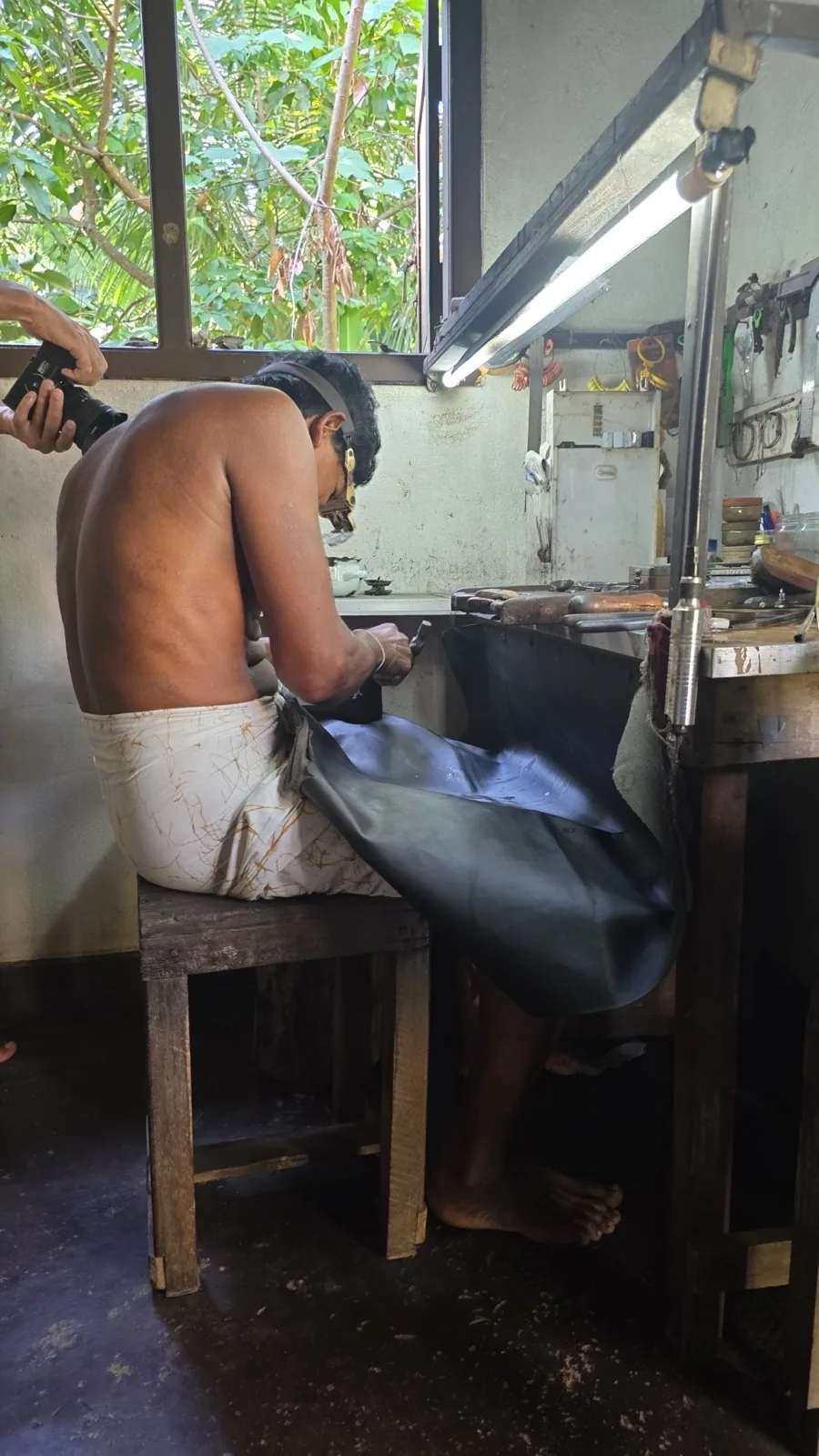
One last piece that almost never gets credit. The overwhelming majority of Ceylon sapphire reaching the international market is cut and polished on the island, mostly around Beruwala and Ratnapura, before it ever leaves. The stone sitting in a Paris window was very probably shaped by a Sri Lankan cutter whose name nobody will ever print. Those are the hands I'd like to put back into the story.
Learning Color at the Market
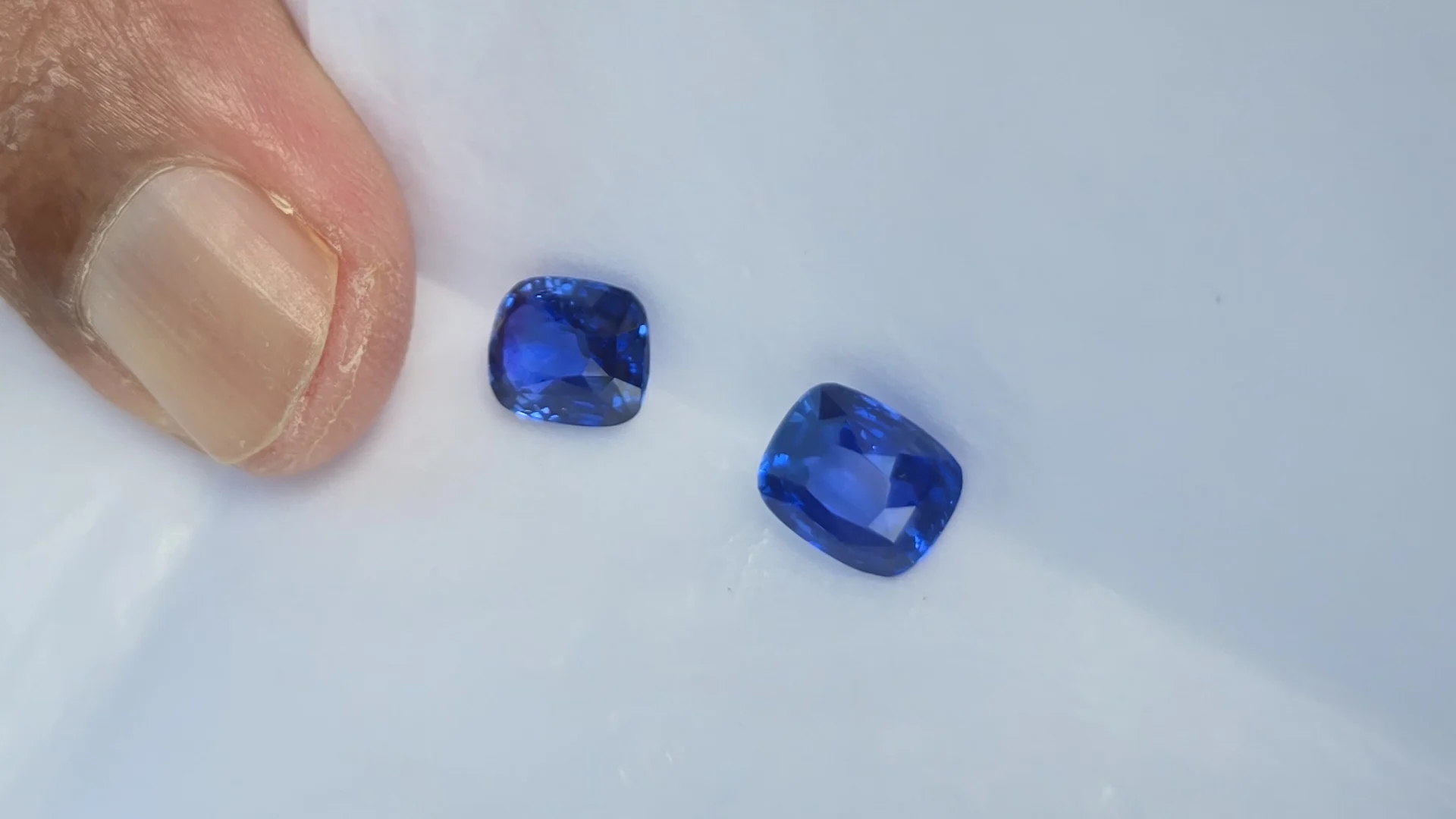
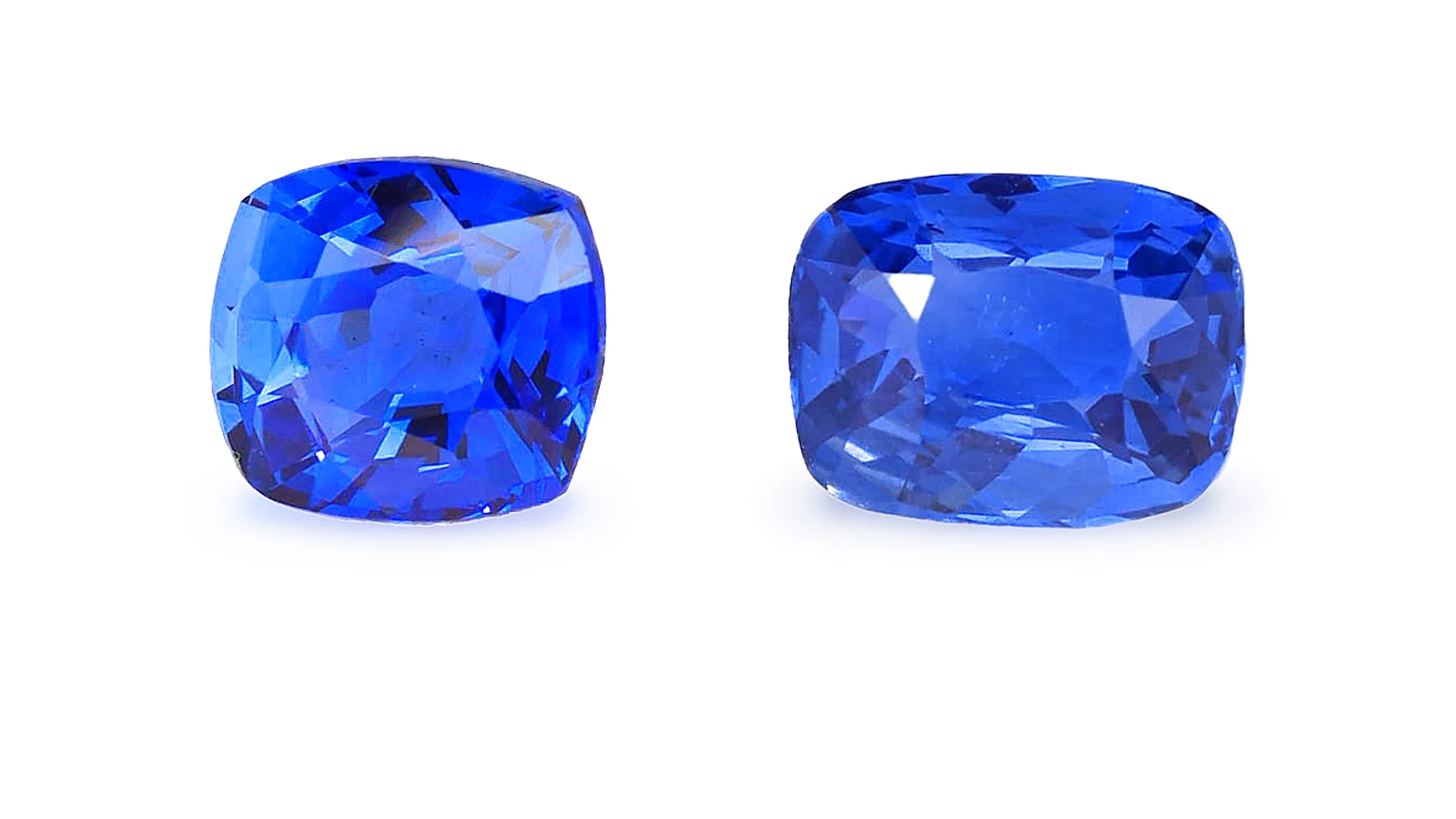
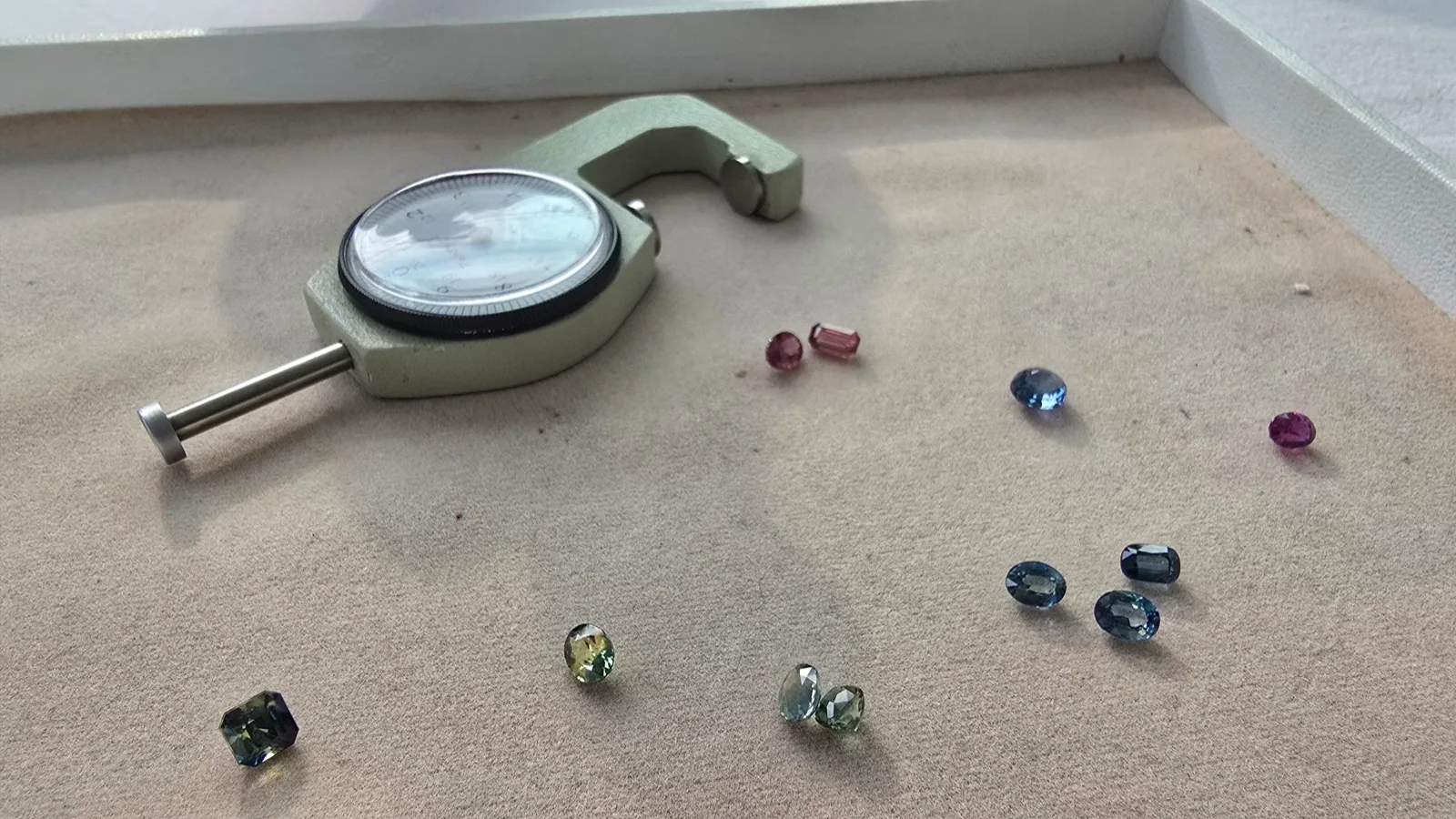
The hardest skill wasn't negotiation. It was seeing color, and it hit me on my very first day at the market. I was there with a man who handed me a stone and asked what I made of it. "It's got a bit of purple in it," he said. I looked and said, "What? Where do you see purple?" To me it was just blue. The pull of violet sitting under the blue was so subtle I couldn't find it at all. That secondary tone is the difference between two prices, and on day one I genuinely could not see it.
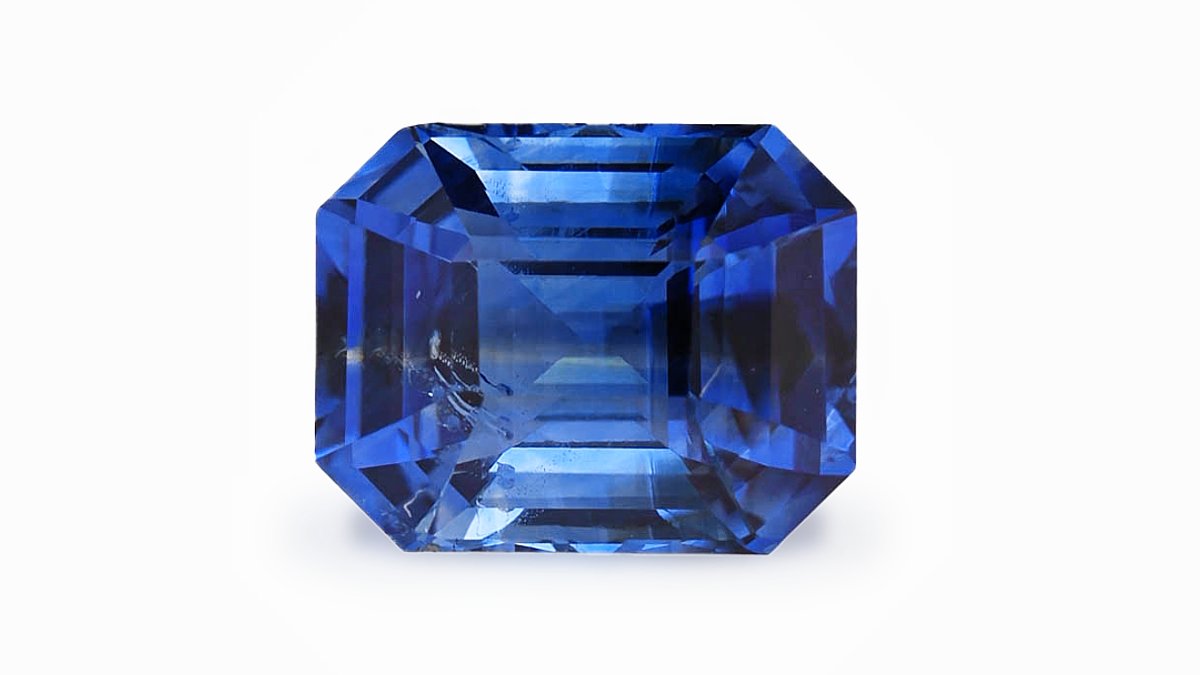
Color is the single biggest driver of a blue sapphire's value (GIA). The most prized stones sit at velvety blue to a slightly violetish blue, in medium to medium-dark tones, with strong saturation. Push too far toward green or gray and the value drops fast. So reading that secondary hue accurately isn't a party trick. It decides where a stone lands on the price ladder, and a beginner who can't see it overpays or walks past a bargain without knowing.
You don't learn that from a chart. You don't learn to swim from a book. I went to the market most days, looked at stones in daylight and under shop lights, and after enough genuinely pure blues passed through my hands the violet finally stopped hiding. That's the only way it comes: see enough real blue, and the undertones that move the price start to separate out on their own. Knowing what each stone was worth, and why, came from repetition, not reading.
What I Do, and What I Don't
This is the part I'm most careful about, because it's where a lot of sellers quietly oversell themselves. I'm a sourcer. I am not a gemologist, and I won't pretend to be one.
My lane is the eye and the trade. I can read a stone's color and beauty, spot its inclusions, judge the cut, weigh the four Cs by eye, and negotiate a price, because I learned all of that on the ground. What I don't do is certify. On stones that can run $10,000 to $20,000, you can't improvise the technical call. That takes real depth.
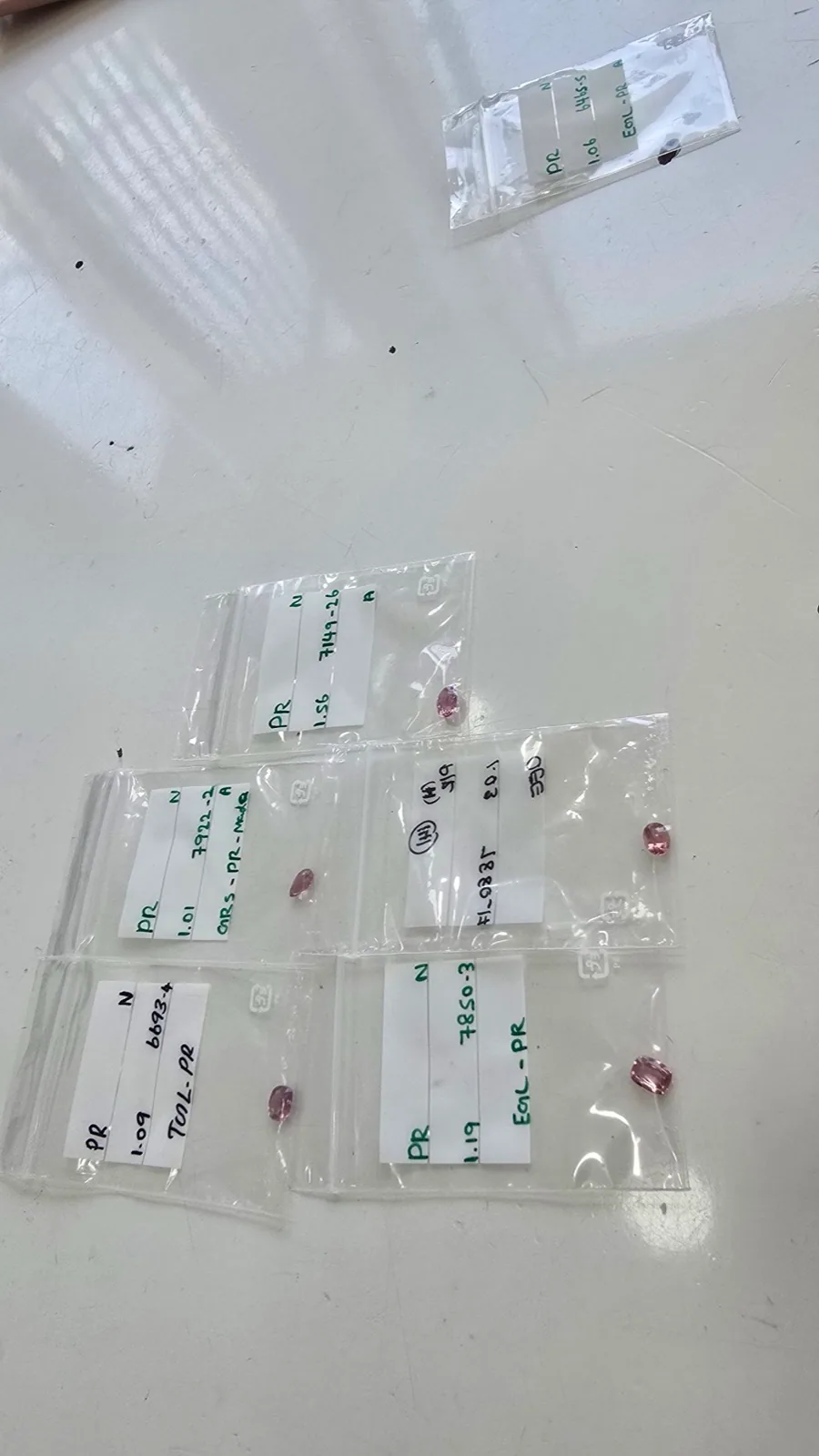
So the stones I source are certified by an independent outside laboratory: once you buy, the stone is sent there and the report comes with it. I bring the stone and the eye for it; the laboratory brings the verdict. Saying that out loud, drawing the line clearly between what I judge and what a third party confirms, is the opposite of overselling. I think it's the only honest way to do this.
From the sourcing table
The cleanest signal you can ask a seller for is a simple one: "Who certified this, and are they independent of you?" A sourcer with nothing to hide separates the eye from the lab on purpose. We send every Joalys stone to an independent outside laboratory precisely because the buyer shouldn't have to take my word for the technical part.
The Scams, and the Truth About Them
Yes, the scams are real. You will be shown glass and told it's sapphire. You'll see treated stones presented as something they aren't. That happens, and you protect yourself the boring way: by checking, by knowing color, and by sending stones to a lab.
But two years in, the thing that surprised me most was how rarely it was malice. Most people at that market aren't trying to cheat you. Half the time they genuinely don't know whether a stone is what they think it is. The ignorance runs deeper than the dishonesty. That changed how I see the whole trade. The problem to solve isn't an industry full of liars. It's an industry full of unverified information, where almost nobody in the chain has the means to check, and so the truth quietly gets lost between the gravel and the glass case.
Why This Changes the Price You Pay
Tie it together. Most blue sapphire on the market is heat-treated, that's normal and openly accepted (GIA). Untreated, premium-quality stones are a tiny slice of the market and sit at the top of the price ladder (GIA). Between treatment, color, and the length of the chain, a sapphire can carry wildly different prices for reasons the final buyer never sees.
A shorter chain does two things. It strips out five or six margins that exist only because the stone changed hands. And it keeps the context attached, the origin, the treatment, the actual color, so you're paying for the stone rather than for everyone's silence about it. That's the real argument for buying closer to the source. Not romance. Fewer hands, more truth.
If you want to see what that looks like in practice, our Ceylon blue sapphires are sourced this way and, once you buy, sent to an independent outside laboratory, report included. You can read more about why Sri Lankan origin changes a sapphire's value, what unheated actually means and how to verify it, and what a gemstone certificate really proves. For the species itself, its hardness, its toughness and how it holds up in daily wear, start with our sapphire durability guide.
Quick answers
What does "mine to customer" actually mean for sapphires?
Where do Sri Lankan sapphires come from?
Is buying sapphires mine-direct actually cheaper?
Are most Sri Lankan sapphires heated?
What makes one blue sapphire worth more than another?
Are you a gemologist?
How do you avoid getting scammed buying loose sapphires?
Why does Ratnapura matter for sapphires?
How many hands does a Ceylon sapphire pass through before it's sold?
Can a foreign company own a sapphire mine in Sri Lanka?
Where are Ceylon sapphires cut and polished?
Mine to Customer, Honestly
Mine-direct isn't romance, and it isn't a slogan about cutting out middlemen I never met. It's a shorter chain, a few less margins, and a stone that still has its context attached when it reaches you. I source it, I judge what my eye can judge, and an independent outside laboratory certifies the rest. That's the whole arrangement, and saying it plainly is the point.