Gemstones Explained: Types, Value, the 4 Cs & GIA Grading (2026)
The complete gemstones guide: 30+ types and their hardness, the 4 Cs that set value, GIA grading, and the buyer's checklist we built after years sourcing in Sri Lanka.
A gemstone is a natural mineral or organic material chosen for beauty, durability, and rarity, then cut for jewelry. Its value depends on four factors, color, clarity, cut, and carat weight, with color leading for colored stones. Independent lab reports from GIA confirm identity and any treatment. The stone you keep is the one you feel, not the one a broker calls an investment.
Updated May 2026. A gemstone is a natural mineral or organic material chosen for its beauty, durability, and rarity, then cut and polished for use in jewelry. Its value is set by four factors: color, clarity, cut, and carat weight, with color being the dominant driver for colored stones.
That's the textbook answer. The lived answer is messier. Years sourcing in Sri Lanka taught us that what separates a stone you'll keep forever from one you'll resell in three years isn't carat weight or paperwork. It's whether the stone makes you feel something the first time you hold it under daylight.
The biggest trap is treating a gemstone like a financial product. Brokers love the word "investment" because it lets them sell on a chart instead of on the stone. We've watched buyers chase appreciation, end up with sealed safes full of paperwork, and never wear a thing. Choose a stone you actually want on your hand, and the math takes care of itself.
This guide covers the basics every buyer needs in 2026: what a gem actually is, why color sits above every other factor, which paperwork really proves what's in your hand, and how the market quietly treats stones differently depending on where they came from. Written the way we'd explain it to a friend about to spend serious money on a stone for the first time.
Quick Facts
| Property | Details |
|---|---|
| Definition | Natural materials (minerals or organic) valued for beauty, rarity, and durability. |
| Classification | Mineral (e.g., Diamond, Sapphire) vs. Organic (e.g., Pearl, Amber). |
| Main Types | 200+ gem species exist; about two dozen are common in fine jewelry (corundum, beryl, quartz, garnet, organics). |
| Value Factors (4 Cs) | Color (Hue, Tone, Saturation), Clarity, Cut, Carat Weight. |
| Durability | Mohs hardness 1 to 10; everyday-wear gems rate 7+ (diamond, ruby, sapphire, topaz, spinel). |
| Primary Value Driver | Color (for colored gemstones). |
| The Big Four | Diamond, Ruby, Sapphire, Emerald. |
| Geological Origins | Igneous, Metamorphic, and Sedimentary processes. |
| Verification | Independent grading reports (e.g., GIA, AGS) verify authenticity and quality. |
| Common Enhancements | Treatments (e.g., heating, irradiation) are common and must be disclosed. |
What Exactly Is a Gemstone? (Definition & Classification)
A gemstone is a piece of mineral, or in some cases an organic material, chosen for its beauty, durability, and rarity, then cut and polished for use in jewelry. The category covers a wide range of materials, from faceted corundum to lustrous pearls, and that's the first distinction worth making.
A clear walkthrough of how colored gemstones form across igneous, metamorphic, and sedimentary processes. Video: GIA (Gemological Institute of America), Knowledge Sessions Webinar.
Gemologists and serious collectors evaluate these materials with rigorous standards. Looks alone don't determine value: composition, origin, and market classification all matter, and they all sit behind every reputable lab report.
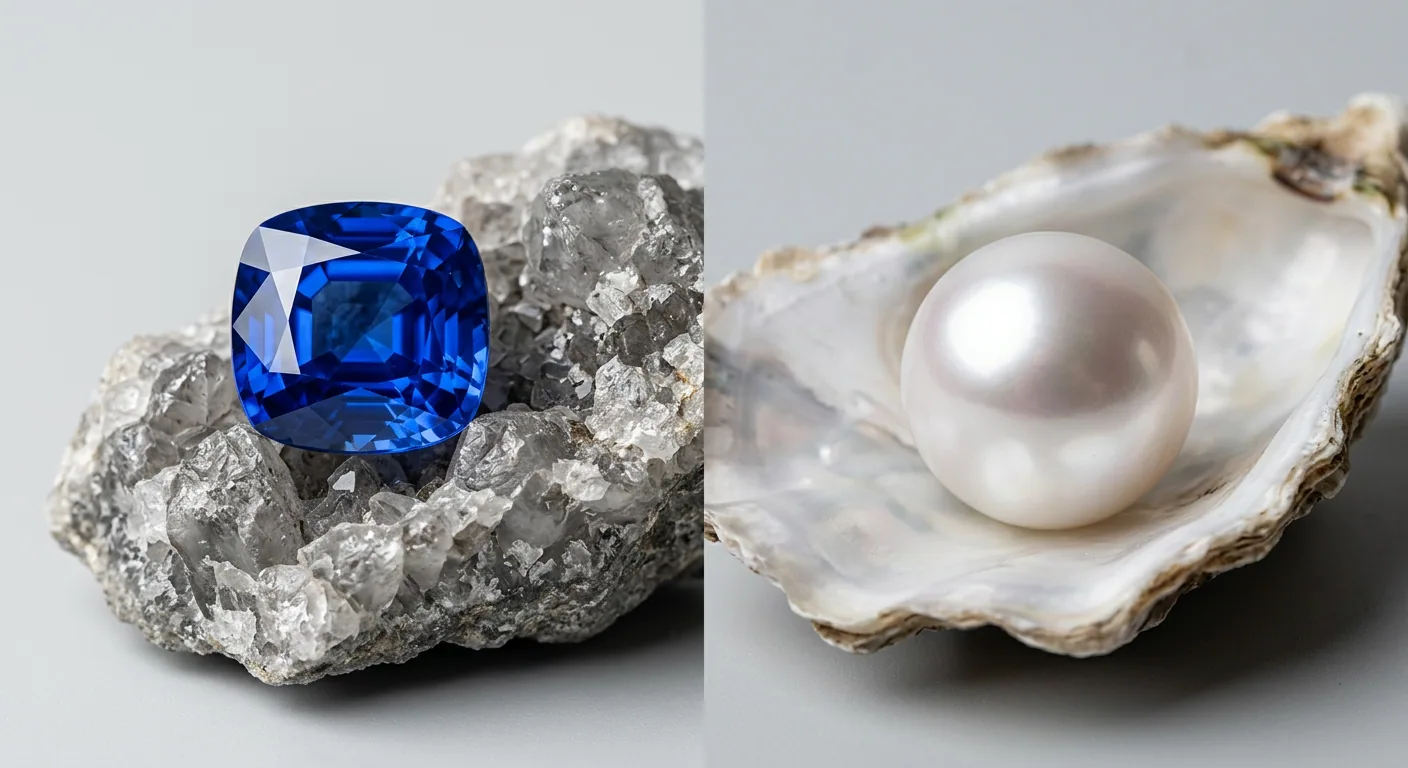
Minerals vs. Organic Materials
The vast majority of gemstones are minerals. A mineral is a naturally occurring, inorganic substance with a specific chemical composition and a characteristic crystal structure. These materials are typically formed deep within the Earth's crust under immense heat and pressure. The precise arrangement of atoms within the crystal structure determines the gem's physical properties, including its hardness, refractive index, and how it interacts with light.
Notable examples of mineral gemstones include:
- Diamond: Pure carbon with an exceptionally strong crystal structure, prized for its unmatched hardness and brilliance.
- Sapphire and Ruby: Both are varieties of the mineral corundum, with their distinct colors arising from trace elements like chromium (for ruby) or iron and titanium (for sapphire).
- Emerald: A variety of the mineral beryl, known for its rich green color, often featuring unique internal inclusions.
Organic gemstones, by contrast, come from living or once-living organisms. They lack a crystalline structure, but their biological origin and natural beauty make them highly valued.
Key examples of organic gemstones include:
- Pearl: Formed inside the shells of certain mollusks as a defense mechanism against irritants. See our pearl for necklace guide for choosing the right type.
- Amber: Fossilized tree resin that often contains preserved plant or animal material.
- Coral: The skeletal remains of marine polyps, often used in vibrant red or pink hues.
| Characteristic | Mineral Gemstones | Organic Gemstones |
|---|---|---|
| Origin | Inorganic geological processes | Biological processes (living organisms) |
| Structure | Crystalline (ordered atomic structure) | Amorphous (no defined crystal structure) |
| Composition | Specific chemical formula (e.g., Al2O3 for Corundum) | Complex organic compounds |
| Examples | Diamond, Sapphire, Sapphire, Emerald | Pearl, Amber, Coral |
Precious vs. Semi-Precious: A Historical Distinction
Traditionally, gemstones were categorized as either "precious" or "semi-precious." This classification system, which dates back centuries, designated only four gems as precious: diamond, ruby, sapphire, and emerald. Every other gemstone was relegated to the semi-precious category.
This distinction was primarily based on the historical rarity and demand for these four stones among royalty and the elite. However, modern gemology largely rejects this binary classification as arbitrary and misleading regarding a gemstone's actual value or rarity.
Several factors limit the usefulness of the precious vs. semi-precious labels:
- Value Inconsistency: Many high-quality "semi-precious" stones can command higher prices per carat than lower-quality "precious" stones. A fine tsavorite garnet or a rare paraiba tourmaline can be significantly more valuable than a commercial-grade sapphire or emerald.
- Rarity: Some stones classified as semi-precious are actually much rarer than the traditional precious gems. Fine quality alexandrite or red spinel are exceptionally scarce.
- Market Dynamics: The desirability and value of gemstones evolve based on fashion trends, new discoveries, and consumer preferences.
Today, industry experts and independent laboratories like the GIA (Gemological Institute of America) focus on objective criteria, such as the 4 Cs (Color, Clarity, Cut, and Carat Weight) and scientific identification, rather than historical labels to determine a gemstone's quality and market worth. This approach gives consumers and collectors a more accurate, transparent evaluation.
Types of Gemstones: The Complete Reference List
People search for "gemstones" expecting a list, so here it is. There are more than 200 gem species in the trade, but the stones you'll actually meet across a jeweler's counter number closer to two dozen. We've put them in one table below, grouped by mineral family, with the single number that decides whether a stone survives daily wear: its Mohs hardness.
First, a word on the old labels. The split between "precious" (diamond, ruby, sapphire, emerald) and "semi-precious" (everything else) is a 19th-century marketing leftover, not a gemological fact. A fine spinel or a vivid tsavorite garnet can outprice a tired commercial sapphire any day of the week. We rank stones by what they do to you and what they cost in the open market, not by a Victorian tier list. For the full breakdown of how rarity actually maps to price, see our precious stone gem guide.
The Complete Gemstone Types Table
| Gemstone | Mineral Family / Species | Typical Colors | Mohs Hardness | Birthstone |
|---|---|---|---|---|
| Diamond | Native carbon | Colorless to fancy colors | 10 | April |
| Ruby | Corundum | Red | 9 | July |
| Sapphire | Corundum | Every color except red | 9 | September |
| Alexandrite | Chrysoberyl | Green in daylight, red in lamplight | 8.5 | June |
| Spinel | Spinel | Red, pink, blue, grey | 8 | August |
| Topaz | Topaz | Blue, yellow, imperial pink-orange | 8 | November |
| Emerald | Beryl | Green | 7.5 to 8 | May |
| Aquamarine | Beryl | Blue to blue-green | 7.5 to 8 | March |
| Garnet | Garnet group | Red, green (tsavorite), orange | 7 to 7.5 | January |
| Tourmaline | Tourmaline group | Every color, often bi-color | 7 to 7.5 | October |
| Zircon | Zircon | Blue, colorless, golden-brown | 7 to 7.5 | December |
| Amethyst | Quartz | Purple to violet | 7 | February |
| Citrine | Quartz | Yellow to orange | 7 | November |
| Peridot | Olivine | Yellow-green | 6.5 to 7 | August |
| Tanzanite | Zoisite | Violet-blue | 6.5 to 7 | December |
| Jade | Jadeite / Nephrite | Green, lavender, white | 6 to 7 | None |
| Moonstone | Feldspar | White with blue sheen | 6 to 6.5 | June |
| Opal | Opal (mineraloid) | Play-of-color across the spectrum | 5.5 to 6.5 | October |
| Turquoise | Turquoise | Blue to blue-green | 5 to 6 | December |
| Lapis Lazuli | Rock (lazurite) | Deep blue with pyrite flecks | 5 to 6 | None |
| Pearl | Organic (nacre) | White, cream, black, golden | 2.5 to 4.5 | June |
| Coral | Organic (skeletal) | Red, pink, white | 3 to 4 | None |
| Amber | Organic (fossil resin) | Golden to orange-brown | 2 to 2.5 | None |
Hardness ranges follow the GIA's published Mohs rankings for common commercial gems (GIA Colored Stones, Durability and Care).
How to Read the Hardness Column
The Mohs scale runs 1 to 10 and measures scratch resistance, not toughness, which is a different thing entirely. Here's the part most buyers miss. The GIA notes that most airborne dust is quartz sitting at hardness 7, so any gem rated below 7 will slowly pick up abrasion during normal wear and routine cleaning. Diamond at 10 is in a league of its own: weighted scratch tests show it is roughly 140 times harder than corundum, even though it's only one step higher on the scale.
For a ring you'll wear every single day, stay at hardness 7 or above. That covers corundum (ruby and sapphire), diamond, topaz, spinel, and the beryls. Drop into the 6.5 to 7 band, peridot, tanzanite, jade, and you'll want a protective setting or a stone reserved for earrings and pendants. Anything under 6, opal, turquoise, pearl, treat gently and keep it off your hands during the rough parts of the day. The GIA rates pearl, coral, and amber as low as 2 to 4.5, which is exactly why a wool sweater can dull a pearl's surface over the years.
Color is the real organizing principle for the people who buy with their eyes. Blues run from sapphire to tanzanite to zircon. Reds run from ruby to spinel to red garnet. Greens run from emerald to tsavorite to peridot. If you're shopping by shade instead of by name, that's a healthier place to start than any precious-versus-semiprecious chart. Each stone above links to a deeper guide where one exists, from birthstones by month to choosing loose gemstones for a custom piece.
How Are Gemstones Formed? (The Geology Behind the Sparkle)
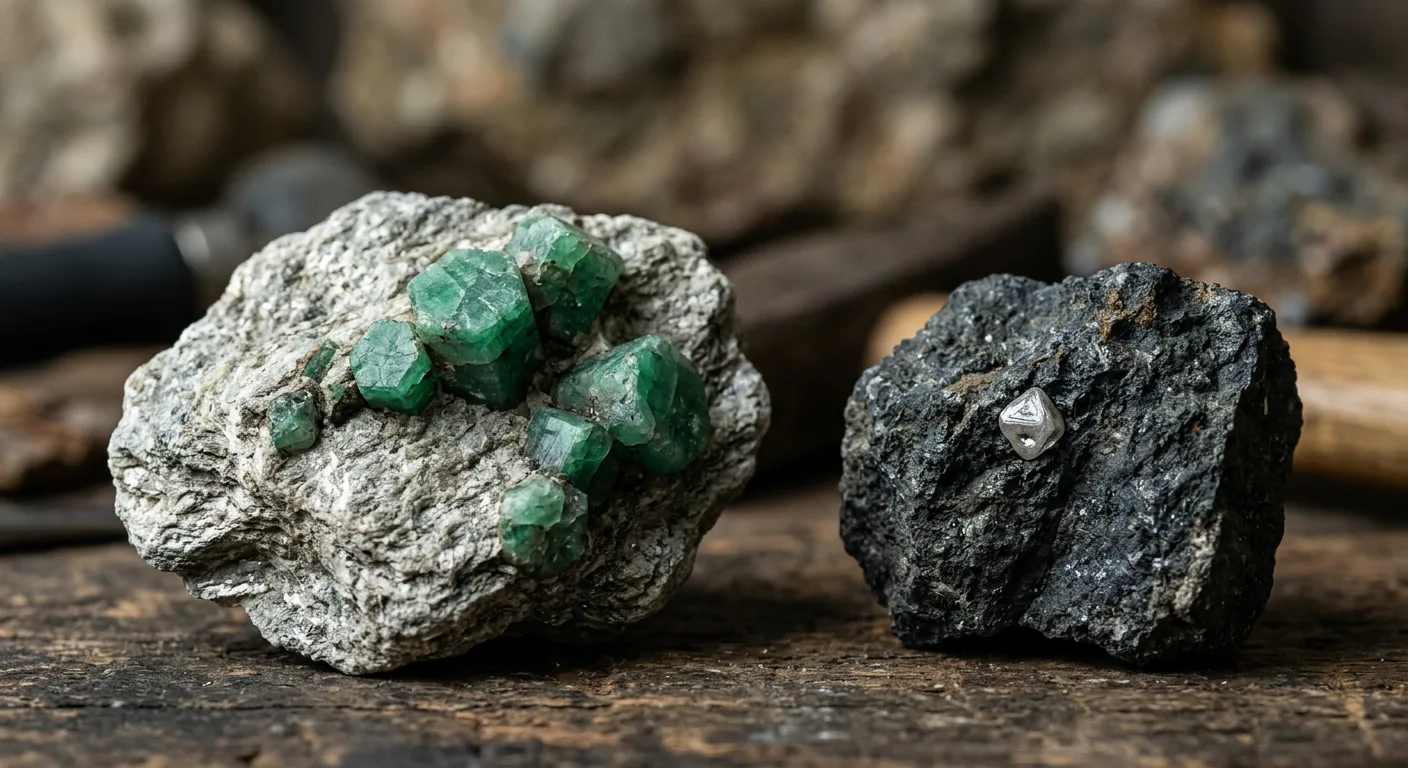
The creation of a gemstone is a remarkable geological event, requiring precise conditions, specific chemical ingredients, and immense spans of time. Most gemstones are born deep within the Earth's crust or upper mantle, where intense heat and pressure transform ordinary elements into extraordinary crystals. While the journey of every stone is unique, geologists generally classify gemstone formation into three primary processes based on the type of rock in which they originate: igneous, metamorphic, and sedimentary. Understanding these origins gives you a sharper sense of why some stones are so much rarer than others.
Igneous, Metamorphic, and Sedimentary Origins
The majority of gemstones are formed through igneous processes, creating what are known as magmatic rocks. These stones crystallize as molten rock, or magma, cools and solidifies. This cooling can occur deep underground (plutonic) or near the surface after a volcanic eruption (volcanic). For instance, diamonds form under conditions of extreme pressure and temperature in the Earth's mantle and are brought to the surface by specific volcanic pipes. Similarly, peridot is often found in volcanic basalt, having crystallized within the magma itself.
Metamorphic gemstones are created when existing rocks are subjected to intense heat and pressure, causing their physical and chemical structure to transform without melting completely. This process often occurs during mountain-building events where tectonic plates collide. The mineral corundum, which includes both ruby and sapphire, frequently forms in metamorphic environments like marble or gneiss.
Sedimentary processes account for a smaller, but significant, group of gemstones. These form when minerals dissolve in water and later precipitate, often within rock cavities or cracks. Over time, these layers of sediment compress and harden into rock. Opal is a classic example, formed when silica-rich water seeps into fissures, depositing microscopic spheres of silica that create its characteristic play-of-color. Turquoise also forms through the chemical weathering of pre-existing minerals by acidic solutions.
Curious about our unique approach? Discover how Joalys puts the stone first, so you select a perfectly formed gem before designing your bespoke setting.
| Formation Process | Geological Conditions | Key Gemstones | Typical Environment |
|---|---|---|---|
| Igneous | Cooling and solidification of magma | Diamond, Peridot, Topaz, Tourmaline | Volcanic pipes, pegmatites |
| Metamorphic | Intense heat and pressure transforming existing rock | Ruby, Sapphire, Emerald, Jade | Mountain belts, contact zones |
| Sedimentary | Precipitation from mineral-rich solutions | Opal, Turquoise, Malachite, Agate | Desert regions, river beds, rock cavities |
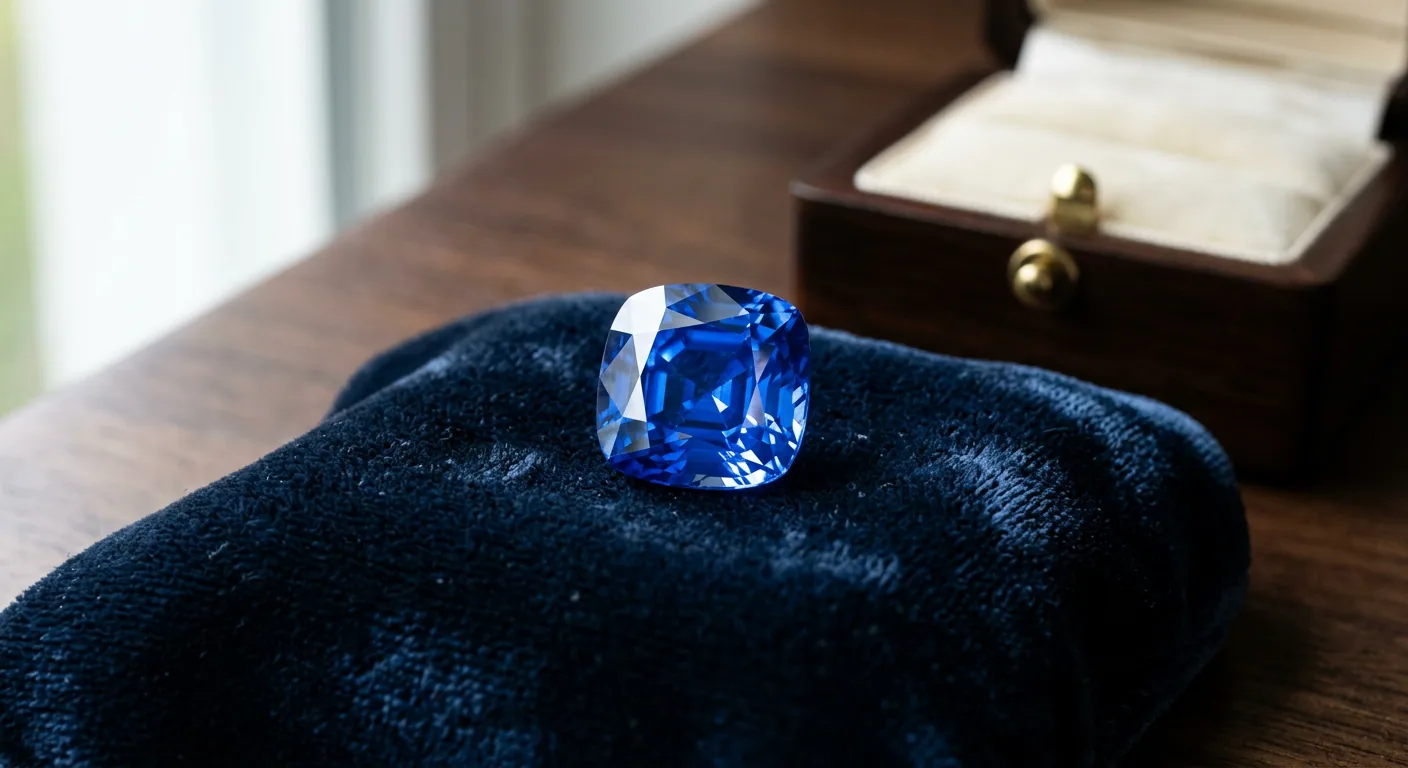
Explore Our Sapphire Collection
Below, browse a curated selection of sapphires we've personally inspected, each with an independent laboratory report and ready to ship. Each stone is photographed in real conditions, with full origin documentation.
The 4 Cs of Gemstone Quality: How Value Is Determined
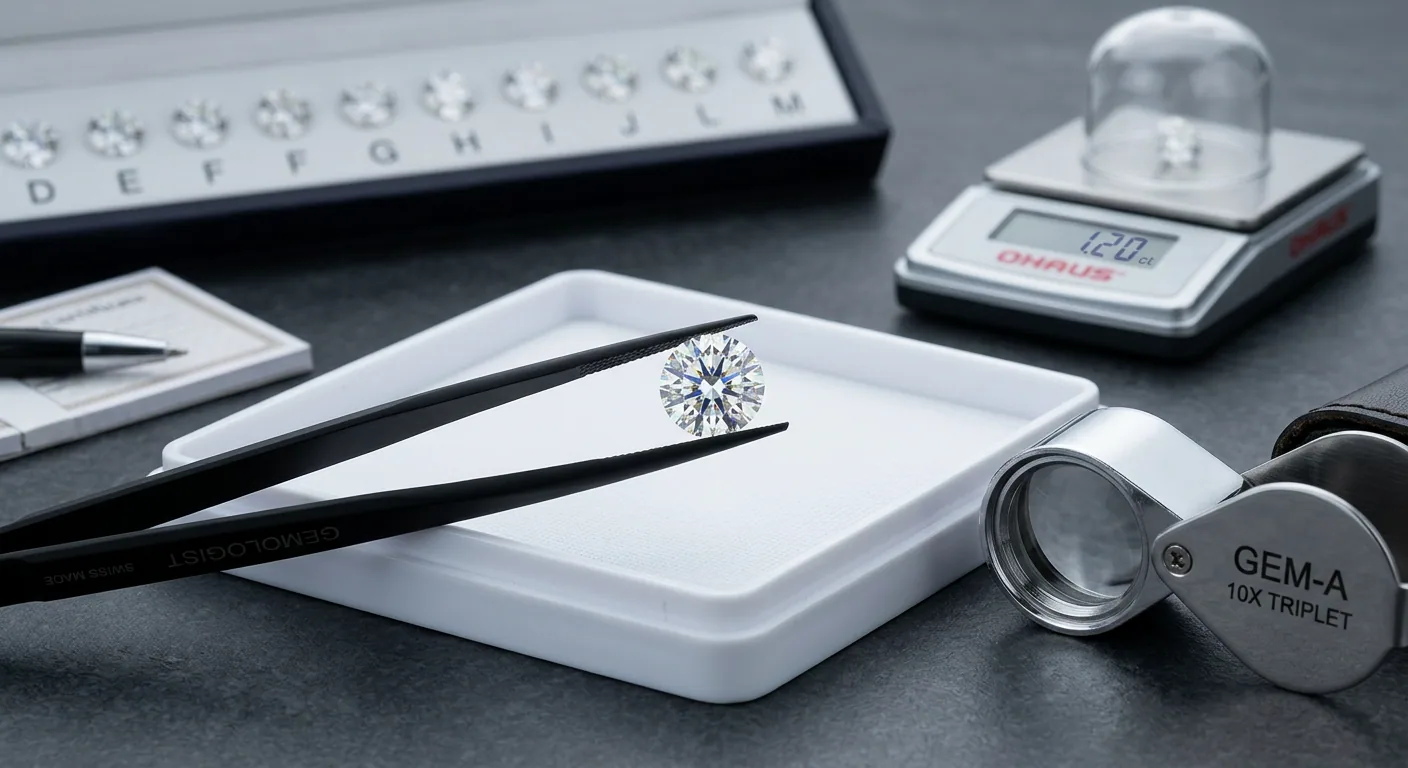
The value of a gemstone is not arbitrary. It is determined by a globally recognized set of criteria known as the 4 Cs: Color, Clarity, Cut, and Carat Weight. While originally developed for diamonds, these standards have been adapted to assess the quality and rarity of all colored gemstones. Knowing how these factors interact is essential for accurately evaluating a gem's worth and beauty.
A harmonious balance of all four characteristics is exceptionally rare, and gemstones that achieve high grades in every category command the highest prices in the colored stone market.
Color: The Most Important Factor
For colored gemstones, color is the single most important determinant of value. Experts analyze color along three precise components: hue, tone, and saturation.
- Hue: This refers to the basic color of the gemstone, such as red, blue, or green. The most desirable hues are typically pure and vibrant, without significant secondary colors. See our deep dive on cornflower vs royal blue sapphires for a real-world example.
- Tone: Tone describes the lightness or darkness of the hue. It ranges from very light to very dark. The ideal tone varies by gemstone type, but generally, medium to medium-dark tones are preferred for maximizing color richness without appearing black.
- Saturation: This is the intensity, purity, or strength of the color. High saturation results in vivid, intense colors, while low saturation makes a gem appear grayish or brownish. The most valuable gems exhibit vivid saturation.
| Color Component | Description | Ideal Range (General) | Impact on Value |
|---|---|---|---|
| Hue | The basic color (e.g., green in emerald) | Pure, vibrant hue | Very High |
| Tone | Lightness or darkness | Medium to Medium-Dark | High |
| Saturation | Intensity or purity of color | Vivid, strong intensity | Very High |
Clarity: Internal and External Features
Clarity refers to the relative absence of inclusions (internal characteristics) and blemishes (surface irregularities). In colored stones, clarity is evaluated less strictly than in diamonds. Inclusions are a natural part of how the gem forms.
- Inclusions: These can be tiny crystals of other minerals, gas bubbles, or fractures trapped inside the stone. While often viewed as flaws, certain inclusions help gemologists identify a stone's origin or confirm it is natural. For example, microscopic "silk" inclusions can enhance the velvety appearance of a fine sapphire.
- Blemishes: These include scratches, pits, or chips on the surface of the gem, often occurring during cutting or wear.
Gemstones are classified into three clarity types based on how they typically form:
- Type I: Often virtually inclusion-free (e.g., aquamarine, blue topaz).
- Type II: Usually show some inclusions (e.g., ruby, sapphire).
- Type III: Almost always included (e.g., emerald, watermelon tourmaline).
Cut: Maximizing Brilliance and Fire
The cut of a gemstone refers to how it has been shaped, faceted, and polished. A master cutter strategically facets a stone to maximize its optical properties, specifically brilliance (the return of white light) and fire (the dispersion of light into colors).
A well-cut stone will feature precise symmetry and proportions, allowing light to enter and reflect back to the eye rather than leaking out the sides or bottom. The cut also determines the stone's overall shape, with popular styles including round brilliant, oval, cushion, emerald, and pear. For opaque or heavily included gems, a smooth, rounded cabochon cut is often preferred to showcase color and phenomena like asterism (star effect).
Carat Weight: Understanding Size vs. Value
Carat weight measures the mass of a gemstone, with one carat equaling 0.20 grams. While size is often equated with value, the relationship is non-linear. As gemstones increase in size, their rarity escalates significantly, leading to an exponential jump in price per carat, assuming quality (the other 3 Cs) remains constant.
A single 3-carat ruby of exceptional quality is vastly more valuable than three 1-carat rubies of the same quality. This "rarity factor" means that even small increases in carat weight can substantially impact the final value of a high-quality gem.
A Guide to Popular Gemstones (With Meanings & Birthstones)
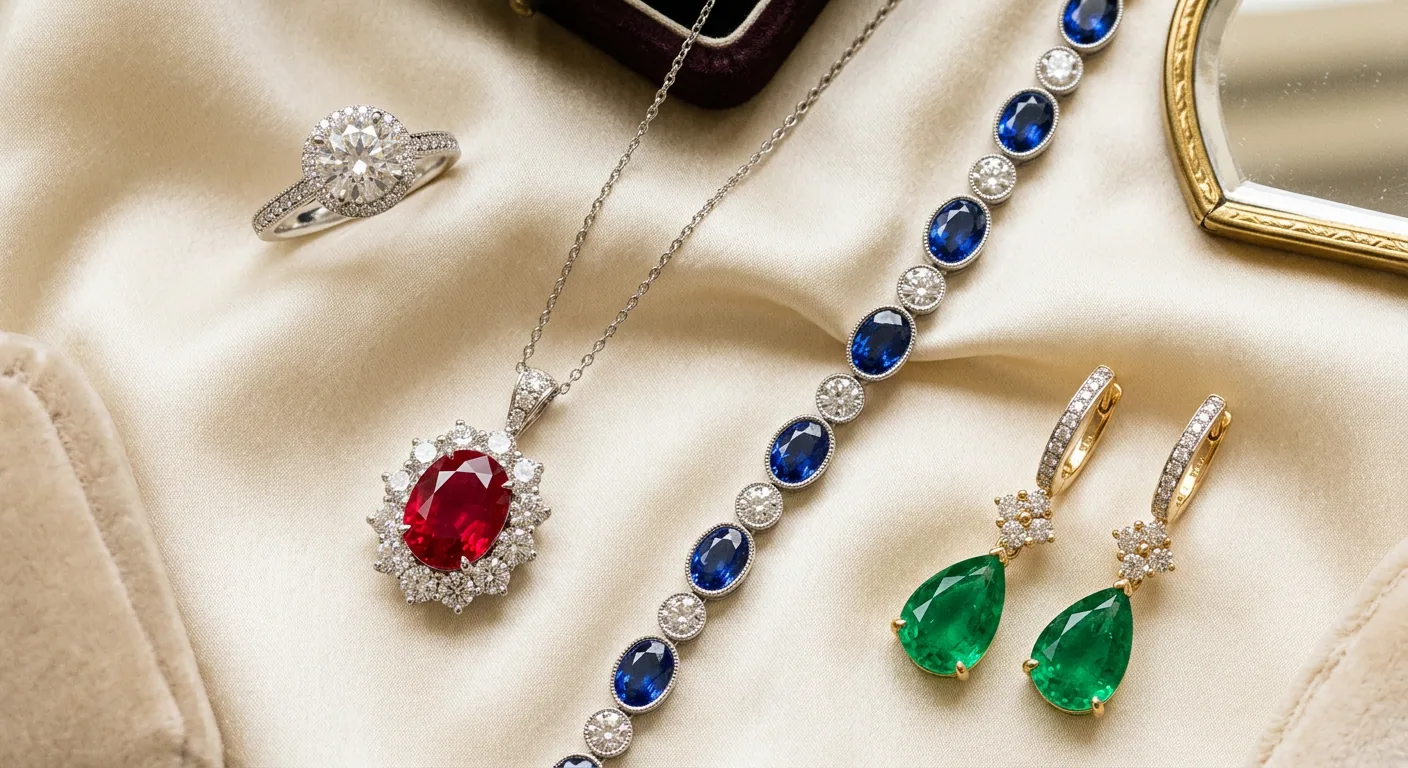
The world of gemstones is incredibly diverse, offering a spectrum of colors, histories, and optical properties. While thousands of mineral species exist, only a select few possess the beauty, durability, and rarity required for use in fine jewelry. These popular gemstones are often categorized historically or by their connection to specific months of the year as birthstones.
The Big Four: Diamond, Ruby, Sapphire, Emerald
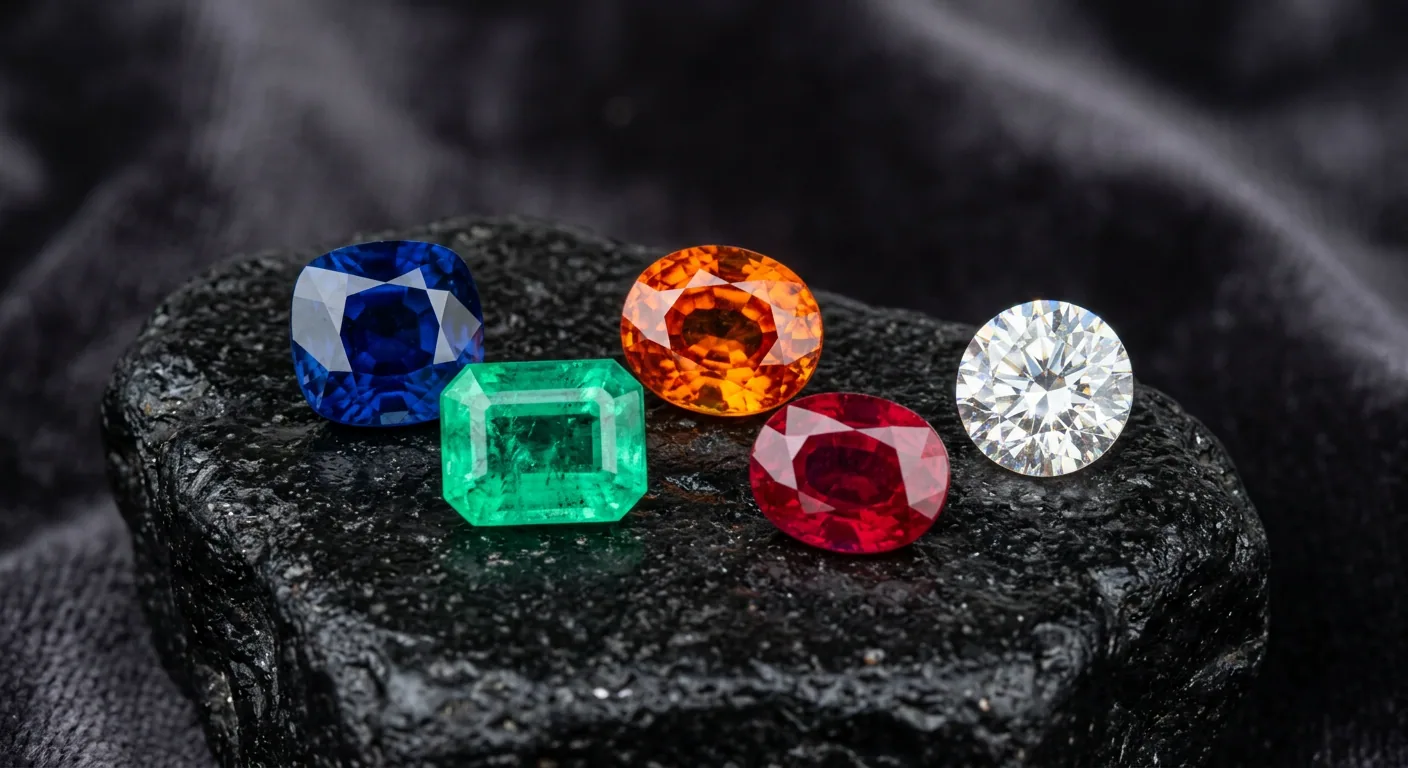
For centuries, four specific gemstones have dominated the colored stone market, often referred to as the "Big Four" precious stones. These gems are prized not only for their beauty but also for their historical significance and enduring desirability.
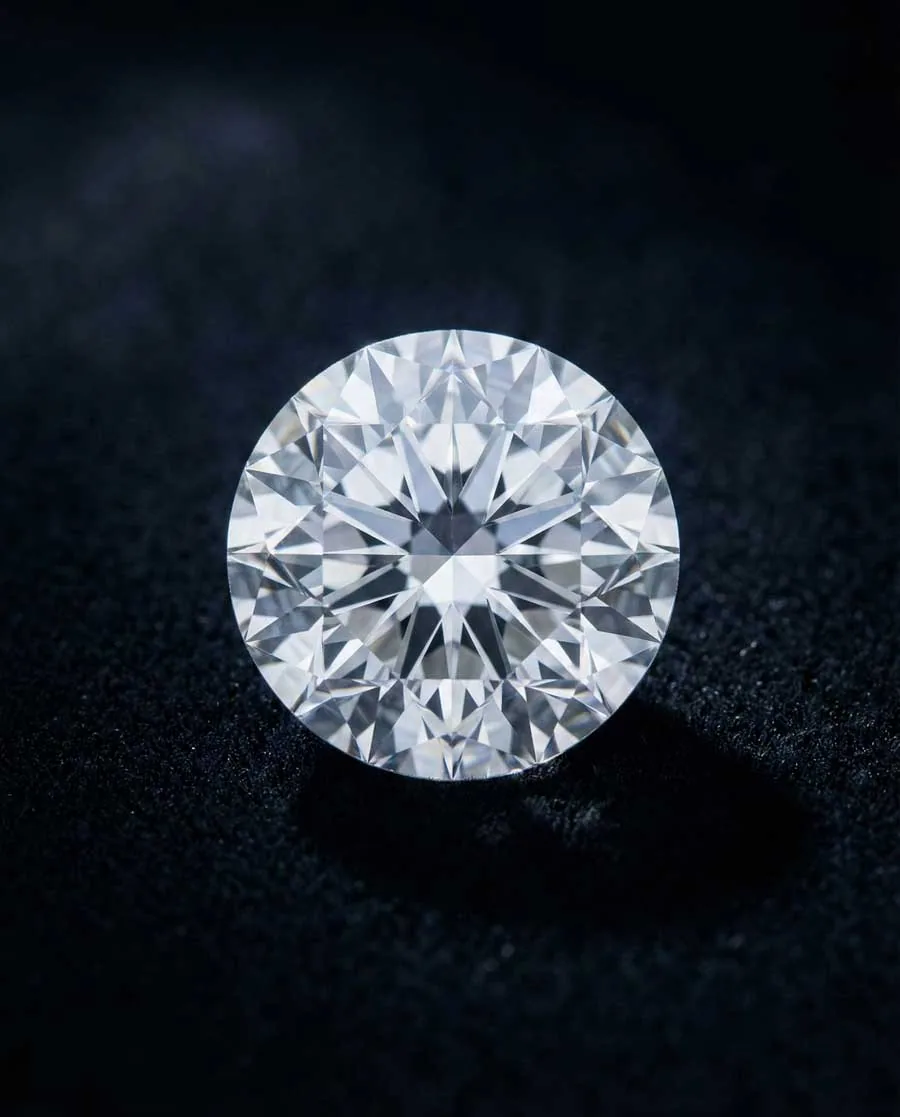
- Diamond: Composed of pure carbon, diamond is the hardest natural substance known. It is celebrated for its unmatched brilliance and fire. Traditionally associated with eternal love, it is the April birthstone and the classic choice for engagement rings.
- Ruby: A variety of the mineral corundum, ruby is defined by its vibrant red color, caused by the presence of chromium. It symbolizes passion, courage, and prosperity. Fine natural ruby is exceptionally rare and highly sought after.
- Sapphire: Also a variety of corundum, sapphire occurs in every color except red (which is ruby), though it is most famous for its rich blue hues. Sapphire represents wisdom, royalty, and fidelity. It serves as the September birthstone.
- Emerald: This rich green variety of beryl is known for its unique internal inclusions, often called a "jardin" (garden). Emerald symbolizes rebirth, fertility, and love. It is the May birthstone and requires careful handling due to its relative fragility compared to the other three.
Popular Semi-Precious Stones: Amethyst, Topaz, Opal, and More
The term "semi-precious" covers a vast array of beautiful and desirable gemstones that, while often more abundant than the Big Four, possess unique charm and significant value.
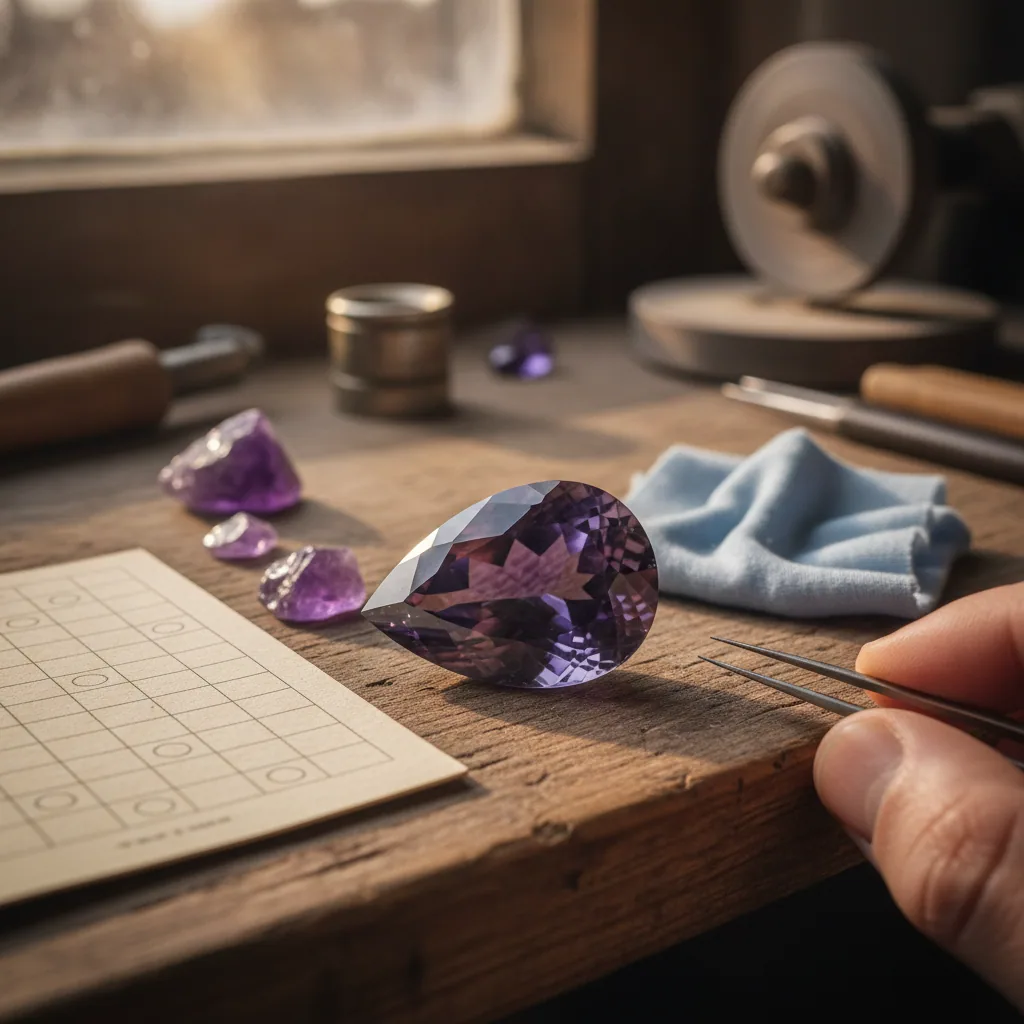
- Amethyst: A purple variety of quartz, amethyst ranges from pale lilac to deep violet. Historically associated with royalty and sobriety, it is the February birthstone. Learn more in our amethyst guide.
- Topaz: This versatile gem occurs in a wide range of colors, including blue, yellow, pink, and the rare "Imperial" orange-pink. Read our topaz jewelry guide for buying tips.
- Opal: Renowned for its unique "play-of-color," opal can display a spectrum of shifting hues. Each opal is unique, making it highly prized by collectors. It is an October birthstone.
- Aquamarine: A beryl variety like emerald, aquamarine is cherished for its serene blue to blue-green color, reminiscent of the sea. It is one of the March birthstones.
Gemstone Meanings and Symbolism Chart
Gemstones have long been given symbolic meanings and connected to birth months, adding a layer of personal significance to jewelry. See our complete breakdown in the gemstones by month guide.
| Month | Birthstone | Traditional Meaning & Symbolism |
|---|---|---|
| January | Garnet | Constancy, loyalty, good health |
| February | Amethyst | Sincerity, peace, sobriety |
| March | Aquamarine | Courage, creativity, hope |
| April | Diamond | Innocence, eternal love, strength |
| May | Emerald | Rebirth, foresight, good fortune |
| June | Pearl / Alexandrite | Purity, joy, change (Alexandrite) |
| July | Ruby | Passion, love, enthusiasm |
| August | Peridot / Spinel | Strength, protection, harmony |
| September | Sapphire | Wisdom, truth, nobility |
| October | Opal / Tourmaline | Hope, innocence, creativity (Tourmaline) |
| November | Topaz / Citrine | Friendship, strength, abundance (Citrine) |
| December | Turquoise / Tanzanite | Good fortune, success, intuition (Tanzanite) |
Colour families are another way in. Buyers who shop by tone rather than by species often start with a neutral, and the trade-offs there are unusual: the softest options are the most famous ones. See our breakdown of cream colored gemstones.
How to Buy Gemstones Safely: A Buyer's Checklist
Buying a fine gemstone is a real commitment, and the market has more traps than the average buyer realizes. The reliable approach prioritizes verification and transparency over aesthetics: objective data and independent authentication to confirm a gem's identity, quality, and origin. We built our own buying process around years of watching sellers in Ratnapura, Beruwala, and Colombo, then having every stone certified by an independent laboratory before it reaches a client.
Spotting Synthetics and Treatments
A critical step in safe buying is distinguishing between natural, synthetic, and treated gemstones.
- Natural Gemstones: Formed entirely by nature over millions of years, these are the rarest and generally most valuable.
- Synthetic (Lab-Grown) Gemstones: Possess the same chemical, physical, and optical properties as their natural counterparts but are created in a controlled laboratory environment. While beautiful, they lack the rarity of natural stones and are priced significantly lower.
- Gemstone Treatments: Many natural gemstones undergo enhancements to improve color or clarity. Common treatments include heating (standard for sapphire and ruby), fracture filling (common in emerald), and irradiation. Read our deep dive on how to buy sapphire online for treatment disclosure tips.
Full disclosure of a gemstone's origin (natural or synthetic) and any treatments it has undergone is essential. Untreated, natural gems of high quality command premium prices due to their scarcity.
| Gemstone Type | Origin | Rarity | Price Point |
|---|---|---|---|
| Natural (Untreated) | Geological processes | Exceptionally Rare | Premium |
| Natural (Treated) | Geological processes + enhancement | Uncommon to Scarce | Moderate to High |
| Synthetic (Lab-Grown) | Laboratory environment | Not Rare (Manufactured) | Low to Moderate |
The Importance of Grading Reports (GIA, AGS)
For any significant gemstone purchase, obtaining an independent grading report from a reputable gemological laboratory is non-negotiable. These reports provide an objective, expert analysis of the stone's characteristics, serving as proof of authenticity and quality.
Reputable laboratories, such as the Gemological Institute of America (GIA) or the American Gem Society (AGS), do not sell gemstones; they provide unbiased evaluations. A proper lab report will cover:
- Identification: Confirms the mineral species (e.g., natural corundum) and variety (e.g., blue sapphire).
- The 4 Cs: Provides precise measurements for Carat Weight and expert grades for Color, Clarity, and Cut quality.
- Treatments: Discloses any detectable enhancements.
- Origin (when possible): For certain gems like ruby, sapphire, and emerald, the report may offer an opinion on the geographic origin, which can significantly impact value.
Curious about our unique approach? Discover how Joalys puts the stone first, so every gem meets rigorous standards before you design your piece.
Ethical Sourcing and Conflict-Free Gems
More buyers now prioritize the ethical and environmental footprint of their purchases. Ethical sourcing ensures that gemstones are mined and processed under humane conditions, with fair labor practices and minimal environmental impact.
The concept of "conflict-free" gems, initially focused on diamonds through the Kimberley Process, now extends to colored gemstones. Responsible jewelers maintain transparent supply chains and can often share information about the gem's journey from mine to market. Asking about a seller's sourcing policy and looking for certifications or affiliations with organizations promoting responsible mining practices gives you assurance that the gemstone aligns with your values.
Bespoke Service: Design Your Custom Piece
Found a stone you love, or want us to source one for you? Our bespoke service lets you select the gem first, then design the setting around it: solitaire ring, pendant, custom necklace, whatever fits the stone.
Caring for Your Gemstones: Cleaning & Storage Tips
Proper care is essential to keep fine gemstones beautiful and valuable over time. While some gems are incredibly durable, others are delicate and easily damaged by common household items or improper handling. Gemologists recommend a cautious, material-specific approach to cleaning and storage to make jewelry last. See our complete jewelry care and maintenance guide for the full method.
Gentle Cleaning Methods
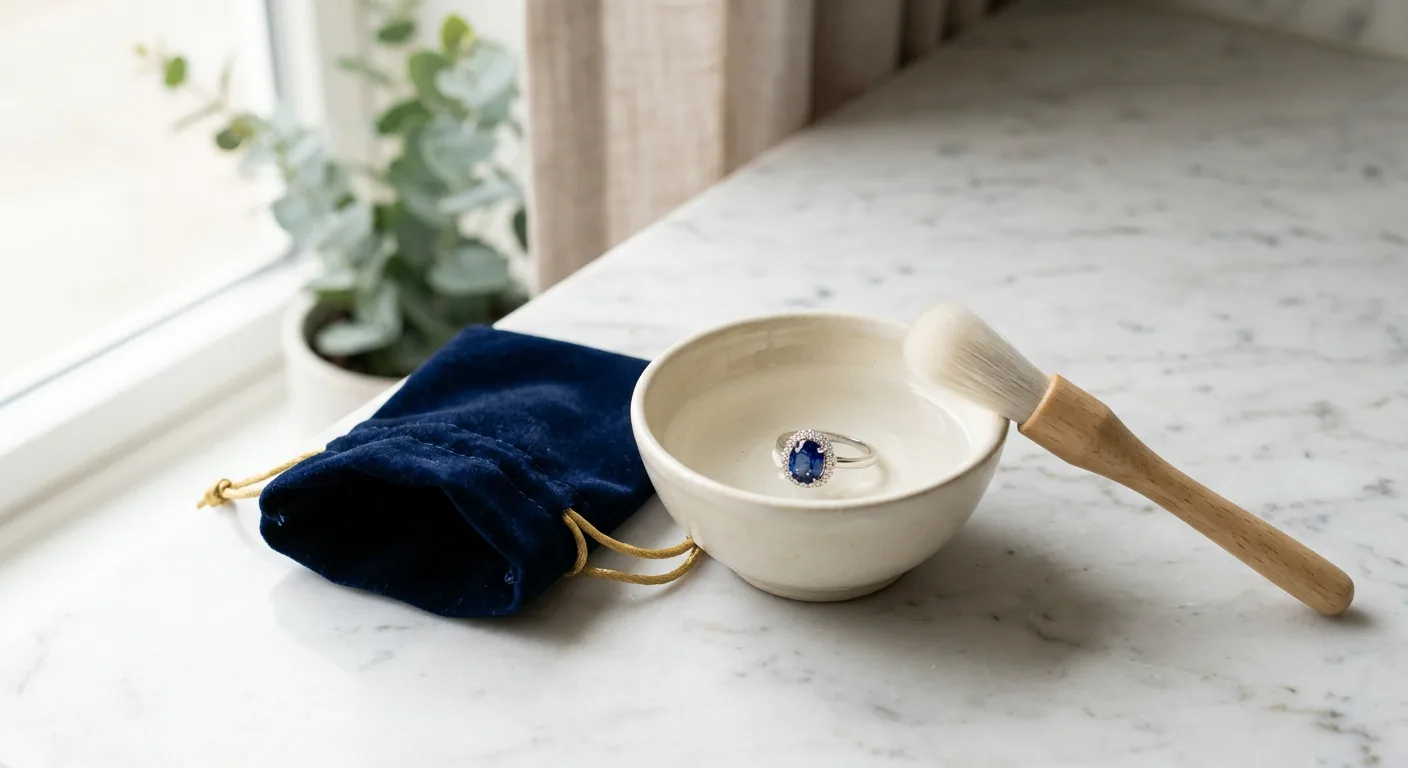
The safest cleaning method for almost all gemstones involves warm water, a few drops of mild, detergent-free soap, and a very soft brush, such as a baby toothbrush. Gently scrub the stone, particularly underneath where dust and oils accumulate, then rinse with warm water and dry with a soft, lint-free cloth. That alone will restore brilliance to most jewelry.
Avoid harsh chemicals like bleach, ammonia, or abrasive cleaners, which can damage many gem varieties and erode metal settings. Extreme heat or sudden temperature changes can also cause fractures in certain stones.
| Cleaning Method | Suitable For | Risks |
|---|---|---|
| Warm Soap & Water | Most gemstones, including sapphire, ruby, and diamond. | Very low risk if soap is mild and brush is soft. |
| Ultrasonic Cleaners | Hard, untreated stones like standard diamonds or unheated sapphires. | Can shatter highly included gems like emerald or cause treated fractures to fail. |
| Steam Cleaning | Only very durable, untreated gemstones. | High risk of thermal shock, causing cracks or color changes in heat-sensitive gems. |
Secure Storage Solutions
Gemstones should always be stored individually to prevent scratching. A diamond, the hardest natural substance, can easily scratch a sapphire, which in turn can scratch an opal. Good storage solutions include separate compartments in a lined jewelry box, individual soft cloth pouches, or acid-free tissue paper.
Environmental factors also play a role in preservation. Organic gemstones, such as pearls, and moisture-rich stones like opal, require environments that are not excessively dry to prevent cracking or crazing. Conversely, prolonged exposure to direct sunlight can fade certain gems, including amethyst and some specific varieties of tourmaline.
Professional Inspections
Beyond routine cleaning, fine gemstone jewelry benefits significantly from periodic professional inspections, ideally every six to twelve months. A qualified jeweler can examine the setting, checking for loose prongs, worn bezels, or hairline fractures in the stone itself that might not be visible to the naked eye. Catching these issues prevents the tragic loss of a cherished gemstone.
Quick answers
What is the rarest gemstone in the world?
Are gemstones a good investment?
How can I tell if my gemstone is real?
What are birthstones and what do they mean?
Which gemstones are suitable for everyday wear?
How do I clean my gemstone jewelry at home?
What is the difference between natural and synthetic gemstones?
Do gemstones have healing properties?
Where can I buy authentic gemstones?
What should I look for when buying a gemstone engagement ring?
How much does a good quality gemstone cost?
What does GIA certification actually guarantee?
What are the different types of gemstones?
What is the difference between precious and semi-precious gemstones?
Conclusion
Understanding the classification, formation, and quality factors of gemstones is essential for making informed decisions in 2026. By appreciating the unique characteristics of both mineral and organic gems, prioritizing independent grading, and asking direct questions about treatments and origin, buyers can move beyond marketing claims to evaluate stones honestly.