Uncut Gemstones: Complete Buyer Guide (Updated March 2026)
Discover the raw beauty of uncut gemstones. This guide explores their history, appeal, and potential for collectors and designers. Learn how to identify quality.
Quick Facts: Uncut Gemstones
| Property | Details |
|---|---|
| Definition | Natural minerals in original crystal form, as mined, without faceting or polishing. |
| Common Synonyms | Rough gemstone, raw gemstone, mineral specimen. |
| Key Value Factors | Color (saturation/zoning), Clarity (impact on yield), Crystal Habit (shape/potential yield), Carat Weight. |
| Potential Yield | Typically 30-50% of original rough weight after cutting (50-70% loss). |
| Popular Varieties | Sapphire, Emerald, Diamond, Quartz, Tourmaline, Garnet, Opal. |
| Authentication | Visual inspection for natural crystal structures/striations, hardness testing, professional gemological verification. |
| Common Fakes | Glass (bubbles, conchoidal fractures), plastic, synthetic rough, less valuable minerals. |
| Primary Uses | Lapidary (cutting), mineral collecting, raw stone jewelry (wire wrapping, electroforming). |

Introduction
Imagine holding Earth's raw history,untouched, radiating a captivating, prehistoric energy. This is the appeal of uncut gemstones.
An uncut gemstone, often called a rough gemstone, is a natural mineral in its original crystal form as it was mined, before any faceting or polishing has occurred. These specimens showcase natural crystal faces, growth striations, and often retain portions of their host rock matrix.
While faceted gems offer symmetrical brilliance, rough gemstones provide an direct connection to nature. This raw state is increasingly sought after by collectors, artisanal jewelry designers, and investors seeking alternative assets. However, determining the true potential of these unshaped treasures requires specialized expertise, as their internal quality is often hidden beneath a rugged exterior.
What is an Uncut Gemstone?
An uncut gemstone, often referred to within the trade simply as "rough," represents the earliest stage of a gem's journey from the earth to a finished piece of jewelry. These are natural minerals exactly as they emerged from the ground, possessing their original crystal structure, surfaces, and often, remnants of the host rock or matrix in which they formed. Unlike the symmetrical, faceted jewels typically seen in luxury retail, an uncut gemstone has not been shaped, ground, or polished by human hands.
Definition and Characteristics
The defining characteristic of a rough gemstone is its raw, natural state. Professional gemologists identify these specimens by examining their natural crystal habit,the specific geometric shape the mineral naturally forms, such as the hexagonal prisms of emerald or the octahedral crystals typical of diamond.
These specimens exhibit natural surfaces, which might include growth striations, complex etched patterns, or contact marks from neighboring crystals. Their appearance can vary wildly, from smooth, water-worn pebbles found in alluvial deposits to sharp, complex mineral specimens extracted directly from primary rock sources. Transparency also differs significantly; some rough is opaque or heavily included, while top-tier "gem-quality" rough possesses the clarity and color saturation necessary for high-end faceting.
Differentiating Raw, Rough, and Uncut
While "raw," "rough," and "uncut" are frequently used interchangeably to describe these stones, subtle distinctions exist within professional circles. "Rough" is the most common industry term, covering all gem material before any processing. "Raw" and "uncut" often emphasize the stones' untouched, primal nature, a quality increasingly sought after for certain artisanal or natural state jewelry designs.
A critical distinction must be made between true rough and a "preform." A preform is a gemstone that has undergone initial grinding to remove major flaws and establish a basic shape, preparing it for the final faceting process. It is no longer truly uncut, as its natural crystal faces have been altered.
Considering a bespoke creation with a unique raw stone? Explore the Joalys 3-step process to select your perfect certified gemstone and design a custom setting that celebrates its natural form.
The following table outlines the primary differences between these stages:
| State | Description | Human Intervention | Appearance |
|---|---|---|---|
| Uncut / Rough | Natural mineral, as mined. | None (cleaning only). | Original crystal shape, rough surfaces, matrix possible. |
| Preform | Basic shaping to remove flaws and define potential. | Initial grinding/shaping. | Roughly geometric, matte surfaces, natural faces removed. |
| Cut / Faceted | Finished gemstone ready for setting. | Full grinding and polishing. | Symmetrical facets, high luster, maximum brilliance. |

How Uncut Gemstones Are Valued
Valuing an uncut gemstone requires specialized expertise that differs significantly from assessing faceted jewels. The process involves evaluating the stone's current state while simultaneously projecting its potential after processing. Valuing rough comes down to adapting the classic "4 Cs" to rough material, plus two things that matter a lot with rough: yield and rarity.
The 4 Cs of Rough
The standard 4 Cs (Color, Clarity, Cut, Carat) used for polished gems must be reinterpreted when examining rough specimens.
Color remains the most important factor. Experts assess the stone's natural hue, saturation, and tone. However, color in rough is rarely uniform. Gemologists must analyze color distribution and identify potential color zoning, where the desirable color might only occupy a small portion of the crystal. The orientation of this color within the crystal habit determines how the stone must be cut to maximize its visual impact. For instance, in an uncut sapphire, the richest blue may be concentrated near the crystal's surface, requiring precise orientation during faceting.
Clarity in rough is evaluated based on its impact on the final yield and structural integrity. While perfect clarity is exceptionally rare in nature, major fractures or problematic inclusions can render a stone unsuitable for faceting or significantly reduce its value. Some inclusions, like the "jardins" (gardens) typical of an uncut emerald, are expected, but their location is critical. Experts use "windows",small, polished flats on the rough surface,to peer inside and assess internal characteristics.
Crystal Habit and Shape are unique to rough valuation. A well-formed, "blocky" crystal habit, such as a perfect octahedral uncut diamond, is highly desirable because it typically offers a higher potential yield and allows for more efficient cutting. Irregularly shaped or flattened crystals often result in significant weight loss during the faceting process.
Carat Weight of the rough stone is a fundamental data point, but it must always be considered alongside the potential yield. It is not uncommon for 50% to 70% or more of the original rough weight to be lost during cutting and polishing. Therefore, a larger rough stone with poor shape or significant inclusions may hold less value than a smaller, cleaner, and better-shaped specimen.
| Valuation Factor | Key Considerations for Uncut Gemstones |
|---|---|
| Color | Saturation, tone, distribution, and potential color zoning. |
| Clarity | Presence of fractures; location and type of inclusions; impact on structural integrity. |
| Crystal Habit/Shape | Geometric form (e.g., octahedral, hexagonal); suitability for efficient cutting; potential yield. |
| Carat Weight | Total weight of the rough stone vs. projected weight of the finished gem (potential yield). |
The Rarity Factor and Market Dynamics
Beyond the physical characteristics, rarity plays a significant role in determining value. High-quality rough specimens of precious gemstones like sapphire, emerald, and ruby are exceptionally scarce. This natural scarcity, combined with the difficulty of extraction, drives the market price.
Furthermore, the demand for specific types of rough can fluctuate. While gem-quality rough for faceting remains consistently valuable, there is also a growing market for aesthetically pleasing mineral specimens and unique rough stones for natural state jewelry designs. The rarity of a particular crystal form or a specific provenance can also command a premium among collectors and connoisseurs.
Real Prices: What Uncut Gemstones Actually Cost in 2026
Here is the thing nobody tells you: prices vary wildly depending on quality, origin, and who you buy from. Here are real market ranges based on current dealer listings:
| Gemstone | Rough price/carat | Notes |
|---|---|---|
| Ceylon Sapphire (rough) | $50 - $500+ | Top unheated blue: $200-500/ct at source. Commercial grade starts at $50/ct. |
| Ruby (rough) | $30 - $322+ | Gemfields record: $321.94/ct for top Mozambique rough (2025). Commercial grade: $30-80/ct. |
| Emerald (rough) | $1 - $5,000+ | Facet-grade Colombian rough: $300-5,000/ct. Low-grade: under $5/ct. |
| Rough Sapphire (other colors) | $5 - $100 | Madagascar, Australian. Good value for collectors and lapidaries. |
Buying direct from Sri Lanka cuts out 3 intermediaries. In practice, that means you pay source prices, not retail markups that can reach 300-400% by the time a stone hits a jewelry store.

Popular Types of Uncut Gemstones
The market for rough gemstones encompasses a vast array of minerals, each prized for different characteristics. While almost any gem species can be collected in its raw form, certain varieties dominate commercial trade due to their beauty, rarity, and potential for jewelry use. These are broadly categorized into precious and semi-precious rough, reflecting their traditional valuation and market demand.
Precious Rough: Sapphire, Emerald, Diamond
Precious gemstones in their uncut state are exceptionally rare and highly sought after by collectors and investors. The valuation of this material requires significant expertise, as the raw exterior often masks the true quality within.
Uncut Sapphire: Raw sapphire typically forms in hexagonal, bipyramidal (barrel-shaped) crystals. While classic blue is most famous, rough sapphire occurs in a full spectrum of colors. Expert assessment focuses on color saturation and zoning, often requiring "windows" to be polished onto the surface to view the interior. For those looking to acquire finished stones, understanding how to buy sapphire online from reputable sources is crucial.
Raw Emerald: Uncut emerald is easily identifiable by its distinct hexagonal prismatic crystal habit. Unlike sapphire, raw emerald is almost always heavily included with its characteristic "jardin" (garden). These inclusions are expected, but their location determines if the stone can be cut or should remain a specimen. The fragility of emerald rough demands careful handling. Finished emerald jewelry showcases the culmination of successfully navigating these challenging raw characteristics.
Uncut Diamond: Rough diamond most commonly occurs as octahedral crystals (eight-sided). Valuation is highly complex, distinguishing between industrial-grade material and gem-quality rough. Experts look for clarity, specific crystal shapes that maximize yield, and the presence of "skins" or coatings that obscure the interior.
Considering a bespoke creation with a unique raw stone? Explore the Joalys 3-step process to select your perfect certified gemstone and design a custom setting that celebrates its natural form.
Popular Semi-Precious Rough
Semi-precious rough gemstones offer incredible diversity in color, crystal formation, and affordability. Many species are highly prized by collectors as mineral specimens due to their aesthetic appeal in their natural state.
- Tourmaline: Known for its incredible color range, tourmaline rough often forms in elongated, striated prisms. "Watermelon" tourmaline, featuring a pink core and green exterior, is particularly coveted in its raw form.
- Quartz: This abundant family includes amethyst, citrine, and smoky quartz. Amethyst often forms in dramatic geodes or clusters of purple crystals, while clear quartz can develop in large, pristine points.
- Garnet: Often found as dodecahedral (12-sided) crystals, raw garnet is prized for its deep reds and oranges, though it occurs in many other colors.
- Opal: Raw opal is unique, often found as seams or nodules within a host rock (matrix). Assessing rough opal is notoriously difficult, as the precious "play-of-color" may only be revealed after cutting.
The following table compares key characteristics of popular semi-precious rough gemstones:
| Gemstone Type | Common Crystal Habit | Notable Rough Characteristics |
|---|---|---|
| Tourmaline | Elongated, striated prisms | Often color-zoned (e.g., watermelon); strong pleochroism. |
| Amethyst (Quartz) | Prismatic crystals, often in geodes | Color concentrated at crystal tips; distinct hexagonal cross-section. |
| Garnet | Dodecahedral or trapezohedral crystals | Often rounded, "ball-like" shape; high density. |
| Opal | Amorphous (no crystal structure) | Often found in matrix; "play-of-color" hard to predict. |

Buyer Beware: Authenticating Uncut Gemstones
The market for rough gemstones is unfortunately complex, and the risk of encountering misrepresentation is significant for the untrained eye. Authenticating an uncut gemstone requires a different skill set than evaluating faceted jewels, as the natural rough exterior can easily disguise synthetics, treatments, or outright fakes. For enthusiasts and collectors, knowing the basics of authentication can save you a lot of money.
Spotting Fakes and Synthetics
Distinguishing a real uncut gemstone from clever imitations is the primary challenge. Common fakes include materials like glass or plastic, which can be shaped and dyed to resemble rough gems. Glass imitations often exhibit smooth, curved (conchoidal) fractures and may contain internal gas bubbles, which are never present in natural crystals.
Furthermore, synthetic or lab-grown rough is increasingly prevalent. While chemically identical to natural stones, synthetic rough is created in controlled environments and lacks the unique natural history of earth-mined gems. Some synthetics, like flame-fusion corundum, display curved growth lines visible under magnification, unlike the straight or angular growth lines typical of natural sapphire or ruby. Advanced fakes might even involve "salt-and-pepper" treatments, where inclusions are artificially introduced to mimic natural imperfections.
Basic Authentication Techniques
While definitive identification often requires a gemological laboratory, several basic techniques can help initial assessment:
- Visual Inspection: Examine the crystal under a 10x loupe. Look for natural crystal habits (like hexagonal prisms in emerald), surface striations, or complex growth patterns. Fakes often appear too perfect, possess unnatural colors, or lack characteristic surface textures.
- Hardness Testing: Utilizing the Mohs scale can rule out many common imitations. A simple scratch test (performed with caution on an inconspicuous area) can distinguish harder gems from softer fakes. For instance, a natural diamond (hardness 10) will scratch any other mineral, while glass (hardness approx. 5.5) is easily scratched by quartz.
- Seek Expertise: For significant acquisitions, professional gemological verification is the only reliable method. Independent laboratories can provide detailed reports confirming a stone's identity, natural origin, and the presence of any treatments.
The following table outlines key differences between natural rough and common imitations:
| Material | Crystal Structure | Surface Features | Internal Characteristics |
|---|---|---|---|
| Natural Rough | Specific geometric habit (e.g., cubic, hexagonal) | Growth striations, natural etchings, varied texture | Natural inclusions (needles, crystals, feathers), straight growth lines |
| Glass/Plastic | Amorphous (no structure) | Smooth, molded surfaces; conchoidal fractures | Gas bubbles, swirl marks, no natural inclusions |
| Synthetic Rough | Often unnatural shapes (e.g., boule) | Smooth or saw-cut surfaces | Curved growth lines (in some methods), flux inclusions, often too clean |

Buying Uncut Gemstones Safely
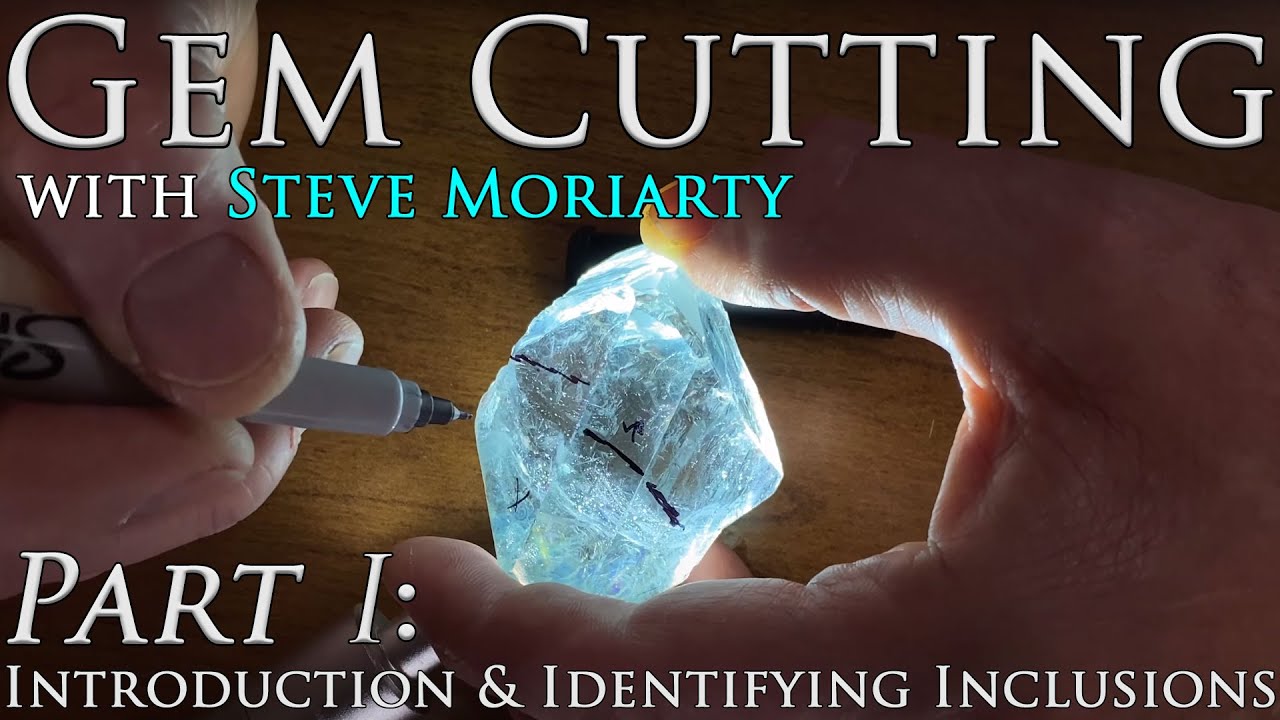
Watch: How professional lapidaries evaluate rough gemstones before cutting ↗
Choosing Reputable Dealers
Step one: find a dealer you can actually trust. Good dealers have credentials, a real track record, and are part of recognized industry groups. Those memberships come with accountability.
Avoid buying from random individuals on open classification sites or social media platforms, where accountability can be minimal. Thoroughly researching reviews across independent platforms and seeking references from other collectors can provide valuable insights into a dealer's reputation and business practices.
Seeking expert guidance for your acquisition? Arrange a personalized consultation with a Joalys specialist to discuss sourcing specific rough specimens or navigating the complexities of the market.
Essential Questions and Policies
Before finalizing a purchase, demanding transparency is critical. Request comprehensive documentation, including high-resolution photographs and videos of the rough gemstone under various lighting conditions (e.g., daylight, incandescent, and backlighting to reveal internal structures).
Inquire specifically about:
- Origin: While origin determination for rough can be complex, reputable dealers should provide known provenance information.
- Treatments: Explicitly ask if the stone has undergone any enhancements, such as heating (common for sapphire), clarity enhancement (common for emerald), or irradiation.
- Return Policy: A clear, reasonable return period is non-negotiable. This window allows time for independent examination by a qualified gemologist to verify the stone's authenticity and description.
The following table summarizes key verification steps for a secure purchase:
| Verification Step | Key Actions | Purpose |
|---|---|---|
| Dealer Vetting | Check credentials, reviews, and industry affiliations. | Establish trust and recourse. |
| Documentation | Request detailed photos/videos and origin/treatment info. | Assess quality and disclose enhancements. |
| Return Policy | Confirm a clear, time-bound return window. | Enable independent verification risk-free. |
| Expert Review | Utilize independent gemological assessment for significant stones. | Definitively confirm identity and value factors. |

Applications of Uncut Gemstones
Uncut gemstones are useful for a lot more than just cutting. While traditional gem cutters view them as raw material for creating polished jewels, a significant and growing market appreciates these stones in their natural state. The applications for these raw minerals are diverse, ranging from high-level collecting to innovative jewelry design and artisanal crafts.
Beyond Cutting: Collecting and Jewelry
A primary application for high-quality uncut gemstones is as mineral specimens for collectors. Serious collectors go after crystals with perfect natural form, rare crystal habits, or are still attached to their host rock (matrix). These pieces are valued for their aesthetic beauty and geological significance, often displayed in private collections or museums. For instance, a perfectly formed octahedral diamond crystal or a dramatic cluster of amethyst can be more valuable as a specimen than the polished gems it could yield.
Furthermore, the "raw stone jewelry" trend has significantly increased the demand for uncut gems. Designers utilize techniques like wire wrapping, electroforming, or free-form casting to create unique, organic pieces that highlight the stone's natural form. This approach is particularly popular with semi-precious varieties. For example, a striking tourmaline crystal can be set as a pendant, preserving its natural striations and color zoning.
Lapidary Arts and Alternative Uses
Beyond collecting and jewelry, rough gemstones are essential for the lapidary arts. This encompasses not only faceting but also cutting cabochons (smooth, domed gems), carving intricate sculptures, or creating beads. The type of rough selected depends entirely on the intended outcome; translucent material might be faceted, while opaque or heavily included rough, such as certain types of turquoise, is often carved or cut into cabochons.
Finally, a significant niche market utilizes uncut gemstones for their perceived metaphysical properties. Many proponents of crystal healing believe that stones in their raw, untouched state retain a more potent and pure energy compared to faceted gems. While not scientifically verified, this belief drives demand for a wide variety of rough stones for meditation, energy work, or placement within living spaces.
The following table summarizes the diverse applications of uncut gemstones:
| Application | Primary Goal | Key Characteristics Sought | Example Gemstones |
|---|---|---|---|
| Mineral Specimen Collecting | Preservation and display | Perfect crystal form, rarity, matrix attachment | Diamond, Emerald, Tourmaline |
| Raw Stone Jewelry | Unique, organic adornment | Aesthetic shape, color, durability | Quartz, Tourmaline, Opal |
| Lapidary Arts (Cutting/Carving) | Transformation into polished goods | Transparency (for faceting), color, size, pattern | Sapphire, Agate, Jade |
| Metaphysical/Healing | Energy work, spiritual use | Natural state, perceived energetic vibration | Amethyst, Rose Quartz, Citrine |
Browse our certified gemstones.
Frequently Asked Questions
Conclusion
Uncut gemstones offer a captivating connection to the Earth's raw history, presenting unique opportunities for collectors, designers, and alternative asset investors. Successfully navigating this complex market requires a solid understanding of valuation factors like potential yield and crystal habit, alongside rigorous authentication practices to ensure the acquisition of genuine, high-quality material.
For those ready to acquire these natural wonders, Joalys provides a secure and sophisticated path. Explore the curated collection of certified uncut gemstones, each delivered in a luxury authentication case. This unique approach allows for immediate ownership of a verified asset, with the option to engage the bespoke custom design process when the time is right. For personalized assistance with a selection, contact the expert gemologists at Joalys.