Unheated vs Heated Sapphire: What "Unheated" Really Means and How to Verify It
What each term really means, why unheated stones cost more, and exactly how to verify the claim on a lab report, from a sourcer who buys sapphire at the mine in Sri Lanka.
The Short Answer
An unheated sapphire has never been altered beyond cutting and polishing. A heated sapphire was warmed to high temperature to improve its color or clarity. Heating is legitimate and disclosed, and roughly 95% of sapphires on the market are treated in some way, so unheated stones are scarce and cost more. You cannot tell them apart by eye. The only proof is an independent lab report that states no indications of heating, ideally from GIA or another major lab.
What Does Heat Treatment Actually Do to a Sapphire?
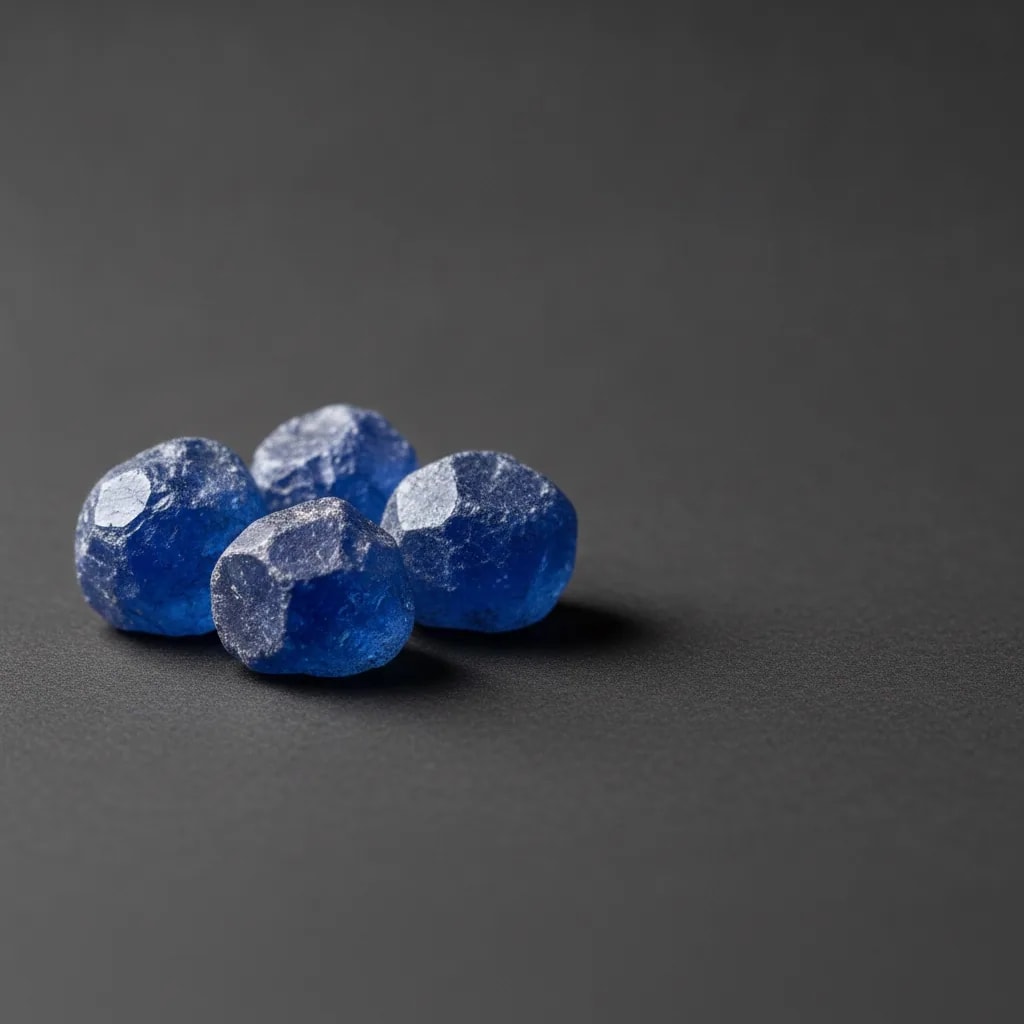
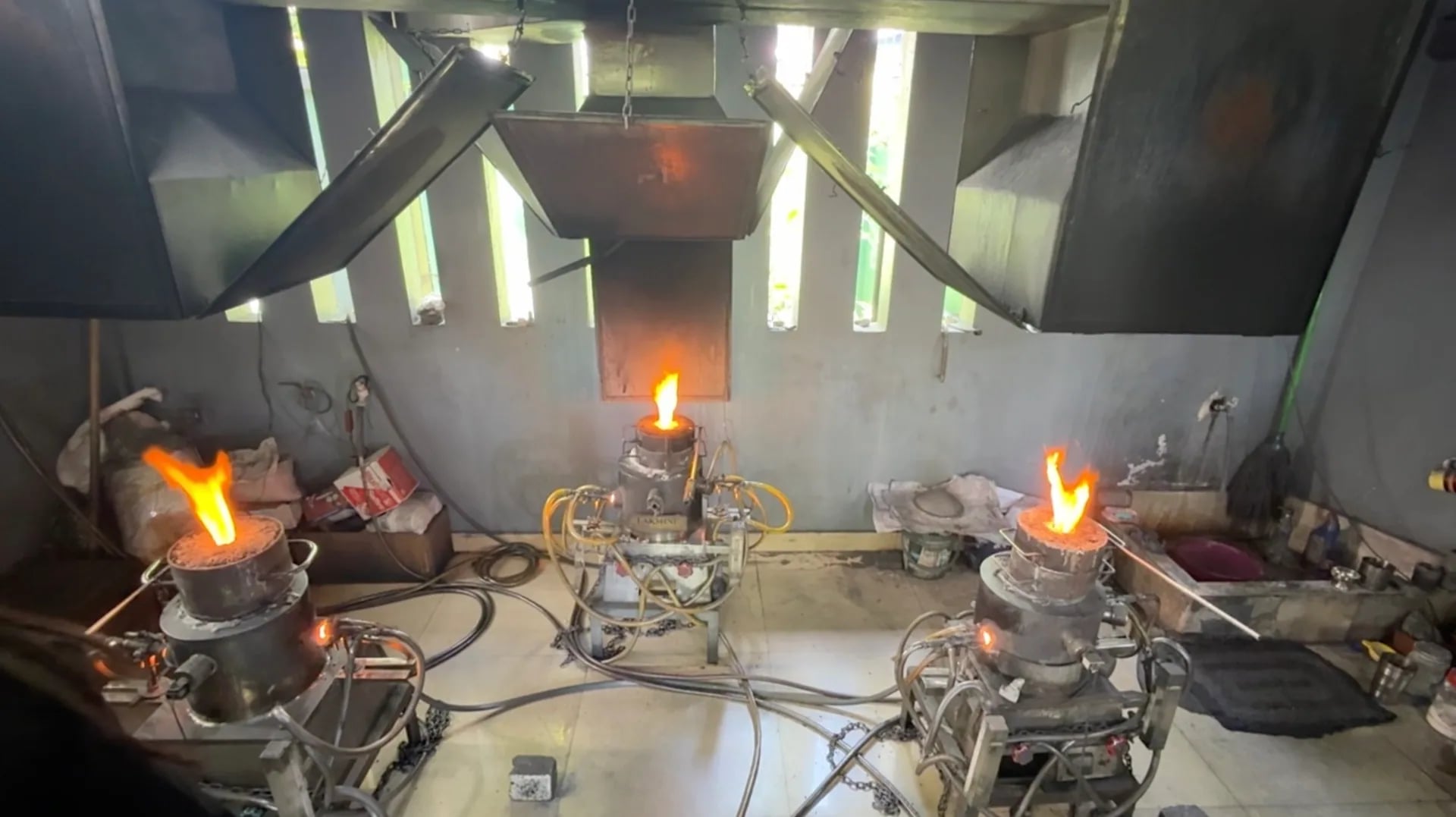
Heat treatment is exactly what it sounds like. A rough or cut sapphire is placed in a furnace and warmed to a high temperature to push its color and clarity in a better direction. The practice goes back centuries, and today it is the most common sapphire treatment by a wide margin. For the full picture of how sapphires are graded and valued, see our complete guide to sapphire.
The numbers are bigger than most buyers expect. The GIA estimates that at least 95% of blue sapphires are treated in some way, and heating is the main method (GIA Colored Stones course, 2025). Stones are taken to temperatures ranging from roughly 450 to 1900 degrees Celsius, held there from under an hour to as long as two weeks, then cooled in a controlled way (GIA, 2025).
What does that heat buy? It can deepen a pale blue, lighten an overly dark stone, burn off greenish tints, dissolve the fine internal needles called silk to clean up the color, or in some cases create silk to produce a star. Here is the part most people miss. Heat does not turn a bad stone into a great one. It nudges good starting material across the line into something you would actually want to wear. A heated sapphire also needs no special care once it is set. The change is permanent and stable, which is why the trade accepts it openly (GIA, 2025).
Heated vs Unheated Sapphire: The Real Difference
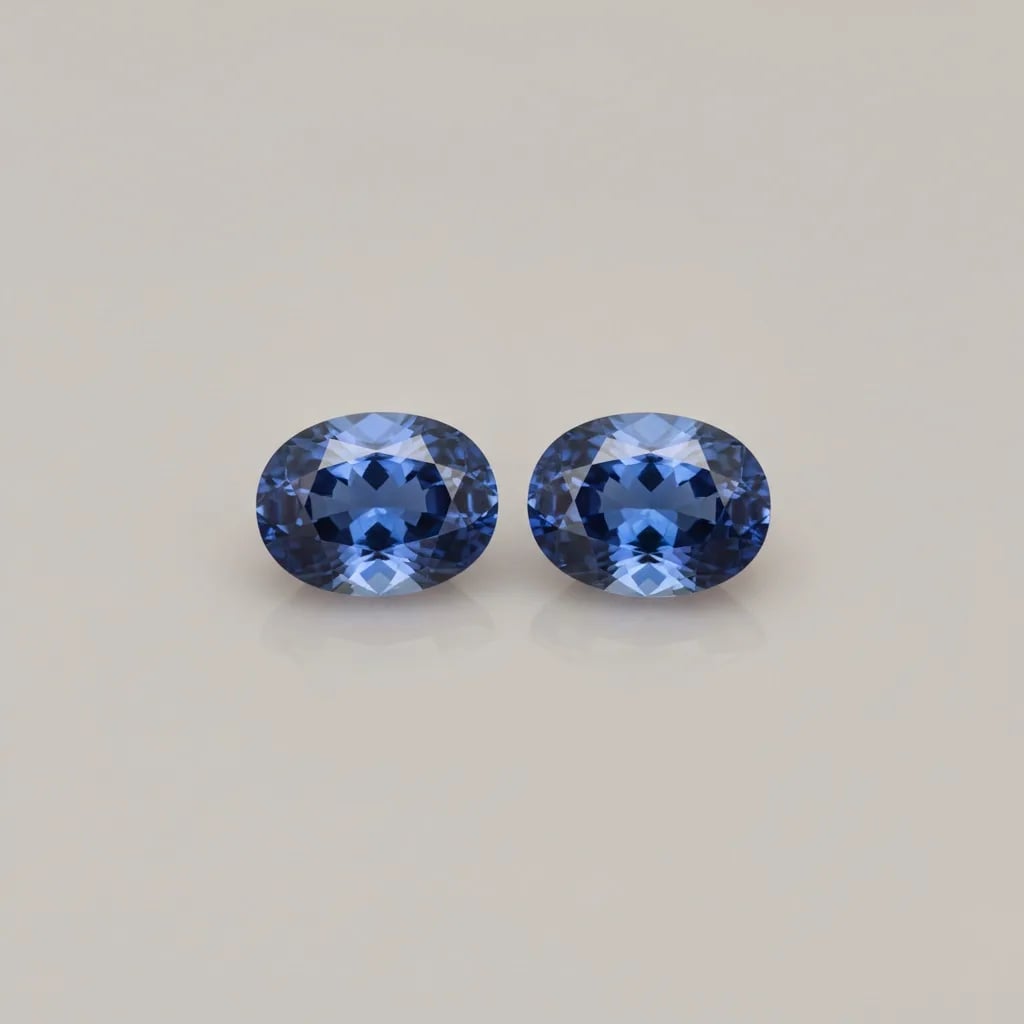
The line is cleaner than the marketing makes it sound. A sapphire counts as unheated, or untreated, only if it has never been altered beyond cutting and polishing (GIA, 2025). No furnace. No chemistry. Nothing. A heated sapphire is the same natural stone, dug from the same ground, that spent time in a furnace afterward.
Both are real sapphires. Both are natural corundum. The difference is the history of the stone, not its species. We say this plainly to every buyer who asks, because the word "natural" gets stretched in both directions. A heated sapphire is still natural. An unheated sapphire is natural and untouched.
| Aspect | Heated sapphire | Unheated sapphire |
|---|---|---|
| What happened to it | Warmed to 450–1900°C after mining | Cut and polished only, never treated |
| Is it natural? | Yes, natural corundum | Yes, natural and untouched |
| How common | Roughly 95% of the market | A small fraction of fine sapphires |
| Color and clarity | Often more even, fewer visible inclusions | Can be more characterful, more natural inclusions |
| Price | The accessible tier | 2 to 5 times more at fine quality |
| Proof needed | Disclosure is enough | Independent lab report stating no heating |
One thing worth saying out loud: you cannot see the difference with your eyes. Two stones can sit side by side, one heated and one not, and no naked eye on earth can separate them. That single fact is why this whole topic exists.
Why Do Unheated Sapphires Cost More?
It comes down to scarcity, not magic. The widespread use of treatment created a multi-tiered sapphire market. Lattice-diffusion stones sit at the bottom, conventionally heated stones in the middle, and untreated premium-quality sapphires make up the smallest and most exclusive tier (GIA, 2025).
When something is genuinely rare and the demand is real, the price reflects it. In our experience sourcing parcels in Sri Lanka, fine unheated stones can run roughly 2 to 3 times the price of a comparable heated stone around 1 to 2 carats, and the gap widens to 3 to 5 times once you climb past 3 carats. The exact premium swings with color, origin, and the strength of the certificate.
Here is the honest framing, and it matters to us. Unheated is not a better investment pitch dressed up in gem language. It is a transparency promise. You are paying for a stone that was good enough straight out of the ground that nobody needed to improve it, and for the paperwork that proves it. If a stone speaks to you and it is heated, buy the heated one with a clear conscience. The premium only makes sense if untouched is the thing you actually want.
How Do You Verify an Unheated Sapphire? What a Lab Report Says (and Doesn't)
This is the part almost every other guide skips, and it is the only part that protects your money. Since the eye cannot judge treatment, the proof lives on a single line of an independent lab report. Learn to read that line and you have learned the whole subject.
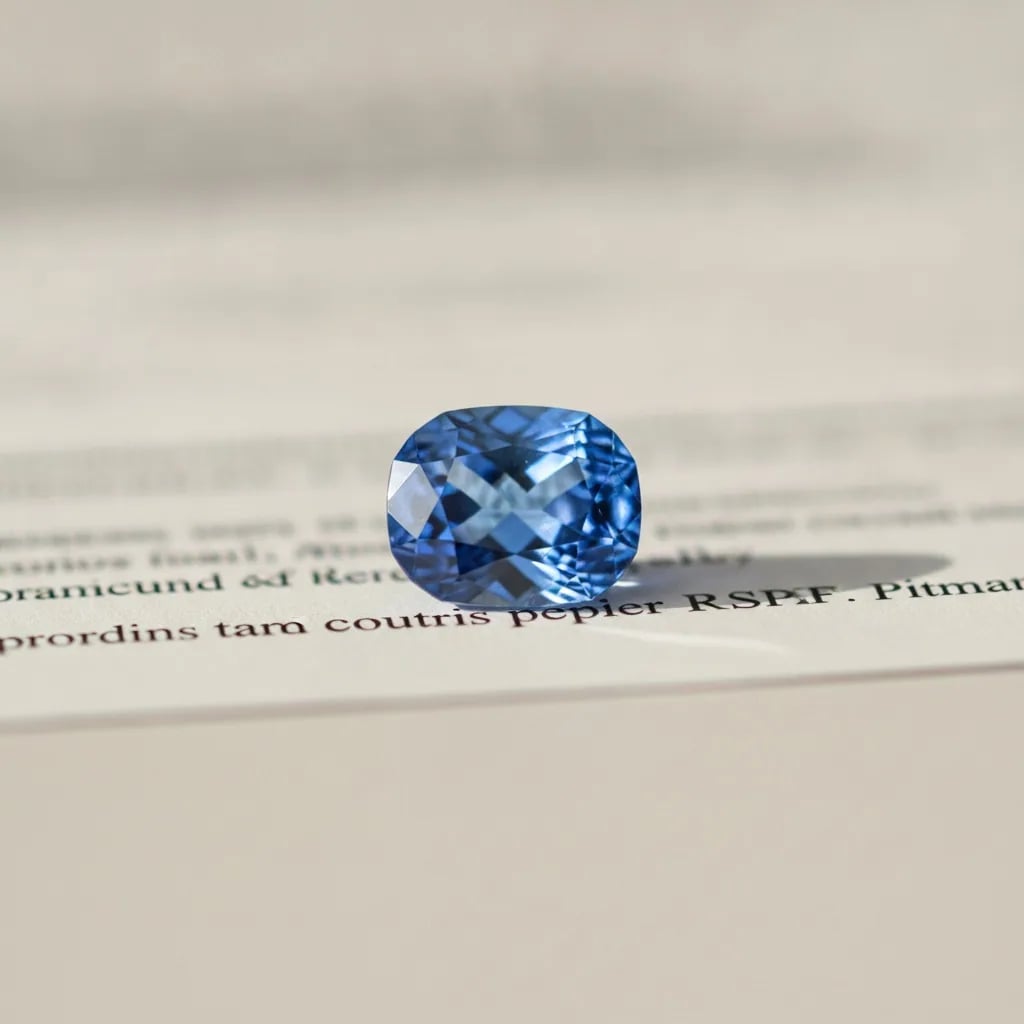
On a GIA report, look for the Treatment section. An unheated stone reads "No indications of heating". A treated stone reads "Indications of heating", often with the treatment named. That is the whole verdict, in plain language. Ask for the report number and check it against the lab's own online database, because a real report is always verifiable at the source.
What does the report not tell you? It does not grade beauty, it does not set a price, and "no indications of heating" is a finding by a specific lab using specific instruments, not a cosmic guarantee. Labs disagree at the edges on borderline stones. That is why the name on the report matters. The reference points the trade trusts are GIA, plus Gübelin, SSEF, AGL, and GRS for high-value stones.
A trained gemmologist reaches that verdict under the microscope. Unheated corundum keeps intact, fine rutile needles crossing at 60-degree angles and intact two-phase inclusions. Heating leaves fingerprints: melted and rounded mineral inclusions with a whitish "snowball" or "cotton" look, broken silk, and disk-shaped fractures with halos around them (GIA Gem Identification Lab Manual). You are not expected to see any of this yourself. You are expected to insist on the report from someone who can.
The simplest rule we give buyers: if a seller says "unheated" but cannot hand you a major-lab report that says it in writing, treat the word as marketing, not fact.
The Traps: Fake "Unheated", Weasel Words, and No-Cert Deals
The opaque nomenclature is where buyers lose money, not the treatment itself. Heating is fine when it is disclosed. The problem is the gap between what a label says and what a stone is. A few patterns to watch:
- "Unheated" with no report. The most common trap. A spoken or written claim with nothing independent behind it is worth nothing. The premium you pay for unheated is really a premium for proof.
- An in-house or unnamed "certificate". A seller's own document is a sales sheet, not a third-party verdict. The lab must be independent, named, and verifiable.
- Weasel wording. "Believed unheated", "no evidence of treatment to the naked eye", or "natural, untreated to our knowledge" are not the same as a lab stating no indications of heating. Read the exact words.
- Confusing natural with unheated. A stone can be 100% natural and still heated. "Natural" alone never means untreated.
- Ignoring lattice diffusion. Some treatments, like beryllium diffusion, go further than heat and sit at the bottom of the market. A proper report names them. A vague one hides them.
None of this means heated sapphires are a scam. Let's be honest, a beautiful disclosed heated sapphire is one of the best value buys in colored stones. The scam is selling a treated stone at an untouched price by leaning on a word. If you are buying online, our guide to buying sapphire online walks through the same checks step by step.
How We Handle Heat and Certification at Joalys
I source every parcel personally in Sri Lanka, the same ground that has produced fine Ceylon sapphire for centuries. If you want to see what that actually involves, I documented the route a sapphire takes from a Sri Lankan mine to a customer. Sourcing is my job. Certification is not, and I do not pretend otherwise. Every stone I keep is sent to Bilal, a GIA Graduate Gemologist at an independent lab, and the treatment finding comes from him and the lab, never from me.
When we label a Ceylon sapphire unheated, it means an independent report says "no indications of heating", and you get that report with the stone. When a stone is heated, we say it is heated and we price it as a heated stone. No word games, no premium hiding behind a vague label. The rarest of these, like a true unheated padparadscha sapphire, get the most scrutiny precisely because the premium is highest. Our padparadscha sapphire guide explains why the lab report is not optional there.
That is the whole pitch, and it is a quiet one. We do not ask you to trust the seller. We ask you to trust the report, and we make sure there is always a real one to trust. You can browse our certified Ceylon blue sapphires here.
JOALYS
Everything Begins with the Stone
Two sapphires can share the same grade and nothing else. Yours is chosen in hand.
Keep the sapphire loose, or commission a piece made around it — made to order, never off the shelf.

Frequently Asked Questions
The Bottom Line on Unheated vs Heated Sapphire
Heated and unheated sapphires are both real, both natural, and both worth owning. The difference is history, not species, and your eye will never settle the question. Heating is legitimate when it is disclosed, and a disclosed heated sapphire is often the smartest buy in the case. The premium for unheated only makes sense if untouched is genuinely what you want, and only if a major independent lab proves it in writing.
So the whole subject collapses to one habit: read the report, not the label. If a seller says unheated and cannot hand you a verifiable lab document that says "no indications of heating", the word is marketing. That is the line we hold on every Ceylon sapphire we source. For everything else about the stone, color, origin and value, our complete guide to sapphire is the place to start.