Padparadscha Sapphire: Color Chart, Price Per Carat, and How to Spot a Real One
A Sri Lankan sourcer's honest take on the lotus-and-sunset gem, the beryllium trap, and why the lab report is not optional here.
What colour is a padparadscha sapphire?
A padparadscha is the rarest color of sapphire: a soft, pastel blend of pink and orange, the shade people describe as lotus blossom meeting a sunset. It is corundum, the same mineral as ruby and blue sapphire, so it scores 9 on the Mohs scale. The catch is that the name has no single agreed standard between labs, and beryllium diffusion can fake the color. For a real one, the lab report is not optional.
What Is a Padparadscha Sapphire?
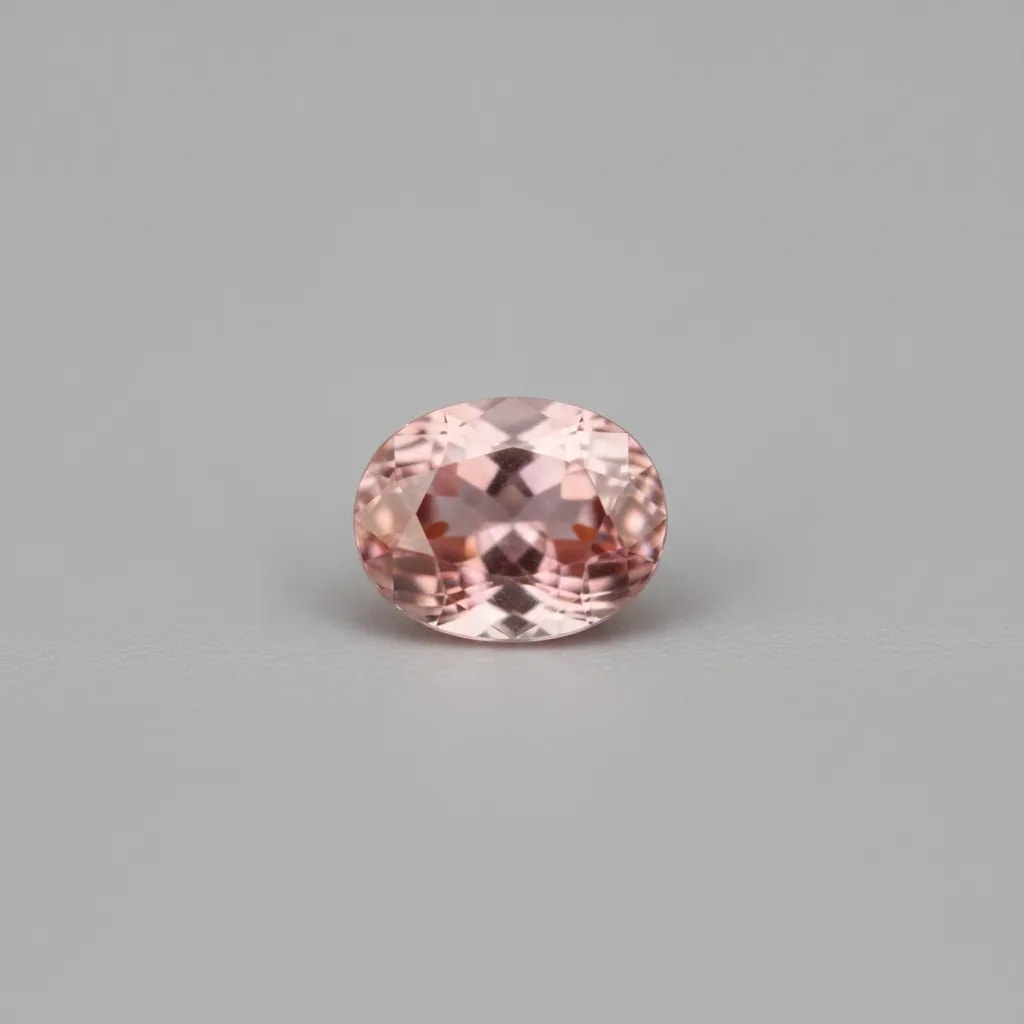
A padparadscha sapphire is a pink-orange corundum that sits in a narrow color window between pink sapphire and orange sapphire. The name comes from the Sinhala word padma raga, "lotus color," and Sri Lanka is where the stone and the name were born. That is not marketing on our end. It is the island we source from.
Here is the honest version of the definition. There is no universal standard for where padparadscha begins and ends. Per GIA, a true padparadscha is a subtle mix of pink and orange with pastel tones and low-to-medium saturation, and a report will state when, in the lab's opinion, a stone meets that description. Most labs agree on the idea (delicate, balanced, neither too pink nor too orange) and disagree on the edges. The working rule traders use: if one hue takes more than roughly 60% of the face-up color, the stone slides into "pink sapphire" or "orange sapphire" and loses the padparadscha name, and the premium with it.
So the same stone can be a padparadscha at one lab and a fancy sapphire at another. We have watched it happen on parcels in Beruwala. That single fact is why everything else in this guide matters.
Where does the orange end and pink begin on the other side? We cover the pink boundary from the pink angle in our pink sapphire buying guide. Here, stay on the padpa side: the moment the orange drops out, you are looking at a pink stone, not a padparadscha. For the wider sapphire family and how value is set across every color, our complete guide to sapphire is the map.
A padparadscha is corundum colored between pink and orange in pastel tones, and per GIA there is no single fixed standard, only a described range.
A narrow window between pink and orange
orange drops outPadparadscha
balanced pink + orange, pastelOrange sapphire
pink drops out
No universal standard. Past roughly 60% one hue, the name changes, and so does the price.
Padparadscha Sapphire Color Chart: Where the Name Starts and Stops
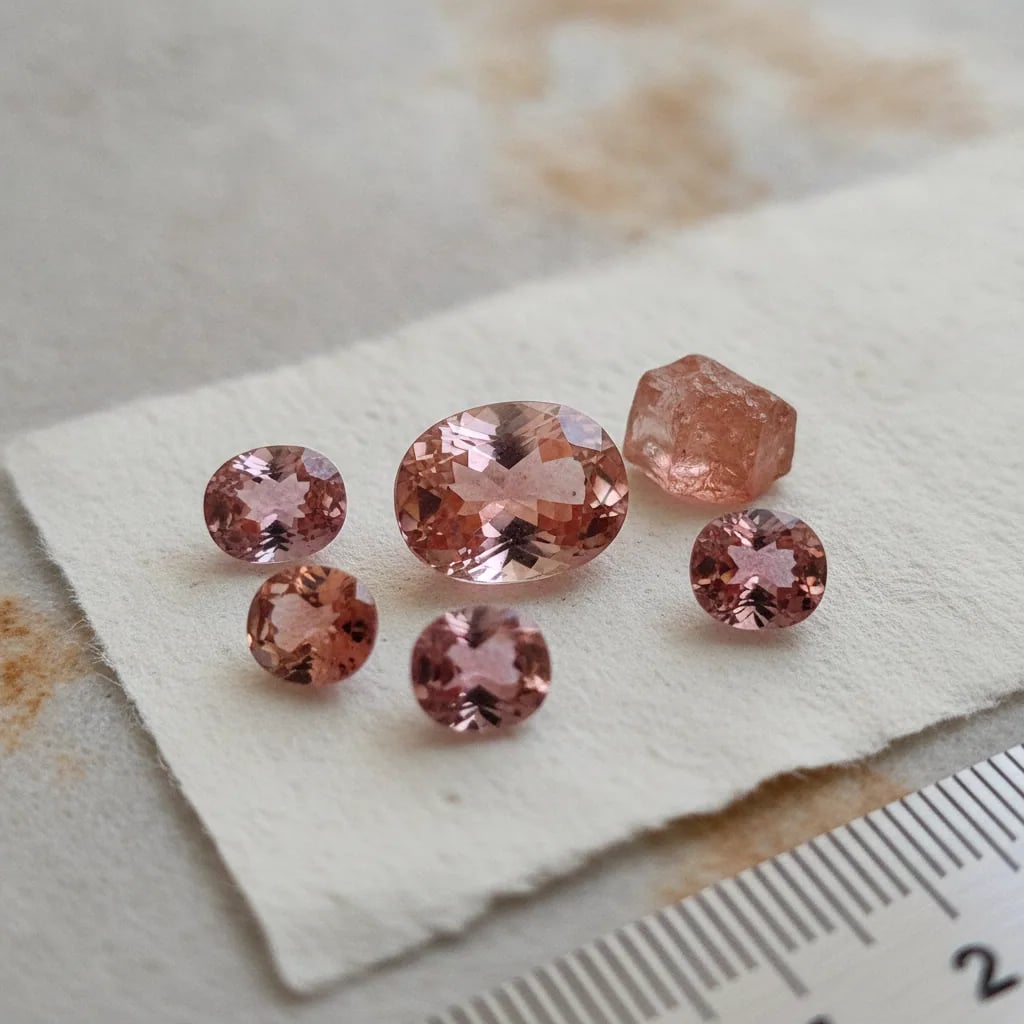
A padparadscha color chart, or colour chart if you spell it the British way, is not an official grading scale. No lab publishes one. What it is, in practice, is a map of where the trade draws the line, and the line is what decides whether your stone carries the name or loses it. Here is the range as we sort it on a tray in Sri Lanka, from too pink on one end to too orange on the other.
The short answer on colour: a padparadscha is a pastel pink-orange, light to medium in tone and low to medium in saturation, with neither hue dominating. Both hues have to be visible face-up at the same time. Push it past roughly 60% pink and it is a pink sapphire; past 60% orange and it is an orange sapphire.
| Color | What the trade calls it | Hue, tone, saturation | Padparadscha? | Otherwise sold as |
|---|---|---|---|---|
| Hot pink | Pink to purplish pink, medium tone, strong saturation | No | Pink sapphire | |
| Lotus, pink-leaning | Orangy pink, light to medium tone, low to medium saturation | Yes, at the pink edge | Padparadscha | |
| Classic sunset, balanced | Even pink and orange, light to medium tone, pastel saturation | Yes, the benchmark | Padparadscha | |
| Sunrise, orange-leaning | Pinkish orange, light to medium tone, low to medium saturation | Yes, at the orange edge | Padparadscha | |
| Pure orange | Orange with no pink left, medium tone, strong saturation | No | Orange sapphire | |
| Brownish orange | Orange with brown modifier, dark tone | No | Brownish orange sapphire | |
| Red | Red, medium to dark tone, vivid | No | Ruby |
Two shorthand terms you will hear from dealers, and they are worth knowing before you read a listing. Sunrise means an orange base with a touch of pink. Sunset means a pink base with a touch of orange. Both sit inside the range. Neither is officially better, though buyers in Europe tend to chase the pink side and buyers in Asia the orange, which quietly moves the price on each.
The trap in every chart like this one, ours included: a screen cannot show you saturation honestly. Two stones that look identical in a listing photo can sit on opposite sides of the boundary in daylight. Use the chart to learn the vocabulary, then judge the stone itself. If you want to compare real certified stones against these tiers rather than swatches, our padparadscha sapphire collection shows each one with its report.
What causes the padparadscha color?
Chromium and iron, in a balance most corundum never achieves. Per GIA, differing amounts and combinations of the trace elements iron, titanium and chromium cause most fancy sapphire colors, and pink sapphires get their color mostly from chromium. A padparadscha is what happens when a crystal picks up enough chromium for the pink but enough iron, alongside color centers in the lattice, to hold an orange next to it without either side taking over.
That second half is the fragile one, and it explains a warning further down this guide. Color centers can be created artificially by irradiation, and GIA notes that irradiated yellow or orange stones fade quickly under light. The pink from chromium is stable. An orange that arrived by irradiation is not. Same face-up color in the shop, very different stone in five years.
Why the Beryllium Trap Is the Real Danger
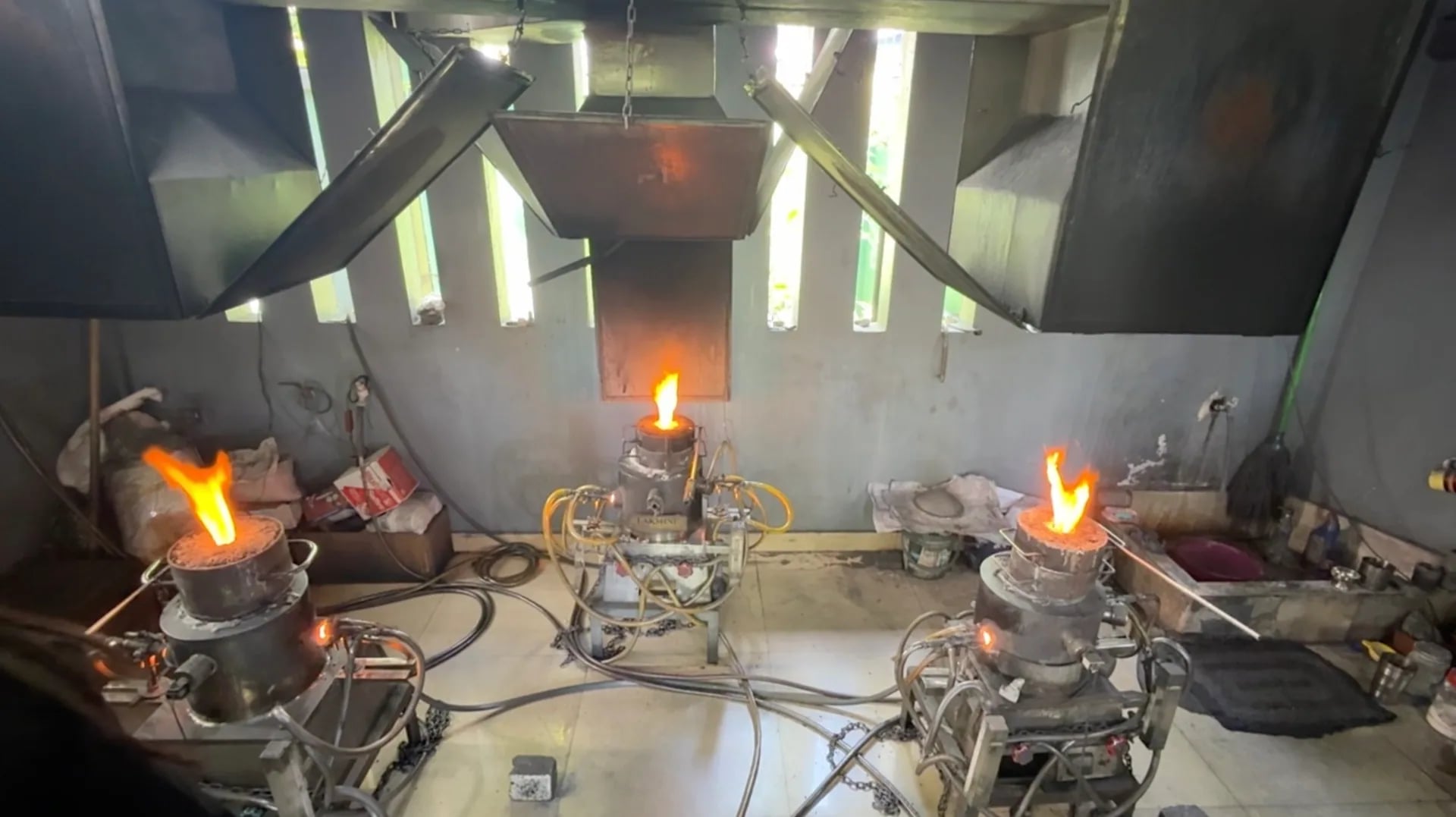
The biggest risk when you buy a padparadscha is not a glass fake. It is a real corundum that was cooked into a padparadscha color it never had naturally. This is beryllium lattice diffusion, and it is the single most important thing to understand before you spend money.
In 2001, treaters in Thailand started turning cheap, light pink Madagascar corundum into stones with marketable padparadscha color, and released them disclosing only conventional heating. Buyers noticed the giveaways: distinct yellow-to-orange rims around pink cores, melted zircon crystals from extreme temperatures, altered rutile with blue halos. GIA and the AGTA traced it to beryllium being diffused into the crystal lattice under very high heat, often by heating corundum alongside chrysoberyl, a beryllium-bearing gem. They named it lattice diffusion. When the treatment came to light, the fancy sapphire market collapsed, because buyers realized the trick could improve a long list of previously unsellable corundum colors.
Let's be honest about what this means for you. A diffused stone can look like a $15,000 gem and be worth a fraction of that. You usually cannot see beryllium diffusion with your own eyes, and neither can we. Only a properly equipped lab can. So on a padparadscha, treatment disclosure stops being a nice-to-have and becomes the whole game.
JOALYS
Everything Begins with the Stone
Two sapphires can share the same grade and nothing else. Yours is chosen in hand.
Keep the sapphire loose, or commission a piece made around it — made to order, never off the shelf.
How to Spot a Real One: The Four Things That Actually Matter
How do you spot a real padparadscha? You check four things in order: the lab report first, then color balance, then clarity and inclusions, then the cut. The report comes first on purpose. Without it, the other three are educated guessing.
- The report, not the photo. Insist on a report from an independent lab (GIA, SSEF, GRS, or our own certifier Bilal, a GIA Graduate Gemologist) that states the stone is corundum, gives weight and measurements, names the color, and discloses treatment, ideally "no indications of heating" or at least no beryllium. A padparadscha without a current report from a recognized lab is a stone you are buying on faith, and we don't buy on faith.
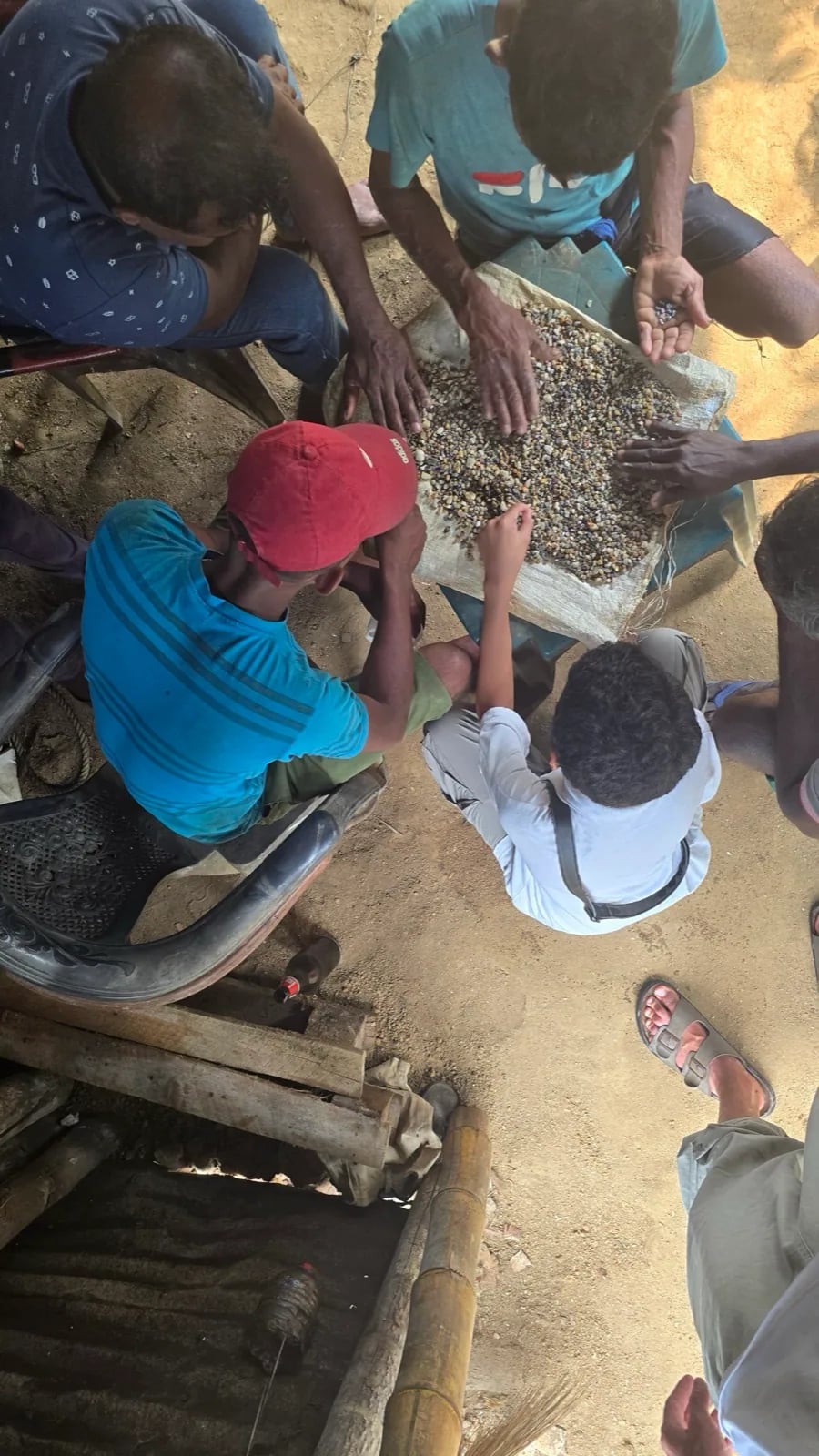
- Color balance, judged in daylight. You want pink and orange in roughly equal measure, pastel, low to medium saturation. Photos lie because sellers light them to push the color one way. Ask to see the stone in plain daylight, the way we check parcels on a table by a window in Ratnapura, not under warm shop lamps that flatter orange.
- Inclusions are a feature here. Because padparadscha is pastel, any inclusion shows. You want eye-clean, but a little fine "silk" (needle-like rutile) is a reassuring sign of a natural stone. Lab-grown padparadscha tends to be suspiciously flawless. Perfect, in this gem, is a flag.
- Cut and odd shapes. Padparadscha rough is so scarce that cutters keep every milligram. Asymmetric or unusual outlines are common and, oddly, a sign the stone is the real, rough-limited article rather than mass-produced.
One last warning we have seen in the trade: irradiated stones. A pink sapphire can be irradiated to a padparadscha-like orange, but that color is unstable and fades in sunlight. If a deal looks too cheap for the color, fading is one reason why.
Ceylon vs Madagascar: Does Origin Change the Stone?
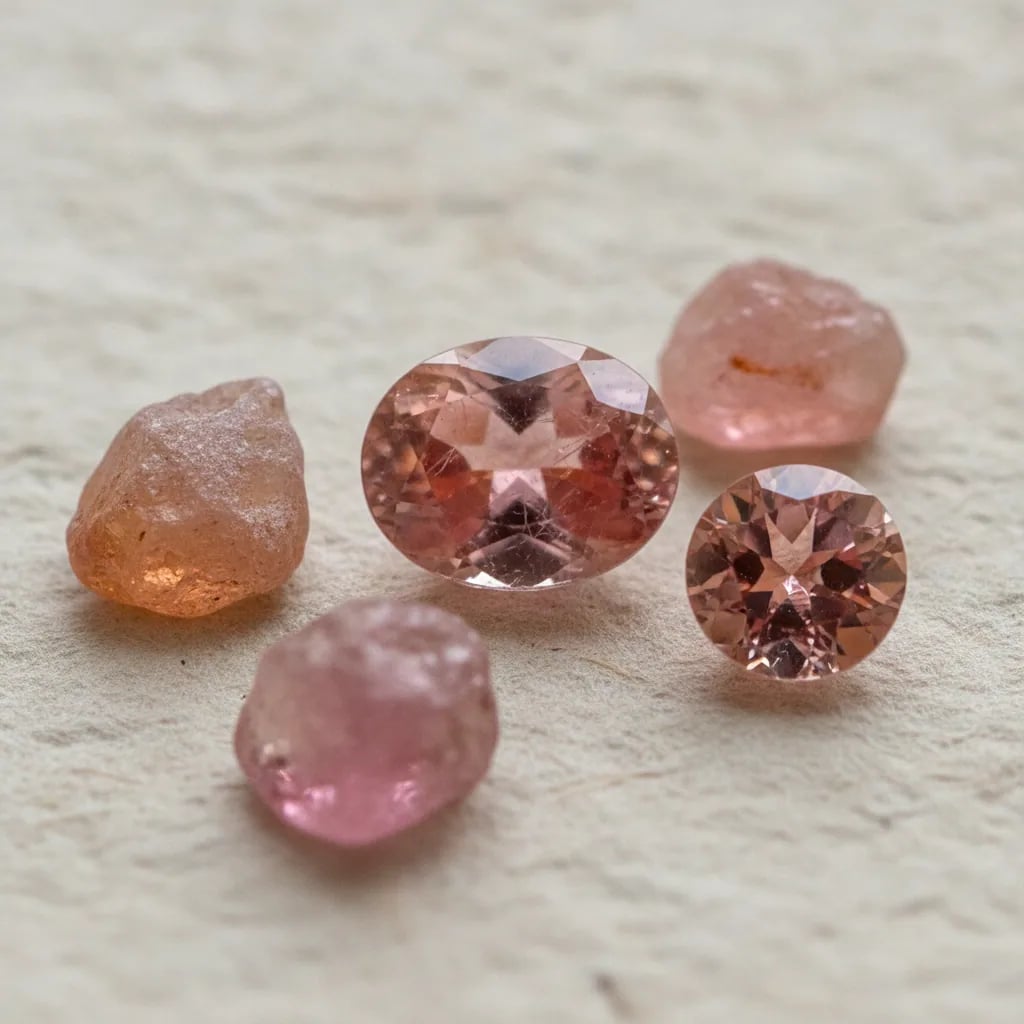
Sri Lanka, historically Ceylon, is the original source of padparadscha and the reason the name exists. Purists still argue that only a Ceylon stone deserves the word. That is the strict view. The broader, modern view (and GIA's) treats padparadscha as a color description that can come from any origin, with Madagascar and a few East African deposits also producing genuine pink-orange stones.
We work the Ceylon side, so here is our read. A certified, unheated Ceylon padparadscha carries the strongest story and usually the strongest price, because origin plus no-heat plus correct color is the rarest combination there is. Madagascar produces real padparadscha too, but more of it is heated, and a chunk of the "Madagascar padpa" reputation comes from those 2001 beryllium-treated stones, which is exactly why origin and treatment have to be read together, never apart. Origin alone proves nothing. Origin plus a clean treatment line on a report is what you are paying for.
If Ceylon origin is what draws you, we go deeper on why Sri Lankan sapphire reads differently in our Ceylon sapphire origin guide, and on what "unheated" really means in our unheated vs heated sapphire guide.
Lab-Grown Padparadscha: Real Stone, Different Thing
Lab-grown padparadscha sapphires exist, they are real corundum with real padparadscha color, and they are worth a fraction of natural ones. There is nothing wrong with a lab-grown stone as long as it is sold as one, at a lab-grown price.
The problem is never the lab-grown stone itself. It is a lab-grown stone, or a beryllium-diffused one, sold at a natural price. Tells of a synthetic include being too clean (no natural silk), too saturated, and too cheap for the color you are seeing. Curved color banding can show up under magnification on flame-fusion material. But the practical answer is the same as everywhere in this guide: a report from a recognized lab states natural or synthetic in plain language. Read it before you fall in love with the photo.
Padparadscha Sapphire Price Per Carat: What It Actually Costs
Yes, padparadscha sapphires are expensive, and per GIA they typically carry the highest per-carat value of all fancy sapphires. Expect roughly $1,000 to $5,500 per carat for a small heated stone and $20,000 to $30,000 or more per carat for a fine unheated one with a report. Padparadscha pricing is a world of its own, and the fine ones run well past blue sapphire of the same size. Price is driven by four things stacked together: color balance, whether it is unheated, size, and a clean report. Miss any one and the price drops fast.
These ranges are market-wide figures from late 2025 and early 2026 dealer sources, not Joalys prices, and they move with the market. Treat them as a map, not a quote.
| Tier | Typical profile | Approximate price per carat |
|---|---|---|
| Entry / heated, small | 1 ct, heated, color leaning one hue | ~$1,000 to $5,500 |
| Mid / heated, better color | 2 ct, heated, balanced pastel color | ~$5,000 to $8,500 |
| Fine / unheated, certified | 2 to 3 ct, unheated, even salmon hue, eye-clean | ~$10,000 to $20,000 |
| Top / unheated, fine, larger | 3 ct+, unheated, ideal lotus-sunset, certified | $20,000 to $30,000+ |
A few notes on this table. Heated stones are worth far less than unheated, which is the whole reason the report's treatment line matters so much. Size pushes price up sharply because clean padparadscha rough above a couple of carats is genuinely scarce. And a stone that is "padparadscha" on a report from a respected lab can be worth multiples of an identical-looking stone that only earned "fancy sapphire," same gem, different name, different price.
A Sourcer's Short Checklist Before You Buy
Before you commit to a padparadscha sapphire, run this checklist. It is the same one we run on a parcel before money changes hands.
- Report first. Current report from a recognized lab. No report, no purchase.
- Treatment line. Look for "no indications of heating," and specifically no beryllium. This is the line that protects you.
- Daylight color. Pink and orange in balance, pastel, judged in daylight, not under warm lamps.
- Eye-clean, with honest silk. Eye-clean is the target; a touch of natural silk reassures. Flawless is a flag.
- Price sanity. If the price is far below the ranges above for that color and size, ask why. Cheap padparadscha color usually means heated, diffused, irradiated, or synthetic.
- Ask who certified it. A name you can verify beats a vague "certified."
That is the entire job. Get the report right and the rest follows.
Frequently Asked Questions
The Bottom Line on Padparadscha Sapphire
A padparadscha sapphire is one of the few stones where the name itself is contested and the color can be faked, which is exactly why it rewards a careful buyer. Get the color balance right in daylight, understand the beryllium trap, weigh Ceylon origin against treatment honestly, and above all, let the lab report lead. Do that and you are buying a genuinely rare gem instead of a clever one.
We source padparadscha and other Ceylon sapphires directly in Sri Lanka, each certified by Bilal, a GIA-trained gemologist. If you want to see real, certified pink-orange stones rather than read about them, our padparadscha collection is what it is for.