
Pastel Blue Sapphire: Soft Color, Sapphire Toughness
2 stones in stock · $254 to $1,611 · $237–$543 per carat · 1.07–2.97 ct · 1 unheated
Pastel blue sapphire is the soft, airy blue people assume must be fragile. It is not. The pale color comes from less iron inside the crystal, not from a softer stone, so a pastel blue sapphire is still corundum at 9 on the Mohs scale, the same as the darkest royal blue. We source ours directly in Sri Lanka, and every stone ships with a report from an independent gem laboratory.
Why pastel does not mean weak
Let us clear up the biggest misconception first. A soft pastel blue and a deep royal blue are the exact same mineral. Per GIA, blue sapphire gets its color from trace iron and titanium, and only a few hundredths of a percent of those elements is enough to color the stone. The more iron the crystal holds, the darker the blue. So a pastel sapphire is simply a stone the earth made with less iron, the same charge-transfer mechanism turned down rather than off. Nothing about the hardness changes. You are choosing a lighter color, not a more delicate gem.
What gives a pastel blue its color
The blue in sapphire comes from an interaction between iron and titanium sitting in the corundum lattice, what gemologists call charge transfer. Lower the concentration of those trace elements and you get the soft, icy, slightly periwinkle blue that reads as pastel. Push the iron higher and the same stone would have grown dark and inky. We like the low end of that range for its clarity. Pastel sapphires often show beautiful transparency because the light is not fighting heavy color saturation, which gives them a clean, luminous glow that a dark stone cannot.
Hard enough for anything you wear
Sapphire sits at 9 on the Mohs scale with excellent toughness, one step below diamond and harder than almost everything else you could put on a finger. That is the quiet advantage of a pastel sapphire over softer pale-blue stones like aquamarine or topaz. You get the same delicate, understated color in a gem that shrugs off daily wear. For a discreet, low-key stone that still lasts a lifetime, corundum is hard to beat. We will not pretend a pastel stone is the rarest thing in our parcels, but it is one of the most wearable.
Reading our pastel blues
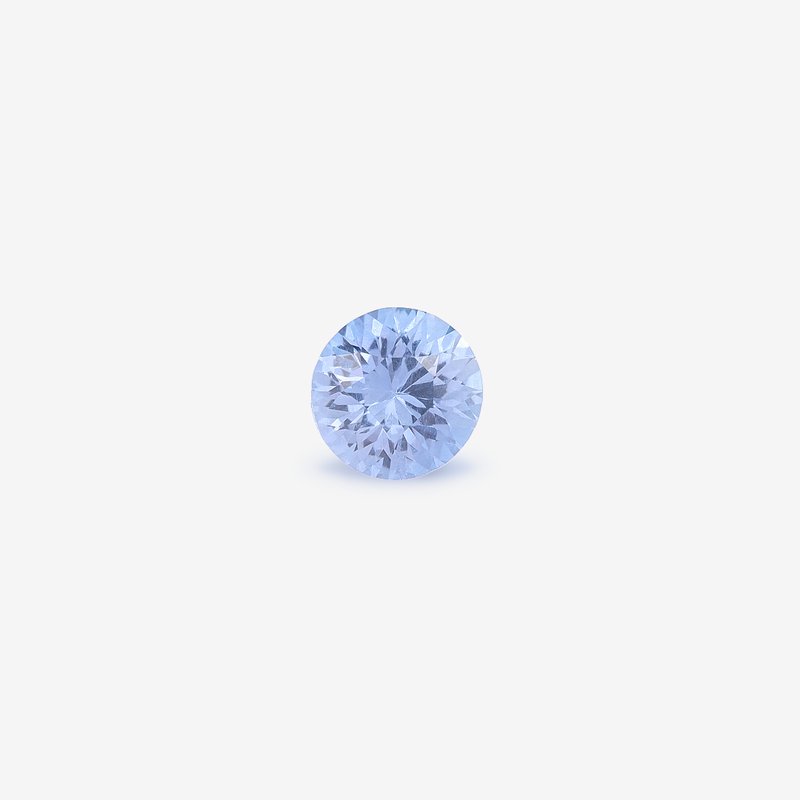
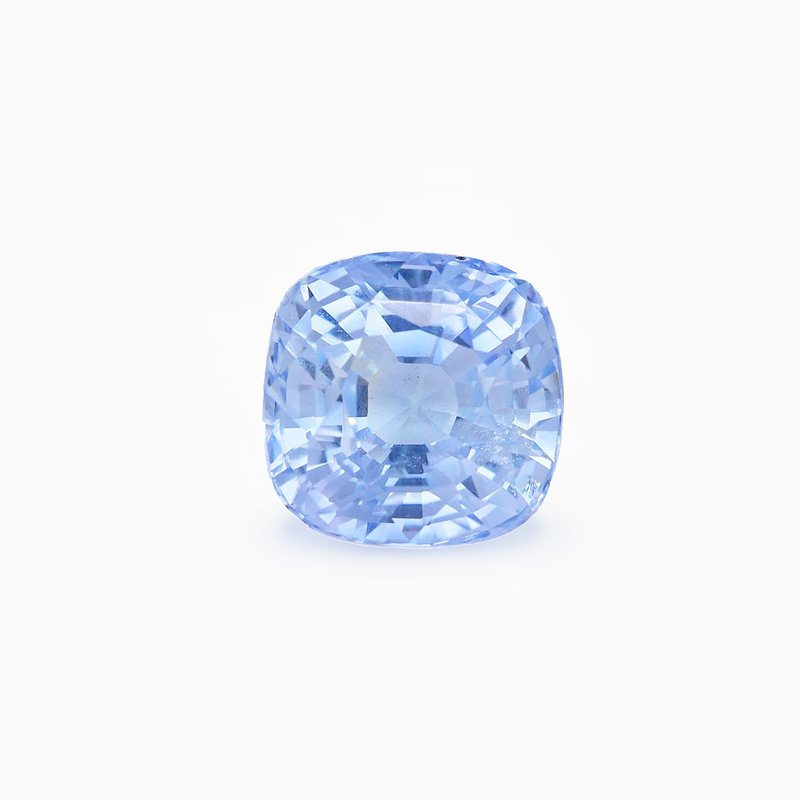
Pastel blue runs from the palest sky tint through soft periwinkle and into a gentle cornflower. We grade for even color with no grayish cast, since low-saturation stones are the ones most likely to drift muddy or washed out. The ones worth owning stay clearly, cleanly blue in the hand. Each stone below is a single, photographed piece that goes to an independent laboratory after your purchase, with the report stating exactly what, if anything, was done to it. No house grading you have to take on faith. Browse the loose pastel blue sapphires and pick the one that speaks to you.