Blue Sapphire Colors: Cornflower vs Royal Blue (Expert Guide)
Confused about blue sapphire colors? Learn the subtle differences between Cornflower and Royal Blue. Discover how tone, saturation, and light affect rarity and value. Read the expert guide.
Quick Facts: Cornflower vs. Royal Blue Sapphire
| Property | Details |
|---|---|
| Cornflower Blue Hue | Medium, soft blue (often with violet component) |
| Royal Blue Hue | Deep, rich, intense blue (pure blue to slightly violet) |
| Cornflower Blue Tone | Medium to Medium-Light |
| Royal Blue Tone | Medium-Dark to Dark |
| Cornflower Blue Saturation | Strong to Vivid |
| Royal Blue Saturation | Vivid |
| Key Visual Difference | Cornflower is velvety/soft; Royal is rich/intense |
| Value Comparison | Royal Blue generally commands a higher price premium |
Introduction
Princess Diana's 12-carat engagement ring put sapphires back on the map in 1981. Blue has been the most coveted shade ever since. But here's the thing: not all blues are equal. The gap between cornflower and royal blue can separate a beautiful stone from an extraordinary investment.
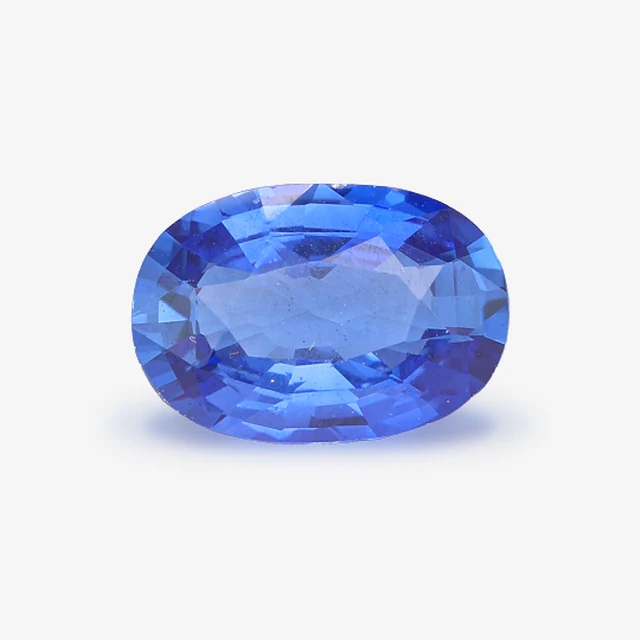
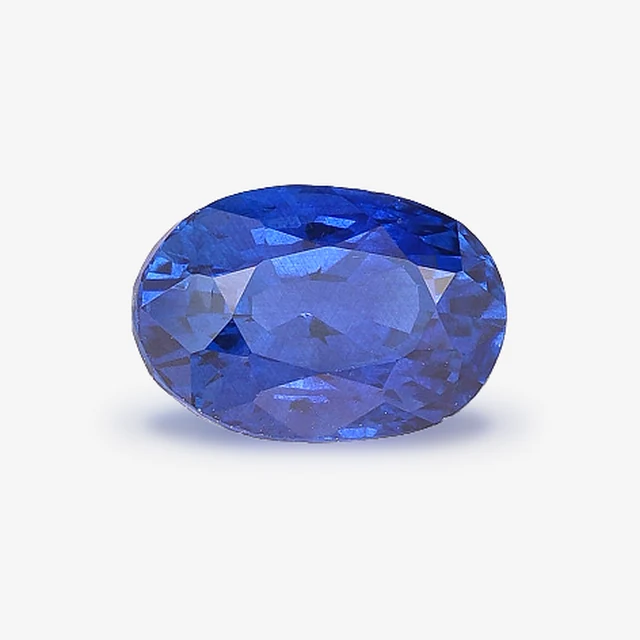
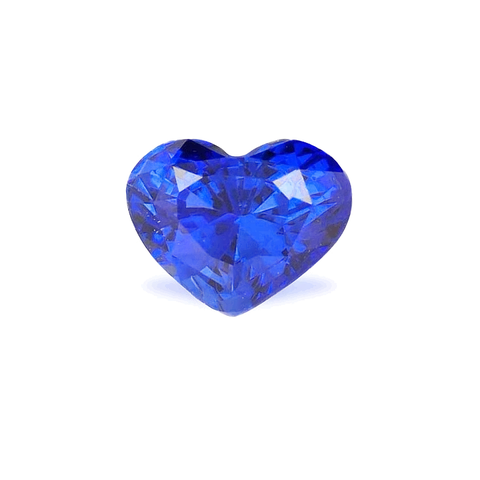
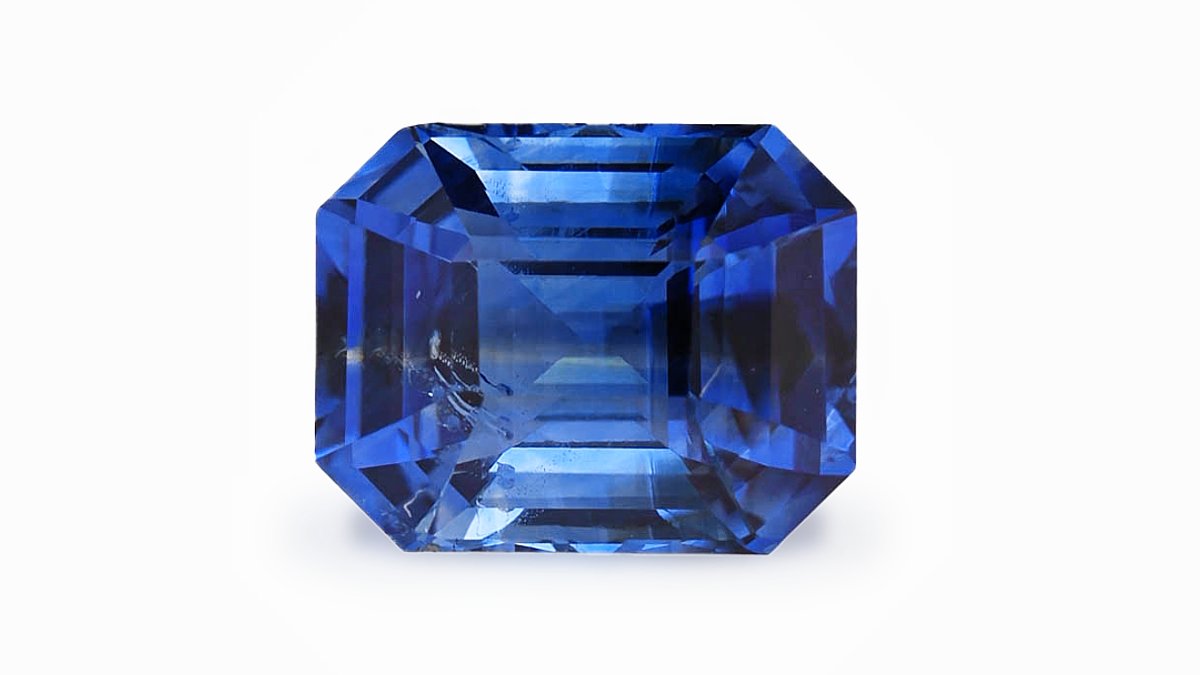
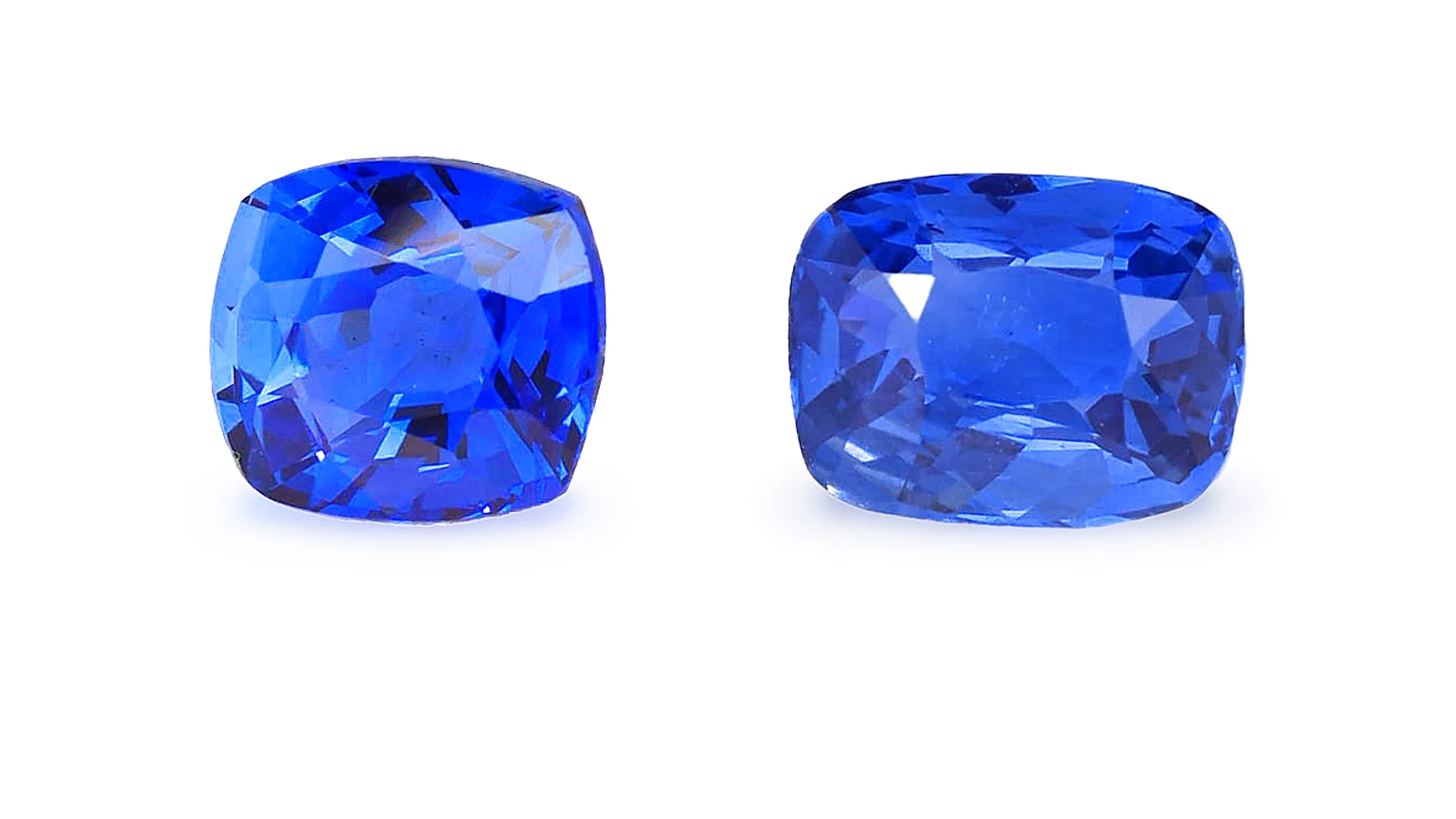
Cornflower blue sapphires sit in the medium-to-medium-light tone range with strong vivid saturation, creating that distinctive soft, velvety glow. Royal blue sapphires are deeper, medium-dark to dark, with vivid saturation that reads as powerful and classic.
We've sourced both from mines in Sri Lanka, Madagascar, and Tanzania. In our experience, the right choice isn't about which color is "better." It's about understanding what you're looking at when you hold a stone to the light. This guide gives you that framework.
The Science of Sapphire Color: Hue, Tone, and Saturation
"Cornflower Blue" and "Royal Blue" are evocative trade terms. But professional gemologists use a standardized three-dimensional system to analyze sapphire color objectively. This matters when you're spending serious money. Subjective descriptions like "pretty blue" won't protect your investment. The Gemological Institute of America (GIA) established the industry-standard framework: hue, tone, and saturation.
Decoding the GIA Color Grading System
Each component does a specific job:
- Hue: The basic color you perceive. Blue is the primary hue, but sapphires regularly carry secondary hues. Violet secondary is good. It adds richness. Green or gray secondary? Value killer. Watch for those on lab reports.
- Tone: How light or dark the stone reads, from very light to very dark. Too light means washed-out. Too dark means inky, almost black in low light. The sweet spot is where color stays alive in every lighting condition.
- Saturation: The intensity and purity of the color. Ranges from grayish or brownish (low) to vivid (high). Higher saturation almost always means higher value. The stones we love most at JOALYS? The ones where blue is so clean it seems to glow from inside. No gray, no brown masking it.
A solid gemstone evaluation relies on all three pillars. You can't skip one and make a smart decision.
Why Tone and Saturation Matter Most for These Colors
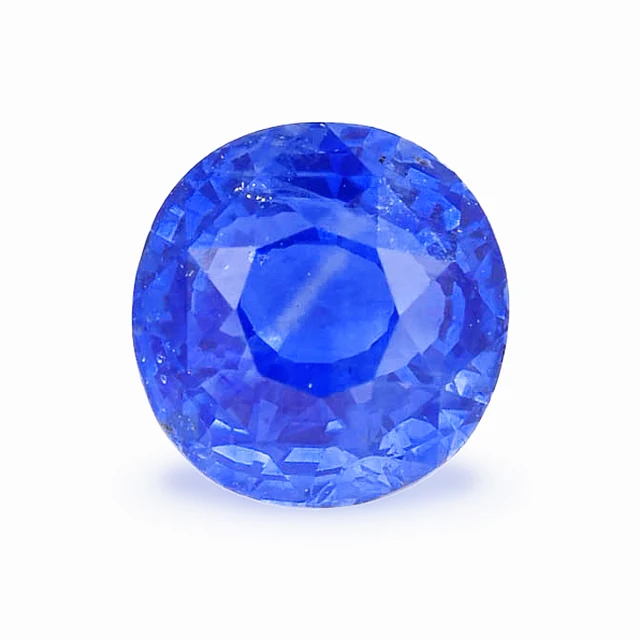
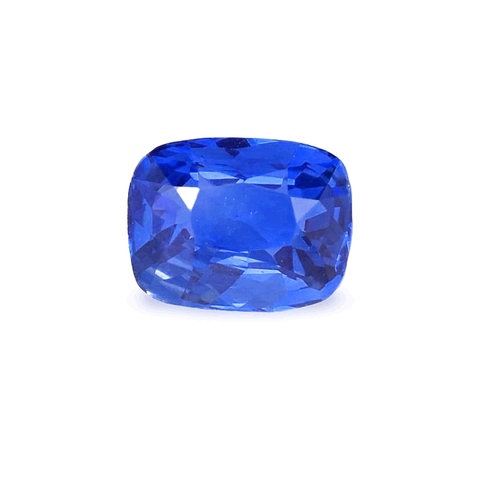
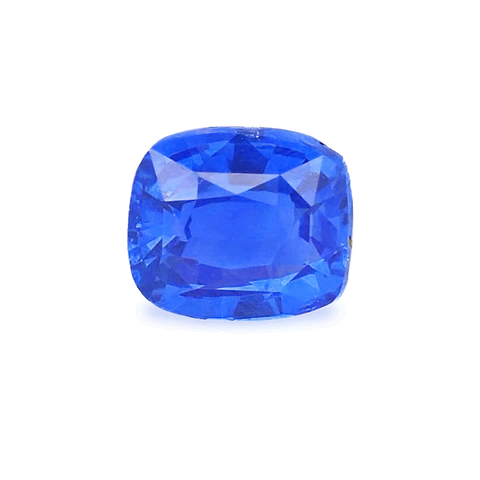
Cornflower blue and royal blue share the same hue family. Their distinction lives in tone and saturation. Cornflower blue sits at medium to medium-light tone with strong to vivid saturation. The result is that radiant, velvety appearance with excellent light return.
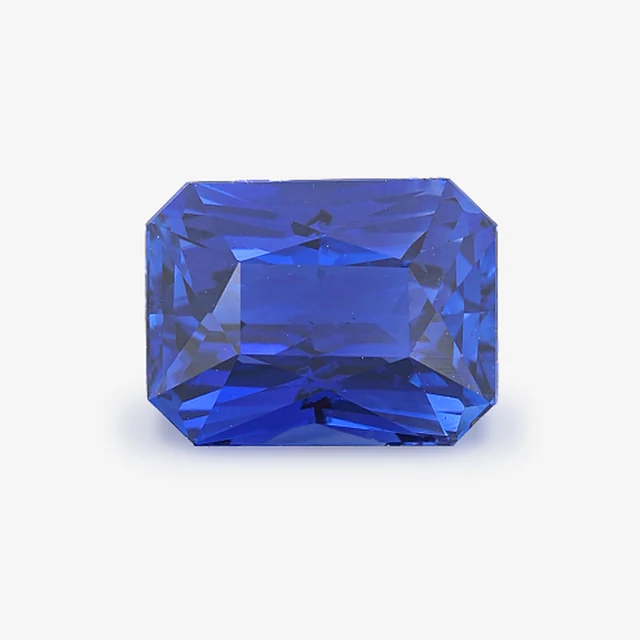
Royal blue pushes into medium-dark to dark territory with vivid saturation. The result is profound depth and intensity. The challenge? Threading the needle. Dark enough to be rich. Light enough to avoid that dead, inky look that tanks a stone's value.
What is a Cornflower Blue Sapphire?
Cornflower blue is a trade term for a specific, highly desirable color range in blue sapphires. Forget the deep, brooding intensity of royal blue. Cornflower sapphires have a soft, serene, almost luminous quality. They glow from within. That combination of historical prestige and unique visual character places them among the most sought-after sapphires in the luxury market.
Characteristics and Appearance: The "Velvety" Look
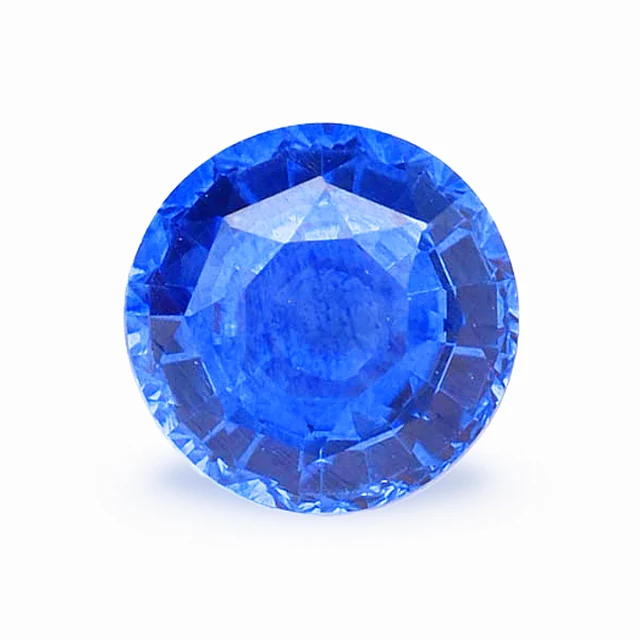
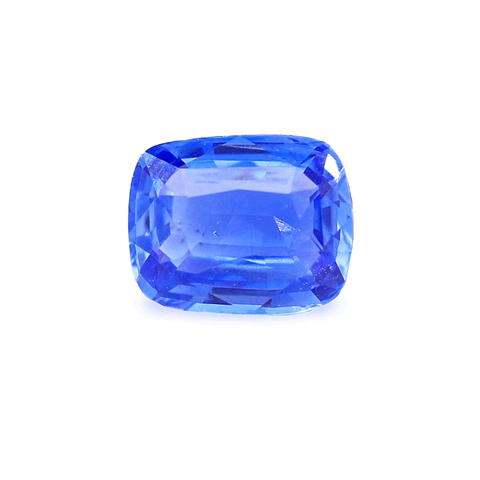
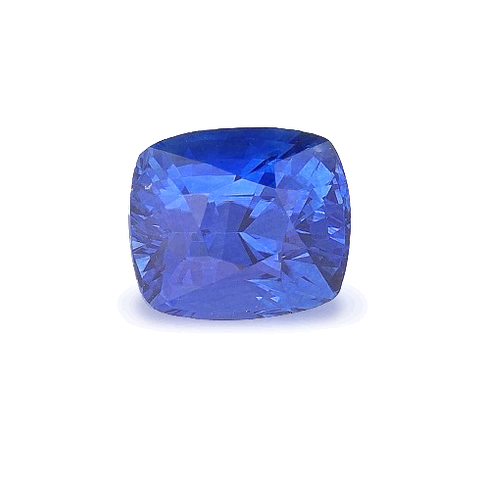
The defining trait is a specific balance of tone and saturation. Medium to medium-light tone, light enough to stay bright even in low light. Never drifting into murky darkness. The hue is a soft, bright blue, often with a subtle violet secondary component that adds depth without losing that open, airy quality.
Gemologists call the finest cornflower blues "velvety." It's not about texture. It's a visual effect. Microscopic needle-like rutile inclusions (called "silk") scatter light within the stone, softening it, creating a hazy glow. Dark extinction areas shrink. Color diffuses evenly. According to GIA research (2023), this silk-driven light scattering is what separates a good blue sapphire from a great cornflower specimen. It's the opposite of a diamond's sparkle, and many collectors prefer it for exactly that reason.
| Characteristic | Cornflower Blue Sapphire |
|---|---|
| Hue | Soft Blue to Violet-Blue |
| Tone | Medium to Medium-Light |
| Saturation | Strong to Vivid |
| Distinctive Visual | Velvety, glowing texture (due to silk) |
| Light Performance | Excellent light return, bright in all conditions |
Legendary Origins: The Kashmir Connection
Every sapphire buyer needs to know one name: Kashmir. In the late 19th century, stones were discovered in the Zanskar range of the Himalayas. They set the benchmark for cornflower blue that still stands today. The mines were active for only a few decades and are now essentially exhausted. Authentic Kashmir sapphires are exceptionally rare. At a Sotheby's Geneva auction in November 2024, a 35.09-carat Kashmir sapphire sold for $7.1 million.
Other origins produce stunning cornflower blues too. Sri Lanka (Ceylon) is our primary source at JOALYS. The island produces bright, vivid cornflower shades with excellent clarity. We've seen Sri Lankan stones that rival anything from other regions. Madagascar has emerged as a serious contender in the past decade. Some stones have us doing a double-take before checking the origin certificate.
When we say "Ceylon sapphire," we mean we sourced it directly in Sri Lanka, from mines in Ratnapura, Elahera, and the Gem Bureau in Colombo. No middlemen, no third-party traders. We also source from Madagascar and Tanzania when exceptional stones are available. Every JOALYS sapphire is cut in Sri Lanka by our trusted lapidaries, then certified by independent labs before it ever reaches you. That's how we guarantee what you read on a certificate matches what you hold in your hand.
What is a Royal Blue Sapphire?
Royal blue is the deep end of the pool. It's the color most people picture when they think of a sapphire. Profound, authoritative, unmistakable. Where cornflower blue whispers, royal blue commands. For centuries, it's been the color associated with crowns, thrones, and generational wealth. If you want a stone that reads as a statement the moment someone sees it, this is your color.
Characteristics and Appearance: Rich and Intense
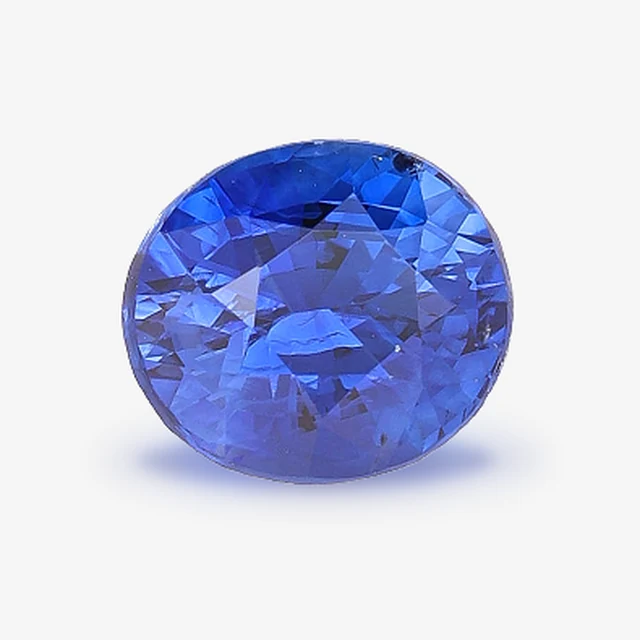
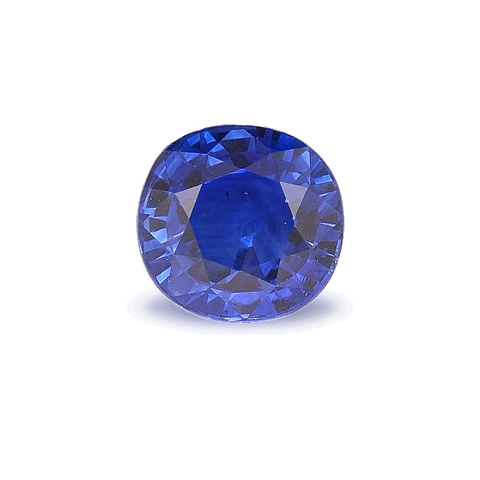
The defining attribute of a royal blue sapphire is vivid saturation combined with medium-dark to dark tone. That combination produces a deep, full-bodied blue that stays vibrant without tipping into dead, opaque territory. The hue is typically a pure primary blue. The finest examples carry a subtle violet secondary component that deepens the perception of richness without muddying the blue.
Where cornflower blues show their best side through that velvety, silk-scattered glow, royal blues lean toward clarity and brilliance. High-quality specimens allow light to interact dynamically with the intense color. The result is a classic, powerful sparkle. There's a reason this has been the go-to choice for centerpiece stones in significant jewelry for generations.
Historical Significance and the Royal Connection
The name isn't marketing. It reflects a real, centuries-long association between deep blue sapphires and royalty. Historically, these stones symbolized nobility, truth, sincerity, and faithfulness. In the modern era, the name became even more loaded when Princess Diana chose that 12-carat oval sapphire in 1981. Today worn by Catherine, Princess of Wales, the ring set a cultural benchmark: royal blue equals legacy.
Burma (Myanmar) has historically been the most celebrated source for royal blue sapphires. Burmese stones are benchmarks for what the color should look like. Exceptional saturation, that distinctive rich hue. Production there has declined, but the standards haven't. Today, Sri Lanka and Madagascar both produce beautiful royal blues that can rival the classic Burmese color when the stone is exceptional. We've personally seen Sri Lankan royal blues that stopped the conversation at a Colombo gem auction in early 2026.
When Royal Blue is Too Dark: The Danger of "Inking"
Let's be honest about something the sales brochures don't always mention: royal blue can go wrong. When tone gets too dark, the stone absorbs too much light and goes "inky." It looks black, or nearly black, especially in dim lighting. A restaurant dinner, a candlelit evening, and suddenly your deep blue sapphire has disappeared into a dark void.
An inky sapphire has lost its brilliance and life. The blue is gone. Professional gemologists draw a careful line between a desirable deep royal blue and an undesirable inky blue. The most valuable royal blues maintain enough transparency and light return to showcase their intense color even in medium-dark territory. When you're buying, always evaluate the stone in low light, not just under the dealer's bright spotlights. If it goes dark, that's a red flag.
Cornflower vs. Royal Blue: A Head-to-Head Comparison
Both colors sit at the top of the sapphire market. Both are exceptional. But they're not interchangeable. They offer genuinely different visual experiences, different emotional impacts, and slightly different investment profiles. Here's the honest side-by-side.
Side-by-Side: Visual and Qualitative Differences
The real distinction lives in their tone-saturation interplay. Cornflower blue is serene, open, radiant. Its medium to medium-light tone keeps the stone bright in any light. That characteristic velvety texture, caused by fine silk inclusions, diffuses color softly. It creates an ethereal glow. It's the stone people reach out to touch because they swear it feels soft.
Royal blue is intensity. Medium-dark to dark tone, vivid saturation, a depth that reads as powerful and classic. High-quality royal blues prioritize clarity and brilliant sparkle over velvety softness. If cornflower blue is a watercolor, royal blue is an oil painting.
| Feature | Cornflower Blue Sapphire | Royal Blue Sapphire |
|---|---|---|
| Hue | Violet-Blue to Pure Blue | Pure Blue to Slightly Violet-Blue |
| Tone | Medium to Medium-Light | Medium-Dark to Dark |
| Saturation | Strong to Vivid | Vivid |
| Texture | Often Velvety (due to silk) | Brilliant, Intense |
| Feeling | Serene, Romantic, Ethereal | Classic, Powerful, Dramatic |
How Does Lighting Affect Blue Sapphire Color?
A sapphire isn't static. It performs differently depending on where you are. Professional gemologists evaluate under standardized daylight equivalents, but you're going to wear this stone in restaurants, offices, and evening events. That's what matters.
Cornflower blue handles every environment well. Lighter tone keeps it bright and vivid even in low light. Incandescent warmth can slightly enhance the violet secondary component, making the stone feel richer. It's a forgiving color. Looks good everywhere.
Royal blue needs more attention here. In strong daylight, the intense color is magnificent. Nothing quite like it. But in dim environments, a stone with very dark tone can shift toward inky-black, losing its blue identity entirely. Incandescent light can push it darker still. This doesn't mean avoid royal blue. It means when you're buying, test it in low light specifically. The right royal blue stays vivid. The wrong one disappears.
Video: Understanding Blue Sapphire Colors (The Natural Sapphire Company)
How Much Do Cornflower and Royal Blue Sapphires Cost?
Pricing fine sapphires is never simple. Color, clarity, carat weight, origin, and treatment status all factor in simultaneously. But between cornflower and royal blue, assuming identical quality across other factors, royal blue generally commands a higher price per carat. The intense, vivid saturation has historically positioned it as the "ideal" sapphire color in major markets.
Price Per Carat and Market Trends
Royal blue's premium is driven by consistent demand for high-value sapphire engagement rings and significant jewelry pieces. Collectors know what they want. Deep blue has been the benchmark for generations. According to GemGuide's Q1 2026 data, fine unheated royal blue sapphires (3-5 ct) trade between $8,000 and $25,000 per carat, depending on origin and clarity.
The cornflower blue market is strong and growing. Buyers who want something that stands out, with a softer, more distinctive visual character, are driving prices up. Top-tier examples of both colors are genuinely rare and reach extraordinary prices at auction.
The Kashmir Exception
Here's where the "royal blue costs more" rule breaks down completely: Kashmir. A true, top-quality Kashmir cornflower blue sapphire from the now-depleted Zanskar mines is in its own pricing universe. The rarity of the origin, the incomparable velvety texture, the specific medium tone. These factors combine into an investment category that almost nothing rivals.
We've watched Kashmir sapphires at the Colombo gem auctions sell for prices that make comparable royal blues look affordable. At Sotheby's and Christie's in 2024-2025, Kashmir sapphires averaged $50,000-$200,000 per carat for stones above 5 carats. If you ever have the chance to own a certified Kashmir stone, the color premium debate becomes irrelevant.
How Does Heat Treatment Affect Sapphire Value?
This is the single most important value factor, more than the color designation itself. Nearly all sapphires on the market have been heat-treated to enhance color and clarity. It's standard practice, accepted by labs and the trade. But unheated sapphires that naturally exhibit vivid cornflower or royal blue colors are exponentially rarer. They command dramatic premiums.
At JOALYS, we always specify treatment status clearly. Unheated stones get their own certification and pricing tier. For anyone buying seriously, understanding the gap between heated vs. unheated sapphires is non-negotiable. A GIA or Gubelin report stating "no indications of heating" can double or triple the value. Compared to treated equivalents, the premium is dramatic.
Buying Guide: How to Choose the Right Blue for You
At some point, the gemology stops and the choice begins. Both cornflower blue and royal blue are investment-grade. Both are beautiful. The question is which one speaks to you, and whether you're buying for the stone itself, the jewelry it will become, or a long-term investment.
Personal Style and Psychology
The emotional response to each color is surprisingly consistent across buyers:
- Cornflower Blue: Serene, romantic, ethereal. Vintage-inspired designs love it. People who collect art often gravitate toward cornflower blue because of that velvety, painterly quality. If your style leans delicate, considered, slightly alternative to the classic, this is your stone.
- Royal Blue: Classic elegance, authority, drama. The quintessential sapphire for those who want a statement piece. We personally recommend royal blue for engagement ring centerpieces when the wearer wants a color that announces itself in any room.
We always recommend viewing both in person if possible. The physiological response to color is real. The right stone will show itself immediately.
Which Skin Tone Looks Best With Blue Sapphires?
The stone doesn't exist in isolation. It lives against skin and metal. These combinations matter:
- Cool skin tones (blue or pink undertones): Both colors complement naturally. Royal blue offers striking contrast. Cornflower blue creates a harmonious, softer match.
- Warm skin tones (yellow or golden undertones): Royal blue typically provides more flattering contrast. Cornflower blue works beautifully in yellow gold settings, which bridges the color temperature gap.
| Metal Type | Royal Blue Recommendation | Cornflower Blue Recommendation |
|---|---|---|
| Platinum / White Gold | Classic, crisp, sophisticated. Maximum contrast. | Bright, modern, clean. Enhances brilliance. |
| Yellow Gold | Traditional, rich contrast. Great for warm skin tones. | Slightly vintage feel. Warmth complements the soft blue. |
| Rose Gold | Unexpected but dramatic, very contemporary. | Exceptional for a romantic, soft aesthetic. Plays beautifully with violet undertones. |
Why Certification Matters for Blue Sapphires
For any significant purchase, let's say anything above a few thousand dollars, an independent laboratory report isn't optional. The most respected names are GIA, SSEF (Swiss Gemmological Institute), and Gubelin Gem Lab. A good report tells you three things:
- Color Identification: The report should explicitly state the color grade and confirm the "Cornflower Blue" or "Royal Blue" designation if the stone qualifies.
- Treatment Status: Heated or unheated. This single factor has a massive impact on value. Demand it clearly stated.
- Origin: Kashmir, Burma, Ceylon. Stated origin from a reputable lab adds substantial value and historical context.
At JOALYS, every stone we offer comes with its certificate. No exceptions. Transparency isn't a selling point for us, it's the baseline.
JOALYS
Everything Begins with the Stone
The sapphire you choose says everything before a single word is spoken.
Choose your sapphire loose, or let us set it into a piece crafted entirely for you.
Frequently Asked Questions
Conclusion
Understanding the distinct profiles of Cornflower and Royal Blue sapphires empowers buyers to make an informed choice based on preference for velvety softness or intense saturation. While both varieties represent the pinnacle of sapphire quality, subtle differences in tone and light performance significantly influence their unique visual appeal and market value. Selecting a stone is ultimately a subjective decision guided by an appreciation for these exceptional characteristics.
The journey to acquiring a high-quality example of these coveted blue sapphire colors begins with selecting a certified gemstone from a reputable source. Certified sapphires allow for careful inspection before deciding on a custom setting. For personalized guidance in navigating these nuances, expert gemologists can assist in crafting a piece of jewelry.