Pink Sapphire Buying Guide: Color, Value, and What to Look For
A sourcer's honest take on chrome, the ruby boundary, heat treatment, and why Ceylon pink reads differently in the parcel.
What makes a pink sapphire worth buying?
A pink sapphire is corundum colored by chromium, the same element that makes a ruby red. Value tracks four things: color (vivid, slightly purplish pink reads as the sweetest spot), whether it is heated or unheated, clarity, and carat. Unheated stones with a clean lab report sit at the top of the market. Most stones on the counter are heated, and that is normal. Sri Lanka and Madagascar supply most of the pink you will see.
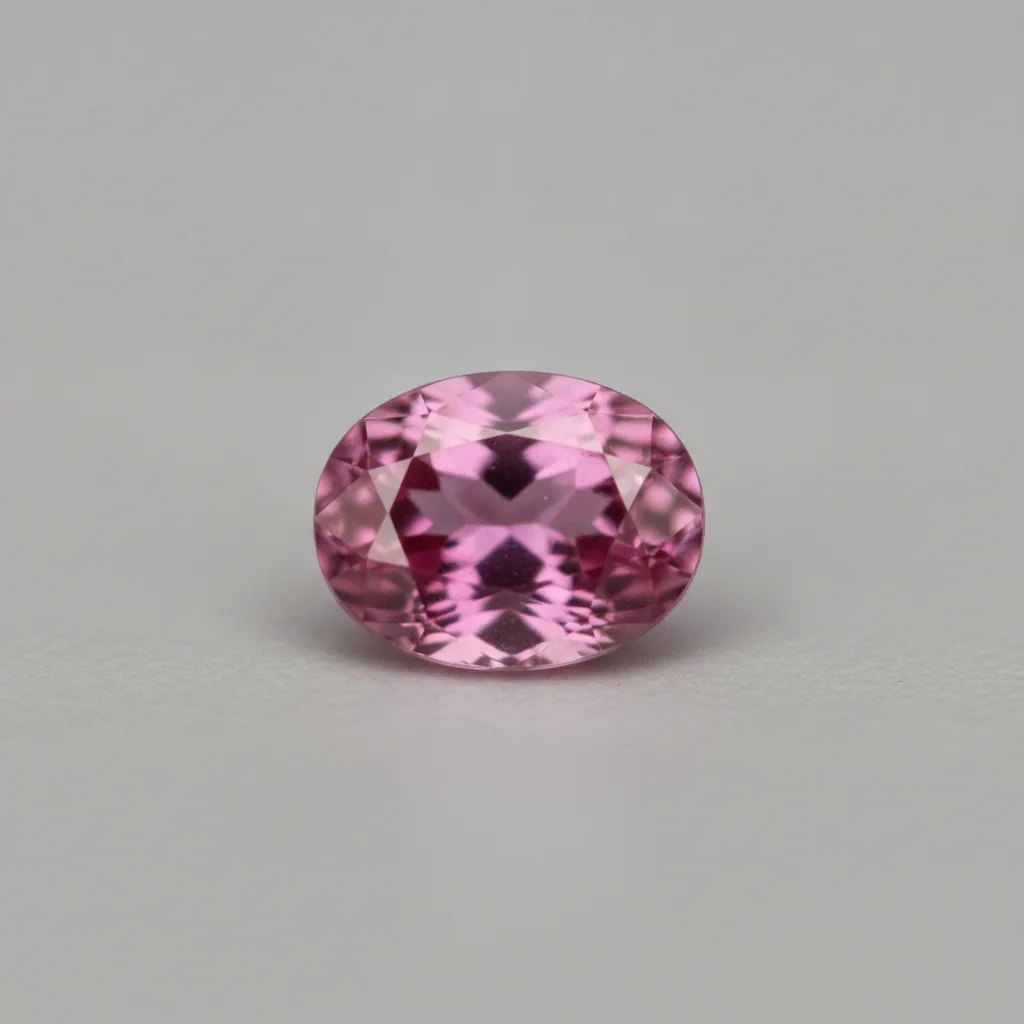
What Is a Pink Sapphire? (And Why It's Chrome, Not Iron)
A pink sapphire is corundum, the same mineral as a blue sapphire and a ruby. What separates them is one trace element. Pink comes from chromium. Get more chromium into the crystal and the color deepens toward red, which is where the ruby argument starts.
Here is a correction worth making early, because half the buying guides online get it wrong. You will read that pink sapphire owes its color to "iron and titanium." That pairing makes a stone blue, not pink. Pink and red in corundum are a chromium story, full stop. Per GIA, the chromium that causes the red of rubies is the same trace element that causes the color of pink sapphire. Same element, different dose.
That single fact explains almost everything about how the stone is priced and graded. It explains why a pink sapphire and a ruby can come out of the same pit in Mogok. It explains why the line between "pink sapphire" and "ruby" is fought over by dealers. And it explains why, when you hold a parcel of pink rough at the table, you are really looking at a chromium gradient, not a separate species.
On the Mohs scale, pink sapphire sits at 9, same as every other corundum. That is the hardness right below diamond. It takes daily wear without flinching, which is the real reason it works in a ring you actually use. If you want the wider family first, our sapphire hardness and toughness guide explains what that 9 does, and does not, protect the stone from.
Pink sapphire is corundum colored by chromium, the same element that makes a ruby red. It is not iron and titanium, that pairing makes blue.
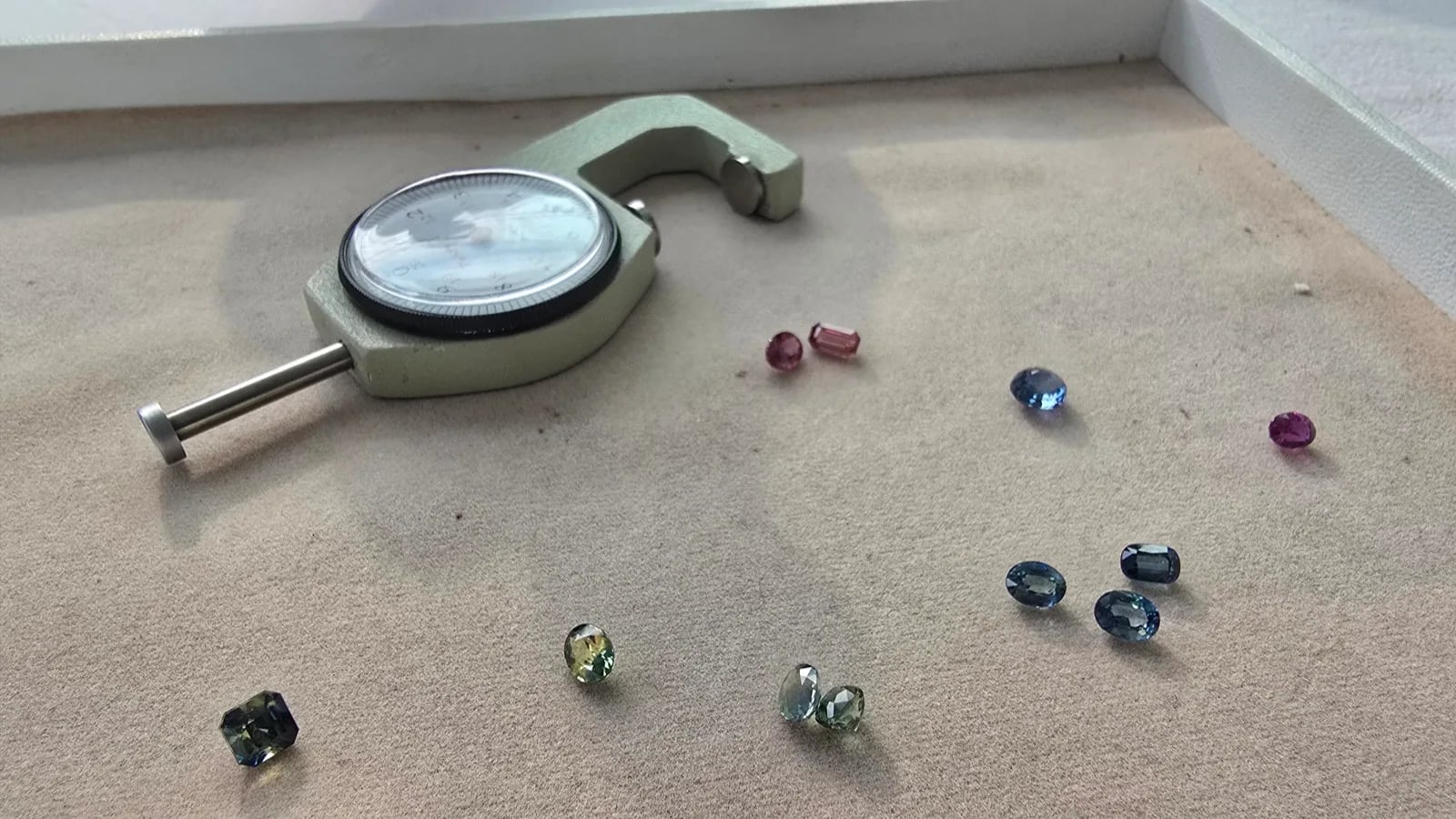
How Color Drives Value: Vivid, Pastel, and the Sweet Spot
Color is where most of the money lives. The four Cs all matter, but with pink sapphire, color does about 70% of the work on price.
The market sorts pink into a rough ladder:
- Vivid, medium-toned pink (sometimes called "hot pink" or "bubblegum") sits at the top. Strong saturation, not so dark it goes plummy, not so light it goes pale. This is the band that competes with pink diamond on look at a fraction of the cost.
- Slightly purplish pink is, in our experience at the table, the most quietly underrated. A whisper of purple often reads as richer and more expensive than it costs. We personally prefer it for that reason.
- Pastel pink is soft, romantic, and affordable. Nothing wrong with it. You are paying far less per carat, and a clean pastel in a larger size can look like a lot of stone for the money.
The pink ladder, at a glance
The trap is windowing and tone. A stone cut too shallow shows a pale "window" through the middle where light leaks out instead of bouncing back. A stone cut too deep goes dark and sleepy. Saturation should look alive under normal room light, not just under the bright lamp the seller is holding it under. Always tilt it away from the spotlight before you decide.
Where Does Pink Sapphire End and Ruby Begin?
This is the question every buyer asks and almost no guide answers cleanly, so here is the straight version.
There is no hard physical line. It is a judgment call about dominant hue. GIA grades corundum against master comparison stones, and the rule is simple to say and hard to apply: red must be the dominant color before a stone can be called a ruby. If the dominant color is clearly pink, it is a pink sapphire. If red wins, even a lighter red, it is a ruby.
One mineral, one element, a moving line
pink dominatesThe contested zone
labs can disagreeRuby
red dominates
More chromium pushes a stone to the right. The name changes; the mineral never does.
The catch is that human color perception shifts with light. The same stone can read ruby-red under a warm lamp and pink in daylight. That is not a flaw in your eyes. It is the reason two reputable labs occasionally disagree on a borderline stone, and the reason the same parcel gets sold as "ruby" in Bangkok and "pink sapphire" in Geneva.
For a buyer, the practical takeaway is this: do not pay a ruby price for a stone that a lab calls pink sapphire, and do not assume a "pink sapphire" labeled stone can't be a near-ruby beauty that punches above its category. We dig into the full comparison in our ruby identification and grading guide, but for here, just remember: it is one mineral, one coloring element, and a moving line.
Heated vs Unheated: What Treatment Does to a Pink Sapphire
Let's be honest about treatment, because the marketing around it is murky.
Most pink sapphire on the market is heated. Heating improves color and clarity, the results are stable and permanent, and the trade has accepted the practice for decades. Heat is the most common sapphire treatment by a wide margin and it is openly supported in the colored stone market. A heated pink sapphire is a real, natural sapphire. It is not a fake. Do not let anyone shame you into thinking otherwise.
What heating does change is the price ladder. Widespread treatment created a multi-tiered market. Per GIA, lattice-diffusion-treated stones sit at the bottom, conventionally heated stones sit in the middle, and untreated premium-quality stones, a tiny fraction of supply, occupy the top. For fine stones, the per-carat price of an unheated example can run considerably higher because of scarcity.
There is one treatment to actually watch on pink: lattice diffusion, sometimes done with beryllium, which can drive color through the whole stone rather than leaving it as a surface skin. A reputable lab report flags it. This matters more on orange and padparadscha-leaning stones, but it shows up on pink too.
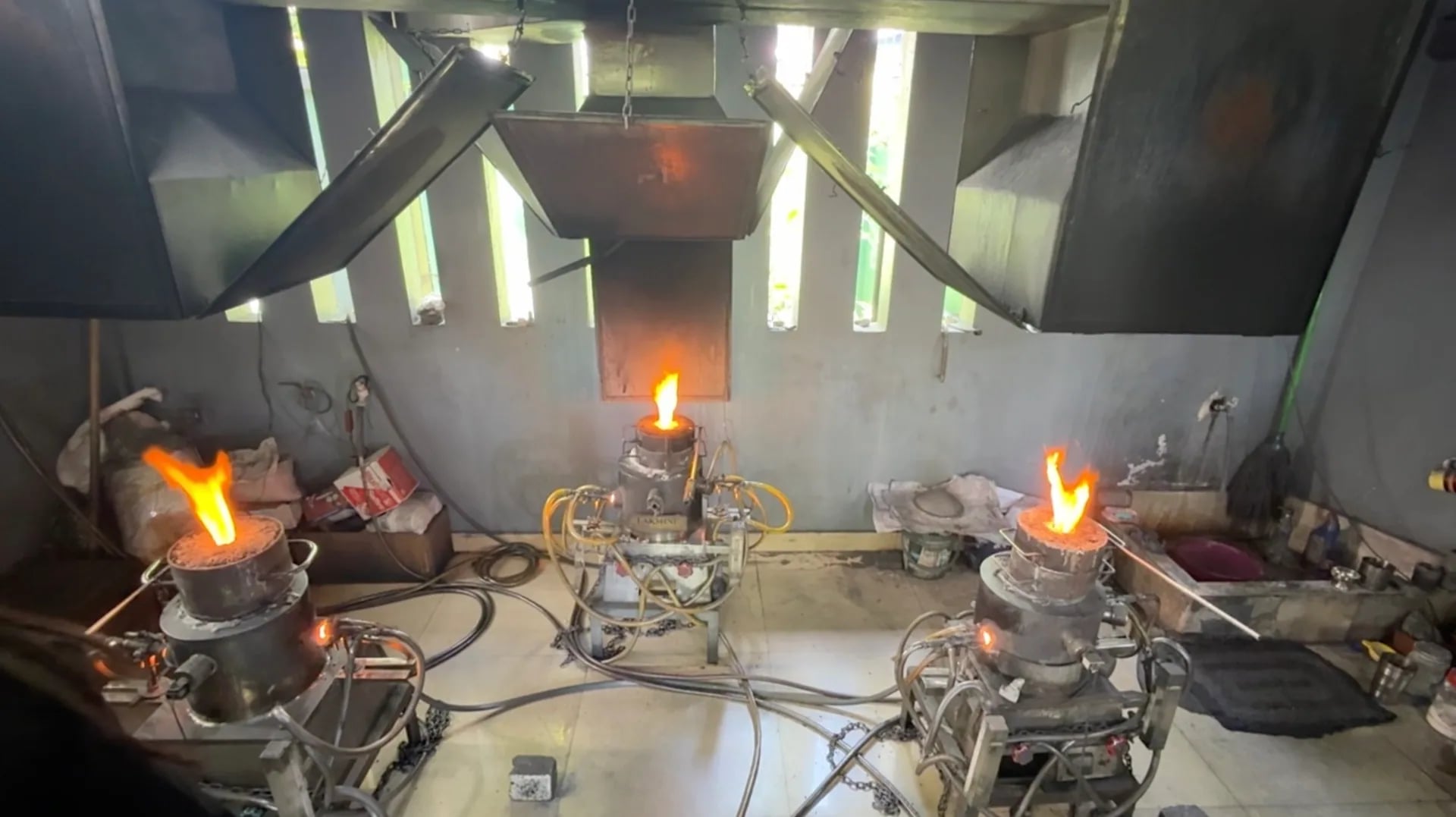
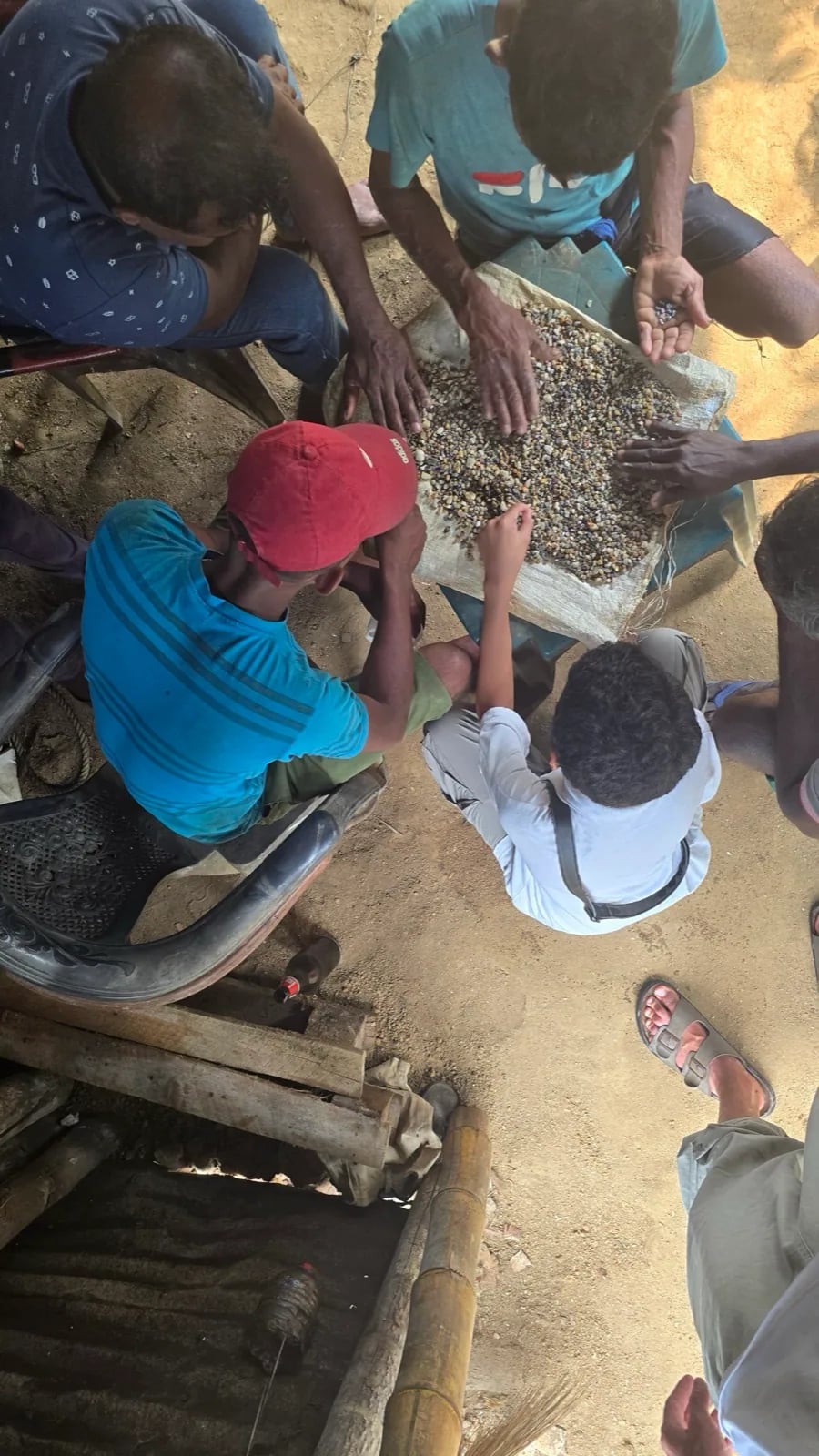
I spent two years sourcing in Sri Lanka, and the furnaces in the photo above are not stock imagery, that is the real process on the island. Seeing it up close is what convinced me that "heated" is not a dirty word, it is a craft with tiers. If you want a stone that has only ever been cut and polished, you buy unheated with a lab report and you pay for the rarity. If you want beautiful color at a sane price, heated is the honest middle of the market. Either is fine, as long as the seller tells you which one you are holding. We unpack the verification side in our guide to what "unheated" really means and how to verify it.
Where Pink Sapphire Comes From (and Why Ceylon Reads Differently)
Three names cover most of what you will see: Sri Lanka, Madagascar, and Myanmar (Mogok). Vietnam and parts of East Africa add to the supply.
Madagascar is the reason pink sapphire got affordable. The deposits found there in the 1990s flooded a market that had been genuinely rare before, and a lot of the friendly-priced pink in chain-store cases today traces back to that supply. That is not a knock. Wider supply is why a regular buyer can own a good pink sapphire at all.
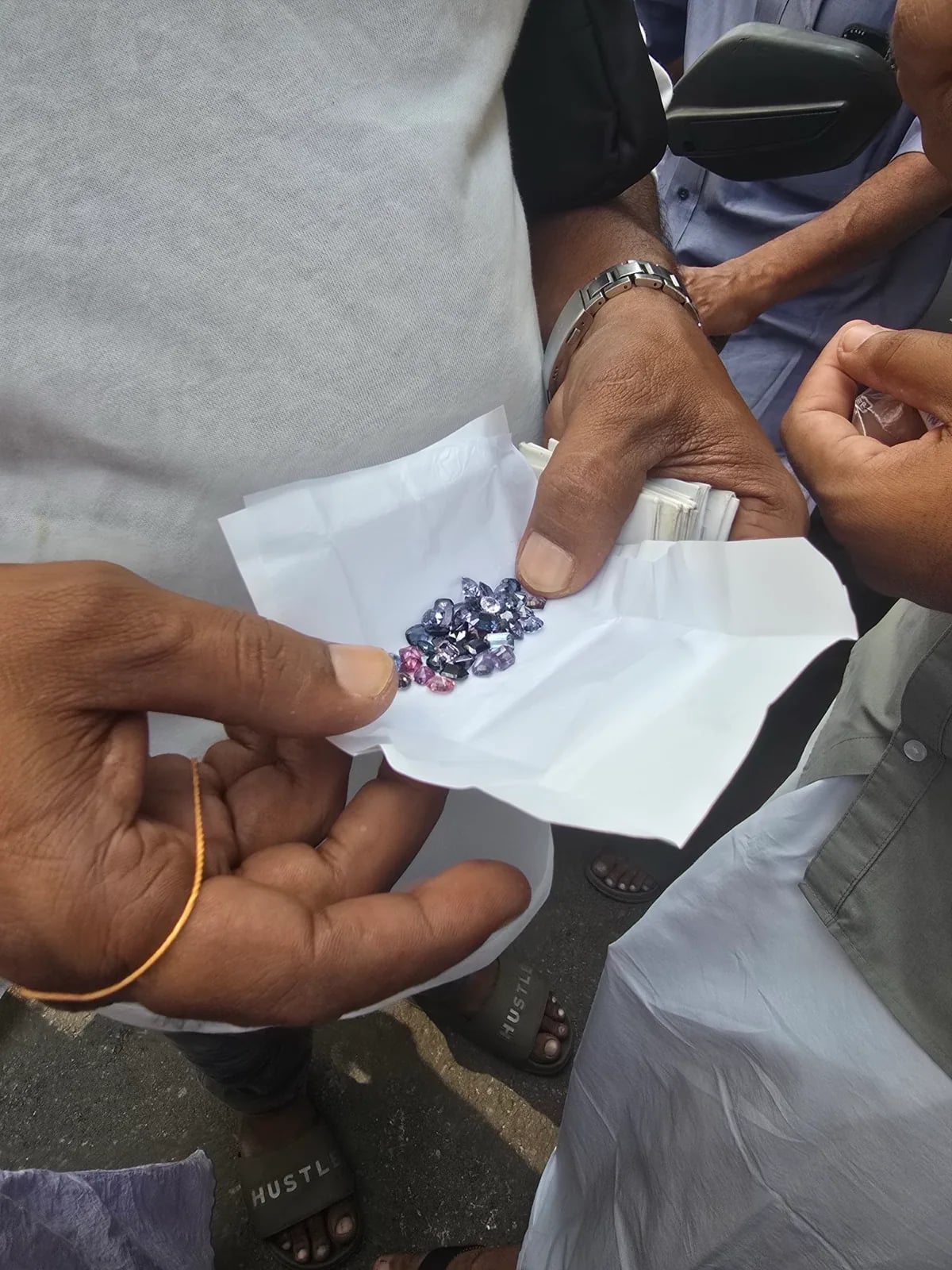
Here is where I will plant a flag, because this is the part the big guides skip. Most of them say "origin doesn't affect price" and move on. That is half true for commercial goods and wrong at the fine end. When you pull pink parcels at the table in Ratnapura, Ceylon pink tends to carry a particular clarity and a slightly cooler, cleaner read in the pastel-to-vivid range, and the unheated Ceylon material is what the top of the market actually fights over. Sri Lanka is the historic source for the rarest corundum colors, padparadscha included, and that pedigree is real, not romance.
So treat origin like this: for an everyday stone, color and treatment matter more than the country on the report. For a fine, unheated stone, a credible Ceylon (or "Sri Lanka") origin call on a lab report does move the number, and it should. We go deeper in our Ceylon sapphire origin guide, and if you are weighing pink against another trending color, our teal sapphire guide walks the same value logic for the blue-green end of the family.
Lab-Grown Pink Sapphire: Real, Just Not Natural
Lab-grown (synthetic) pink sapphire is the same mineral, same chromium, same hardness as a natural stone. It is grown in a furnace instead of the earth. It is a legitimate product when sold honestly and labeled. The problem is when it is not labeled, and a flame-fusion synthetic gets passed off at natural prices.
The tells are real but require a trained eye. Per GIA, synthetics often show curved color banding and curved growth lines, where natural corundum shows angular, straight growth zoning. Flame-fusion stones can also show tiny gas bubbles. None of that is visible to the naked eye across a counter, which is exactly why this is the one place I will not soften the message: at a fine price point, buy with a report from an established lab, or buy from someone who will let that report travel with the stone.
A lab-grown pink can be a perfectly good honest purchase. Just know what you are paying for, and never pay a natural premium for one.
Pink Sapphire Price Per Carat: What You Actually Pay
Price is where most guides go vague or quote a single useless range, so here is a more useful map. Treat these as ballpark bands for natural stones, because every stone is its own negotiation.
| Quality tier | Rough per-carat band | What it looks like |
|---|---|---|
| Commercial pastel, heated | ~$40 to $300/ct | Soft pink, eye-clean enough, smaller sizes |
| Good vivid pink, heated | ~$300 to $1,200/ct | Strong color, clean, the bread-and-butter of nice pink |
| Fine vivid, heated, larger | ~$1,200 to $3,000+/ct | Saturated, well-cut, jumps hard with size |
| Unheated, fine, with report | ~$600 to $5,000+/ct | Rarity premium; top Ceylon and Madagascar vivid stones can exceed this |
A few caveats. Vivid color and size compound, so a 2-carat vivid is worth far more than twice a 1-carat. The unheated premium for fine material commonly runs 2 to 3 times the heated equivalent, which is why the lab report matters so much at the top. And padparadscha-leaning pink-orange stones live in their own pricing universe, often far higher, which is a separate conversation we cover in our padparadscha sapphire guide.
JOALYS
Everything Begins with the Stone
Two sapphires can share the same grade and nothing else. Yours is chosen in hand.
Keep the sapphire loose, or commission a piece made around it — made to order, never off the shelf.
How to Buy a Pink Sapphire: A Sourcer's Short Checklist
Here's the thing after thousands of stones across a dealer's table: the buyers who do well are the ones who slow down on five points.
- Judge color away from the spotlight. Tilt the stone under normal light. If it only sings under the seller's lamp, the color is borrowing energy it won't have on your hand.
- Ask "heated or unheated" directly, and expect a straight answer. A seller who dodges is telling you something.
- At a fine price, demand a lab report from an established laboratory. It confirms natural versus lab-grown and flags treatment. This is non-negotiable above a few hundred dollars per carat.
- Check the cut for windowing. A pale washed-out center means light is leaking. A good cut returns color across the whole face.
- Match the stone to the wear. Pink sapphire's 9 on Mohs means it can handle an everyday ring. You do not need to baby it.
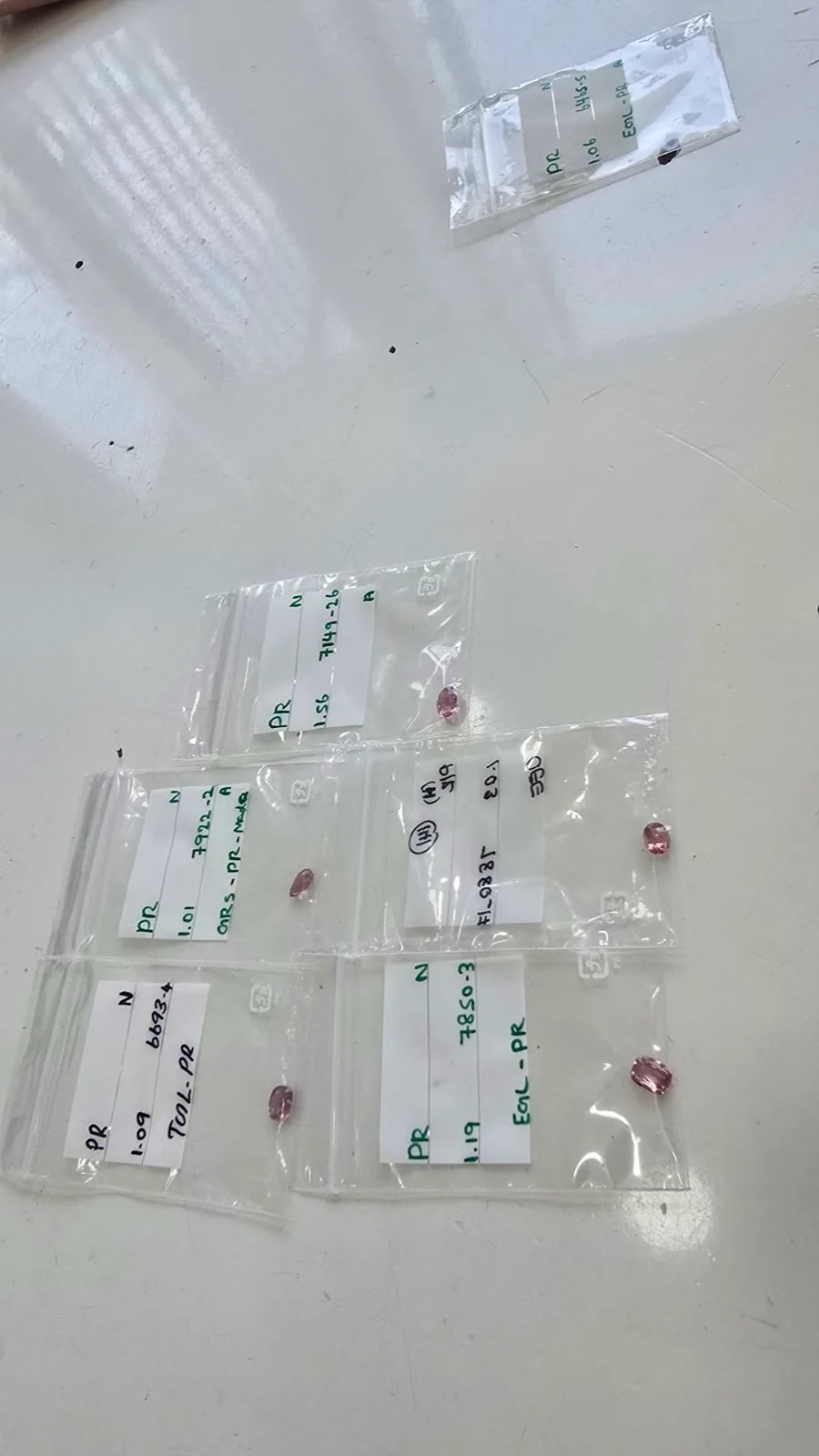
That is the whole game. Color, honesty about treatment, a report when it matters, an honest cut, and a stone that fits your life. You can browse our pink sapphires here, or the vivid pink and pastel pink selections if you already know which end of the spectrum you want.
If you are picking a setting next, see our sapphire jewellery guide.
Frequently Asked Questions
The Bottom Line on Pink Sapphire
Buy a pink sapphire for the color that makes you stop, not for what it proves to anyone. Chromium gives it the pink, heating gives most of them their reach, and an honest seller tells you which one you are holding. At the fine end, a lab report does the work your eyes can't. We source ours in person, parcel by parcel, in Sri Lanka and certify through a GIA-trained third-party lab, so the stone you see is the stone the report describes. Browse our pink sapphires and ask us anything before you commit.