Guide: How to Choose the Perfect Pearl for a Necklace
Expert guide on selecting the ideal pearl for your necklace. Learn to evaluate luster, shape, and value, avoiding common mistakes. Discover the secrets to choosing a stunning gem.
Quick Facts: Pearls for Necklaces
| Property | Details |
|---|---|
| Main Types | Akoya, Freshwater, Tahitian, South Sea |
| Size Range | 2mm to 20mm+ (varies by type) |
| Key Quality Factors | Luster, Surface, Shape, Color, Size, Nacre, Matching |
| Most Critical Factor | Luster (sharpness and intensity of reflections) |
| Common Shapes | Round, Semi-round, Drop, Oval, Button, Baroque |
| Drilling Styles | Half-drilled (for pendants), Full-drilled (for stringing) |
| Hardness (Mohs) | 2.5 - 4.5 (delicate, organic gem) |
| Care Requirement | Avoid chemicals, clean gently, store separately |
Introduction
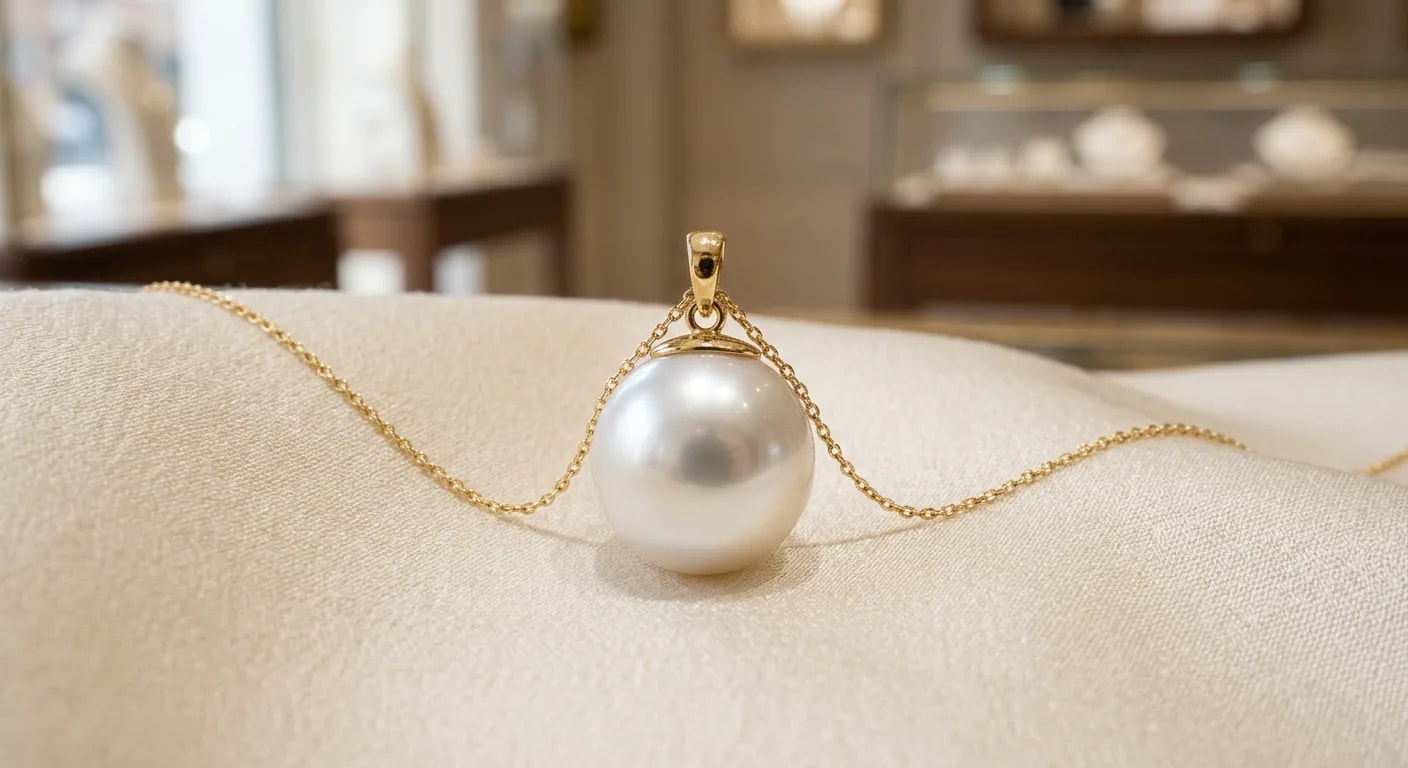
Finding the perfect pearl for a necklace involves understanding more than just aesthetics. It requires precise knowledge of luster, origin, and shape to ensure lasting value and visual impact.
A single pearl for a necklace is selected based on key quality factors, primarily luster, surface cleanliness, shape, and size. High-quality pearls, like perfectly round Akoyas or large South Sea varieties, are often chosen for solitaire pendants, while Freshwater pearls offer versatility. These factors directly determine the gem's beauty and market value.
Choosing the wrong pearl can result in a dull appearance or a delicate gem that damages easily. The difference between a $50 Freshwater pearl and a $5,000 South Sea pearl often comes down to nuances invisible to the untrained eye. However, certain industry secrets reveal exactly how to spot true value, even on a budget.
Know Your Pearls: The 4 Main Types Used in Necklaces
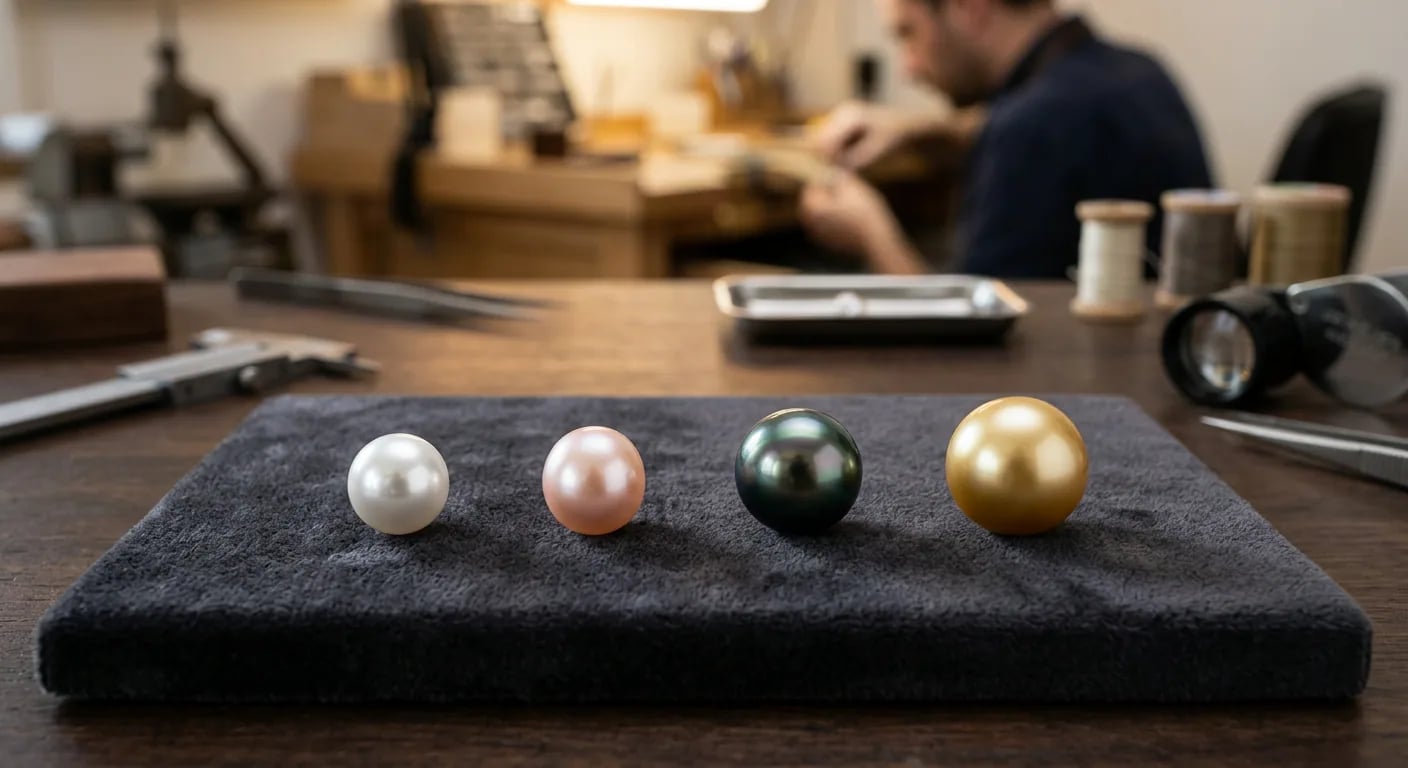
Selecting the ideal pearl for a necklace requires understanding the distinct varieties available, each possessing unique characteristics, origins, and value propositions. While all cultured pearls form when an irritant is introduced into a mollusk, the specific type of mollusk and its environment, freshwater or saltwater, dramatically influence the final gem's appearance. The four primary types dominating the luxury jewelry market are Akoya, Freshwater, Tahitian, and South Sea pearls.
H3 Subsection 1.1: Akoya Pearls: The Classic Statement
Akoya pearls are the quintessential classic, known for their perfectly round shape and mirror-like luster. Primarily farmed in the cold saltwater regions of Japan and China, these pearls are produced by the small Pinctada fucata martensii oyster. Because this mollusk is small, Akoya pearls typically range in size from 2mm to 10mm, with gems above 8mm being significantly rarer and more valuable.
These pearls are celebrated for their sharp, bright reflections and their neutral colors, which include white, cream, and silver-pink overtones. Their consistent roundness and high luster make them the traditional choice for single pearl pendants and perfectly matched strands. When evaluating options, a high-quality Akoya pearl will display minimal surface blemishes and exceptional reflective properties.
H3 Subsection 1.2: Freshwater Pearls: Versatile and Affordable
Freshwater pearls offer incredible versatility and value, making them a popular choice for contemporary designs and daily wear. Cultivated in freshwater rivers and lakes, mainly in China, using the Hyriopsis cumingii mussel, a single mollusk can produce numerous pearls simultaneously. This high yield, combined with the mussels' resilience, makes Freshwater pearls the most affordable option.
Unlike saltwater pearls, Freshwater pearls grow without a bead nucleus, resulting in a solid nacre composition that enhances their durability. They are available in a vast array of shapes, from nearly round and oval to unique, organic baroque pearls. Their luster is typically softer and more satiny than the metallic sheen of Akoya pearls. Furthermore, they boast a diverse natural color palette, including white, pastel pink, lavender, and peach.
H3 Subsection 1.3: Tahitian Pearls: Exotic and Dramatic
Often referred to as "black pearls," Tahitian pearls are renowned for their exotic, dark colors and dramatic appearance. They are cultivated in the warm saltwater lagoons of French Polynesia using the large black-lipped Pinctada margaritifera oyster. These pearls are naturally dark, ranging from charcoal grey and silver to deep green, blue, and black, often showcasing stunning iridescent overtones known as "peacock."
Tahitian pearls are relatively large, typically ranging from 8mm to over 18mm. Their shapes vary widely, including round, semi-round, drop, and baroque. A high-quality Tahitian pearl for a necklace pendant will feature intense, metallic luster and a clean surface, creating a striking statement piece. Their unique colors and impressive sizes command higher prices than Freshwater or Akoya varieties.
Ready to select a unique gem for your necklace? Explore the certified collection of loose pearls and gemstones available for custom design.
H3 Subsection 1.4: South Sea Pearls: The Pinnacle of Luxury
South Sea pearls are the largest and most valuable cultured pearls, epitomizing luxury and sophistication. They are grown in the warm, pristine saltwater regions of Australia, Indonesia, and the Philippines using the massive Pinctada maxima oyster. Due to the size of the host mollusk, these pearls commonly range from 9mm to 20mm or larger.
There are two main varieties: White South Sea pearls, prized for their cool silvery-white tones, and Golden South Sea pearls, sought after for their rich, warm golden hues. Their luster is distinct; a deep, satiny glow that emanates from within, rather than the sharp surface reflection of Akoya pearls. Their rarity, impressive size, and luxurious appearance make them highly coveted for sophisticated jewelry pieces.
| Pearl Type | Environment | Common Size Range | Typical Shape | Luster Type | Notable Colors |
|---|---|---|---|---|---|
| Akoya | Saltwater | 2mm – 10mm | Perfectly Round | Sharp, Mirror-like | White, Cream, Pinkish overtones |
| Freshwater | Freshwater | 2mm – 15mm+ | Various (Round, Oval, Baroque) | Soft, Satiny | White, Lavender, Pastel Pink |
| Tahitian | Saltwater | 8mm – 18mm+ | Round, Drop, Baroque | Metallic, Iridescent | Black, Grey, Green (Peacock) |
| South Sea | Saltwater | 9mm – 20mm+ | Round, Drop, Baroque | Deep, Satiny, Luxurious | White, Silver, Golden |
Understanding these fundamental differences enables a more informed selection process, ensuring the chosen pearl aligns with the desired aesthetic, durability, and budget for a specific necklace design.
The 7 Factors That Determine Pearl Quality and Value
Selecting the perfect pearl for a necklace involves evaluating specific quality factors that dictate both beauty and market value. The Gemological Institute of America (GIA) established seven key value factors for pearls, providing a standardized framework for assessment. Understanding these criteria allows for an objective analysis of any loose pearl intended for a pendant or strand.
H3 Subsection 2.1: Luster: The Soul of the Pearl
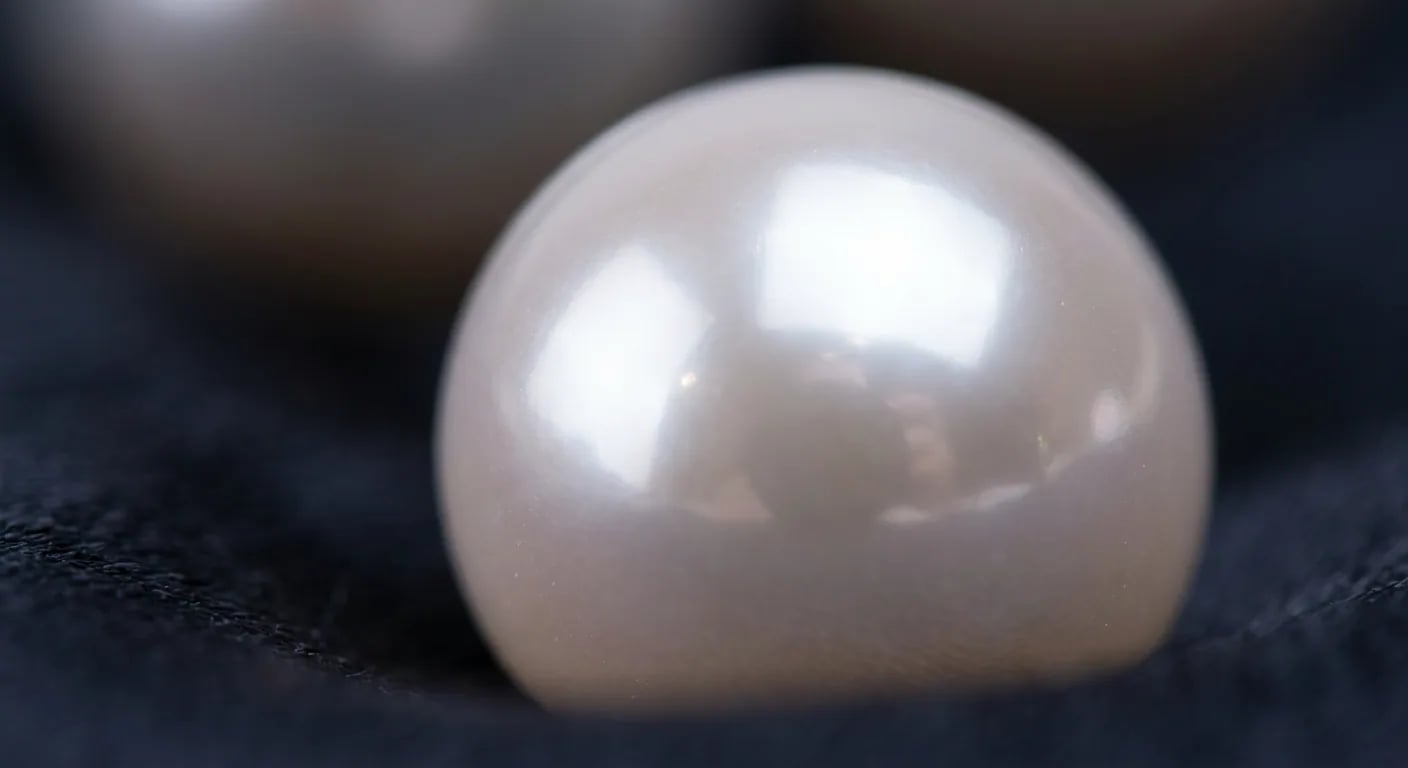
Luster is widely considered the most critical factor in determining a pearl's quality and allure. It refers to the intensity and sharpness of light reflected from the pearl's surface. High-quality luster results from a thick, smooth, and translucent nacre layer that allows light to penetrate and reflect from within, creating a deep, inner glow. In contrast, poor luster appears dull, chalky, or milky.
When evaluating a loose pearl for a necklace, professional gemologists look for clear, distinct reflections of light sources on the surface. For example, in top-tier Akoya pearls, these reflections should be mirror-like. A deep, reflective quality significantly increases the gem's value and visual impact.
H3 Subsection 2.2: Surface Quality, Shape, and Size
Surface quality, shape, and size are tangible characteristics that directly influence rarity and desirability.
- Surface Quality: Like most natural or cultured gemstones, pearls rarely exhibit flawless surfaces. Imperfections such as pits, scratches, wrinkles, or spots are common. While minor blemishes often remain unnoticeable once a pearl is set in a pendant, significant flaws can impact durability and value. GIA grades surface quality on a scale from Clean to Heavily Blemished.
- Shape: Pearls occur in a diverse array of shapes, broadly categorized as spherical, symmetrical, or baroque. Perfectly round pearls are the rarest and most valuable, particularly for classic strands. However, symmetrical shapes like drops or ovals are highly sought after for elegant pendants. Organic, asymmetrical baroque pearls are increasingly popular in contemporary, unique jewelry designs.
- Size: Measured in millimeters (mm), size is a crucial factor in pearl valuation. All other factors being equal, larger pearls command significantly higher prices due to their rarity and the longer cultivation period required. A large pearl for a necklace, such as a South Sea variety exceeding 15mm, can be exceptionally rare and valuable.
H3 Subsection 2.3: Color, Nacre, and Matching
The final factors involve the pearl's visual presentation, structural integrity, and consistency within a finished piece.
- Color and Overtone: Pearl color is composed of three components: bodycolor (the dominant overall color), overtone (the translucent color lying over the bodycolor), and orient (an iridescent shimmer seen primarily in baroque or non-round pearls). For instance, a white pearl might display a desirable pink or silver overtone. Rare natural colors, such as rich gold or deep peacock green in Tahitian pearls, are highly valued.
- Nacre Thickness and Quality: Nacre is the natural substance the mollusk secretes to form the pearl. Thickness is vital for durability and luster, especially in Akoya pearls. High-quality nacre ensures the pearl maintains its beauty over time, resisting wear and maintaining its reflective properties.
- Matching: While not applicable to a single pearl for a necklace, matching is critical for multi-pearl designs like strands or tin cup necklaces. Expert jewelers meticulously match pearls for uniformity in luster, shape, color, size, and surface quality to create a harmonious and aesthetically pleasing piece.
| GIA Value Factor | Key Characteristic | Impact on Value |
|---|---|---|
| Luster | Intensity and sharpness of reflections | Most significant factor for beauty and price |
| Surface Quality | Presence of blemishes or imperfections | Cleaner surfaces command higher prices |
| Shape | Roundness or symmetry | Perfectly round is rarest and most expensive |
| Size | Diameter in millimeters | Larger sizes are significantly more valuable |
| Color | Bodycolor, overtone, and orient | Natural, rare colors and overtones increase value |
| Nacre Thickness | Quality and depth of nacre layers | Crucial for durability and long-term luster |
| Matching | Uniformity across multiple pearls | Essential for consistent appearance in strands |
Matching Pearl Types to Necklace Styles
Achieving a harmonious aesthetic requires carefully matching the specific characteristics of a pearl type to the intended necklace style. Factors such as size, shape, and luster must align with the overall design to create a balanced and visually appealing piece. This expert guidance explores how different pearls suit popular necklace configurations, ensuring the optimal selection for any bespoke creation.
H3 Subsection 3.1: Pearls for Solitaire Pendants
A solitaire pendant highlights the singular beauty of one exceptional gem. For this style, professional gemologists recommend pearls with high luster and clean surfaces, as any imperfections are more noticeable. The most suitable types for a pearl pendant include:
- Akoya Pearls: Ideal for classic, elegant pendants due to their perfectly round shape and mirror-like luster. Recommended sizes range from 7mm to 9mm for a delicate look.
- South Sea Pearls: The pinnacle of luxury for statement pendants. Their impressive size (10mm to 15mm+) and deep, satiny glow create a magnificent focal point, whether in silvery-white or rich gold hues.
- Tahitian Pearls: Perfect for modern, dramatic pendants. Their exotic dark colors and metallic luster add a contemporary edge. Large drop or round shapes (9mm to 12mm) are particularly striking.
Create your bespoke pendant today. Begin by selecting a certified loose pearl from Joalys' curated collection.
H3 Subsection 3.2: Pearls for Classic Strands and Modern Designs
Multi-pearl necklaces, from traditional strands to contemporary stationed designs, require different considerations, primarily focusing on consistency and versatility.
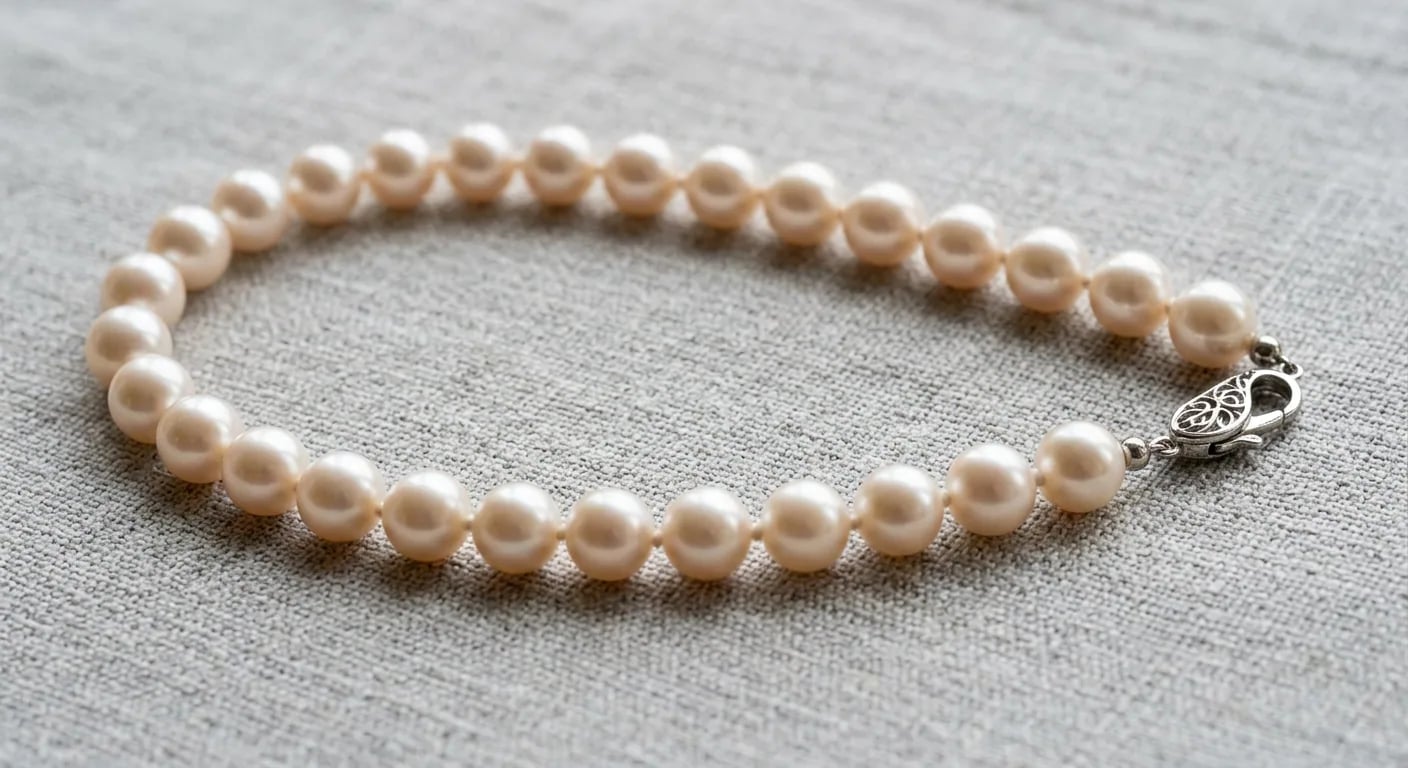
- Classic Strands: Whether choker or opera length, a traditional strand demands meticulous matching for luster, shape, color, and size. Akoya pearls are the historical standard for high-end strands due to their uniformity. High-quality Freshwater pearls offer a more affordable yet beautiful alternative, especially in nearly round shapes. For more information on the intricate process of creating perfectly matched jewelry, explore our comprehensive guide on diamonds and other precision-matched gems.
- Modern and Tin Cup Necklaces: These styles, featuring pearls stationed along a delicate chain, offer more design flexibility. Freshwater pearls are exceptionally versatile here, utilizing various shapes like oval, button, or even unique baroque pearls for an organic feel. Smaller sizes (5mm to 8mm) typically work best to maintain the delicate balance of the chain.
| Necklace Style | Ideal Pearl Type(s) | Recommended Shape(s) | Common Size Range | Key Consideration |
|---|---|---|---|---|
| Solitaire Pendant | Akoya, South Sea, Tahitian | Round, Drop | 7mm – 15mm+ | Exceptional Luster & Surface Quality |
| Classic Strand | Akoya, Freshwater | Round, Near-Round | 6mm – 9mm | Precise Matching |
| Tin Cup / Stationed | Freshwater, Akoya | Round, Oval, Baroque | 5mm – 8mm | Balance & Versatility |
How to Choose the Right Pearl for Your Budget
Navigating the pearl market requires balancing desired quality factors with realistic budget expectations. The vast range in pearl pricing, from accessible Freshwater varieties to investment-grade South Sea gems, ensures options for every level of expenditure. Professional gemologists emphasize that understanding where to compromise on the GIA value factors, such as accepting slight surface imperfections or a slightly smaller size, is key to maximizing value within a set budget.
H3 Subsection 4.1: Budget-Friendly Options: Freshwater and Smaller Akoya
For those seeking an attractive pearl for a necklace under €500, Freshwater pearls offer exceptional value. Their solid nacre composition makes them durable for daily wear, and they are available in a wide array of natural pastel colors and shapes. While perfectly round Freshwater pearls command higher prices, near-round, oval, or unique baroque pearls provide significant cost savings without sacrificing luster or charm.
Alternatively, smaller Akoya pearls, in the 6mm to 7mm range, present an affordable entry point into saltwater pearls. These smaller gems still exhibit the signature mirror-like luster and perfectly round shape Akoyas are famed for, but at a fraction of the cost of their larger counterparts. When budget is the primary consideration, prioritizing luster over perfect roundness or flawless surfaces often yields the most visually impactful pearl.
H3 Subsection 4.2: Mid-Range Choices: Quality Akoya and Tahitian
With a budget between €500 and €2,000, buyers can access significantly higher quality and rarer pearl types. This tier allows for selecting Akoya pearls in popular sizes (7.5mm to 8.5mm) with exceptional luster and very clean surfaces (AAA quality). These are ideal for classic solitaire pendants meant to be cherished for a lifetime.
This budget also opens the door to the exotic beauty of Tahitian pearls. While top-tier, perfectly round Tahitian pearls can be costly, selecting near-round, drop, or baroque shapes with intense luster and desirable overtones (like peacock or green) offers remarkable value. A striking 9mm to 11mm Tahitian pearl pendant is achievable within this range, offering a dramatic alternative to white pearls.
H3 Subsection 4.3: Luxury Investment: South Sea and Large Tahitian
Budgets exceeding €2,000 are typically reserved for luxury investment pieces featuring the rarest and largest cultured pearls. South Sea pearls, both White and Golden varieties, dominate this category. Their immense size (often 12mm to 15mm+), limited production, and deep, satiny luster justify their premium price. A large South Sea pearl for a necklace is a true statement piece, appreciating in rarity over time.
This tier also includes the finest Tahitian pearls: those that are perfectly round, large (over 13mm), and possess flawless surfaces with intense, metallic luster and rare overtones. When investing at this level, professional gemologists recommend prioritizing the highest grades in luster and surface quality, as these factors most significantly impact long-term value and beauty. For comparison, high-quality diamonds or sapphires of similar millimeter size would command significantly higher prices, highlighting the unique value proposition of these luxury pearls.
| Budget Tier | Pearl Type Options | Typical Size Range | Key Quality Characteristics | Best Application |
|---|---|---|---|---|
| Budget-Friendly (< €500) | Freshwater, Small Akoya | 6mm – 8mm | Good Luster, Near-Round/Baroque, Slight Blemishes | Daily Wear, Fashion Jewelry, Gifts |
| Mid-Range (€500 – €2,000) | Quality Akoya, Tahitian | 7.5mm – 11mm | High Luster, Round/Drop, Clean Surface (AAA) | Classic Pendants, Significant Gifts, Milestones |
| Luxury Investment (> €2,000) | South Sea, Large Tahitian | 12mm – 15mm+ | Exceptional Luster, Round, Flawless/Very Clean | Statement Pieces, Heirlooms, Investment |
Understanding Pearl Drilling: Full-Drilled vs. Half-Drilled
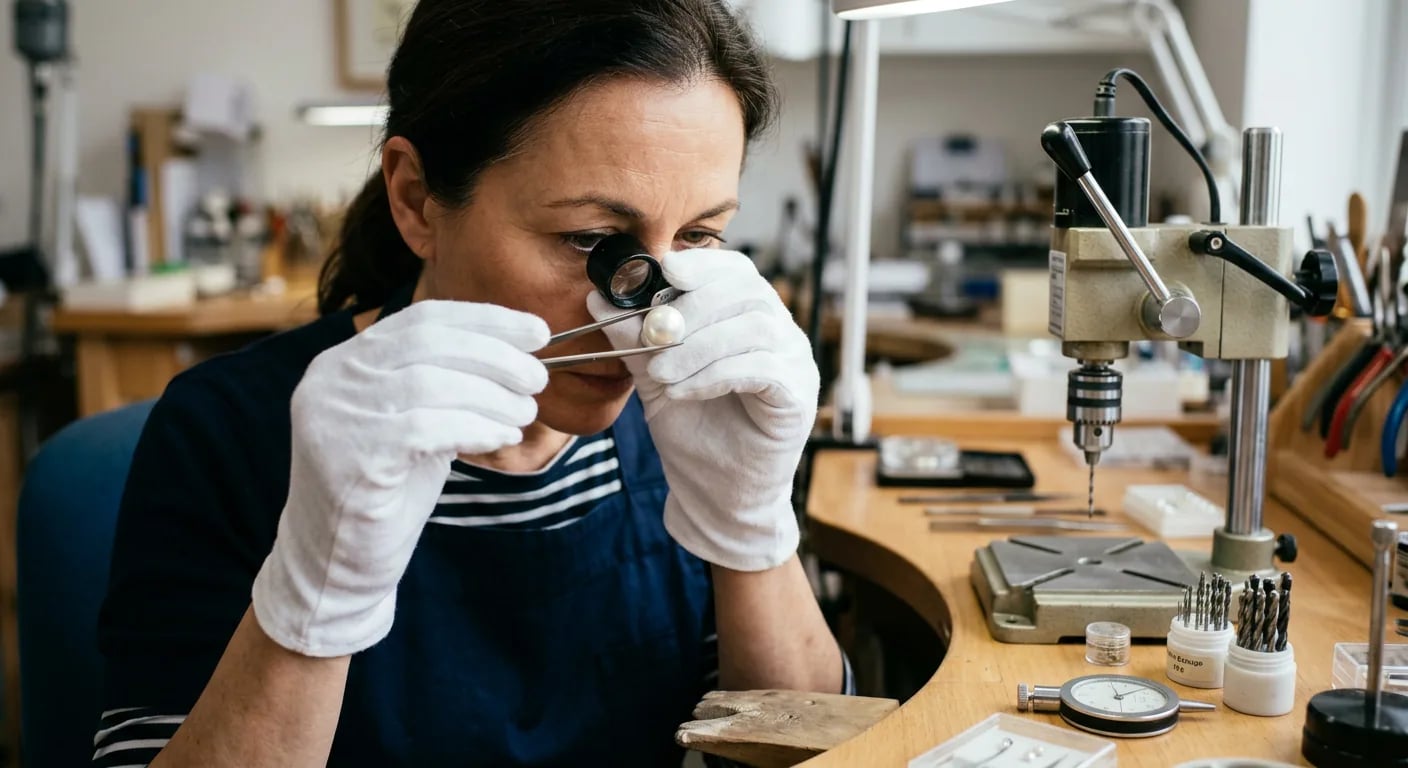
When selecting a pearl for a necklace, understanding the drilling style is crucial as it determines how the pearl can be mounted. Drilling is the process of creating a precise hole through the pearl to allow for stringing or setting. The style of drilling directly impacts the finished jewelry's design, durability, and aesthetic. Professional jewelers primarily use two types of drilling for necklace pearls: full-drilled and half-drilled.
H3 Subsection 5.1: Full-Drilled Pearls
A full-drilled pearl features a hole that encompasses the entire diameter, extending from one side to the directly opposite side. This technique is standard for pearls intended to be strung together on a silk thread, creating classic strands, chokers, or opera-length necklaces. The hole allows the thread to pass completely through each bead.
Full drilling is also utilized for "tin cup" style necklaces, where individual pearls are stationed along a chain using wire-wrapping techniques that require access to both sides of the pearl. When purchasing a loose pearl for a necklace that will be strung or wire-wrapped, ensuring it is full-drilled is essential.
H3 Subsection 5.2: Half-Drilled Pearls
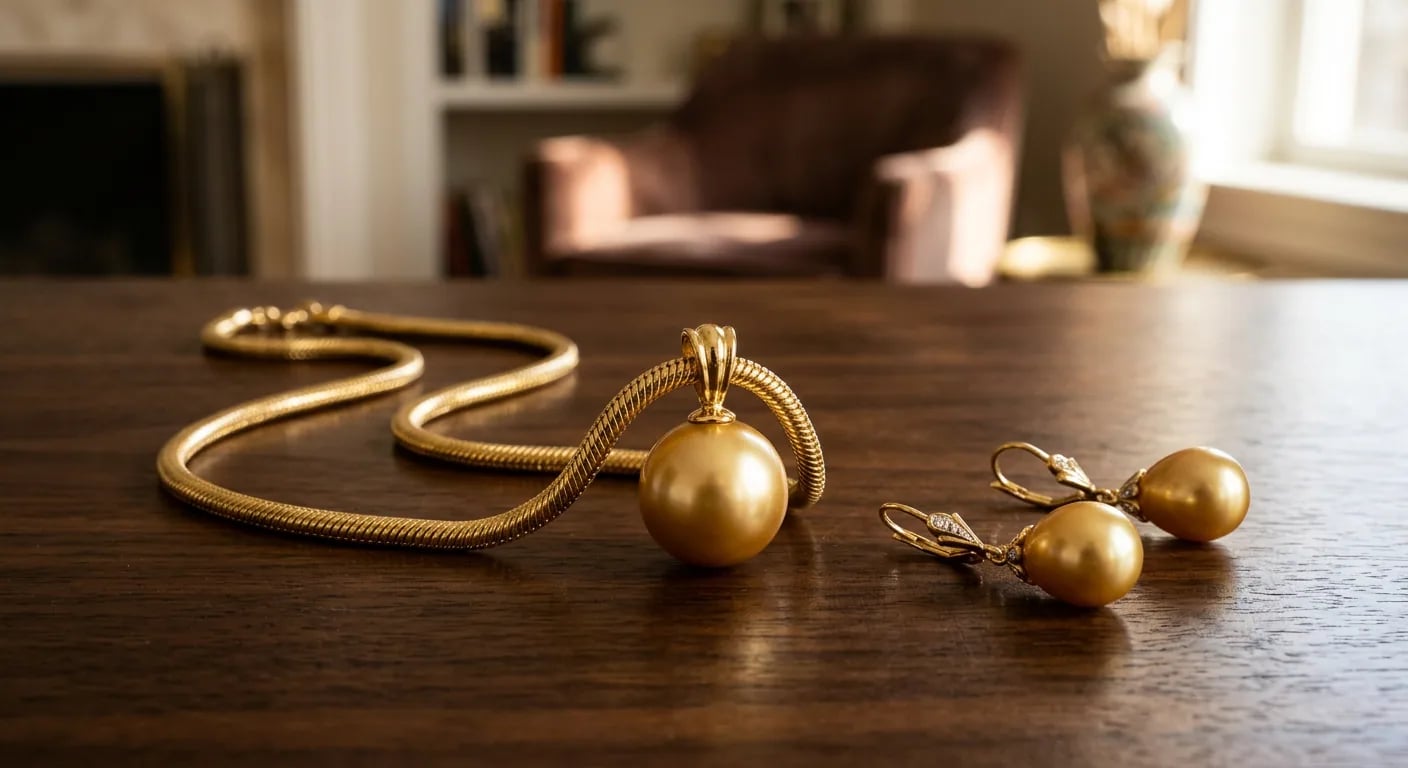
Half-drilled pearls, in contrast, possess a hole that penetrates only halfway through the gem, terminating in the center. This drilling style is specifically engineered for setting pearls onto a post or peg, a common method for creating pearl pendants, enhancers, and earrings. The peg is inserted into the half-drill hole and secured with specialized jewelry adhesive, creating a clean, seamless look where no drilling is visible.
This method is preferred for high-quality solitaire pendants, as it preserves the integrity of the pearl's surface on the visible side. Professional gemologists recommend half-drilled pearls for most pendant designs, as they offer a secure and aesthetically superior setting compared to fully drilling a pearl and attempting to conceal the exit hole.
| Drilling Type | Description | Primary Application | Visible Hole? |
|---|---|---|---|
| Full-Drilled | Hole goes completely through | Stringing strands, wire-wrapping | Yes, on both sides (unless strung) |
| Half-Drilled | Hole goes halfway through | Setting on posts/pegs (pendants, earrings) | No, concealed by the setting |
Selecting the correct drilling style is imperative for the intended jewelry project. Attempting to use a full-drilled pearl for a peg setting, for instance, would result in an unsightly visible hole on the top of the pendant. Conversely, a half-drilled pearl cannot be strung onto a necklace strand.
Ready to select the perfect pearl for your custom design? Explore Joalys' certified collection of loose pearls, available in both full-drilled and half-drilled options to suit your bespoke setting.
Pearl Care and Maintenance: Making Your Necklace Last
Proper care and maintenance are essential for preserving the luminous beauty and structural integrity of any pearl necklace. Pearls are organic gemstones, composed primarily of calcium carbonate, making them significantly softer and more delicate than mineral gemstones like diamonds or sapphires. They are highly susceptible to damage from chemicals, abrasion, and even extreme dryness. Adhering to a dedicated care regimen ensures these precious gems retain their luster for generations.
H3 Subsection 6.1: Daily Wear and Chemical Avoidance
The golden rule of pearl care is "last on, first off." Pearls should be the final item added when dressing and the first removed. This practice minimizes exposure to household chemicals found in perfumes, hairsprays, cosmetics, and lotions, which can rapidly dull the pearl's surface and damage the nacre.
Acids are particularly detrimental to pearls. Even mild acids, including those found in perspiration, can slowly erode the calcium carbonate, causing the pearl to lose its luster and become chalky. After each wear, gently wipe the pearl necklace with a soft, lint-free cloth dampened with water to remove any accumulated oils or perspiration. Avoid using any commercial jewelry cleaners unless they are specifically labeled as safe for pearls.
| Substance Category | Examples | Potential Damage to Pearls |
|---|---|---|
| Cosmetics | Perfume, Hairspray, Lotion, Makeup | Dulls luster, discolors nacre, creates film |
| Household Cleaners | Bleach, Ammonia, Vinegar, Dish Soap | Erodes nacre, causes severe discoloration |
| Personal Care | Swimming Pool Water (Chlorine), Hot Tubs | Chemical erosion, dulling |
| Natural Acids | Perspiration, Fruit Juice, Vinegar | Slowly dissolves nacre, loss of luster |
H3 Subsection 6.2: Cleaning, Storage, and Restringing
Periodic deeper cleaning and mindful storage are crucial for long-term preservation.
- Cleaning: For a more thorough cleaning, use a solution of warm water and a very mild, non-detergent soap (like Ivory flakes). Dip a soft cloth in the solution and gently wipe each pearl. Do not submerge a pearl strand, as water can weaken the silk thread. Rinse by wiping with a clean, damp cloth and allow the necklace to air dry flat on a soft towel.
- Storage: Store pearls separately from other jewelry to prevent scratching. A soft cloth pouch or a dedicated compartment in a jewelry box is ideal. Avoid storing pearls in airtight environments, such as plastic bags, as they require moisture to maintain their luster. Prolonged dehydration can lead to cracking.
- Restringing: For pearl strands, professional gemologists recommend restringing every one to two years, depending on the frequency of wear. Silk thread stretches and weakens over time, increasing the risk of breakage. Ensure the jeweler knots the thread between each pearl; this prevents the pearls from rubbing against each other and secures the remaining pearls if the strand does break.
| Maintenance Task | Frequency | Purpose | Professional Required? |
|---|---|---|---|
| Wipe with Damp Cloth | After every wear | Remove oils, sweat, and cosmetic residue | No |
| Gentle Soap Cleaning | Occasionally (as needed) | Deeper cleaning of surface dirt | No |
| Separate Storage | Always | Prevent scratches from harder gems/metals | No |
| Professional Inspection | Annually | Check integrity of thread and clasp | Yes |
| Restringing | Every 1–2 years | Replace weakened silk thread, ensure security | Yes |
By implementing these care guidelines, individuals can significantly extend the lifespan of their pearl necklace, preserving the exquisite luster and elegance that define these unique organic gems. For comprehensive advice on maintaining all types of fine jewelry, including pieces featuring emeralds or rubies, refer to our complete jewelry care and maintenance guide.
Section 7
Create Your Perfect Necklace
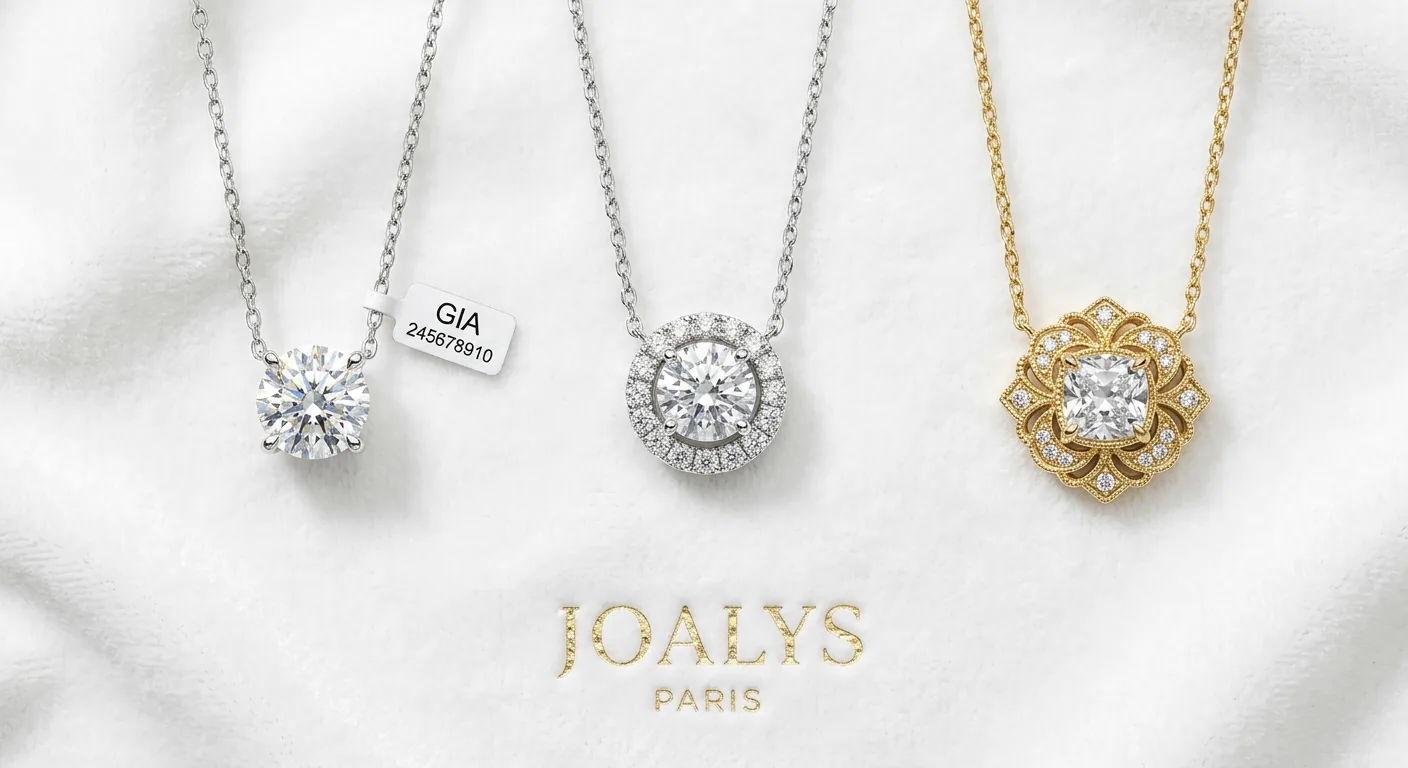
Your unique necklace starts here. Joalys' 3-step process:
- Select Your Stone - Browse certified gemstones
- Receive & Inspect - Luxury authentication case
- Design Your Setting - Work with expert jewelers
Frequently Asked Questions
Conclusion
Selecting the perfect pearl for a necklace requires balancing luster, size, and type to ensure lasting beauty and value. Whether prioritizing the classic high luster of Akoya pearls, the impressive size of South Sea varieties, or the versatility of Freshwater pearls, understanding these key factors empowers a confident decision. This knowledge transforms a simple purchase into the creation of a timeless and personally significant piece of jewelry.
Your journey to finding the ideal pearl for a necklace begins with a unique, stone-first approach. The process allows the freedom to first explore a curated collection of certified loose pearls, each presented in a luxury authentication case. Once the perfect gem is secured, the option remains to design a bespoke setting only when completely ready, ensuring the final piece perfectly aligns with individual vision. For personalized assistance or expert guidance in navigating these exceptional options, contact a Joalys gemologist to begin crafting an extraordinary pearl necklace today.