Precious Stone Gem Guide: Expert Secrets to Rarity & Value
Want to own a real precious stone gem? Learn how to judge rare quality, spot synthetics and undisclosed treatments, and read a lab report before you buy. Read our expert guide.
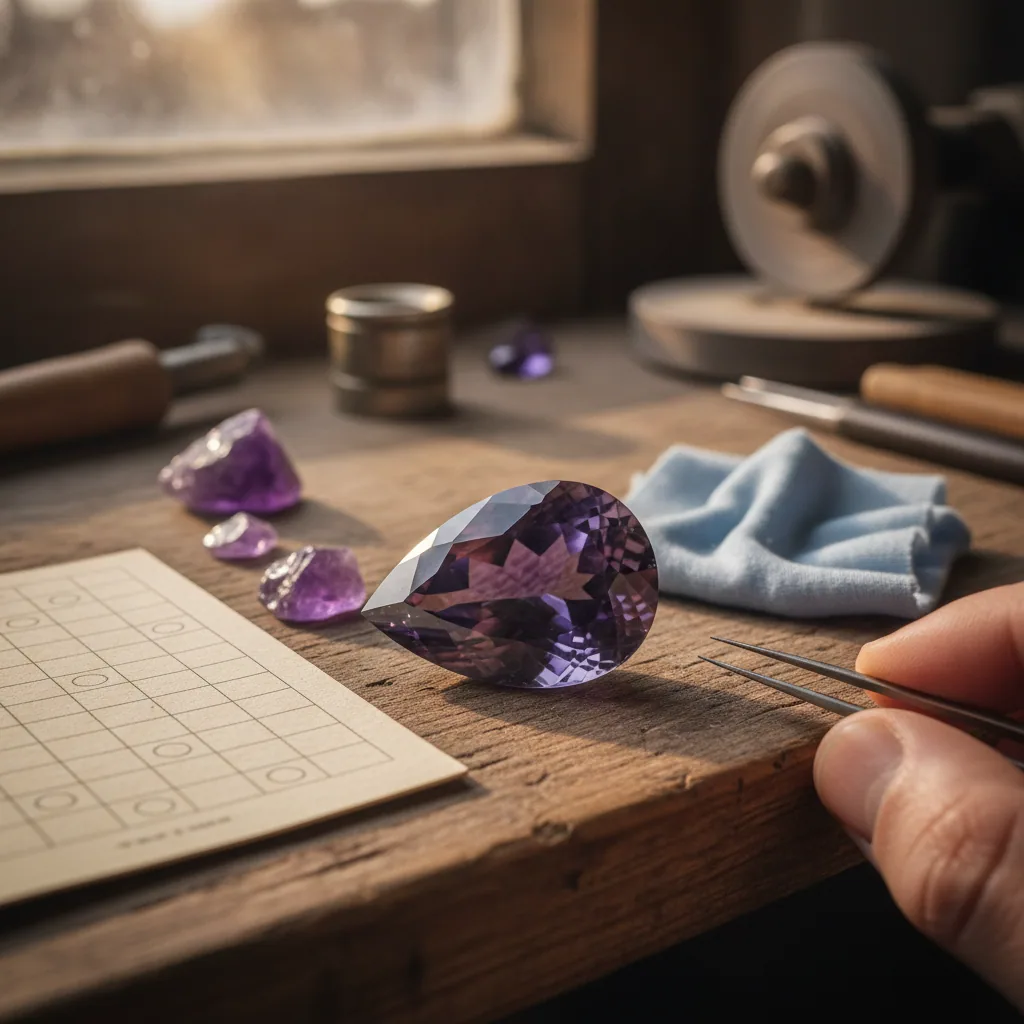
Owning a fragment of earth’s history, millions of years in the making, radiating a fire that never dims is the allure of a truly exceptional precious stone gem.
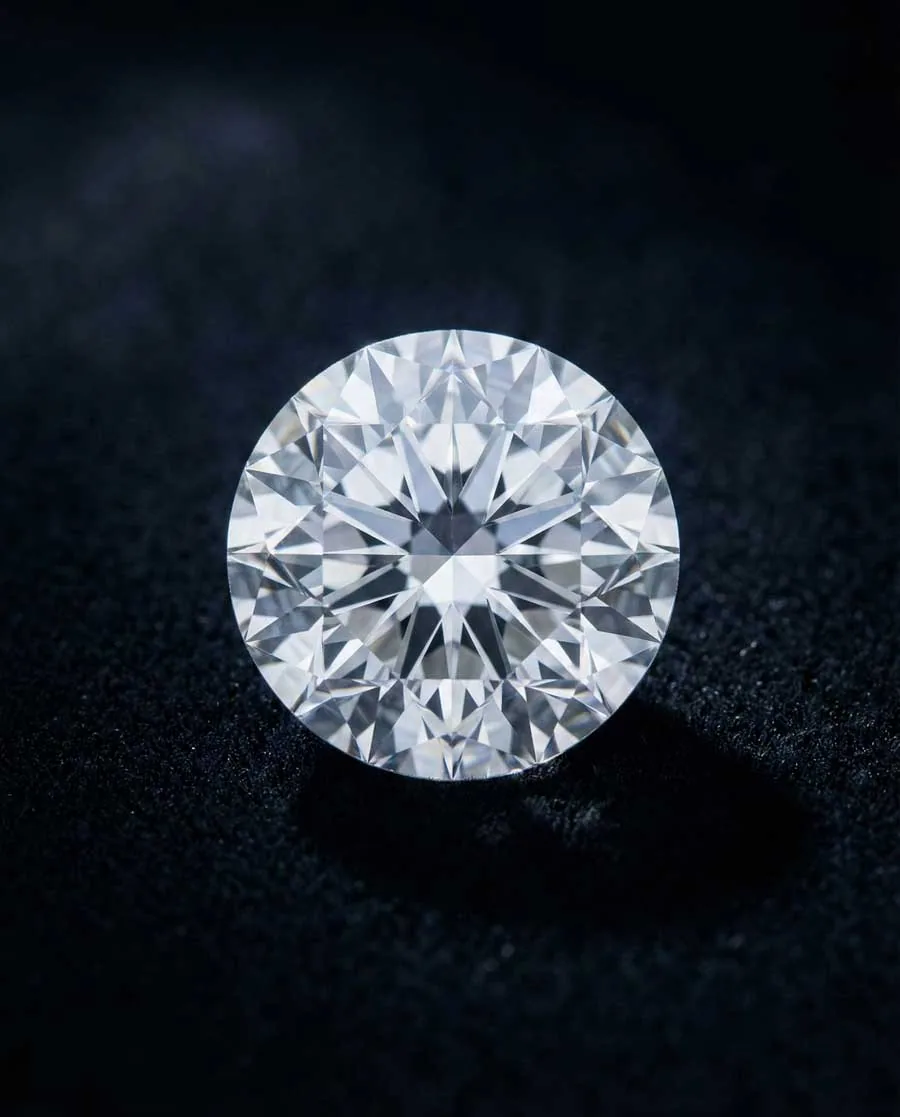
A precious stone gem is a rare mineral highly valued for its beauty, durability, and scarcity. Historically, this definition referred only to diamonds, rubies, sapphires, and emeralds. Modern gemology recognizes that rarity and quality, not just tradition, determine a gemstone’s true value.
In an era of online purchasing, the desire for these symbols of luxury and enduring value is higher than ever. However, the market is complex, filled with synthetic alternatives, treated stones, and misleading appraisals. Distinguishing rare quality from common imitations requires an expert eye. A single factor often separates a prized asset from a costly mistake.
- Traditional 'Big Four'
- Diamond, Ruby, Sapphire, Emerald
- Key Value Factors (5 Cs)
- Color, Clarity, Cut, Carat Weight, Confidence (Origin/Treatment)
- Most Critical Factor (Colored Gems)
- Color (Hue, Tone, Saturation)
- Essential Certification
- Independent third-party lab report (e.g., GIA, AGL, SSEF)
- Common Treatments
- Heating, oiling, fracture filling (must be disclosed)
- High-Value 'New Precious' Exotics
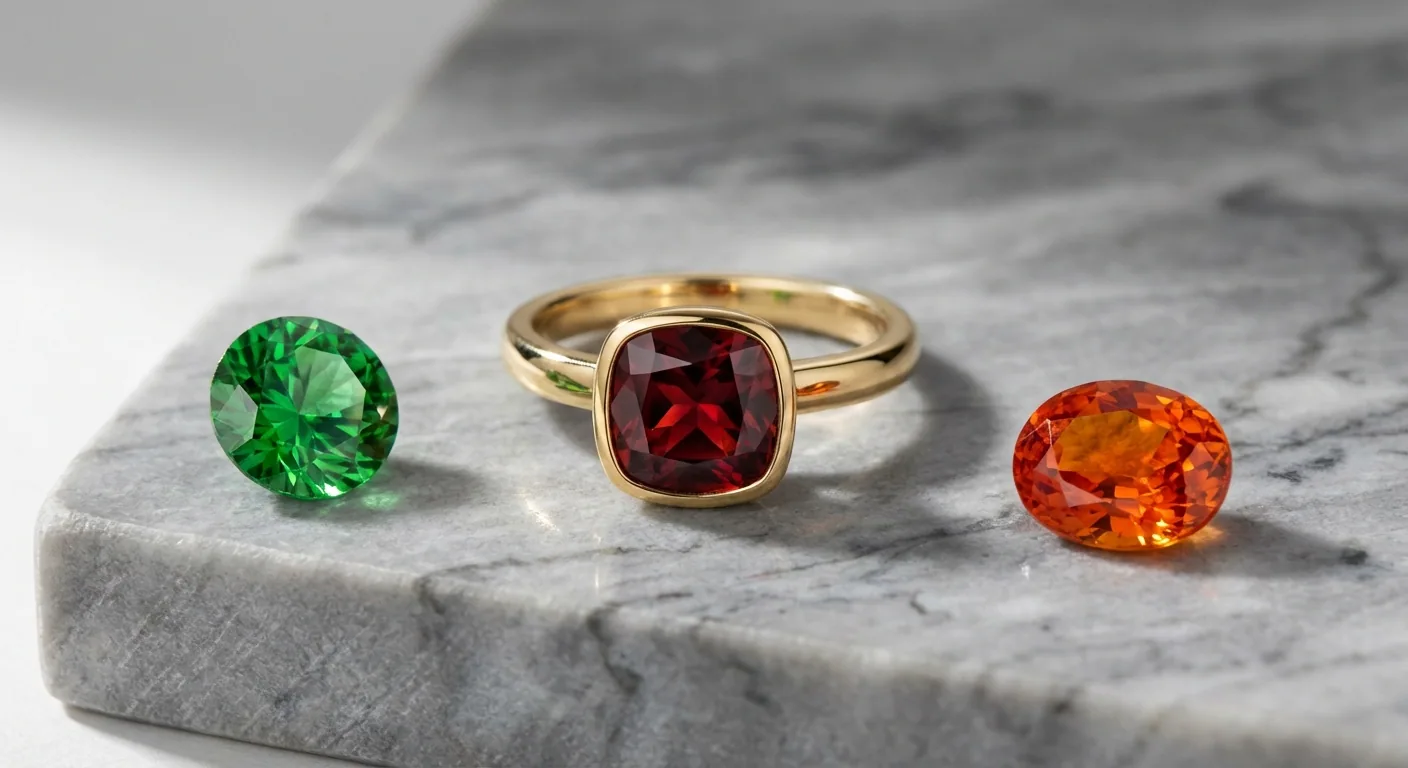
- Alexandrite, Paraiba Tourmaline, Tsavorite Garnet
- What Drives a Price Premium
- Rarity, exceptional color, large carat size, no heat treatment, prestigious origin
Decoding "Precious": Rarity, Beauty, and the GIA Benchmark
The term "precious stone gem" historically evoked images of absolute rarity and unparalleled beauty, strictly reserved for a select few minerals. Today, working through this world requires understanding that these classifications have evolved beyond simple historical labels. True value is now determined by a complex interplay of geological scarcity, optical characteristics, and, importantly, independent verification of quality.
Precious Stones 101 , Types, Properties and Value. Video: GIA.
The Traditional "Big Four" and the Myth of "Semi-Precious"
For centuries, the gemstone world was dominated by the "Big Four": Diamond, Ruby, Sapphire, and Emerald. These were exclusively labeled traditional precious gems, while all other attractive stones were relegated to the "semi-precious" category. This binary system, however, is considered obsolete by modern gemologists.
The distinction between precious stone gem and semi-precious stones often fails to reflect actual market value or rarity. For instance, a top-quality Paraiba Tourmaline or a flawless Tsavorite Garnet can command prices per carat that exceed those of commercial-grade sapphires or emeralds. The focus has shifted from historical labels to the intrinsic merits of each individual crystal. Professional gemologists assess a natural precious stone gem based on its specific quality factors, recognizing that exceptional rarity can be found across numerous mineral species.
Ready to find your perfect gemstone? Explore our certified collection of hand-selected stones.
The Non-Negotiable: Why a GIA Report is Your Only Guarantee
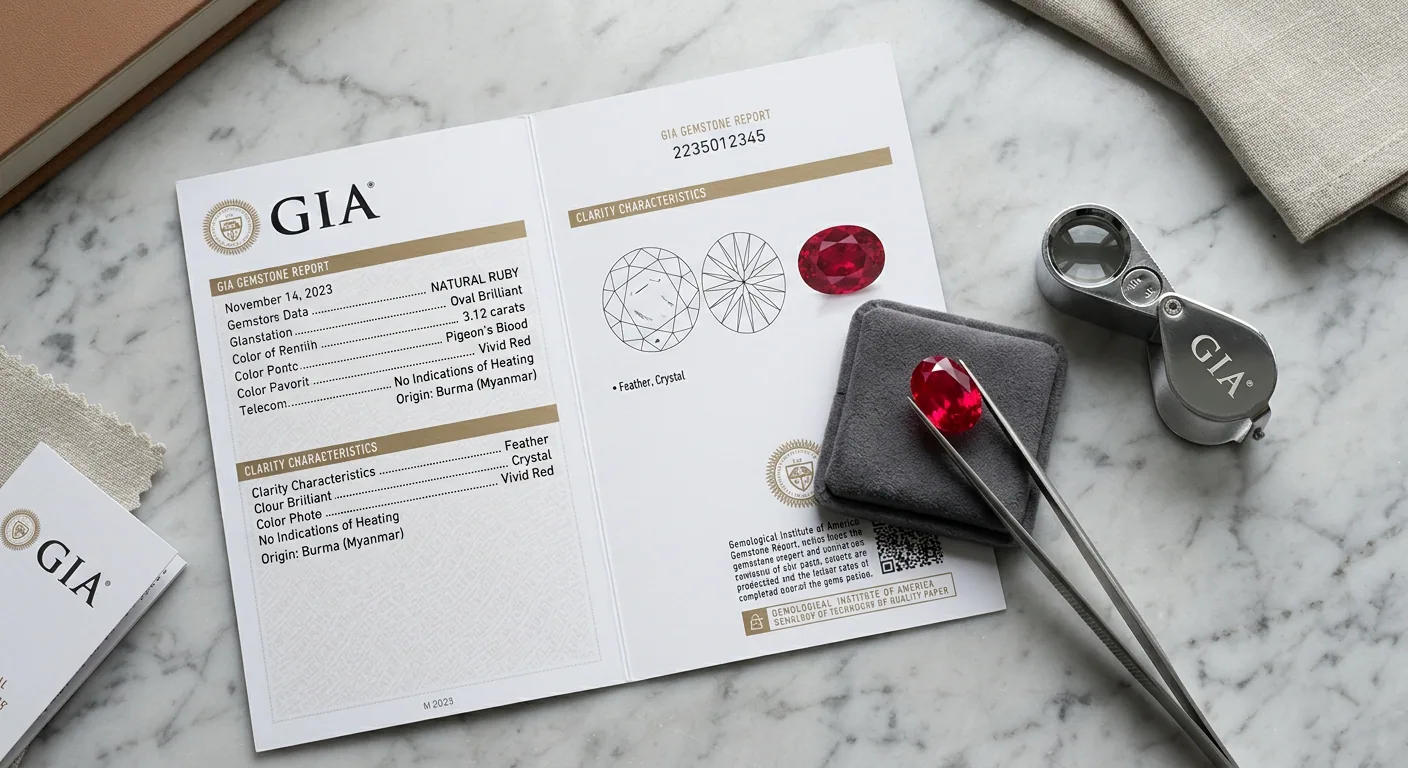
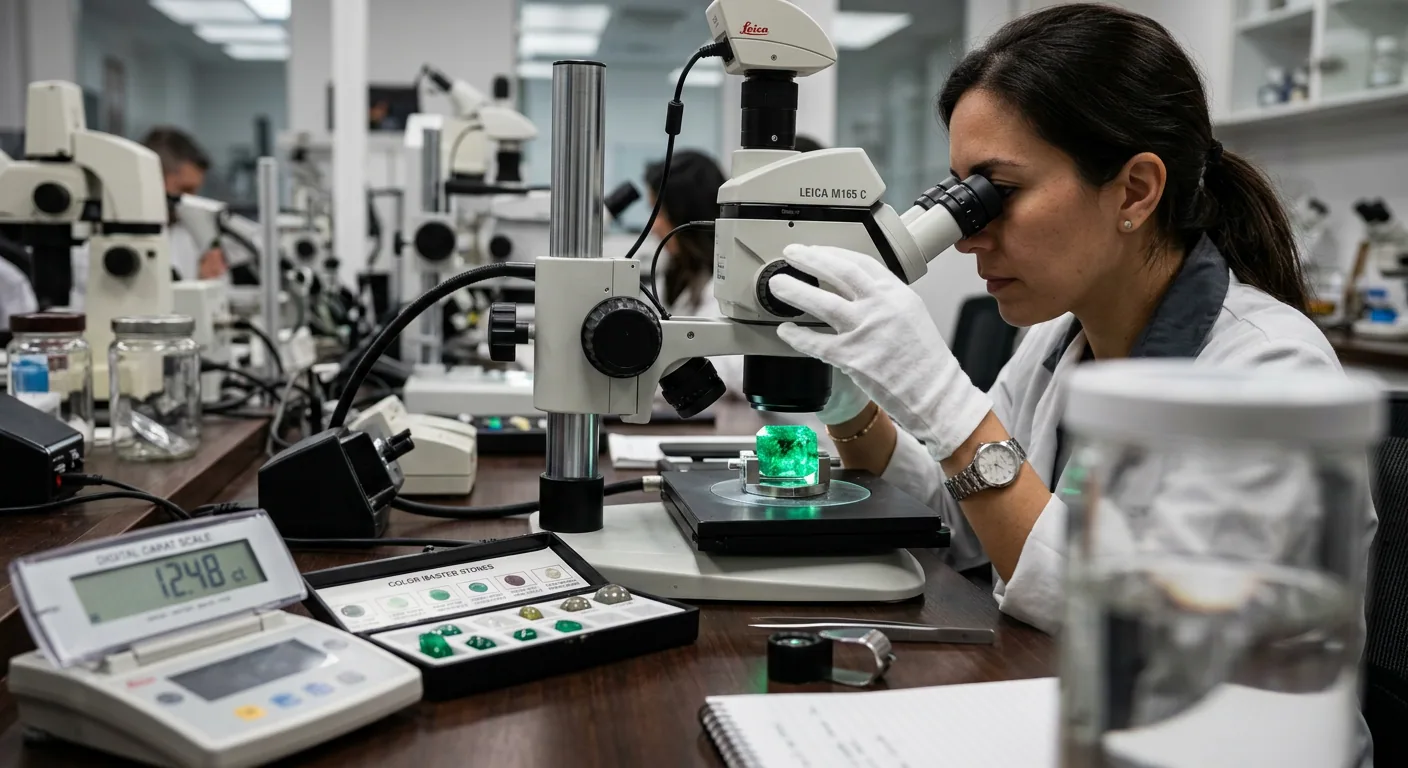
Acquiring a significant gemstone often involves working through a market complicated by synthetics, simulants, and undisclosed treatments. For any serious collector or first-time buyer, a thorough gemstone certification from a reputable, independent laboratory is not optional; it is the fundamental safeguard. A GIA report (Gemological Institute of America) provides an objective, third-party analysis that a simple "certificate of authenticity" from a seller cannot match.
While a seller's invoice might state a gem is natural, only a sophisticated laboratory analysis can definitively verify authenticity. A GIA report details the stone's identity, confirms its natural vs synthetic origin, and, critically, discloses any detectable treatments. This distinction is vital for understanding value.
| Verification Level | Origin Verification | Treatment Disclosure | Equipment Used |
|---|---|---|---|
| Seller "Certificate" | Often declarative | May be incomplete | Basic tools, visual inspection |
| Independent Lab (GIA) | Definitive scientific testing | Full disclosure of all treatments | Advanced spectroscopy, chemical analysis |
The Expert's Guide to Gemstone Value: The 5 Cs
Determining the precise value of a precious stone gem extends far beyond its initial visual appeal. While beauty is subjective, the global market relies on standardized criteria to establish a gemstone's quality and market price. Most connoisseurs are familiar with the 4 Cs used for diamonds, Color, Clarity, Cut, and Carat Weight. However, for colored gemstones, experts must introduce a critical fifth element: Confidence, which encompasses origin and treatment verification.
Color: The King of Colored Gems
For any colored precious stone gem, color is the dominant factor influencing its value, often accounting for up to 50% or more of the final assessment. Unlike diamonds, where the absence of color is typically prized, colored stones are judged on the purity and richness of their hue. Gemologists deconstruct color into three precise components:
- Hue: The basic color perceived (e.g., green, blue, red). The most valuable stones possess a pure primary hue with minimal secondary overtones.
- Tone: The lightness or darkness of the color. The finest gems generally fall within the medium to medium-dark range; stones that are too light lack richness, while those that are too dark appear oversaturated or blackish.
- Saturation: The intensity or brightness of the color. Vivid saturation, described as the absence of gray or brown modifiers, is the hallmark of the most valuable gemstones.
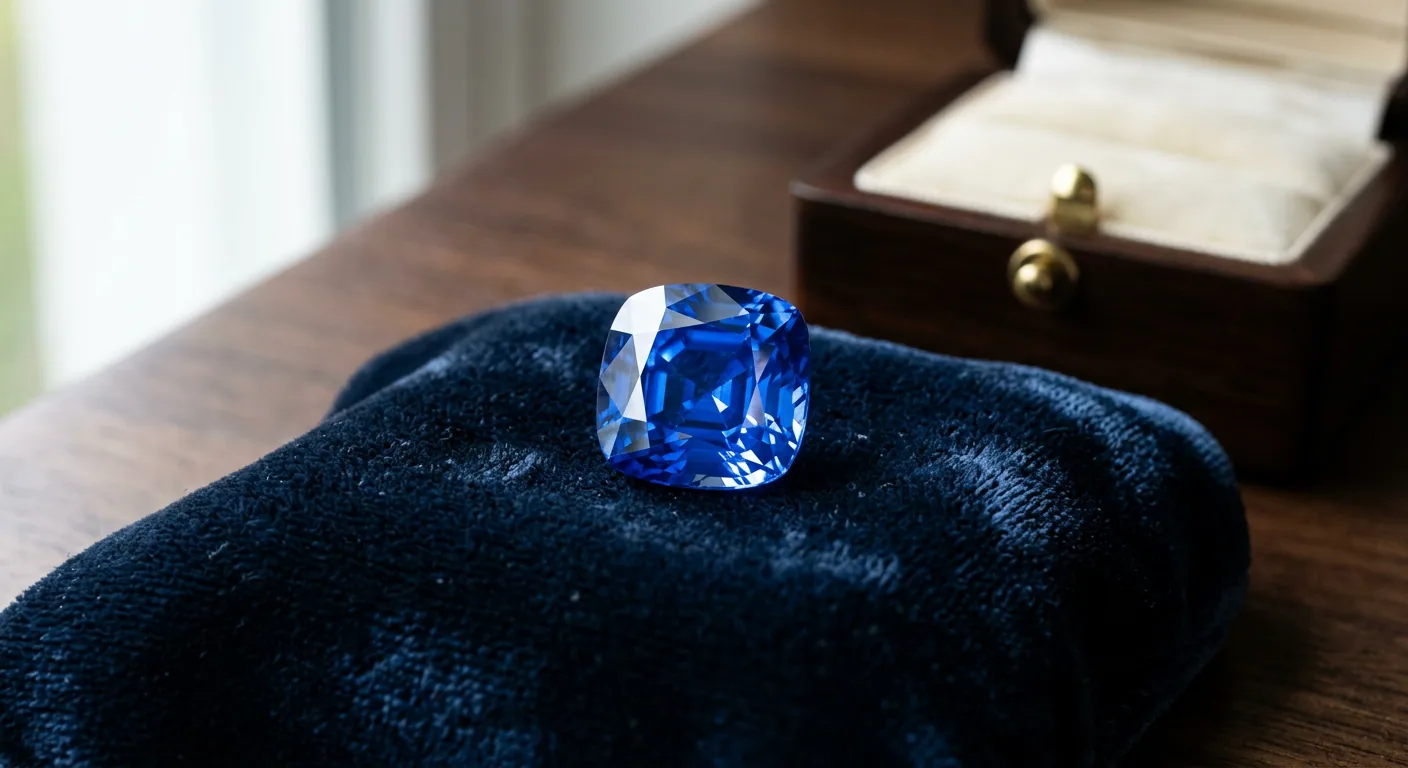
Specific descriptors are often applied to the finest examples of saturation and tone. For instance, the most coveted rubies exhibit a "pigeon's blood" red, while top-tier sapphires display a velvety "cornflower" or "royal" blue.
| Gemstone | Highly Coveted Color Description | Impact on Value |
|---|---|---|
| Ruby | "Pigeon's Blood" (vivid red with slight blue undertone) | Highest premium |
| Sapphire | "Cornflower Blue" (medium tone, velvety, vivid saturation) | Significant premium |
| Emerald | "Colombian Green" (vivid, slightly bluish-green) | Significant premium |
| Paraiba Tourmaline | "Neon" or "Electric" (vivid bluish-green caused by copper) | Exceptional premium |
Clarity, Cut, and Carat Weight: The Nuances
While color matters most, the remaining traditional Cs significantly impact the overall quality and precious stone gem prices.
- Clarity: This refers to the absence of internal inclusions or surface blemishes. The standard for clarity varies dramatically by gem species. For instance, while diamonds are expected to be "eye-clean" (no inclusions visible to the naked eye), emeralds are almost universally included. These inclusions in emeralds, often termed the "jardin" (garden), are accepted as a characteristic of the stone, provided they do not threaten its structural integrity or severely diminish its transparency.
- Cut: The quality of the cut determines how effectively the gemstone handles light. A master lapidary facets a colored gem not just for brilliance, as with a diamond, but primarily to maximize color vibrancy and minimize zoning (uneven color distribution). A poorly cut stone might appear dull, "sleepy," or exhibit a large "window" (a colorless area in the center) where light leaks through.
- Carat Weight: Gemstone value increases exponentially with size. However, this increase is relative to the rarity of the specific gem in large dimensions. A 5-carat ruby of exceptional quality is exponentially rarer, and therefore far more valuable per carat, than a 5-carat sapphire or diamond of comparable quality.
The "Fifth C": Confidence (Origin and Treatment)
In the modern market, the most critical factor for an expert observer is Confidence, specifically regarding the gem’s origin and any applied treatments. This information, validated by an independent GIA report, has a drastic impact on a natural precious stone gem's value.
Origin: For certain gemstones, specific geographic locations command massive historical premiums due to the legendary quality associated with their mines. A Kashmir sapphire, a Burmese ruby, or a Colombian emerald will almost always be valued higher than a stone of identical appearance from a more common deposit. Laboratory analysis of microscopic inclusions and chemical trace elements is required to confirm these origins.
Treatment: The vast majority of colored gemstones in the market have undergone some form of enhancement. While many treatments are stable and accepted, they must be disclosed, as they significantly lower the stone's rarity and value compared to an untreated counterpart. An unheated sapphire, for example, is significantly more valuable than a sapphire that has achieved the same color through heat treatment. Common treatments include:
- Heat Treatment: Used to improve color clarity and saturation in sapphires, rubies, and many other gems.
- Oiling/Resin Infusion: Standard practice for emeralds to fill surface-reaching fractures and improve apparent clarity.
- Irradiation: Used to induce color in stones like blue topaz or certain colored diamonds.
Verifying that a stone is in its natural state, free from significant enhancements, is essential for establishing what a stone is genuinely worth.
Redefining "Precious": The "New Precious" Exotics
The traditional classification of gemstones is undergoing a significant shift. While the historical "Big Four" retain their iconic status, a new generation of collectors and independent buyers is looking beyond these conventional choices. This movement focuses on exceptional rarity, unique optical phenomena, and undeniable beauty, rather than centuries-old labels. Professional gemologists now recognize a group of exotic stones, often termed the "New Precious," that challenge the traditional hierarchy in both scarcity and value. Understanding these alternatives is essential for anyone seeking a truly distinctive precious stone gem.
Alexandrite: The Color-Change Phenomenon
Alexandrite is perhaps the most famous example of a gemstone whose value is derived from its remarkable optical properties. A variety of the mineral chrysoberyl, true alexandrite possesses a dramatic color-change ability often described as "emerald by day, ruby by night." In natural daylight, the gem appears a crisp bluish-green, but under incandescent light, it shifts to a soft raspberry or brownish-red.
This phenomenon is exceptionally rare, particularly in stones with strong color saturation and high clarity. Discovered in Russia's Ural Mountains in the 1830s, the original source is largely exhausted. Today, while limited deposits exist in Brazil, East Africa, and Sri Lanka, fine-quality natural alexandrite remains one of the world's most coveted and expensive gemstones, frequently surpassing the price per carat of traditional rubies and sapphires.
Paraiba Tourmaline and Tsavorite Garnet: The Neon Rivals
Two other prominent members of the "New Precious" category are prized for their extraordinary color intensity, rivaling and often exceeding that of the traditional precious gems they resemble.
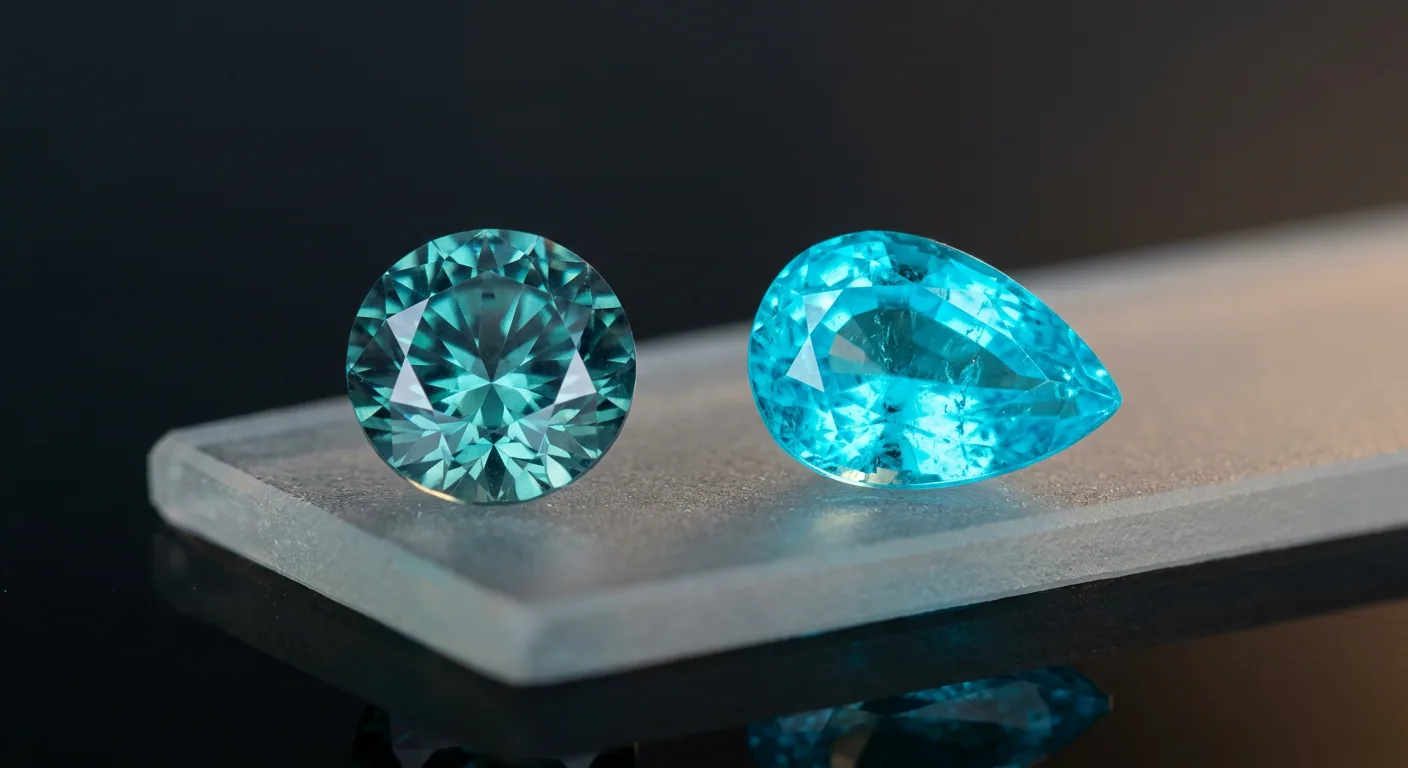
Paraiba Tourmaline: This gem is defined by its unparalleled "neon" or "electric" glow. Its vivid bluish-green to violet-blue hues are caused by the presence of copper and manganese, a combination unique among tourmalines. First discovered in the 1980s in Paraiba, Brazil, these mines were quickly depleted. While similar copper-bearing tourmalines have since been found in Nigeria and Mozambique, the original Brazilian stones, known for their superior saturation, command astronomical prices. The scarcity of high-quality Paraiba tourmaline, especially in sizes above one carat, makes it one of the most valuable gemstones globally.
Tsavorite Garnet: As an alternative to emerald, Tsavorite garnet offers compelling advantages for connoisseurs. Discovered in the late 1960s near the Tsavo National Park in Kenya, this gem boasts a rich, vibrant green color that can rival fine emerald. importantly, Tsavorite is typically untreated, unlike the vast majority of emeralds which require fracture filling. It also possesses a higher refractive index, resulting in greater brilliance, and is generally more durable. For those seeking a pure, natural green precious stone gem with exceptional fire, Tsavorite garnet is an increasingly popular choice. You can explore the diverse world of this gem species in our guide to garnet jewelry.
| Exotic Gemstone | Primary Appeal | Relative Rarity | Key Value Driver |
|---|---|---|---|
| Alexandrite | Dramatic color change (Day: Green / Night: Red) | Exceptionally Rare | Strength of color change and clarity |
| Paraiba Tourmaline | Unique "neon" or "electric" blue-green glow | Extremely Rare (esp. Brazilian) | Color saturation and copper content |
| Tsavorite Garnet | Vivid green, high brilliance, typically untreated | Rare (more so than Emerald) | Color purity and lack of enhancements |
Ready to explore these extraordinary exotics? Discover our curated collection of rare, certified precious gemstones.
A Connoisseur’s Guide to Buying Precious Stone Gems Online
Acquiring a significant precious stone gem online requires diligence and a structured approach to risk mitigation. The digital world offers unparalleled access to global inventory, but it also demands a higher level of consumer expertise. A successful purchase hinges on verifying authenticity through independent documentation and understanding how to evaluate a digital listing against established gemological standards.
How to Read a GIA Gemstone Report
The cornerstone of any secure high-end gemstone purchase is the independent laboratory report, with GIA (Gemological Institute of America) setting the global benchmark for colored stones. An expert observer knows that a digital scan of this report must be examined before any transaction takes place.
A GIA identification report definitively states whether a stone is natural or laboratory-grown. For colored gems, the most critical sections to scrutinize are "Treatment" and "Origin." The treatment section discloses any enhancements, such as heat treatment in sapphires or clarity enhancement in emeralds. If a stone is described as "No indications of heating," it commands a significant premium due to its rarity. The origin section, while often listed as "geographic origin not requested" for standard stones, is vital for the rarest stones, confirming coveted sources like Myanmar for rubies.
| Report Section | Critical Information to Verify | Impact on Value |
|---|---|---|
| Identification | Confirms species (e.g., Natural Corundum) | Fundamental authenticity |
| Origin | Geographic source (if requested/determinable) | Significant premium for legacy origins |
| Treatment | Discloses enhancements (Heat, Oil, etc.) | Untreated stones are exponentially more valuable |
| Quantitative Data | Precise weight, measurements, and physical properties | Ensures the report matches the specific stone |
Key Questions for Your Jeweler and Red Flags to Avoid
Engaging with a potential seller requires targeted questioning to establish transparency and expertise. A reputable source expecting to sell a high-value precious stone gem will provide thorough, verifiable answers.
Professional gemologists recommend asking specific questions before purchase:
- Is this gemstone natural, and is that origin guaranteed in writing?
- Has this stone undergone any treatments, and are those treatments stable?
- Can I view a copy of the independent lab report (GIA, AGL, or SSEF) online?
- What is your return policy, and does it allow time for independent verification?
- If the stone is for a setting, what are the considerations for selecting a center stone of this type?
Red flags that should cause immediate concern include prices significantly below market value, vague responses regarding treatments, or pressure to buy "investment" stones without recognized certification. Any refusal to provide a GIA report number for online verification is a definitive signal to terminate the inquiry.
The Joalys Commitment: Curation and Integrity
working through the online market requires a partner dedicated to the highest standards of gemological integrity. The Joalys approach prioritizes meticulous curation, ensuring that every precious stone gem in the collection meets rigorous criteria for quality, rarity, and ethical sourcing.
Expertise at Joalys is demonstrated through an unwavering commitment to transparency. Every significant colored gemstone is accompanied by a GIA report, providing independent verification of its natural origin and disclosure of any treatments. This dedication ensures that clients can acquire exceptional stones, from rare unheated sapphires to vibrant, ethically sourced emeralds, with complete confidence in their authenticity and value.

Quick answers
What is the most valuable precious stone gem ?
How can I tell if a precious stone gem is real or fake ?
Are unheated sapphires worth the extra cost ?
What is the difference between a certified gem and an appraisal ?
Is buying loose gemstones online safe ?
What are the best precious stone gems for an engagement ring ?
Which lab is best for gemstone certification ?
Do precious stone gems make good investments ?
What does "ethical sourcing" mean for colored gemstones ?
How should I care for and clean my precious stone jewelry ?
Conclusion
Acquiring a truly exceptional precious stone gem involves balancing passion with prudent evaluation. True value extends far beyond traditional labels, determined instead by complex factors like color saturation, geological scarcity, and the critical impact of origin and treatment. The absolute cornerstone of any confident acquisition remains an independent, reputable laboratory report. By understanding these expert nuances, one can read the market with clarity and tell rare quality from common imitation.