Gemstone Pendants: How to Choose the Stone, Not the Setting
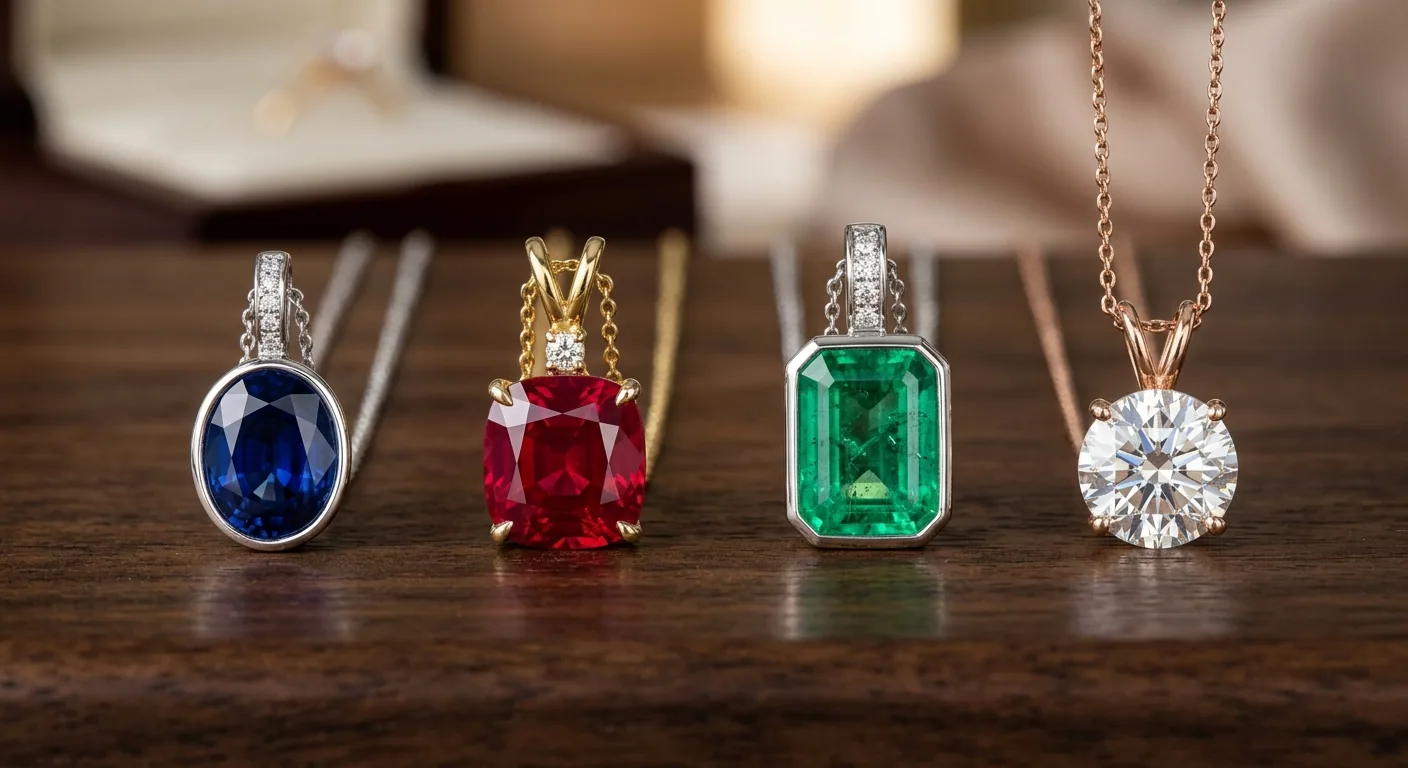
Buy the stone. Then buy the pendant.
That order sounds obvious written down, and almost nobody follows it. Most people walk into a jewellery shop, fall for a finished piece, and inherit whatever stone the manufacturer could source in volume that season. The setting sold the piece. The stone came along for the ride.
Here is the part that gets left out of most pendant advice: a pendant is the gentlest mount in jewellery. A ring spends its life colliding with door handles, keyboards and car doors. A pendant hangs. It swings against fabric. That single difference changes which stones you can realistically own, and it opens a door that rings keep shut.
TL;DR: Pick the stone first. Because a pendant takes so little impact, soft or brittle gems like opal, moonstone, tanzanite and kunzite are genuinely wearable here even though they fail in rings. If you want something you never take off, stay with sapphire, ruby or spinel. Size matters less than you think: 7x5 mm already reads clearly at conversational distance.
- Why a pendant?
- It hangs instead of being knocked. Lowest impact exposure of any mount.
- Safe in a pendant, risky in a ring
- Opal, moonstone, tanzanite, kunzite, sphene, morganite
- Wear it and forget it
- Sapphire and ruby (Mohs 9), spinel (8)
- What actually reads at the neck
- 7x5 mm to 9x7 mm. Roughly 1 to 2.5 carats depending on the stone
- Most protective setting
- Bezel. Prongs show more of the stone but expose the girdle
- Buy in which order?
- Stone first, certificate second, setting last
Why Is a Pendant Safer for a Gemstone Than a Ring?
Gemstone durability is not one number. It is three, and the jewellery trade keeps quoting only the first.
GIA splits it into hardness, toughness and stability (GIA, 4Cs durability guidance). Those three do not move together, which is where most bad pendant advice comes from.
Hardness is resistance to scratching, measured on the Mohs scale. Toughness is resistance to chipping and breaking. Stability is resistance to light, heat and chemicals. They are independent. Tanzanite sits at roughly 6 to 7 on Mohs, which sounds survivable, but it has one direction of easy cleavage. Knock it at the wrong angle and it does not scratch, it splits.
So the real question for a pendant is not "how hard is this stone". It is "how many times per day will this stone get hit".
Run the tally on a ring. Hands lead. They grip, they brace, they get shoved into pockets. A ring stone is at the leading edge of almost every physical thing you do. Now run it on a pendant. It rests on the sternum, covered by a collar half the time, and contacts almost nothing but cotton and skin. The impact count is not slightly lower. It is an order of magnitude lower.
Hardness and toughness are two different things, explained in under five minutes.
That is why a stone graded "not recommended for daily wear" by a ring standard can be perfectly sensible on a chain. We say this as people who sort parcels for a living: the stones we set aside as too fragile for engagement work are frequently the most beautiful things in the paper.
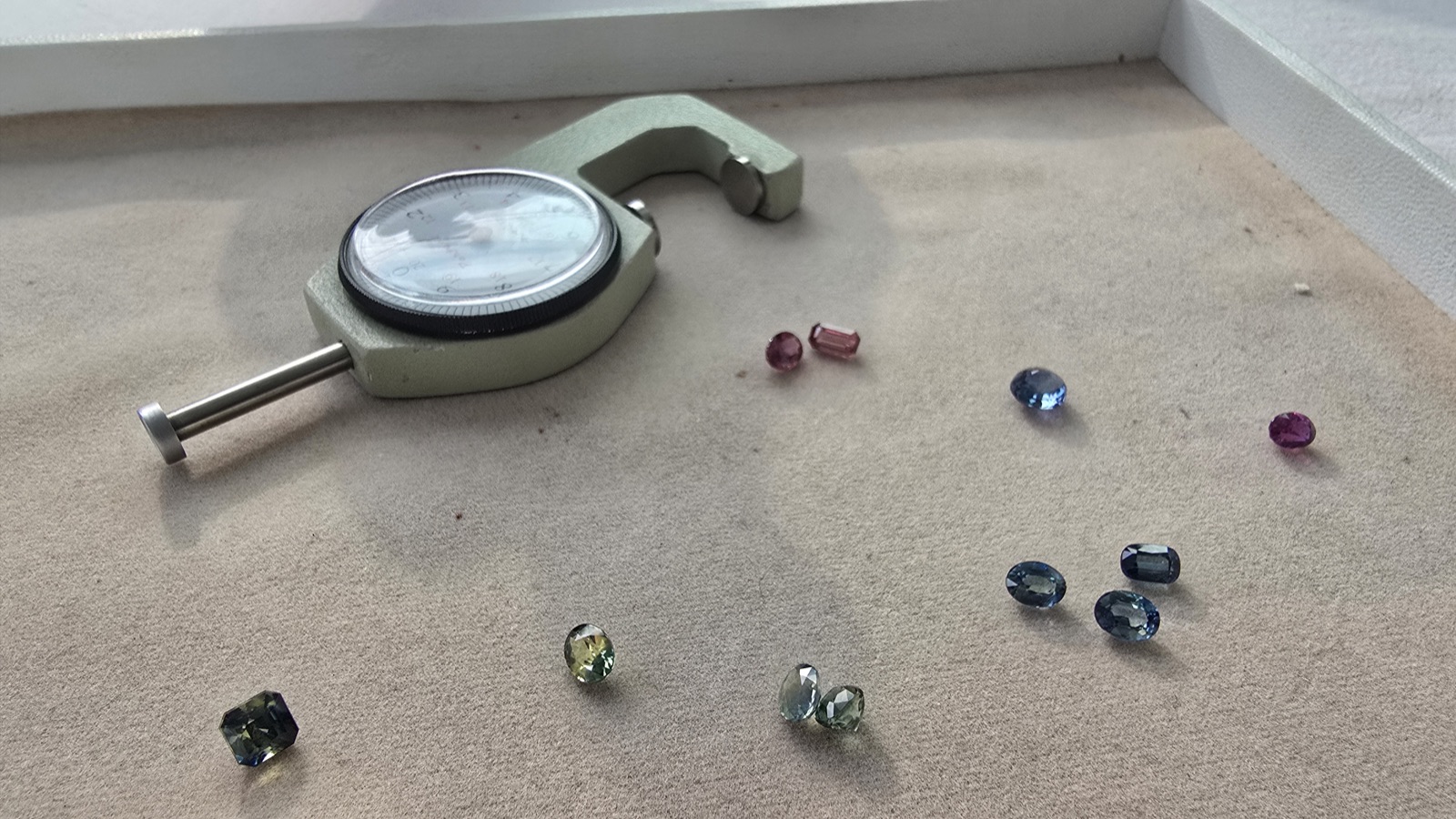
Which Gemstones Work in a Pendant but Not in a Ring?
These are the gems worth putting on a chain precisely because you would be mad to put them on a finger.
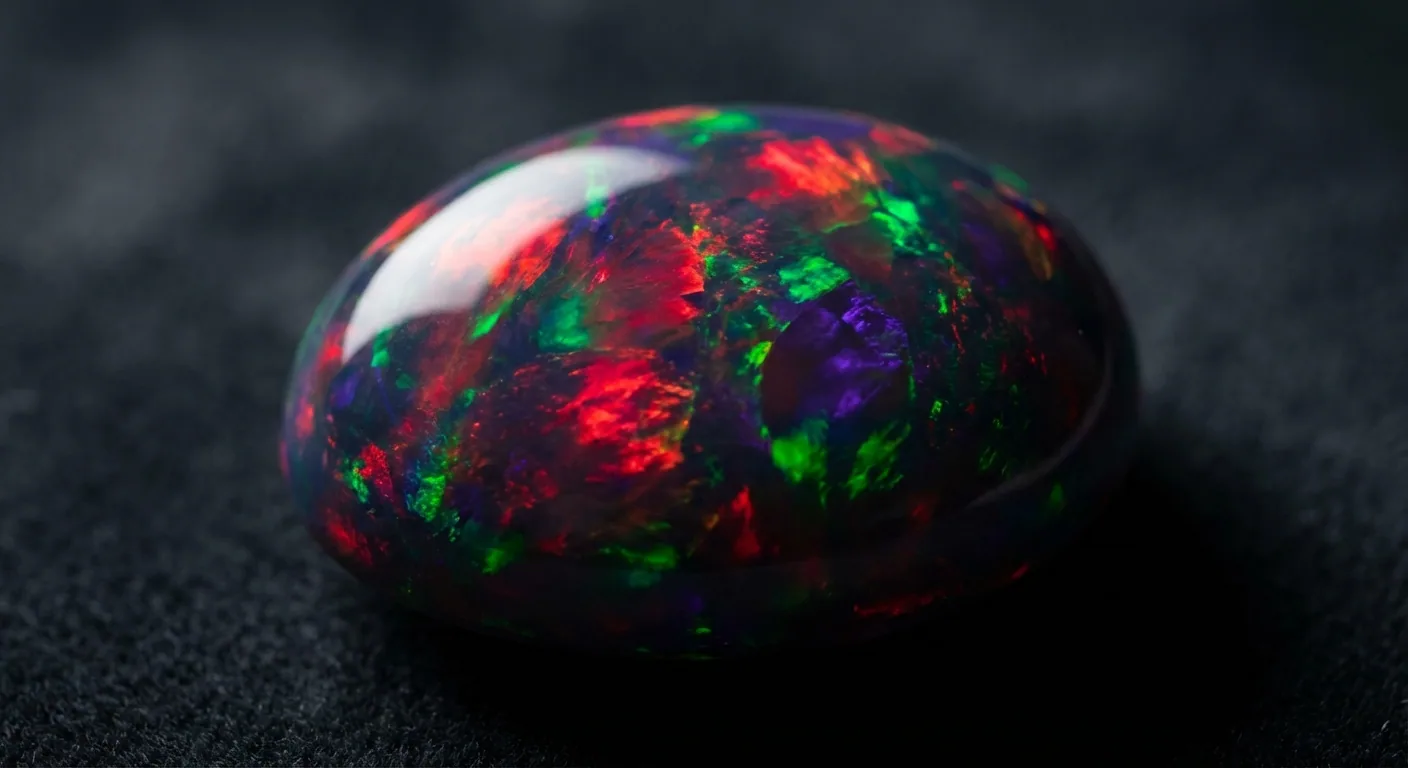
Opal is the clearest case. A ring turns a fine opal into a countdown. On a chain it is just a stone that happens to move light around better than almost anything else on earth. Our opal buying guide covers what to look for before you commit.
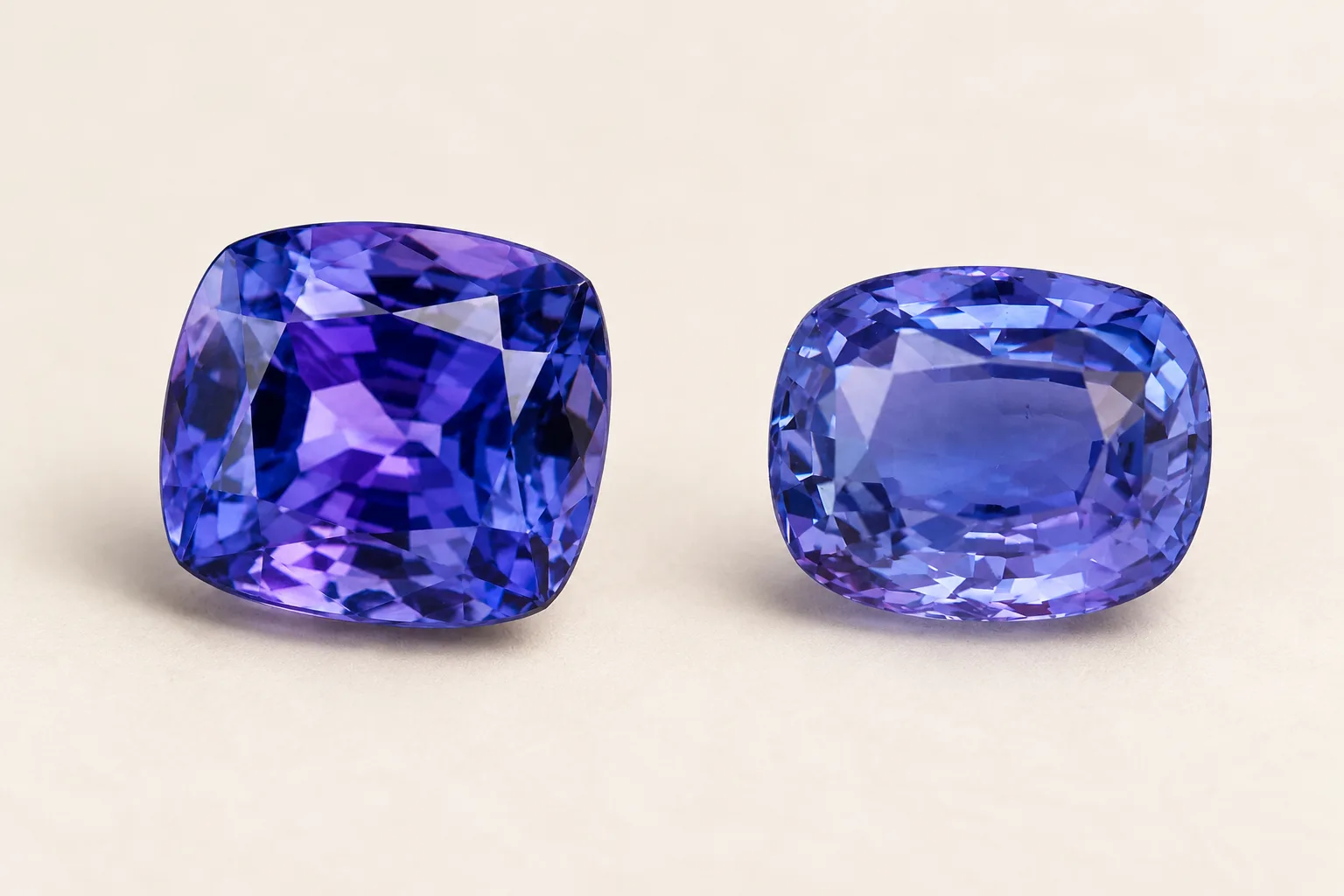
Tanzanite is the one people argue about. It gets sold hard as an engagement stone, which we think is close to irresponsible. In a pendant, that objection evaporates. Same for moonstone, kunzite, sphene and morganite.
My own opinion, for what it is worth: sphene in a pendant is the most underrated thing in coloured stones. It out-fires diamond, it costs a fraction, and the only reason you rarely see it is that it cannot take ring duty.
Which Stones Can You Wear Every Day Without Thinking?
Different brief. Some people want a pendant they put on once and stop thinking about, through showers, gym sessions and airport security.
For that, the list gets short and boring, in the best way.
- Sapphire and ruby, Mohs 9. Same mineral, corundum, and second only to diamond for scratch resistance. Good toughness too, with no cleavage to worry about. This is the set-and-forget answer.
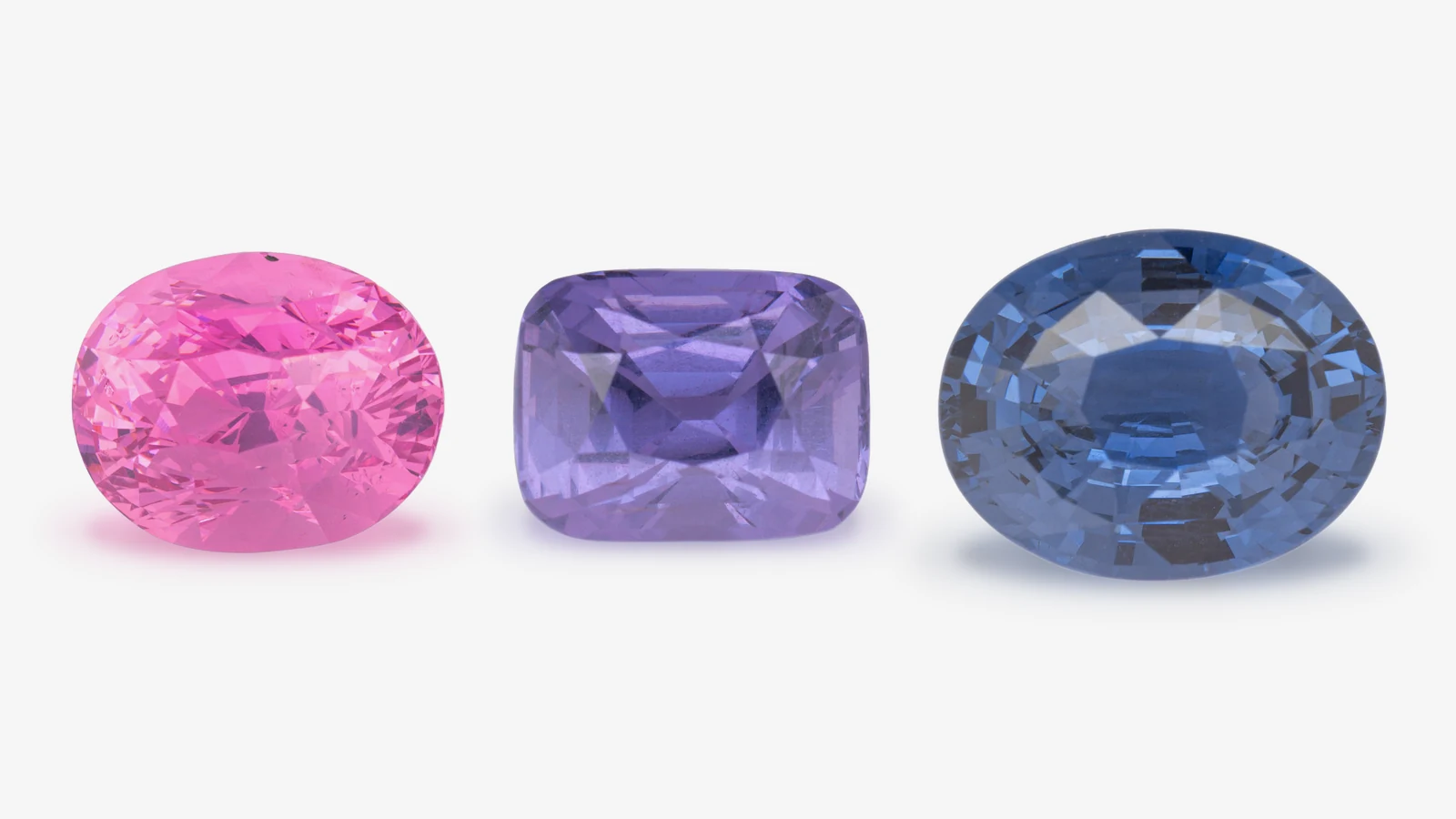
- Spinel, Mohs 8. Singly refractive, no cleavage, genuinely tough, and still undervalued compared to what it is. Our spinel guide explains why the trade slept on it for two centuries.
- Topaz, Mohs 8, with an asterisk. Hard, but it has perfect basal cleavage. Fine hanging on a chain, less fine taking knocks.
Worth knowing: ordinary household dust contains quartz at around 7 on Mohs. That is why anything below 7 picks up a dull haze over years even if you never bang it into anything. Wiping a stone with a dry cloth is mild sandpaper. Use water.
If you are deciding between a coloured sapphire and something rarer, tanzanite versus sapphire lays out the trade honestly, and teal sapphire covers the colour we get asked about most.
What Carat Size Actually Reads at the Neck?
Nobody talks about this and it is the question we get most often: how big does it need to be?
Pendants are viewed from about 60 to 100 cm away, across a table. Rings get inspected from 20 cm. That means a pendant stone does not need the size a ring stone needs to read as present.
- 6x4 mm (roughly 0.5 to 0.75 ct): delicate. Reads as a detail, not a statement.
- 7x5 mm (roughly 1 to 1.3 ct): the sweet spot. Clearly visible in conversation, still easy to wear under a shirt.
- 9x7 mm (roughly 2 to 2.5 ct): unmistakable. This is a piece people comment on.
- 11x9 mm and up (4 ct+): formal territory. Beautiful, but it will dictate the neckline.
Carat is weight, not size, and the two come apart fast across species. Sapphire is noticeably denser than beryl, so a 2 ct sapphire looks smaller than a 2 ct morganite. Always ask for millimetres. A seller who quotes only carats is describing their invoice, not your pendant.
Chain length changes the read as well. An 18 inch chain sits at the collarbone; 20 to 22 inches drops to mid chest and suits a larger stone. We go through this in the necklace lengths guide.
Bezel, Prongs and the Bail Nobody Inspects
The setting has one job: hold the stone without becoming the reason it breaks.
Bezel. A metal rim wraps the girdle completely. Most protective option by a distance, and the obvious call for opal, moonstone, tanzanite and anything with cleavage. It costs a little light return, and it is worth it.
Prongs. Four or six claws, maximum light, maximum exposure. Fine for sapphire, ruby and spinel. Have the claws checked about once a year, because a lost stone is nearly always a worn prong rather than a broken chain.
The bail. This is the part people never inspect and it is where pendants actually fail. The bail is the loop the chain runs through. If the chain is harder than the bail metal, the chain saws through it slowly. Check that the bail is thick enough and that the chain gauge matches it.
One more practical note: match the metal to the stone's heat tolerance before any setting work. Opal and tanzanite do not like a torch. A bench jeweller who knows coloured stones will set those cold or with heat shielding. It is a fair question to ask before you hand over the gem.
Buy the Stone First: What to Check Before Setting
Joalys sells loose certified stones, not finished pendants. That shapes the advice, so it is only fair to say it plainly rather than bury it.
The practical consequence is the order we recommended at the top. You choose the gem on its own merits, with a certificate in hand and nothing distracting you, then have it set the way you want it. Buying the stone separately also tends to be where the money is: in a finished retail piece, you are paying for the stone, the setting, the brand and the shelf it sat on.
What to check before the setting stage:
- Treatment disclosure in writing. Heat is standard and stable in sapphire and ruby. Unheated material carries a real premium, which is exactly why it needs documenting. See unheated versus heated sapphire.
- A lab report you can actually read. A certificate proves species and treatment. It does not set the price and it is not a valuation. We wrote what a gemstone certificate actually proves about the gap between those two things.
- Origin, if you are paying for origin. Ceylon commands a premium over Madagascar for comparable material. If the premium is on the invoice, the origin should be on the report. More in Ceylon sapphire origin and value.
- Millimetres, not just carats. Covered above, and it is the single easiest way to avoid disappointment when the box arrives.
Every stone we sell ships with a certificate, and our certification policy puts something in writing that most of the trade will not: you may have the stone re-tested by an accredited lab, and if the report materially disagrees with ours on species, treatment or quality, it comes back for a full refund within 90 days, premium lab fees included. That is a contract rather than a claim. It is the part of this business we are most willing to be judged on.
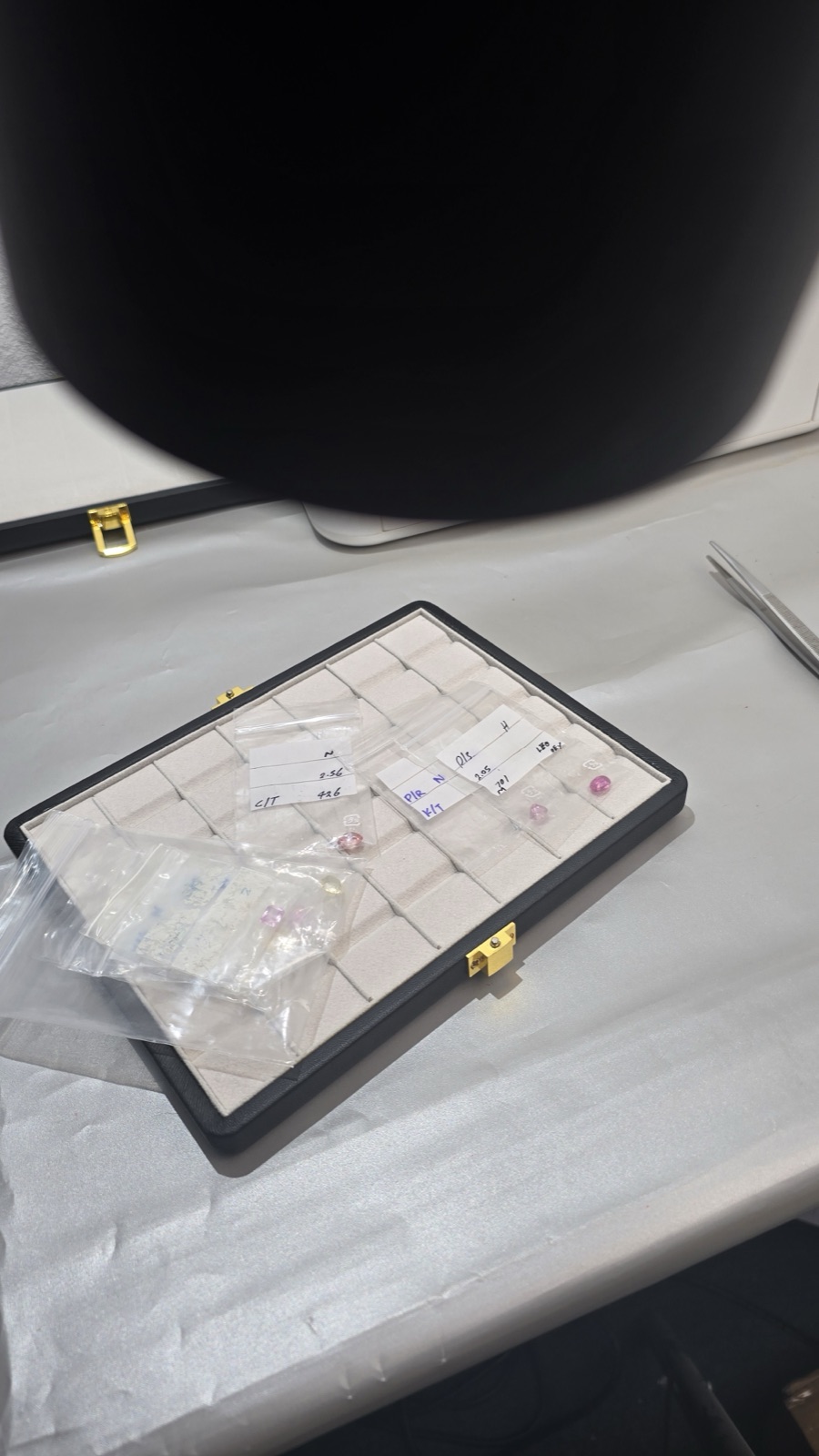
Browse the current certified collection for what is actually in the tray this month, or read buying loose gemstones for jewellery if the stone-first approach is new to you.
Quick answers
What is the best gemstone for a pendant necklace?
Can you wear an opal pendant every day?
How big should a gemstone pendant be?
Is a bezel or prong setting better for a pendant?
Why does carat weight not match the size I expected?
Should I buy a loose stone or a finished pendant?
What does it mean when a gemstone is treated?
Does a gemstone pendant need a lab certificate?
What chain length works best for a gemstone pendant?
Which gemstone gives the most colour for the money in a pendant?
Choose the Stone You Cannot Stop Looking At
A pendant asks less of a gemstone than any other piece of jewellery, and that is its quiet advantage. It means the decision can be made on colour, character and the way a stone behaves in the light, rather than on whether it can survive a car door.
So do it in this order. Find the stone. Get the report. Choose the setting that protects it. A gemstone pendant built that way is a specific gem you chose, hung where you can see it, rather than whatever the display case happened to be selling that week.