Road I
Ceylon, in my own hands.
Sapphire, spinel, garnet, chrysoberyl, moonstone: what the island itself produces. Bought on site, in the back rooms where professionals actually show parcels.
Most of the catalogueIn Sri Lanka, no foreigner is allowed to own one.Me included.
So I do the only honest thing left: I go, I sit at the table, and I buy the stone with my own eyes.
See the stonesFrom the pit to you: seven to ten hands.I buy at the market, one or two hands from the ground.
A stone leaves the pit and is bought by one person. Sometimes that person sells it on once more. That is where I buy, one to two hands from the ground.
Sapphire, spinel, garnet, chrysoberyl, moonstone: what the island itself produces. Bought on site, in the back rooms where professionals actually show parcels.
Most of the catalogue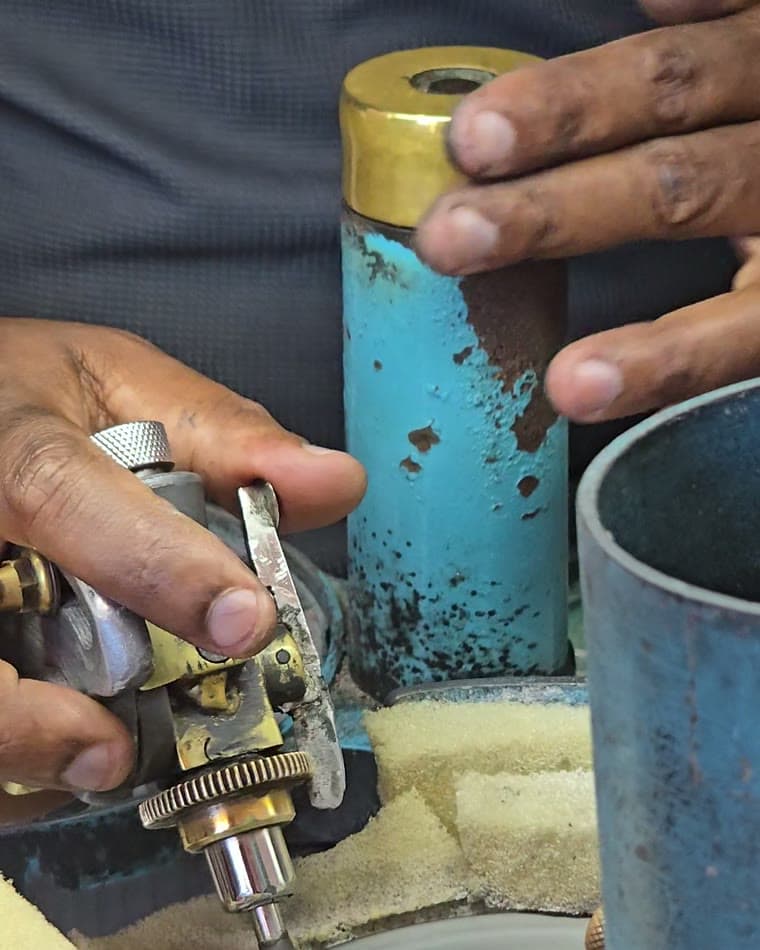
Rough from East Africa, cut on the island by the cutters I work with.
Never sold as Ceylon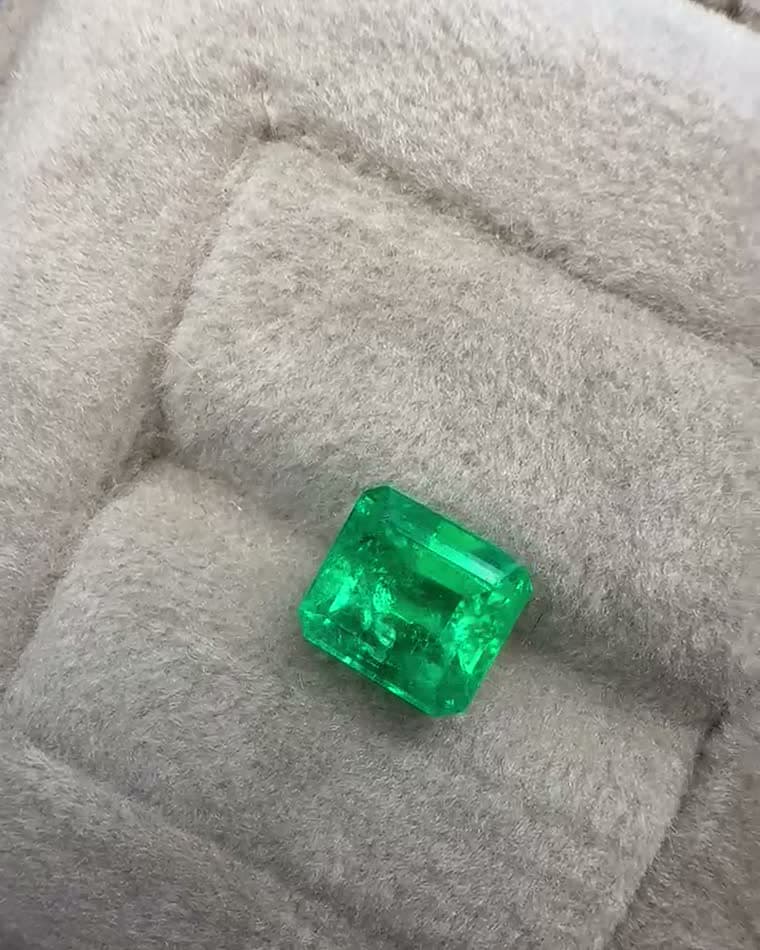
Emerald, pearl and more: the island doesn't produce them, and I won't pretend to find them there. They come from partners who do only that.
Partner-sourced, namedThree roads.Then your hands.
In the 2013 figures, around 6,500 licences were issued in a year, more than 6,000 of them for pits dug by hand. No licence, no parcel a dealer can legally show you.
Sri Lanka Export Development Board · figures for 2013Not a foreign company, not a foreign partner, not me. Sixteen such licences were cancelled in 2015. It is the plainest answer to why I buy at the market instead of claiming a mine.
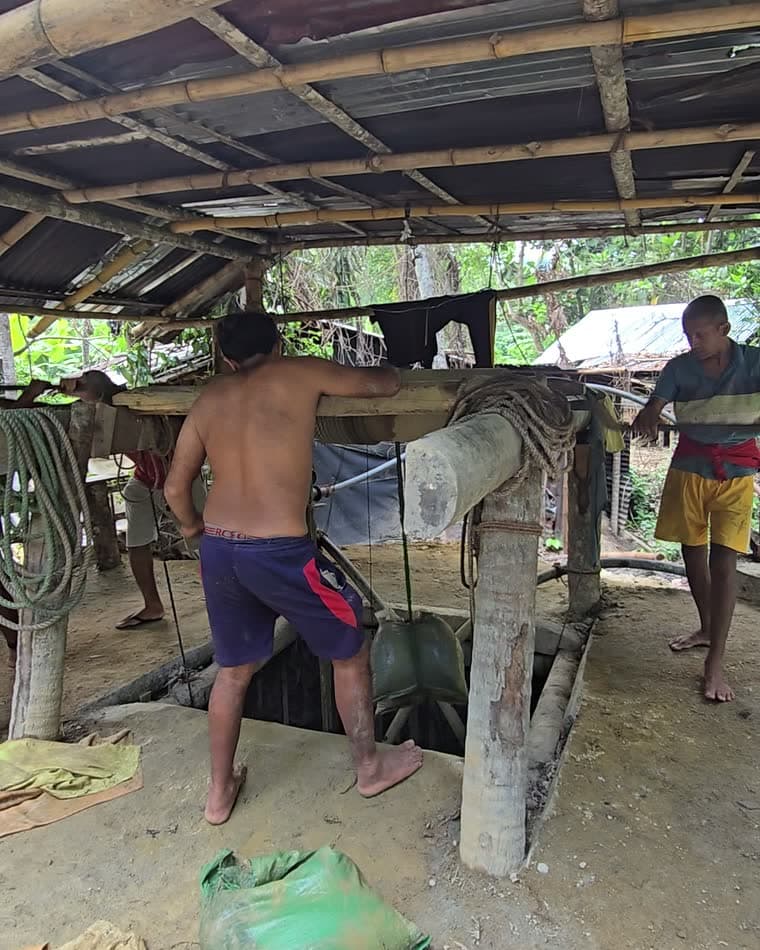
Daily FT · 2015About ten mechanised permits, that same year. What is left is a timber shaft, a rope, a bucket and a small pump. Slow, shallow, and deliberately so.
Sri Lanka Export Development Board · figures for 2013The Mines and Minerals Law No. 4 of 1973 says so, and Sri Lanka has ratified both ILO conventions that govern it: 138 on minimum age, 182 on the worst forms of child labour.
US Department of Labor · Worst Forms of Child Labour, Sri Lanka (2022)Shafts and open pits must be filled once mining ends. Rehabilitation sits in the licence itself, not in goodwill. The land is replanted before the paperwork closes.
National Gem and Jewellery Authority, via the Export Development BoardMost buyers ask for weight, because weight is what gets billed. I ask for light. And I pay the difference.
There are things a photograph cannot carry: the colour changes when the stone moves, and you have to see it move.
Two sapphires, on the same paper. Look closely.
The gap is exaggerated here. At the market it is a few degrees, and it is the whole price of the stone.
You don't learn this from a book. I went back to the market every day, until that violet stopped being invisible. Then every stone goes to an independent laboratory, and its treatment is stated before its price.