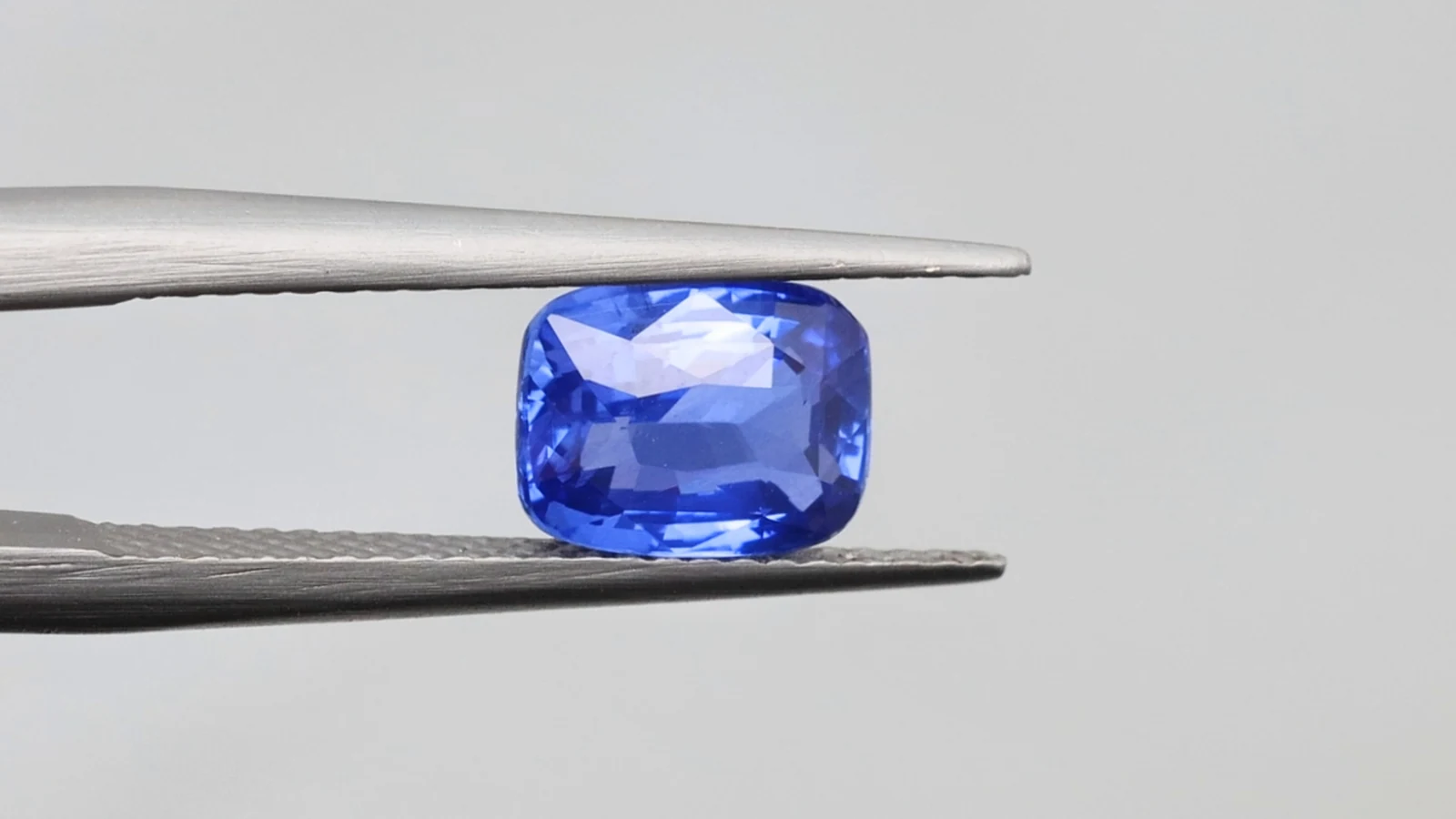
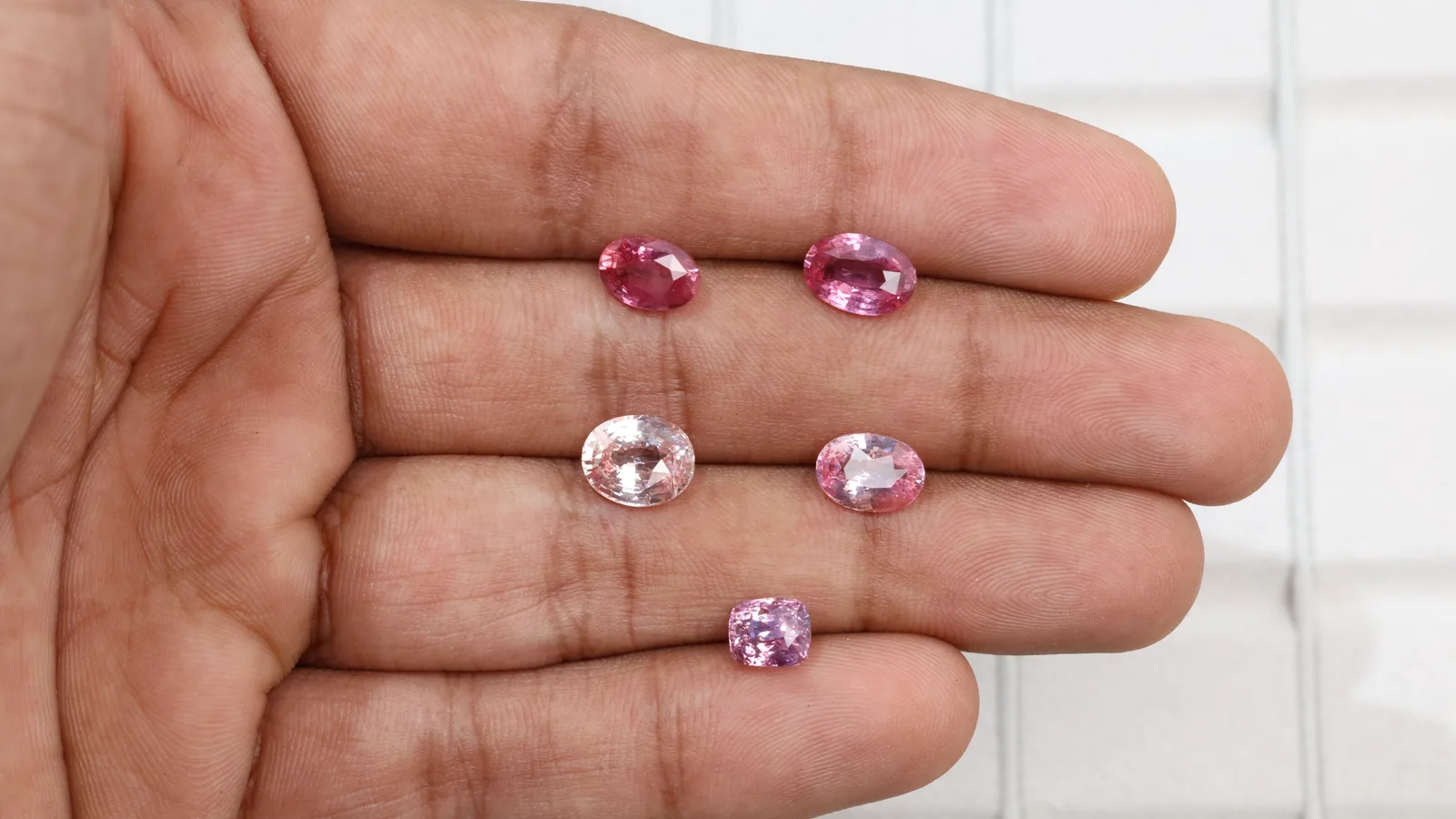
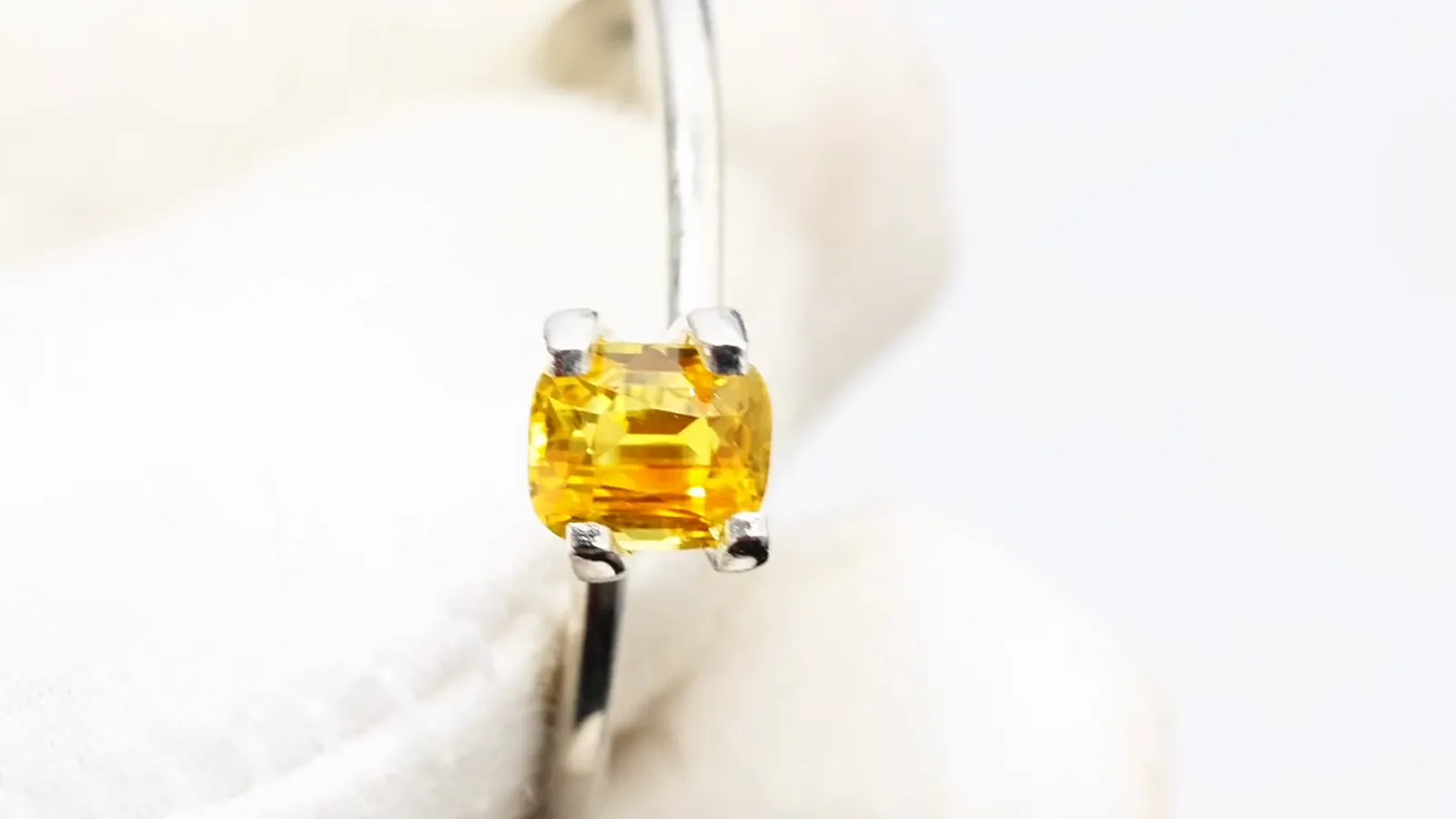
Bespoke Ring: The Process, Stone First
What happens between your idea and the ring on your finger, and why everything starts with the stone.

A bespoke ring takes six steps: a first conversation, the choice of your stone, the design drawn around it, a wax model to try on, the workshop, then delivery. Start with the stone: the setting is drawn to its exact measurements, not the other way round. And nothing goes to the workshop until you love the design.
- Where to start?
- The stone, then the design
- How many steps?
- Six, from first conversation to delivery
- See it beforehand?
- In 3D, then in wax on your finger
- When is it settled?
- Stone, deposit, balance
Where do you start your ring?
Three paths lead to a bespoke ring:
- A stone from the site. You choose a stone from the collection, and the ring is drawn around it.
- A stone to find. You describe the stone you have in mind; I look for it, then it is set.
- A ring project. You arrive with a drawing, a photo or a precise idea: the ring is made from your project.
The stones we set are always the ones chosen with us: we do not set a stone brought in from elsewhere.
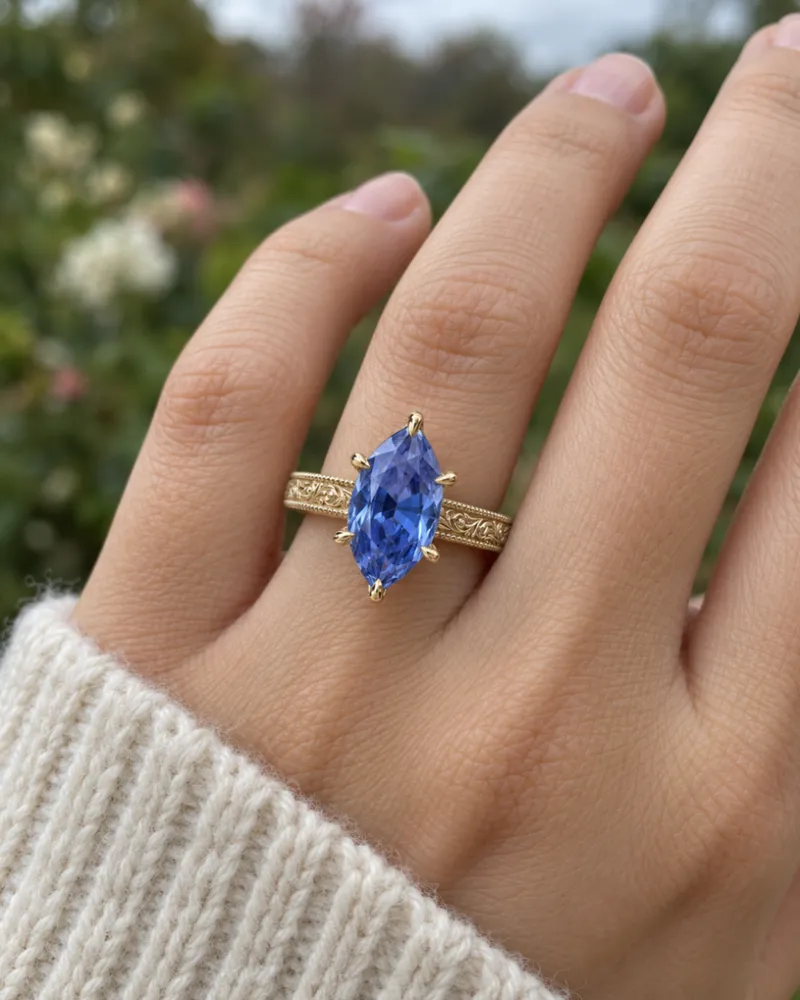
1 / 10Marquise
A long oval pointed at both ends. Searches are up 50% in a year.
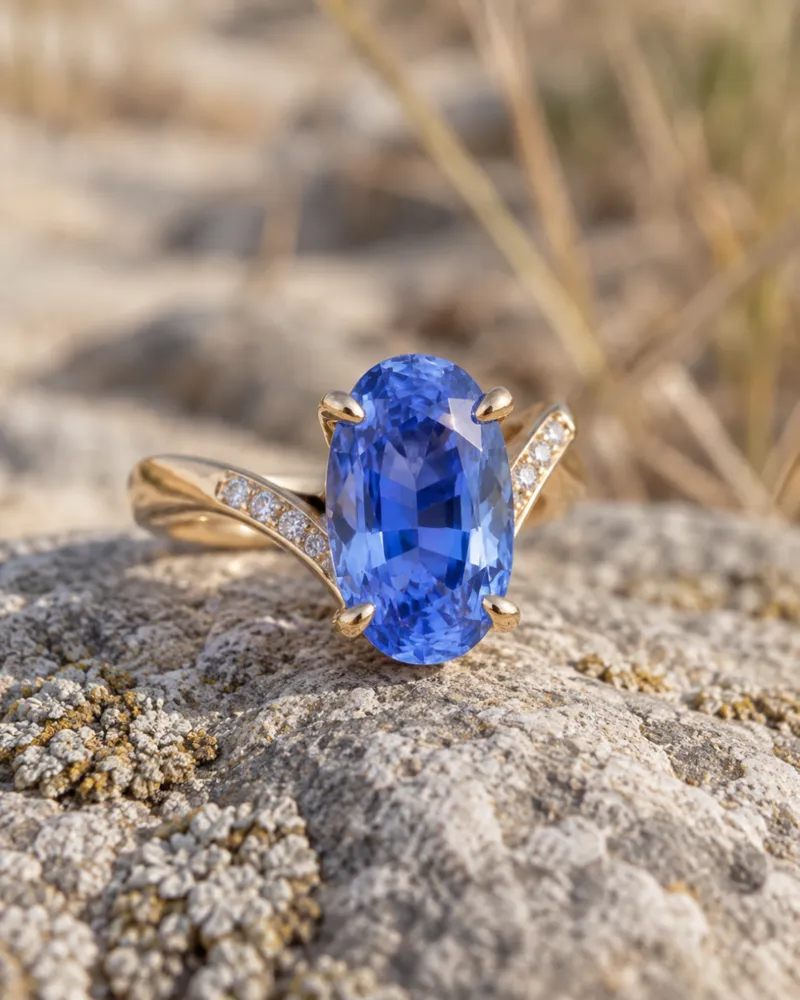
2 / 10Oval
A rounded, elongated outline with no corners.
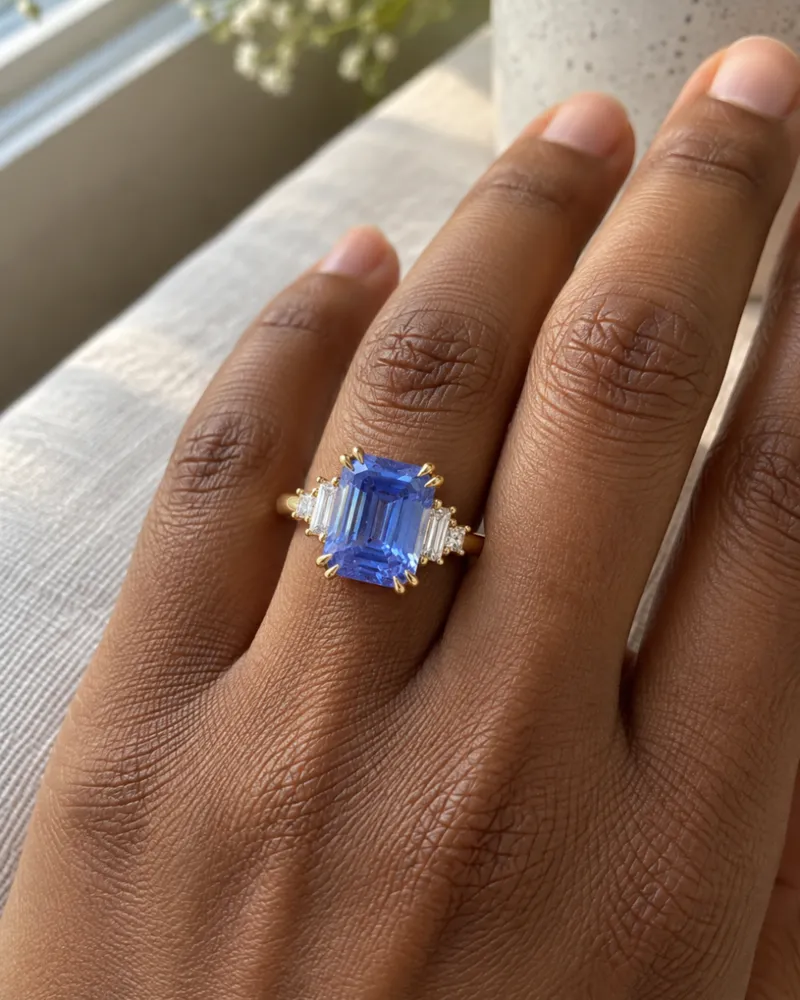
3 / 10Emerald cut
A rectangle with cut corners and long, parallel facets.
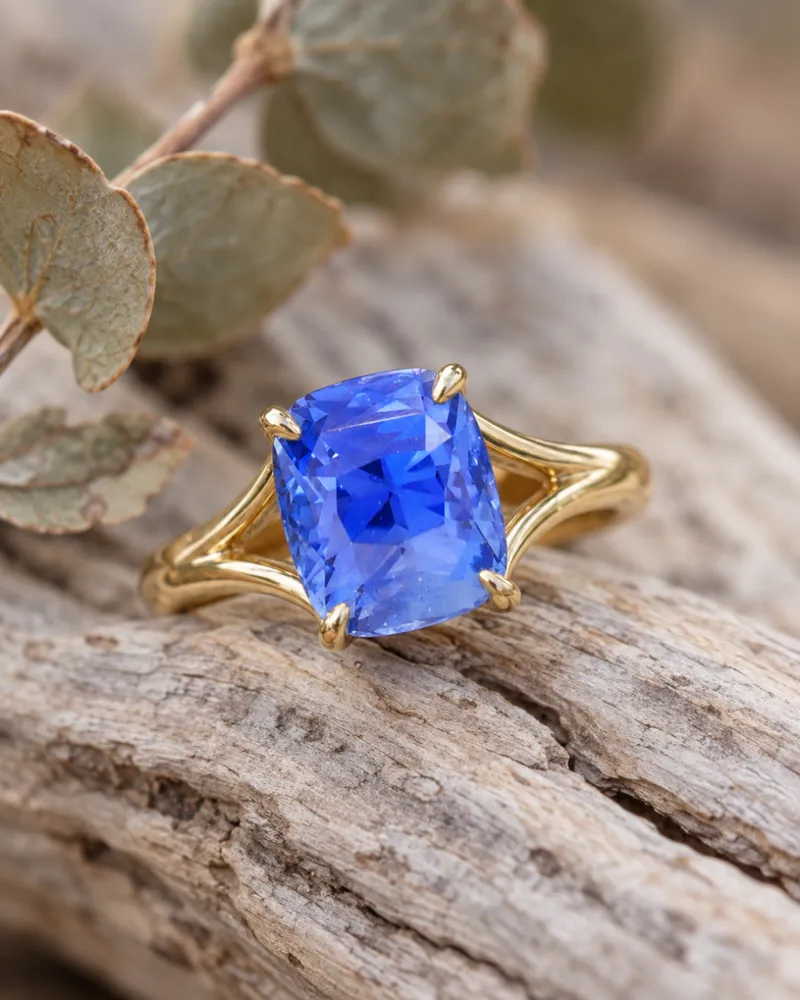
4 / 10Elongated cushion
A long rectangle with rounded corners and curved sides.
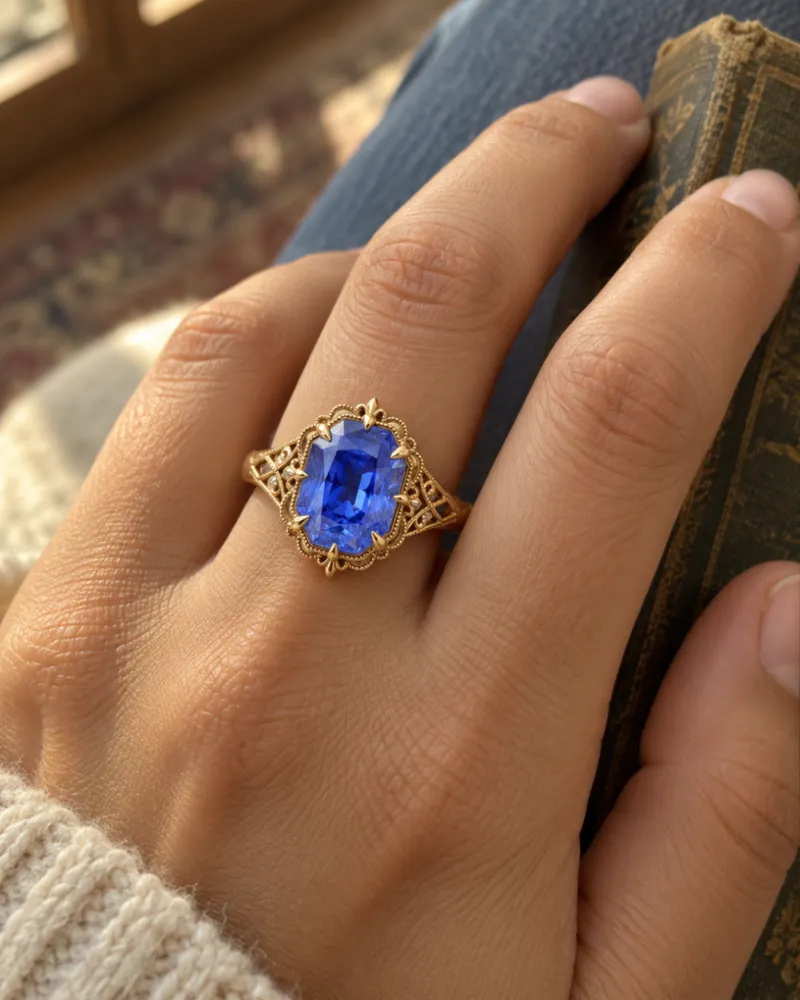
5 / 10Vintage
Openwork metal, a beaded edge and pierced shoulders, like an heirloom.
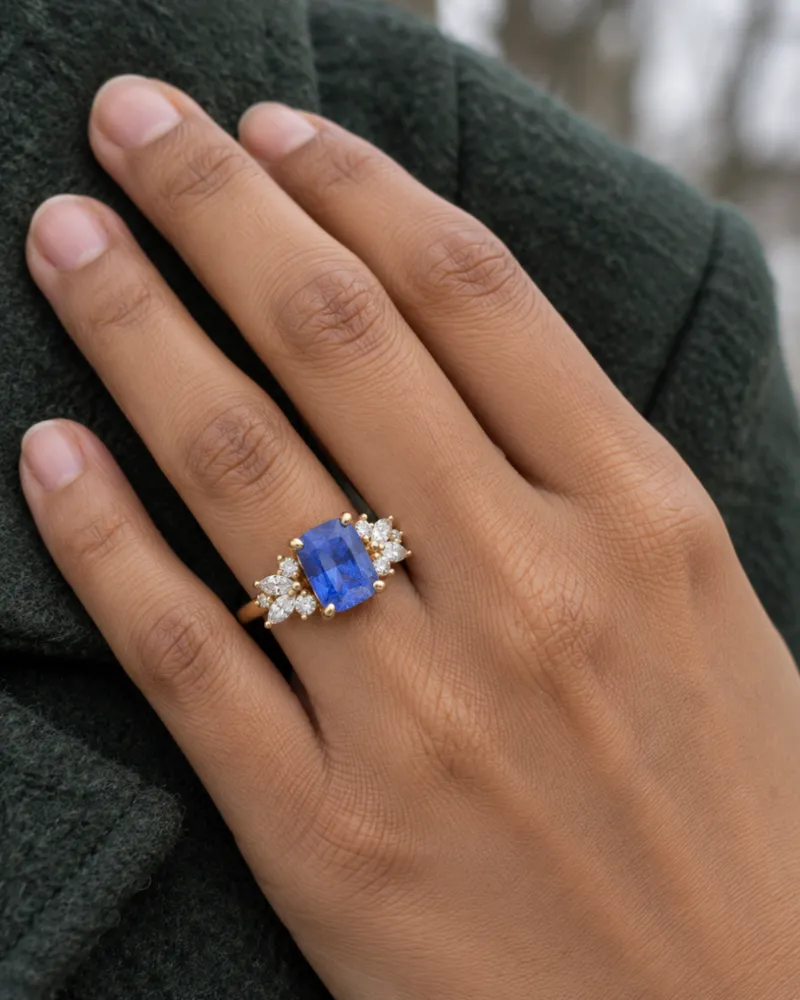
6 / 10Radiant
A rectangle with cropped corners and many small facets.
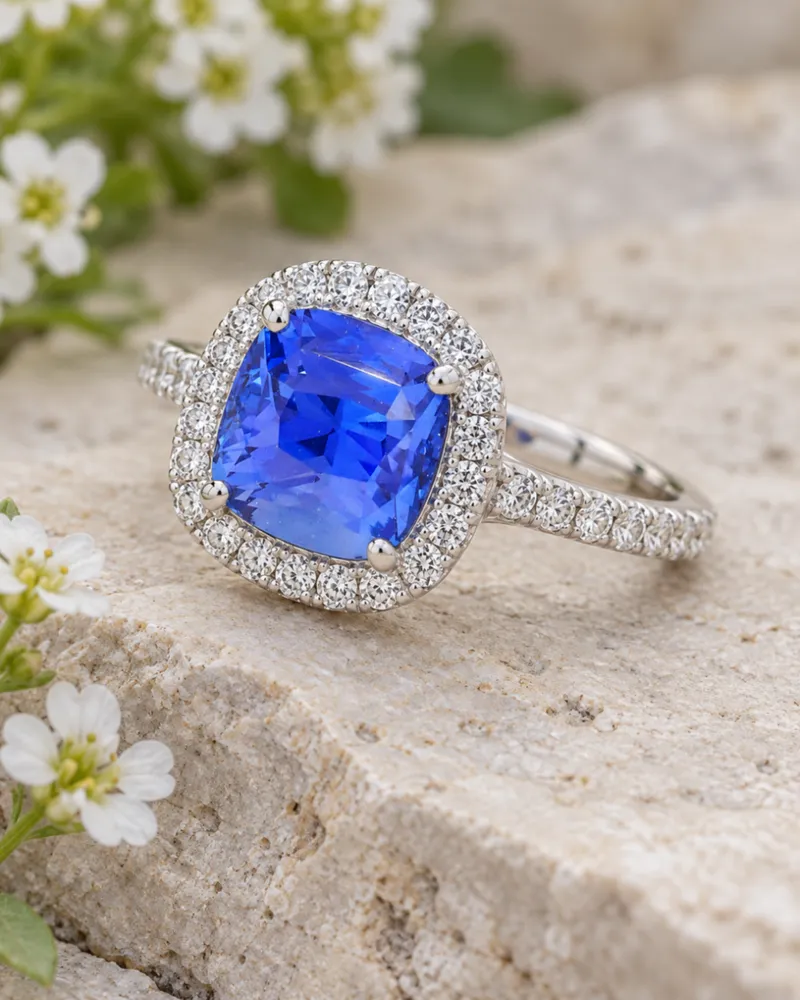
7 / 10Cushion
A soft square with rounded corners.
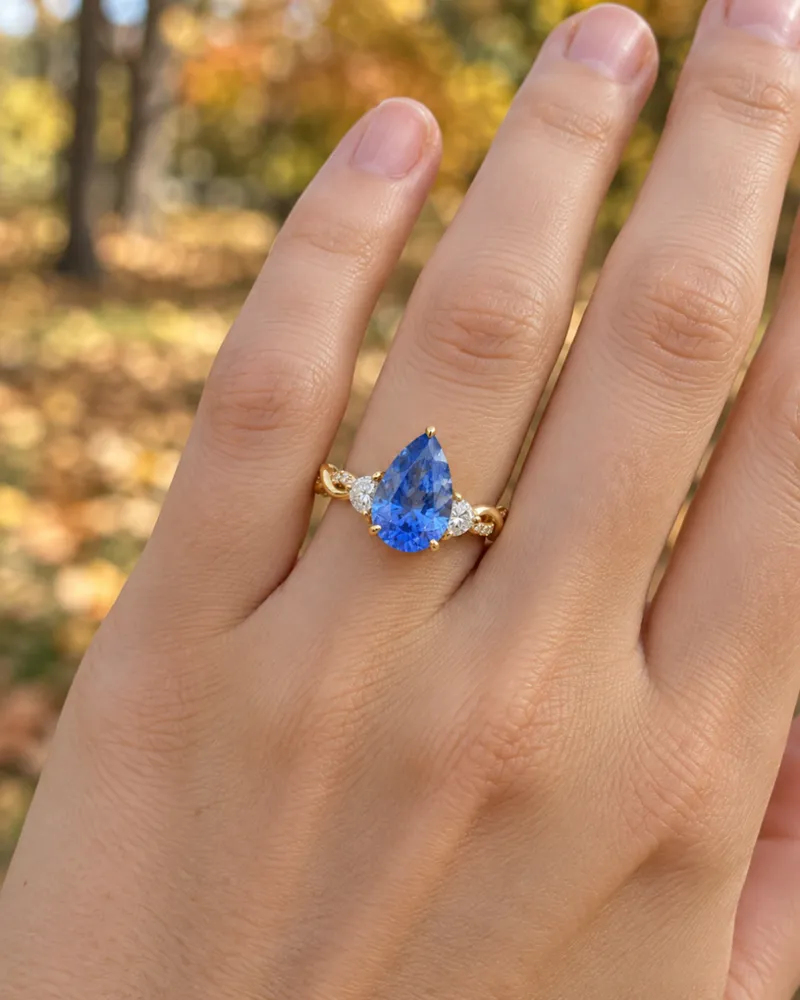
8 / 10Pear
A teardrop: one rounded end, one point.
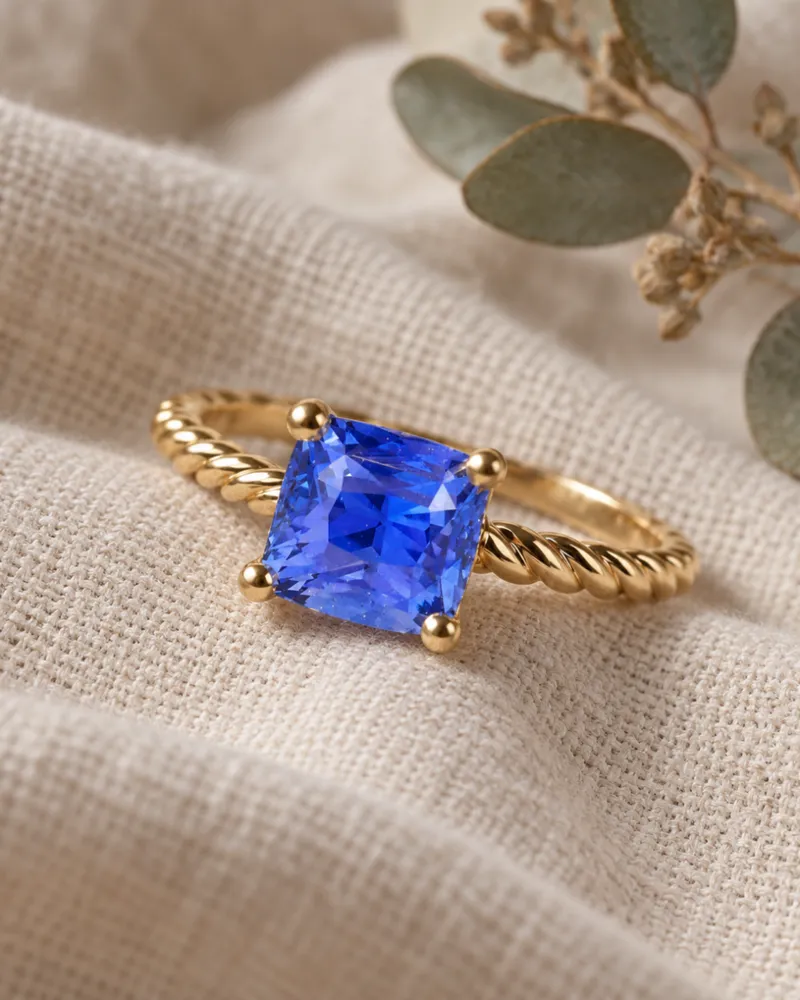
9 / 10Princess
A square outline with marked corners.
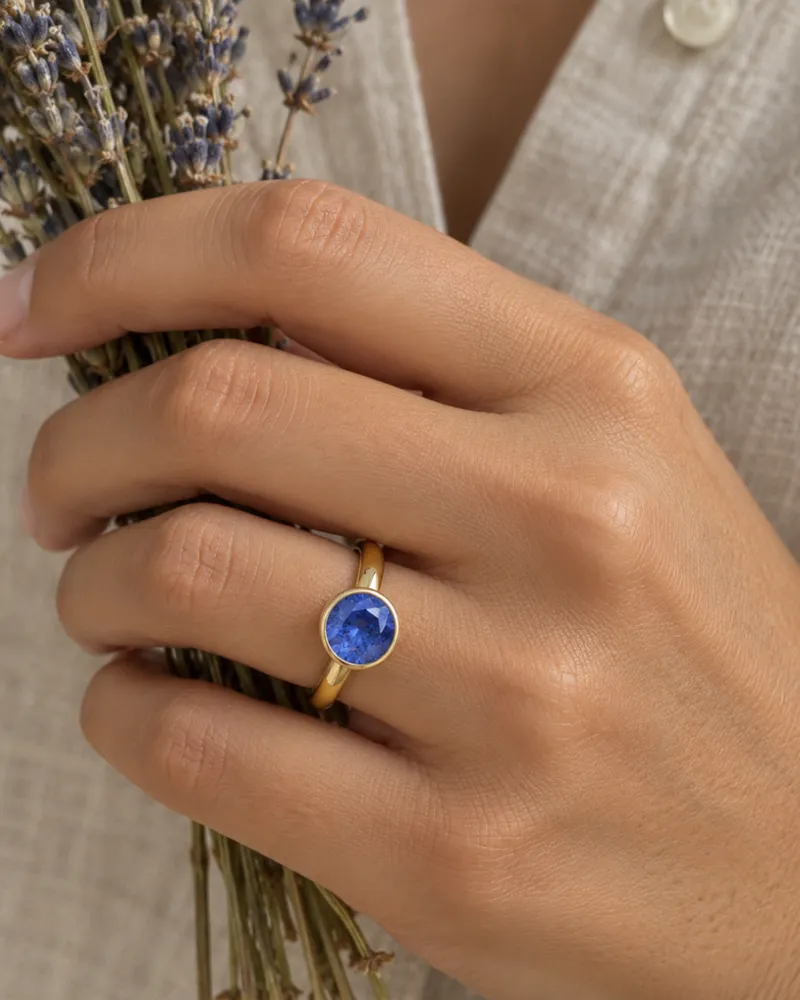
10 / 10Bezel
A rim of metal wraps the whole edge of the stone, with no prongs.
Why start with the stone?
A ready-made ring starts from a standard setting, built for stones cut to standard sizes, known as calibrated. Most small stones are.
A fine colored stone is often cut free-size, to its own dimensions: when the rough is rare, the cutter keeps as much weight as possible. It will not sit in a ready-made mount without compromise.
Weight does not tell you size, either. At the same weight, two stones do not take up the same space: a 10-carat aquamarine needs a larger setting than a 10-carat ruby of the same shape.
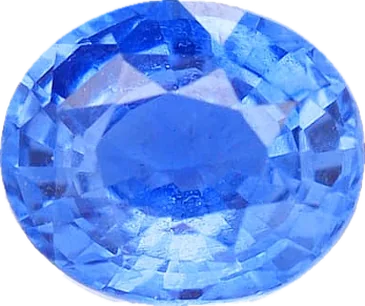
Real stones from our catalogue, drawn to the same scale from our measurements.
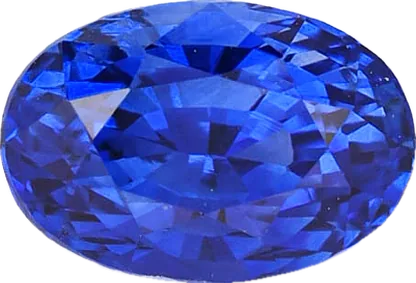
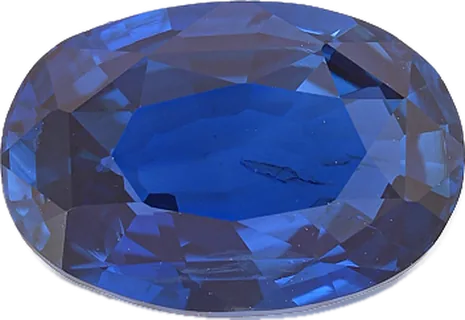
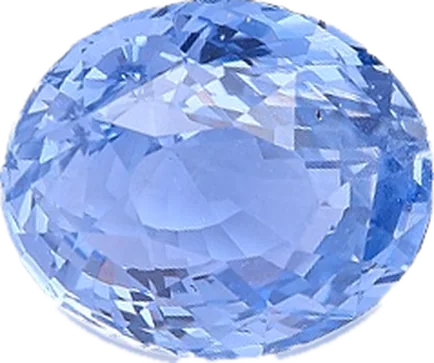
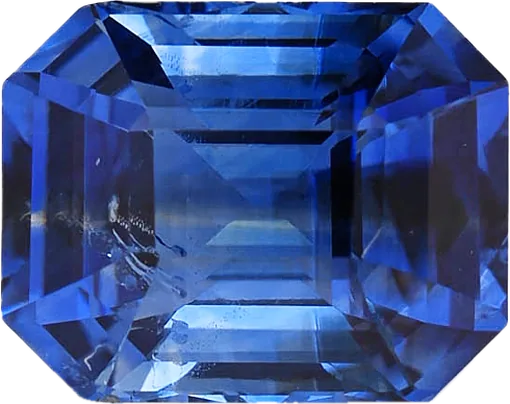
1.56 and 1.55 carats: the same weight. 7.4 by 5.1 mm on the left, 8.3 by 5.7 mm on the right. The setting is made to the millimeters, not to the carats.
1.10, 2.01 and 3.03 carats: almost three times the weight, yet the longest is only about 1.4 times the length of the lightest.
Stones are drawn in proportion to their measured length. On a screen this is not life size. Stock changes, so these are examples.
Hence the order I follow: the stone first, its measurements next, the design last.
How does a bespoke ring work, step by step?
This is the path every request follows through my bespoke ring page.
Your idea
Before the workshop
1. The first conversationIn writing or by voice. Nothing is due.
The piece, the shade, what you have in mind. I read every request myself and usually answer within 48 hours.
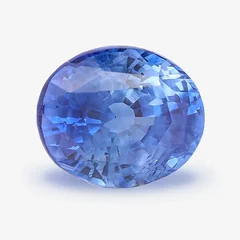 2. The stoneYou choose; the stone is settled when you approve it.
A stone from the site, or one I go and find for you: a private selection, in photos and videos made for you.
3. The designIn 3D, around the measurements of your stone.
Once the design is approved, half of the making is settled as a deposit.
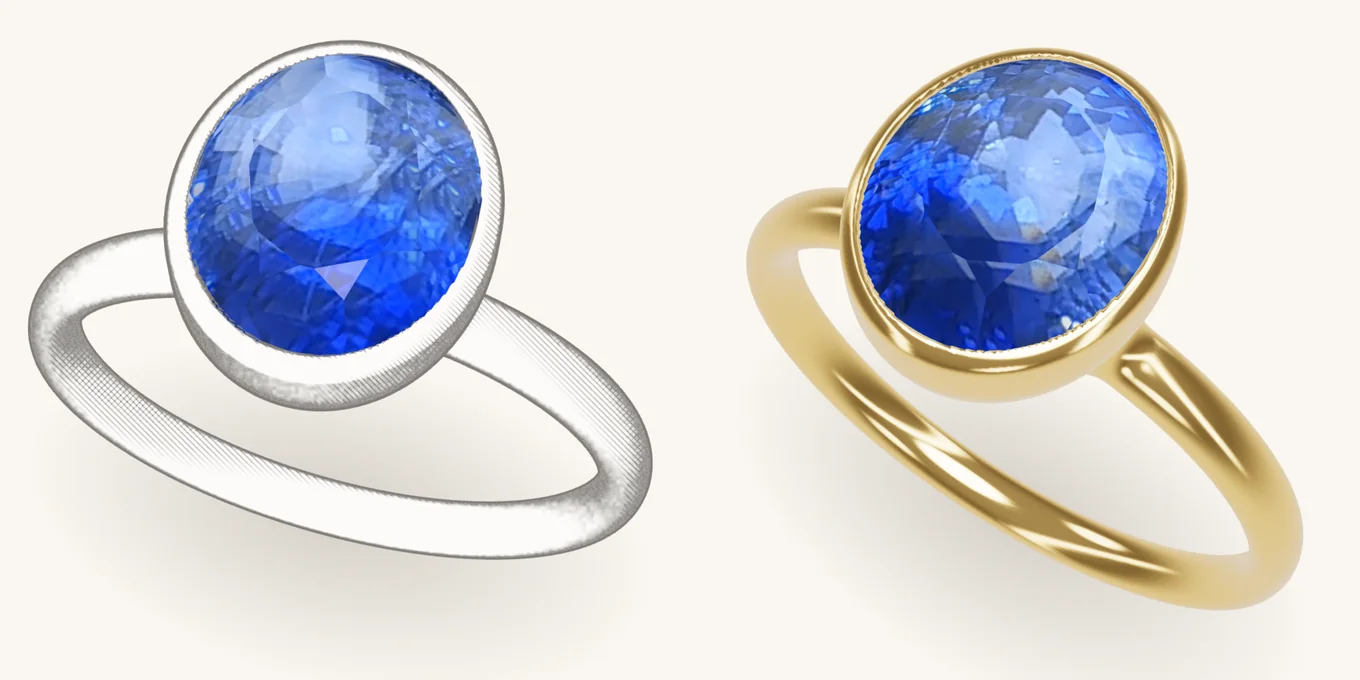
A sapphire from our catalogue (2.60 ct, 8.65 × 7.22 mm) set in 3D to its measurements: as a sketch, then in yellow gold. 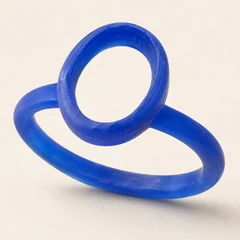 4. The waxA model to try on your finger.
It is sent to you: you confirm the volumes before the metal.
At the workshop
5. The workshopCasting, setting, polishing.
The jeweler casts the metal, sets the stone and polishes the ring. The balance is settled before shipping.
6. DeliveryIn a secure parcel.
With the report of an independent laboratory on your stone.
Your ring
Three settlements: the stone, the deposit, the balance.
What if your stone is not on the site?
The stones on the site are reference points: they show what I know how to find, not a fixed stock. I select every stone myself.
Describe the one you want: the shade, the shape, the rough size. If I find one I can stand behind, I show it to you. If not, I tell you. Describe the stone you are looking for.
Any stone I select for you can be recut for light, if you wish: that recut is complimentary.
Which document comes with the stone?
Once the stone is yours, it goes to an independent laboratory. Its report is handed to you with the ring; it is never issued in house.
Origin appears only when the laboratory can settle it. Tracing a stone back to its exact origin remains difficult, all the more so as heating alters the inclusions that serve as clues. What this report proves, and what it does not: what a gemstone certificate really proves.
How much does a bespoke ring cost?
The price comes down to four items:
- the stone;
- the metal, by weight;
- the small stones around it, if any;
- the work: design, casting, setting, finishing.
Each one is quoted to you before anything is committed. The amount is given in conversation, once the stone and the design are in place.
Quick answers
How long does a bespoke ring take?
Can I see the ring before it is made?
Can you set a stone I already own?
Am I committed after the first conversation?
Which stone for a ring worn every day?
Your ring starts with a stone
Tell me the piece and the shade you have in mind. I look for the stone, you choose it, and the ring is drawn around it.