Ratnapura Gem Market: Days, Hours and What to Expect

Looking for the stone for your ring in Ratnapura? The town's gem market, where the dealers sit under parasols, generally opens every day except Friday, from 9 am to 3 pm. We know of no big day to plan around. Ratnapura sits inland, in the district where the pits are dug, and its parcels are mostly rough.
When is Ratnapura gem market open?
As a rule, Ratnapura gem market opens every day except Friday, from 9 am to 3 pm, much like China Fort in Beruwala. Hours can shift, so take them as a guide rather than a timetable.
What Ratnapura doesn't have is a big day. China Fort has Wednesday and Saturday; for Ratnapura we know of no day busier than the others, and we'd rather say so than make one up. Any open day will do. Just give yourself the morning, because the market is generally done by 3 pm.
On Fridays, Ratnapura and China Fort are both generally closed. Gintota, next to Galle, stays open.
The week at the three markets
| China Fort | Ratnapura | Gintota | |
|---|---|---|---|
| Mon | Open | Open | Open |
| Tue | Open | Open | Open |
| Wed | Big day | Open | Open |
| Thu | Open | Open | Open |
| Fri | Closed | Closed | Open |
| Sat | Big day | Open | Quiet |
| Sun | Open | Open | Open |
All three: 9 am to 3 pm.
China Fort also closes for Eid.
Where is the market, and how does it work?
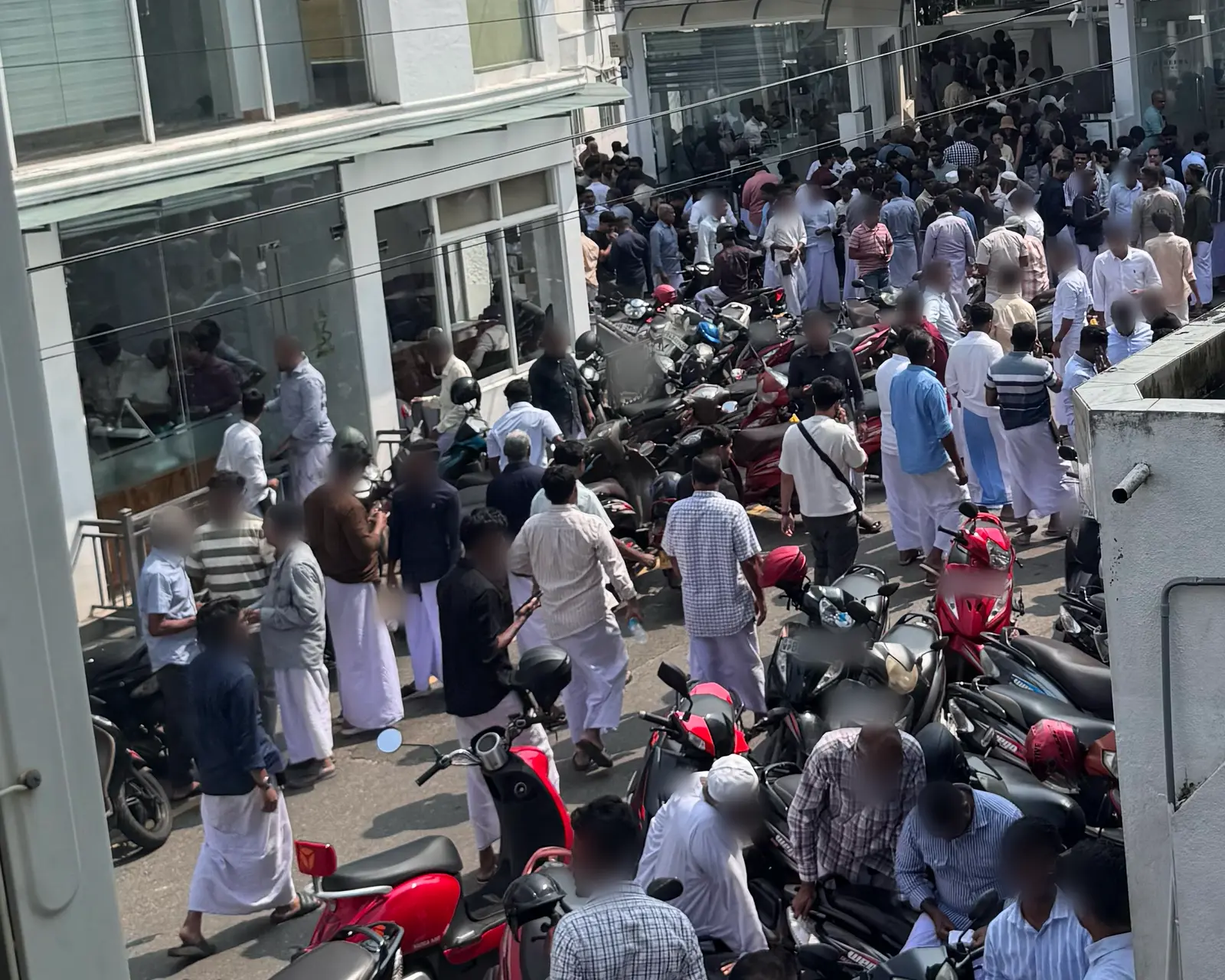
Don't look for a covered hall. What people call "Ratnapura market" is a spot in town where the dealers sit under parasols. Ratnapura itself is inland, away from the coast road where China Fort and Gintota sit, right in the district where the pits are dug.
What you'll see there is parcels, and plenty of them. A parcel is several stones offered together, and you go through them one by one. Of the three markets, Ratnapura is the one where we've seen the most.
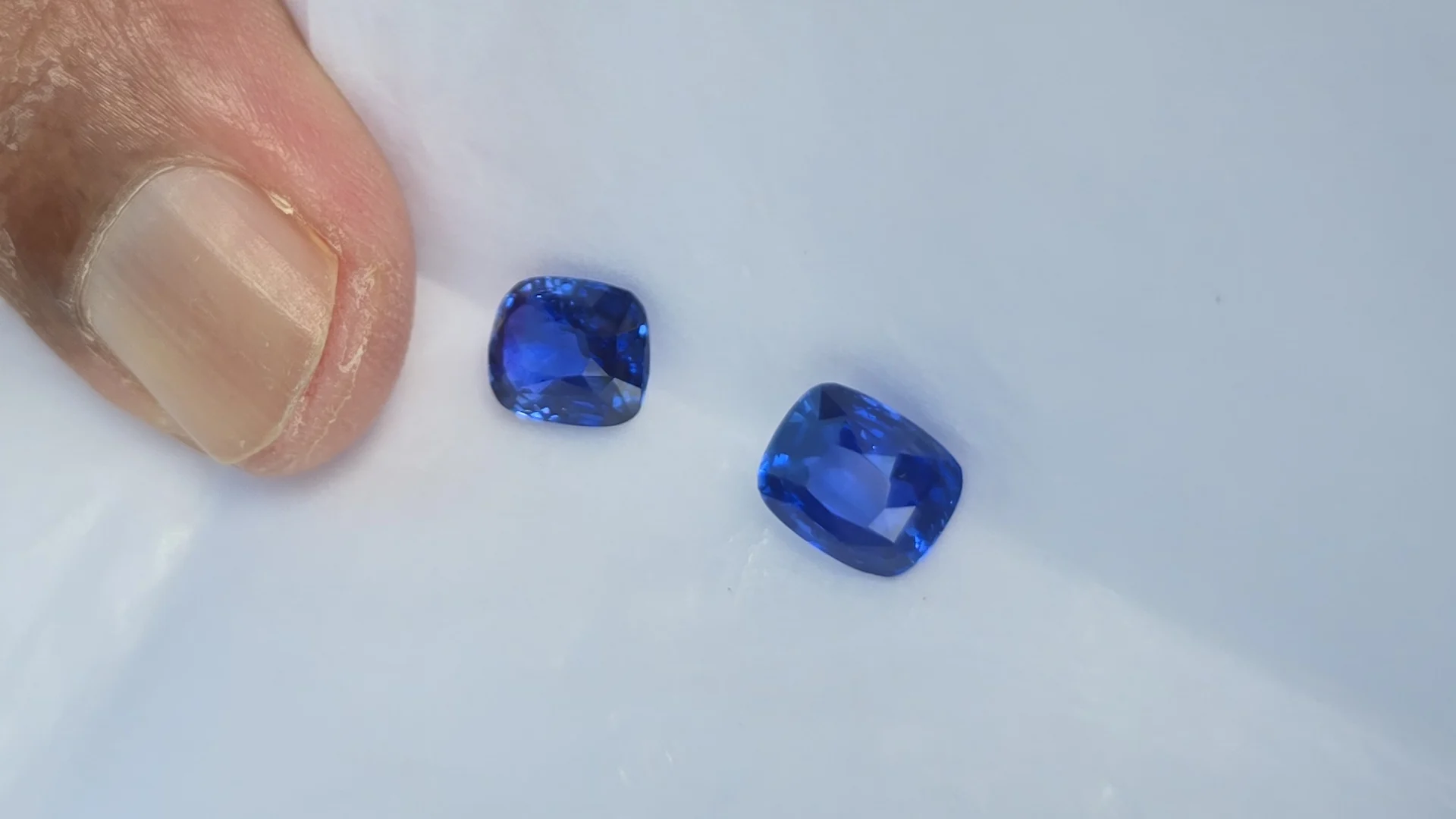
Most of what's in those parcels is rough, with more cut stones turning up these days. For a ring stone, that changes what you're actually judging. A cut stone shows you its face-up colour. A rough one shows you a crystal, and three things are still undecided:
- The colour. The cutting decides how much colour comes back to your eye. Heat can change it too: milky Sri Lankan rough, called geuda, can be heated to a fine blue.
- The weight. The cutter trades weight against beauty, so the finished stone is always lighter than the crystal.
- Whether it will cut at all. Rough clear enough to give a faceted gem is a tiny fraction of what a pit produces.
Few gems are set in jewellery in their rough state. A rough stone is a promise, and at Ratnapura you judge it before the cutter does. If you want to see the finished colour, look for the cut stones in the parcels.
Does a stone at Ratnapura come straight from the mine?
Not necessarily, even this close to the pits. Sri Lanka has one of the largest concentrations of gem deposits on earth: ruby, every colour of sapphire and about 40 other gem species. Most of it comes from river gravel, dug from pits worked by hand. Most licences go to small pits worked the traditional way, and licences for machines are very few.
Here's the thing: no foreigner can hold a mining licence in Sri Lanka. So "straight from the mine" is almost always marketing. Most stones reach you through the market, one hand after the pit. Here's how a stone travels from the pit to the customer.
And a parcel in Ratnapura can mix stones from different sources. "Ceylon colour" describes a look, not a passport: see what Ceylon origin really means for a sapphire.
What should you check before choosing a stone at Ratnapura?
Three things the market can't settle for you.
Whether it's a good price. Being near the pits doesn't make one stone cheaper. Sellers used to moving parcels don't always price a single stone lower, and the price depends on the stone, and even more on who hands it to you. What the market does shorten is the chain: one or two hands from the pit, where a stone reaching Bangkok or Paris has passed through seven to ten.
Whether it's been heated. Most transparent sapphires and rubies on the market are heated, and heating isn't always detectable. Take a sapphire as heated unless a report says otherwise.
What the stone actually is. Glass and synthetic spinel have long been the usual stand-ins for blue sapphire, and lab-grown sapphire is cheap to make. No eye settles that at a market table. The report of an independent laboratory does; here's what a gemstone certificate proves, and what it doesn't, like origin, which a report doesn't always name.
Ratnapura, China Fort or Gintota?
The three markets don't do the same job.
- Ratnapura, inland. Dealers under parasols, the most parcels, mostly rough. As a rule, every day except Friday, 9 am to 3 pm.
- China Fort, Beruwala. The international market, on the west coast. Same hours, closed for Eid too; big days Wednesday and Saturday. Our China Fort gem market guide has the details.
- Gintota, next to Galle. The cutters' town, mostly spinels, garnets and aquamarines. Open every day, quiet on Saturdays because everyone is in Beruwala.
One road covers all three: the office in China Fort first, then Ratnapura, then Gintota. The whole route is in our guide to Sri Lanka's gem markets.
Quick answers
Is Ratnapura gem market open on Fridays?
What is the best day to visit Ratnapura gem market?
Are the gems at Ratnapura real?
Is it cheaper to choose a stone at Ratnapura?
The bottom line
Ratnapura keeps simple rules: dealers under parasols, generally closed on Fridays and done by 3 pm, no big day to wait for. What it has is parcels, mostly rough, more than anywhere else we've seen. The stone for your ring deserves the time those parcels ask for at the Ratnapura gem market.