Green Sapphire Buying Guide: The Underrated Earth Tone

The Color Spectrum: From Mint to Olive
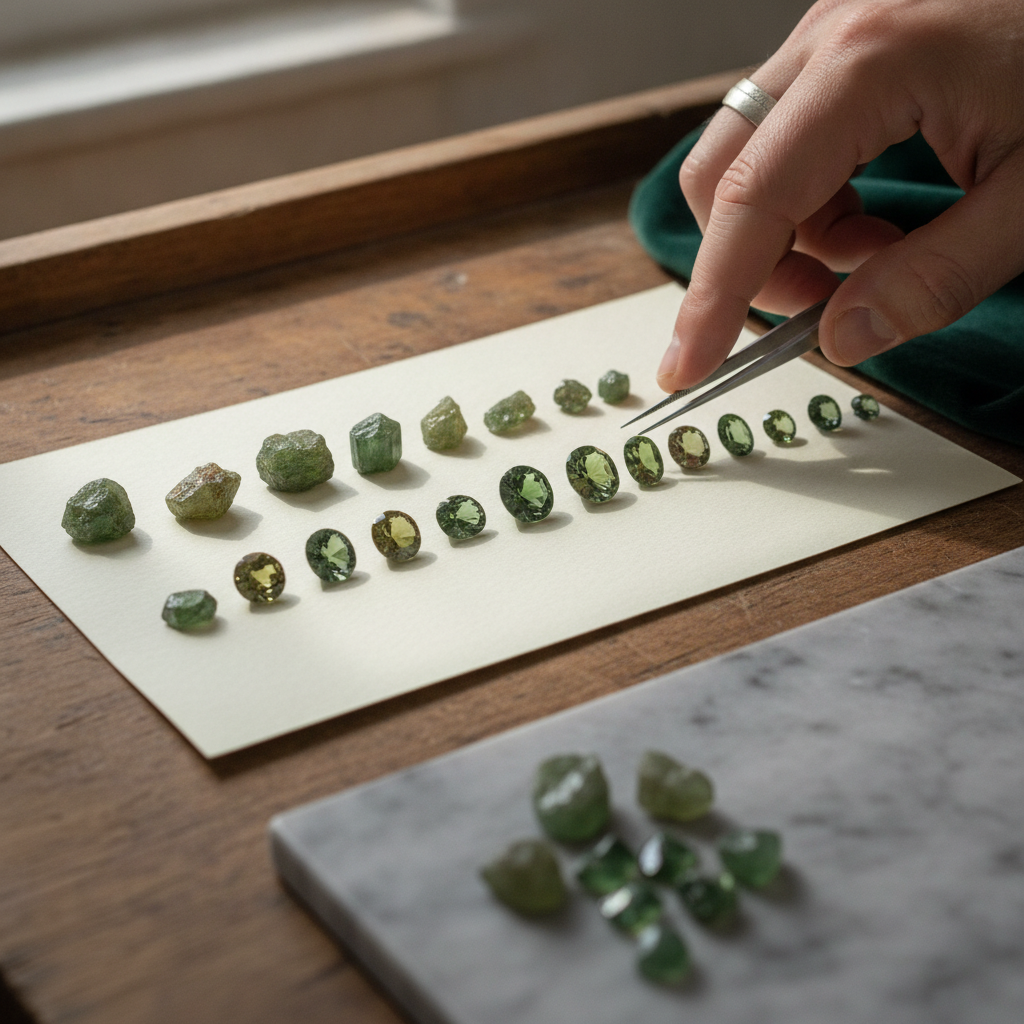
The green in a sapphire comes from a very simple trace element: iron. Unlike emeralds, which get their intense green from chromium or vanadium, the iron in sapphire creates softer, more earthy tones. You won't find neon green here; instead, you'll see a spectrum ranging from pale mint to deep, forest olive.
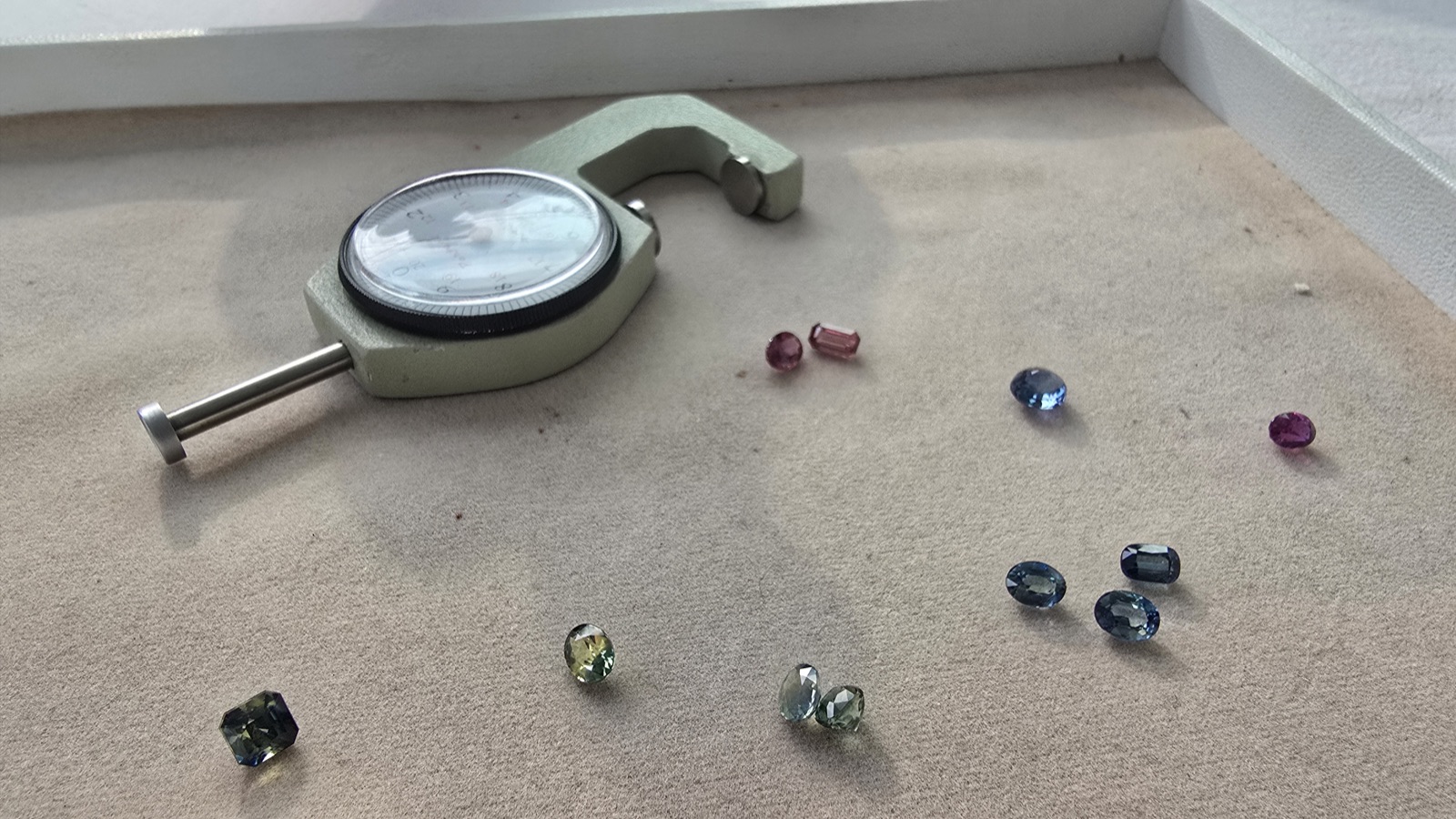
The Green Sapphire Spectrum
Lighter stones, often sourced from Sri Lanka, tend to be brighter and show more brilliance. Darker stones, typical of Australia or Montana, can appear almost black in low light—a phenomenon known as extinction.
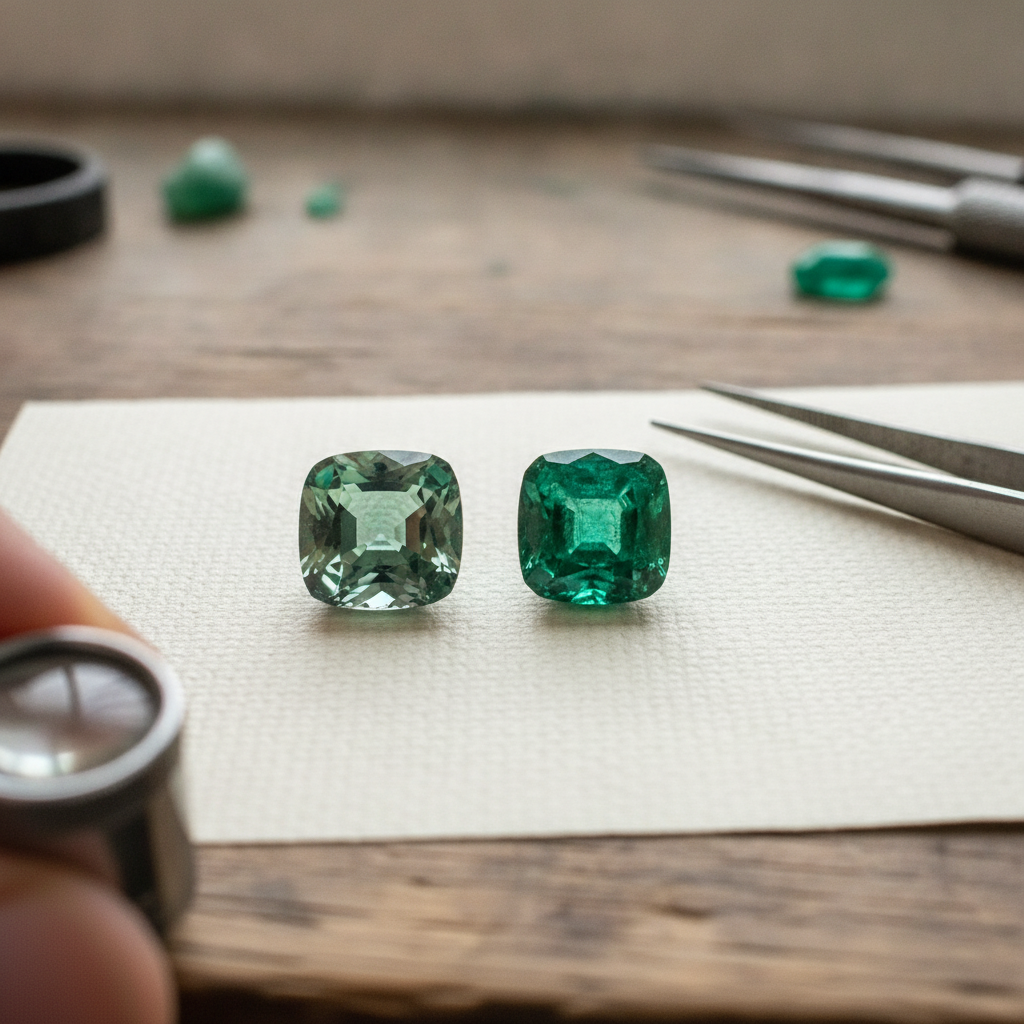
Green Sapphire vs. Emerald
If you want a green gemstone for an everyday piece—especially an engagement ring—durability is the deciding factor. Emeralds sit at 7.5 to 8 on the Mohs scale, but they are naturally heavily included (the "jardin") and almost always treated with oil to mask these fractures. They are brittle.
Green sapphire, like all sapphire, sits at a 9 on the Mohs scale. It has excellent toughness and no cleavage planes. You don't need to baby it, you don't need to re-oil it, and it will easily withstand decades of daily wear. Plus, it comes at a fraction of the cost of a fine emerald.
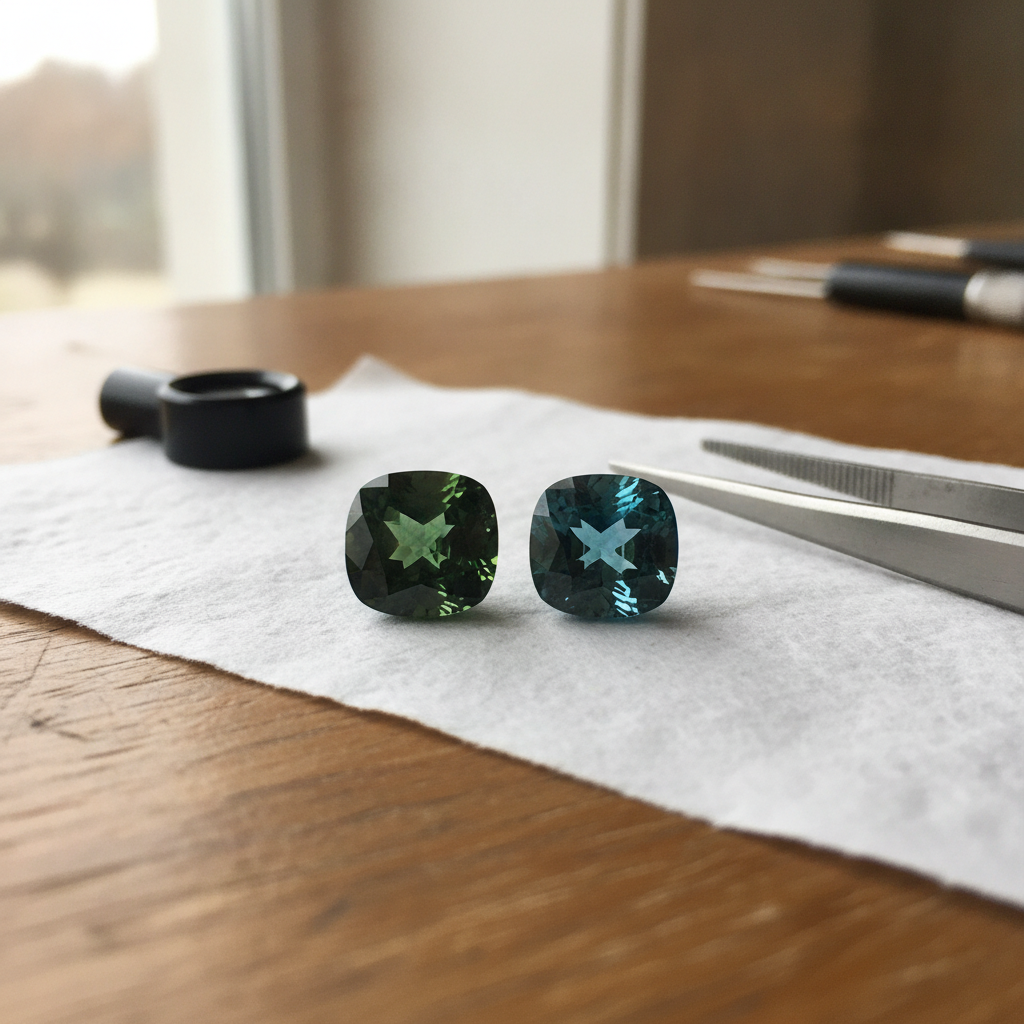
Green vs. Teal Sapphire
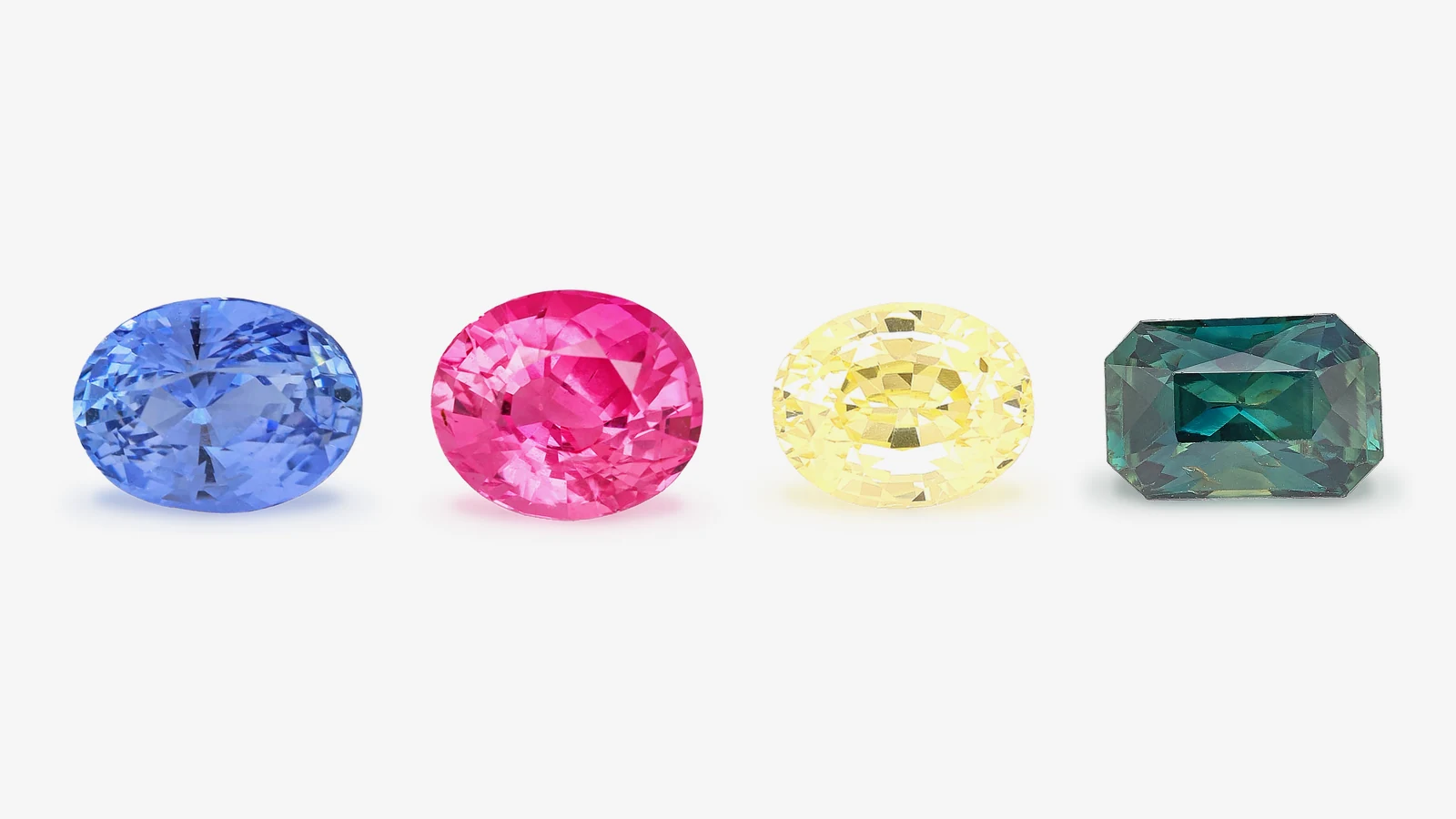
Where does green end and teal begin? It's all about the trace elements. While pure green sapphire relies solely on iron, teal sapphire requires a mix of iron and titanium to introduce that blue modifier.
A true green sapphire will show yellow or blue secondary hues, but the dominant flash will remain decidedly earthy. If you see a 50/50 split of blue and green, you're looking at a teal or parti sapphire.
Origins, Treatment, and the GIA
Most green sapphires on the market undergo heat treatment to improve their clarity and unify their color. This is an industry-standard practice that perfectly mimics the earth's natural geothermal processes.
However, finding an unheated green sapphire is entirely possible, and the premium for unheated green is significantly lower than the premium for unheated blue. When we source in Sri Lanka, we actively look for these untreated beauties. Always ensure your stone's treatment status is backed by a reputable gemstone certificate, such as a GIA report.
How to Choose (And The Joalys Approach)
The biggest trap when buying a green sapphire is the "blackout" effect. Darker stones, especially those cut too deep to retain carat weight, will absorb light rather than reflect it. You want a stone that flashes with life, even in indoor lighting.
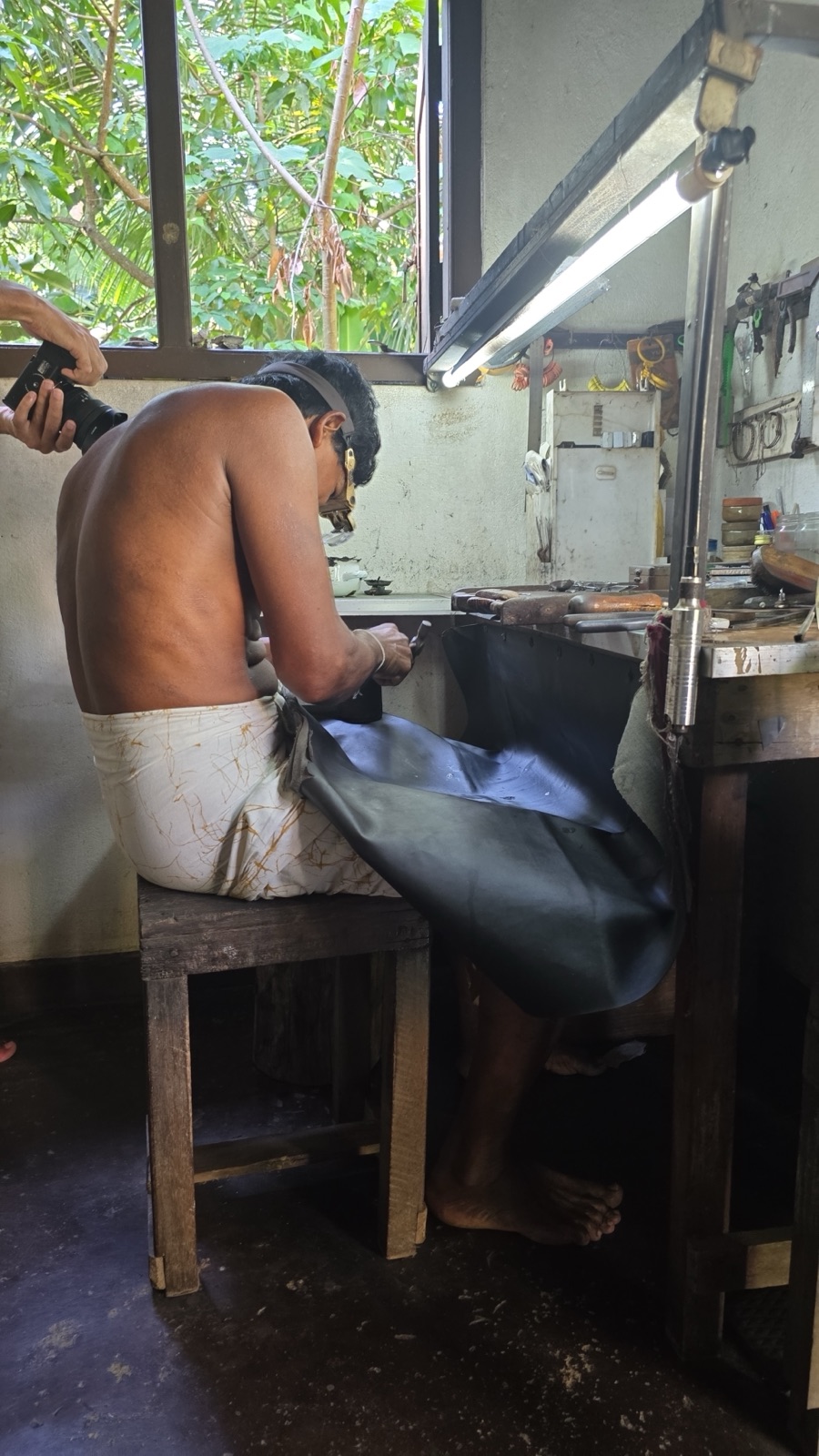
Here's the thing: we don't sell investments. We sell stones that make you feel something. When I'm at the lapidary in Ratnapura, I reject 90% of the green sapphires I see because they lack that crucial inner fire.
If you're looking for a specific earthy tone, explore our curated selection of green sapphires. Every stone is certified, transparently sourced, and cut for maximum brilliance.