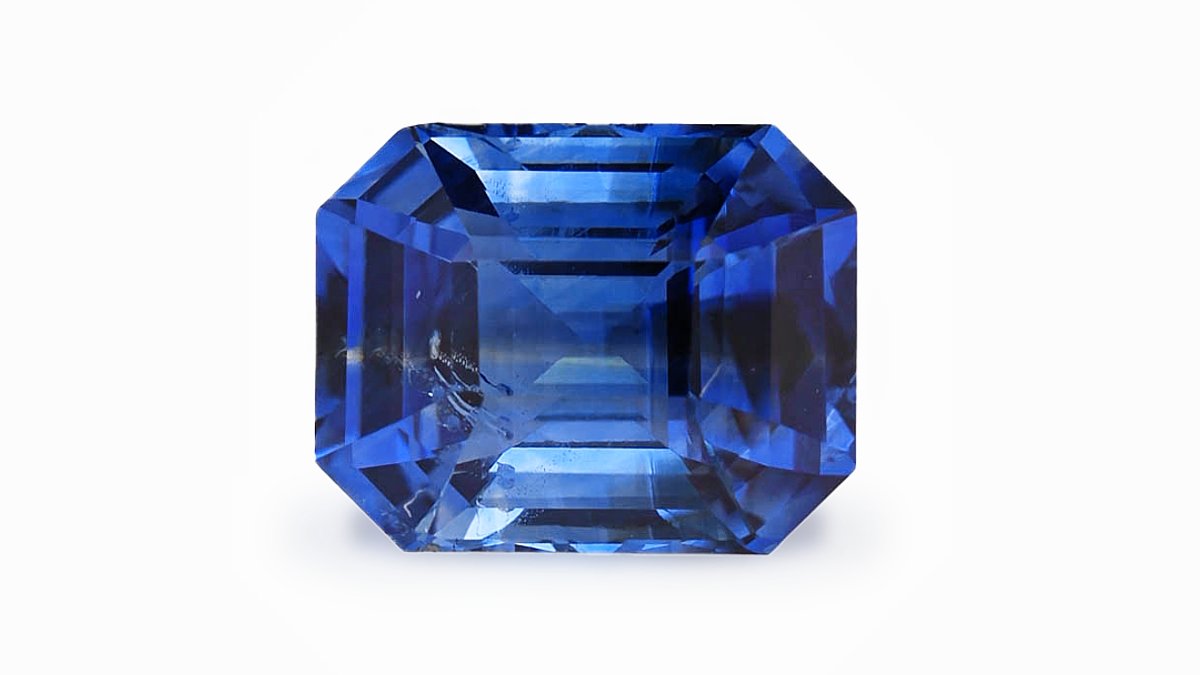
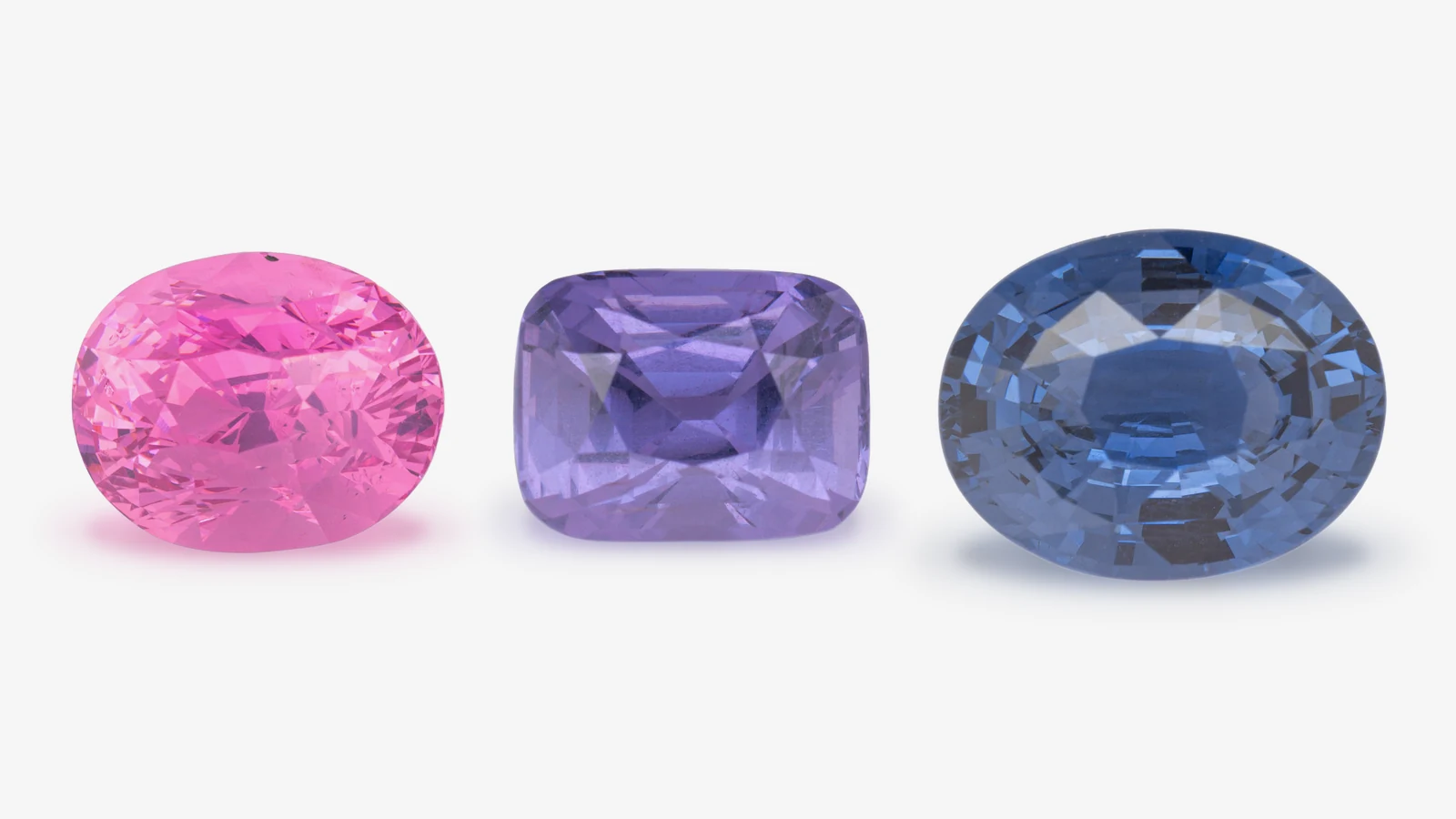
Blue Spinel vs Blue Sapphire: How to Choose Between Them
Two minerals, almost the same blue, and a price gap that is not what it seems.
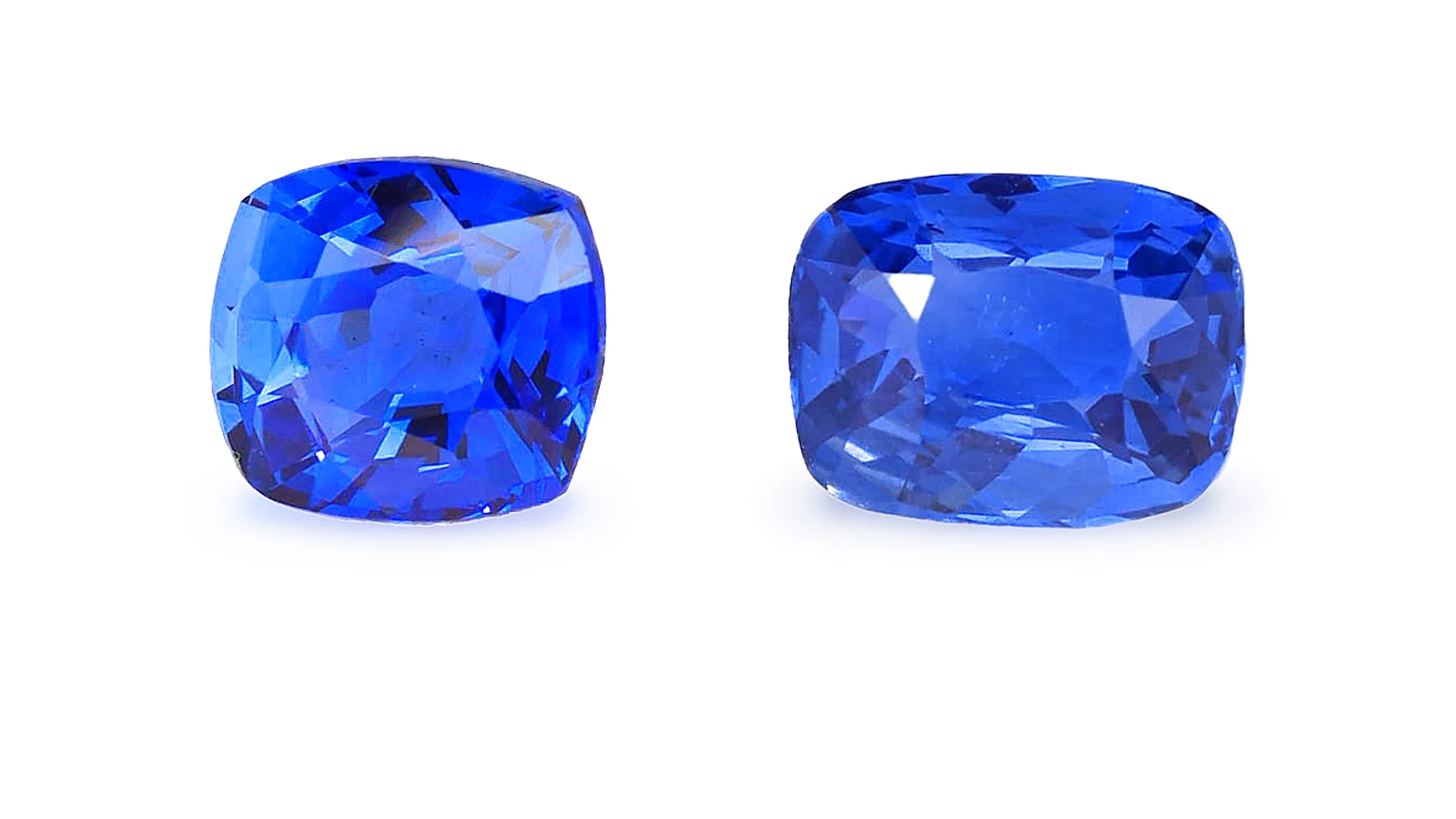
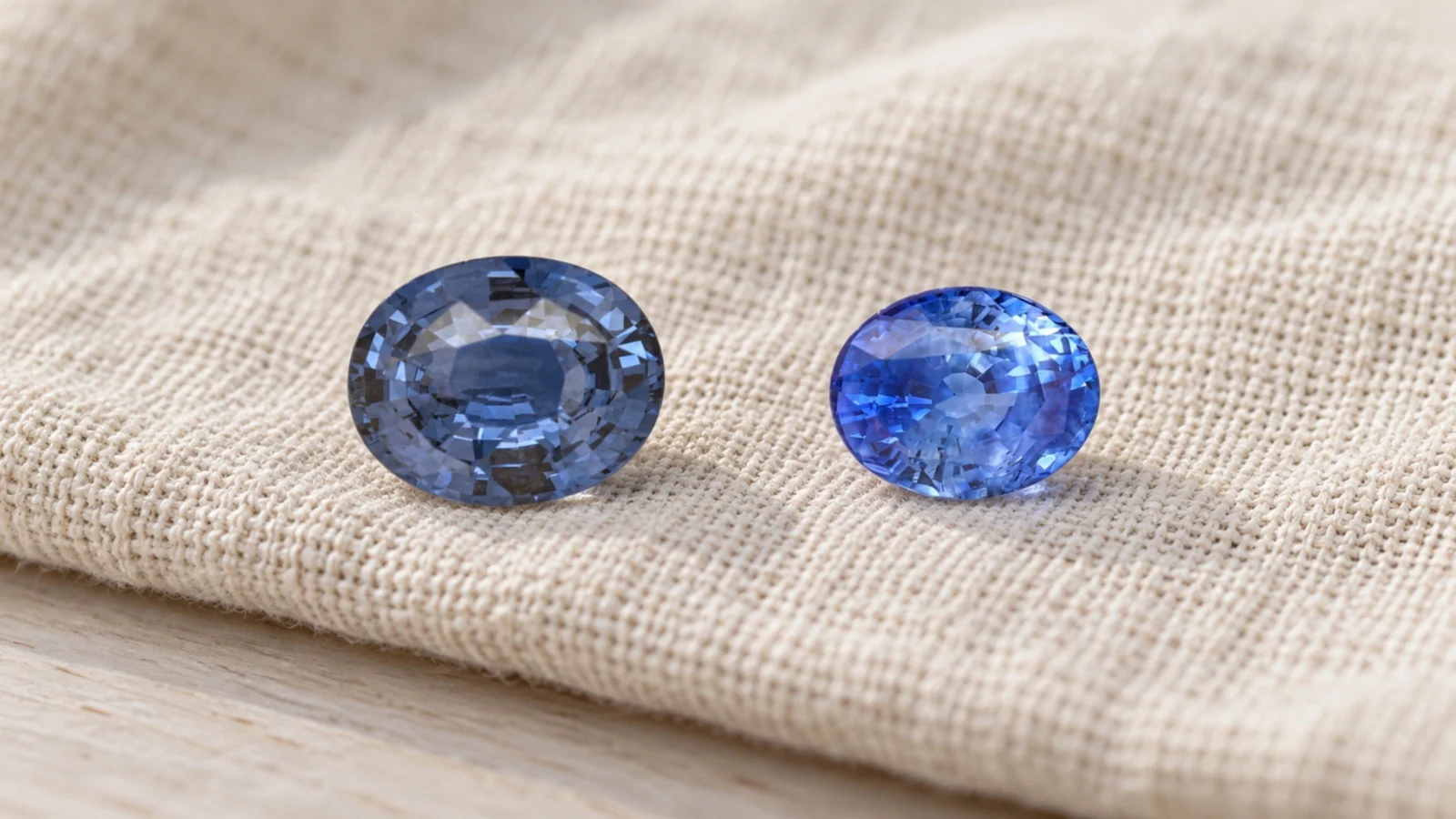
Could you tell blue spinel from blue sapphire? Probably not: they are two different minerals that look almost identical once cut. Sapphire is harder (Mohs 9 against 8) and usually heat treated. Spinel is rarely treated and often costs less, until you reach fine cobalt-blue spinel, which can cost as much as a good sapphire. Classic ring: sapphire. Untreated blue: spinel.
| Property | Blue spinel | Blue sapphire |
|---|---|---|
| Hardness (Mohs) | 8 | 9 |
| Toughness | Good | Usually excellent |
| Optics | Singly refractive | Doubly refractive |
| Refractive index | About 1.72 | About 1.76 to 1.77 |
| Treatment | Rarely treated | Usually heated |
| Price | Often lower; fine cobalt blue is not | Often higher for a similar look |
Can you tell blue spinel from blue sapphire by eye?
Not reliably. Put a good spinel beside a good sapphire and, from across a room, you see one blue. Try it: here are ten blue stones from our stock, names hidden. Call each one spinel or sapphire, then see how it is listed.
Blind test
Spinel or sapphire?
Ten blue stones from our stock, no names. Say spinel or sapphire for each one, then see what it is listed as.
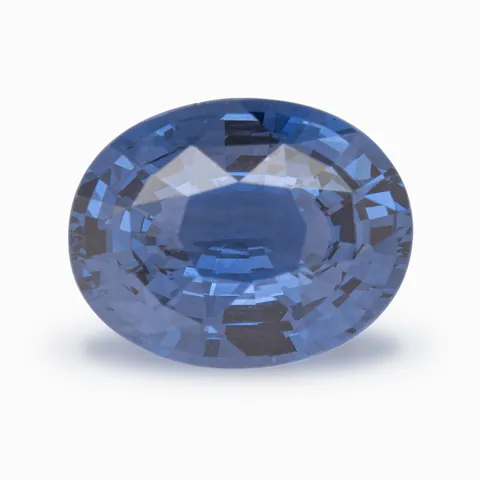
Stone 1 of 10
Oval cut
- Oval cutSpinel or sapphire?
Listed as spinel. See this stone
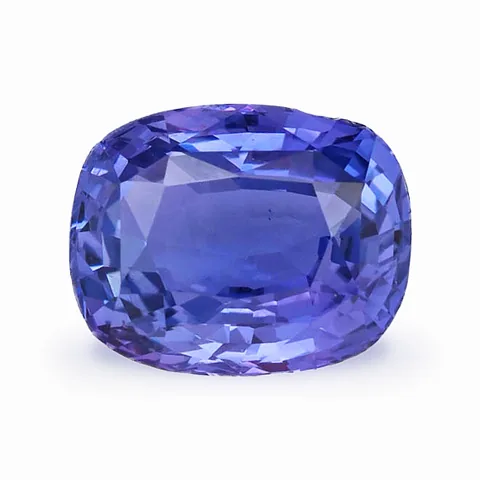 Cushion cutSpinel or sapphire?
Listed as sapphire. See this stone
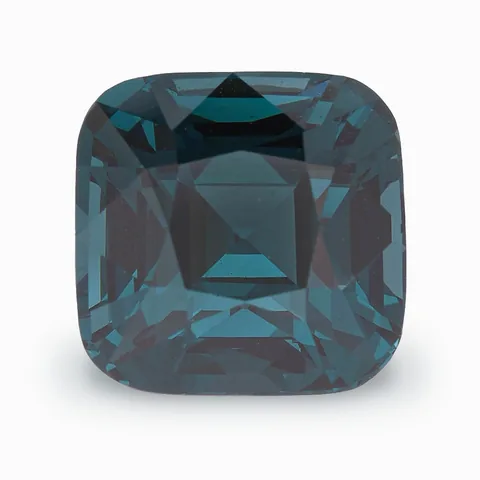 Cushion cutSpinel or sapphire?
Listed as spinel. See this stone
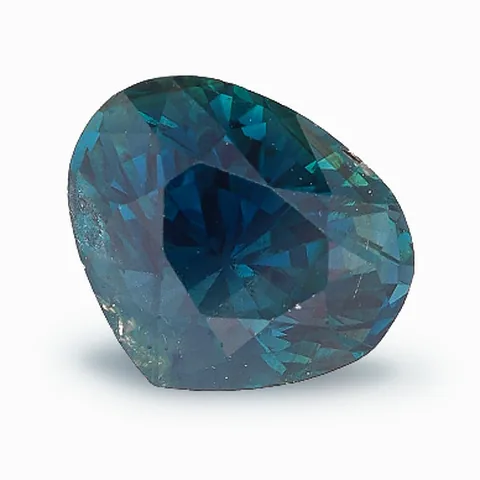 Pear cutSpinel or sapphire?
Listed as sapphire. See this stone
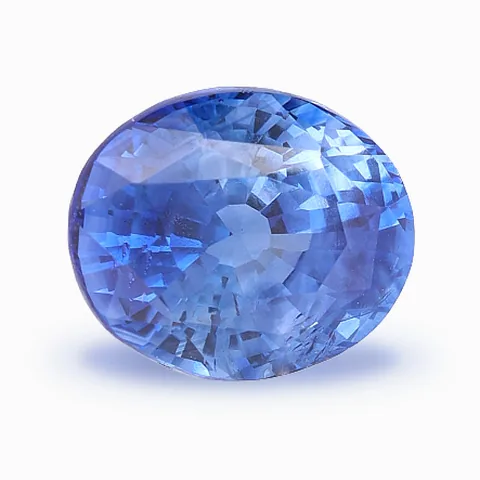 Oval cutSpinel or sapphire?
Listed as sapphire. See this stone
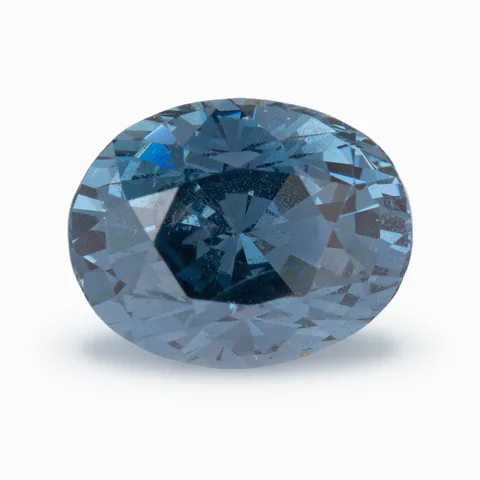 Oval cutSpinel or sapphire?
Listed as spinel. See this stone
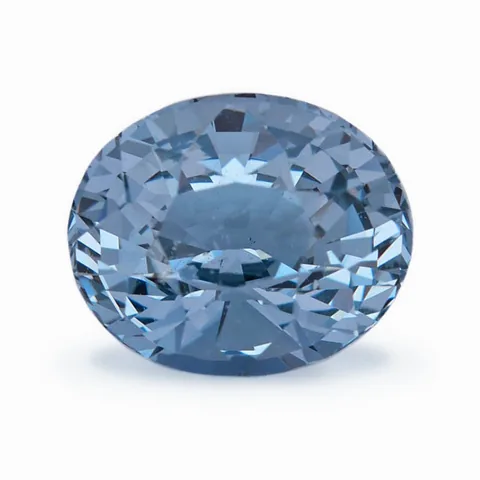 Oval cutSpinel or sapphire?
Listed as spinel. See this stone
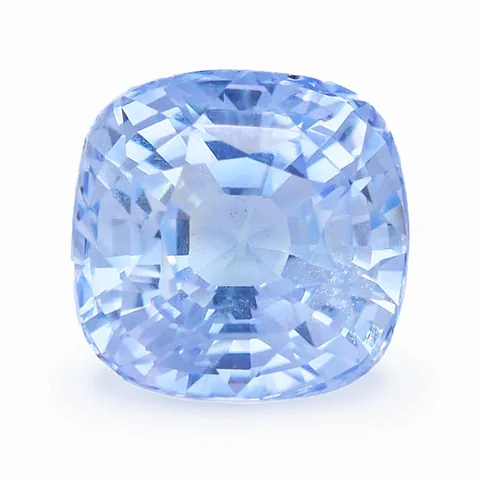 Cushion cutSpinel or sapphire?
Listed as sapphire. See this stone
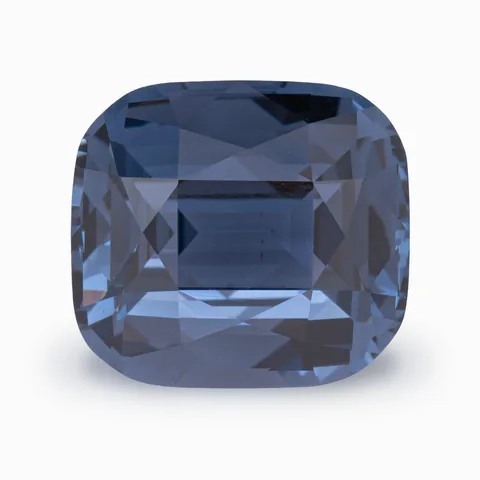 Cushion cutSpinel or sapphire?
Listed as spinel. See this stone
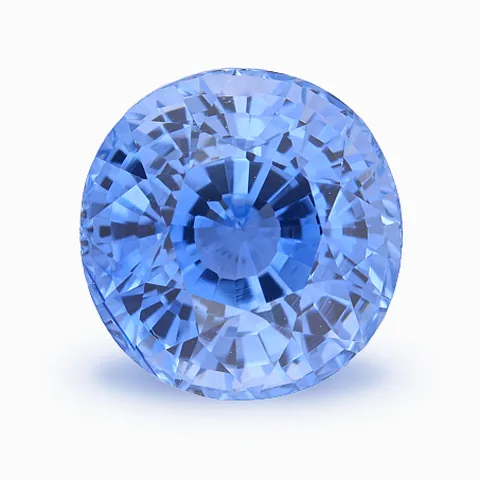 Round cutSpinel or sapphire?
Listed as sapphire. See this stone
Our blue spinels are grayish to violetish blue. None is a cobalt blue, and a fine cobalt blue would fool you far more often. Hints, never proof.
Real stones from the Joalys stock, Joalys catalogue photos. Species as listed on October 9, 2026, as each stone was sold to us. Not to scale.
How did you do? Color is the only hint the eye gets: iron-blue spinel drifts toward a low-saturation violet or greyish violet, and the best sapphires are a velvety blue. Then a greyish sapphire or a vivid spinel turns up and breaks both rules.
A gem laboratory does not guess. It needs minutes, because the two minerals handle light differently: spinel is singly refractive and shows no pleochroism, sapphire is doubly refractive. The refractive index gives them away too, about 1.72 for spinel against 1.76 to 1.77 for sapphire. The same laboratory tells natural from synthetic, and synthetic blue spinel exists. So trust the report over the seller's word: here is what a gemstone certificate proves, and our complete guide to spinel for the species. Now turn the two stones below and find the one that blinks.
They compare with what they find online, but the stone does not look like the photo. There are color nuances that even a professional has to watch closely.
Try it
Turn the stone
Two stones between crossed filters: one blue spinel, one blue sapphire. Turn them and watch the light.
Stone ADark
Stone BDark
Which one is the sapphire?
- Spinel, singly refractive: dark at every angle
- Sapphire, doubly refractive, at 0°: dark
- The same sapphire, turned to 45°: bright
Sapphire is doubly refractive: turned between crossed filters, it blinks from light to dark. Spinel is singly refractive and stays dark.
Two traps
- Seen down its optic axis, a sapphire stays dark too. It has to be tilted and turned again.
- Some singly refractive stones, synthetic spinel above all, show moving bands of shadow.
A bench test narrows it down. It does not name the stone.
Illustration. These drawings show the principle: they are not real stones and not stones from our stock.
What is cobalt-blue spinel, and why does it change the price?
Cobalt-blue spinel is the stone that breaks the "spinel costs less" rule. Its blue is vivid and saturated, the work of a trace of cobalt alongside iron. It is rare, it comes from Sri Lanka, Madagascar and Pakistan, and it ranks well above spinel colored by iron alone. Rule of thumb: less iron, brighter blue. Only red spinel ranks above a fine cobalt spinel.
Here's the catch: you pay for the color, not for the cobalt. That is why the gap between spinel and sapphire closes at the top. Ordinary iron-blue spinel is the value stone; fine cobalt-blue spinel is not cheap. To be straight with you, we have none. Our own blue spinels are greyish to violetish blue: the ones you just tried to name.
Which one holds up better on a hand?
Sapphire, by one step, and it takes years to notice. Sapphire is 9 on the Mohs scale with usually excellent toughness; spinel is 8 with good toughness. The everyday test is dust: sand, dirt and dust are mostly quartz, which is 7, and both stones sit above it. So the gap shows after years of knocks and scratches, not on day one.
A ring you never take off? Sapphire has the edge. Earrings, a pendant, or a ring worn with normal care? Spinel is plenty hard. Neither is fragile.
Is either stone treated?
Usually the sapphire. Up to 95 percent of blue sapphires are heat treated to improve color or clarity. Nothing shady there: it is stable, and honest when the seller says so. Spinel is rarely treated, though it can have fractures. Which flips what you would expect: the stone left alone can be the cheaper one. An untreated spinel can cost less than a heated sapphire of a similar blue.
None of this is a knock on heated sapphire. It is a reason to ask one question before you buy either stone: is it treated, and does the report say so? For the sapphire side, read unheated versus heated sapphire.
Why does blue spinel often cost less?
Mostly because fewer people know its name. Spinel spent a long time being mistaken for ruby and sapphire, and was only recognized as a separate species in the 1800s. Sapphire has the name and the demand.
But "often" is not "always". Sellers quote price ranges that overlap, and a fine cobalt-blue spinel can match a good sapphire: the figures are on our spinel price per carat page. So never compare species to species. Compare this stone to that stone, and ask what each price includes: color, size, treatment and a laboratory report. And if someone calls spinel a "lesser" gem, read why "semi-precious" is a marketing myth.
So which should you choose?
Choose blue sapphire if you want the classic stone, the deepest velvety blue, and a ring you will wear every day for decades. Our loose blue sapphires are here.
Choose blue spinel if you want an untreated blue, a bright color, more carat for your budget, and you do not mind explaining what it is. Our blue spinels are here. A true cobalt blue is another story: collectors covet it, and the price shows it.
Either way, ask for the laboratory report: the questions below are ready to send.
Five questions before you buy a blue spinel or a blue sapphire
5 points
A message ready to send to the seller, with all the questions.
See the message
Hello, I am interested in this blue stone. Before I decide, could you answer a few questions?

1. Is this stone a spinel or a sapphire, and is the species written on the invoice?
2. Is the stone natural or synthetic, and can you put that in writing?
3. Has the stone been heated or treated in any other way?
4. Does it come with a report from an independent outside laboratory, and what does the report say about species and treatment?
5. What does the price include: the stone alone, the report, shipping and insurance?

Thank you for your time.
Quick answers
Is blue spinel more valuable than blue sapphire?
Can you tell blue spinel from blue sapphire by eye?
Is blue spinel heated or treated?
Is blue spinel hard enough for an engagement ring?
What is cobalt-blue spinel?
The honest bottom line
Your eye will not separate blue spinel from blue sapphire with certainty. A laboratory will. Sapphire brings the classic name and the harder wear. Spinel brings an untreated blue, often for less, until you reach cobalt. Pick the blue that stops you, ask for the report, and check what the price includes.