Spinel Price per Carat: What Sellers Ask, by Colour
Red, pink, blue, cobalt and purple spinel, with the ranges at least three sellers publish, read on 30 September 2026.
Spinel costs from about a hundred dollars a carat for lavender and grey-blue stones to a few thousand for fine red and pink, and cobalt blue can cost more still. Colour sets the price far more than size. Sellers’ own guides often disagree widely, so this page puts them side by side, read on 30 September 2026.
- Price is set by
- Colour first, then clarity, cut and size
- Most valued colour (GIA)
- Red, then fine cobalt blue, then vibrant hot pink and vivid orange
- Least in demand (GIA)
- Violet, bluish purple and lavender
- Top red spinel versus ruby (GIA)
- Around a tenth of the price at 5 carats
- Hardness (Mohs)
- 8
- Treatment
- Rarely treated
- Watch for
- Synthetic spinel is common
What Is the Spinel Price per Carat, by Colour?
Each line quotes at least three sellers, in their own size bands. Amounts are US dollars per carat.
| Colour | What sellers publish, per carat |
|---|---|
| Red | Gem Rock Auctions: $275 to $3,700 (1 to 2 ct), $650 to $8,400 (2 to 5 ct). The Natural Gemstones Company: $1,000 to $3,000 (1 to 3 ct). Mineralminers: $420 to $3,350 asked (10 listings, 1 to 4.25 ct). |
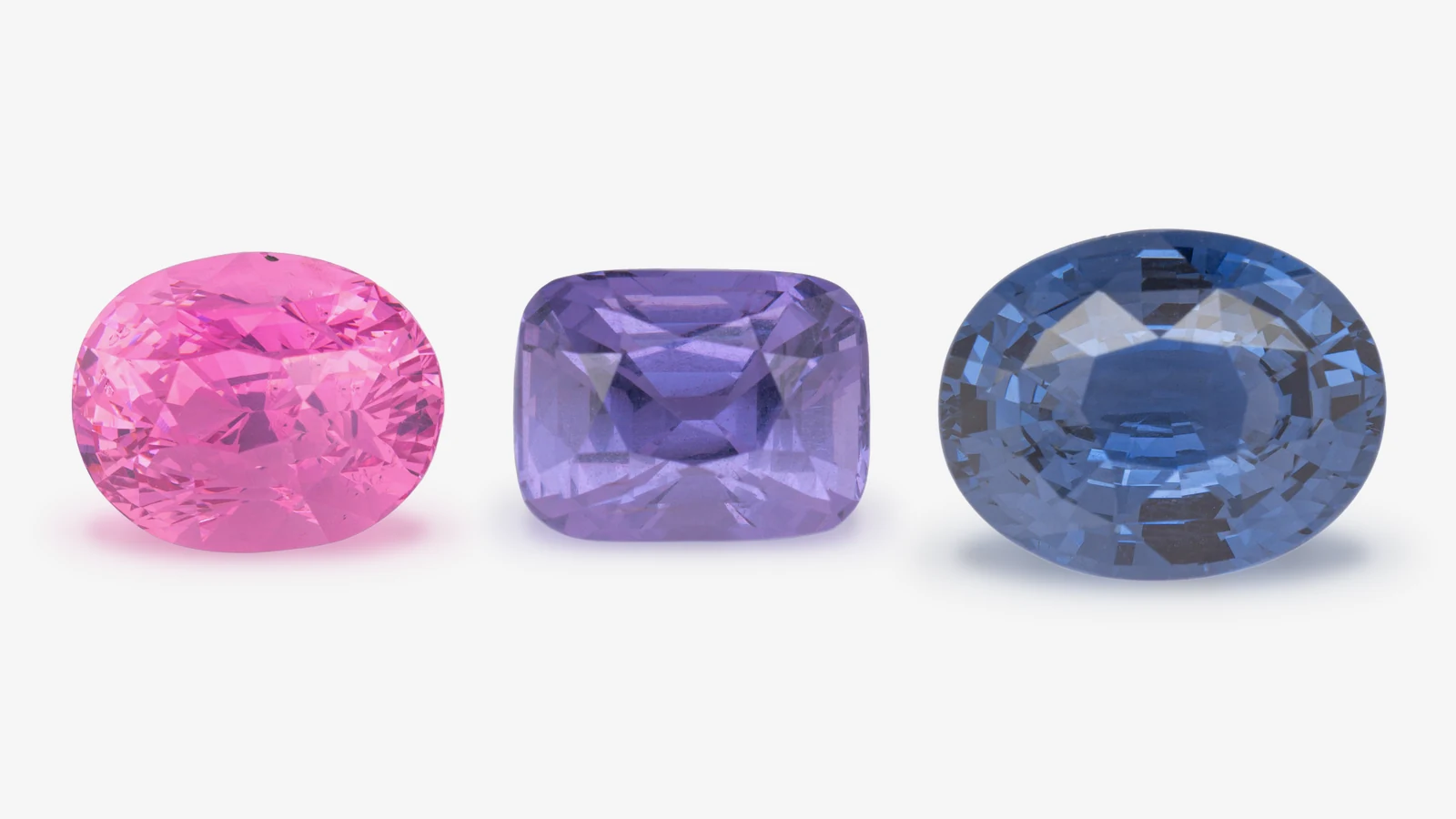
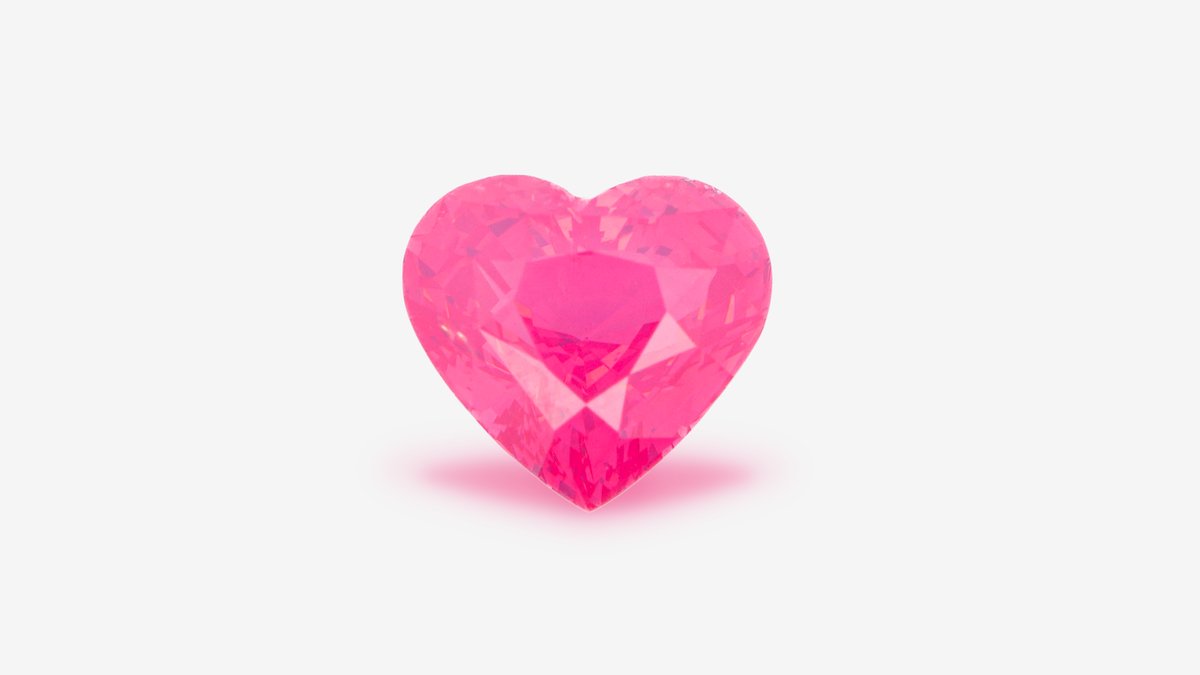
| Pink | The Natural Gemstones Company: $200 to $600 (1 to 3 ct). Melogems: $500 to $1,000 (1 to 2 ct), $1,000 to $2,000 (2 to 3 ct). The Rare Gemstone Company: fine larger pinks over $4,000. |
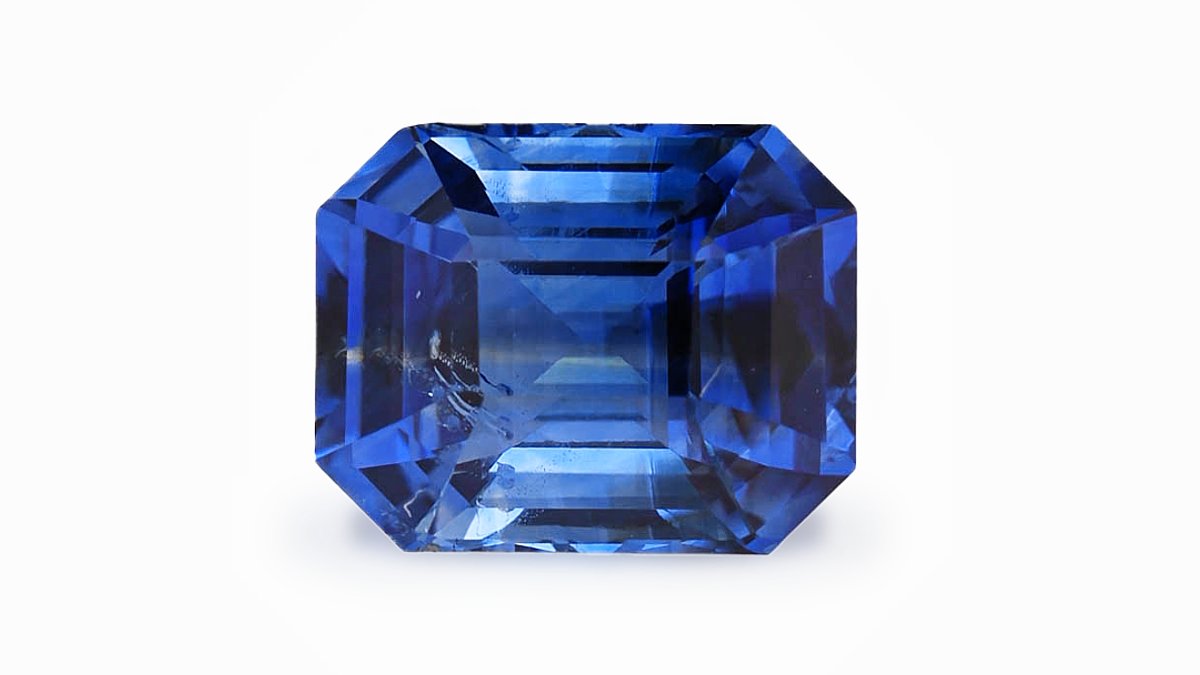
| Blue | Gem Rock Auctions: $80 to $1,000 (1 to 2 ct), $150 to $1,800 (2 to 5 ct). The Natural Gemstones Company: $500 to $1,500 (1 to 3 ct). Mineralminers: $160 to $365 asked (3 indigo listings). |
| Cobalt blue | The Natural Gemstones Company: $1,000 to $2,500 medium blue, $3,000 to $5,000 vivid blue (both 1 to 2 ct). Melogems: $500 to $1,000 (1 to 2 ct), $1,200 to $2,000 (2 to 3 ct). Gemstock: $1,016 to $46,000 asked (10 listings). |
| Purple, lavender | Gem Rock Auctions: $70 to $900 (1 to 2 ct), $130 to $1,600 (2 to 5 ct). The Natural Gemstones Company: $150 to $400 (1 to 3 ct). Mineralminers: $100 to $395 asked (3 listings). |
Fine red is a separate market. The Natural Gemstones Company lists $8,000 to $15,000 for red over 5 carats, The Rare Gemstone Company says fine larger reds fetch over $8,000, and Gem-Matrix quotes $5,000 to $15,000 for high-quality Burmese red.
Where the guides disagree, they disagree by a lot. For 1 to 2 carat cobalt blue, Melogems puts top quality at $500 to $1,000, while The Natural Gemstones Company puts medium blue at $1,000 to $2,500. Read every range as one seller’s opinion, not a quote. Our own prices are not in the table for that reason.
What Moves a Spinel’s Price the Most?
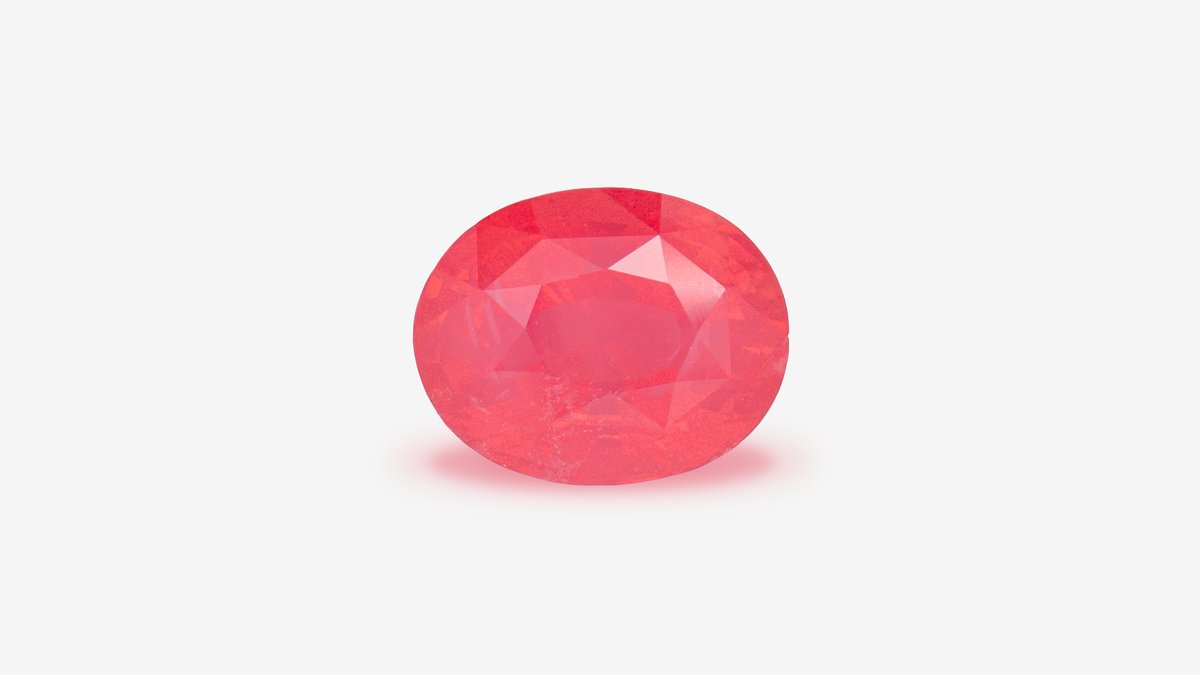
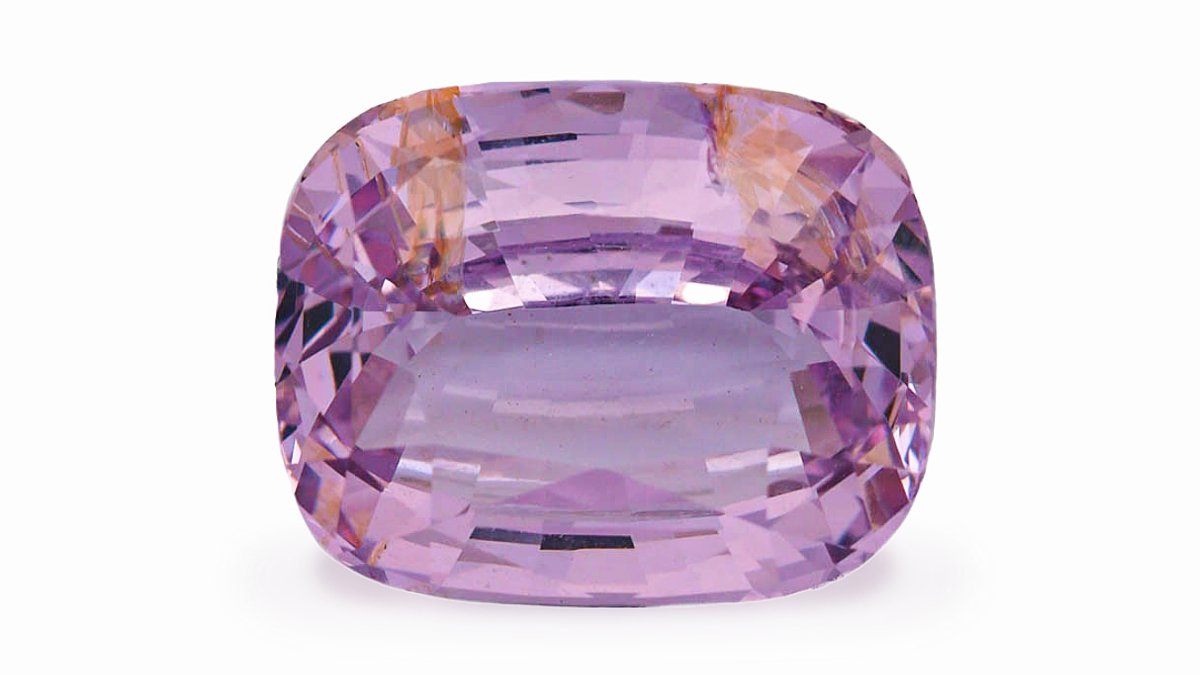
Colour, by a distance. Per GIA, red is the most desirable spinel, followed by fine cobalt blue, then vibrant hot pink and vivid orange. Violet, bluish purple and lavender stones are less in demand, and purple and violet stones typically sell for around half the price of a pink spinel of similar quality.
A trace element does the colouring. Chromium gives intense reds and pinks, and the more chromium, the stronger the red. Iron alone gives a low-saturation violet or grey-violet: attractive, but rarely fine. Most blue spinel owes its colour to iron and looks greyish. A mix of cobalt and iron makes the rare, vibrant cobalt blues, which are much more desirable.
So the word “pink” covers a wide range. The guides above run from $200 to over $4,000 a carat for it, and the depth of colour is the first thing to look at.
Size matters most at the top. Gem-quality spinel is hard to find above 5 carats, and for fine red, pink and blue stones above five carats availability drops and prices rise sharply, per GIA. Gem Rock Auctions, The Natural Gemstones Company and Melogems all publish higher figures per carat as weight goes up.
Can a Spinel’s Price per Carat Hide Weight?
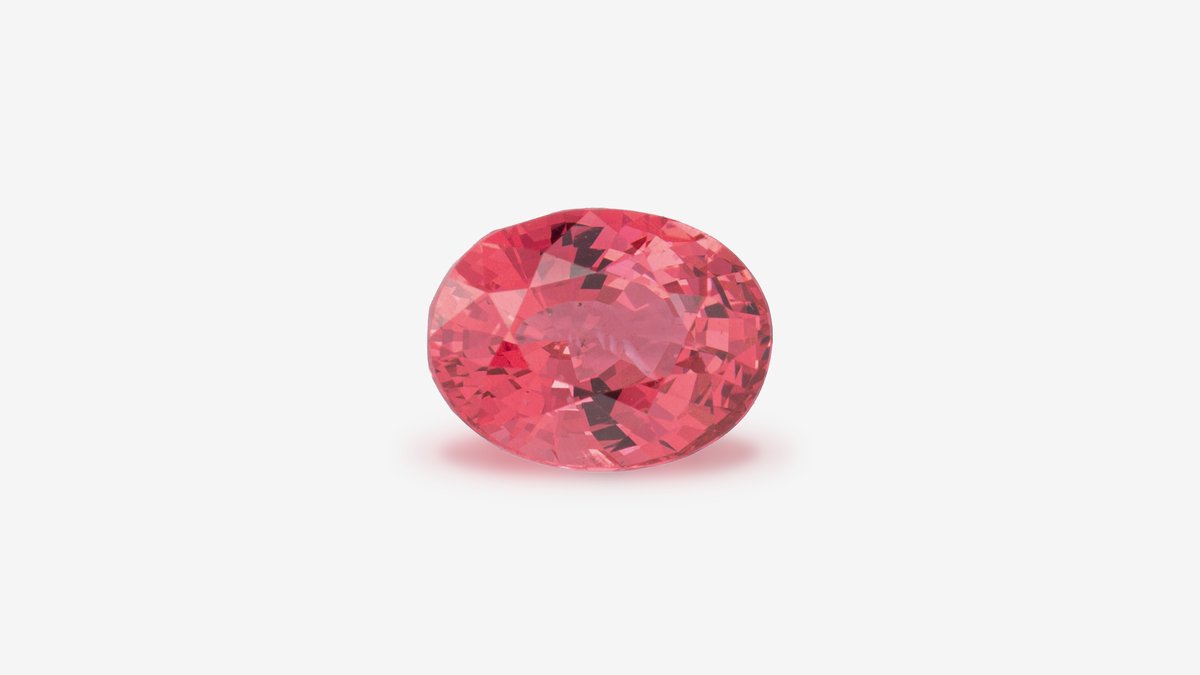
Yes. Spinel crystals are often flattened twins, so cutters make shallow stones to avoid losing weight. Large tables and windows, together with shallow crowns and pavilions, are the signs of weight retention, per GIA.
A shallow stone carries more carats than it shows face-up, so a price per carat can look kind while you pay for weight you cannot see. When you compare two quotes, look at both stones face-up in daylight and compare the size you see, not only the carats.
When Is a Spinel Price Too Low?
When a clean, saturated stone is priced far below the ranges above, ask what it is before you ask about the price. Spinel is rare and synthetic spinel is common, so many people have never seen the natural stone, per GIA. Synthetic spinel first appeared by accident in the early twentieth century, when researchers were trying to grow blue sapphire, and it has stood in for sapphire, zircon, aquamarine and peridot ever since. A flux-grown version followed in the 1990s, in colours including red.
An independent lab report settles it. Our guide to what a gemstone certificate proves explains what a report does and does not tell you.
How Do You Check a Spinel Price?
- Name the colour. Red, pink, blue, cobalt blue or purple: each has its own line above. A quote of “spinel, 3 carats” says almost nothing.
- Ask where the number comes from. A seller’s guide is that seller’s opinion. Ask for the stone’s own price, weight and photographs.
- Look at the stone face-up, in daylight, tilted. Check the window in the centre, the fractures and the colour zoning.
- Ask for a lab report on anything sold as fine red or cobalt blue. Those descriptions carry the highest prices.
Two neighbouring pages help: blue spinel versus blue sapphire, and the complete spinel guide for the species itself.
Quick answers
What is the average spinel price per carat?
How much is pink spinel per carat?
How much does a 1 carat spinel cost?
Is spinel cheaper than sapphire or ruby?
Does spinel price per carat go up with size?
What to Take Away
A spinel price per carat means little without the colour beside it. GIA’s order is the one to remember: red first, then fine cobalt blue, then vibrant hot pink, with lavender near the bottom. Ask which line a stone belongs to, then look at the stone itself.