Sapphire Colors: All 12 Types, What Causes Each, and Which Are Rarest
A color chart of all 12 types, what causes each shade, which ones are rarest, and what I actually look for on the buying table.
What color is a sapphire?
Ask most people to picture a sapphire and they'll say one word: blue. That's the cliché, and it's wrong more often than it's right. Sapphire colors run across almost the entire spectrum, blue, pink, yellow, green, orange, purple, teal, and the pink-orange unicorn called padparadscha. The only color a sapphire can't be is red, and there's a good reason for that.
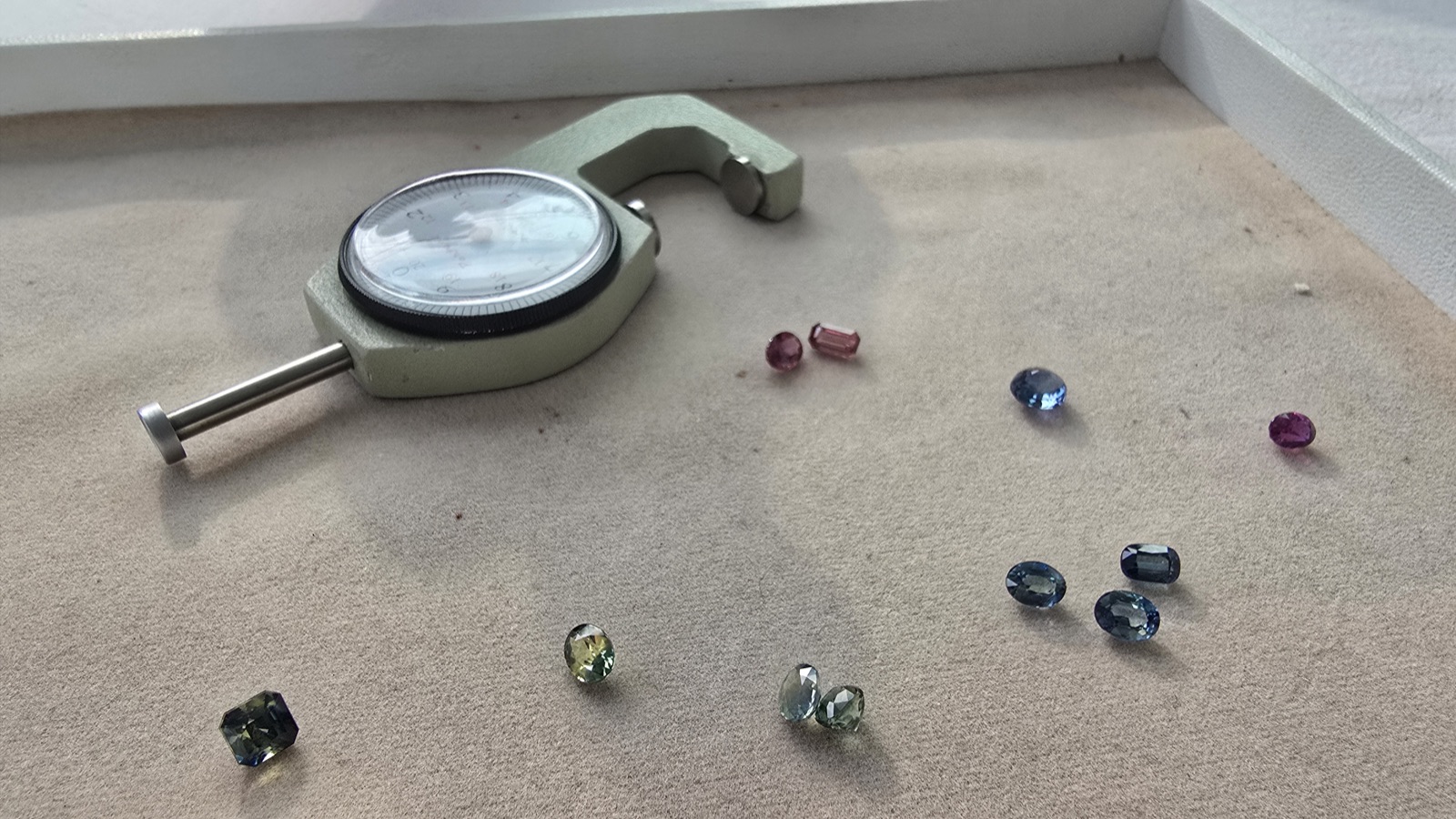
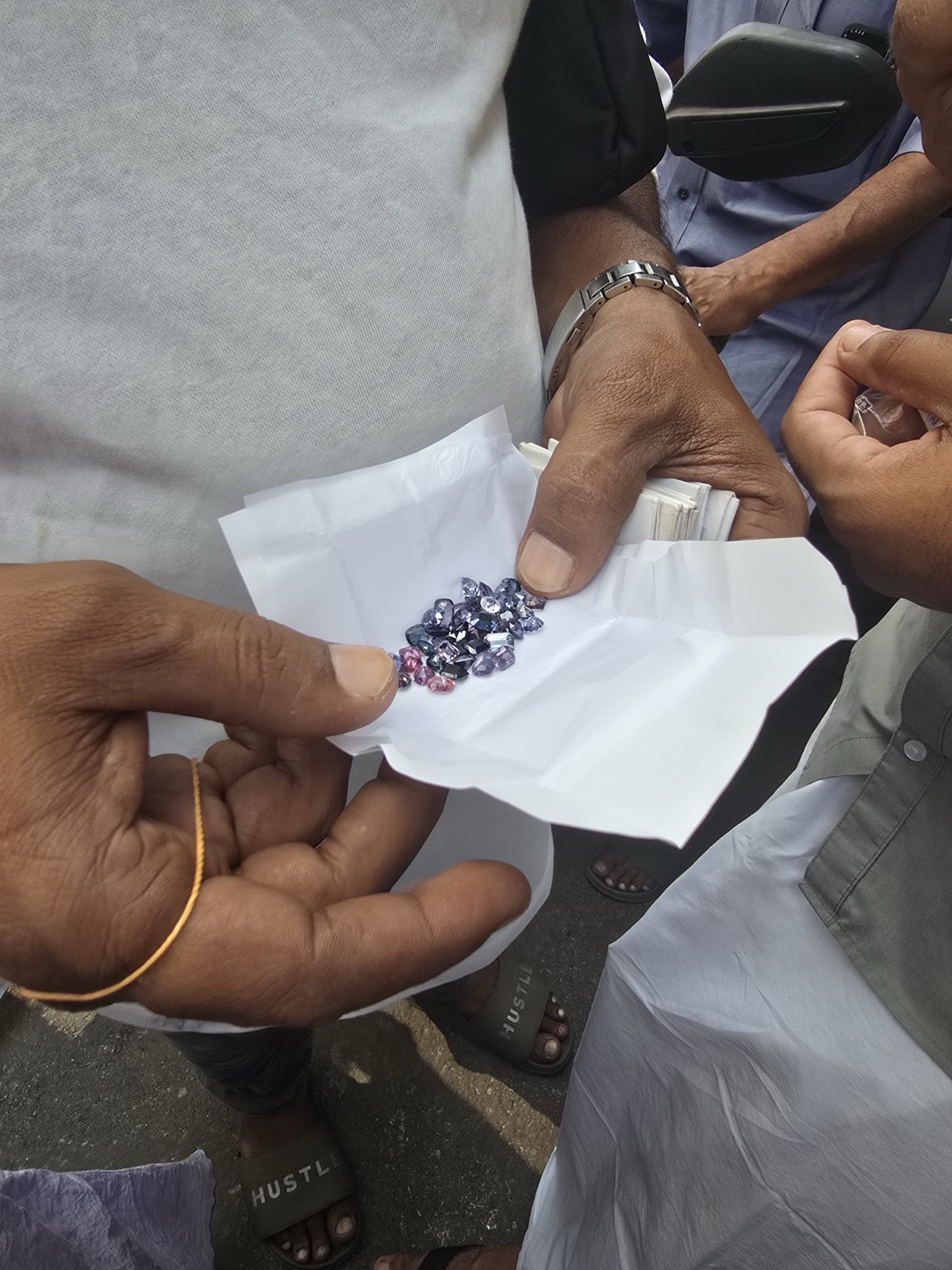
Updated September 2026. I've spent years buying loose parcels at the gem markets in Sri Lanka, and the thing that still surprises new buyers is how much color pours out of a single paper of stones. So let's do the honest version of this guide: every sapphire color, what trace element actually causes it, where each one tends to come from, and which are worth reaching for.
A sapphire is any color of gem-quality corundum that isn't red. Corundum has just two gem names: red corundum is ruby, and every other color, blue, pink, orange, yellow, green, purple, or colorless, is sapphire. So "sapphire" isn't a color at all. It's a mineral wearing whatever color its chemistry gave it.
That's the part the blue cliché hides. When a stone shows enough red, it crosses a line and gets a different name. Everything short of that line stays a sapphire, which is why the family is so wide. Blue is simply the color the market fell in love with first, and marketing did the rest. If you only ever look at blue, you're ignoring about a dozen named colors sitting in the same parcel.
One more thing that matters before we go color by color: all of these are the same mineral, so they share the same toughness. Sapphire scores 9 on the Mohs hardness scale, just under diamond and hard enough that nothing but a diamond will scratch it. A yellow sapphire is exactly as durable as a blue one. Color changes the price, not the strength. If you want the durability side in full, we cover what Mohs 9 protects against and what it does not.
One piece of trade vocabulary before we start, because you will meet it on every lab report and price list: any sapphire that is not blue is called a fancy sapphire. Pink, yellow, green, teal, orange, purple, peach and padparadscha are all fancy sapphires. It is a category, not a compliment, and it covers eleven of the twelve types in this guide.
Sapphire is also the September birthstone, which is why so many people meet the stone through a birth month rather than through a parcel. That tradition never specified blue, so a September stone can be any color in this guide. The rest of the calendar is in our guide to birthstones by month.
Sapphire color chart: all 12 types of sapphire at a glance
Here is the whole family on one screen. Twelve recognized types of sapphire, what causes each color, and roughly where each one sits on the price ladder. If you only read one block on this page, read this one, then jump to the color that stopped you.
Sapphire color chart: the 12 types at a glance
One mineral, corundum, wearing whatever color its chemistry gave it. The one color missing is red: red corundum is ruby, not sapphire. Tier is where each color usually lands on the price ladder, before saturation and treatment move it.
Two notes on how to read it. First, the tier is a starting point, not a verdict: saturation and treatment move a stone up or down more than its color name does, and a vivid untreated yellow will beat a tired heated blue in both looks and price. Second, star sapphire is missing on purpose. It is an optical effect rather than a color, and it turns up in blue, gray, pink and black.
One last piece of housekeeping for anyone searching in British English: sapphire colours and sapphire colors are the same thing. The spelling changes between London and New York, the stones and the grading do not.
Why do sapphires come in so many colors?
Sapphires come in different colors because of trace elements, tiny impurities that sneak into the corundum crystal as it grows. Pure corundum is colorless. Change the recipe by a few atoms and you change the color completely.
Here's what actually causes each one:
What causes each sapphire color
| Blue | Iron + titanium |
| Pink | Chromium (same element as ruby) |
| Purple / violet | Iron, titanium and chromium combined |
| Yellow | Iron and/or color centers |
| Green | Iron (often blue + yellow zoning blended) |
| Orange | Iron |
| Padparadscha | Pink (chromium) + orange combined |
| Color-change | Vanadium |
| White / colorless | Almost no trace elements |
A few of these deserve a note. Blue comes from iron and titanium working together. Pink and red both come from chromium, the same element, which is exactly why the ruby-versus-pink-sapphire line is so blurry (more on that below). Purple is a three-way mix of iron, titanium and chromium. And colorless white sapphire is simply corundum with almost no trace elements at all, the blank canvas of the family.
The takeaway for a buyer: color isn't decoration bolted onto the stone. It's a fingerprint of what was in the ground where the crystal grew.
Which is why color and origin travel together. Sri Lanka, still called Ceylon in the trade, is the one source that produces essentially the whole spectrum, and that is why a single parcel opened in Ratnapura can hold blue, yellow, pink and padparadscha side by side. Madagascar gives bright blues and a lot of pink. Montana has built its modern reputation on teal, green and steely blue-green parti stones. Australia and Thailand lean toward darker, iron-heavy blues and greens. Kashmir and Burma are the historic blue names and both are effectively closed today, which means their stones now trade on reputation as much as on what's in front of you. If origin is what you're weighing, here's why Sri Lankan origin shifts the color and the price.
The classic types of sapphire: blue, pink and yellow
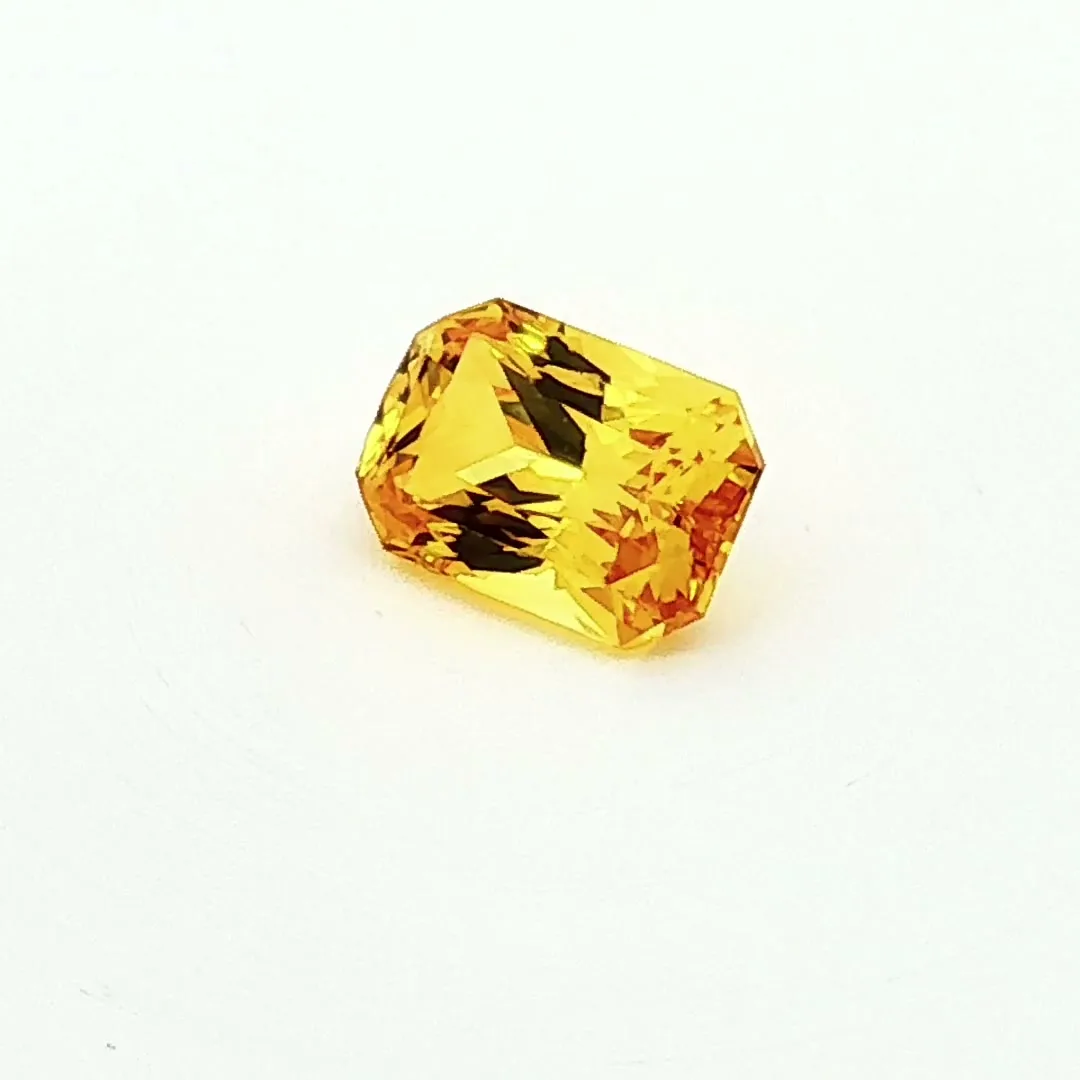
These three carry most of the market. They're the colors you'll see first in any parcel, and the ones most buyers start with.
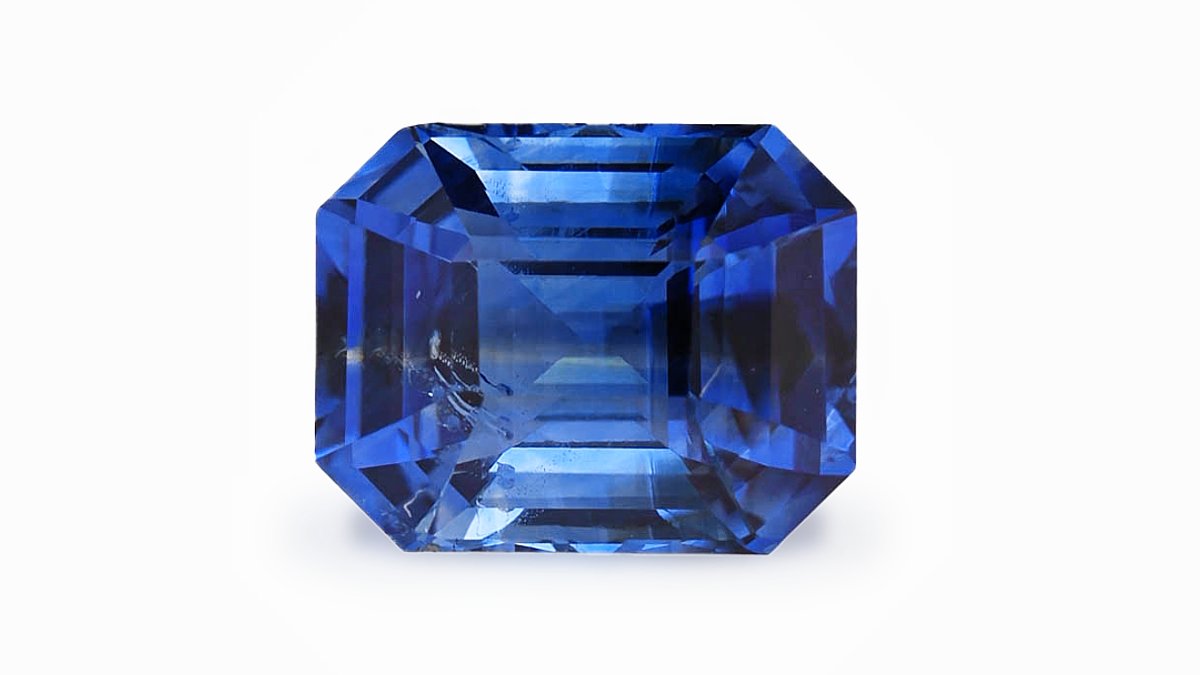
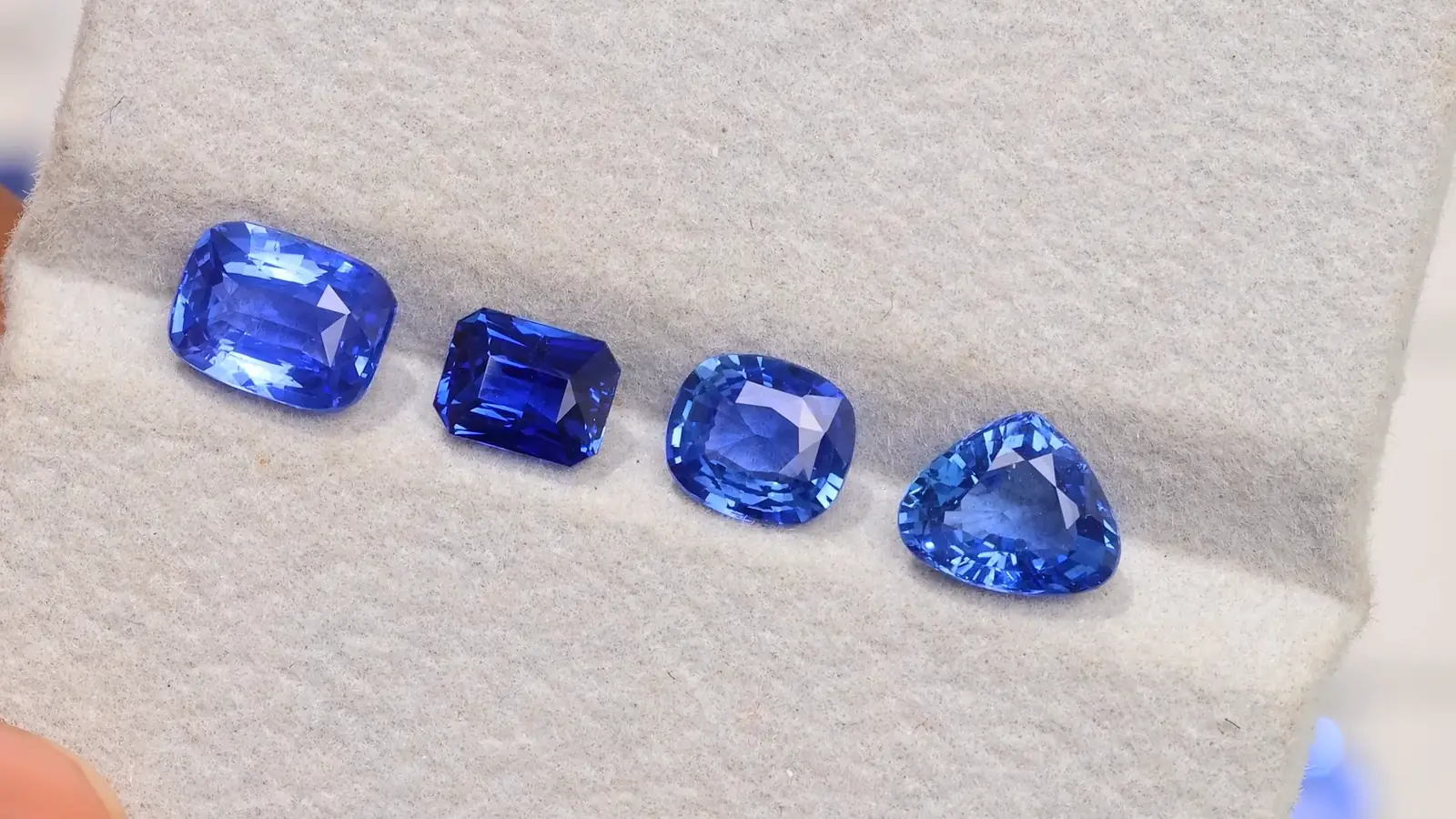
Blue sapphire. The default, and still the most valuable color at the very top. Blue ranges from a soft cornflower to a deep, intense "royal" blue, colored by iron and titanium. The most prized blues sit in a medium to medium-dark tone with strong, vivid saturation, bright but not inky. Too light and it looks washed out; too dark and it goes sleepy under low light. If you're weighing the two famous blues, here's the full cornflower vs royal blue comparison. This is the one color where a truly fine stone can outrun everything else in the family.
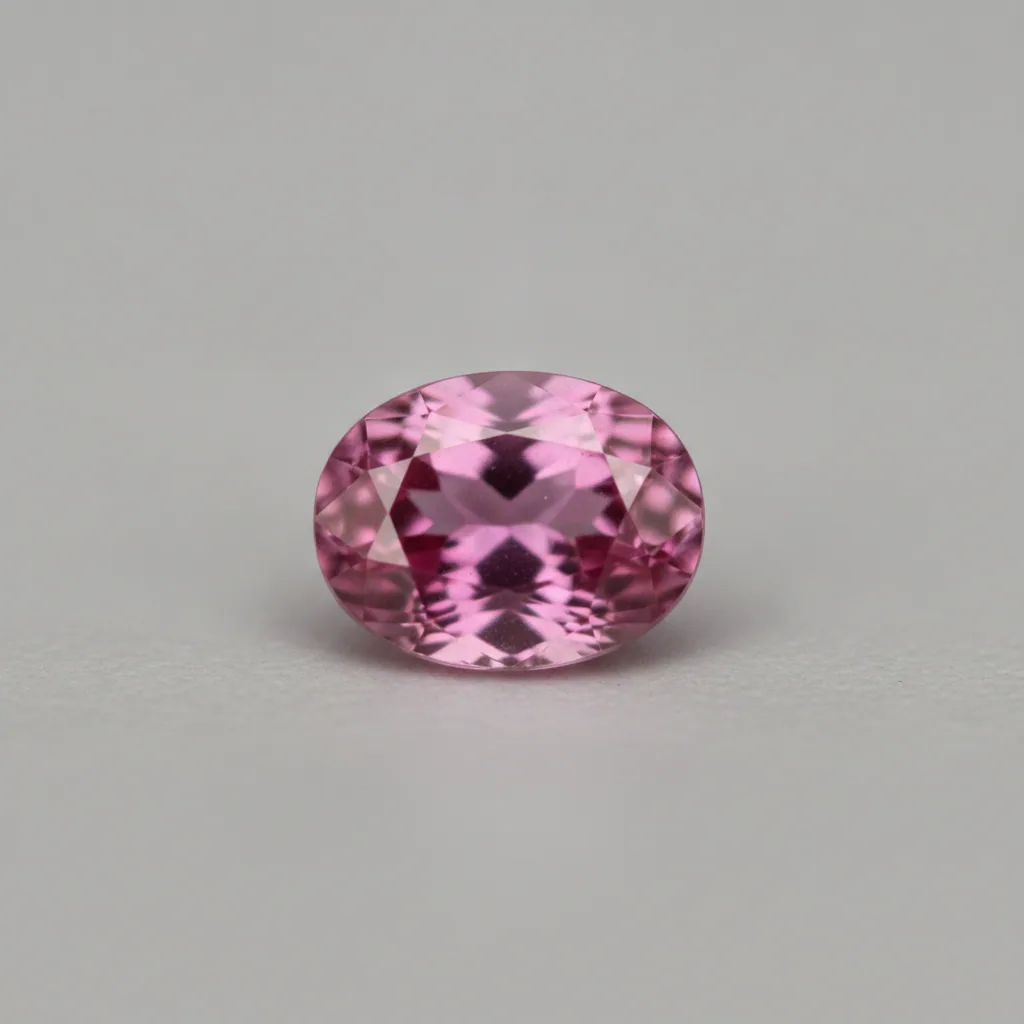
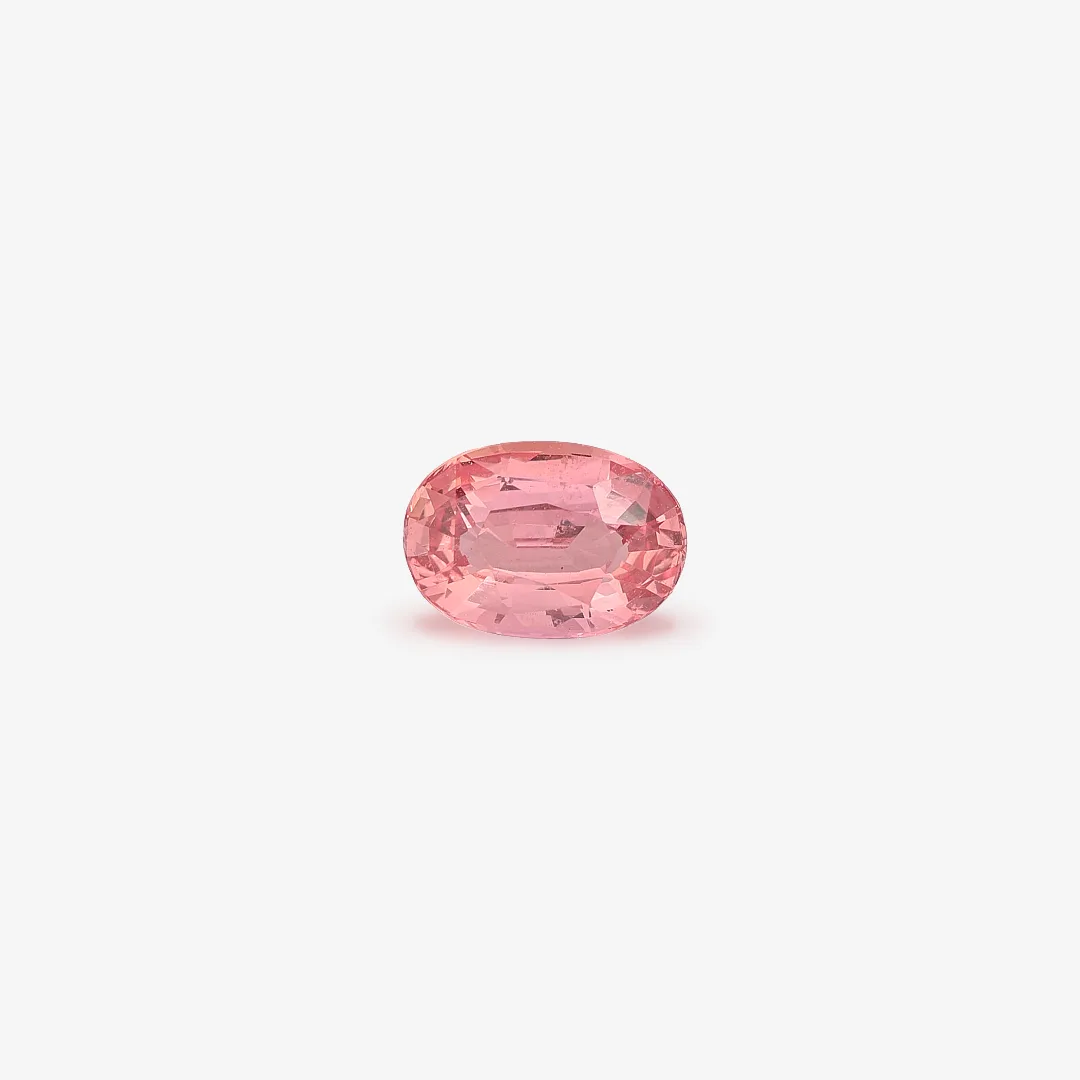
Pink sapphire. Colored by chromium, the same element that makes ruby red. Pink runs from a barely-there pastel to a hot, saturated magenta with purple or orange undertones. The hotter and more even the pink, the higher the price, but the pastels are a genuinely lovely, accessible entry into colored stones. Push the chromium far enough and pink becomes ruby; that boundary is one of the most argued lines in the trade. Our full pink sapphire buying guide covers the prices and the traps.
Yellow sapphire. Colored by iron and, in some stones, by color centers, which is why yellows range from a pale lemon to a rich, golden honey. It's one of the most underrated colors in the whole family. A clean, vivid golden yellow has real presence and usually costs a fraction of a comparable blue. If you want maximum color for the money, this is where I'd point a first-time buyer.
The connoisseur colors (teal, green, orange, purple, peach, white)
These are the colors dealers get quietly excited about. Less famous, often better value, and increasingly what younger buyers ask for by name.
Teal sapphire. A blue-green blend that reads like the ocean, driven by iron with a touch of the blue-forming chemistry. Teal has become one of the most requested colors of the last few years, especially for people who want blue but not obvious blue. One honest caveat: heat treatment can pull the green out and push teal toward plain blue, so an untreated teal that holds its color is worth seeking out. The full story is in the teal color guide.
Green sapphire. Iron gives green its color, and many greens are actually fine bands of blue and yellow zoning that blend to the eye. Green runs from a soft sage to a deep forest tone. It's one of the calmest, most wearable colors in the family and still sits at accessible prices. Gray and silver sapphires belong to the same quiet, iron-driven corner, and they have picked up a following among people who want a stone that reads almost like weather.
Orange sapphire. Colored mainly by iron, orange ranges from a warm amber to a bright, fiery tangerine. A pure, saturated orange with no brown pulling it down is genuinely uncommon and, in my experience, undervalued for how striking it is.
Purple and violet sapphire. A three-way mix of iron, titanium and chromium gives purple its color. Purples run from a soft lavender to a deep, royal violet. They're often overlooked, which keeps them affordable, and a good violet has a richness that punches well above its price.
Peach sapphire. A soft blend of pink and orange, gentler and warmer than padparadscha, peach has quietly become one of the most popular colors for people who want something delicate and unusual. It sits in the same warm family as padparadscha but without the rarity premium.
White sapphire. The one that isn't a color at all. Colorless corundum with almost no trace elements, white sapphire is the blank canvas of the family and the most honest entry point into a hard, natural stone. It won't throw rainbow fire the way a diamond does, because it disperses far less light, so it reads softer and more watery. Anyone selling it to you as a diamond substitute is selling, not explaining. We wrote the full white sapphire guide around exactly that honesty.
The rare ones: padparadscha, color-change, parti and star
Padparadscha. The most famous rarity in the family, a delicate blend of pink and orange, named after the lotus flower. True padparadscha should show the right mix of orange and pink, and the trade argues endlessly about where that range starts and stops. These stones regularly sell for prices that rival fine ruby. The window is narrow: too orange and it's an orange sapphire, too pink and it's a pink one. Getting a real one right takes experience, and two labs can genuinely disagree on the same stone. Here's how to spot a real padparadscha.
Color-change sapphire. Corundum's chameleon. The color change is caused by the trace element vanadium: the stone reads blue to violet in daylight and shifts to violetish or reddish purple under incandescent light. A strong, obvious change is the whole point, and the strength of that shift drives the value more than the bodycolor itself.
One stone, two lights: the color-change effect
The same stone, two light sources. The stronger and cleaner the shift, the more the stone is worth.
Parti and bi-color sapphire. One stone showing two or more colors at once, usually blue and green or blue and yellow, in distinct zones. Montana and Australia are classic sources. No two are alike, which is exactly why designers love them. A bi-color shows a cleaner split between two colors; a parti sapphire mixes several.
Star sapphire. Not a color so much as an effect: tiny needle inclusions scatter light into a six-rayed star across the top of a cabochon-cut stone. Star sapphires come in blue, gray, pink and black, and a sharp, well-centered star is what you pay for.
How is sapphire color graded?
Sapphire color is judged on three things: hue, tone and saturation. Get these three straight and you can price any color in the family.
- Hue is the color itself, and its modifiers. A stone is rarely one pure color; it's "violetish blue" or "orangey pink." The purer and more direct the main hue, the better.
- Tone is how light or dark the stone is, from very light to very dark. The sweet spot for most colors is medium to medium-dark, bright enough to glow, deep enough to have body.
- Saturation is the intensity, how vivid versus how grayed-out the color is. This is the single biggest lever on value. A vivid stone with no brown or gray "mask" is worth far more than a sleepy one of the same hue.
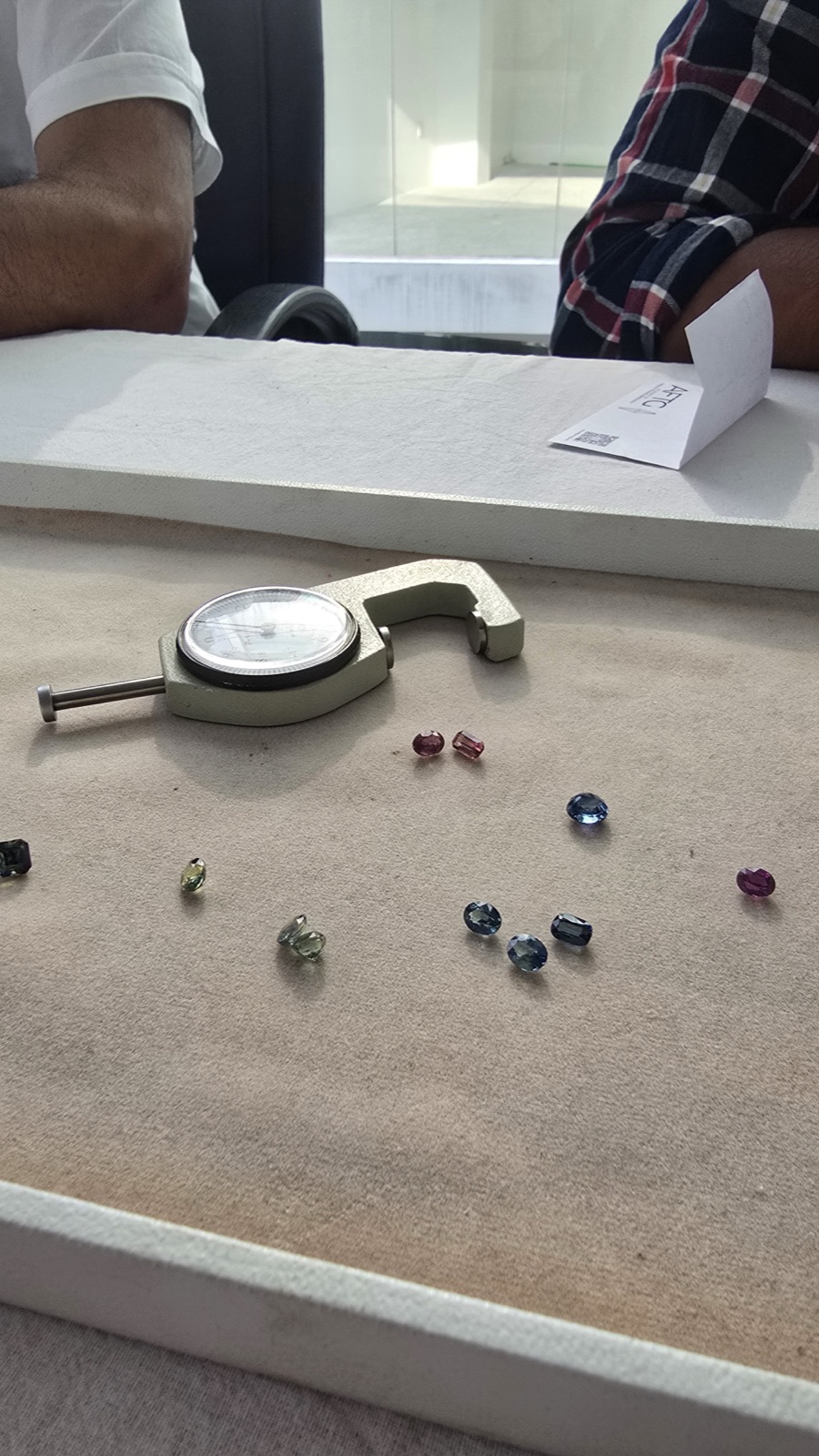
Here's the honest field version: I judge saturation first. A color that's alive in the hand beats a "correct" color that looks flat, every time. You can't fake saturation with a nice photo, which is exactly why I want stones on the table under hard light, not on a screen.
One thing almost no color guide will tell you: every color in this family can be grown in a lab. Synthetic corundum has been made commercially for over a century, and it comes in blue, pink, yellow, the orange-pink of padparadscha, and color-change too. A lab-grown stone has the same chemistry and the same hardness as a mined one, so color alone will never tell you which one you're holding. The tell is in the inclusions, under magnification, and that is precisely the call an independent lab report exists to make. If a vivid, eye-clean color is being offered well below the ranges below, treat that as the question to ask, not as the bargain.
Which sapphire color is the rarest and most valuable?
At the very top, a fine blue and a true padparadscha are the most valuable sapphire colors, and padparadscha is the rarest of the well-known ones because its pink-orange window is so narrow. Rare doesn't automatically mean expensive, though; parti sapphires are unusual but affordable, because rarity only adds a premium when demand chases it.
Here's the value ladder as I actually see it on the buying table, running from the most accessible to the top:
The color value ladder, as I see it on the table
green, yellow, teal, purple, peachMid
orange, fine pinkTop
fine blue, padparadscha
Saturation and treatment move a stone up or down this ladder more than color alone. A vivid, untreated yellow can beat a tired, heated blue.
And here's what those tiers look like in real numbers. Treat these as ballpark $/ct for a roughly 1-carat heated stone, they move a lot with size, quality and origin:
Indicative price per carat, color by color
Ballpark for a roughly 1-carat, heat-treated stone, commercial through fine. Add a 2 to 3 times premium for a certified untreated stone.
| Color | Indicative $/ct (heated, ~1ct) | Note |
|---|---|---|
| Blue | $100-2,500 · fine $2,500-6,000+ | top Ceylon/royal can top $10,000 |
| Pink | $50-1,500 · vivid $1,500-5,000+ | hot, even pink costs most |
| Padparadscha | $1,000-30,000+ | rivals fine ruby; exceptional stones more |
| Teal | $400-3,000 | trending, fine 1ct+ climbing |
| Yellow | $100-800 · fine golden to $2,000 | most color for the money |
| Orange | $400-2,000 | clean, brown-free orange is scarce |
| Purple / violet | $200-1,500 | often left untreated |
| Peach | $300-2,000 | warm tone below the padparadscha premium |
| Green | $50-600 | the most accessible in the family |
| White / colorless | $50-500 | an honest, budget-friendly entry point |
| Color-change / parti | $100-5,000+ | change strength (or the split) sets the price |
Indicative $/ct ranges only. Prices vary widely with size, quality, treatment and origin, this is a field guide, not an official grid. Ranges compiled from trade price guides and dealer listings, 2026.
Two things move a stone up or down that ladder more than color alone: saturation (a vivid example of any color beats a dull one) and treatment (an untreated stone that never saw a furnace carries a 2 to 3 times premium over a heated one). Origin matters too, but I'd rather buy a vivid, untreated yellow than a tired, heated blue any day.
And a word I'll say plainly, because the trade loves to whisper it: a sapphire is not a place to park money. Buy the color that stops you in the parcel, the one you'd actually wear. The stones that hold meaning are the ones you chose because they moved you, not because someone called them a safe bet. When you're ready to look at real stones, browse loose sapphires by color.
A sourcer’s take: which color to actually buy
After years of pulling papers open at the markets in Beruwala and Ratnapura, here's what I tell friends who ask. If you want the classic and you can stretch, buy the best-saturated blue you can afford and make sure it's untreated. If you want maximum color for a sensible price, go yellow, green or teal, they're the honest value of the family and nobody will guess what you paid. If you want something nobody else has, a clean peach, a vivid orange or a real parti stone will get more compliments than a safe blue ever will.
The one trap I'd steer you away from is buying a name instead of a stone. "Padparadscha" and "royal blue" are lovely words that add zeros. Look at the actual color in your hand, in daylight and under a lamp, and let that decide.

Found a color you love?
If a particular sapphire color speaks to you, we can source it directly and set it the way you want. We work stone-first: you pick the color and the stone, we build around it.
Quick answers
What colors do sapphires come in?
What is the rarest sapphire color?
What is the most valuable sapphire color?
Why are sapphires different colors?
Are all sapphires blue?
What is a padparadscha sapphire?
Can sapphires change color?
What is a parti sapphire?
Which sapphire color is best for an engagement ring?
Do darker sapphires cost more than lighter ones?
How many sapphire colors are there?
What is the most common sapphire color?
Is there such a thing as a red sapphire?
Can you tell a lab-grown sapphire by its color?
How many types of sapphire are there?
Is sapphire the September birthstone, and does the color matter?
What is a fancy sapphire?
The whole spectrum is the point
Blue was only ever the first chapter. Once you know that sapphire is corundum in every color but red, that iron makes blue and chromium makes pink and vanadium makes the whole stone change under a lamp, the parcel opens up. My honest advice after years at the source: skip the famous names, judge the saturation, and buy the color that actually stops you. If you want to see the full range in real stones, browse our sapphires by color, or start with the complete guide to sapphire for everything beyond color.